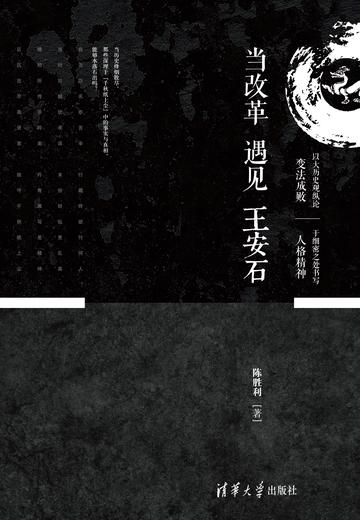
Wang Anshi's reform centered on financial and economic reforms and also took into account military and imperial examination reforms. Wang Anshi drew on Sang Hongyang's ideas of state interventionism, strengthened the government's intervention in business, and tried to create a reform path that used financial capital to expand agricultural production and increase fiscal revenue, so as to achieve a win-win situation for national interests and people's livelihood. Wang Anshi's reform achieved initial results, but it did not achieve the ultimate goal of enriching the country, strengthening the army, and subduing the "two Tibet". After Shenzong died and conservatives such as Sima Guang came to power, the reform failed. Although the reform failed, Wang Anshi did not fail. Wang Anshi's advanced thoughts on financial reform distanced him from other politicians of his generation. Wang Anshi's ambition to "correct the world and change the world", his courage to "not be afraid of changes in nature", "not to be afraid of the laws of the ancestors" and "not to be compassionate to others", his honest and self-sufficient character, his true love for the mountains and forests, as well as his outstanding literary achievements and classical attainments, have distanced him from the political figures of the past dynasties.