"A Brief History of Drugs" examines a series of classic drugs from ancient Babylonia to 6,000 years ago. Behind each drug is a wonderful legendary story.
Quinine and the British - In 1651, quinine officially entered the "Roman Pharmacopoeia" and was one of the few effective drugs in the pharmacopoeia. It was popular throughout Europe, but the United Kingdom was an exception.
Someone had a fever and died after taking quinine.
The British thought it was a "Catholic conspiracy" and the drug became illegal.
Talbot secretly introduced the drug, adding rose leaves, lemon juice and wine mixed with various ingredients to form a "mysterious remedy".
His sales were so successful that Charles II hired him as a physician with a large sum of money, granted him a knighthood, and asked him to reveal what medicine was so effective.
The doctor replied: Jesuit bark (the British name for quinine).
Charles II was greatly horrified: The use of this drug had been clearly prohibited for a long time. Why is a drug that was harmful to people in the past so effective now?
The doctor replied: The effects of this medicine are worthy only of kings.
Reader comments
This book gave me a deeper understanding of the development of medicine. By telling the legendary stories of drugs in history, it made me understand how difficult it is to make progress in medicine. Just like when we encounter difficulties in learning, we need to keep trying and exploring to find the right method. This book also reminded me of "Penicillin: Discovery and Legend", both of which made me feel the charm of science and human wisdom.
The process of drug evolution is the process of overcoming ignorance and rational thinking. The only point of view expounded in this book is that only by adhering to scientific and correct testing methods can we truly help people find good medicines to cure diseases.
It's very interesting and gives me a more comprehensive understanding of clinical research.
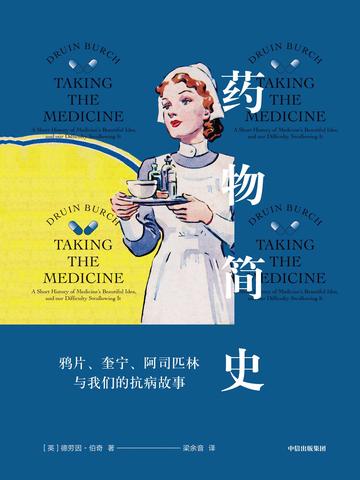




This book gave me a deeper understanding of the development of medicine. By telling the legendary stories of drugs in history, it made me understand how difficult it is to make progress in medicine. Just like when we encounter difficulties in learning, we need to keep trying and exploring to find the right method. This book also reminded me of "Penicillin: Discovery and Legend", both of which made me feel the charm of science and human wisdom.
The process of drug evolution is the process of overcoming ignorance and rational thinking. The only point of view expounded in this book is that only by adhering to scientific and correct testing methods can we truly help people find good medicines to cure diseases.
It's very interesting and gives me a more comprehensive understanding of clinical research.