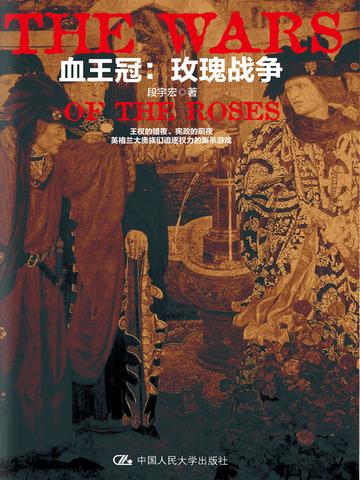
From the 14th to the 15th century, the British Plantagenet dynasty fought two of the most famous wars in the history of medieval Western Europe - the Hundred Years War between England and France and the War of the Red and White Roses. Chinese readers who have a superficial understanding of British history have usually heard of these two wars, but do not know much about the details. The War of the Roses has been exaggerated by Shakespeare's plays "Henry VI", "Richard III" and other famous works, and has been smeared with many romantic and magical colors. The book "Blood Crown: The Wars of the Roses" takes readers into a period of medieval England that they have been fascinated by for a long time but know little about, carefully sorting out the thrilling palace struggles and military games for readers, and satisfying their thirst for knowledge and curiosity about this period of history for many years.
Reader comments
A popular science book can help you learn some common sense and broaden your horizons, but nothing more. Many views are now outdated. For example, the issue of "title" is not very sophisticated, and it is easy to mislead readers into thinking that it is the same as ancient Chinese titles. However, in fact there are still differences, and the British title system is most similar to China in comparison, and can barely match it. But in other countries, such as France, Germany and other regions, the title cannot match the fifth-class title.
The characters in the book are vivid and have different personalities, especially Queen Margaret. Her competitiveness reminds me of some people in life. History is always full of drama, just like the stories in this book. Sometimes victory or defeat can be decided in a matter of seconds. I feel that this book not only tells history, but also makes me think more deeply about human nature.
A popular science book can help you learn some common sense and broaden your horizons, but nothing more. Many views are now outdated. For example, the issue of "title" is not very sophisticated, and it is easy to mislead readers into thinking that it is the same as ancient Chinese titles. However, in fact there are still differences, and the British title system is most similar to China in comparison, and can barely match it. But in other countries, such as France, Germany and other regions, the title cannot match the fifth-class title.
The characters in the book are vivid and have different personalities, especially Queen Margaret. Her competitiveness reminds me of some people in life. History is always full of drama, just like the stories in this book. Sometimes victory or defeat can be decided in a matter of seconds. I feel that this book not only tells history, but also makes me think more deeply about human nature.