The Gallic Wars recounts Caesar's campaigns in Gaul from 58 to 51 BCE. A celebrated work by Caesar and a model of Latin prose, it offers something for everyone: military enthusiasts can follow the battles, historians can debate the events, folklorists can explore the cultures of continental Europe, strategists can ponder the art of kingship and hegemony, and Caesar's admirers can study Caesar himself. Conquering Gaul gave Caesar vital political capital. Beneath the plain, objective prose of The Gallic Wars lies a carefully contrived defense: a counterattack against Pompey, an effort to mislead the Senate, and a means of crafting an image of himself as a brave and benevolent hero. The book brims with pride in the Roman spirit, respect for the bravery and simplicity of the barbarians, and reflection on civilization.
His descriptions of the Gauls also gave me a deeper understanding of Europe of that era. Especially the phrase "I come, I see, I conquer" is so domineering! Caesar is indeed a hero of Rome, and this book allowed me to see a real Caesar.
It is easy to read and disseminate, which is what makes the Gallic War Chronicles outstanding.
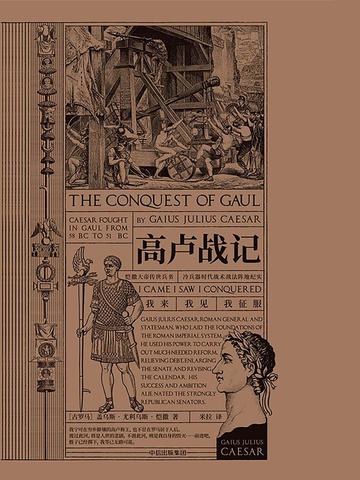










His descriptions of the Gauls also gave me a deeper understanding of Europe of that era. Especially the phrase "I come, I see, I conquer" is so domineering! Caesar is indeed a hero of Rome, and this book allowed me to see a real Caesar.
It is easy to read and disseminate, which is what makes the Gallic War Chronicles outstanding.