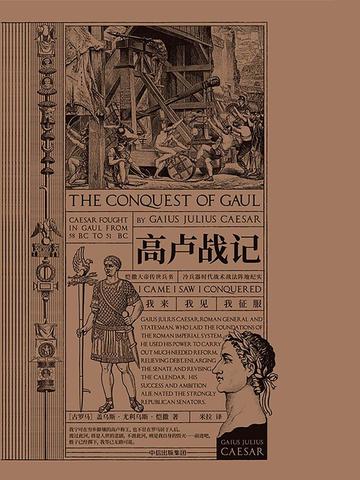
"Gaul Wars" records Caesar's battles in Gaul from 58 BC to 51 BC. Caesar's masterpiece handed down from generation to generation, a classic work in Latin, is rich in connotation: military fans watch battles, historians discuss events, folklorists explore European humanities, strategists understand the way of kings and hegemons, and Caesar fans watch Caesar. By conquering Gaul, Caesar gained important political capital. Behind the simple and objective text of "The Gallic War" is a deliberate defense to fight back against Pompey, deceive the Senate, and create a personal image of a heroic and benevolent hero. The book is filled with pride in the Roman spirit, respect for the bravery and simplicity of the barbarians, and reflections on civilization.
Reader comments
His descriptions of the Gauls also gave me a deeper understanding of Europe of that era. Especially the phrase "I come, I see, I conquer" is so domineering! Caesar is indeed a hero of Rome, and this book allowed me to see a real Caesar.
It is easy to read and disseminate, which is what makes the Gallic War Chronicles outstanding.





His descriptions of the Gauls also gave me a deeper understanding of Europe of that era. Especially the phrase "I come, I see, I conquer" is so domineering! Caesar is indeed a hero of Rome, and this book allowed me to see a real Caesar.
It is easy to read and disseminate, which is what makes the Gallic War Chronicles outstanding.