No emperor in history has received as much widespread sympathy after losing his country as Chongzhen. In essence, he was no tyrant, and compared with his ancestors, he could even be considered a conscientious and capable ruler. So why did relations between him and his ministers grow steadily worse, ultimately reaching a complete break? After the fall of his dynasty, Chongzhen lamented, "I am no ruler who brought down his country. You are the ministers who brought it down." Was Chongzhen truly not responsible at all? Every time he issued an edict accepting blame, he had a minister killed as a scapegoat; every time a city fell, he had its defending general executed. Was this vicious cycle caused by a system that stifled communication, or by conflicts of interest? Through the brutal struggle between the Ming Empire's ruler and its civil officials, the author ventures inside the empire and into the heart of history to discover who brought the Ming Empire to ruin.

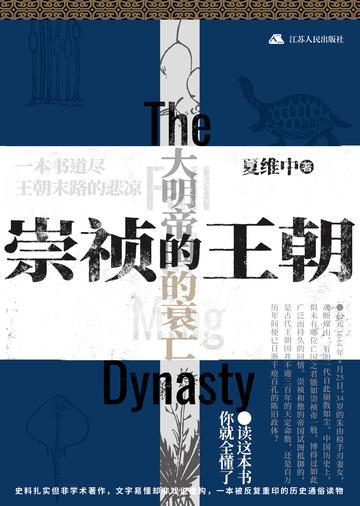
This reminds me of "Those Things in the Ming Dynasty", both of which show the complexity of history in a vivid way. The story of Emperor Chongzhen also reminds me of some people in life who work hard but may not get good results. This may be a problem of communication and system. History can always give us a lot of inspiration, making us wiser when facing the future. Have you read "Those Things in the Ming Dynasty"? We can discuss it together.