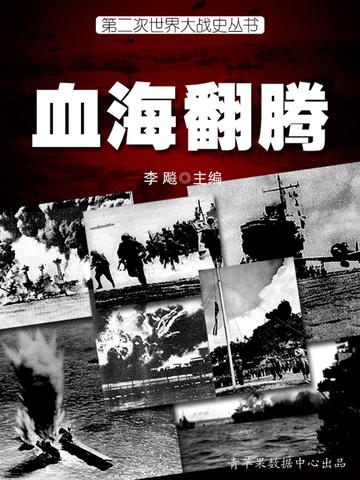
This book introduces the relatively large-scale classic naval battles between the anti-fascist camp and the fascist imperialist countries on the Asian battlefield in World War II. Mainly include: landing on Okinawa, Battle of Coral Sea, Battle of Midway, Battle of Marshall Islands, etc.
Reader comments
World War II was a global conflict that brought unprecedented damage, but it also summed up experiences and lessons for future military development. From several classic naval battles in Asia in this book, we can actually see the importance of naval aviation. For example, the attack on Pearl Harbor and the Battle of Midway proved the importance of aviation in controlling maritime air supremacy and attacking enemy navies. In the Battle of Midway, the US-UK alliance fought, highlighting the importance of military alliances. If not for this, Japan would not have gone downhill from this battle. History has happened, and we cannot change it. We can only learn more lessons and experiences from it, and then continue to develop ourselves to make the country's military strength stronger and stronger.
In World War II, the ocean became an important battlefield for both warring parties. Several battles that had a major impact on the balance of power and the overall situation between the two war parties took place in the ocean. The casualties and economic losses during the period were sometimes no less than those of land battles. This book focuses on the confrontation between Japan and the United States in the Pacific battlefield, detailing a series of important naval battles starting from Japan's attack on Pearl Harbor, and recreating the tense stalemate and cruelty of the war. Future battles may take place more often at sea and in the air. Summarizing the experience and lessons of naval battles during World War II will be of great significance to our country's future territorial security and integrity.
Every time I read a book about World War II, I feel heavy. When I open the book, every word and every data in it is full of bloody lives and tragic sacrifices. This book mainly introduces the relatively large-scale classic naval battles on the Asian battlefield in World War II, including the landing on Okinawa, the Battle of the Coral Sea, the Battle of Midway, and the Battle of the Marshall Islands. The background and driving factors of each battle, the reactions of several parties before and after the battle, the entire battle process, and the subsequent impact are all written in great detail, down to the minute, allowing us to clearly understand everything that happened at that time.
I have learned a lot about World War II in history books, but they are not very specific and detailed. This book introduces the specific war. For example, in World War II, on the Asian battlefield, there was a relatively large-scale classic naval battle between the anti-fascist camp and the fascist imperialist countries. Mainly include: landing on Okinawa, Battle of Coral Sea, Battle of Midway, Battle of Marshall Islands, etc. It is a very good choice for expanding detailed knowledge!
If you like military history, you must read this book.





World War II was a global conflict that brought unprecedented damage, but it also summed up experiences and lessons for future military development. From several classic naval battles in Asia in this book, we can actually see the importance of naval aviation. For example, the attack on Pearl Harbor and the Battle of Midway proved the importance of aviation in controlling maritime air supremacy and attacking enemy navies. In the Battle of Midway, the US-UK alliance fought, highlighting the importance of military alliances. If not for this, Japan would not have gone downhill from this battle. History has happened, and we cannot change it. We can only learn more lessons and experiences from it, and then continue to develop ourselves to make the country's military strength stronger and stronger.
In World War II, the ocean became an important battlefield for both warring parties. Several battles that had a major impact on the balance of power and the overall situation between the two war parties took place in the ocean. The casualties and economic losses during the period were sometimes no less than those of land battles. This book focuses on the confrontation between Japan and the United States in the Pacific battlefield, detailing a series of important naval battles starting from Japan's attack on Pearl Harbor, and recreating the tense stalemate and cruelty of the war. Future battles may take place more often at sea and in the air. Summarizing the experience and lessons of naval battles during World War II will be of great significance to our country's future territorial security and integrity.
Every time I read a book about World War II, I feel heavy. When I open the book, every word and every data in it is full of bloody lives and tragic sacrifices. This book mainly introduces the relatively large-scale classic naval battles on the Asian battlefield in World War II, including the landing on Okinawa, the Battle of the Coral Sea, the Battle of Midway, and the Battle of the Marshall Islands. The background and driving factors of each battle, the reactions of several parties before and after the battle, the entire battle process, and the subsequent impact are all written in great detail, down to the minute, allowing us to clearly understand everything that happened at that time.
I have learned a lot about World War II in history books, but they are not very specific and detailed. This book introduces the specific war. For example, in World War II, on the Asian battlefield, there was a relatively large-scale classic naval battle between the anti-fascist camp and the fascist imperialist countries. Mainly include: landing on Okinawa, Battle of Coral Sea, Battle of Midway, Battle of Marshall Islands, etc. It is a very good choice for expanding detailed knowledge!
If you like military history, you must read this book.