Peter the Great (1672-1725) was an important figure in Russian history. He was a great statesman, military strategist and reformer of the feudal aristocratic class in Russia from the late 17th century to the early 18th century.
After Peter the Great took power, he carried out drastic reforms. He established a powerful regular army and naval fleet. Through the 21-year-long Northern War against Sweden, he defeated Sweden, the then Western European power, and seized the Baltic Sea outlet and its vast southeastern coast. Russia turned from a landlocked country into a coastal power and became one of the European military powers.
Through political reforms, he established the Senate and committees in charge of various departments to replace the old yamen, formulated laws, set up supervisory agencies, put the church under the jurisdiction of the state, and strengthened the centralized rule of the monarchy. Through economic reforms, he changed Russia's serious lagging behind Western Europe and developed modern industry and domestic and foreign trade. In terms of cultural and educational reform, he founded the Academy of Sciences, opened many schools, established Russia's earliest museums, public libraries, printing houses, theaters, etc., And founded the first all-Russian newspaper, which greatly developed culture, education, science and technology. However, Peter the Great's reforms were achieved by intensifying the exploitation and oppression of the broad masses of the people, thus arousing resistance from the masses.
His reforms improved the status of the feudal aristocracy, consolidated their rule, and were in line with the interests of emerging merchants. Since his reforms did not touch serfdom, but instead strengthened the exploitation and oppression of serfs by feudal aristocratic lords, his reforms were incomplete and could not completely overcome Russia's backwardness.
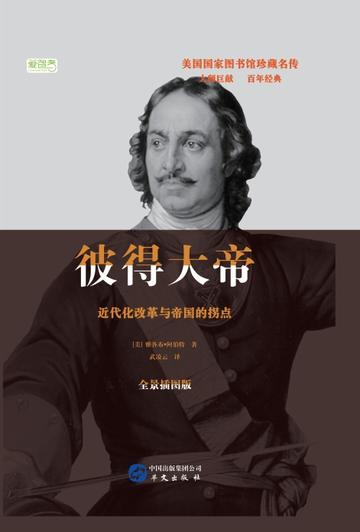

Peter the Great deserves to be the first Czar