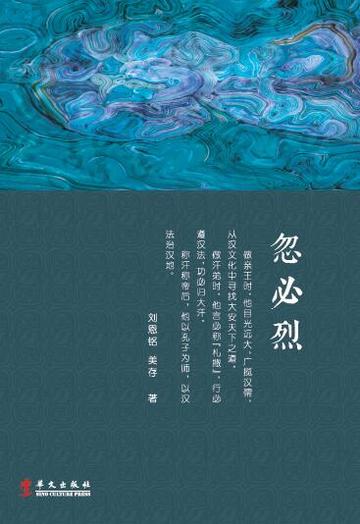
Kublai Khan’s life was rich, turbulent, and full of sweeping changes. During the reigns of Ögedei Khan and Güyük Khan, Kublai was ordered to take a wife twice and lived a pastoral life. Keeping a low profile, he advised his elder brother Möngke to learn how to “wait.” During Möngke Khan’s reign, Kublai gathered talented people from far and wide, employed Han scholars, campaigned south against Dali, consolidated his hold over central China, and waged war against the Southern Song. At one point, his achievements threatened to overshadow the khan, so he returned north to live in seclusion, telling himself to “be patient.” After Möngke’s death, Kublai decisively cast aside tradition and struck with lightning speed, defeating his younger brother Ariq Böke and ascending to the position of Great Khan before declaring himself emperor. In 1271, he changed the dynasty’s name to “Great Yuan.” During this period, a revolt by Han generals led him to restrict Han officials from taking office. Later, the demands of war led him to appoint trusted attendants to manage the finances, earning public anger and resentment. Yet throughout his life, his policy of “governing Han territories through Han institutions” never changed. His final words were: “Rule the realm with benevolence.”
The author wrote the story of Kublai Khan very vividly, and I felt like I was experiencing those things with Kublai Khan. Moreover, I also learned some principles from it, such as learning to wait and be patient. I think this book is worth reading!
This book provides us with a good understanding of Kublai Khan and is worth reading.






The author wrote the story of Kublai Khan very vividly, and I felt like I was experiencing those things with Kublai Khan. Moreover, I also learned some principles from it, such as learning to wait and be patient. I think this book is worth reading!
This book provides us with a good understanding of Kublai Khan and is worth reading.