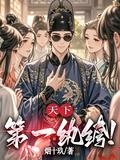
This book tells the story of the leader of the greatest family in the martial world, the foremost man of his time. In his youth, his name was considered taboo, and he endured mockery and bullying from martial artists across the land. He fought back and eventually became the true number one in the martial world. Because of what he had suffered, he came to despise the many injustices of the jianghu. He therefore founded the First Hall, a court for the martial world that accepted complaints from anyone who had been oppressed or humiliated, then imposed severe punishments on those accused. His actions infringed on the authority of many martial arts leaders, so several factions' leaders joined forces, painstakingly devised a plan, and gathered their people. After ten years of preparation, they finally destroyed the First Hall in one decisive strike, killing the First Man and his eldest son and reclaiming the power held by those in the jianghu. But Diwen, the First Man's second son, escaped the disaster. Using the hidden forces his father had left behind, he rebuilt the First Hall and sought revenge on those who had killed his father and brother. After a contest of strategy and strength, Diwen carried out his revenge, but he also came to understand the mistakes his father had made. So he willingly surrendered the power to rule the jianghu that he had won, returning it to those who truly deserved to hold it.
The style of this book blends the strengths of Jin Yong and Gu Long while offering plenty of innovation of its own. Readers have hailed it as a successful example of the mainland's new wuxia fiction. Alongside its depiction of power struggles, it is rich in tenderness between men and women, and delves deeply into the many shining qualities of human nature. It both builds on traditional wuxia and forges a new path, one that has already proven successful. Perhaps that is the work's greatest appeal.


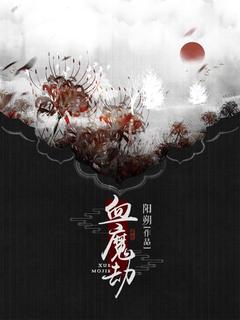 The Blood Demon’s Calamity
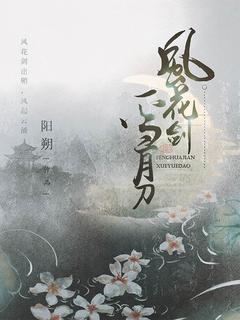 Wind, Flower, Sword, Snow, Moon, and Blade
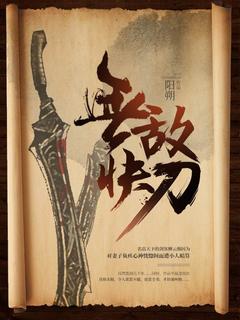 The Invincible Quickblade
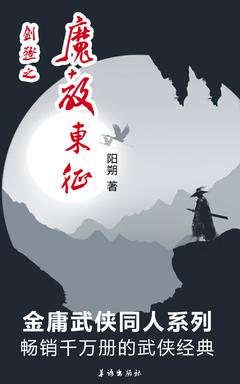 Sword’s End: The Demon Cult’s Eastern Expedition
 Poison Reigns Supreme
 The Fierce Saber, the Wildflower
 Dazzling Jianghu (Complete in Three Volumes)
 The Soul-Stealing Jade Flute
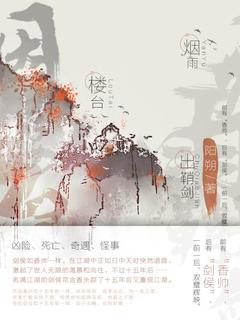 Misty Rain, Towering Pavilion, Drawn Sword
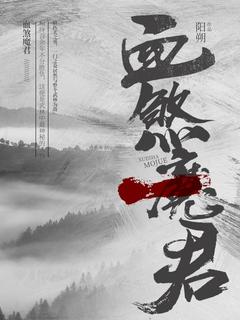 Bloodfiend Demon Lord
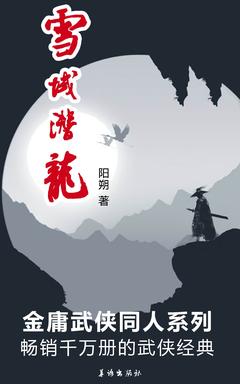 Hidden Dragon of the Snowlands
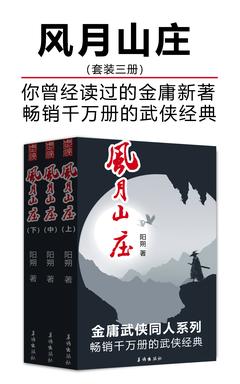 Wind and Moon Manor
Wherever there are people, there is a world of its own.
Wonderful, really good