
Stats
8.6Score
24Chapters
Tags
Synopsis
Reader comments
In booklists 3
Buddhism, Diamond Sutra, Taoism
The ancient Buddha of Ran Deng sat down and passed on to the protagonist the Diamond Sutra. The protagonist obtained the Tao Sutra and practiced together.
7.7MViews358Books22dUpdated

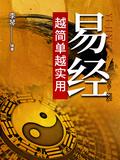
Is There Any Book About the Easy Counting of Plum Blossoms? Concise and Clear, I Am Currently Studying on My Own.
5.6MViews349Books6dUpdated
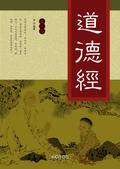
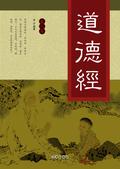
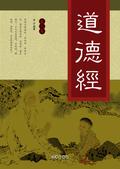
Books About Philosophy. Very Meaningful.
About Taoism or Buddhism.
1.4MViews548Books1dUpdated
The history of Buddhism, like the cultural history of our country, has experienced ups and downs and experienced many twists and turns in its development. The content covers nearly two thousand years of history from the introduction of Buddhism to China to the end of the 20th century. This book comprehensively and in-depth depicts the ups and downs of Chinese Buddhism in history through research on Buddhist thought, culture, inheritance, schools, religious systems, etc. This is an authoritative, comprehensive and in-depth book on the history of Buddhism. It not only has reference value for Buddhist believers and professional scholars, but also reveals the inheritance and evolution of Chinese Buddhism for general readers, providing a clearer and three-dimensional understanding.
Recommend. A must-read for readers who are interested in Buddhism or are just starting to study Buddhism. The academic attainments of this work are very high. This book is the first systematic general history of Buddhism in China written using modern methods, and its status is self-evident. Its author is an academic master, and the language used in the book is rigorous and well researched. The text of this book is not as popular as the current books, and is a bit obscure, so it requires patience to read it, and it is best to read it with the help of other books or materials. If you have a good foundation in classical Chinese, reading will be more effective with half the effort.
It is definitely an academic book, a must-have for professionals doing research and writing papers. If you don't read "History of Chinese Buddhism", you can't say you understand Buddhism. In addition, authors who write online articles can also take a look. There are too many misunderstandings about Buddhism in online articles. Many misunderstandings actually stem from misunderstandings of history. The history of Buddhism in history textbooks is somewhat simple and superficial. This book is based on the relevant works of Japanese scholars and is an extension of research and perfection. It can be called a classic. Don't let the inheritance be distorted by historical trends of thought. We should return Chinese Buddhism to its origins.
Based on history but above history, it not only talks about history, but also talks about Zen mind. Such peace of mind is called watching on the wall; such distribution is called the four dharma; such conformity to the teachings of things and protection from ridicules; such convenience, the teachings and instructions are not followed; however, there are many ways to enter the Tao, and there are only two types, which are called principles and practices. Don't misunderstand Buddhism anymore. Buddhism was introduced to China and blessed with the great wisdom of our ancestors. It has already developed into a kind of philosophical speculation. I hope this book can be passed down and read by more people. Even if you don't believe in Buddhism, it's good to read it. At least you should understand the history of Buddhism and understand the philosophy of Buddhism. This is much better than simple superstition and kowtow and beg. Real enlightenment does not mean calling Amitabha Buddha all day long, but letting a Buddha live in your heart.