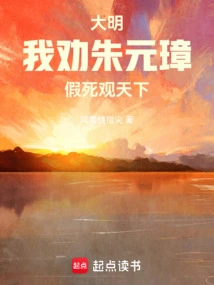
Daming: I Advise Zhu Yuanzhang to Fake His Death and Watch the World
by Wind And Snow Around Fingertips
About This Novel
Hongwu period. Princess Chang died of rupture several dozen days after giving birth to her second son. Zhu Xiongying, the great grandson, suffered from highly contagious pox, but he did not infect anyone and died of serious illness. The emperor is old and his destiny is unknown. Then the prince Zhu Biao, who had no abnormality in his early days, was in good health and suddenly died of a serious illness. Is all this a distortion of human nature or a loss of morality? Is it really a coincidence or fate? (This book takes you into science and dissects all the weird things.) (Any similarity is purely coincidental.)
Official Sources
What Readers Think
Rating
Community(0)
Official(4)Scraped 2mo ago
A conspiracy theory novel from the early Ming Dynasty that is viewed from another perspective, which is quite innovative.
The perspective is special. Looking forward to the follow-up plot
Not bad. It's not a brainless article. The white ticket monster is passing by. I'll give you 9 recommendation votes. You can only read it for free.
The protagonist is too passive and does not fight back when beaten. In addition, the princes in the early Ming Dynasty are equivalent to princes and kings and have great power. The protagonist, a prince with military power, only uses his brains, but the civil servants of the court dare to kill the protagonist. Isn't it a bit contrary to Tiangang?
Rating
Community(0)
Official(4)Scraped 2mo ago
A conspiracy theory novel from the early Ming Dynasty that is viewed from another perspective, which is quite innovative.
The perspective is special. Looking forward to the follow-up plot
Not bad. It's not a brainless article. The white ticket monster is passing by. I'll give you 9 recommendation votes. You can only read it for free.
The protagonist is too passive and does not fight back when beaten. In addition, the princes in the early Ming Dynasty are equivalent to princes and kings and have great power. The protagonist, a prince with military power, only uses his brains, but the civil servants of the court dare to kill the protagonist. Isn't it a bit contrary to Tiangang?
You Might Also Like

Reborn Female General
Qianshan Tea Guest
The Eldest Grandson of the Emperor of the Tang Dynasty
Nanshan Hall
My Brother is the Most Handsome Man in the Qin Dynasty
Premium Cigarettes
My Uncle's Name is Zhu Di
History Turns To Ashes
From Magistrate of Ming Dynasty to Mainstay of the Country
Niujiao's Second Senior Brother
The Good Saint Grandson of the First Emperor
It's March
Suppress the Qin Dynasty
A Story Or Two In Exchange For Drink Money
Qin Yan
Bright Qin Shiyue
Daming: I Can't Kill Such a Greedy Prince-in-law?
Present Or Ancient
Ming Dynasty: Zhu Yuanzhang's Simulator
Roll Your Eyes