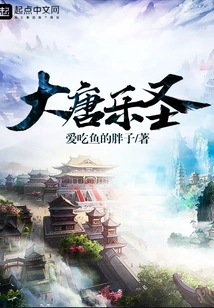
Datang Lesheng
by Fat Man Who Loves To Eat Fish
About This Novel
Boss: In every era, there needs to be some people who represent justice and light, so here I am. Second Brother: Then, every era also needs people to represent evil and darkness. The third child: People can't be too smart, otherwise, they will have more and more troubles. So, I am silly and I have more joy. Li Guinian: I just bring joy to this world, not to make everyone stupid, although everyone is... The work "Farmers of the Tang Dynasty" has been completed, and all book friends are welcome to appreciate it.
Official Sources
What Readers Think
Rating
Community(0)
Official(8)Scraped 1mo ago
1. Titles among civilians: 1. "Niangzi" refers to: When a man greets a woman, regardless of whether they are acquainted with each other, they can all be called "Niangzi", and younger ones can be called "Little Niangzi". "Niangzi" here does not mean wife, you can use it boldly. 2. The word "Xianggong" is strictly prohibited to be used casually! In the Tang Dynasty, only the prime minister was called "Xiangong". 3. "Lang" or "Langjun". To call a familiar man, he is usually called by his surname plus his line number or "Lang" at the end; while when he calls a woman, he is usually called by his surname, his line number and "Mother". 4. "Brother" refers to: Tang Dynasty family law, father calls himself brother to his son, or he calls his father brother when talking to others. But not universally. It is generally used to address one's father when talking to others. He calls his father brother, but not just brother. Generally, it depends on the father's ranking in the family, and then the brother is called based on the ranking. For example, if the father is the fourth in the family, the child can call his father "fourth brother". 5. "Lang" and "Brother": People in the Tang Dynasty called their fathers and elder brothers "ge". Elders addressed younger generations, brothers to younger brothers, and friends of the same generation by their first names or called them "Lang". People in the Tang Dynasty mostly had large families and placed great emphasis on lineage. Even if they were biological fathers, they would sometimes be called by their lineage. In the Tang Dynasty, among civilians, "adult" was only an honorific for fathers and was not used to address officials with a higher status than themselves. Moreover, when lower-level officials met superior officials or common people met officials, they were not as servile as in later generations. The terms "Mother" and "Mr." For Concubine Taizhen and the Crown Prince are not groundless. In the Tang Dynasty, there was no such thing as "Master", and the slaves called the male master "Alang". The young master is called "Lang Jun"; the mistress and young lady are called "Lady". However, "Niangzi" and "Langjun" are not only used by slaves to address their masters. Others also call them "Niangzi" when they meet a woman, and some call them "Little Niangzi" when they meet young women. Older people also call young people "Lang" or "Langjun". For example, a poem by Li Bai describes: An old man asked Li Bai, "Why does Lang Jin want to cross the border?" Then he warned him that "such a disturbance is not feasible." 2. Title of the royal family: 1. When the common people met the emperor, they also called themselves "ministers" like the officials. This can be seen in the conversation between Emperor Ming and an old man when he was fleeing, and the conversation between Dezong and a farmer when he was on tour. 2. The emperor calls himself: "I". In addition, sometimes "I" or "I" are also used. 3. The concubine calls herself: "Concubine" or "Concubine" on formal occasions. Usually use "I" or "I". 4. The princess calls herself: She also calls the emperor "I" or "I". 5. The emperor's name for his son: If you are more intimate, you can call him by his nickname. In normal times, you can call him by his first name or rank, such as Jiulang. 6. The Crown Prince calls himself: "I" or "I" are usually used more often. In addition, when referring to the emperor or queen, he can use "son minister", and when referring to servants, he can use "little king". 7. The prince is often called "Lang Jun" by those around him; the kings are called "Prince".
The author's layout is too small
One emperor through the ages? It was written so stingy by the author. I feel stingy, not like an emperor, but like a small boss in Guangdong, and the situation is not as big as that of a small boss.
top
Top, it's actually a group wear, 6b6b, prepare to see when it will be exposed
Come on. . . . . . . . .
Uh-huh
Pass by, pass by, sign in, sign in.
Come on. . . . . . . . . .
Come on, come on (25 6106_6107)25...
I just finished reading Nong Sheng's book. It's very well written. Come on.
Rating
Community(0)
Official(8)Scraped 1mo ago
1. Titles among civilians: 1. "Niangzi" refers to: When a man greets a woman, regardless of whether they are acquainted with each other, they can all be called "Niangzi", and younger ones can be called "Little Niangzi". "Niangzi" here does not mean wife, you can use it boldly. 2. The word "Xianggong" is strictly prohibited to be used casually! In the Tang Dynasty, only the prime minister was called "Xiangong". 3. "Lang" or "Langjun". To call a familiar man, he is usually called by his surname plus his line number or "Lang" at the end; while when he calls a woman, he is usually called by his surname, his line number and "Mother". 4. "Brother" refers to: Tang Dynasty family law, father calls himself brother to his son, or he calls his father brother when talking to others. But not universally. It is generally used to address one's father when talking to others. He calls his father brother, but not just brother. Generally, it depends on the father's ranking in the family, and then the brother is called based on the ranking. For example, if the father is the fourth in the family, the child can call his father "fourth brother". 5. "Lang" and "Brother": People in the Tang Dynasty called their fathers and elder brothers "ge". Elders addressed younger generations, brothers to younger brothers, and friends of the same generation by their first names or called them "Lang". People in the Tang Dynasty mostly had large families and placed great emphasis on lineage. Even if they were biological fathers, they would sometimes be called by their lineage. In the Tang Dynasty, among civilians, "adult" was only an honorific for fathers and was not used to address officials with a higher status than themselves. Moreover, when lower-level officials met superior officials or common people met officials, they were not as servile as in later generations. The terms "Mother" and "Mr." For Concubine Taizhen and the Crown Prince are not groundless. In the Tang Dynasty, there was no such thing as "Master", and the slaves called the male master "Alang". The young master is called "Lang Jun"; the mistress and young lady are called "Lady". However, "Niangzi" and "Langjun" are not only used by slaves to address their masters. Others also call them "Niangzi" when they meet a woman, and some call them "Little Niangzi" when they meet young women. Older people also call young people "Lang" or "Langjun". For example, a poem by Li Bai describes: An old man asked Li Bai, "Why does Lang Jin want to cross the border?" Then he warned him that "such a disturbance is not feasible." 2. Title of the royal family: 1. When the common people met the emperor, they also called themselves "ministers" like the officials. This can be seen in the conversation between Emperor Ming and an old man when he was fleeing, and the conversation between Dezong and a farmer when he was on tour. 2. The emperor calls himself: "I". In addition, sometimes "I" or "I" are also used. 3. The concubine calls herself: "Concubine" or "Concubine" on formal occasions. Usually use "I" or "I". 4. The princess calls herself: She also calls the emperor "I" or "I". 5. The emperor's name for his son: If you are more intimate, you can call him by his nickname. In normal times, you can call him by his first name or rank, such as Jiulang. 6. The Crown Prince calls himself: "I" or "I" are usually used more often. In addition, when referring to the emperor or queen, he can use "son minister", and when referring to servants, he can use "little king". 7. The prince is often called "Lang Jun" by those around him; the kings are called "Prince".
The author's layout is too small
One emperor through the ages? It was written so stingy by the author. I feel stingy, not like an emperor, but like a small boss in Guangdong, and the situation is not as big as that of a small boss.
top
Top, it's actually a group wear, 6b6b, prepare to see when it will be exposed
Come on. . . . . . . . .
Uh-huh
Pass by, pass by, sign in, sign in.
Come on. . . . . . . . . .
Come on, come on (25 6106_6107)25...
I just finished reading Nong Sheng's book. It's very well written. Come on.
Featured in 1 Booklist
You Might Also Like
Possessed by Lu Bu
The King Is No More Than A Hegemon
Hanxiang
Jie And 2
The Poor Man's Two Thousand Years
Non-player Character
Reborn Female General
Qianshan Tea Guest
Tomorrow
Jie And 2
Shao Song
Grenades Are Afraid Of Water
My Brother-in-law is the Prince
Go Up The Mountain And Hit The Tiger On The Forehead
Qin Gong
When It Rains, I Bring A Knife
The World's Heroes
Gao Yue
The Best Servant
Yuyan