
Go Back in Time and Be a Chaebol
by The Fate Of The Little Fish
About This Novel
The new book "Returning to Africa to Be a Plutocrat" has been released! Please support me guys! This is an era of great reshuffle. The old overlord has abdicated, but the new overlord has not yet taken over! This is a story about going back to the past, in this era of great reshuffle, and finally becoming the world's largest plutocrat. Does the state own chaebols? It's clear that the chaebols own the country, right? This book is also known as "Returning to the Second World War and the Founding of the Nation by the Plutocrats", "The Story of the Founding of the Nanyang Plutocrats", "Starting in Europe and Founding the Nation in Nanyang", "Starting with the Plutocrats and Founding the Nation in Nanyang"... ---- Book club group: 739209015 Welcome everyone to join and discuss the plot together
Official Sources
What Readers Think
Rating
Community(0)
Official(245)Scraped 1mo ago
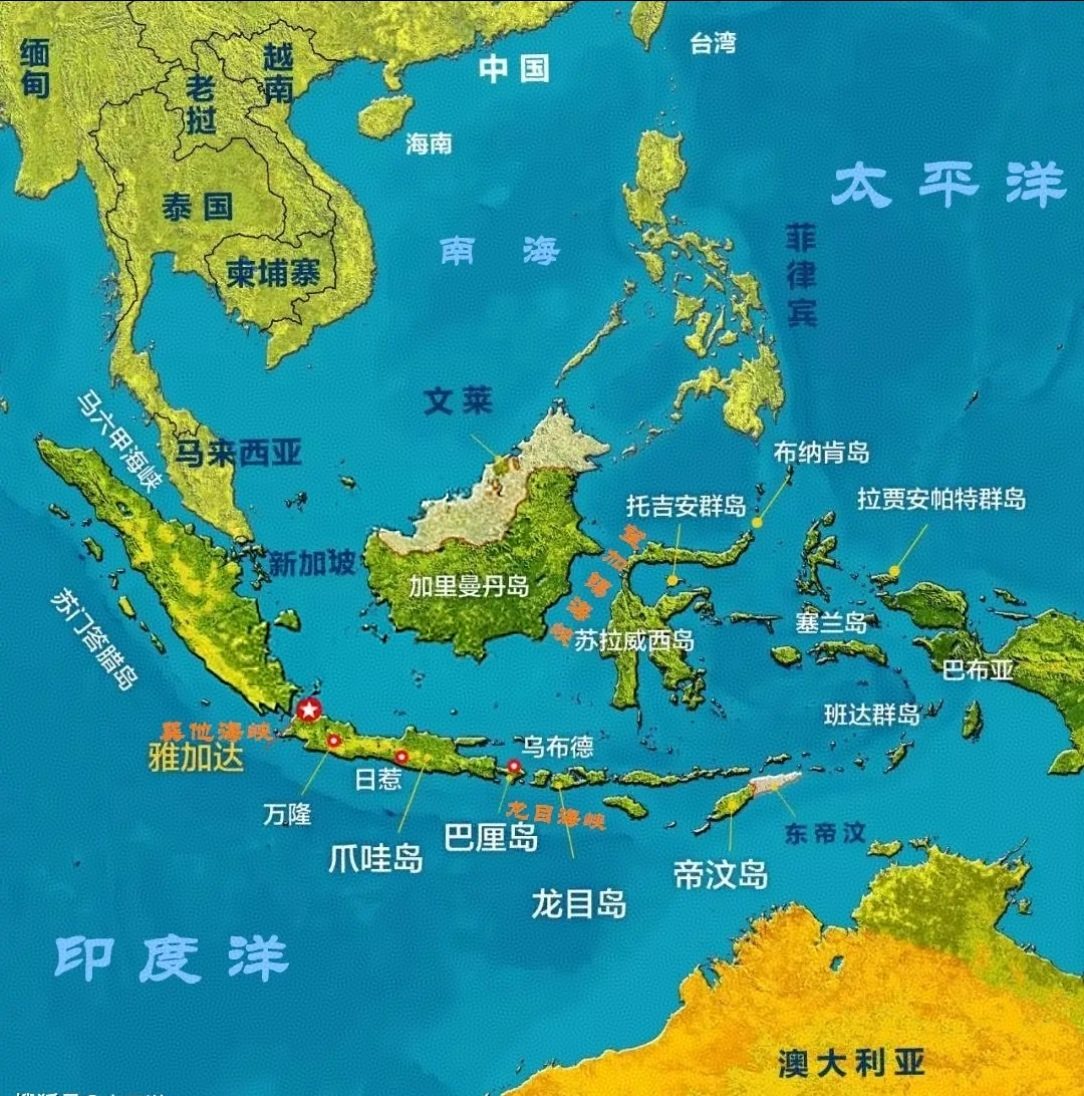
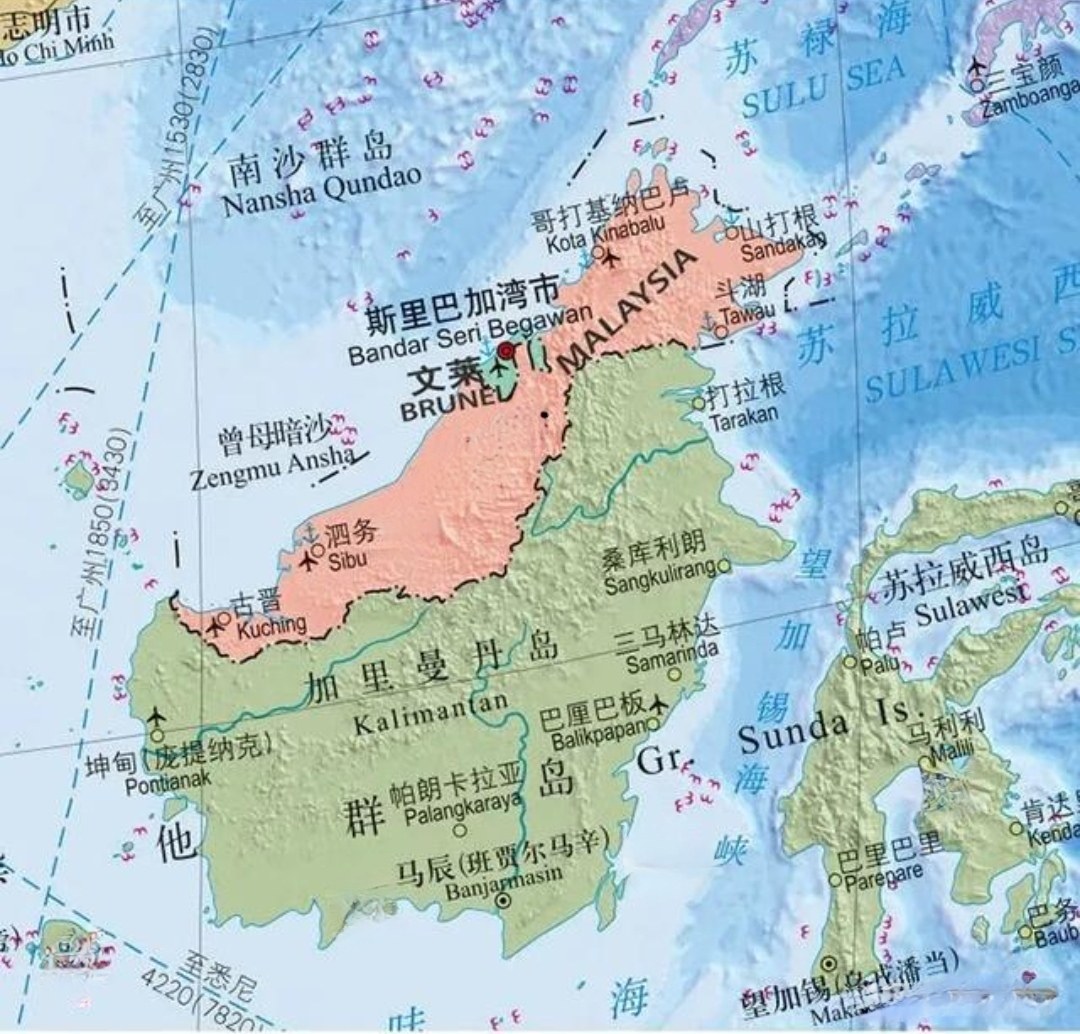
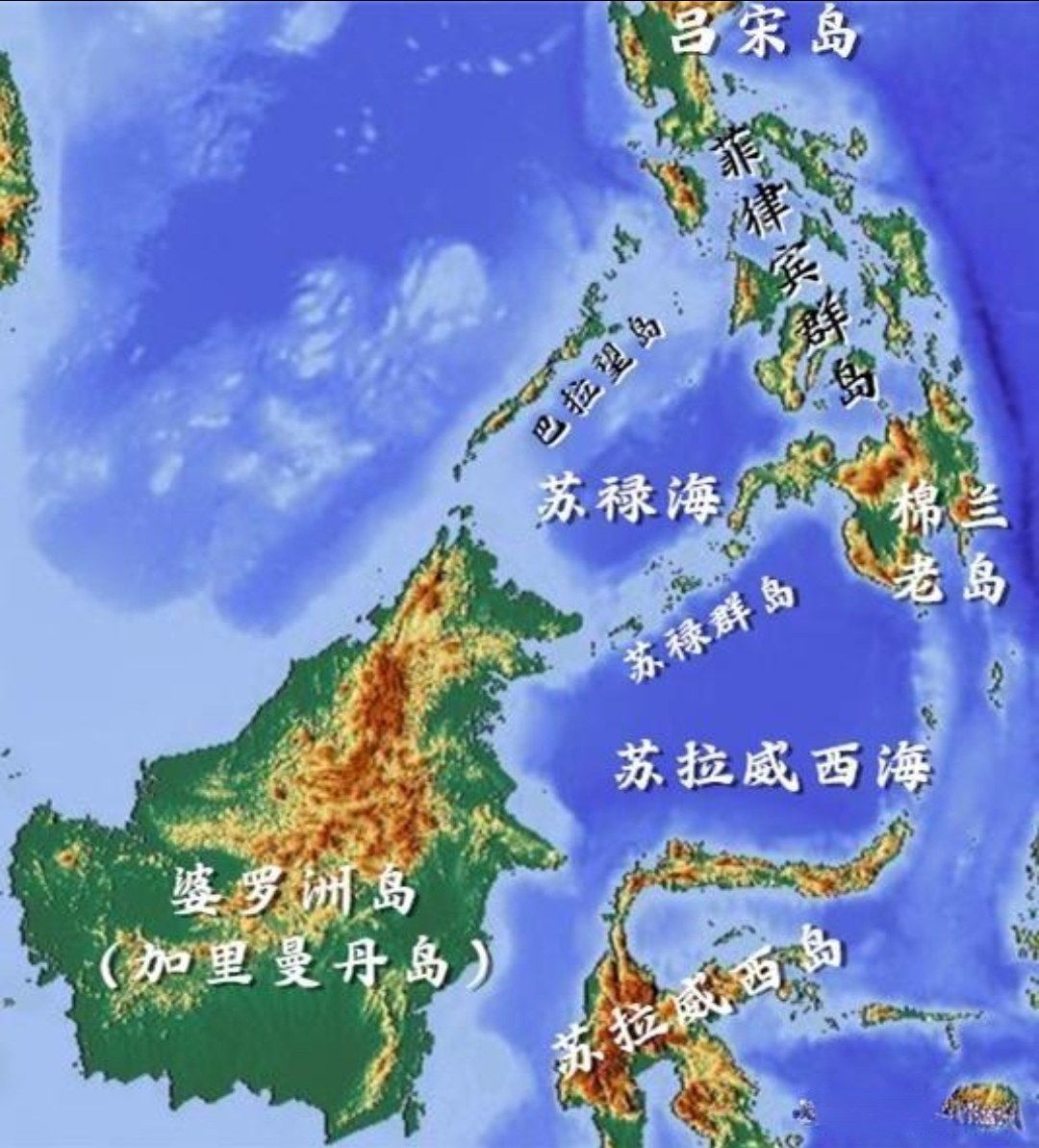
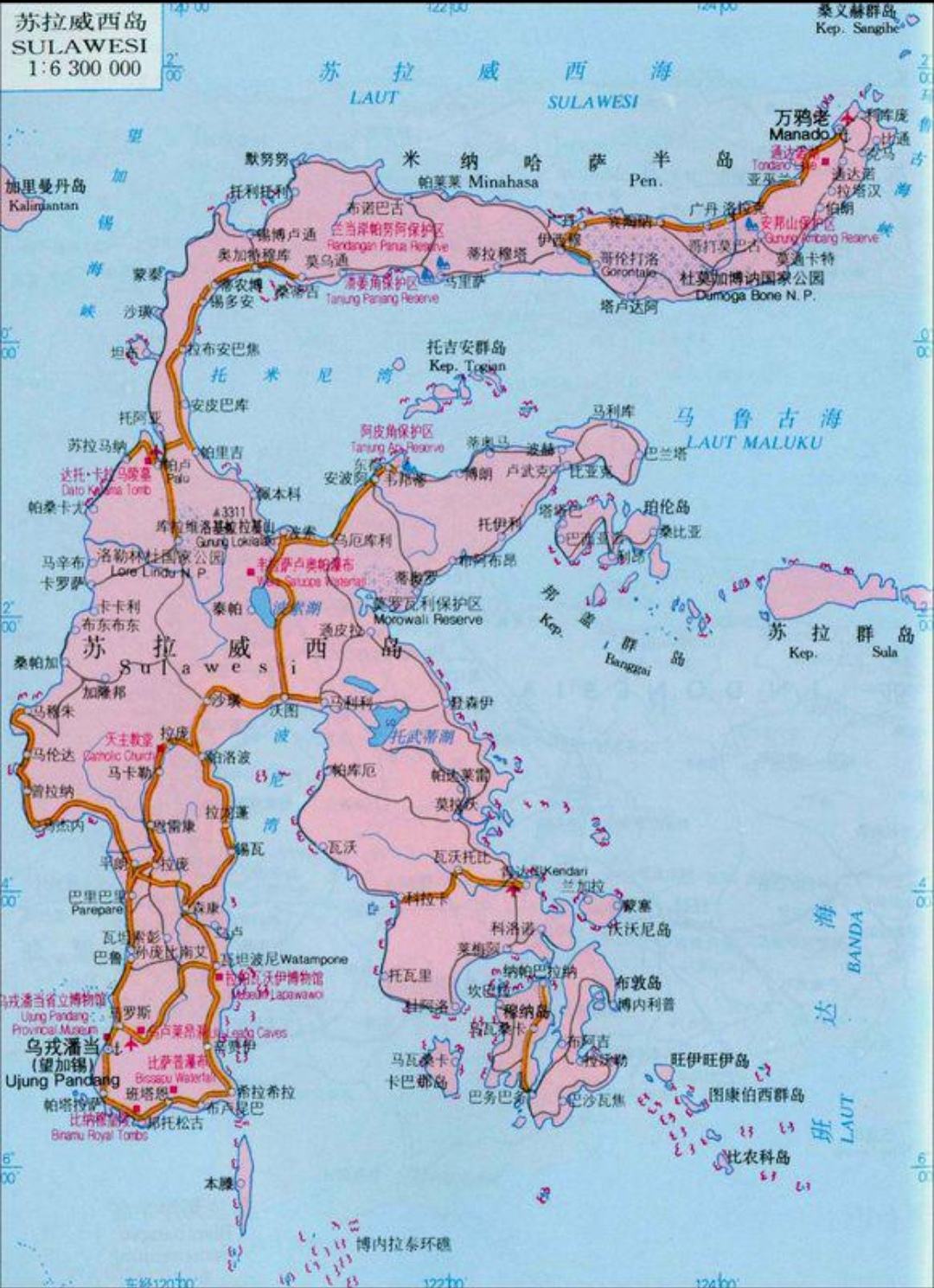
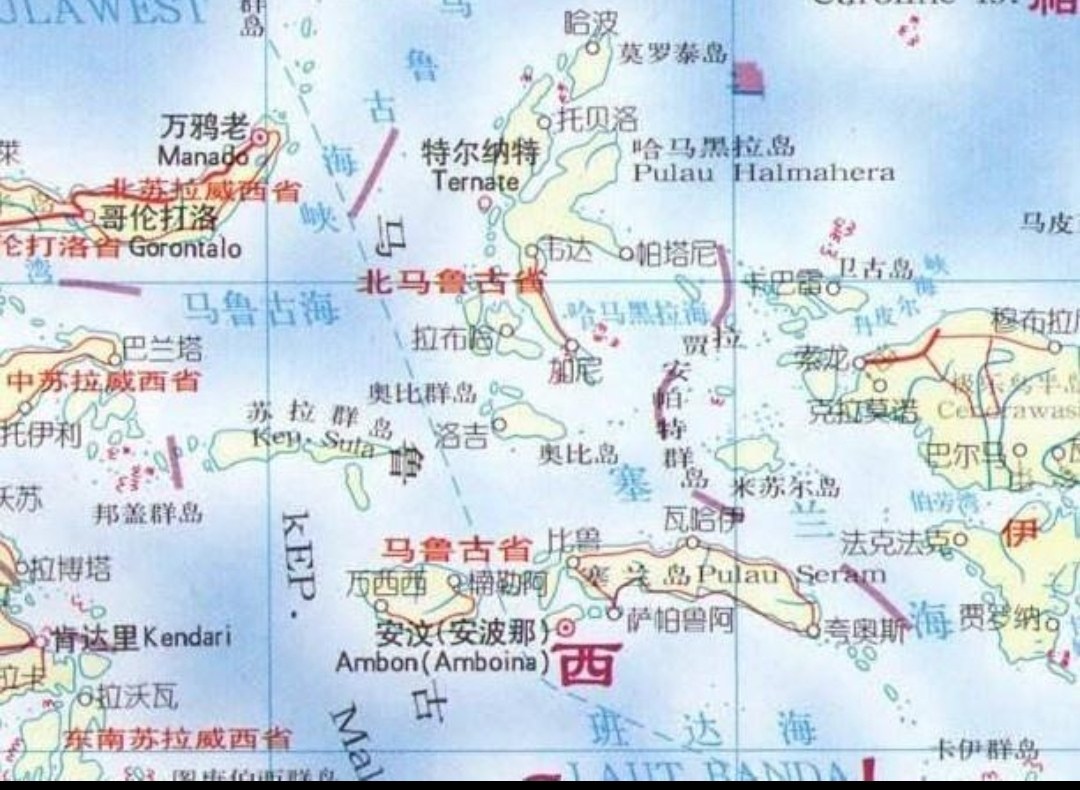
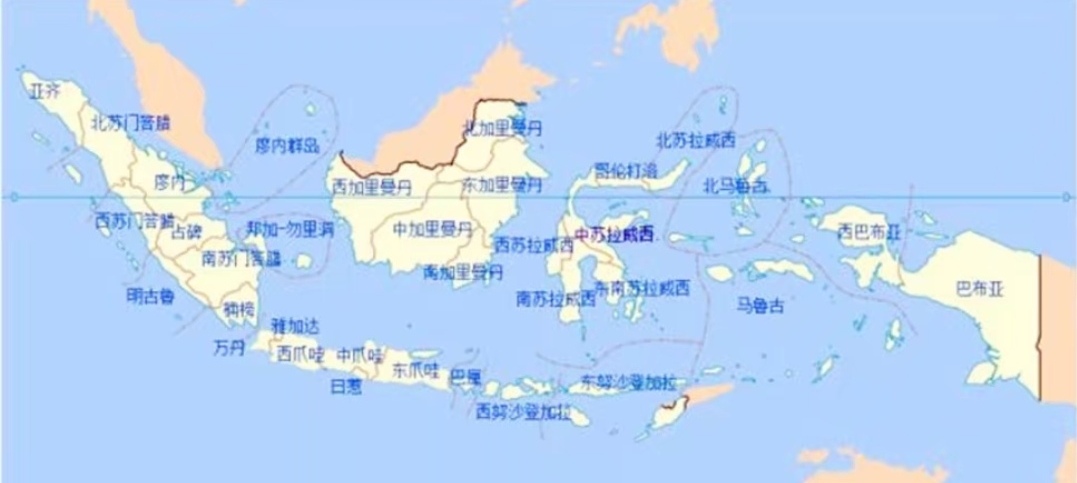
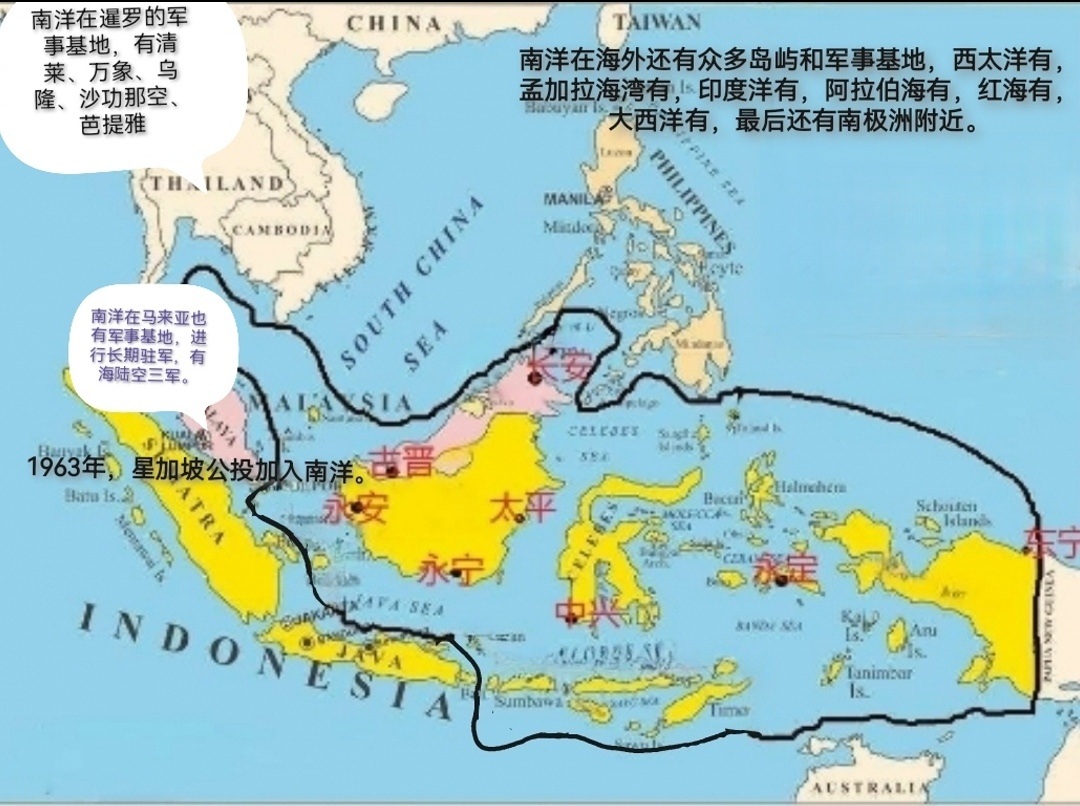
The Republic of Nanyang, where Li Nian was founded, actually has a total area of more than 1.43 Million square kilometers, excluding exclusive sea areas. The future population is expected to be approximately 220 million. 1. Main Island: Borneo is the third largest island in the world and the largest island in Asia. It covers an area of approximately 734,000 square kilometers and has a population of approximately 24 million. The future population is expected to be approximately 120 million. 2. Outer islands: New Guinea is the largest island in Oceania and the second largest island in the world, with an area of about 786,000 square kilometers. West Irian, which has half of the area, has an area of about 420,000 square kilometers and a population of about 17 million. The future population is expected to be approximately 80 million. 3. Central Island: Sulawesi, with an area of about 180,700 square kilometers and a population of about 6 million. The future population is expected to be approximately 12 million. 4. Medium-sized islands: The Maluku Islands have 1,000 small and medium-sized islands, stretching 1,200 kilometers from north to south, 1,300 kilometers from northwest to southeast, with a total area of 74,505 square kilometers. The main islands include Halmahera Island with an area of approximately 18,000 square kilometers, Seram Island with an area of approximately 17,000 square kilometers, and Buru Island with an area of approximately 9,500 square kilometers. The total population is approximately 1.8 Million. The future population is expected to be approximately 6 million. 5. Many small islands nearby: The Riau Islands consist of hundreds of islands including Bintan, Batam and Garimeng, with a total area of approximately 3,800 square kilometers. The Natuna Islands cover an area of approximately 2,100 square kilometers. The total population is about 300,000. The future population is expected to be approximately 1 million. 6. Many small islands in the ocean: the total area may be 15,000 square kilometers. Small islands that legally obtained trusteeship from the United Nations through old-American relations, as well as overseas islands obtained through British colonial transactions. The estimated future population is approximately 800,000.
A good book worth reading, although the title is a bit weird
There are things that can be said and things that cannot be said in the book. Of course, there are some things that are taboo and cannot be said. There is no benefit and no meaning in saying it! It's a novel, it's great if you enjoy reading it! These are very well written and can be included in the "sacred books" of recent years! Although the logic of San Dezi's scientific and technological accumulation of "bringing corpses back to life" is a bit far-fetched, it just shows that building a country through science and technology is a difficult truth for strengthening a country and enriching its people!









Return to my parents' home on the second day of the Lunar New Year
I went back to my natal family on the second day of the Lunar New Year. Li Yian's natal family has many natal families! Britain, the United States, Iraq, Tokyo University, etc.! 😘👍👍👍









Move the capital
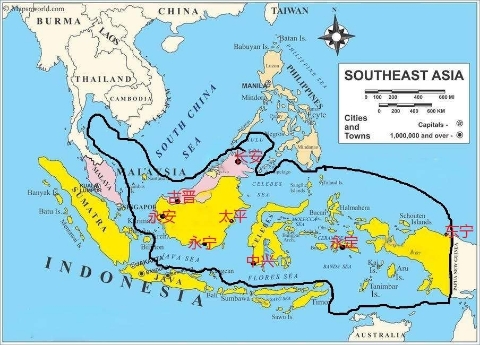
Move to the center of the country, and it would be good to place it in Taiping. It would be even better if you can capture Java Island.
This is the real enlightenment
Marrying a British princess (Elizabeth's sister), creating a Commonwealth member state, and writing about the background reasons for Kennedy's "big brain", the author is truly big-headed! And it's super big! 😘😘😘👍👍👍


Some book fans have questions: Why did the Suez Canal Crisis in October 1956 not cause an oil crisis in Europe? The fact is that according to statistics, 2/3 of the cargo transported through the Suez Canal in 1955 was oil, and 2/3 of the oil needed in Europe at that time needed to be transported through the canal. At that time, Europe was indeed facing a serious oil panic. For this purpose, the European Economic Cooperation Organization, the predecessor of the Organization for Economic Cooperation and Development, established an oil emergency group to allocate oil based on oil demand, reserve standards and various countries' energy supply and demand before the Suez Canal Crisis. On November 7, 1956, the United Kingdom announced a 10% reduction in oil consumption and a new gasoline tax. Subsequently, oil prices and London taxi operating expenses rose sharply. In December, the United Kingdom began to implement gasoline rationing; French oil companies limited oil sales to 70% of total pre-crisis sales; and the Belgian government banned private driving on Sundays. In December 1956, American and European oil companies began to implement the "Oil Aid Plan" to assist Europe, borrowing and mobilizing the Allied Pacific oil supply system and personnel from the previous World War II to transport oil to Europe. In April 1957, oil tanker navigation was resumed in the Suez Canal, and the oil crisis in Europe was alleviated. The United States also suspended its emergency oil rescue plan. In mid-May, the United Kingdom stopped rationing oil supply, and the oil crisis in Europe was gradually relieved.
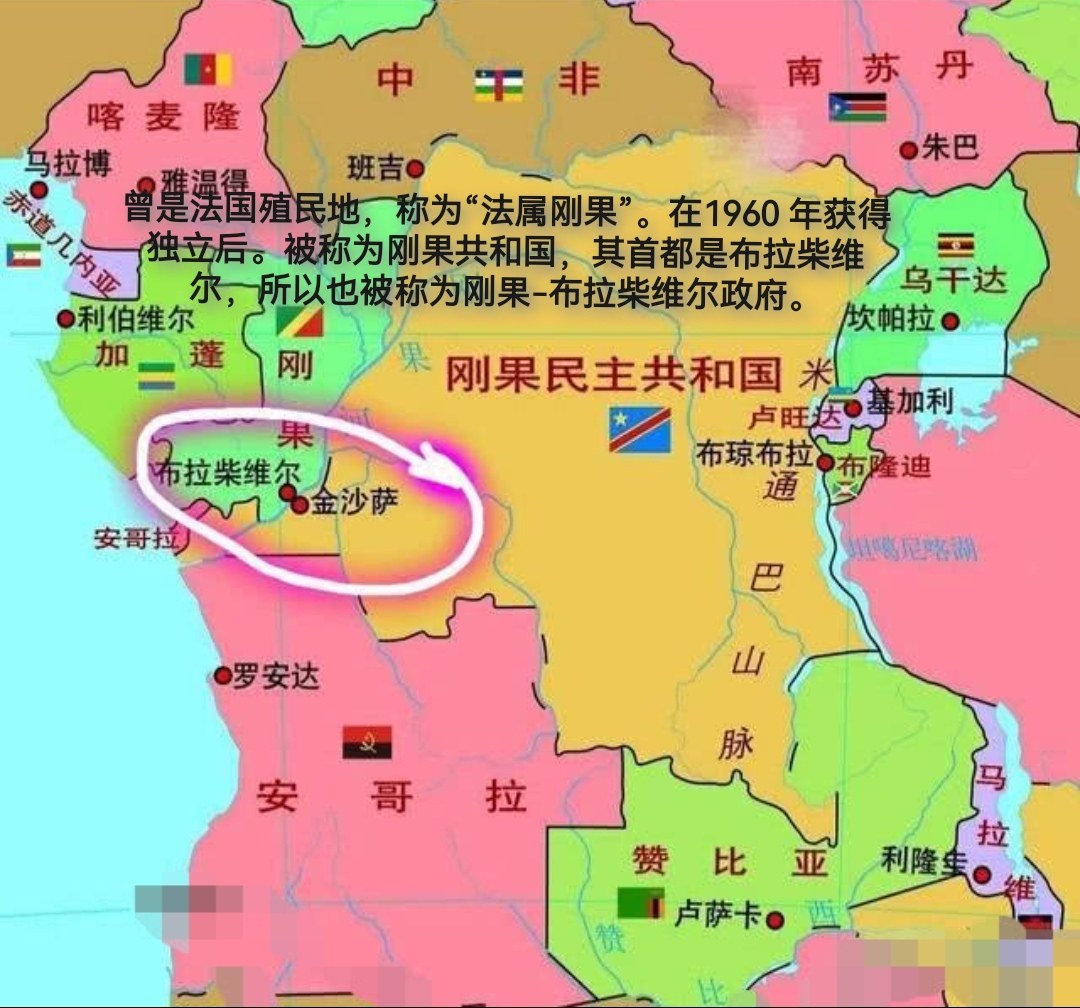
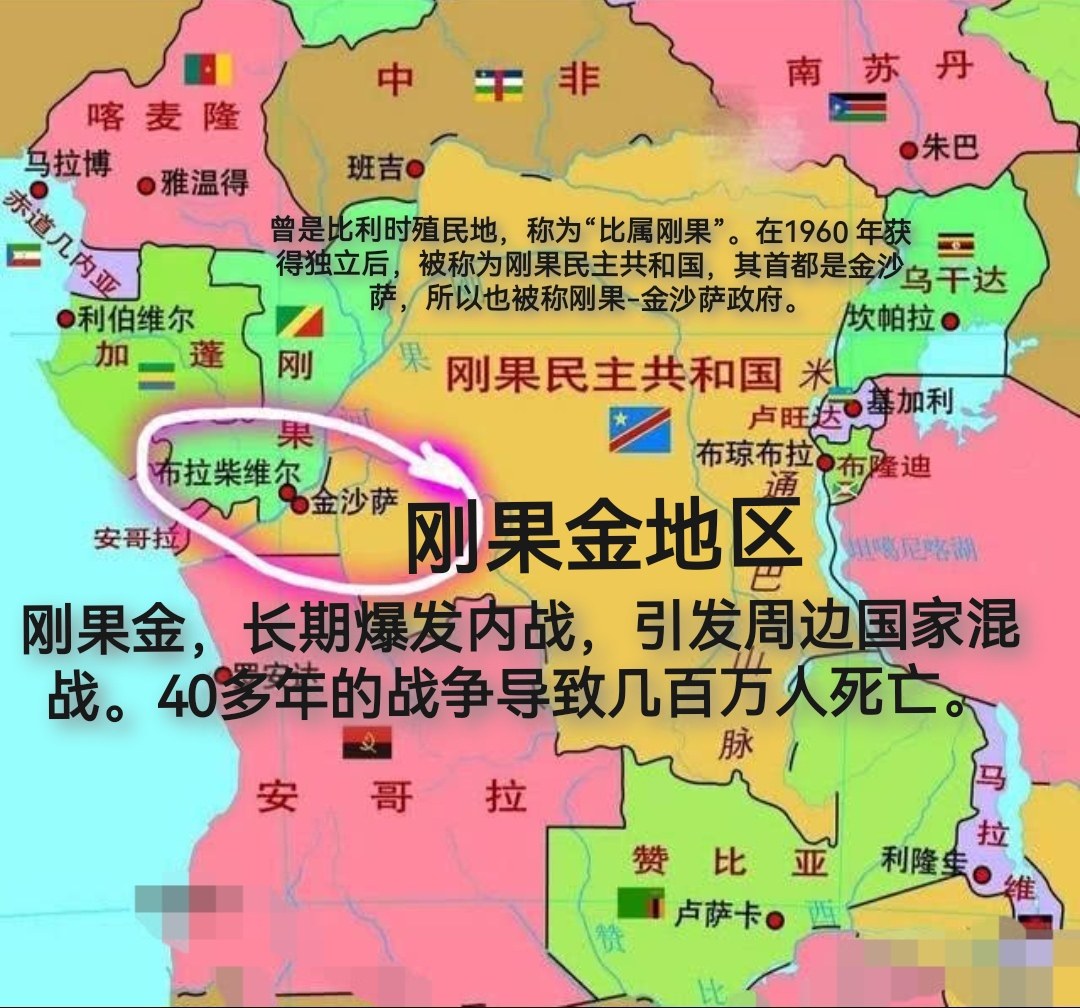
Many book friends have just finished reading the two chapters of "Back to the Past and Becoming a Chaebol" written by Xiaoyu, which were updated today, Chapter 1336: Proxy War, and Chapter 1337: Nanyang's Right Hand. I am confused and confused about the Democratic Republic of the Congo and the Republic of the Congo, and I am not familiar with the Democratic Republic of the Congo and the Congo-Brazzaville. After all, the two countries share similar languages, cultures, and even natural resources. In order to facilitate book lovers to become more familiar with and understand the book, maps and pictures are used to provide book lovers with more understanding. It should be noted that the Democratic Republic of the Congo is sometimes called Zaire, which is an old name in history. Congo-Brazzaville has a relatively stable political environment and abundant natural resources, especially oil and timber. These factors have promoted its steady economic development. Although the Democratic Republic of the Congo is particularly rich in resources, its economic development has been greatly affected by the long-term armed civil war and political instability. Its per capita GDP is low, and it is one of the least developed countries in the world.
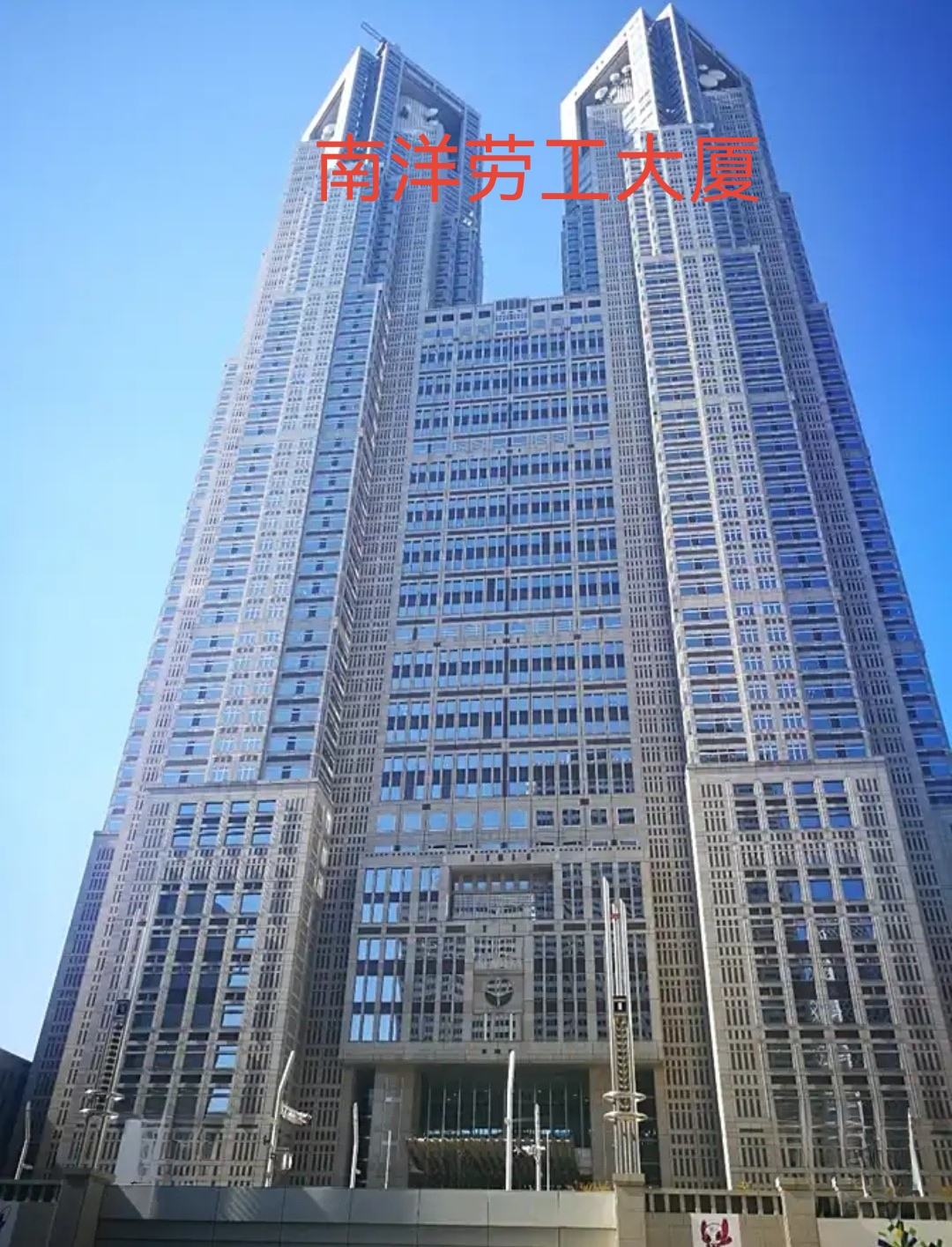
Nanyang wants to build a migrant workers employment service building. Establish a human resources market to help Nanyang enterprises recruit human resources. First, help foreigners, register information, provide temporary residence permits and temporary low-cost rental housing. Second, improve the recruitment service platform and carry out corporate recruitment promotion activities. Third, solve the problems of medical treatment for outsiders and the problem of remittances back home. Fourth, increase the safety and legal awareness of outsiders. Fifth, provide free legal services to help resolve labor and personnel and other contract disputes with enterprises. Nanyang can vigorously attract human resources from Southeast Asian countries and a large number of enterprises to invest and build in Nanyang.
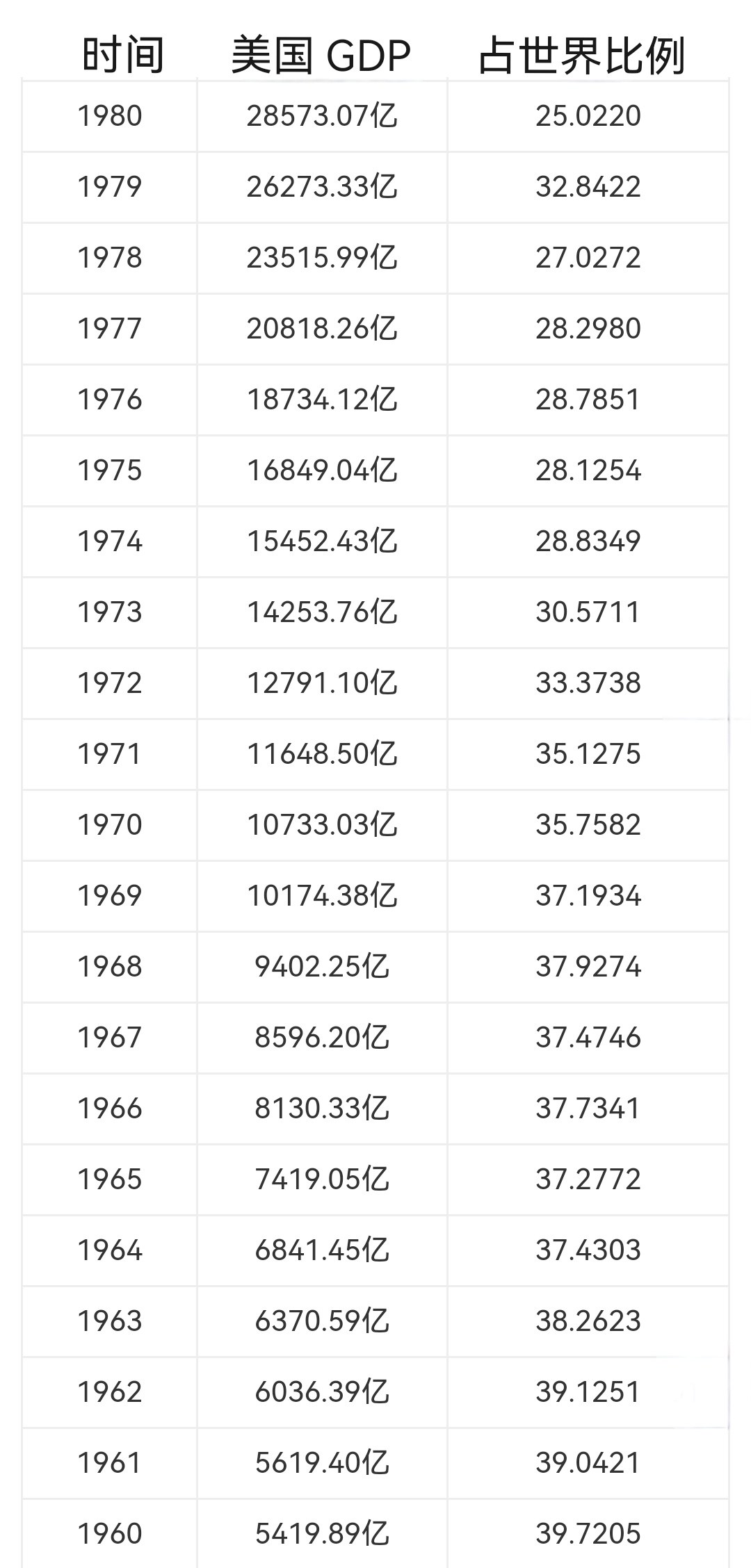
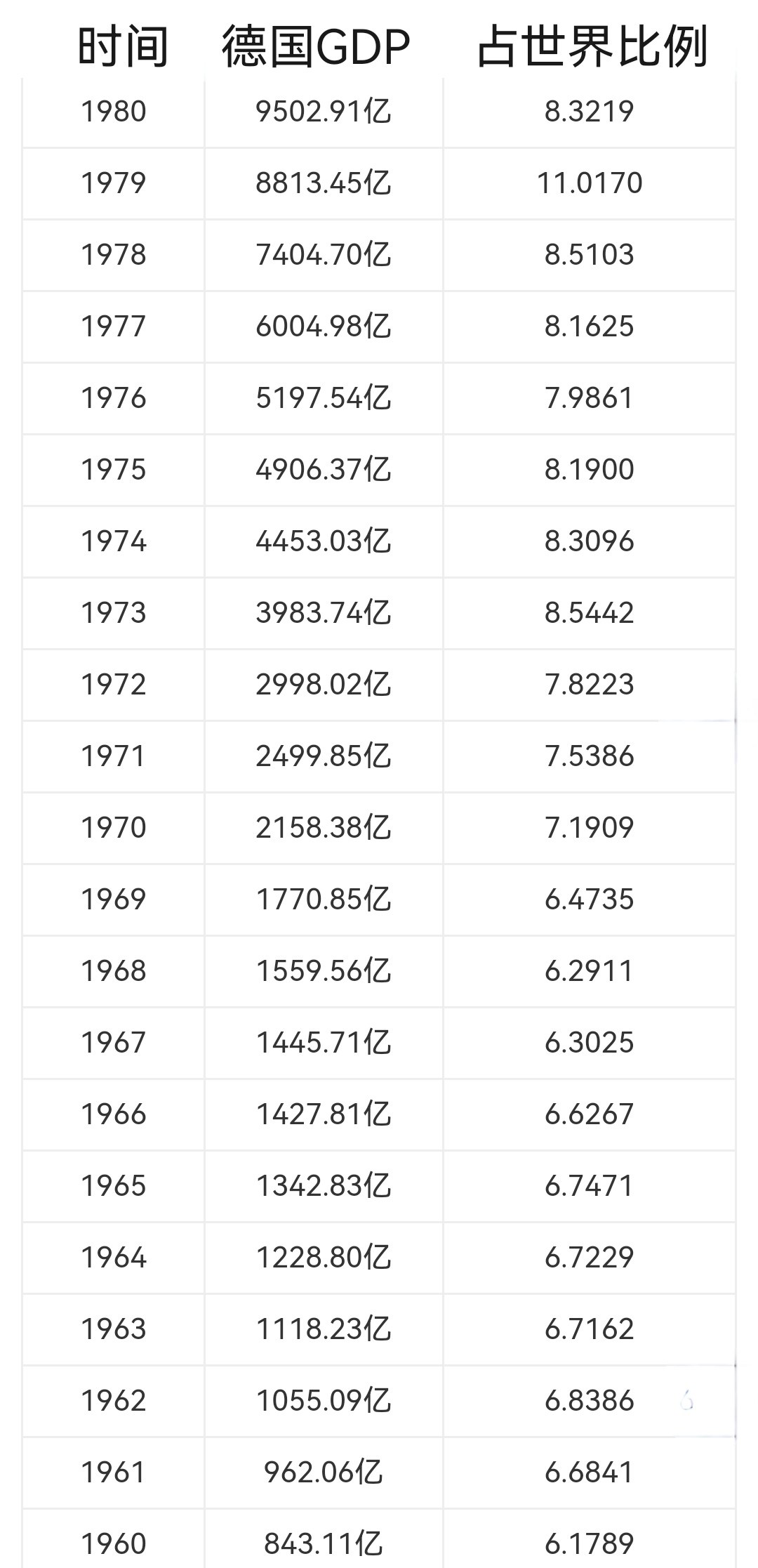
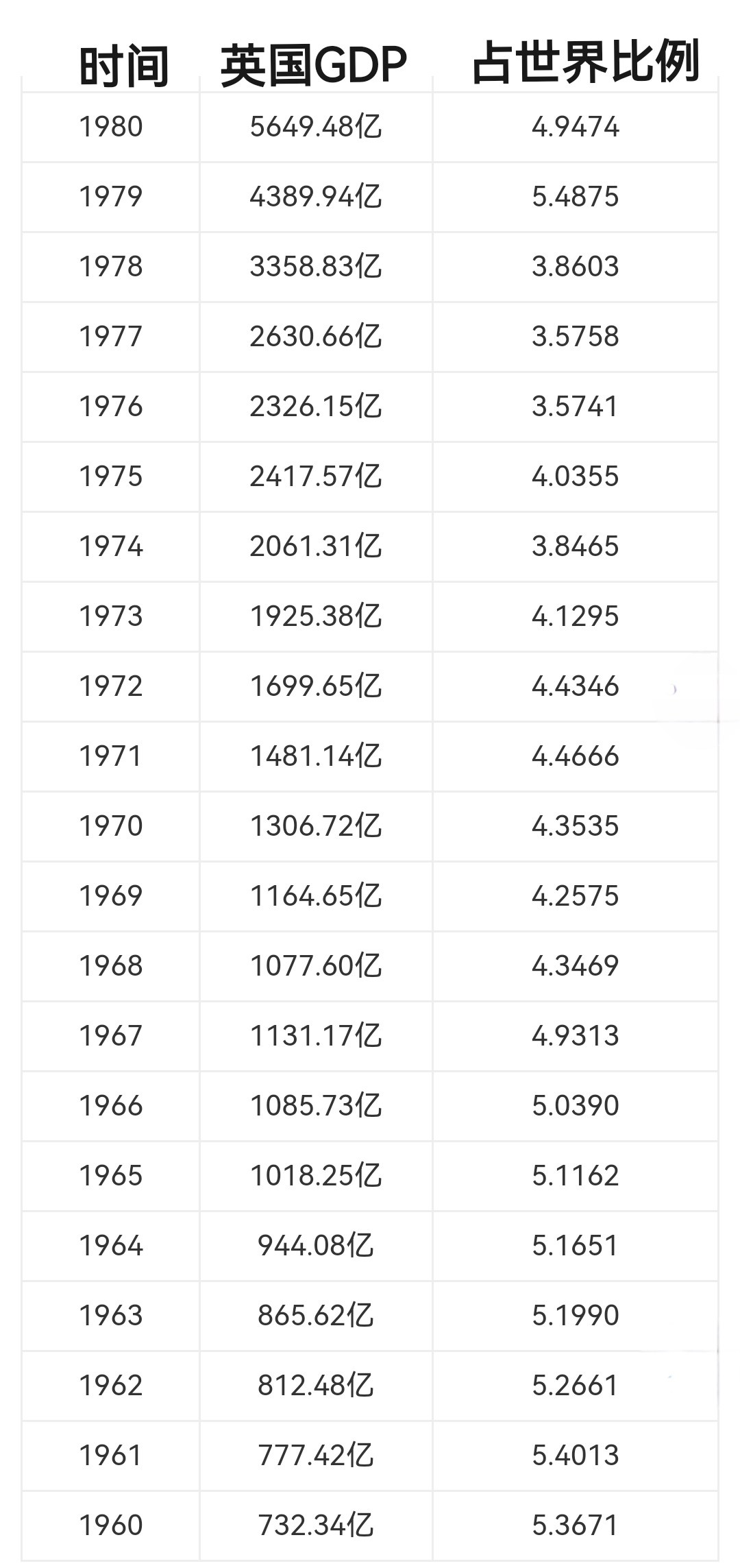
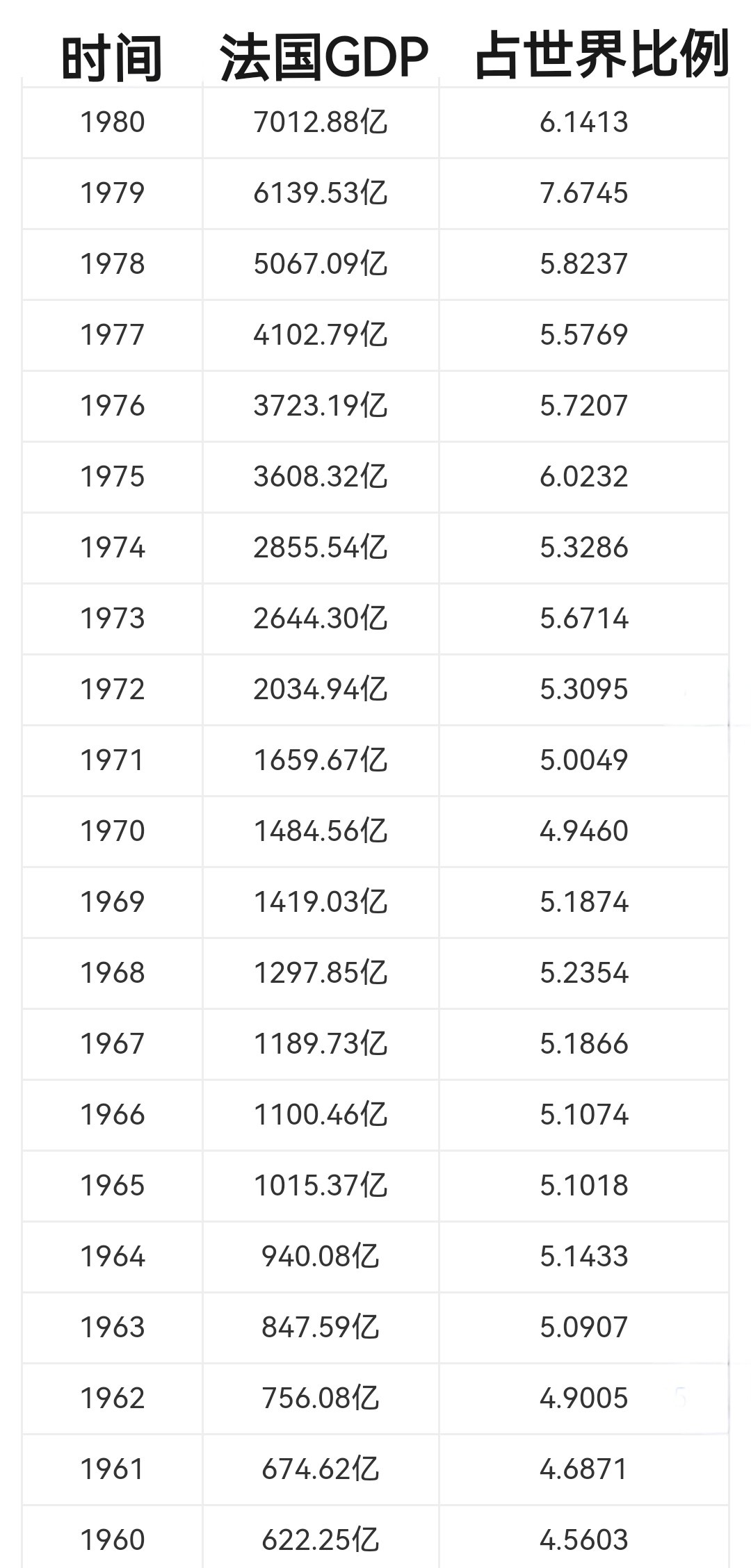
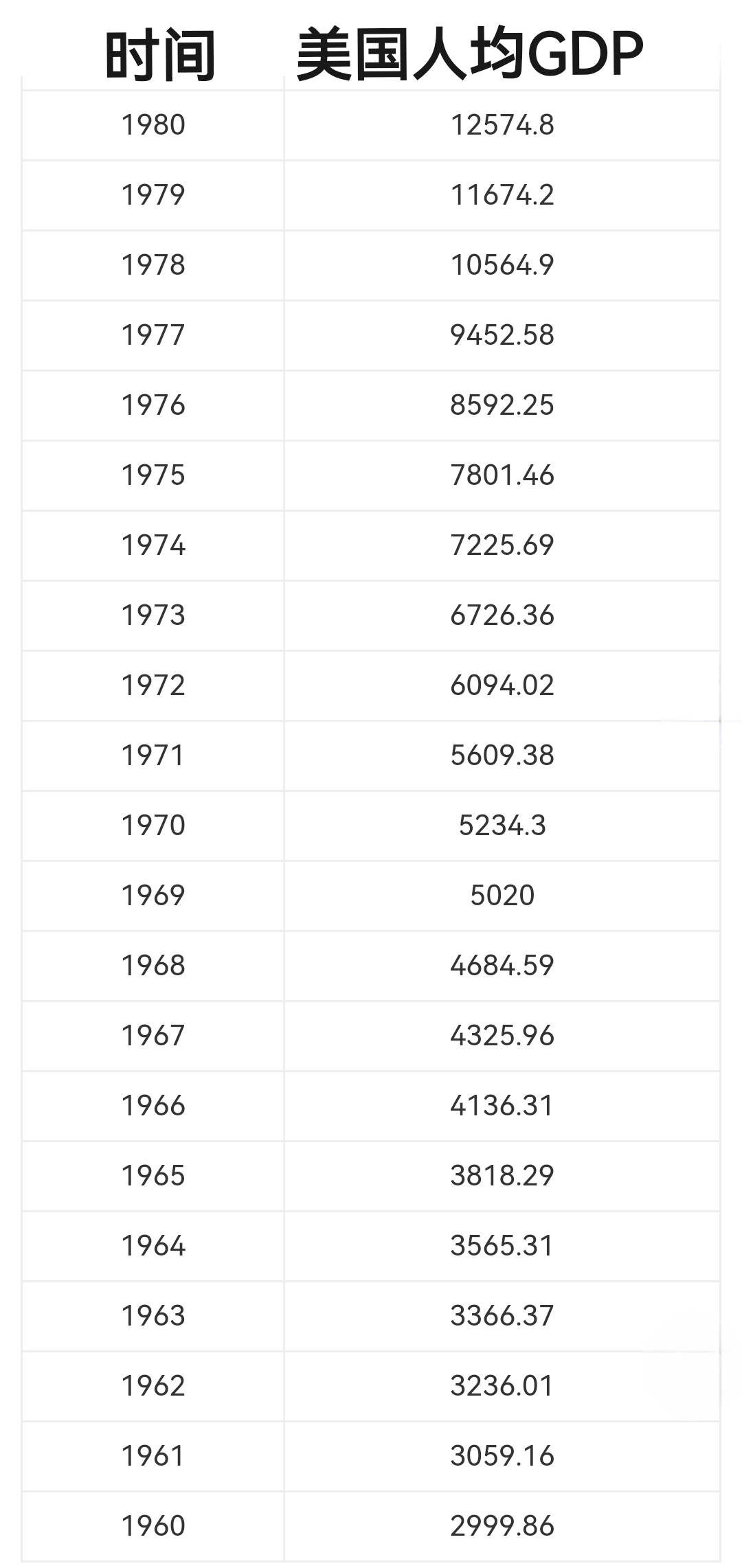
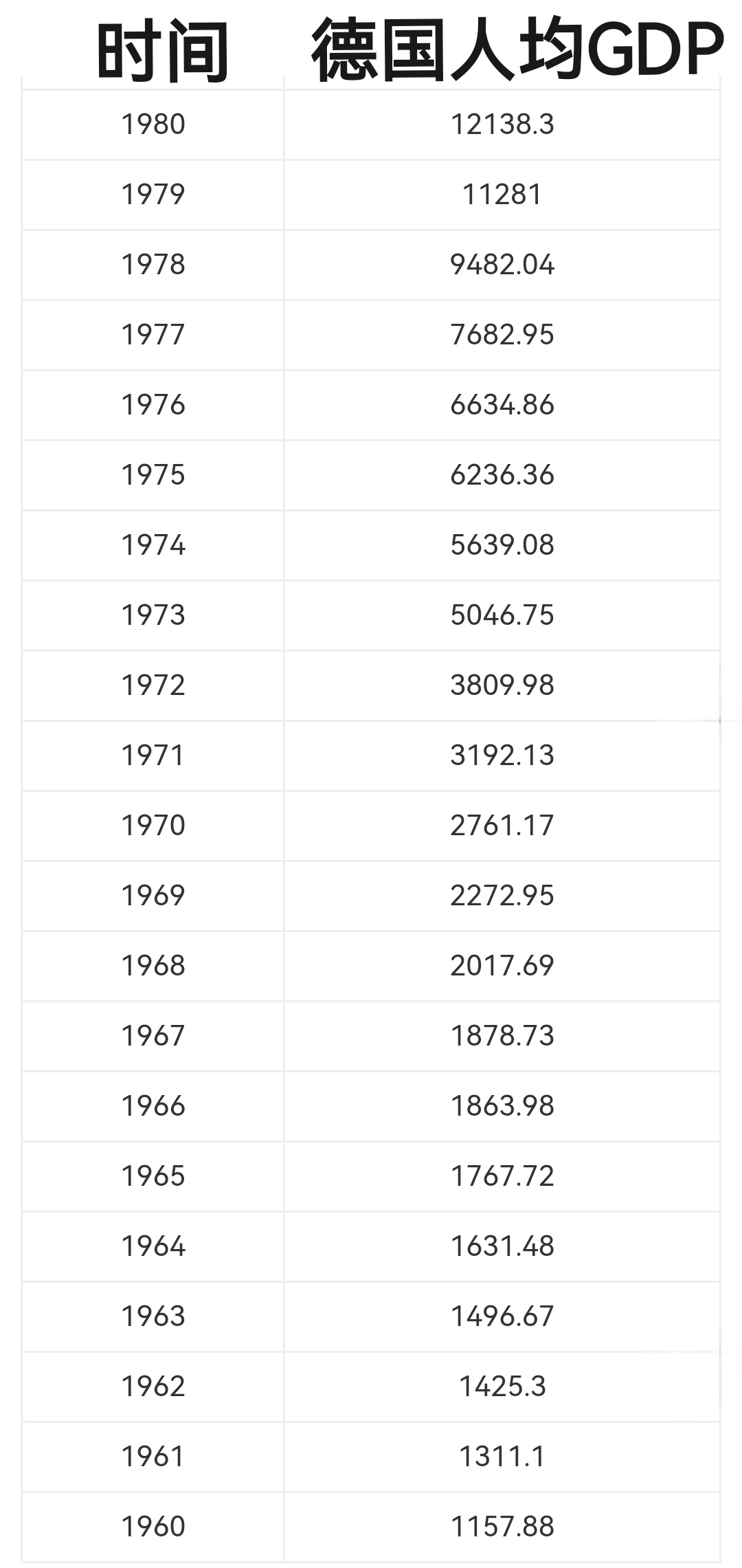
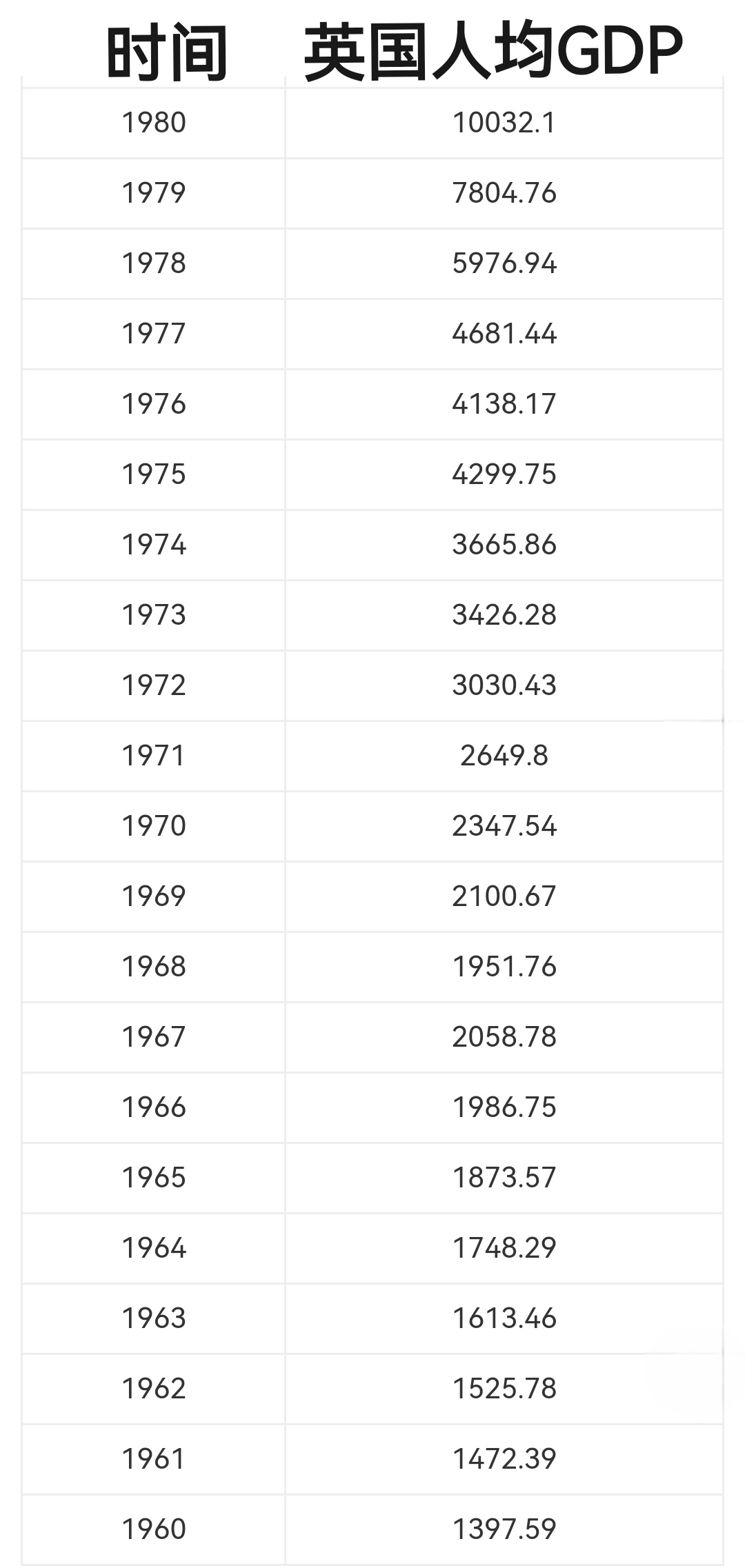
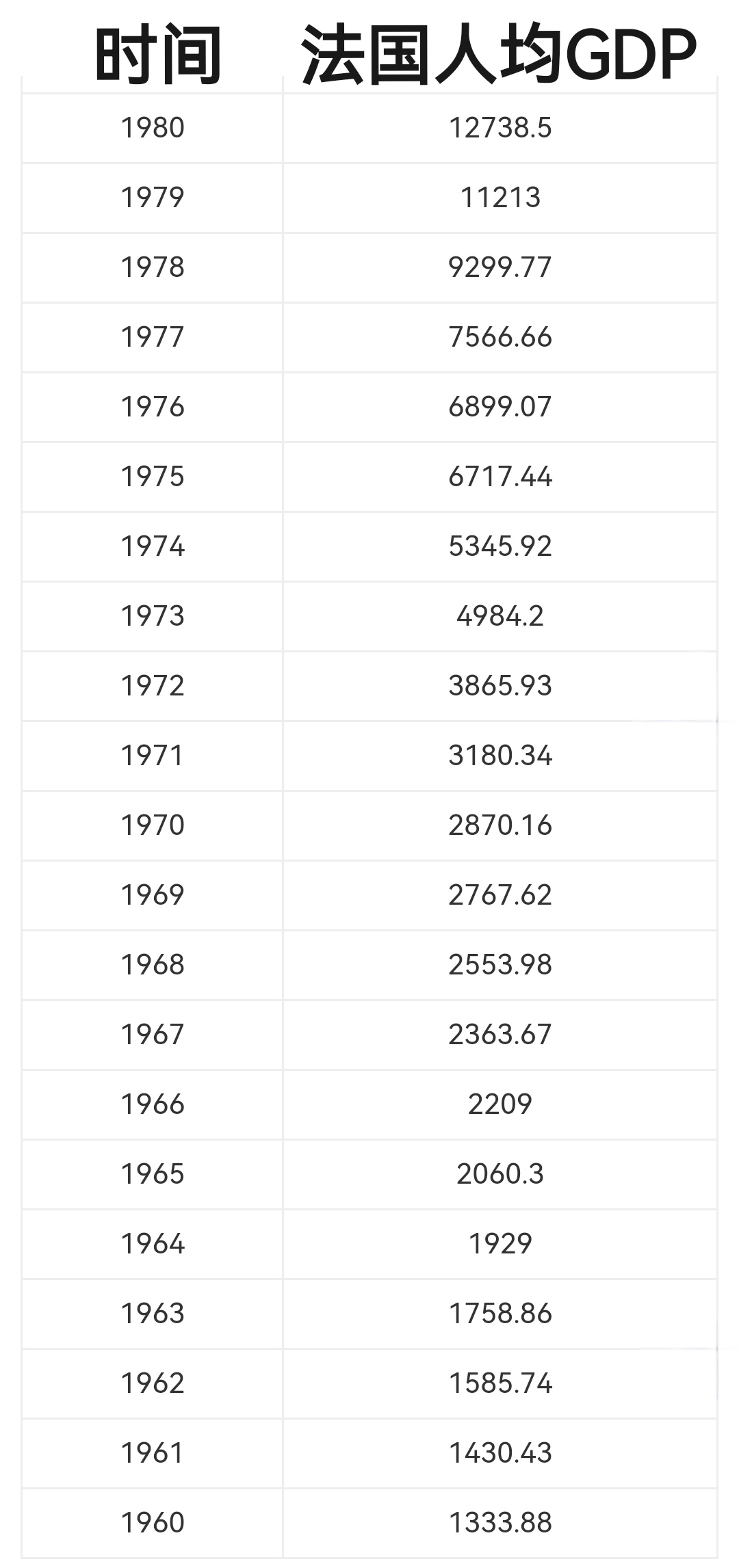
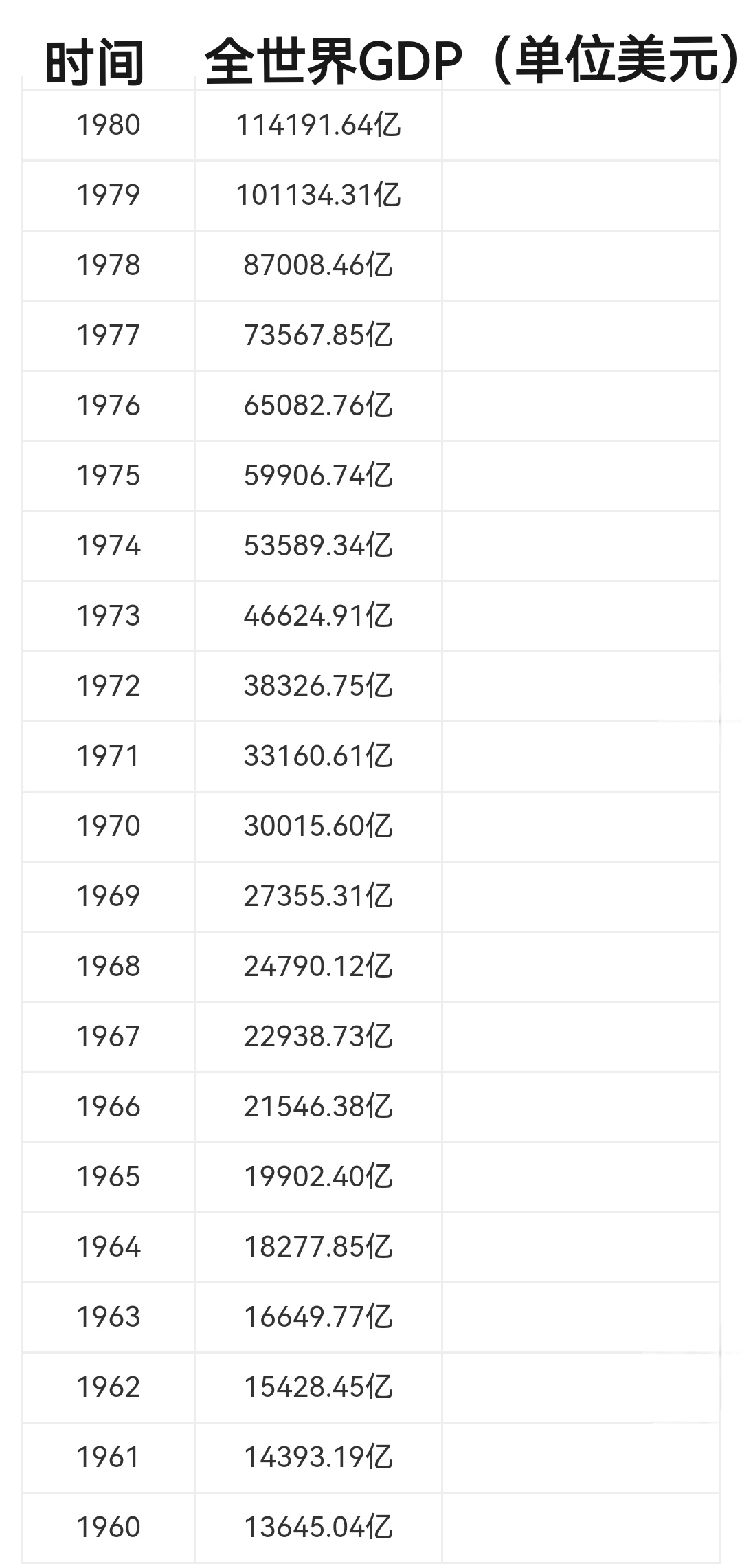
Xiaoyu writer, you must be unfamiliar with data. You always include GDP data, population growth, oil and natural gas import and export volume, iron ore and coal import volume, grain production, steel production, automobile production, ship production, aircraft production, forest and fishery resources and other aspects of Nanyang's economic development. Data are rarely introduced in detail in the novel. Sometimes some data is wrong. Writer Xiaoyu still needs to work hard to search for more information on the Internet and try to write the content of the novel as fully as possible. Book fans like Book Friends 150725165603862, Book Friends 20240213512_ Bd, Martin _ aB, mé iqiánhũ xĩdõushìcuò de and others want to know more about the economic and industrial development of Nanyang. Please provide Xiaoyu writers with GDP data of some countries.
It's better not to write about harem content
Women come one after another. Now I am disgusted with this. Can't the plot be promoted without women? I feel disgusted with Turtle.
Rating
Community(0)
Official(245)Scraped 1mo ago
The Republic of Nanyang, where Li Nian was founded, actually has a total area of more than 1.43 Million square kilometers, excluding exclusive sea areas. The future population is expected to be approximately 220 million. 1. Main Island: Borneo is the third largest island in the world and the largest island in Asia. It covers an area of approximately 734,000 square kilometers and has a population of approximately 24 million. The future population is expected to be approximately 120 million. 2. Outer islands: New Guinea is the largest island in Oceania and the second largest island in the world, with an area of about 786,000 square kilometers. West Irian, which has half of the area, has an area of about 420,000 square kilometers and a population of about 17 million. The future population is expected to be approximately 80 million. 3. Central Island: Sulawesi, with an area of about 180,700 square kilometers and a population of about 6 million. The future population is expected to be approximately 12 million. 4. Medium-sized islands: The Maluku Islands have 1,000 small and medium-sized islands, stretching 1,200 kilometers from north to south, 1,300 kilometers from northwest to southeast, with a total area of 74,505 square kilometers. The main islands include Halmahera Island with an area of approximately 18,000 square kilometers, Seram Island with an area of approximately 17,000 square kilometers, and Buru Island with an area of approximately 9,500 square kilometers. The total population is approximately 1.8 Million. The future population is expected to be approximately 6 million. 5. Many small islands nearby: The Riau Islands consist of hundreds of islands including Bintan, Batam and Garimeng, with a total area of approximately 3,800 square kilometers. The Natuna Islands cover an area of approximately 2,100 square kilometers. The total population is about 300,000. The future population is expected to be approximately 1 million. 6. Many small islands in the ocean: the total area may be 15,000 square kilometers. Small islands that legally obtained trusteeship from the United Nations through old-American relations, as well as overseas islands obtained through British colonial transactions. The estimated future population is approximately 800,000.
A good book worth reading, although the title is a bit weird
There are things that can be said and things that cannot be said in the book. Of course, there are some things that are taboo and cannot be said. There is no benefit and no meaning in saying it! It's a novel, it's great if you enjoy reading it! These are very well written and can be included in the "sacred books" of recent years! Although the logic of San Dezi's scientific and technological accumulation of "bringing corpses back to life" is a bit far-fetched, it just shows that building a country through science and technology is a difficult truth for strengthening a country and enriching its people!
Return to my parents' home on the second day of the Lunar New Year
I went back to my natal family on the second day of the Lunar New Year. Li Yian's natal family has many natal families! Britain, the United States, Iraq, Tokyo University, etc.! 😘👍👍👍
Move the capital
Move to the center of the country, and it would be good to place it in Taiping. It would be even better if you can capture Java Island.
This is the real enlightenment
Marrying a British princess (Elizabeth's sister), creating a Commonwealth member state, and writing about the background reasons for Kennedy's "big brain", the author is truly big-headed! And it's super big! 😘😘😘👍👍👍
Some book fans have questions: Why did the Suez Canal Crisis in October 1956 not cause an oil crisis in Europe? The fact is that according to statistics, 2/3 of the cargo transported through the Suez Canal in 1955 was oil, and 2/3 of the oil needed in Europe at that time needed to be transported through the canal. At that time, Europe was indeed facing a serious oil panic. For this purpose, the European Economic Cooperation Organization, the predecessor of the Organization for Economic Cooperation and Development, established an oil emergency group to allocate oil based on oil demand, reserve standards and various countries' energy supply and demand before the Suez Canal Crisis. On November 7, 1956, the United Kingdom announced a 10% reduction in oil consumption and a new gasoline tax. Subsequently, oil prices and London taxi operating expenses rose sharply. In December, the United Kingdom began to implement gasoline rationing; French oil companies limited oil sales to 70% of total pre-crisis sales; and the Belgian government banned private driving on Sundays. In December 1956, American and European oil companies began to implement the "Oil Aid Plan" to assist Europe, borrowing and mobilizing the Allied Pacific oil supply system and personnel from the previous World War II to transport oil to Europe. In April 1957, oil tanker navigation was resumed in the Suez Canal, and the oil crisis in Europe was alleviated. The United States also suspended its emergency oil rescue plan. In mid-May, the United Kingdom stopped rationing oil supply, and the oil crisis in Europe was gradually relieved.
Many book friends have just finished reading the two chapters of "Back to the Past and Becoming a Chaebol" written by Xiaoyu, which were updated today, Chapter 1336: Proxy War, and Chapter 1337: Nanyang's Right Hand. I am confused and confused about the Democratic Republic of the Congo and the Republic of the Congo, and I am not familiar with the Democratic Republic of the Congo and the Congo-Brazzaville. After all, the two countries share similar languages, cultures, and even natural resources. In order to facilitate book lovers to become more familiar with and understand the book, maps and pictures are used to provide book lovers with more understanding. It should be noted that the Democratic Republic of the Congo is sometimes called Zaire, which is an old name in history. Congo-Brazzaville has a relatively stable political environment and abundant natural resources, especially oil and timber. These factors have promoted its steady economic development. Although the Democratic Republic of the Congo is particularly rich in resources, its economic development has been greatly affected by the long-term armed civil war and political instability. Its per capita GDP is low, and it is one of the least developed countries in the world.
Nanyang wants to build a migrant workers employment service building. Establish a human resources market to help Nanyang enterprises recruit human resources. First, help foreigners, register information, provide temporary residence permits and temporary low-cost rental housing. Second, improve the recruitment service platform and carry out corporate recruitment promotion activities. Third, solve the problems of medical treatment for outsiders and the problem of remittances back home. Fourth, increase the safety and legal awareness of outsiders. Fifth, provide free legal services to help resolve labor and personnel and other contract disputes with enterprises. Nanyang can vigorously attract human resources from Southeast Asian countries and a large number of enterprises to invest and build in Nanyang.
Xiaoyu writer, you must be unfamiliar with data. You always include GDP data, population growth, oil and natural gas import and export volume, iron ore and coal import volume, grain production, steel production, automobile production, ship production, aircraft production, forest and fishery resources and other aspects of Nanyang's economic development. Data are rarely introduced in detail in the novel. Sometimes some data is wrong. Writer Xiaoyu still needs to work hard to search for more information on the Internet and try to write the content of the novel as fully as possible. Book fans like Book Friends 150725165603862, Book Friends 20240213512_ Bd, Martin _ aB, mé iqiánhũ xĩdõushìcuò de and others want to know more about the economic and industrial development of Nanyang. Please provide Xiaoyu writers with GDP data of some countries.
It's better not to write about harem content
Women come one after another. Now I am disgusted with this. Can't the plot be promoted without women? I feel disgusted with Turtle.
Featured in 5 Booklists
Official(5)
At the end of World War II, the founding of Borneo, historical deduction, looks good There is a golden finger



Star: 🌟🌟🌟🌟🌟 Traveling across Nanyang to establish a country, the overall writing is good. For readers who like the overseas founding of the country, this is a novel that cannot be missed. It has been written in the middle and late stages. Four updates a day is still good. The disadvantage is that it's not exciting enough. But Jianguowen is still okay if it feels cool



It was okay before the end of World War II and worth reading. After the end, it became boring in Borneo.




The background of the novel is during the Second World War, from commerce to the founding of the People's Republic of China. It has cheats but is not strong and does not have much sense of presence. It is overall very comfortable to read.



You Might Also Like

Reborn Female General
Qianshan Tea Guest

African Entrepreneurship Record
Evil Uh Uh Uh

I Really Don't Do My Job Properly
Who Will I Return To?

I'm Playing Whack-a-mole in Siberia
Catfish Head
The Han Dynasty Comes from Southeast Asia
Middle-aged Paper Tiger

Be Domineering and Domineering, Starting from Chinatown
Don't Eat Chopped Green Onion

Yuan Mo: I Am the Real Emperor
Sanlu

I Was a Plutocrat in World War I: Starting to Save France
Steel Wing Iron Cavalry

Nanyang Fengyun 1864
Grape Toothless
The Wind Rises in North America 1625
Descend From Tianshan Mountain