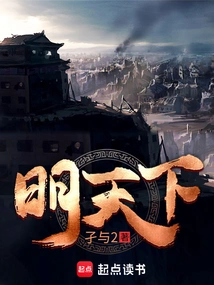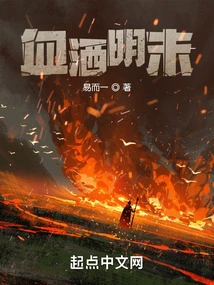
Blood Spilled at the End of Ming Dynasty

Blood Spilled at the End of Ming Dynasty

by Yi Eryi

Length:
77Kwords34chapters
Latest:
Ch. 34I'm Rich Now
Activity:
Updated 2y agoScraped 7d ago
11Favorites
0QD Score

About This Novel

Seven years after the apocalypse, there were successive years of famine. Refugees who have left their homes are struggling to survive on the verge of starvation. The Gong Gong princes in the court did not care about their life or death. Lin Fei, who traveled through time in later generations, became the first to cause trouble by chance. He led the refugees and violently beat up those people who were just trying to live like flies and dogs. Let's see how little people stirred up the situation in the late Ming Dynasty. Ps: Because Lin Fei came in the flesh, carrying a backpack of treasures. This book contains the following content: [There is so much food that it can be used to hit people], [Who in the world cannot understand the forest], [If you are poor, you will use tactics, if you are rich, you will blow me up], [A bottle of small blue pills], [Basic principles of recording], [Medicine can heal people but it cannot kill people], [Conquer the taste buds of the Ming Dynasty with vigor], etc.

What Readers Think

Rating

Good0%Neutral0%Bad0%

Community(0)

Featured in 1 Booklist

Official(1)

Weekend Book Recommendation: Historical Novels
84179

[Uprising in the late Ming Dynasty] 1. The beginning of the article describes the scenes of starvation and disasters in the late Ming Dynasty from both the perspective of the protagonist and the narration of the supporting characters: in the face of famine, officials did not provide disaster relief and rescue the people, but instead used clever pretexts to collect money wantonly; rogues especially targeted the old, weak, sick and disabled who had caused the disaster, and blocked roads and robbed them. 2. When the protagonist traveled through time, he carried a backpack containing high-yielding crops with him, which increased the chances of an ordinary person surviving when traveling through ancient disaster years. 1. A decent growth-oriented protagonist. Psychologically, the protagonist only gradually grows from an ordinary person to a leader in his own right through one incident in the disaster year: Facing thugs who block the road and rob him, the protagonist is unable to resist because of hunger, and it is difficult to help others. In the end, he is still robbed. "Taking away the baggage" shows the cowardice and helplessness of an ordinary person when he first traveled to ancient times. After an inner struggle, he broke through the cowardice of daily life, launched a sneak attack to regain the baggage, and escaped with his companions. The protagonist finally recalled modern moral education under oppression. [World view] Starved to death all over the land and fought for years, the prosperity of each dynasty is different, but the decline of each dynasty is the same suffering, which belongs to the suffering of the poor people. Lin Fei, a modern man, physically traveled to the first year of Chongzhen. The devastation and hunger in his belly made him realize that all he could rely on was modern knowledge and the crops he carried in his backpack. Work status: Serialized, 67,000 words. The author is Yi Eryi, a lv1 writer of China Literature Group. Recommended reading group: Book lovers who like the history of the Ming Dynasty, peasant uprisings, and novels with decent protagonists. Warning: 1. The protagonist of this article is a person who travels through physical time. Book friends who do not like this type of novels should be careful when reading.

Taiping Road in the Late Han Dynasty
Blood Spilled at the End of Ming Dynasty
Nineteenth-century Medical Guide
Imperial Master of the Ming Dynasty

You Might Also Like