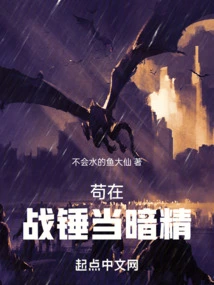
Just Being a Dark Elf in Warhammer
by The Fish Immortal Who Cannot Swim
About This Novel
Running name: "My Days in the Complete Collection of Stereotypes" Also known as: "I Made a Big Death in Medieval Warhammer" Darkus, wearing the Phoenix Crown, stood in the Phoenix Court of Lothern, looking at the busy and noisy port in the distance and couldn't help but feel filled with emotion. At this time, it has been more than 500 years since Darkus Hellscourge traveled to this world. As a less traditional new era Druch, he has done many things in the past 500 years and won many titles, such as Umak of the Ancient Saint Iqi, Wheel of the Universe, and Dew. The Pope of the Continent of Strcia, the Hand of the Witch King, the Chief Consul of Druch, the Grand Admiral of the Navy of Druch, the Champion of the Oracles, the Chosen of the Lord of Blades, the Chosen of Deceivers, the Champion of the Lord of the Abyss, Druch who rejected the God of Bloody Hands, the benevolent and generous conqueror of destiny! Wait wait wait... Known BUG: Some immortal species will appear early.
Official Sources
What Readers Think
Rating
Community(0)
Official(8)Scraped 1mo ago
Good, good, good
Being able to write Drucci in 404 is already good, and it still feels a bit like it.
"Being a Dark Elf in Warhammer" is a fantasy novel set in the medieval Warhammer Fantasy. It revolves around the adventure and growth of the protagonist Dakus, and combines elements such as power struggle, confrontation with chaos gods, and the complexity of elven society. The following is a summary of the core content of the novel: 1. World view and background setting Characteristics of the Four Gods of Chaos and the Medieval Warhammer: The novel distinguishes the Four Gods of Chaos from the Medieval Warhammer (Nurgle, Tzeentch, Slaanesh, and Khorne) from the 40K version, emphasizing that the characteristics of the Four Medieval Gods are more "intrinsic" than purely evil. For example, the realm of Nurgle is interpreted as "the intertwining of despair and hope", and the protagonist's experience in the Chaos Demon Realm requires "hope driven by curiosity" to fight despair. The division of elf society: The story involves dark elves (Druqi), high elves and other forces, depicting the machinations and cruelty of elf society. For example, the bloody civil war between the Druch family, the tactical game of the Cold Lizard Dread Knights, and the complicated relationship between the protagonist and Malekith (the Witch King). 2. The setting of the protagonist Darkus Character and growth: Darkus is portrayed as a "wrong" character who refuses responsibility, but will still stand up for him at critical moments and complain afterwards that "I will definitely not do it next time." His growth line includes the training of martial arts (such as the reflection after the battle with the knight), the wisdom of tactics (such as the division of troops to destroy the enemy), and the gradual awakening of the "potential to become a god." Special Identity and Goal: The protagonist is hinted to hold "Aenarion's Script", in contrast to the Witch King Malekith. He attempts to forge an alliance between the elves and the lizardfolk while discovering the secrets of the lizardfolk's ancient power. 3. Core plot line Adventure in the Chaos Demon Realm: The protagonist steps into the realm of Nurgle, breaks through the desperate situation through curiosity that symbolizes "hope", and reveals the influence of the Chaos Gods on reality. Scenes such as the Machiavellian struggle of Druchi: the family civil war, the tactical confrontation of the Cold Lizard Knights (such as the destruction of the Calvo family), and the auction show the cruelty and interest entanglement of Druchi society. Lizardmen branch: The expansion of the power of the Lizardmen civilization parallels the protagonist's diplomatic strategy, paving the way for the subsequent alliance between the elves and the ancient saints. Interweaving of historical events: The story background is interspersed with classic Warhammer events such as the Three Emperors period of the Empire and the Vampire War, enhancing the depth of the world view. 4. Themes and Metaphors The nature of chaos: Through the interaction between the protagonist and the four gods, the "contradiction" of the power of chaos (such as Nurgle's despair/hope, Tzeentch's calculation and backlash) is explored. The satire of elven society: plots such as the Dark Elf's "strategic partners" being listed for plunder, the hypocritical entertainment of the powerful, and other plots allude to the distortion and depravity of elven society. Destiny and free will: The protagonist repeatedly emphasizes "not to be chosen by God", trying to deal with the gods on an equal footing and resisting the established destiny. 5. Style and narrative characteristics Black humor and jokes: The article is full of joking expressions such as "Dak effect" and "I wonder" to relieve the heaviness of the Warhammer world. Description of battle scenes: The chaotic tactics of the Cold Lizard Knights' hedging, the crushing rout of the soldiers of the Heart Eater family, and other descriptions highlight the cruelty and absurdity of Warhammer War. Linear narrative and foreshadowing: The author adopts a "snowball" structure, with each chapter paving the way for subsequent plots (such as the protagonist's potential to become a god, the hint of Malekith's ending).
Ready to watch
Brothers, wait for my news and I will go explore the road first.
Not many people write about Warhammer. The perspective of this book is okay, but the word count is low. The main character in one chapter is all about imagining, but the progress is too slow. There is a problem with writing skills.
This book is as good as Slime, the King of Meetings. And sometimes I only say a few sentences at the end of a chapter, and the rest is all about popular science. But it's still ok
Overall, it's good, but it's a little watery at the back.
come on
The latest plot is okay, but the other plots are a bit heavy and not as attractive as the early ones. Go back to farming and technology.
The style is good, it has that flavor
Support, support, support, there are only 2 books about dark spirits.
Rating
Community(0)
Official(8)Scraped 1mo ago
Good, good, good
Being able to write Drucci in 404 is already good, and it still feels a bit like it.
"Being a Dark Elf in Warhammer" is a fantasy novel set in the medieval Warhammer Fantasy. It revolves around the adventure and growth of the protagonist Dakus, and combines elements such as power struggle, confrontation with chaos gods, and the complexity of elven society. The following is a summary of the core content of the novel: 1. World view and background setting Characteristics of the Four Gods of Chaos and the Medieval Warhammer: The novel distinguishes the Four Gods of Chaos from the Medieval Warhammer (Nurgle, Tzeentch, Slaanesh, and Khorne) from the 40K version, emphasizing that the characteristics of the Four Medieval Gods are more "intrinsic" than purely evil. For example, the realm of Nurgle is interpreted as "the intertwining of despair and hope", and the protagonist's experience in the Chaos Demon Realm requires "hope driven by curiosity" to fight despair. The division of elf society: The story involves dark elves (Druqi), high elves and other forces, depicting the machinations and cruelty of elf society. For example, the bloody civil war between the Druch family, the tactical game of the Cold Lizard Dread Knights, and the complicated relationship between the protagonist and Malekith (the Witch King). 2. The setting of the protagonist Darkus Character and growth: Darkus is portrayed as a "wrong" character who refuses responsibility, but will still stand up for him at critical moments and complain afterwards that "I will definitely not do it next time." His growth line includes the training of martial arts (such as the reflection after the battle with the knight), the wisdom of tactics (such as the division of troops to destroy the enemy), and the gradual awakening of the "potential to become a god." Special Identity and Goal: The protagonist is hinted to hold "Aenarion's Script", in contrast to the Witch King Malekith. He attempts to forge an alliance between the elves and the lizardfolk while discovering the secrets of the lizardfolk's ancient power. 3. Core plot line Adventure in the Chaos Demon Realm: The protagonist steps into the realm of Nurgle, breaks through the desperate situation through curiosity that symbolizes "hope", and reveals the influence of the Chaos Gods on reality. Scenes such as the Machiavellian struggle of Druchi: the family civil war, the tactical confrontation of the Cold Lizard Knights (such as the destruction of the Calvo family), and the auction show the cruelty and interest entanglement of Druchi society. Lizardmen branch: The expansion of the power of the Lizardmen civilization parallels the protagonist's diplomatic strategy, paving the way for the subsequent alliance between the elves and the ancient saints. Interweaving of historical events: The story background is interspersed with classic Warhammer events such as the Three Emperors period of the Empire and the Vampire War, enhancing the depth of the world view. 4. Themes and Metaphors The nature of chaos: Through the interaction between the protagonist and the four gods, the "contradiction" of the power of chaos (such as Nurgle's despair/hope, Tzeentch's calculation and backlash) is explored. The satire of elven society: plots such as the Dark Elf's "strategic partners" being listed for plunder, the hypocritical entertainment of the powerful, and other plots allude to the distortion and depravity of elven society. Destiny and free will: The protagonist repeatedly emphasizes "not to be chosen by God", trying to deal with the gods on an equal footing and resisting the established destiny. 5. Style and narrative characteristics Black humor and jokes: The article is full of joking expressions such as "Dak effect" and "I wonder" to relieve the heaviness of the Warhammer world. Description of battle scenes: The chaotic tactics of the Cold Lizard Knights' hedging, the crushing rout of the soldiers of the Heart Eater family, and other descriptions highlight the cruelty and absurdity of Warhammer War. Linear narrative and foreshadowing: The author adopts a "snowball" structure, with each chapter paving the way for subsequent plots (such as the protagonist's potential to become a god, the hint of Malekith's ending).
Ready to watch
Brothers, wait for my news and I will go explore the road first.
Not many people write about Warhammer. The perspective of this book is okay, but the word count is low. The main character in one chapter is all about imagining, but the progress is too slow. There is a problem with writing skills.
This book is as good as Slime, the King of Meetings. And sometimes I only say a few sentences at the end of a chapter, and the rest is all about popular science. But it's still ok
Overall, it's good, but it's a little watery at the back.
come on
The latest plot is okay, but the other plots are a bit heavy and not as attractive as the early ones. Go back to farming and technology.
The style is good, it has that flavor
Support, support, support, there are only 2 books about dark spirits.
Featured in 4 Booklists
Official(4)
Reading progress: 173 Reading status: Stop following updates Reading score: 31 points, recommended to chapter 166. Summary: A medieval warhammer story from the perspective of a dark elf noble. The writing is good, the scenes are described in detail, the battles are well depicted, and the setting changes are minor. The early stages of combat and travel feel very good, but some chapters lack a lot of background description. After entering Chapter 166, it felt like a sudden loss of consciousness, with a large amount of unclear background information, and it was difficult to read in a row for several chapters. Abandon it. Writing (6 points): The writing is good, and the scenes and battles are well described. Plot (7 points): Dark Elf starts the game, and Black Remnant is inevitable. The transformation of the spicy shredded chicken was a bit hasty. The description of the gods and the four vendors in the plot is a bit childish. But the basic logic can be explained, and it is consistent with the background of each character and the tone of the medieval warhammer. Characters (6 points): The protagonist, Jisi and Malus, the other three are basically passers-by. The protagonist is a fun-loving guy with pragmatic egoism, a bit like the Chosen Ones of Tzeentch and Slaanesh, but less crazy. The characterization of Malus is a bit silly, but the original novel isn't very clever either. The portrayal of Malachis is somewhat idealistic, but the original work is also insane, so it's hard to say. Setting (6 points): The protagonist is selected from the elves and gods plus the ancient saints. He has the ability to communicate and control the creations of the ancient saints. Other settings basically respect the original work. Thoughts (6 points): The protagonist is indeed trying to save the world within his power. But it is true that they are sitting on the position of vested interests and trying their best to perpetuate this kind of exploitative differences, euphemistically calling it a planned economy. Hilarious.
In Medieval Warhammer, the protagonist is a dark elf. It seems that there is nothing the protagonist can do except fight.
Highly recommended, it requires no brain work and will not make you feel that your IQ is low and illogical. It highlights comfort. It's just that the number of words is too few...
In the setting of Total War Warhammer, the protagonist is the unpopular young son of a Druchi noble family. Being exiled to an island and starting out as a lizard, what kind of world can he create? The background of the medieval warhammer game is a novel, so there is a certain reading threshold, but the author's writing style is good, the plot rhythm is well grasped, and the protagonist with Druchi's acting style is very interesting. The character portrayal is deeply rooted in the hearts of the people. Generally speaking, it is highly recommended, especially for Total War Warhammer players. Comprehensive recommendation index: grass jelly
You Might Also Like

Reborn Female General
Qianshan Tea Guest
I Am Louis Xiv
Nine Fish
The Emperor's Death Angel
Mogdrogen
Kingdom of Nations
Nine Fish
Crown of Chaos
Emperor Of Han Dynasty
Warhammer: in the Name of Nirvana
Tide Of Crows
40k: Midnight Blade
Cut The Wallpaper With A Knife
When the Saint Came, She Didn't Give Her Food
Young Little Pineapple
Warhammer: Tribute to the Void Lord!
The Conscientious Clerical Officer Fell Into Disgrace
Warhammer: Angron Breeding Manual
Utopia