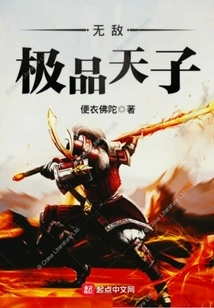
The Invincible Emperor
About This Novel
When encountering a top-notch emperor who doesn't play by the rules, what should the civil and military officials of the dynasty and the three thousand beauties in the harem do? Ps: The lonely king doesn't follow the routine, what can you do? If you are not convinced, fight the lonely king for 300 rounds.
Official Sources
What Readers Think
Rating
Community(0)
Official(3)Scraped 1mo ago
"Zhou Rites" Ceremony
The system of the Zhou Dynasty described in "The Rites of Zhou" was very sophisticated and grand, so it was questioned by later generations, who believed that it was based on ancient times. According to the records of "Zhou Rites", the organization of the central government of the Zhou Dynasty was the system of heaven and earth, four seasons and six officials headed by Zhongzai. Tianguan Zhongzai "To command his subordinates and take charge of the governance of the country, to assist the king in regulating the country", the subordinate officials of Zhongzai are called "zhiguan". Including Dazai Qingyi (Dazai is the official name, Qing is the title, the same below, the one with only one name is the title), Xiaozaizhong Dafu 2nd, Dafuxiafu 4th, Senior Sergeant 8, Sergeant 16, Brigade Corporal 32. . The duty of Dazai is to "control the six laws of establishing a state" to assist the king in running the state. The six canons are: the first is the Governing Code, which is used to regulate the country, govern the government, and discipline the people; the second is the Teaching Code, which is used to stabilize the country, educate the government, and pacify the people; the third is the Ritual Code, which is used to harmonize the country, to unify the officials, and to harmonize the people. The fourth is the Political Code, which is used to pacify the country, to regulate hundreds of officials, and to balance all the people; the fifth is the Criminal Code, which is used to order the country, to punish hundreds of officials, and to correct all the people; the sixth is the Code of Affairs, which is to enrich the country, to appoint hundreds of officials, and to give life to all the people. It can be seen that Tsukazai is actually equivalent to the position of Prime Minister. [1] Local official situ "To command his subordinates and control the country's religion, to assist the king and appease the country." Situ's subordinate officers were called "instructors". Including the first senior Situ Qing, the second junior Situ Zhongdafu, the fourth rural division official, the eighth senior sergeant, the sixteenth sergeant, and the thirty-two brigade corporal. Da Situ managed the affairs of the printing press and the people's land. Little Situ managed the people, fields, and tax affairs of the capital and its surrounding suburbs. Chunguan Zongbo "To command his subordinates and control the state's rituals to assist the king and the state", Zongbo's subordinate officers are called "ceremony officers". Including the first Da Zong Boqing, the second Xiao Zong Boqing, the fourth senior official, the eighth senior sergeant, the sixteenth sergeant, and the thirty-two brigade corporal. Da Zongbo was in charge of the genealogy, inheritance, and sacrificial affairs of the emperor and princes. Xiao Zongbo manages the affairs of the Ancestral Temple. Xia Guan Sima "To command his subordinates and control the state affairs, to assist the king and bring peace to the country", Sima's subordinate officers are called "political officials". Including the first senior Sima Qing, the second junior Sima Zhongdafu, the fourth military Sima Xiafu, the eighth Yu Sima sergeant, the sixteenth line Sima sergeant, and the thirty-two brigade corporal. Sima Guan is the commander of the army of Emperor Zhou. Autumn lawsuit against bandits "To command his subordinates and control the state's ban", the subordinate officers of the Sikou were called "criminal officials". Including the first senior official, Kou Qing, the second junior official, the second senior official, the fourth junior official, the eighth local sergeant, the sixteenth sergeant, and the thirty-two brigade corporal. The duty of the Sikou officer is to manage prison affairs. Winter lawsuit is empty The Sikong chapter of "Zhou Rites" has been lost.
Hey, come back soon for updates!
Updated! Updated! Sent the blade!
Official positions in the Western Zhou Dynasty
The official system of the Western Zhou Dynasty was very complicated. The assistants on the left and right of the King of Zhou were Taishi, Taifu and Taibao, collectively known as the Three Dukes. Under the Three Lords, there are three officials (administrative officers, affairs officers and local officials), four parties (the princes, states and tribes) and ministers and ministers. The officials of the dynasty are: Dazai, who is in charge of government affairs, Taizong, who is in charge of temple rituals, Taishi, who is in charge of calendar recording, Taizhu, who is in charge of prayers, artificial people who are in charge of divine affairs, and human divination who is in charge of divination. They are collectively called the Liuqing, and their subordinates are collectively called Qingshiliao. The dynasty also included Situ, who was in charge of land and farmers, Sikong, who was in charge of workers and bureaucracy, Sima, who was in charge of military affairs, military administration, Sushi, who was in charge of officialdom, and Sikou, who was in charge of punishments. They were collectively called the five sense organs. The internal affairs officials who serve the royal family include the three young masters (shao shi, shao fu, shaobao) who serve as assistants to the three princes, the four assistants Dao, Fu, Bi, and Cheng. The feudal states served outside Wangji are called Sifang, including the princes of Hou, Dian, Nan and so on. The dynasty sometimes sent envoys to the vassal states to serve as supervisors. The princes imitated the royal family and set up hundreds of officials and officials in their own feudal states, becoming a relatively independent political power. There were mainly three officials, namely Situ, Sima and Sikong, who were in charge of government affairs, justice and civil affairs. The main officials at all levels in the Zhou Dynasty were hereditary on the basis of the patriarchal system, and they were independent of civil and military officials. They governed the people in peacetime and were generals at all levels in wartime. The local system of the Zhou Dynasty included the country, the capital, the town, the country, and the county. The capitals of the king of Zhou and the princes are called states, the big cities in the princely states are called capitals, and the small cities are called towns. The other places are called wild or bi.
Rating
Community(0)
Official(3)Scraped 1mo ago
"Zhou Rites" Ceremony
The system of the Zhou Dynasty described in "The Rites of Zhou" was very sophisticated and grand, so it was questioned by later generations, who believed that it was based on ancient times. According to the records of "Zhou Rites", the organization of the central government of the Zhou Dynasty was the system of heaven and earth, four seasons and six officials headed by Zhongzai. Tianguan Zhongzai "To command his subordinates and take charge of the governance of the country, to assist the king in regulating the country", the subordinate officials of Zhongzai are called "zhiguan". Including Dazai Qingyi (Dazai is the official name, Qing is the title, the same below, the one with only one name is the title), Xiaozaizhong Dafu 2nd, Dafuxiafu 4th, Senior Sergeant 8, Sergeant 16, Brigade Corporal 32. . The duty of Dazai is to "control the six laws of establishing a state" to assist the king in running the state. The six canons are: the first is the Governing Code, which is used to regulate the country, govern the government, and discipline the people; the second is the Teaching Code, which is used to stabilize the country, educate the government, and pacify the people; the third is the Ritual Code, which is used to harmonize the country, to unify the officials, and to harmonize the people. The fourth is the Political Code, which is used to pacify the country, to regulate hundreds of officials, and to balance all the people; the fifth is the Criminal Code, which is used to order the country, to punish hundreds of officials, and to correct all the people; the sixth is the Code of Affairs, which is to enrich the country, to appoint hundreds of officials, and to give life to all the people. It can be seen that Tsukazai is actually equivalent to the position of Prime Minister. [1] Local official situ "To command his subordinates and control the country's religion, to assist the king and appease the country." Situ's subordinate officers were called "instructors". Including the first senior Situ Qing, the second junior Situ Zhongdafu, the fourth rural division official, the eighth senior sergeant, the sixteenth sergeant, and the thirty-two brigade corporal. Da Situ managed the affairs of the printing press and the people's land. Little Situ managed the people, fields, and tax affairs of the capital and its surrounding suburbs. Chunguan Zongbo "To command his subordinates and control the state's rituals to assist the king and the state", Zongbo's subordinate officers are called "ceremony officers". Including the first Da Zong Boqing, the second Xiao Zong Boqing, the fourth senior official, the eighth senior sergeant, the sixteenth sergeant, and the thirty-two brigade corporal. Da Zongbo was in charge of the genealogy, inheritance, and sacrificial affairs of the emperor and princes. Xiao Zongbo manages the affairs of the Ancestral Temple. Xia Guan Sima "To command his subordinates and control the state affairs, to assist the king and bring peace to the country", Sima's subordinate officers are called "political officials". Including the first senior Sima Qing, the second junior Sima Zhongdafu, the fourth military Sima Xiafu, the eighth Yu Sima sergeant, the sixteenth line Sima sergeant, and the thirty-two brigade corporal. Sima Guan is the commander of the army of Emperor Zhou. Autumn lawsuit against bandits "To command his subordinates and control the state's ban", the subordinate officers of the Sikou were called "criminal officials". Including the first senior official, Kou Qing, the second junior official, the second senior official, the fourth junior official, the eighth local sergeant, the sixteenth sergeant, and the thirty-two brigade corporal. The duty of the Sikou officer is to manage prison affairs. Winter lawsuit is empty The Sikong chapter of "Zhou Rites" has been lost.
Hey, come back soon for updates!
Updated! Updated! Sent the blade!
Official positions in the Western Zhou Dynasty
The official system of the Western Zhou Dynasty was very complicated. The assistants on the left and right of the King of Zhou were Taishi, Taifu and Taibao, collectively known as the Three Dukes. Under the Three Lords, there are three officials (administrative officers, affairs officers and local officials), four parties (the princes, states and tribes) and ministers and ministers. The officials of the dynasty are: Dazai, who is in charge of government affairs, Taizong, who is in charge of temple rituals, Taishi, who is in charge of calendar recording, Taizhu, who is in charge of prayers, artificial people who are in charge of divine affairs, and human divination who is in charge of divination. They are collectively called the Liuqing, and their subordinates are collectively called Qingshiliao. The dynasty also included Situ, who was in charge of land and farmers, Sikong, who was in charge of workers and bureaucracy, Sima, who was in charge of military affairs, military administration, Sushi, who was in charge of officialdom, and Sikou, who was in charge of punishments. They were collectively called the five sense organs. The internal affairs officials who serve the royal family include the three young masters (shao shi, shao fu, shaobao) who serve as assistants to the three princes, the four assistants Dao, Fu, Bi, and Cheng. The feudal states served outside Wangji are called Sifang, including the princes of Hou, Dian, Nan and so on. The dynasty sometimes sent envoys to the vassal states to serve as supervisors. The princes imitated the royal family and set up hundreds of officials and officials in their own feudal states, becoming a relatively independent political power. There were mainly three officials, namely Situ, Sima and Sikong, who were in charge of government affairs, justice and civil affairs. The main officials at all levels in the Zhou Dynasty were hereditary on the basis of the patriarchal system, and they were independent of civil and military officials. They governed the people in peacetime and were generals at all levels in wartime. The local system of the Zhou Dynasty included the country, the capital, the town, the country, and the county. The capitals of the king of Zhou and the princes are called states, the big cities in the princely states are called capitals, and the small cities are called towns. The other places are called wild or bi.
Featured in 4 Booklists
Official(4)
Recommended words for the work: This is a historical fiction novel that narrates the anniversary of the Western Zhou Dynasty and the early years of the Spring and Autumn Period and the Warring States Period. The protagonist is the relatively famous faint king in history, King You of Zhou, who played with the princes by beacon fire, making him "famous throughout the ages"! I don't know how the author turned things around and made King Zhou You different, capture the hearts of beauties and clear away the ambitious princes. New book for collection! ! ! Please vote for recommendation! ! ! ! I have signed a contract, invest in this book and save it to help me get on the list! Thank you! ! !

Please collect the new book and vote for recommendations! ! ! Recommendation: An fictional historical novel about King You of Zhou! In the chaotic historical era, let's see how a declining royal family can revive its ancestral foundation! !
Historical novel, non-toxic, non-systematic, the protagonist's IQ is online, and it's a story about King You of Zhou, Bao Si and others! ! !
A historical novel about King You of Zhou...
You Might Also Like
Possessed by Lu Bu
The King Is No More Than A Hegemon
Hanxiang
Jie And 2
The Poor Man's Two Thousand Years
Non-player Character
Reborn Female General
Qianshan Tea Guest
Tomorrow
Jie And 2
Shao Song
Grenades Are Afraid Of Water
My Father, Emperor Gaozu of the Han Dynasty
History Wolf
My Brother-in-law is the Prince
Go Up The Mountain And Hit The Tiger On The Forehead
Qin Gong
When It Rains, I Bring A Knife
The World's Heroes
Gao Yue