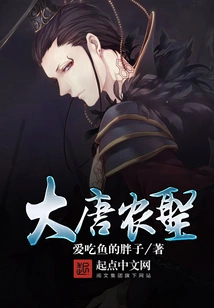
Nongsheng of Tang Dynasty
by Fat Man Who Loves To Eat Fish
About This Novel
The story of small farmer ideas driving small farmer economy. The new book "The Great Eastern Evil: Across the Heavens" has been released. I hope all old friends will come and support it!
Official Sources
What Readers Think
Rating
Community(0)
Official(160)Scraped 2mo ago
1. Titles among civilians: 1. "Niangzi" refers to: When a man greets a woman, regardless of whether they are acquainted with each other, they can all be called "Niangzi", and younger ones can be called "Little Niangzi". "Niangzi" here does not mean wife, you can use it boldly. 2. The word "Xianggong" is strictly prohibited to be used casually! In the Tang Dynasty, only the prime minister was called "Xiangong". 3. "Lang" or "Langjun". To call a familiar man, he is usually called by his surname plus his line number or "Lang" at the end; while when he calls a woman, he is usually called by his surname, his line number and "Mother". 4. "Brother" refers to: Tang Dynasty family law, father calls himself brother to his son, or he calls his father brother when talking to others. But not universally. It is generally used to address one's father when talking to others. He calls his father brother, but not just brother. Generally, it depends on the father's ranking in the family, and then the brother is called based on the ranking. For example, if the father is the fourth in the family, the child can call his father "fourth brother". 5. "Lang" and "Brother": People in the Tang Dynasty called their fathers and elder brothers "ge". Elders addressed younger generations, brothers to younger brothers, and friends of the same generation by their first names or called them "Lang". People in the Tang Dynasty mostly had large families and placed great emphasis on lineage. Even if they were biological fathers, they would sometimes be called by their lineage. In the Tang Dynasty, among civilians, "adult" was only an honorific for fathers and was not used to address officials with a higher status than themselves. Moreover, when lower-level officials met superior officials or common people met officials, they were not as servile as in later generations. The terms "Mother" and "Mr." For Concubine Taizhen and the Crown Prince are not groundless. In the Tang Dynasty, there was no such thing as "Master", and the slaves called the male master "Alang". The young master is called "Lang Jun"; the mistress and young lady are called "Lady". However, "Niangzi" and "Langjun" are not only used by slaves to address their masters. Others also call them "Niangzi" when they meet a woman, and some call them "Little Niangzi" when they meet young women. Older people also call young people "Lang" or "Langjun". For example, a poem by Li Bai describes: An old man asked Li Bai, "Why does Lang Jin want to cross the border?" Then he warned him that "such a disturbance is not feasible." 2. Title of the royal family: 1. When the common people met the emperor, they also called themselves "ministers" like the officials. This can be seen in the conversation between Emperor Ming and an old man when he was fleeing, and the conversation between Dezong and a farmer when he was on tour. 2. The emperor calls himself: "I". In addition, sometimes "I" or "I" are also used. 3. The concubine calls herself: "Concubine" or "Concubine" on formal occasions. Usually use "I" or "I". 4. The princess calls herself: She also calls the emperor "I" or "I". 5. The emperor's name for his son: If you are more intimate, you can call him by his nickname. In normal times, you can call him by his first name or rank, such as Jiulang. 6. The Crown Prince calls himself: "I" or "I" are usually used more often. In addition, when referring to the emperor or queen, he can use "son minister", and when referring to servants, he can use "little king". 7. The prince is often called "Lang Jun" by those around him; the kings are called "Prince".
If we raise buffaloes in Guanzhong, what should we do during the winter?
In Chapter 16, the protagonist leads all the villagers to farm and use buffaloes to plow the fields. However, buffaloes are easy to use, but how can buffaloes keep warm in the cold winter?
Thank you for your support! Readers who have favorites please take a look.
Everyone, please stop making noise! This is all because of my love for books, it's unnecessary. In addition, this book will definitely have extras. After the new book is online, it will be posted when advertising the new book, so that everyone can watch it for free, so don't be in a hurry to withdraw it from your collection. Thank you again for your love of the work!
Please don't name the dishes randomly
In the early Tang Dynasty, the protagonist cooked a dish - Braised Pork Knuckle. Don't call it Dongpo Pork Knuckle. Su Dongpo didn't know where it was at that time. In my opinion, it should be called Sun's Pork Knuckle.
The Nongshengji of the Tang Dynasty praises and begs for exemption!
There are only a few book coins left, why don't we like him to the limit and then start slaughtering him! 😘😘😘
If you don't eat for three days, you won't even know if you are hungry. Besides, if you have younger brothers and sisters, you will starve without caring about what they eat for three days, which stains the face of the time traveler😃Since you can find food, you still have to ask the officers and soldiers for food, and you have to pay it back. What the hell am I saying?
This is a good book. The author is great. Don't you think those system streams, golden finger streams, and harem streams are all bad? And it feels like I'm watching those authors bragging. Not realistic at all. What's more important is that those books gave me the same feeling.
To say that the protagonist is a slave and a dog, I'm afraid I've watched too many Qing palace dramas🙃
This author is completely blind when he writes that there was no Qin Shubao in the Xuanwumen Incident, so Li Shimin was left out in the cold after he ascended the throne!
The book is good, but I feel like it strays off topic sometimes.
Rating
Community(0)
Official(160)Scraped 2mo ago
1. Titles among civilians: 1. "Niangzi" refers to: When a man greets a woman, regardless of whether they are acquainted with each other, they can all be called "Niangzi", and younger ones can be called "Little Niangzi". "Niangzi" here does not mean wife, you can use it boldly. 2. The word "Xianggong" is strictly prohibited to be used casually! In the Tang Dynasty, only the prime minister was called "Xiangong". 3. "Lang" or "Langjun". To call a familiar man, he is usually called by his surname plus his line number or "Lang" at the end; while when he calls a woman, he is usually called by his surname, his line number and "Mother". 4. "Brother" refers to: Tang Dynasty family law, father calls himself brother to his son, or he calls his father brother when talking to others. But not universally. It is generally used to address one's father when talking to others. He calls his father brother, but not just brother. Generally, it depends on the father's ranking in the family, and then the brother is called based on the ranking. For example, if the father is the fourth in the family, the child can call his father "fourth brother". 5. "Lang" and "Brother": People in the Tang Dynasty called their fathers and elder brothers "ge". Elders addressed younger generations, brothers to younger brothers, and friends of the same generation by their first names or called them "Lang". People in the Tang Dynasty mostly had large families and placed great emphasis on lineage. Even if they were biological fathers, they would sometimes be called by their lineage. In the Tang Dynasty, among civilians, "adult" was only an honorific for fathers and was not used to address officials with a higher status than themselves. Moreover, when lower-level officials met superior officials or common people met officials, they were not as servile as in later generations. The terms "Mother" and "Mr." For Concubine Taizhen and the Crown Prince are not groundless. In the Tang Dynasty, there was no such thing as "Master", and the slaves called the male master "Alang". The young master is called "Lang Jun"; the mistress and young lady are called "Lady". However, "Niangzi" and "Langjun" are not only used by slaves to address their masters. Others also call them "Niangzi" when they meet a woman, and some call them "Little Niangzi" when they meet young women. Older people also call young people "Lang" or "Langjun". For example, a poem by Li Bai describes: An old man asked Li Bai, "Why does Lang Jin want to cross the border?" Then he warned him that "such a disturbance is not feasible." 2. Title of the royal family: 1. When the common people met the emperor, they also called themselves "ministers" like the officials. This can be seen in the conversation between Emperor Ming and an old man when he was fleeing, and the conversation between Dezong and a farmer when he was on tour. 2. The emperor calls himself: "I". In addition, sometimes "I" or "I" are also used. 3. The concubine calls herself: "Concubine" or "Concubine" on formal occasions. Usually use "I" or "I". 4. The princess calls herself: She also calls the emperor "I" or "I". 5. The emperor's name for his son: If you are more intimate, you can call him by his nickname. In normal times, you can call him by his first name or rank, such as Jiulang. 6. The Crown Prince calls himself: "I" or "I" are usually used more often. In addition, when referring to the emperor or queen, he can use "son minister", and when referring to servants, he can use "little king". 7. The prince is often called "Lang Jun" by those around him; the kings are called "Prince".
If we raise buffaloes in Guanzhong, what should we do during the winter?
In Chapter 16, the protagonist leads all the villagers to farm and use buffaloes to plow the fields. However, buffaloes are easy to use, but how can buffaloes keep warm in the cold winter?
Thank you for your support! Readers who have favorites please take a look.
Everyone, please stop making noise! This is all because of my love for books, it's unnecessary. In addition, this book will definitely have extras. After the new book is online, it will be posted when advertising the new book, so that everyone can watch it for free, so don't be in a hurry to withdraw it from your collection. Thank you again for your love of the work!
Please don't name the dishes randomly
In the early Tang Dynasty, the protagonist cooked a dish - Braised Pork Knuckle. Don't call it Dongpo Pork Knuckle. Su Dongpo didn't know where it was at that time. In my opinion, it should be called Sun's Pork Knuckle.
The Nongshengji of the Tang Dynasty praises and begs for exemption!
There are only a few book coins left, why don't we like him to the limit and then start slaughtering him! 😘😘😘
If you don't eat for three days, you won't even know if you are hungry. Besides, if you have younger brothers and sisters, you will starve without caring about what they eat for three days, which stains the face of the time traveler😃Since you can find food, you still have to ask the officers and soldiers for food, and you have to pay it back. What the hell am I saying?
This is a good book. The author is great. Don't you think those system streams, golden finger streams, and harem streams are all bad? And it feels like I'm watching those authors bragging. Not realistic at all. What's more important is that those books gave me the same feeling.
To say that the protagonist is a slave and a dog, I'm afraid I've watched too many Qing palace dramas🙃
This author is completely blind when he writes that there was no Qin Shubao in the Xuanwumen Incident, so Li Shimin was left out in the cold after he ascended the throne!
The book is good, but I feel like it strays off topic sometimes.
Featured in 29 Booklists
Official(29)
Completed, 2.62 Million words
Good
OK This is a farming story that starts with eating the heads off
7.5🌟Traditional farming articles, eating instant noodles during the Chinese New Year and the author share the same problem
You Might Also Like
Driving the Rv Back to Datang
Drunk In The Flower Room. Cs
Xiaoyao Early Tang Dynasty
Part Ways

Reborn Female General
Qianshan Tea Guest
The Early Tang Dynasty
The Wind Is Blowing Slowly
The First Minister of the Ming Dynasty
History Turns To Ashes
Cultivating Zhenguan
Listening To The Rain At Night
Being a Salted Fish in Hongwu
Fiery Red Chicken Fir
Zhenguan Leisurely Person
Tea And Wine
Daming: My Boss Zhu Yuanzhang
That Li Wei
People in the Song Dynasty Were Lawless
Playing With Basilisk