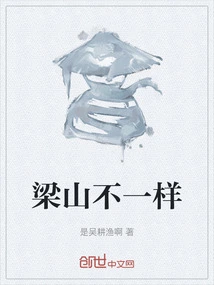
Liangshan is Different
by Wu Gengyu
About This Novel
An epic masterpiece that rewrites the story of Water Margin, a heart-stirring heroic swan song. "Liangshan is Different" takes the troubled times of the late Northern Song Dynasty as the background, breaks away from the shackles of traditional romance, uses a subversive perspective to deconstruct the truth of "loyalty", and unfolds a magnificent scroll of rivers, lakes, family and country in the game of swords and power. The fifty chapters of the book contain hidden mysteries, from the shocking chess game in which a secret envoy goes undercover in Liangshan, to the turmoil of heroes gathering for righteousness, to the power disputes at the height of the temple, each stroke has both the weight of history and the edge of humanity. With a huge pen, the author not only depicts the heroic battlefields of the Forbidden Army arrayed and the prairie fire, but also writes the tragic tragic song of fate where the beauty is shattered and the ambitions are turned into ashes. He not only restores the vivid true colors of the Water Margin statues, but also gives the characters new souls and choices, breaks the label of good and evil, and reaches the complexity and reality of the depths of human nature. Here there is the collision of chivalry and tenderness, the entanglement of loyalty and betrayal, the confrontation between temples and rivers and lakes, and the questioning of the historical truth. His prose combines the heroism of "Water Margin" and the strategy of "Three Kingdoms", with sonorous poetry and majestic narrative. It is not only an innovative inheritance of classical chapter novels, but also a rare masterpiece in the contemporary literary world. Open "Liangshan is Different" and go to a heroic appointment that spans a thousand years. In the troubled times, you can understand the hero's passion and helplessness and witness a rewritten legend.
Official Sources
What Readers Think
Rating
Community(0)
Official(1)Scraped 1mo ago
On the artistic height and literary attainments of Wu Gengyu's "Liangshan is Different"
Returning to the roots and creating new ones, using pen to establish the bones--On the artistic height and literary attainments of Wu Gengyu's "Liangshan is Different" At a time when contemporary creations of classical themes are caught in the polar dilemmas of "reproducing classics" and "excessive modifications", Wu Gengyu's "Liangshan is Different", which has been in the dust for twenty years, is like an unsheathed ancient sword, which not only hides awe of the classical literary tradition, but also has a sharp edge that breaks through barriers. This work, which is the original intention of the "Water Margin Reconstruction Trilogy", although it is the basic blueprint of "The Mang King", has already established its own system in terms of artistic expression and literary attainments, demonstrating a mature writer's precise control of narrative aesthetics and his ability to transform classical context into contemporary times. From an artistic level, the core achievement of "Liangshan is Different" lies in the creative inheritance of narrative tradition. The author is well versed in the aesthetic essence of Chinese classical chapter-style novels, and builds the narrative skeleton with neatly contrasted and profound chapter chapters. Each chapter chapter is closely related to the core of the plot. This not only retains the narrative rhythm of "Water Margin", but also avoids the stylized shortcomings of traditional chapter-style novels. In terms of narrative rhythm, the work combines the calmness of the "historian's style" with the agility of the "novelist's words": when writing about the power of the temple, a lot of white space is left to hide the edge, and the chess game is hidden in the dialogue between the monarch and his ministers, and the exchange of documents. What is particularly rare is that the author breaks through the single limitation of the "omniscient perspective" of classical novels, integrates a limited perspective into key plots, and creates narrative suspense through the psychological activities and cognitive blind spots of core characters such as Gao Bu, making the main line of "Undercover Liangshan" full of tension. This fusion of "classical framework + modern narrative techniques" gives the work artistic vitality that transcends the times. The aesthetic innovation in character creation is a concentrated expression of the artistic value of "Liangshan is Different". In the traditional Water Margin narrative, the characters are mostly "typified" symbols - righteous men, sycophants, rough men, and beauties, with clear boundaries. Wu Gengyu built a system of "round characters" with "reduction of human nature" as the core: he neither deliberately beautified the "loyalty" of Liangshan heroes, nor unilaterally vilified the "treacherousness" of temple dignitaries. Instead, he placed the characters in the social structure and interest pattern of the late Northern Song Dynasty and explored the human logic behind their actions. Song Jiang's "benevolence" and "utility", Gao Qiu's "cunning" and "helplessness", and Wu Song's "braveness" and "loneliness" are all presented in exquisite details and psychological descriptions. This kind of shaping is not a simple "reversal of the verdict", but a close approach to "historical reality" with "artistic truth", allowing the characters to get rid of the shackles of facial makeup and become an artistic carrier that carries the tragedy of the times and the complexity of human nature. In addition, the work also shows its skill in the depiction of secondary characters. In just a few strokes, it outlines the survival plight of the gangsters in Liangshan and the joys and sorrows of ordinary people in Tokyo. It uses the "beauty of group portraits" to spread out the picture of the times, demonstrating an artistic pattern that combines grand narratives and microscopic descriptions. In terms of literary attainments, "Liangshan is Different" demonstrates the author's profound accumulation of classical literature and language training ability. Language is the soul of literature. The language style of this work is both "elegant" and "fresh", achieving the perfect connection between classical context and contemporary expression. The author is proficient in the combination of parallel prose and parallel prose. When writing poems, his words are gorgeous and majestic. When writing dialogues, he is colloquial and personalized. He not only retains the conciseness and implication of classical Chinese, but also has the popular clarity of vernacular. The use of poetry and allusions in the article is not intended to show off skills, but is deeply integrated with the development of the plot and the mood of the characters: the bold verses when the hero drinks, the graceful verses when the beauty is sad, and the allusions and metaphors during the confrontation of power, are all just right, adding a strong literary charm to the work. This linguistic attainment stems from the author's in-depth study of historical works such as "Historical Records" and "Zizhi Tongjian" as well as classical novels such as "Water Margin" and "The Romance of the Three Kingdoms", and also reflects his ability to accurately control language. More importantly, "Liangshan is Different" has surpassed the traditional Water Margin narrative in terms of literary conception, demonstrating profound ideological attainments. The work breaks away from the traditional propositions of "officials force people to rebel" and "loyalty and justice gather together", and uses "Liangshan is different" as an incision to interrogate the nature of "loyalty", the alienation of power and the boundaries of human nature. Through the evolution of Liangshan Juyi from "ideal" to "utility", the author reveals the profound proposition of "game of interests under the banner of morality", which not only restores the social reality in the late Northern Song Dynasty, but also implies reflection on contemporary society. This idea of "using the past to describe the present" is not a rigid infusion of values, but is integrated into the narrative texture, allowing readers to understand the absurdity of history and the complexity of human nature in the process of reading the story. This depth of thought allows the work to transcend the category of "martial arts romance" and become a masterpiece with both literary beauty and ideological weight. As a work finalized twenty years ago, "Liangshan Different" has not reached the epic height of "The Mang King" in some plot structures, but it has laid the literary foundation for Wu Gengyu's "Water Margin Reconstruction". His "returning to the roots and creating new ideas" in art has revitalized the classical narrative tradition in the contemporary era; his profound attainments in literature have given his works both aesthetic value and ideological weight. The existence of this work not only proves Wu Gengyu's creative strength as a powerful contemporary writer, but also provides a model of great reference for the contemporary reconstruction of classical literary classics - only by taking root in tradition, facing human nature, and adhering to the original intention can the classics transcend the years and shine with immortal literary light in the new era.
Rating
Community(0)
Official(1)Scraped 1mo ago
On the artistic height and literary attainments of Wu Gengyu's "Liangshan is Different"
Returning to the roots and creating new ones, using pen to establish the bones--On the artistic height and literary attainments of Wu Gengyu's "Liangshan is Different" At a time when contemporary creations of classical themes are caught in the polar dilemmas of "reproducing classics" and "excessive modifications", Wu Gengyu's "Liangshan is Different", which has been in the dust for twenty years, is like an unsheathed ancient sword, which not only hides awe of the classical literary tradition, but also has a sharp edge that breaks through barriers. This work, which is the original intention of the "Water Margin Reconstruction Trilogy", although it is the basic blueprint of "The Mang King", has already established its own system in terms of artistic expression and literary attainments, demonstrating a mature writer's precise control of narrative aesthetics and his ability to transform classical context into contemporary times. From an artistic level, the core achievement of "Liangshan is Different" lies in the creative inheritance of narrative tradition. The author is well versed in the aesthetic essence of Chinese classical chapter-style novels, and builds the narrative skeleton with neatly contrasted and profound chapter chapters. Each chapter chapter is closely related to the core of the plot. This not only retains the narrative rhythm of "Water Margin", but also avoids the stylized shortcomings of traditional chapter-style novels. In terms of narrative rhythm, the work combines the calmness of the "historian's style" with the agility of the "novelist's words": when writing about the power of the temple, a lot of white space is left to hide the edge, and the chess game is hidden in the dialogue between the monarch and his ministers, and the exchange of documents. What is particularly rare is that the author breaks through the single limitation of the "omniscient perspective" of classical novels, integrates a limited perspective into key plots, and creates narrative suspense through the psychological activities and cognitive blind spots of core characters such as Gao Bu, making the main line of "Undercover Liangshan" full of tension. This fusion of "classical framework + modern narrative techniques" gives the work artistic vitality that transcends the times. The aesthetic innovation in character creation is a concentrated expression of the artistic value of "Liangshan is Different". In the traditional Water Margin narrative, the characters are mostly "typified" symbols - righteous men, sycophants, rough men, and beauties, with clear boundaries. Wu Gengyu built a system of "round characters" with "reduction of human nature" as the core: he neither deliberately beautified the "loyalty" of Liangshan heroes, nor unilaterally vilified the "treacherousness" of temple dignitaries. Instead, he placed the characters in the social structure and interest pattern of the late Northern Song Dynasty and explored the human logic behind their actions. Song Jiang's "benevolence" and "utility", Gao Qiu's "cunning" and "helplessness", and Wu Song's "braveness" and "loneliness" are all presented in exquisite details and psychological descriptions. This kind of shaping is not a simple "reversal of the verdict", but a close approach to "historical reality" with "artistic truth", allowing the characters to get rid of the shackles of facial makeup and become an artistic carrier that carries the tragedy of the times and the complexity of human nature. In addition, the work also shows its skill in the depiction of secondary characters. In just a few strokes, it outlines the survival plight of the gangsters in Liangshan and the joys and sorrows of ordinary people in Tokyo. It uses the "beauty of group portraits" to spread out the picture of the times, demonstrating an artistic pattern that combines grand narratives and microscopic descriptions. In terms of literary attainments, "Liangshan is Different" demonstrates the author's profound accumulation of classical literature and language training ability. Language is the soul of literature. The language style of this work is both "elegant" and "fresh", achieving the perfect connection between classical context and contemporary expression. The author is proficient in the combination of parallel prose and parallel prose. When writing poems, his words are gorgeous and majestic. When writing dialogues, he is colloquial and personalized. He not only retains the conciseness and implication of classical Chinese, but also has the popular clarity of vernacular. The use of poetry and allusions in the article is not intended to show off skills, but is deeply integrated with the development of the plot and the mood of the characters: the bold verses when the hero drinks, the graceful verses when the beauty is sad, and the allusions and metaphors during the confrontation of power, are all just right, adding a strong literary charm to the work. This linguistic attainment stems from the author's in-depth study of historical works such as "Historical Records" and "Zizhi Tongjian" as well as classical novels such as "Water Margin" and "The Romance of the Three Kingdoms", and also reflects his ability to accurately control language. More importantly, "Liangshan is Different" has surpassed the traditional Water Margin narrative in terms of literary conception, demonstrating profound ideological attainments. The work breaks away from the traditional propositions of "officials force people to rebel" and "loyalty and justice gather together", and uses "Liangshan is different" as an incision to interrogate the nature of "loyalty", the alienation of power and the boundaries of human nature. Through the evolution of Liangshan Juyi from "ideal" to "utility", the author reveals the profound proposition of "game of interests under the banner of morality", which not only restores the social reality in the late Northern Song Dynasty, but also implies reflection on contemporary society. This idea of "using the past to describe the present" is not a rigid infusion of values, but is integrated into the narrative texture, allowing readers to understand the absurdity of history and the complexity of human nature in the process of reading the story. This depth of thought allows the work to transcend the category of "martial arts romance" and become a masterpiece with both literary beauty and ideological weight. As a work finalized twenty years ago, "Liangshan Different" has not reached the epic height of "The Mang King" in some plot structures, but it has laid the literary foundation for Wu Gengyu's "Water Margin Reconstruction". His "returning to the roots and creating new ideas" in art has revitalized the classical narrative tradition in the contemporary era; his profound attainments in literature have given his works both aesthetic value and ideological weight. The existence of this work not only proves Wu Gengyu's creative strength as a powerful contemporary writer, but also provides a model of great reference for the contemporary reconstruction of classical literary classics - only by taking root in tradition, facing human nature, and adhering to the original intention can the classics transcend the years and shine with immortal literary light in the new era.
You Might Also Like
Wilderness Live Broadcast: Alone in the World
Countercurrent Sand

Reborn Female General
Qianshan Tea Guest
Rebirth in the Southern Song Dynasty and Seek Immortality
Siming Mountain New Rain
Martial Arts: the Starting Reward is Full-level Magical Skills
The Downtrodden Little Chastity
One Person Cuts Through the World
Queyue
The Days When I Was Working as an Errand in the West Factory
Listen To The Tide
Traveling Through Yuhuatian, the Beginning of the Sunflower Collection is Complete
With 20,000 Updates A Day, I Will Become A God
I Open a Medical Clinic in Zongwu
Swallow The Wind And Drink The Moon
Jiuding Ji
I Eat Tomatoes
Peach and Plum Spring Breeze and a Glass of Wine
Xiaolou Listens To The Wind And Clouds