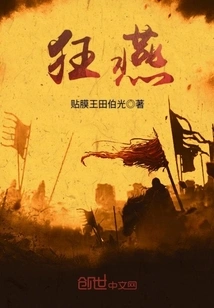
Crazy Swallow
by Film Sticker Wang Tian Boguang
About This Novel
"I, Liu Yu, have a tough life and cannot learn to bend down." Book Friends Chat Group 126159003
Official Sources
What Readers Think
Rating
Community(0)
Official(22)Scraped 1mo ago
Chapter 4-5 will be updated this Sunday
Ask for it! Thank you book friends for your support.
World view setting.
In order to make this article easy to understand, the settings are as follows. 1. Regional level division, capital-prefecture-county-town-village, there is no need for "li" and "bao". The unit "town" was used as a township level after the Song Dynasty. 2. The hierarchy of officials is divided into: Zhong Y - Capital Prefect - Governor - Prefect (county magistrate) - Town Chief - Village Chief. 3. Classification of generals, general (first rank) - Hussar/Longxiang - Fourth General of Zheng - Fourth General of Zhen - Fourth General of An - Fourth General of Ping - General of Miscellaneous Numbers - General of Lang - School Lieutenant - Supervisor of the Army - Deputy General (Partial General/Pi General) - Join the army. 4. Army, front army-rear army-left army-center army-right army-guerrilla,-centurion/hundred households 5. Emperor, Emperor-King, there are two types of kings. One is the emperor who enfeoffs members of the royal family, who only have titles and no soldiers under his command. The other is the independent king, who is not strong enough to be emperor, but is independent in military and political affairs, or is nominally dependent on the emperor. 6. For food, cooking is mainly based on steaming and stir-frying. This method of "stir-frying" is actually a bit time-traveling. Fruits and vegetables should not travel through time, especially fruits and vegetables native to the Americas. Try not to appear. 7. Utensils. The rich and powerful mainly use porcelain and precious metals, while the folk mainly use pottery, porcelain and cheap metal products. 8. This article does not mention any ethnic names, but only divides camps based on strength, interests, interpersonal relationships, regions, etc.
Very well written
It's been a long time since I read a novel with this theme, and it feels pretty good. Come on ^0^~
This is my first time watching this type of subject matter, come on!
Content explanation
Because of scale issues, this book tries not to mention any ethnic names, but it can be judged from the surnames. The Murong clan belongs to the Murong tribe of Xianbei and is located in Changzhou. It is based on ancient Changli and ancient Longcheng. The specific attribution of the ancient Northeastern ethnic groups of the Goryeo royal family is more complicated, and the more consistent opinion is that the remaining people have divided into multiple ethnic groups. The Yuwen clan belongs to the Yuwen tribe of Xianbei and is located in Raozhou, north of Changzhou, with Chifeng as its core. The Kingdom of Zhao is based on Shishi of the Jie tribe. This book does not write about ethnic hatred, so Ran Min is not easy to write, and it is easy to offend people. He doesn't know how to write it yet. Fortunately, he hasn't written it here yet. Western Qin, prototype of Pre-Qin, surnamed Fu. The Southern Jin Dynasty is the prototype of the Eastern Jin Dynasty. The Jin Sima family and Sima Qian are not the same genealogy. This book writes them as one family. In the Northern Wei Dynasty, the Tuoba tribe of Xianbei was located in Weizhou, which was based on the vicinity of Yunzhou, Daijun. The Wang Duan clan of Youzhou is the prototype of the Duan clan of Xianbei. The Yulu family, the abbreviation of Yujiulu, is the surname of the royal family of the Rouran Empire. The surname Hu is the abbreviation of Hu Lu. This book lists it as one of the nine surnames of Tiele. Dugu is listed as the source of the surname Liu. Yelu and Raozhou had the surname Xiao, and were deployed by the Yuwen Ministry, and later became Khitan. It's not easy to abbreviate Turkic Ashina, so I use the original surname, An. Persia uses the most common name of Sassanid, Bahram, and Byzantium uses the most famous names of Constantine, Justinian, etc.
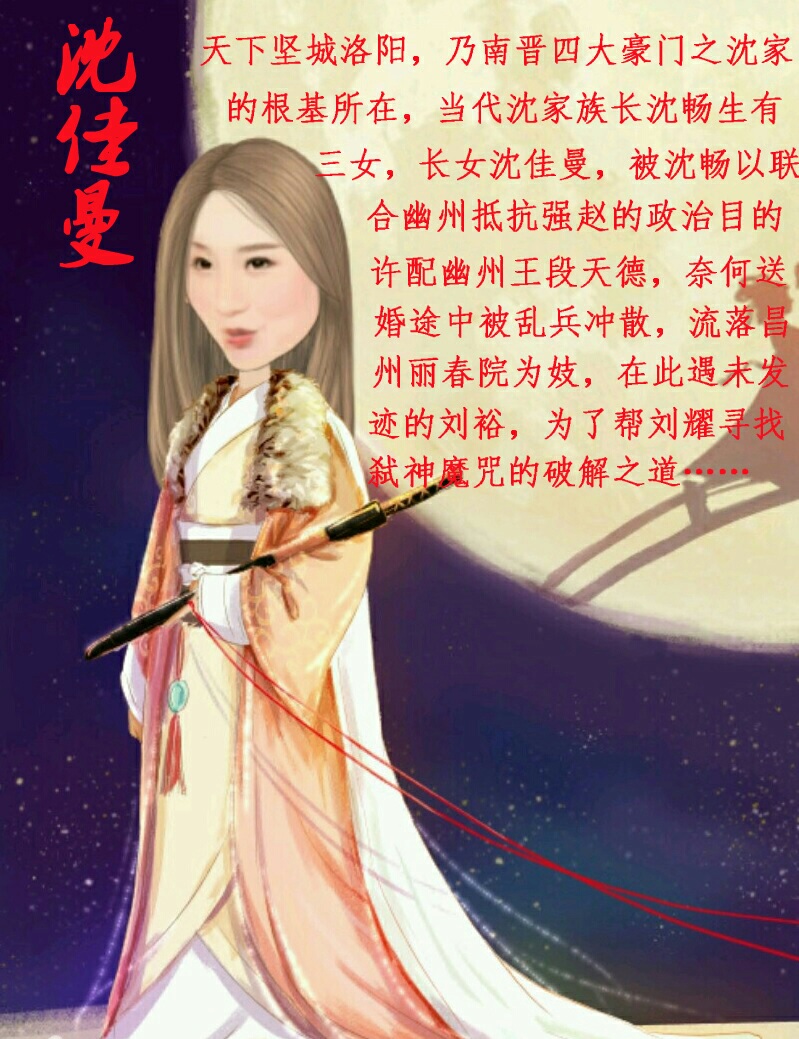
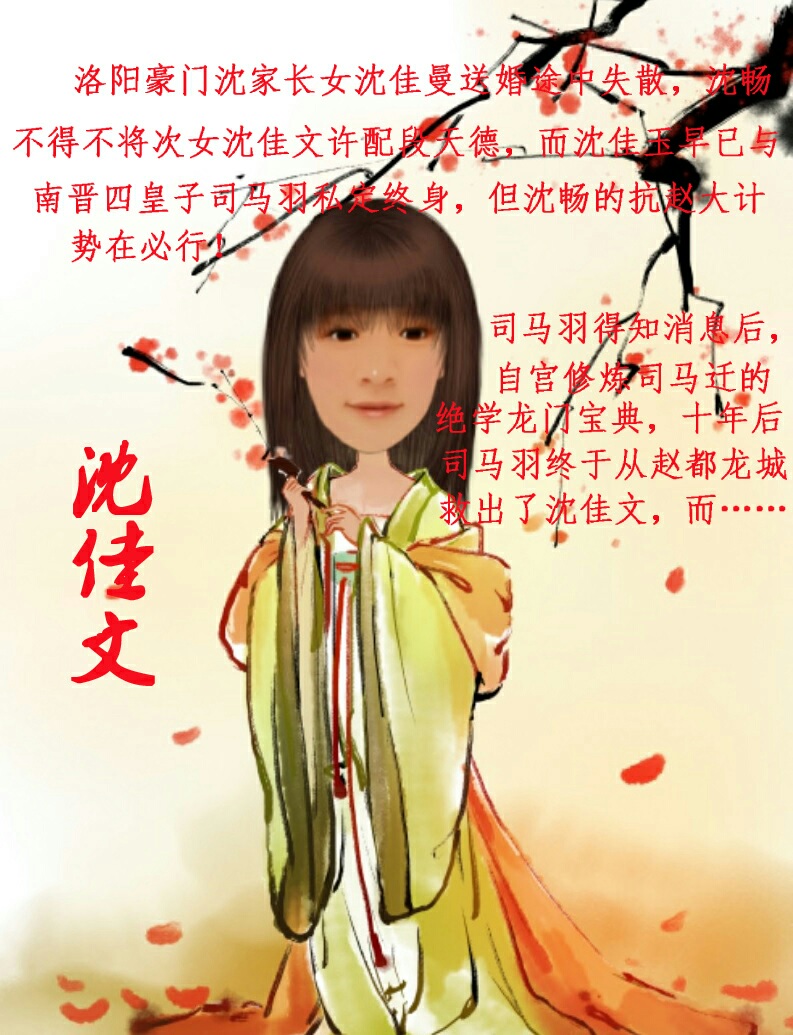
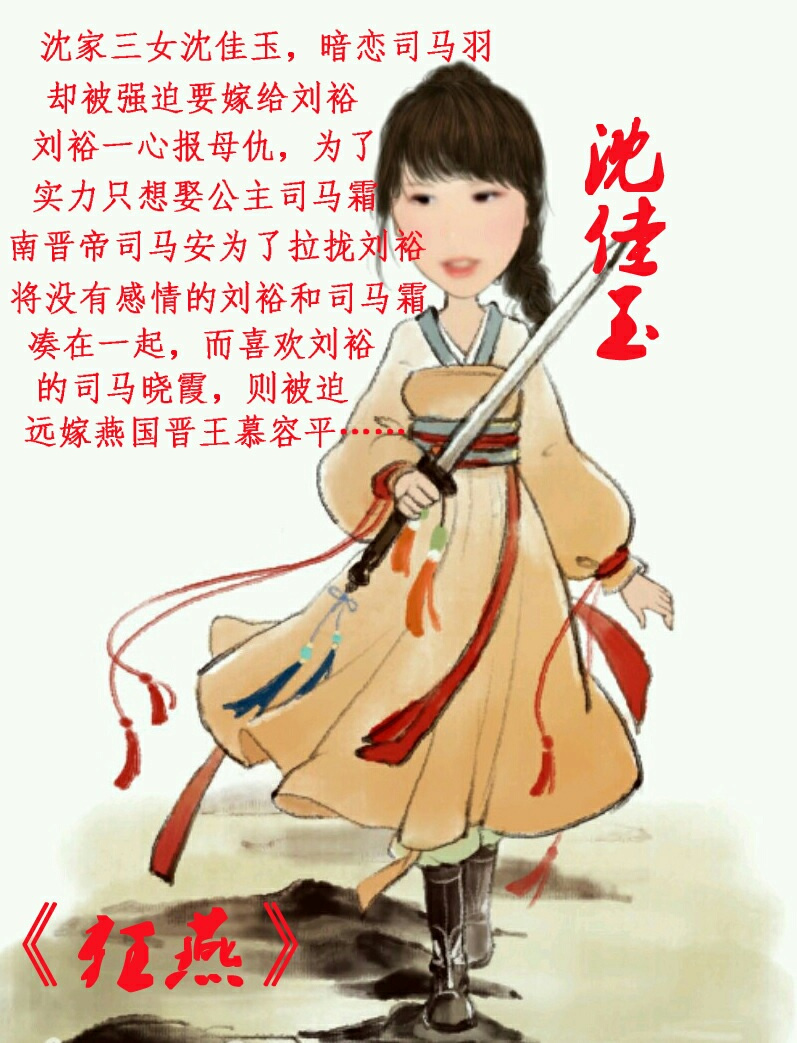
Three beauties of the wealthy Shen family in the Southern Jin Dynasty
Let's get to work, work hard, come on. Renamed 9th Dan Chef
It looks great, come on.
It's rare to find such an interesting protagonist.
More than 20 chapters are gone. If you are still reading, you can join the group.
Or look directly at Baidu. .
Received, come on, it's not on the shelves yet?
Collect it, it's rare to see novels about the Sixteen Kingdoms.
Rating
Community(0)
Official(22)Scraped 1mo ago
Chapter 4-5 will be updated this Sunday
Ask for it! Thank you book friends for your support.
World view setting.
In order to make this article easy to understand, the settings are as follows. 1. Regional level division, capital-prefecture-county-town-village, there is no need for "li" and "bao". The unit "town" was used as a township level after the Song Dynasty. 2. The hierarchy of officials is divided into: Zhong Y - Capital Prefect - Governor - Prefect (county magistrate) - Town Chief - Village Chief. 3. Classification of generals, general (first rank) - Hussar/Longxiang - Fourth General of Zheng - Fourth General of Zhen - Fourth General of An - Fourth General of Ping - General of Miscellaneous Numbers - General of Lang - School Lieutenant - Supervisor of the Army - Deputy General (Partial General/Pi General) - Join the army. 4. Army, front army-rear army-left army-center army-right army-guerrilla,-centurion/hundred households 5. Emperor, Emperor-King, there are two types of kings. One is the emperor who enfeoffs members of the royal family, who only have titles and no soldiers under his command. The other is the independent king, who is not strong enough to be emperor, but is independent in military and political affairs, or is nominally dependent on the emperor. 6. For food, cooking is mainly based on steaming and stir-frying. This method of "stir-frying" is actually a bit time-traveling. Fruits and vegetables should not travel through time, especially fruits and vegetables native to the Americas. Try not to appear. 7. Utensils. The rich and powerful mainly use porcelain and precious metals, while the folk mainly use pottery, porcelain and cheap metal products. 8. This article does not mention any ethnic names, but only divides camps based on strength, interests, interpersonal relationships, regions, etc.
Very well written
It's been a long time since I read a novel with this theme, and it feels pretty good. Come on ^0^~
This is my first time watching this type of subject matter, come on!
Content explanation
Because of scale issues, this book tries not to mention any ethnic names, but it can be judged from the surnames. The Murong clan belongs to the Murong tribe of Xianbei and is located in Changzhou. It is based on ancient Changli and ancient Longcheng. The specific attribution of the ancient Northeastern ethnic groups of the Goryeo royal family is more complicated, and the more consistent opinion is that the remaining people have divided into multiple ethnic groups. The Yuwen clan belongs to the Yuwen tribe of Xianbei and is located in Raozhou, north of Changzhou, with Chifeng as its core. The Kingdom of Zhao is based on Shishi of the Jie tribe. This book does not write about ethnic hatred, so Ran Min is not easy to write, and it is easy to offend people. He doesn't know how to write it yet. Fortunately, he hasn't written it here yet. Western Qin, prototype of Pre-Qin, surnamed Fu. The Southern Jin Dynasty is the prototype of the Eastern Jin Dynasty. The Jin Sima family and Sima Qian are not the same genealogy. This book writes them as one family. In the Northern Wei Dynasty, the Tuoba tribe of Xianbei was located in Weizhou, which was based on the vicinity of Yunzhou, Daijun. The Wang Duan clan of Youzhou is the prototype of the Duan clan of Xianbei. The Yulu family, the abbreviation of Yujiulu, is the surname of the royal family of the Rouran Empire. The surname Hu is the abbreviation of Hu Lu. This book lists it as one of the nine surnames of Tiele. Dugu is listed as the source of the surname Liu. Yelu and Raozhou had the surname Xiao, and were deployed by the Yuwen Ministry, and later became Khitan. It's not easy to abbreviate Turkic Ashina, so I use the original surname, An. Persia uses the most common name of Sassanid, Bahram, and Byzantium uses the most famous names of Constantine, Justinian, etc.
Three beauties of the wealthy Shen family in the Southern Jin Dynasty
Let's get to work, work hard, come on. Renamed 9th Dan Chef
It looks great, come on.
It's rare to find such an interesting protagonist.
More than 20 chapters are gone. If you are still reading, you can join the group.
Or look directly at Baidu. .
Received, come on, it's not on the shelves yet?
Collect it, it's rare to see novels about the Sixteen Kingdoms.
You Might Also Like
Possessed by Lu Bu
The King Is No More Than A Hegemon
Hanxiang
Jie And 2
The Poor Man's Two Thousand Years
Non-player Character

Reborn Female General
Qianshan Tea Guest
Tomorrow
Jie And 2
Shao Song
Grenades Are Afraid Of Water
My Father, Emperor Gaozu of the Han Dynasty
History Wolf
My Brother-in-law is the Prince
Go Up The Mountain And Hit The Tiger On The Forehead
Qin Gong
When It Rains, I Bring A Knife
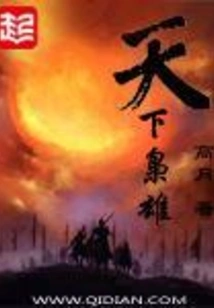
The World's Heroes
Gao Yue