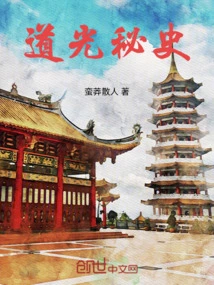
The Secret History of Daoguang
About This Novel
The first half of Daoguang's life was indeed intertwined with royal favor and destiny. As the eldest son of Emperor Jiaqing, he has been bathed in the afterglow of Qianlong's later years since he was a child. The nearly eighty-year-old emperor was particularly fond of his grandson, and even took him hunting with him when Mulan was about to die in autumn. When Minning was ten years old, he shot a deer with his bow. Emperor Qianlong was so pleased that he immediately rewarded him with a yellow mantle and flower feathers, and publicly praised him for his "extraordinary wisdom and bravery, with the style of Taizu." This recognition from the supreme ruler of the dynasty not only established his status as prince, but also shaped his deep obsession with the "prosperous age". Under the rule of his father, Emperor Jiaqing, Minning spent his teenage years in fine clothing and fine food. He was named Prince Zhi, and his mansion was located in the core area of the capital. There were countless treasures in the mansion and more than a hundred servants. In addition to studying Confucian classics and riding and archery skills every day, he also participated in royal sacrifices or garden activities. The world in Minning's eyes is still the "Celestial Kingdom" described in "Si Ku Quanshu". His luck in being born into an imperial family is vividly reflected in him: he can securely sit on the throne without fighting for it. At the age of 29, he won the reputation of "loyalty and filial piety" for successfully suppressing the Tianli Sect uprising. At the age of 39, he successfully ascended the throne. But misfortune also followed him - the traditional imperial education he received since childhood lacked the knowledge reserves to cope with the impact of industrial civilization; the frugal habits cultivated in the palace pale in comparison to the huge indemnities of the Opium War; he always believed that "the methods of his ancestors" could solve all problems. This kind of contradiction broke out intensively in the later period of the administration. Finally, in the artillery fire of the Opium War, he personally witnessed the destruction of the myth of "Celestial Kingdom".
Official Sources
What Readers Think
Rating
Community(0)
Rating
Community(0)
You Might Also Like
Overthrow the Han Dynasty
Grenades Are Afraid Of Water

Reborn Female General
Qianshan Tea Guest

I'm Not a Savage
Jie And 2
Da Qin, Rebelled and Had His Heart Eavesdropped by Zulong
Just Forget It
Daming: Recognize Zhu Yuanzhang as His Grandfather at the Beginning!
Anti-travel Cat
My Father, Emperor Gaozu of the Han Dynasty
History Wolf
My Brother-in-law is the Prince
Go Up The Mountain And Hit The Tiger On The Forehead
Qin Gong
When It Rains, I Bring A Knife
The World's Heroes
Gao Yue
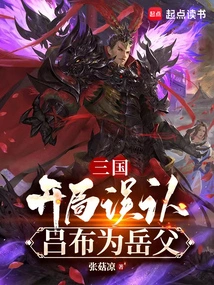
Three Kingdoms: Mistaking Lu Bu for His Father-in-law at the Beginning
Zhang Guliang