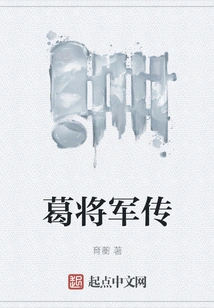
Biography of General Ge
by Yu Heng
About This Novel
In the mid-Wanli period of the Ming Dynasty, natural disasters occurred frequently, wars continued, and the national treasury could not make ends meet. Emperor Wanli Qiangang was arbitrary and sent eunuchs to various places to mine and collect business taxes. This move aroused dissatisfaction among the officials and was resisted by local bureaucrats and gentry. The resulting popular unrest occurred one after another. In the 29th year of Wanli, thousands of weavers in Suzhou, led by Ge Cheng, killed tax collectors, burned tax cards, and attacked the Weaving Bureau where the tax supervisor was located. The outcome of this matter is quite intriguing. According to the "Tombstone of General Wu Ge" written by Chen Jiru, Emperor Wanli dismissed the Suzhou tax supervisor and revoked the Suzhou tax card. Ge Cheng was imprisoned for thirteen years and was pardoned and released. Twenty-six years after the Suzhou Civil Rebellion, thousands of people petitioned to save Zhou Shunchang. The situation got out of control and triggered civil unrest, which angered the court. Later, the five people were willing to accept the crime and were killed. The Wu people buried them together, which was called the "Five People Tomb". Today, No. 775 Shantang Street, Suzhou is where the cultural relics protection units "Five People's Tomb and Gecheng Tomb" are located. The gate and Xiangtang of Gecheng's tomb are now the same as those of the Five-person tomb. The tomb sits east to west, is rectangular, and is surrounded by stone strips. It is only 2 meters away from the tomb of five people in the east. Because Zhang Pu's famous article "The Tombstone Story of Five People" was included in "Guwen Guanzhi", it was widely circulated; although Ge Cheng's deeds were earlier than those of Five People, and he was imprisoned for resisting taxes, he has now become a subordinate. As Chen Jiru said: Five people die in front to gain stamina, and generals die in the rear to gain strength. Feeling this, I consulted historical materials and wrote a perfunctory article to comfort the heroic spirit.
Official Sources
What Readers Think
Rating
Community(0)
Rating
Community(0)
You Might Also Like
Possessed by Lu Bu
The King Is No More Than A Hegemon
Hanxiang
Jie And 2
The Poor Man's Two Thousand Years
Non-player Character

Reborn Female General
Qianshan Tea Guest
Tomorrow
Jie And 2
Shao Song
Grenades Are Afraid Of Water
My Father, Emperor Gaozu of the Han Dynasty
History Wolf
My Brother-in-law is the Prince
Go Up The Mountain And Hit The Tiger On The Forehead
Qin Gong
When It Rains, I Bring A Knife
The World's Heroes
Gao Yue