Qidian library
Browse
- Titles
- 81
Every book we index, searchable by title, author or tag.
-
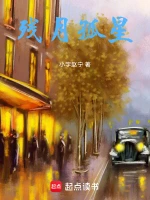 Waning Moon and Lone Star
Background of the times: In the fictional "Jiuzhou Martial Arts" world, seven major sects stand side by side, three major aristocratic families are present, and the "Netherworld Sect" forces lurk in the dark. Core image: Two moons in the same sky (a celestial phenomenon that occurs every eighteen years, symbolizing the fate of twins) Theme: Identity and Choice-Does Bloodline Destiny Destiny?
0Votes0Recs0Fans
Waning Moon and Lone Star
Background of the times: In the fictional "Jiuzhou Martial Arts" world, seven major sects stand side by side, three major aristocratic families are present, and the "Netherworld Sect" forces lurk in the dark. Core image: Two moons in the same sky (a celestial phenomenon that occurs every eighteen years, symbolizing the fate of twins) Theme: Identity and Choice-Does Bloodline Destiny Destiny?
0Votes0Recs0Fans
-
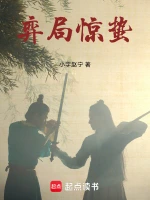 Awakening from the Chess Game
The heroes in the world are all chess pieces, only the chess player watches the situation. There is a game within the game, and there is a livelihood outside the plan. Who can transform from a chess piece to a chess player?
0Votes0Recs0Fans
Awakening from the Chess Game
The heroes in the world are all chess pieces, only the chess player watches the situation. There is a game within the game, and there is a livelihood outside the plan. Who can transform from a chess piece to a chess player?
0Votes0Recs0Fans
-
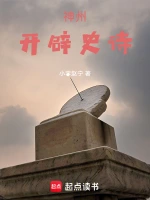 China's Opening up Epic
Key points of epic writing: Repeated metaphors: For example, Pangu's sky-opening ax and King Wu's yellow ax form the image of civilization inheritance. Oracle signs: White doves holding books, flying bears entering dreams and other omens are present throughout. Heroic pedigree: Build a sacred pedigree through inheritance of blood and artifacts Cosmic correspondence: human wars and celestial phenomena mirror each other Tragic death: Heroic endings are often integrated with mountains and rive
0Votes0Recs0Fans
China's Opening up Epic
Key points of epic writing: Repeated metaphors: For example, Pangu's sky-opening ax and King Wu's yellow ax form the image of civilization inheritance. Oracle signs: White doves holding books, flying bears entering dreams and other omens are present throughout. Heroic pedigree: Build a sacred pedigree through inheritance of blood and artifacts Cosmic correspondence: human wars and celestial phenomena mirror each other Tragic death: Heroic endings are often integrated with mountains and rive
0Votes0Recs0Fans
-
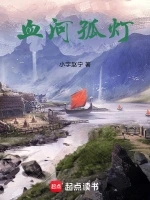 Blood River Lamp
The arena is not a stage for grudges and grudges, but a testing ground for human nature under extreme pressure. This work explores the nihility of revenge, the relativity of truth, and the struggle and alienation of individuals in the huge Jianghu system.
0Votes0Recs0Fans
Blood River Lamp
The arena is not a stage for grudges and grudges, but a testing ground for human nature under extreme pressure. This work explores the nihility of revenge, the relativity of truth, and the struggle and alienation of individuals in the huge Jianghu system.
0Votes0Recs0Fans
-
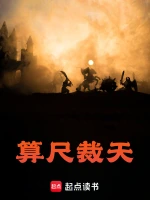 Slide Rule
Core theme: In the chaotic times of the end of the law, the almost lost "arithmetic" is used in martial arts to break through the fog of human hearts and heaven's secrets, and redefine the rules for the world. Background of the era: During the Tianqi period in the late Ming Dynasty, the eunuchs in the court were in chaos, the war was raging outside the customs, and the rivers and lakes were undercurrent. An ancient "arithmetic" secret technique that can deduce martial arts and gain insights int
0Votes1Recs0Fans
Slide Rule
Core theme: In the chaotic times of the end of the law, the almost lost "arithmetic" is used in martial arts to break through the fog of human hearts and heaven's secrets, and redefine the rules for the world. Background of the era: During the Tianqi period in the late Ming Dynasty, the eunuchs in the court were in chaos, the war was raging outside the customs, and the rivers and lakes were undercurrent. An ancient "arithmetic" secret technique that can deduce martial arts and gain insights int
0Votes1Recs0Fans
-
 Thief
Core theme: exploring "rules" and "prices". There are not only grudges and grudges in the world, but also invisible rules as strict as the law of heaven. Those who attempt to "steal secrets" and break the rules, no matter whether their intentions are good or evil, will have to pay a bloody price. The tone of the story: cold, melancholy, and full of speculation. Action description pursues "instant destruction and beauty" and focuses on results and artistic conception rather than process. The dia
0Votes0Recs0Fans
Thief
Core theme: exploring "rules" and "prices". There are not only grudges and grudges in the world, but also invisible rules as strict as the law of heaven. Those who attempt to "steal secrets" and break the rules, no matter whether their intentions are good or evil, will have to pay a bloody price. The tone of the story: cold, melancholy, and full of speculation. Action description pursues "instant destruction and beauty" and focuses on results and artistic conception rather than process. The dia
0Votes0Recs0Fans
-
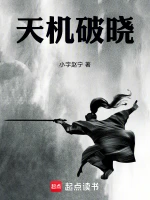 The Secret Dawns
The Tianji Tower predicts that "the way of heaven is selfish and will abandon the world a hundred years later", triggering the gods, demons and saints from all walks of life to come and make plans in advance. Chen Mo, a handyman who was considered a "wasted body", accidentally obtained a broken jade lock with the word "human" branded on it after witnessing a secret transaction between gods and demons. From then on, he saw the "old traces" of all things, broke through all laws, and walked out of
0Votes1Recs0Fans
The Secret Dawns
The Tianji Tower predicts that "the way of heaven is selfish and will abandon the world a hundred years later", triggering the gods, demons and saints from all walks of life to come and make plans in advance. Chen Mo, a handyman who was considered a "wasted body", accidentally obtained a broken jade lock with the word "human" branded on it after witnessing a secret transaction between gods and demons. From then on, he saw the "old traces" of all things, broke through all laws, and walked out of
0Votes1Recs0Fans
-
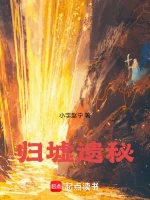 The Secret of Guixu
Core theme: In the vortex of pursuing lost civilization and shocking power, explore the eternal dialectics of "destiny" and "human desire", "truth" and "lies", "civilization" and "destruction". One-sentence summary: A young secret agent with a blood feud and the fate of "Heavenly Que" was ordered to investigate an unsolved case of an ancient city illusion, but was accidentally involved in a thousand-year competition surrounding the "Gui Ruixing Prophecy" of an ancient civilization. He had to un
0Votes0Recs0Fans
The Secret of Guixu
Core theme: In the vortex of pursuing lost civilization and shocking power, explore the eternal dialectics of "destiny" and "human desire", "truth" and "lies", "civilization" and "destruction". One-sentence summary: A young secret agent with a blood feud and the fate of "Heavenly Que" was ordered to investigate an unsolved case of an ancient city illusion, but was accidentally involved in a thousand-year competition surrounding the "Gui Ruixing Prophecy" of an ancient civilization. He had to un
0Votes0Recs0Fans
-
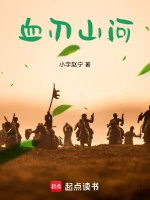 Bloody Blade Mountains and Rivers
Historical atmosphere: Integrate the real historical background of Shaoxing in the Southern Song Dynasty, interweaving the virtual and the real Character grayscale: There is no pure good or evil, each character has his own beliefs and helplessness Martial arts artistic conception: The description of moves emphasizes artistic conception rather than actions, and self-created martial arts such as "Drunk in the Universe" reflect the character's personality Feelings of family and country: The coll
0Votes1Recs0Fans
Bloody Blade Mountains and Rivers
Historical atmosphere: Integrate the real historical background of Shaoxing in the Southern Song Dynasty, interweaving the virtual and the real Character grayscale: There is no pure good or evil, each character has his own beliefs and helplessness Martial arts artistic conception: The description of moves emphasizes artistic conception rather than actions, and self-created martial arts such as "Drunk in the Universe" reflect the character's personality Feelings of family and country: The coll
0Votes1Recs0Fans
-
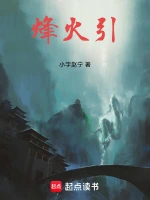 Beacon Fire
Era background: After the Tumubao Incident in the Ming Dynasty, Yingzong was captured, the Ora soldiers came to the city of Beijing, and undercurrents surged in the rivers and lakes. Core creativity: Use real historical events as the stage to show the choices made by Jianghu forces before the national crisis. The three forces of the imperial court, Wala, and Jianghu are intertwined, and hard-style martial arts are combined with a sense of history to continue Ao Feiyang's realistic martial arts
0Votes0Recs0Fans
Beacon Fire
Era background: After the Tumubao Incident in the Ming Dynasty, Yingzong was captured, the Ora soldiers came to the city of Beijing, and undercurrents surged in the rivers and lakes. Core creativity: Use real historical events as the stage to show the choices made by Jianghu forces before the national crisis. The three forces of the imperial court, Wala, and Jianghu are intertwined, and hard-style martial arts are combined with a sense of history to continue Ao Feiyang's realistic martial arts
0Votes0Recs0Fans
-
 Lonely Lamp Illuminates Night Walk
A young man accidentally inherited the mantle of the most notorious "evil sect" in the martial arts world, only to discover that behind the sect's century-old infamy was a shocking injustice that lasted for three generations. He must uncover the truth in the pursuit of the entire martial arts world, and at the same time perform "chivalrous deeds" in the "name of a villain" to reshape the order of the world.
0Votes0Recs0Fans
Lonely Lamp Illuminates Night Walk
A young man accidentally inherited the mantle of the most notorious "evil sect" in the martial arts world, only to discover that behind the sect's century-old infamy was a shocking injustice that lasted for three generations. He must uncover the truth in the pursuit of the entire martial arts world, and at the same time perform "chivalrous deeds" in the "name of a villain" to reshape the order of the world.
0Votes0Recs0Fans
-
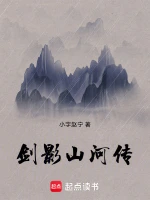 Legend of Sword Shadow, Mountains and Rivers
Style positioning: Integrating the lonely poetry, historical depth and desolation of fate in Canglangke martial arts novels, using the Ming Dynasty civil fortress as the historical background, it fictionalizes a tragic legend intertwined with rivers, lakes and courts. Core themes: the collision of personal destiny and the torrent of history; the choice between the pursuit of swordsmanship and the righteousness of family and country; the loss and pursuit of memory and identity.
0Votes0Recs0Fans
Legend of Sword Shadow, Mountains and Rivers
Style positioning: Integrating the lonely poetry, historical depth and desolation of fate in Canglangke martial arts novels, using the Ming Dynasty civil fortress as the historical background, it fictionalizes a tragic legend intertwined with rivers, lakes and courts. Core themes: the collision of personal destiny and the torrent of history; the choice between the pursuit of swordsmanship and the righteousness of family and country; the loss and pursuit of memory and identity.
0Votes0Recs0Fans
-
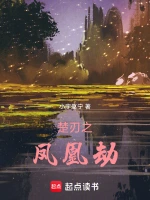 Chu Ren's Phoenix Tribulation
Application of Chu cultural elements: Scene: Yingdu, Yunmengze, Dongting, Yuanxiang, Cangwu, Tonglu Mountain Symbols: Phoenix, bronze tripod, blue grass, shaman mask, lacquerware pattern Classics: The contents of "Chu Ci" and "Shan Hai Jing" are transformed into martial arts or secret realms Character arc: Qu Xing: Vengeful Boy→Rebel Leader→Cultural Guardian Jing Bai: Cold Mo Xia → Emotional Awakening → Mature Partner Villain: Avoid stereotypes and create a tragic opponent who "identifies
0Votes0Recs0Fans
Chu Ren's Phoenix Tribulation
Application of Chu cultural elements: Scene: Yingdu, Yunmengze, Dongting, Yuanxiang, Cangwu, Tonglu Mountain Symbols: Phoenix, bronze tripod, blue grass, shaman mask, lacquerware pattern Classics: The contents of "Chu Ci" and "Shan Hai Jing" are transformed into martial arts or secret realms Character arc: Qu Xing: Vengeful Boy→Rebel Leader→Cultural Guardian Jing Bai: Cold Mo Xia → Emotional Awakening → Mature Partner Villain: Avoid stereotypes and create a tragic opponent who "identifies
0Votes0Recs0Fans
-
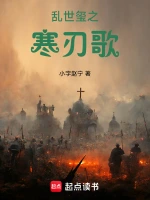 Seal of Troubled Times: Cold Blade Song
Core theme: The world is like a chess game, and all living beings are children. The appearance of a jade seal passed down from the country set off huge waves in the court and the world. The protagonist is burdened with a blood feud and a shocking secret. Between loyalty and betrayal, righteousness and personal love, protection and destruction, he embarks on a thorny road of no return. The overall style: the sense of history is intertwined with the chivalry of the Jianghu, the machinations and m
0Votes0Recs0Fans
Seal of Troubled Times: Cold Blade Song
Core theme: The world is like a chess game, and all living beings are children. The appearance of a jade seal passed down from the country set off huge waves in the court and the world. The protagonist is burdened with a blood feud and a shocking secret. Between loyalty and betrayal, righteousness and personal love, protection and destruction, he embarks on a thorny road of no return. The overall style: the sense of history is intertwined with the chivalry of the Jianghu, the machinations and m
0Votes0Recs0Fans
-
 Rain Master Sword: Misty Rain Rivers and Lakes
Using the rivers and lakes as the backdrop, it writes about people's ultimate struggle and choice between destiny, morality and emotion. Known for his delicate and profound characterizations and entangled emotional lines, the rivers and lakes he writes have both classical charm and modern speculation.
0Votes1Recs0Fans
Rain Master Sword: Misty Rain Rivers and Lakes
Using the rivers and lakes as the backdrop, it writes about people's ultimate struggle and choice between destiny, morality and emotion. Known for his delicate and profound characterizations and entangled emotional lines, the rivers and lakes he writes have both classical charm and modern speculation.
0Votes1Recs0Fans
-
 Shadow Blade: Secret of the Unparalleled
The creative style of "Jianghu is the human heart, martial arts is philosophy" integrates its iconic "martial arts philosophizing", "Jianghu fatalism" and "grayscale exploration of human nature" to build a martial arts world about identity, memory and choice.
0Votes0Recs0Fans
Shadow Blade: Secret of the Unparalleled
The creative style of "Jianghu is the human heart, martial arts is philosophy" integrates its iconic "martial arts philosophizing", "Jianghu fatalism" and "grayscale exploration of human nature" to build a martial arts world about identity, memory and choice.
0Votes0Recs0Fans
-
 Iron Pen Heart Record
Tone of work It combines historical suspense and Jianghu grievances, with the Ming Dynasty civil fortress as the background, and connects the three lines of narrative of Jianghu, court and border through an old unsolved case. The characters are complex and multi-faceted, making good use of multiple reversals and historical metaphors. Core context Bright line: Shen Moyan, the former chief arrest officer of the Ministry of Justice who had retired for eight years, was forced to re-investigate th
0Votes1Recs0Fans
Iron Pen Heart Record
Tone of work It combines historical suspense and Jianghu grievances, with the Ming Dynasty civil fortress as the background, and connects the three lines of narrative of Jianghu, court and border through an old unsolved case. The characters are complex and multi-faceted, making good use of multiple reversals and historical metaphors. Core context Bright line: Shen Moyan, the former chief arrest officer of the Ministry of Justice who had retired for eight years, was forced to re-investigate th
0Votes1Recs0Fans
-
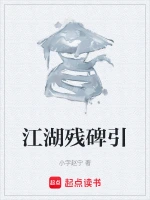 Introduction to the Ruined Monuments of Jianghu
The unique sense of historical weight, regional cultural atmosphere and the struggle of human nature are set against the background of the turbulent period after the Tumu Fort Incident in the Ming Dynasty. Through the "Tiangong Remnant Stele", a cultural relic involving the court and the rivers and lakes, as the main line, it shows the intertwining of power, belief and individual destiny.
0Votes0Recs0Fans
Introduction to the Ruined Monuments of Jianghu
The unique sense of historical weight, regional cultural atmosphere and the struggle of human nature are set against the background of the turbulent period after the Tumu Fort Incident in the Ming Dynasty. Through the "Tiangong Remnant Stele", a cultural relic involving the court and the rivers and lakes, as the main line, it shows the intertwining of power, belief and individual destiny.
0Votes0Recs0Fans
-
 Iron Cavalry Sad Wind Record
Historical context: Taking the Northern Expedition (1206-1207) of the Southern Song Dynasty as the historical framework, and integrating the fictional Jianghu forces Narrative style: gloomy and desolate, equal emphasis on power and martial arts, chivalry's helplessness and persistence in the torrent of history Core theme: The collision between the righteousness of the family and the country and the grievances and grievances of the world, and the struggle of personal destiny under the wheel of
0Votes0Recs0Fans
Iron Cavalry Sad Wind Record
Historical context: Taking the Northern Expedition (1206-1207) of the Southern Song Dynasty as the historical framework, and integrating the fictional Jianghu forces Narrative style: gloomy and desolate, equal emphasis on power and martial arts, chivalry's helplessness and persistence in the torrent of history Core theme: The collision between the righteousness of the family and the country and the grievances and grievances of the world, and the struggle of personal destiny under the wheel of
0Votes0Recs0Fans
-
 Fight Through the Void
World background: It imitates the chaotic times of the late Song Dynasty, but incorporates fictional historical elements The Jianghu pattern is divided into three parts: the Righteous Alliance, the nine sects of the Demon Sect, and the hidden sect. Martial arts system: acquired nine levels → three innate realms → Shattered Void Mysterious power: The fragments of "Tao seeds" left over from ancient times contain the principles of heaven and earth. Philosophical core: Martial arts is the way
0Votes0Recs0Fans
Fight Through the Void
World background: It imitates the chaotic times of the late Song Dynasty, but incorporates fictional historical elements The Jianghu pattern is divided into three parts: the Righteous Alliance, the nine sects of the Demon Sect, and the hidden sect. Martial arts system: acquired nine levels → three innate realms → Shattered Void Mysterious power: The fragments of "Tao seeds" left over from ancient times contain the principles of heaven and earth. Philosophical core: Martial arts is the way
0Votes0Recs0Fans
-
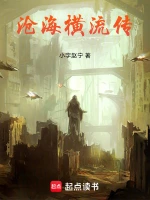 Spread Across the Sea
Taking the "Mountain and River Cauldron" secret treasure as a guide, the three-party competition between Jin Yiwei, Wulin Zhengdao, and outside forces is connected in series to explore the conflict between "morality" and "survival" in troubled times. The protagonist Ye Guhong has a dual identity, seeking a balance between power and martial arts, and finally realizes the true meaning of "a great chivalrous person serves the country and the people".
0Votes0Recs0Fans
Spread Across the Sea
Taking the "Mountain and River Cauldron" secret treasure as a guide, the three-party competition between Jin Yiwei, Wulin Zhengdao, and outside forces is connected in series to explore the conflict between "morality" and "survival" in troubled times. The protagonist Ye Guhong has a dual identity, seeking a balance between power and martial arts, and finally realizes the true meaning of "a great chivalrous person serves the country and the people".
0Votes0Recs0Fans
-
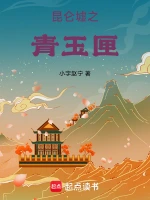 The Jade Box of Kunlun Ruins
Set against the background of the troubled times of the late Yuan Dynasty, it integrates mythological elements from "The Classic of Mountains and Seas" Geographical setting: Kunlun Ruins is a holy land of martial arts, divided into East Ruins (Taoism), West Ruins (Buddhism), South Ruins (Miao Jiang witchcraft), and North Ruins (Mobei Wolf Tribe) Core treasure: Sapphire box (contains the fragments of the ancient martial arts "Bahuang Liuhe Jing" and treasure maps of previous dynasties) Histori
0Votes0Recs0Fans
The Jade Box of Kunlun Ruins
Set against the background of the troubled times of the late Yuan Dynasty, it integrates mythological elements from "The Classic of Mountains and Seas" Geographical setting: Kunlun Ruins is a holy land of martial arts, divided into East Ruins (Taoism), West Ruins (Buddhism), South Ruins (Miao Jiang witchcraft), and North Ruins (Mobei Wolf Tribe) Core treasure: Sapphire box (contains the fragments of the ancient martial arts "Bahuang Liuhe Jing" and treasure maps of previous dynasties) Histori
0Votes0Recs0Fans
-
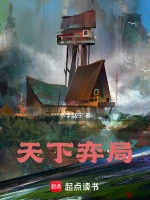 Game of the World
Around the time of Ming Yingzong's "Tumubao Incident" (around 1449 AD). History is the stage, chivalry is the soul. "The world is like a chess game, and everyone is a chess piece or a chess player." It is a metaphor for the game of fate and power. The fierce collision between personal friendship, Jianghu ethics and the rise and fall of the world. Pursue "skills close to the Tao". Master duels focus on momentum, state of mind and understanding of martial arts, rather than simply stacking moves.
0Votes0Recs0Fans
Game of the World
Around the time of Ming Yingzong's "Tumubao Incident" (around 1449 AD). History is the stage, chivalry is the soul. "The world is like a chess game, and everyone is a chess piece or a chess player." It is a metaphor for the game of fate and power. The fierce collision between personal friendship, Jianghu ethics and the rise and fall of the world. Pursue "skills close to the Tao". Master duels focus on momentum, state of mind and understanding of martial arts, rather than simply stacking moves.
0Votes0Recs0Fans
-
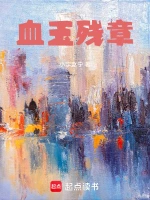 Blood Jade Fragment
Background of the times: In the late Ming Dynasty, Jianghu forces are intertwined with the dynasty that is about to overthrow. There is a "Shadow Pavilion" in the dark that controls the changes in the world and uses poison and secret medicine to control the powerful. Core image: A "blood jade" that can detoxify hundreds of poisons and control people's hearts is actually an evil object refined by the previous royal family with the blood of thousands of people. It was split into sixteen fragments
0Votes0Recs0Fans
Blood Jade Fragment
Background of the times: In the late Ming Dynasty, Jianghu forces are intertwined with the dynasty that is about to overthrow. There is a "Shadow Pavilion" in the dark that controls the changes in the world and uses poison and secret medicine to control the powerful. Core image: A "blood jade" that can detoxify hundreds of poisons and control people's hearts is actually an evil object refined by the previous royal family with the blood of thousands of people. It was split into sixteen fragments
0Votes0Recs0Fans
-
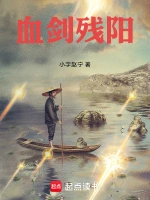 Blood Sword Setting Sun
Style positioning: traditional martial arts adventure + main line of revenge + multi-faceted grudges Core context: The revenge of an orphan, the struggle for secret treasures, and the mystery of one's life experience are intertwined Martial arts system: both internal and external training, focusing on the magic of swordsmanship (such as "Nine Styles of the Setting Sun", "Blood Shadow Escape") Background of the times: Ignoring the Ming Dynasty, undercurrents in the arena and courts
0Votes0Recs0Fans
Blood Sword Setting Sun
Style positioning: traditional martial arts adventure + main line of revenge + multi-faceted grudges Core context: The revenge of an orphan, the struggle for secret treasures, and the mystery of one's life experience are intertwined Martial arts system: both internal and external training, focusing on the magic of swordsmanship (such as "Nine Styles of the Setting Sun", "Blood Shadow Escape") Background of the times: Ignoring the Ming Dynasty, undercurrents in the arena and courts
0Votes0Recs0Fans
-
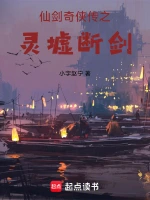 Legend of Sword and Fairy: Broken Sword of Lingxu
Core themes: Responsibility and freedom: the contradiction between the cultivator's responsibility to protect the common people and the personal pursuit of freedom Memory and Identity: The entanglement of past and present lives, how to define "who I am" Order and Change: Injustice in the Existing World and Overturning the Order
0Votes1Recs0Fans
Legend of Sword and Fairy: Broken Sword of Lingxu
Core themes: Responsibility and freedom: the contradiction between the cultivator's responsibility to protect the common people and the personal pursuit of freedom Memory and Identity: The entanglement of past and present lives, how to define "who I am" Order and Change: Injustice in the Existing World and Overturning the Order
0Votes1Recs0Fans
-
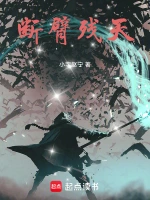 Broken Arm and Broken Sky
Empty the Ming Dynasty, the imperial court is corrupt, the Jianghu forces are divided, and the alien races at the border are eyeing them. Broken arm recast, martial arts unified The choice between personal grievances and the righteousness of the common people
0Votes0Recs0Fans
Broken Arm and Broken Sky
Empty the Ming Dynasty, the imperial court is corrupt, the Jianghu forces are divided, and the alien races at the border are eyeing them. Broken arm recast, martial arts unified The choice between personal grievances and the righteousness of the common people
0Votes0Recs0Fans
-
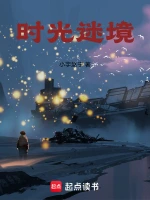 Lost Time
The intersection of the real world and the fantasy world: 22-year-old graphic designer Su Xiaoyu took a nap on the last train of the Shanghai subway, and woke up to find herself in a different world station called the "Time Corridor". It connects different eras and memory fragments, and is controlled by a mysterious manager.
0Votes1Recs0Fans
Lost Time
The intersection of the real world and the fantasy world: 22-year-old graphic designer Su Xiaoyu took a nap on the last train of the Shanghai subway, and woke up to find herself in a different world station called the "Time Corridor". It connects different eras and memory fragments, and is controlled by a mysterious manager.
0Votes1Recs0Fans
-
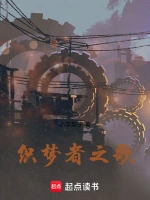 Song of the Dream Weaver
The fateful struggle between the illusory kingdom reflected in the mirror and reality intertwined. The core theme is "Memory is power, dreams are reality".
0Votes1Recs0Fans
Song of the Dream Weaver
The fateful struggle between the illusory kingdom reflected in the mirror and reality intertwined. The core theme is "Memory is power, dreams are reality".
0Votes1Recs0Fans
-
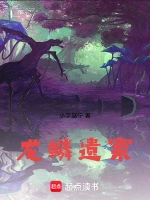 Dragon Scale Legacy Case
Era background: During the Xuande period of the Ming Dynasty, after the failure of the rebellion of Han King Zhu Gaoxu, rumors spread that he had hidden a huge amount of "dragon scale gold" and secret files that could shake the country's foundation. Six years later, the "Blackstone Castle Murder Case" on the border involved the mysterious killer organization "Shadowless Sect". Style positioning: historical suspense martial arts. The undercurrent of the court is reflected by the conspiracy of th
0Votes0Recs0Fans
Dragon Scale Legacy Case
Era background: During the Xuande period of the Ming Dynasty, after the failure of the rebellion of Han King Zhu Gaoxu, rumors spread that he had hidden a huge amount of "dragon scale gold" and secret files that could shake the country's foundation. Six years later, the "Blackstone Castle Murder Case" on the border involved the mysterious killer organization "Shadowless Sect". Style positioning: historical suspense martial arts. The undercurrent of the court is reflected by the conspiracy of th
0Votes0Recs0Fans
-
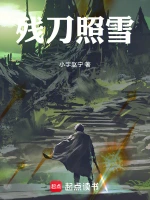 The Broken Sword Shines on the Snow
Jianghu is just a mirror of the human heart, reflecting the fate and choices that everyone cannot escape. In the light of swords and shadows, heroes are no different from mortals, they are all struggling to survive in the intertwined web of love and hate.
0Votes0Recs0Fans
The Broken Sword Shines on the Snow
Jianghu is just a mirror of the human heart, reflecting the fate and choices that everyone cannot escape. In the light of swords and shadows, heroes are no different from mortals, they are all struggling to survive in the intertwined web of love and hate.
0Votes0Recs0Fans
-
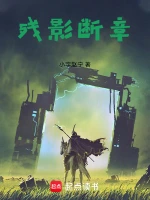 Afterimages and Fragments
Core theme: The struggle between forgetting and memory. The ups and downs of personal will in the grand historical narrative, and the price of "redemption" - sometimes, the deepest mercy is to become a hated villain. Historical Anchor: Decades after the Tumubao Incident in the Ming Dynasty. It was a turbulent era when the imperial power, civil servants, factory guards, border troops, and Jianghu forces were at odds with each other.
0Votes0Recs0Fans
Afterimages and Fragments
Core theme: The struggle between forgetting and memory. The ups and downs of personal will in the grand historical narrative, and the price of "redemption" - sometimes, the deepest mercy is to become a hated villain. Historical Anchor: Decades after the Tumubao Incident in the Ming Dynasty. It was a turbulent era when the imperial power, civil servants, factory guards, border troops, and Jianghu forces were at odds with each other.
0Votes0Recs0Fans
-
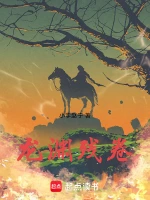 Fragments of Long Yuan
Background of the times: During the Xuande period of the Ming Dynasty, undercurrents surged in the rivers, lakes and courts. Core image: The half-lost "Long Yuan Zhengji" contains secrets that can subvert the government and the public. Style features: historical research is intertwined with Jianghu legends, elegant writing style hides murderous intent, Confucian and chivalrous character and the love of children are equally emphasized.
0Votes1Recs0Fans
Fragments of Long Yuan
Background of the times: During the Xuande period of the Ming Dynasty, undercurrents surged in the rivers, lakes and courts. Core image: The half-lost "Long Yuan Zhengji" contains secrets that can subvert the government and the public. Style features: historical research is intertwined with Jianghu legends, elegant writing style hides murderous intent, Confucian and chivalrous character and the love of children are equally emphasized.
0Votes1Recs0Fans
-
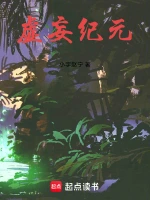 Age of Illusion
World view: In the near future, "cognitive reconstruction" technology can modify human memory and beliefs, and the seven major chaebols control the "right to define reality" Core contradiction: When a person's past, beliefs and even love and hate can be tampered with, what is left of the "self"? Style tone: Existential torture wrapped in a cold and hard technological shell, high-speed narrative rhythm coupled with sudden violent aesthetics, multi-line reversals and moral gray areas
0Votes1Recs0Fans
Age of Illusion
World view: In the near future, "cognitive reconstruction" technology can modify human memory and beliefs, and the seven major chaebols control the "right to define reality" Core contradiction: When a person's past, beliefs and even love and hate can be tampered with, what is left of the "self"? Style tone: Existential torture wrapped in a cold and hard technological shell, high-speed narrative rhythm coupled with sudden violent aesthetics, multi-line reversals and moral gray areas
0Votes1Recs0Fans
-
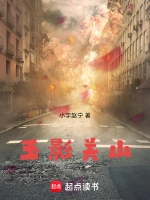 Yuyingguan Mountain
Era: During the Jiajing period of the Ming Dynasty, Jianghu forces were undercurrent, and the relationship between the court and the martial arts was subtle. Core themes: mystery of life experience, choice of friendship, self-awakening of women in the world Style features: delicate psychological portrayal, poetic martial arts description, blend of historical atmosphere and Jianghu legends, Jianghu narrative from a female perspective
0Votes0Recs0Fans
Yuyingguan Mountain
Era: During the Jiajing period of the Ming Dynasty, Jianghu forces were undercurrent, and the relationship between the court and the martial arts was subtle. Core themes: mystery of life experience, choice of friendship, self-awakening of women in the world Style features: delicate psychological portrayal, poetic martial arts description, blend of historical atmosphere and Jianghu legends, Jianghu narrative from a female perspective
0Votes0Recs0Fans
-
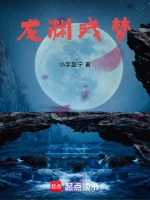 Long Yuan's Remnant Dream
A sense of historical depth: integrating real historical events in the late Ming Dynasty (the Big Bang of Apocalypse, the Donglin Party Struggle, and the Rise of the Later Jin Dynasty) Martial arts system: The moves are well-named, incorporating elements of Yixue and the Art of War, emphasizing that "martial arts conveys the way." Intertwined destinies: The struggles and choices of characters in the torrent of the times under multi-line narratives Cultural details: meticulous research on uten
0Votes0Recs0Fans
Long Yuan's Remnant Dream
A sense of historical depth: integrating real historical events in the late Ming Dynasty (the Big Bang of Apocalypse, the Donglin Party Struggle, and the Rise of the Later Jin Dynasty) Martial arts system: The moves are well-named, incorporating elements of Yixue and the Art of War, emphasizing that "martial arts conveys the way." Intertwined destinies: The struggles and choices of characters in the torrent of the times under multi-line narratives Cultural details: meticulous research on uten
0Votes0Recs0Fans
-
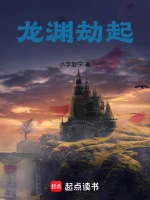 The Long Yuan Tribulation
In the second year of Xiangxing in the Southern Song Dynasty, ten years after the bloody battle on Yashan, the rule of the Yuan Dynasty gradually consolidated, and the martial arts undercurrent surged. Legend has it that the jade seal of the country is wandering in the rivers and lakes, and various forces are competing openly and covertly for it. Lin Hanzhou, the young master of the Qingzhou Bodyguard Bureau, was involved in a whirlpool due to a bodyguard incident, and the mystery of his life ex
0Votes0Recs0Fans
The Long Yuan Tribulation
In the second year of Xiangxing in the Southern Song Dynasty, ten years after the bloody battle on Yashan, the rule of the Yuan Dynasty gradually consolidated, and the martial arts undercurrent surged. Legend has it that the jade seal of the country is wandering in the rivers and lakes, and various forces are competing openly and covertly for it. Lin Hanzhou, the young master of the Qingzhou Bodyguard Bureau, was involved in a whirlpool due to a bodyguard incident, and the mystery of his life ex
0Votes0Recs0Fans
-
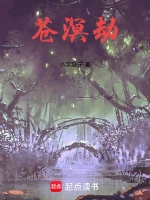 Cang Ming Tribulation
Core theme: fateful reincarnation and human nature's choices. In the whirlpool of "natural disaster" and "man-made conspiracy", the eternal propositions of power and price, hatred and forgiveness, betrayal and loyalty are explored. Visual tone: The artistic conception of rivers and lakes rendered in ink and wash is combined with extremely tense battle scenes. Divine weapons and martial arts have their own visions of heaven and earth, and the characters are as distinct as fire and ice.
0Votes0Recs0Fans
Cang Ming Tribulation
Core theme: fateful reincarnation and human nature's choices. In the whirlpool of "natural disaster" and "man-made conspiracy", the eternal propositions of power and price, hatred and forgiveness, betrayal and loyalty are explored. Visual tone: The artistic conception of rivers and lakes rendered in ink and wash is combined with extremely tense battle scenes. Divine weapons and martial arts have their own visions of heaven and earth, and the characters are as distinct as fire and ice.
0Votes0Recs0Fans
-
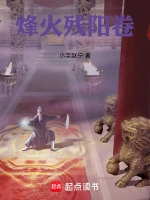 Beacon Fire and Setting Sun Volume
Era background: During the Chongzhen period in the late Ming Dynasty, there were internal and external troubles and undercurrents in the world. Historical events are intertwined with grievances and grievances in the world, and real people and fictional characters share the stage. Core Conflict: It is said that Ming Palace possesses the "Firearms Atlas" and "Kanyu Dragon Veins Map", which can change the fate of the world. All forces are fighting to the death for the map. Style features: Histor
0Votes0Recs0Fans
Beacon Fire and Setting Sun Volume
Era background: During the Chongzhen period in the late Ming Dynasty, there were internal and external troubles and undercurrents in the world. Historical events are intertwined with grievances and grievances in the world, and real people and fictional characters share the stage. Core Conflict: It is said that Ming Palace possesses the "Firearms Atlas" and "Kanyu Dragon Veins Map", which can change the fate of the world. All forces are fighting to the death for the map. Style features: Histor
0Votes0Recs0Fans
-
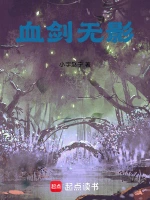 Blood Sword Without Shadow
It combines grievances, mysteries of life experience, and court intrigues, and focuses on the inner struggles and moral dilemmas of the characters. The plot is full of twists and turns and suspense, and the description of martial arts combines fiction and reality with a focus on artistic conception. The dialectic between identity and justice in the world; the struggle of personal destiny between the world and the court; the conflict between the pursuit of martial arts and the true nature of hum
0Votes1Recs0Fans
Blood Sword Without Shadow
It combines grievances, mysteries of life experience, and court intrigues, and focuses on the inner struggles and moral dilemmas of the characters. The plot is full of twists and turns and suspense, and the description of martial arts combines fiction and reality with a focus on artistic conception. The dialectic between identity and justice in the world; the struggle of personal destiny between the world and the court; the conflict between the pursuit of martial arts and the true nature of hum
0Votes1Recs0Fans
-
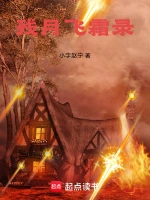 The Waning Moon and the Flying Frost
It combines historical background, grievances, strange formations and feelings of family and country. The writing style is vigorous and simple, the plot is twists and turns, and it is good at setting up multiple mysteries and depicting the fate of characters in a grand pattern.
0Votes0Recs0Fans
The Waning Moon and the Flying Frost
It combines historical background, grievances, strange formations and feelings of family and country. The writing style is vigorous and simple, the plot is twists and turns, and it is good at setting up multiple mysteries and depicting the fate of characters in a grand pattern.
0Votes0Recs0Fans
-
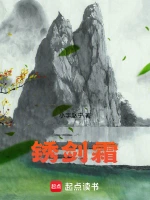 Rusty Sword Frost
Era background: In the middle of the Ming Dynasty (Jinghe period), undercurrents in the court were surging, and the forces of the world were reshuffled. Referring to the historical martial arts fusion style that Porco Rosso is good at, real historical events (Tumu Fort Incident) are used as shadows to construct a fictional power struggle. Core image: A rusty iron sword is actually a token of the previous royal family; a frost prophecy that lasts for thirty years is related to the fate of the dy
0Votes0Recs0Fans
Rusty Sword Frost
Era background: In the middle of the Ming Dynasty (Jinghe period), undercurrents in the court were surging, and the forces of the world were reshuffled. Referring to the historical martial arts fusion style that Porco Rosso is good at, real historical events (Tumu Fort Incident) are used as shadows to construct a fictional power struggle. Core image: A rusty iron sword is actually a token of the previous royal family; a frost prophecy that lasts for thirty years is related to the fate of the dy
0Votes0Recs0Fans
-
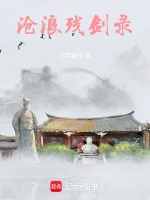 Record of the Broken Sword of Canglang
History is the Bone: Cleverly embedded in the real events of the late Ming Dynasty (Li Zicheng broke the capital, Chongzhen died for the country, and the Southern Ming Dynasty was established) Fiction and reality: Combining the legend of Zhang Shicheng's treasure with the historical figure Yu Tonghai Multi-line narrative: Lin and Gu's two parallel lines converge in Chapter 9, and the supporting characters each have their own stories. Confucianism background: Emphasis on "army to calm the peop
0Votes0Recs0Fans
Record of the Broken Sword of Canglang
History is the Bone: Cleverly embedded in the real events of the late Ming Dynasty (Li Zicheng broke the capital, Chongzhen died for the country, and the Southern Ming Dynasty was established) Fiction and reality: Combining the legend of Zhang Shicheng's treasure with the historical figure Yu Tonghai Multi-line narrative: Lin and Gu's two parallel lines converge in Chapter 9, and the supporting characters each have their own stories. Confucianism background: Emphasis on "army to calm the peop
0Votes0Recs0Fans
-
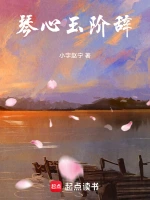 Qin Xin Yu Jie Ci
Language style: white and white, elegant without losing the charm of the world, and the dialogue is subtle and subtle. Narrative rhythm: relaxed and suspenseful, using emotion to promote plot development Core theme: The intertwining of grievances and intrigues in the world, the choice of friendship in the struggle of human nature Tragic color: Fate is unpredictable, and the characters reach their own endings in the fate of the world.
0Votes0Recs0Fans
Qin Xin Yu Jie Ci
Language style: white and white, elegant without losing the charm of the world, and the dialogue is subtle and subtle. Narrative rhythm: relaxed and suspenseful, using emotion to promote plot development Core theme: The intertwining of grievances and intrigues in the world, the choice of friendship in the struggle of human nature Tragic color: Fate is unpredictable, and the characters reach their own endings in the fate of the world.
0Votes0Recs0Fans
-
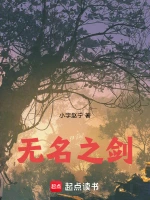 Nameless Sword
There are no perfect heroes, only mortals pushed by fate. Jianghu is not a palace of pleasure and hatred, but a market corridor full of mud and sighs. Taking "looking for a legendary sword that does not exist" as a guide, he writes the philosophy of survival in the corners of the world, deconstructs the false names of "chivalry" and "righteousness", and gazes at the glimmer of ordinary people in the cracks of fate.
0Votes0Recs0Fans
Nameless Sword
There are no perfect heroes, only mortals pushed by fate. Jianghu is not a palace of pleasure and hatred, but a market corridor full of mud and sighs. Taking "looking for a legendary sword that does not exist" as a guide, he writes the philosophy of survival in the corners of the world, deconstructs the false names of "chivalry" and "righteousness", and gazes at the glimmer of ordinary people in the cracks of fate.
0Votes0Recs0Fans
-
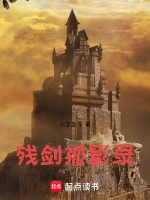 Broken Sword Video Recording
Identity mystery and memory misplacement The forces of Jianghu and the undercurrent of the court are intertwined The artistic conception of martial arts is more important than the description of moves The fate of characters collides with the torrent of history Open suspense and philosophical ending
0Votes0Recs0Fans
Broken Sword Video Recording
Identity mystery and memory misplacement The forces of Jianghu and the undercurrent of the court are intertwined The artistic conception of martial arts is more important than the description of moves The fate of characters collides with the torrent of history Open suspense and philosophical ending
0Votes0Recs0Fans
-
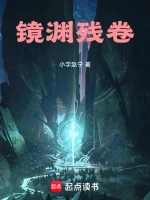 Mirror Abyss Fragments
Ancient Nine Cauldrons: It is said that the Nine Cauldrons cast by King Yu contain the "Mantra of Heaven and Earth". The inscriptions on each cauldron can be combined into one to obtain the "Jingyuan Scroll", which can reshape the way of heaven. During the catastrophe thousands of years ago, the Nine Cauldrons were scattered and turned into tokens of the nine major rivers and lakes forces. Jingyuan's Law: The highest state of martial arts is not to defeat all laws with force, but to "enter the
0Votes0Recs0Fans
Mirror Abyss Fragments
Ancient Nine Cauldrons: It is said that the Nine Cauldrons cast by King Yu contain the "Mantra of Heaven and Earth". The inscriptions on each cauldron can be combined into one to obtain the "Jingyuan Scroll", which can reshape the way of heaven. During the catastrophe thousands of years ago, the Nine Cauldrons were scattered and turned into tokens of the nine major rivers and lakes forces. Jingyuan's Law: The highest state of martial arts is not to defeat all laws with force, but to "enter the
0Votes0Recs0Fans
-
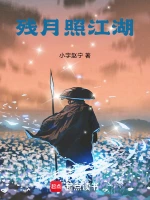 The Waning Moon Shines on the Rivers and Lakes
The tone of the style: cold and strange, human struggle, layers of conspiracy, with Dugu Canhong's iconic "incomplete aesthetics" as the core - the protagonist is disabled physically and mentally, the supporting characters are all flawed, and the world itself is the epitome of the incomplete world. Core theme: Seeking wholeness in a broken world Main line structure: The search for the lost secret book "The Record of the Waning Moon" is the overt line, and the mystery of the protagonist's life
0Votes1Recs0Fans
The Waning Moon Shines on the Rivers and Lakes
The tone of the style: cold and strange, human struggle, layers of conspiracy, with Dugu Canhong's iconic "incomplete aesthetics" as the core - the protagonist is disabled physically and mentally, the supporting characters are all flawed, and the world itself is the epitome of the incomplete world. Core theme: Seeking wholeness in a broken world Main line structure: The search for the lost secret book "The Record of the Waning Moon" is the overt line, and the mystery of the protagonist's life
0Votes1Recs0Fans
-
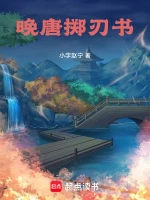 The Book of Throwing Blades in the Late Tang Dynasty
In the late Tang Dynasty, from the Great China period of Xuanzong to the early years of Yizong. It was the end of the "Reign of Dazhong", and under the afterglow of the prosperous age, the shadows of feudal towns, eunuchs, and party strife were already like twilight. In an era of irreversible collapse, how can individuals protect the "Tao" and "righteousness" in their hearts in the cracks of power?
0Votes1Recs0Fans
The Book of Throwing Blades in the Late Tang Dynasty
In the late Tang Dynasty, from the Great China period of Xuanzong to the early years of Yizong. It was the end of the "Reign of Dazhong", and under the afterglow of the prosperous age, the shadows of feudal towns, eunuchs, and party strife were already like twilight. In an era of irreversible collapse, how can individuals protect the "Tao" and "righteousness" in their hearts in the cracks of power?
0Votes1Recs0Fans
-
 The Remains of the War
Background of the times: In the middle of the Ming Dynasty, twenty years after the Tumubao Incident, undercurrents in the court surged, and the situation in the world changed dramatically. Core Conflict: A volume of the "Nine Heavens Soldiers Picture" that is said to be able to reverse the fate of the country reappears in the world. The picture not only contains peerless martial arts, but also hints at the location of the "immortal weapons" hidden by the previous dynasty that can subvert the wo
0Votes0Recs0Fans
The Remains of the War
Background of the times: In the middle of the Ming Dynasty, twenty years after the Tumubao Incident, undercurrents in the court surged, and the situation in the world changed dramatically. Core Conflict: A volume of the "Nine Heavens Soldiers Picture" that is said to be able to reverse the fate of the country reappears in the world. The picture not only contains peerless martial arts, but also hints at the location of the "immortal weapons" hidden by the previous dynasty that can subvert the wo
0Votes0Recs0Fans