Wang Hailu: Times, Emotions and Marriage
王海鸰:时代、情感与婚姻
Under the intertwining of multiple factors such as time, city and country, family, and career, love is no longer just love, but the mutual coordination of reality and emotion. Follow Wang Hailu's words to understand the marriage and love life of modern people.
 1
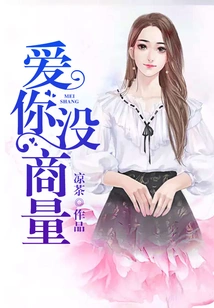
1I Love You Without Negotiation
Modern Romance爱你没商量
Herbal Tea
He is a handsome, steady and rich man, who is also rumored to be gay; she is an optimistic, cheerful and grassroots woman, kind and strong with a bit of personality. One day, when he thought he was no longer close to women in his cultivation, he couldn't bear it anymore and had to take action to protest. It's not easy to pretend to be gay, but it's even harder not to fall in love with her. When all the truth is revealed, what choice will she make? "Why me?" "Because you gave me a feeling that no one else can give me." A strange love story, a story that makes people laugh and cry. Love, friendship, family affection, experience the best taste of the world. --The plot is fictitious, please do not imitate it.
He is a handsome, steady and rich man, who is also rumored to be gay; she is an optimistic, cheerful and grassroots woman, kind and strong with a bit of personality. One day, when he thought he was no longer close to women in his cultivation, he couldn't bear it anymore and had to take action to protest. It's not easy to pretend to be gay, but it's even harder not to fall in love with her. When all the truth is revealed, what choice will she make? "Why me?" "Because you gave me a feeling that no one else can give me." A strange love story, a story that makes people laugh and cry. Love, friendship, family affection, experience the best taste of the world. --The plot is fictitious, please do not imitate it.
"Love You Without Negotiation" is a literary work co-written by writers Wang Hailu and Wang Shuo. It uses the illness of drama actor Zhou Hua as an entry point to tell the story of his emotional entanglement with taxi driver Gao Qiang after he postponed his engagement due to nephritis.
 2
2It's Okay If You Don't Get Married
General Fiction不嫁则已
Wang Hailu
"You Are Not Married" is the core work of writer Wang Haiyu's "Marriage Trilogy". This book explores the shackles of traditional concepts of marriage and love on modern society through the emotional entanglements of five pairs of men and women with different marital statuses, using a realistic approach to explore the deep social factors and gender role conflicts that lead to the breakdown of marriages.
"You Are Not Married" is the core work of writer Wang Haiyu's "Marriage Trilogy". This book explores the shackles of traditional concepts of marriage and love on modern society through the emotional entanglements of five pairs of men and women with different marital statuses, using a realistic approach to explore the deep social factors and gender role conflicts that lead to the breakdown of marriages.
Through the emotional entanglements of five pairs of men and women with different marital statuses, "You Are Not Married" uses realism to explore the shackles of traditional marriage and love concepts on modern society, revealing the deep-seated social factors and gender role conflicts that lead to the breakdown of marriages.
 3
3Growing Up
Modern Romance成长
Happy Watcher
Chen Wenxuan originally had a happy family of four. After a car accident, his mother's temperament changed drastically. The 7-year-old girl who was taken out became an orphan after her adoptive parents died of cancer. When she returned home, her parents had disagreements over the girl's education, and the family war continued. Seeing his parents' marriage, Wenxuan completely lost confidence in marriage. Although her father asked Wenxuan to focus on her studies, she still went to high school with a heavy psychological burden. Fortunately, with the help of her teachers and classmates, she finally passed the college entrance examination. Due to her insomnia problem, she established an innocent friendship with the principal Feng Yun, but the friendship was not interrupted by worldly understanding. At the same time, the results of the college entrance examination were released, and Wenxuan filled in her high school application without permission, but was admitted to the fourth choice she filled in randomly. She had to give up taking tuition because she had to bear the responsibility of being the eldest daughter. After arriving at university, Wenxuan fell in love with literature and began to think philosophically. He gradually woke up from ignorance and realized many social problems, but felt painful because of his inability to change them. She struggled to find an outlet in life, repeatedly questioned the meaning of life, and struggled with exams and writing for a long time. After her mother passed away because of her, Wenxuan regretted that she had put aside all the worries and completed the novel that she had been preparing for many years, but failed to publish it. She learned from the pain and shouldered the responsibility of her eldest daughter to revive the family, returned to her original aspirations, and mustered up the courage to pursue her own happiness. At this time, the unit's medical examination revealed that Wenxuan had liver cancer. Then, the little sister who had run away from home for many years returned home. In order to prevent the father who had worked hard all his life from losing two children, Wenxuan decided to hide his illness and help his sister cure her illness just like his parents did back then. When the little sister's life went on the right track and his brother also found his place, the terminally ill Wenxuan recalled his past and found that all the troubles were just for growth. The world is ever-changing, but only love is eternal.
Chen Wenxuan originally had a happy family of four. After a car accident, his mother's temperament changed drastically. The 7-year-old girl who was taken out became an orphan after her adoptive parents died of cancer. When she returned home, her parents had disagreements over the girl's education, and the family war continued. Seeing his parents' marriage, Wenxuan completely lost confidence in marriage. Although her father asked Wenxuan to focus on her studies, she still went to high school with a heavy psychological burden. Fortunately, with the help of her teachers and classmates, she finally passed the college entrance examination. Due to her insomnia problem, she established an innocent friendship with the principal Feng Yun, but the friendship was not interrupted by worldly understanding. At the same time, the results of the college entrance examination were released, and Wenxuan filled in her high school application without permission, but was admitted to the fourth choice she filled in randomly. She had to give up taking tuition because she had to bear the responsibility of being the eldest daughter. After arriving at university, Wenxuan fell in love with literature and began to think philosophically. He gradually woke up from ignorance and realized many social problems, but felt painful because of his inability to change them. She struggled to find an outlet in life, repeatedly questioned the meaning of life, and struggled with exams and writing for a long time. After her mother passed away because of her, Wenxuan regretted that she had put aside all the worries and completed the novel that she had been preparing for many years, but failed to publish it. She learned from the pain and shouldered the responsibility of her eldest daughter to revive the family, returned to her original aspirations, and mustered up the courage to pursue her own happiness. At this time, the unit's medical examination revealed that Wenxuan had liver cancer. Then, the little sister who had run away from home for many years returned home. In order to prevent the father who had worked hard all his life from losing two children, Wenxuan decided to hide his illness and help his sister cure her illness just like his parents did back then. When the little sister's life went on the right track and his brother also found his place, the terminally ill Wenxuan recalled his past and found that all the troubles were just for growth. The world is ever-changing, but only love is eternal.
Young Peng Fei is a stubborn and rebellious boy. Because he was angry with his estranged father, he signed up for the Air Force recruitment and was admitted regardless of the opposition of his family. From then on, he resolutely embarked on the arduous and rugged road of growth from student to soldier, and from soldier to pilot.
 4
4The College's Daughter
General Fiction大校的女儿
Wang Hailu
The novel focuses on the emotional entanglement between Jiang Shi'an, a rural soldier in the army's communications company in the 1970s, and Han Lin, who came from a privileged background. Jiang Shi'an was forced to marry his fiancée due to family pressure. When the two reunited twenty years later, Han Lin gradually understood her inner emotions, showing the emotional dilemma and life choices of the military group under the changing times. Through the intertwining of fate spanning decades, the work continues the author's discussion of women's views on marriage and self-growth, and combines the details of military life to present an individual's spiritual awakening in the current of society.
The novel focuses on the emotional entanglement between Jiang Shi'an, a rural soldier in the army's communications company in the 1970s, and Han Lin, who came from a privileged background. Jiang Shi'an was forced to marry his fiancée due to family pressure. When the two reunited twenty years later, Han Lin gradually understood her inner emotions, showing the emotional dilemma and life choices of the military group under the changing times. Through the intertwining of fate spanning decades, the work continues the author's discussion of women's views on marriage and self-growth, and combines the details of military life to present an individual's spiritual awakening in the current of society.
The novel focuses on the emotional entanglement between Jiang Shi'an, a rural soldier in the army's communications company in the 1970s, and Han Lin, who came from a privileged background. Jiang Shi'an was forced to marry his fiancée due to family pressure. When the two reunited twenty years later, Han Lin gradually understood her inner emotions, showing the emotional dilemma and life choices of the military group under the changing times.
 5
5Hold Hands
General Fiction牵手
Wang Hailu
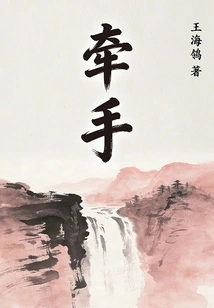
The novel takes the marriage crisis of Zhong Rui and Xia Xiaoxue as the main line. Through the analysis of the emotional alienation and communication gap between husband and wife, it shows the changes in the concept of marriage and love in Chinese society in the late 1990s. The work revolves around the conflict between professional women's self-worth and family responsibilities, explores the game of interests and emotions in marriage, and depicts plots such as the crisis of infidelity and the identity dilemma of a housewife. The book puts forward the viewpoint of "shared years are important to marriage", emphasizes the importance of women maintaining independent consciousness in marriage, and reveals the collision between traditional concepts and modern values. The narrative style continues the author's profound insight into the ethics of marriage and love, using the contradictions of daily life to reflect the essential proposition of marriage survival.
The novel takes the marriage crisis of Zhong Rui and Xia Xiaoxue as the main line. Through the analysis of the emotional alienation and communication gap between husband and wife, it shows the changes in the concept of marriage and love in Chinese society in the late 1990s. The work revolves around the conflict between professional women's self-worth and family responsibilities, explores the game of interests and emotions in marriage, and depicts plots such as the crisis of infidelity and the identity dilemma of a housewife. The book puts forward the viewpoint of "shared years are important to marriage", emphasizes the importance of women maintaining independent consciousness in marriage, and reveals the collision between traditional concepts and modern values. The narrative style continues the author's profound insight into the ethics of marriage and love, using the contradictions of daily life to reflect the essential proposition of marriage survival.
The novel takes the marriage crisis of Zhong Rui and Xia Xiaoxue as the main line. Through the analysis of the emotional alienation and communication gap between husband and wife, it shows the changes in the concept of marriage and love in Chinese society in the late 1990s. The work revolves around the conflict between professional women's self-worth and family responsibilities, explores the game of interests and emotions in marriage, and depicts plots such as the crisis of infidelity and the identity dilemma of a housewife.
 6
6人世间文学剧作版(上)
Wang Hailu Wang Dayou
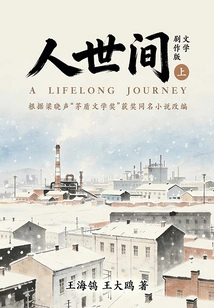
This book is a play of the same name adapted by Wang Hailu and Wang Dayou based on the Mao Dun Literature Award-winning novel "Human World" by Liang Xiaosheng. It is set in a civilian community in a northern city called "Light Word Film" and tells the ups and downs of life stories of more than a dozen civilian children, including the three brothers and sisters of the Zhou family, Zhou Bingyi, Zhou Rong, and Zhou Bingkun, in the past fifty years. The fate of the protagonist is intertwined with the changes of the times, writing an epic life epic of contemporary Chinese people.
This book is a play of the same name adapted by Wang Hailu and Wang Dayou based on the Mao Dun Literature Award-winning novel "Human World" by Liang Xiaosheng. It is set in a civilian community in a northern city called "Light Word Film" and tells the ups and downs of life stories of more than a dozen civilian children, including the three brothers and sisters of the Zhou family, Zhou Bingyi, Zhou Rong, and Zhou Bingkun, in the past fifty years. The fate of the protagonist is intertwined with the changes of the times, writing an epic life epic of contemporary Chinese people.
This book is a play of the same name adapted by Wang Hailu and Wang Dayou based on the Mao Dun Literature Award-winning novel "Human World" by Liang Xiaosheng. It is set in a civilian community in a northern city called "Light Word Film" and tells the ups and downs of life stories of more than a dozen civilian children, including the three brothers and sisters of the Zhou family, Zhou Bingyi, Zhou Rong, and Zhou Bingkun, in the past fifty years. The fate of the protagonist is intertwined with the changes of the times, writing an epic life epic of contemporary Chinese people.
 7
7人世间文学剧作版(中)
Wang Hailu Wang Dayou
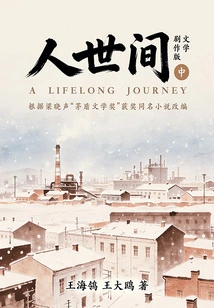
This book is a play of the same name adapted by Wang Hailu and Wang Dayou based on the Mao Dun Literature Award-winning novel "Human World" by Liang Xiaosheng. It is set in a civilian community in a northern city called "Light Word Film" and tells the ups and downs of life stories of more than a dozen civilian children, including the three brothers and sisters of the Zhou family, Zhou Bingyi, Zhou Rong, and Zhou Bingkun, in the past fifty years. The fate of the protagonist is intertwined with the changes of the times, writing an epic life epic of contemporary Chinese people.
This book is a play of the same name adapted by Wang Hailu and Wang Dayou based on the Mao Dun Literature Award-winning novel "Human World" by Liang Xiaosheng. It is set in a civilian community in a northern city called "Light Word Film" and tells the ups and downs of life stories of more than a dozen civilian children, including the three brothers and sisters of the Zhou family, Zhou Bingyi, Zhou Rong, and Zhou Bingkun, in the past fifty years. The fate of the protagonist is intertwined with the changes of the times, writing an epic life epic of contemporary Chinese people.
This book is a play of the same name adapted by Wang Hailu and Wang Dayou based on the Mao Dun Literature Award-winning novel "Human World" by Liang Xiaosheng. It is set in a civilian community in a northern city called "Light Word Film" and tells the ups and downs of life stories of more than a dozen civilian children, including the three brothers and sisters of the Zhou family, Zhou Bingyi, Zhou Rong, and Zhou Bingkun, in the past fifty years. The fate of the protagonist is intertwined with the changes of the times, writing an epic life epic of contemporary Chinese people.
 8
8人世间文学剧作版(下)
Wang Hailu Wang Dayou
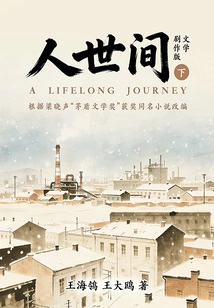
This book is a play of the same name adapted by Wang Hailu and Wang Dayou based on the Mao Dun Literature Award-winning novel "Human World" by Liang Xiaosheng. It is set in a civilian community in a northern city called "Light Word Film" and tells the ups and downs of life stories of more than a dozen civilian children, including the three brothers and sisters of the Zhou family, Zhou Bingyi, Zhou Rong, and Zhou Bingkun, in the past fifty years. The fate of the protagonist is intertwined with the changes of the times, writing an epic life epic of contemporary Chinese people.
This book is a play of the same name adapted by Wang Hailu and Wang Dayou based on the Mao Dun Literature Award-winning novel "Human World" by Liang Xiaosheng. It is set in a civilian community in a northern city called "Light Word Film" and tells the ups and downs of life stories of more than a dozen civilian children, including the three brothers and sisters of the Zhou family, Zhou Bingyi, Zhou Rong, and Zhou Bingkun, in the past fifty years. The fate of the protagonist is intertwined with the changes of the times, writing an epic life epic of contemporary Chinese people.
This book is a play of the same name adapted by Wang Hailu and Wang Dayou based on the Mao Dun Literature Award-winning novel "Human World" by Liang Xiaosheng. It is set in a civilian community in a northern city called "Light Word Film" and tells the ups and downs of life stories of more than a dozen civilian children, including the three brothers and sisters of the Zhou family, Zhou Bingyi, Zhou Rong, and Zhou Bingkun, in the past fifty years. The fate of the protagonist is intertwined with the changes of the times, writing an epic life epic of contemporary Chinese people.
 9
9New Era of Marriage
General Fiction新结婚时代
Wang Hailu
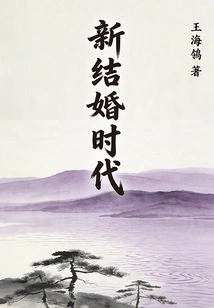
"New Marriage Era" is a novel written by writer Wang Hailu. As the final work of his "Marriage Trilogy", it continues the realistic analysis of contemporary marriage and love relationships. The work takes the cultural differences between urban and rural areas as an entry point to show the collision between traditional ethics and modern values in Chinese society during the transition period. The novel revolves around the marriage of Gu Xiaoxi, an urban intellectual woman, and He Jianguo, a rural youth from Yimeng Mountain. It reveals the impact of the urban-rural divide on marriage through conflicts such as family involvement and conflicts in living habits. The subplot includes the sibling relationship between Gu Xiaohang and his older colleague, and the twilight love between Gu's father and the nanny in the mountainous area. The three sets of misplaced love and marriage models are intertwined to present the ethical dilemmas faced by different generations and classes. The author uses realistic techniques to describe the penetration of material factors and family status concepts into marriage, and explores the complex entanglement between individual freedom and family responsibility in marriage relationships in modern society.
"New Marriage Era" is a novel written by writer Wang Hailu. As the final work of his "Marriage Trilogy", it continues the realistic analysis of contemporary marriage and love relationships. The work takes the cultural differences between urban and rural areas as an entry point to show the collision between traditional ethics and modern values in Chinese society during the transition period. The novel revolves around the marriage of Gu Xiaoxi, an urban intellectual woman, and He Jianguo, a rural youth from Yimeng Mountain. It reveals the impact of the urban-rural divide on marriage through conflicts such as family involvement and conflicts in living habits. The subplot includes the sibling relationship between Gu Xiaohang and his older colleague, and the twilight love between Gu's father and the nanny in the mountainous area. The three sets of misplaced love and marriage models are intertwined to present the ethical dilemmas faced by different generations and classes. The author uses realistic techniques to describe the penetration of material factors and family status concepts into marriage, and explores the complex entanglement between individual freedom and family responsibility in marriage relationships in modern society.
"New Marriage Era" revolves around the marriage of Gu Xiaoxi, an urban intellectual woman, and He Jianguo, a rural youth from Yimeng Mountain. It reveals the impact of the urban-rural divide on marriage through conflicts such as family intervention and conflicts in life habits.
 10
10New Love Era
General Fiction新恋爱时代
Wang Hailu
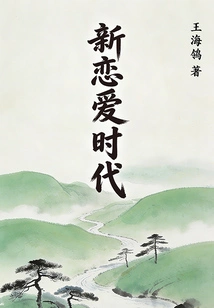
"New Era of Love" is a novel written by Chinese writer Wang Haiyu, which continues his creative vein of marriage and love themes. The work focuses on the post-80s youth group, with three urban women from different backgrounds as the protagonists, showing the growth process of contemporary young people in workplace competition and marriage and love choices. The novel adopts a multi-line narrative: Deng Xiaoke, a newcomer in finance, reconstructs his life plan amidst professional hardships and starts an emotional entanglement with Zheng Haichao; Shen Hua, who is materialistic, accepts the pursuit of a wealthy man after facing a career setback; Wei Shanshan, a master of Northern Drifting, breaks through the differences in status and falls in love with a garden worker. Through realistic dilemmas such as further education, starting a business, marriage and love, it explores the conflict between ideals and reality, and the balance between self-worth and emotional belonging. The TV series of the same name adapted in 2013 was written by Wang Haiyu himself and continues the main line of the original work.
"New Era of Love" is a novel written by Chinese writer Wang Haiyu, which continues his creative vein of marriage and love themes. The work focuses on the post-80s youth group, with three urban women from different backgrounds as the protagonists, showing the growth process of contemporary young people in workplace competition and marriage and love choices. The novel adopts a multi-line narrative: Deng Xiaoke, a newcomer in finance, reconstructs his life plan amidst professional hardships and starts an emotional entanglement with Zheng Haichao; Shen Hua, who is materialistic, accepts the pursuit of a wealthy man after facing a career setback; Wei Shanshan, a master of Northern Drifting, breaks through the differences in status and falls in love with a garden worker. Through realistic dilemmas such as further education, starting a business, marriage and love, it explores the conflict between ideals and reality, and the balance between self-worth and emotional belonging. The TV series of the same name adapted in 2013 was written by Wang Haiyu himself and continues the main line of the original work.
"New Love Era" features three urban women with different backgrounds as the protagonists: Deng Xiaoke, a newcomer in finance, reconstructs his life plan amidst professional hardships and starts an emotional entanglement with Zheng Haichao; Shen Hua, who is materialistic, accepts the pursuit of a wealthy man after facing a setback in his career; Wei Shanshan, a master from Beipiao, breaks through the differences in status and falls in love with a garden worker. Through realistic dilemmas such as further education, starting a business, marriage and love, it explores the conflict between ideals and reality, and the balance between self-worth and emotional belonging.
 11
11Chinese Style Divorce
General Fiction中国式离婚
Wang Hailu
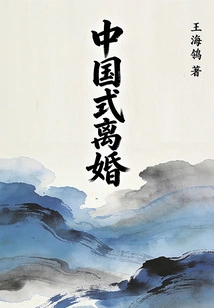
"Chinese Style Divorce" is a novel written by Wang Haiyu that deeply analyzes the current situation of Chinese marriage. Through the emotional entanglement of three couples, it explores betrayal, trust and responsibility in marriage. The novel reveals three kinds of betrayal under the marriage contract: betrayal of the heart, betrayal of the body and betrayal of the mind and body. The main plot revolves around Lin Xiaofeng and Song Jianping, an ordinary couple, showing the hurt and pain caused by disharmony, intolerance and irrationality in marriage, and ultimately the trajectory of divorce. The book also depicts the stories of two couples, Juanzi and Liu Dongbei, Xiao Li and Song Jianping, which together constitute three typical states of women in Chinese marriages.
"Chinese Style Divorce" is a novel written by Wang Haiyu that deeply analyzes the current situation of Chinese marriage. Through the emotional entanglement of three couples, it explores betrayal, trust and responsibility in marriage. The novel reveals three kinds of betrayal under the marriage contract: betrayal of the heart, betrayal of the body and betrayal of the mind and body. The main plot revolves around Lin Xiaofeng and Song Jianping, an ordinary couple, showing the hurt and pain caused by disharmony, intolerance and irrationality in marriage, and ultimately the trajectory of divorce. The book also depicts the stories of two couples, Juanzi and Liu Dongbei, Xiao Li and Song Jianping, which together constitute three typical states of women in Chinese marriages.
"Chinese Divorce" explores betrayal, trust and responsibility in marriage through the emotional entanglements of three couples. The main plot revolves around Lin Xiaofeng and Song Jianping, an ordinary couple, showing the hurt and pain caused by disharmony, intolerance and irrationality in marriage, and ultimately the trajectory of divorce.