The Best Works of Chinese Classical Novels
中国古典小说的封神之作们
People's Literature Publishing House has been committed to the compilation and publication of Chinese classical novels since its establishment. It has published almost all important Chinese classical novels for more than half a century.
 1
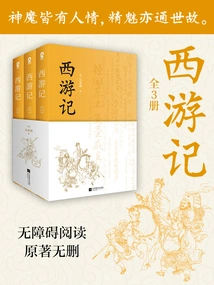
1Journey to the West (3 Volumes in Total)
General Fiction西游记(全3册)
I
[Four masterpieces of Chinese classical literature, accessible reading, no deletion of the original works. ] "Journey to the West" is the first romantic novel about gods and demons in ancient my country, and it is also the pioneering work of magicism. It tells the story of a stone monkey that was bred from the stone left by Nuwa to mend the sky and absorbed the essence of the sun and the moon. It learned skills from Patriarch Bodhi and was pinned under the Five Elements Mountain by Tathagata Buddha for five hundred years because of his mistakes. Later, he was accepted as a disciple by the monk Tang Sanzang who went to the West to obtain the true scriptures. He also became his disciples with Zhu Bajie and Sha Wujing. The four masters and apprentices experienced ninety-nine and eighty-one difficulties together, defeated demons and monsters along the way, and finally obtained the true scriptures. The author uses romantic writing techniques to open up a new category of long chapter novels about gods and demons.
[Four masterpieces of Chinese classical literature, accessible reading, no deletion of the original works. ] "Journey to the West" is the first romantic novel about gods and demons in ancient my country, and it is also the pioneering work of magicism. It tells the story of a stone monkey that was bred from the stone left by Nuwa to mend the sky and absorbed the essence of the sun and the moon. It learned skills from Patriarch Bodhi and was pinned under the Five Elements Mountain by Tathagata Buddha for five hundred years because of his mistakes. Later, he was accepted as a disciple by the monk Tang Sanzang who went to the West to obtain the true scriptures. He also became his disciples with Zhu Bajie and Sha Wujing. The four masters and apprentices experienced ninety-nine and eighty-one difficulties together, defeated demons and monsters along the way, and finally obtained the true scriptures. The author uses romantic writing techniques to open up a new category of long chapter novels about gods and demons.
"Journey to the West" is based on Xuanzang's experience of seeking Buddhist scriptures in the Tang Dynasty. After artistic processing by the novelist, it has become a complete and vivid novel.
 2
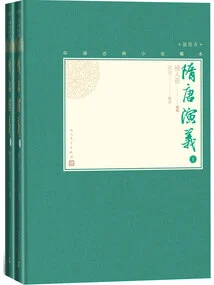
2Romance of the Sui and Tang Dynasties (2 Volumes in Total)
General Fiction隋唐演义(全2册)
(qing Dynasty) Chu People Were Compiled And Edited By Hou Hui
"The Romance of the Sui and Tang Dynasties" is written from the Sui Dynasty's attack on Chen to the death of Emperor Ming of the Tang Dynasty. The story spans about 180 years. However, it is detailed in detail and omitted later. It occupied 66 chapters in the first 40 years and only 34 chapters in the next 130 years. The book contains many characters and numerous events, which can be roughly divided into two aspects: first, describing the vigorous resistance struggles and glorious chivalrous characters of heroes in troubled times such as Qin Qiong, Shan Xiongxin, Cheng Yaojin, Xu Shiji, Li Mi, Dou Jiande, etc. 2. Describe the palace stories of the queens and concubines of the Sui and Tang dynasties, especially Emperor Yang of the Sui Dynasty, Wu Zetian, and Emperor Ming of the Tang Dynasty.
"The Romance of the Sui and Tang Dynasties" is written from the Sui Dynasty's attack on Chen to the death of Emperor Ming of the Tang Dynasty. The story spans about 180 years. However, it is detailed in detail and omitted later. It occupied 66 chapters in the first 40 years and only 34 chapters in the next 130 years. The book contains many characters and numerous events, which can be roughly divided into two aspects: first, describing the vigorous resistance struggles and glorious chivalrous characters of heroes in troubled times such as Qin Qiong, Shan Xiongxin, Cheng Yaojin, Xu Shiji, Li Mi, Dou Jiande, etc. 2. Describe the palace stories of the queens and concubines of the Sui and Tang dynasties, especially Emperor Yang of the Sui Dynasty, Wu Zetian, and Emperor Ming of the Tang Dynasty.
"The Romance of the Sui and Tang Dynasties" is written from the Sui Dynasty's attack on Chen to the death of Emperor Ming of the Tang Dynasty. The story spans about 180 years and is a classic work of Chinese classical novels.
 3
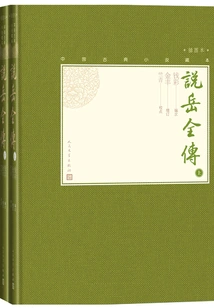
3A Complete Biography of Yue Yue (2 Volumes in Total)
General Fiction说岳全传(全2册)
(qing Dynasty) Qian Cai (qing Dynasty) Jin Feng Added The Zhu Qing Campus
The full name of "Shuo Yue Quan Zhuan" is "Updated Jingzhong Romance Shuo Yue Quan Zhuan", with a total of eighty chapters. This book mainly uses Yue Fei's life story recorded in official history as the story frame, draws on the content of Yue Fei's stories in folklore, rap skills, and dramas as material, and fictionalizes a large number of plots and details, making the novel more vivid, colorful and fascinating than other works with similar themes. The author of the novel deliberately preserved the stylistic characteristics of the storybook novel, and the narrative language is colloquial and vivid; the switching between each episode is based on key plot points, highlighting the art of speaking; the overall concept and specific plot design are deeply influenced by "The Romance of the Three Kingdoms" and "Water Margin".
The full name of "Shuo Yue Quan Zhuan" is "Updated Jingzhong Romance Shuo Yue Quan Zhuan", with a total of eighty chapters. This book mainly uses Yue Fei's life story recorded in official history as the story frame, draws on the content of Yue Fei's stories in folklore, rap skills, and dramas as material, and fictionalizes a large number of plots and details, making the novel more vivid, colorful and fascinating than other works with similar themes. The author of the novel deliberately preserved the stylistic characteristics of the storybook novel, and the narrative language is colloquial and vivid; the switching between each episode is based on key plot points, highlighting the art of speaking; the overall concept and specific plot design are deeply influenced by "The Romance of the Three Kingdoms" and "Water Margin".
This book mainly uses Yue Fei's life story recorded in official history as the story frame, draws on the content of Yue Fei's stories in folklore, rap skills, and dramas as material, and fictionalizes a large number of plots and details, making the novel more vivid, colorful and fascinating than other works with similar themes.
 4
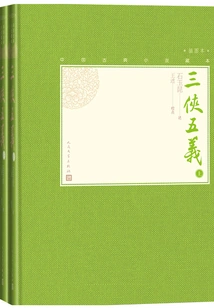
4Three Heroes and Five Righteousness (2 Volumes in Total)
General Fiction三侠五义(全2册)
(qing Dynasty) Shi Yukunshu, Wang Shu, Proofreading
"Three Heroes and Five Righteousness" is a classic of the classic chivalrous koan novel, and can be called the originator of Chinese martial arts novels; at the same time, it is the first martial arts novel with real significance in China. The novel tells the story of Bao Zheng, during the reign of Renzong in the Northern Song Dynasty, who, with the help of many chivalrous men, tried strange cases, vindicated unjust cases, and how the chivalrous men eradicated violence and performed chivalrous acts of justice. The book creates an image of a selfless and upright official who is not afraid of power.
"Three Heroes and Five Righteousness" is a classic of the classic chivalrous koan novel, and can be called the originator of Chinese martial arts novels; at the same time, it is the first martial arts novel with real significance in China. The novel tells the story of Bao Zheng, during the reign of Renzong in the Northern Song Dynasty, who, with the help of many chivalrous men, tried strange cases, vindicated unjust cases, and how the chivalrous men eradicated violence and performed chivalrous acts of justice. The book creates an image of a selfless and upright official who is not afraid of power.
The novel tells the story of Bao Zheng, during the reign of Renzong in the Northern Song Dynasty, who, with the help of many chivalrous men, tried strange cases, vindicated unjust cases, and how the chivalrous men eradicated violence and performed chivalrous acts of justice.
 5
5O
General FictionO
H
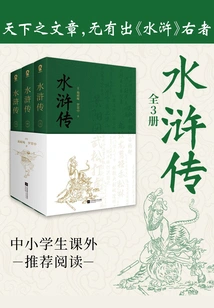
"Water Margin" is one of the four classic Chinese classics. The work takes the peasant uprising as the theme and vividly describes the story of the Northern Song Dynasty when treacherous ministers were in power and the people were in dire straits. The peasant uprising army headed by Song Jiang gradually grew in strength and protected the people. Later, they were recruited to fight for the Song Dynasty and performed military exploits. However, they were murdered by powerful officials for their own selfish purposes, and finally perished. The novel vividly depicts the characters of 108 Liangshanbo heroes, reflects the darkness of feudal society, praises the rebellious spirit and righteous actions of the uprising heroes, and exposes the sharply opposed social contradictions at that time. After the publication of the work, it had a huge impact on society and became a model for Chinese novel creation.
"Water Margin" is one of the four classic Chinese classics. The work takes the peasant uprising as the theme and vividly describes the story of the Northern Song Dynasty when treacherous ministers were in power and the people were in dire straits. The peasant uprising army headed by Song Jiang gradually grew in strength and protected the people. Later, they were recruited to fight for the Song Dynasty and performed military exploits. However, they were murdered by powerful officials for their own selfish purposes, and finally perished. The novel vividly depicts the characters of 108 Liangshanbo heroes, reflects the darkness of feudal society, praises the rebellious spirit and righteous actions of the uprising heroes, and exposes the sharply opposed social contradictions at that time. After the publication of the work, it had a huge impact on society and became a model for Chinese novel creation.
The full name of "Water Margin" is "Water Margin of Loyalty". It is based on the peasant uprising led by Song Jiang as the main theme. It describes a series of vivid stories of Liangshan heroes who resisted oppression and fought bravely, such as outsmarting the birth plan, Lin Chong was forced to go to Liangshan, Wu Song defeated the tiger, Lu Zhisheng defeated Guanxi with fists and other popular stories. It has been widely circulated and is known as one of the "Four Great Masterpieces" of Chinese classical novels.
 6
6K
Literaturek
H
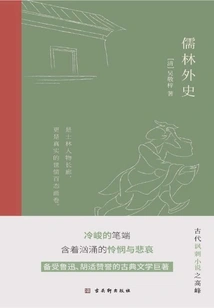
"The Scholars" has fifty-six chapters. It is a long satirical novel depicting the portraits of ancient intellectuals. The novel depicts various people's attitudes and pursuits of fame and wealth in a realistic way, and points the finger at the dark politics and pedantic imperial examination system. On the one hand, the novel describes the various absurd and hypocritical behaviors of Confucian scholars who were deeply poisoned by eight-legged stereotypes, satirizes those fake Confucian scholars and fake celebrities, and criticizes the corrupt social atmosphere at that time. The novel depicts the characters in depth and detail, creating many typical characters, such as corrupt Confucians Zhou Jin and Fan Jin, corrupt officials Tang Feng and Wang Hui, Mr. Ma Er, Mr. Lu Bianxiu, real celebrities Wang Mian and Du Shaoqing, etc. The superb satirical technique makes this book a masterpiece of Chinese classical satirical literature. The Scholars also created an example of using novels to directly evaluate real life.
"The Scholars" has fifty-six chapters. It is a long satirical novel depicting the portraits of ancient intellectuals. The novel depicts various people's attitudes and pursuits of fame and wealth in a realistic way, and points the finger at the dark politics and pedantic imperial examination system. On the one hand, the novel describes the various absurd and hypocritical behaviors of Confucian scholars who were deeply poisoned by eight-legged stereotypes, satirizes those fake Confucian scholars and fake celebrities, and criticizes the corrupt social atmosphere at that time. The novel depicts the characters in depth and detail, creating many typical characters, such as corrupt Confucians Zhou Jin and Fan Jin, corrupt officials Tang Feng and Wang Hui, Mr. Ma Er, Mr. Lu Bianxiu, real celebrities Wang Mian and Du Shaoqing, etc. The superb satirical technique makes this book a masterpiece of Chinese classical satirical literature. The Scholars also created an example of using novels to directly evaluate real life.
This book represents the peak of ancient Chinese satirical novels. It creates an example of using novels to directly evaluate real life. This book is edited and annotated by Zhang Huijian, and the annotations are precise and helpful for modern readers to read and understand the social overview of the Qing Dynasty.
 7
7Surprised by the Crime (2 Volumes in Total)
General Fiction拍案惊奇(全2册)
X
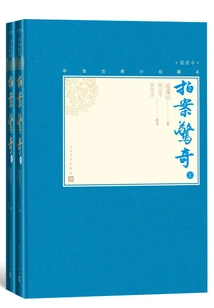
"The Surprise on the Case" (also known as "The Surprise on the Case" (also known as "The Surprise on the Case") is a storybook written by the novelist Ling Shuchu of the Ming Dynasty. It has forty volumes and forty chapters. The content includes a large number of adventure legends, business stories, love stories between men and women, and marriage stories. It reflects the social reality and atmosphere of the times in the late Ming Dynasty. This inclusion into the collection of Chinese classical novels in hardcover form makes up for the lack of ordinary hardcover editions of classical novels currently available in our publisher, and the overall set is conducive to large-scale distribution.
"The Surprise on the Case" (also known as "The Surprise on the Case" (also known as "The Surprise on the Case") is a storybook written by the novelist Ling Shuchu of the Ming Dynasty. It has forty volumes and forty chapters. The content includes a large number of adventure legends, business stories, love stories between men and women, and marriage stories. It reflects the social reality and atmosphere of the times in the late Ming Dynasty. This inclusion into the collection of Chinese classical novels in hardcover form makes up for the lack of ordinary hardcover editions of classical novels currently available in our publisher, and the overall set is conducive to large-scale distribution.
"The Surprise on the Case" (also known as "The Surprise on the Case" (also known as "The Surprise on the Case") is a storybook written by the novelist Ling Shuchu of the Ming Dynasty. It has forty volumes and forty chapters. The content includes a large number of adventure legends, business stories, love stories between men and women, and marriage stories. It reflects the social reality and atmosphere of the times in the late Ming Dynasty.
 8
8Romance of the Three Kingdoms (3 Volumes in Total)
General Fiction三国演义(全3册)
W
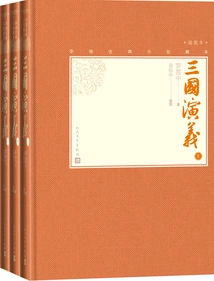
The classic novel "The Romance of the Three Kingdoms" begins with the Yellow Turban Rebellion of Emperor Ling of the Han Dynasty and ends with the reunification of the Three Kingdoms in the Western Jin Dynasty. It describes the major historical events and the activities of historical figures for more than ninety years. It shows the historical picture of the rise and fall of the Three Kingdoms, vividly reproduces this tumultuous historical era, and vividly reveals the intrigues and struggles for power within the ruling group. "The Romance of the Three Kingdoms" published by People's Literature Publishing House is based on Mao Zonggang's original version and has been compiled and revised many times. It is the most widely circulated and authoritative version in China to date. Since its release, it has been one of the most popular classical literature masterpieces on the market.
The classic novel "The Romance of the Three Kingdoms" begins with the Yellow Turban Rebellion of Emperor Ling of the Han Dynasty and ends with the reunification of the Three Kingdoms in the Western Jin Dynasty. It describes the major historical events and the activities of historical figures for more than ninety years. It shows the historical picture of the rise and fall of the Three Kingdoms, vividly reproduces this tumultuous historical era, and vividly reveals the intrigues and struggles for power within the ruling group. "The Romance of the Three Kingdoms" published by People's Literature Publishing House is based on Mao Zonggang's original version and has been compiled and revised many times. It is the most widely circulated and authoritative version in China to date. Since its release, it has been one of the most popular classical literature masterpieces on the market.
The classic novel "The Romance of the Three Kingdoms" begins with the Yellow Turban Rebellion of Emperor Ling of the Han Dynasty and ends with the reunification of the Three Kingdoms in the Western Jin Dynasty. It describes the major historical events and the activities of historical figures for more than ninety years. It shows the historical picture of the rise and fall of the Three Kingdoms, vividly reproduces this tumultuous historical era, and vividly reveals the intrigues and struggles for power within the ruling group.
 9
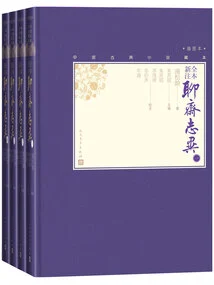
9全本新注聊斋志异(全4册)
(qing Dynasty) Written By Pu Songling, Edited By Zhu Qikai, Edited By Zhu Qikai And Others
This series is a reorganization of resources. It is planned to be based on the recently published "Illustrated Collection Series of Ancient Chinese Novels" (11 types), "Chinese Heroes Series" (6 types), "Four Condemnation Novels" (4 types), and "Four Kinds of Qing Dynasty Novels" (4 types). It is planned to be compiled into an overall series, which basically covers the most widely circulated and best-selling varieties of Chinese classical novels. The hardcover format makes up for the lack of ordinary hardcover editions of classical novels currently available in our publisher, and the overall set is conducive to large-scale distribution.
This series is a reorganization of resources. It is planned to be based on the recently published "Illustrated Collection Series of Ancient Chinese Novels" (11 types), "Chinese Heroes Series" (6 types), "Four Condemnation Novels" (4 types), and "Four Kinds of Qing Dynasty Novels" (4 types). It is planned to be compiled into an overall series, which basically covers the most widely circulated and best-selling varieties of Chinese classical novels. The hardcover format makes up for the lack of ordinary hardcover editions of classical novels currently available in our publisher, and the overall set is conducive to large-scale distribution.
It is planned to be based on the "Illustrated Collection Series of Ancient Chinese Novels" (11 types), "Chinese Heroes Series" (6 types), "Four Condemnation Novels" (4 types), and "Four Kinds of Qing Dynasty Novels" (4 types) published in recent years, and be compiled into an overall series, which basically covers the most widely circulated and best-selling varieties of Chinese classical novels.
 10
10Lao Can's Travels
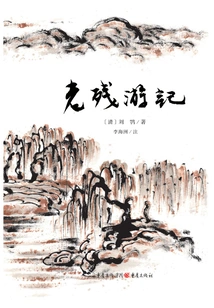
Literature老残游记
Liu E
This book is written about the experiences and actions of a quack doctor Tie Ying (also known as Lao Can) during his travels. The old cripple makes a living by practicing medicine, and wanders around the world while ringing his bells. He was a man of indifference and did not enter an official career, but he was concerned about the fate of the country and the nation. He also had a clear sense of right and wrong and was chivalrous and courageous. He sympathized with the suffering of the people and did his best to save the people from the fire and water. Following Lao Can's footsteps, we can clearly see the social life in Shandong in the late Qing Dynasty in the book, and we can also discover some social contradictions in the old days.
This book is written about the experiences and actions of a quack doctor Tie Ying (also known as Lao Can) during his travels. The old cripple makes a living by practicing medicine, and wanders around the world while ringing his bells. He was a man of indifference and did not enter an official career, but he was concerned about the fate of the country and the nation. He also had a clear sense of right and wrong and was chivalrous and courageous. He sympathized with the suffering of the people and did his best to save the people from the fire and water. Following Lao Can's footsteps, we can clearly see the social life in Shandong in the late Qing Dynasty in the book, and we can also discover some social contradictions in the old days.
"Lao Can's Travels" is a novel written by Liu E in his later years. It was published in 1906. The book draws on Lao Can's travels and experiences to attack the darkness of officialdom at that time and expose the true face of so-called upright officials.
 11
11Niehaihua
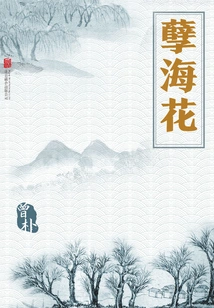
General Fiction孽海花
Zeng Pu
"Nie Hai Hua" is one of the four major condemnation novels in the late Qing Dynasty. The whole book takes the experiences of Suzhou champion Jingou and the famous prostitute Fu Caiyun as the main line, showing the historical changes in China's social, political and cultural life from the early years of Tongzhi in the Qing Dynasty to the 30 years of the Sino-Japanese War of 1898. It has a strong spirit of the times and has certain political significance. The publication of this book caused a sensation in the literary world in the early 20th century. It was reprinted more than ten times in a short period of time and sold about 100,000 copies, setting a unique record.
"Nie Hai Hua" is one of the four major condemnation novels in the late Qing Dynasty. The whole book takes the experiences of Suzhou champion Jingou and the famous prostitute Fu Caiyun as the main line, showing the historical changes in China's social, political and cultural life from the early years of Tongzhi in the Qing Dynasty to the 30 years of the Sino-Japanese War of 1898. It has a strong spirit of the times and has certain political significance. The publication of this book caused a sensation in the literary world in the early 20th century. It was reprinted more than ten times in a short period of time and sold about 100,000 copies, setting a unique record.
The book takes the marriage life story of the number one scholar Jin Wenqing (alluding to Hong Jun) and the famous courtesan Fu Caiyun (alluding to Zhao Caiyun) as the main plot line. It cuts and refines the profiles of important historical events and related anecdotes in the past thirty years into a chapter, reflecting the political and cultural changes in the specific historical stage from the middle of Tongzhi to the late Guangxu of the late Qing Dynasty.
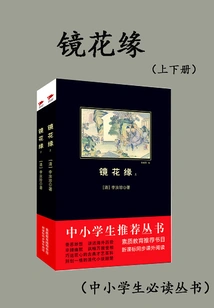
A novel from the Qing Dynasty, with 100 chapters in total. It uses rich imagination and humorous style to show all kinds of world phenomena. It prominently depicts women's talents and embodies the idea of respecting women's rights.
 13
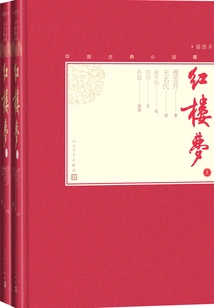
13A Dream of Red Mansions (3 Volumes in Total)
General Fiction红楼梦(全3册)
(qing Dynasty) Written By Cao Xueqin, Continuation Of The Anonymous, And Notes By Yu Pingbo, Qi Gong
This series is a reorganization of resources. It is planned to be based on the recently published "Illustrated Collection Series of Ancient Chinese Novels" (11 types), "Chinese Heroes Series" (6 types), "Four Condemnation Novels" (4 types), and "Four Kinds of Qing Dynasty Novels" (4 types). It is planned to be compiled into an overall series, which basically covers the most widely circulated and best-selling varieties of Chinese classical novels. The hardcover format makes up for the lack of ordinary hardcover editions of classical novels currently available in our publisher, and the overall set is conducive to large-scale distribution.
This series is a reorganization of resources. It is planned to be based on the recently published "Illustrated Collection Series of Ancient Chinese Novels" (11 types), "Chinese Heroes Series" (6 types), "Four Condemnation Novels" (4 types), and "Four Kinds of Qing Dynasty Novels" (4 types). It is planned to be compiled into an overall series, which basically covers the most widely circulated and best-selling varieties of Chinese classical novels. The hardcover format makes up for the lack of ordinary hardcover editions of classical novels currently available in our publisher, and the overall set is conducive to large-scale distribution.
The pinnacle of ancient Chinese novels. The whole book is centered on the daily life of Rongguo Mansion, with the love and marriage tragedies of Baoyu, Daiyu, and Baochai as well as the trivial matters in the Grand View Garden as the main line. It also uses the history of the four famous aristocratic families of Jinling, Jia, Shi, Wang, and Xue, from their peak to decline as a hidden line, showing the decline of families and society in the feudal era.
 14
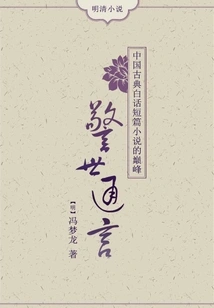
14Warning Words
General Fiction警世通言
(ming Dynasty) Feng Menglong
"Words to Warn the World" is a collection of short stories in vernacular compiled by Feng Menglong, a writer in the late Ming Dynasty. Together with Feng Menglong's other two novels "Awakening Words to Awaken the World" and "Yingshi Mingyan", they are collectively known as "Three Words" by later generations. Together with Ling Shuchu's "Surprise at the First Moment" and "Surprise at the Second Moment" by Ling Shuchu, they are also known as "Three Words and Two Pai". As a peak of ancient vernacular short stories, "Jingshi Tongyan" contains a total of forty stories in the Song, Yuan and Ming dynasties in both scripts and pseudo-hua scripts. The themes of "Words to Warn the World" are all-encompassing, including marriage, love and women's fate, fame and fortune and the vicissitudes of life, strange and unjust cases and the weird world, which focus on the thoughts, artistic characteristics and achievements of "Three Words". Except for "Old Disciple III Repaying Favor" written by Feng Menglong, which has been confirmed to be written by Feng Menglong himself, the other works included in the collection were processed and organized by the editor. Among them, "Du Shiniang sank her treasure chest in anger", "Spring falls in the Yutang and it is hard to find a husband", "Yu Boya threw his zither to thank his close friend", "Li banished the immortal with drunken grass and frightened the barbarians", etc. Are all popular famous works.
"Words to Warn the World" is a collection of short stories in vernacular compiled by Feng Menglong, a writer in the late Ming Dynasty. Together with Feng Menglong's other two novels "Awakening Words to Awaken the World" and "Yingshi Mingyan", they are collectively known as "Three Words" by later generations. Together with Ling Shuchu's "Surprise at the First Moment" and "Surprise at the Second Moment" by Ling Shuchu, they are also known as "Three Words and Two Pai". As a peak of ancient vernacular short stories, "Jingshi Tongyan" contains a total of forty stories in the Song, Yuan and Ming dynasties in both scripts and pseudo-hua scripts. The themes of "Words to Warn the World" are all-encompassing, including marriage, love and women's fate, fame and fortune and the vicissitudes of life, strange and unjust cases and the weird world, which focus on the thoughts, artistic characteristics and achievements of "Three Words". Except for "Old Disciple III Repaying Favor" written by Feng Menglong, which has been confirmed to be written by Feng Menglong himself, the other works included in the collection were processed and organized by the editor. Among them, "Du Shiniang sank her treasure chest in anger", "Spring falls in the Yutang and it is hard to find a husband", "Yu Boya threw his zither to thank his close friend", "Li banished the immortal with drunken grass and frightened the barbarians", etc. Are all popular famous works.
The content describes love, business life, and public case stories. The ideological outlook, hobbies, life scenes, etc. Of the citizen class are all vividly and naturally described, and the characters are lifelike.
 15
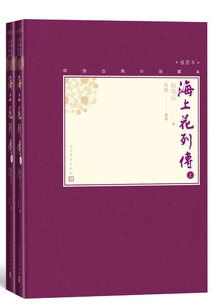
15Biography of Flowers on the Sea (2 Volumes in Total)
General Fiction海上花列传(全2册)
(qing Dynasty) Written By Han Bangqing, Compiled By Dianyao
"Biographies of Shanghai Flowers", through the author's vivid writing, faithfully presents the brothels, officialdom and business circles, as well as the social life involved in these areas, and the multi-faceted activities of the abnormal society in the Shanghai Concession in the late Qing Dynasty to readers. It depicts human emotions and the world in a delicate and vivid way. Not only the structural technique of "interspersed hidden flashes" and the "plain and natural" realistic method of the novel can be used for reference, but its ability to depict characters and shape images is also worthy of praise. In addition to the full text of "Biography of Flowers on the Sea", this book also has an appendix with the author Han Bangqing's classical Chinese novel "Tai Xian Manuscript", information on the author's works and a brief explanation of the dialect, which is very helpful for understanding the work.
"Biographies of Shanghai Flowers", through the author's vivid writing, faithfully presents the brothels, officialdom and business circles, as well as the social life involved in these areas, and the multi-faceted activities of the abnormal society in the Shanghai Concession in the late Qing Dynasty to readers. It depicts human emotions and the world in a delicate and vivid way. Not only the structural technique of "interspersed hidden flashes" and the "plain and natural" realistic method of the novel can be used for reference, but its ability to depict characters and shape images is also worthy of praise. In addition to the full text of "Biography of Flowers on the Sea", this book also has an appendix with the author Han Bangqing's classical Chinese novel "Tai Xian Manuscript", information on the author's works and a brief explanation of the dialect, which is very helpful for understanding the work.
"Biographies of Shanghai Flowers", through the author's vivid writing, faithfully presents the brothels, officialdom and business circles, as well as the social life involved in these areas, and the multi-faceted activities of the abnormal society in the Shanghai Concession in the late Qing Dynasty to readers.