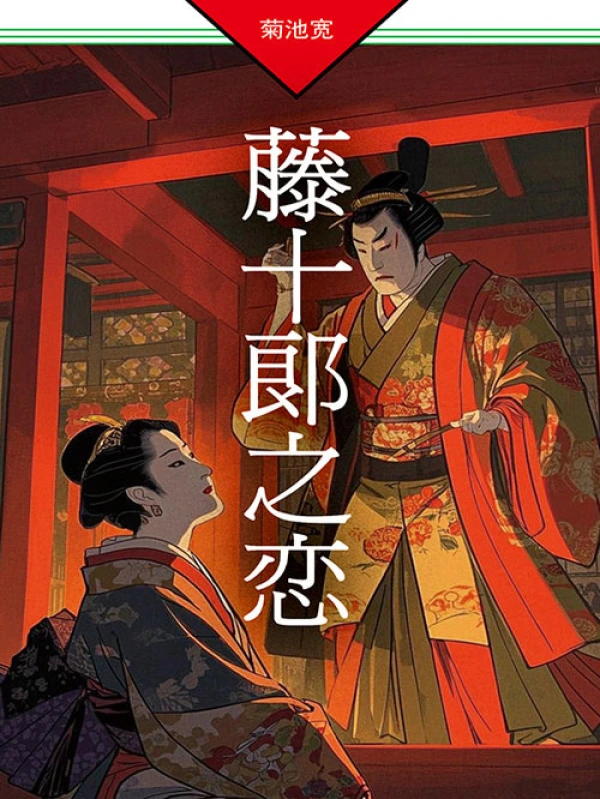
In Kyoto during the Genroku period, the famous Kabuki actor Sakata Tojuro was famous throughout the city for his charming stage image. However, with the arrival of Edo's emerging actor Nakamura Shichisaburo, the audience's attention gradually turned to this new star who interprets Kanto's tough style. Although Tojuro was confident in his superior skills, he was keenly aware that his stubborn acting style was no longer able to hide his fatigue. Faced with the boredom of the audience and the rise of his opponents, he made a desperate move and asked the playwright Monzaemon Chikamatsu to create a play on adultery that subverted the past. In order to interpret the role, Tojuro fell into an unprecedented struggle. He needs to perform an unethical love that is life-threatening, but he suffers from the inability to understand the madness and sin involved. In anxiety, he turned his attention to the tea house proprietress Aji, a chaste married woman. A fake and affectionate temptation quietly unfolds, and Aji's inner defense gradually collapses, while Tojuro flees hastily amid the torn between desire and morality. The performances on the stage became more realistic due to this taboo entanglement and caused a sensation in Kyoto, but the truth behind the scenes was like an undercurrent. When Aji's ending becomes entangled with Tojuro's reputation, the famous actor has to face the price between the ultimate pursuit of art and the torture of human nature...