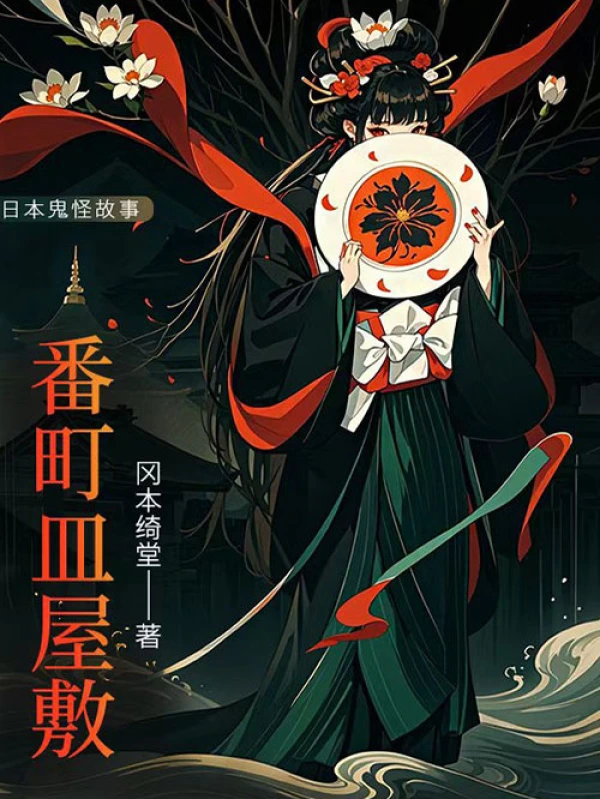
There is a legend of "Bancho Sarayashiki" all over Japan. It tells the story of a maid in a large mansion, Kiku, who accidentally broke the owner's precious dishes and threw her into a well or died by being thrown into the well by her owner. Since then, every night when people are quiet, there will be a ghostly voice from the bottom of the well, "one, two, three..." Counting plates sadly. This work develops on the basis of traditional ghost stories, combining the story of "Sarayashiki" with the incident of Hatake Mizuno Jurozaemon's murder of Hatansui Dean Bei in the Jianghu era, and created this novel with a bold new interpretation. What's particularly interesting is that Kiku's motive for breaking the plate was to test a man's love. With his unique aesthetic style, Kitou Okamoto depicts the destructive personality of Harima Aoyama, a man who killed his beloved maid Kiku because he could not bear to have a woman doubt his sincerity. In the story, there is a legend that if all the plates are broken, the family will be ruined, which adds a touch of enchantment to the tragic ending.