Bamboo Orchids
竹蕤兰幽
- Status
- Ongoing
- Length
- 5k Words
- Genre
- Romantic Youth
- Audience
- Female
- Subgenre
- Campus Life
- Updated
- 1mo ago
- Source
- Qidian
Stats
0Monthly votes
2Recommends
0Fans
2Chapters
Synopsis
Reader comments
Readers also read
 Origin of Qingqing
 Go
Go
 My Master Is a Bit Stupid
 It Turns Out You Never Let Go
 Beast Control Starts from Zero Points
 Zheng Loves a Person with One Heart
 Abandoned Wives Are at Ease
 Quickly Wear It: I Just Want to Farm
 Northern Song Life Consultant
 Fight Between Famous Girls
 Houfu
Houfu
 Abandoned Wife's Beautiful Era
Li Ge's new work
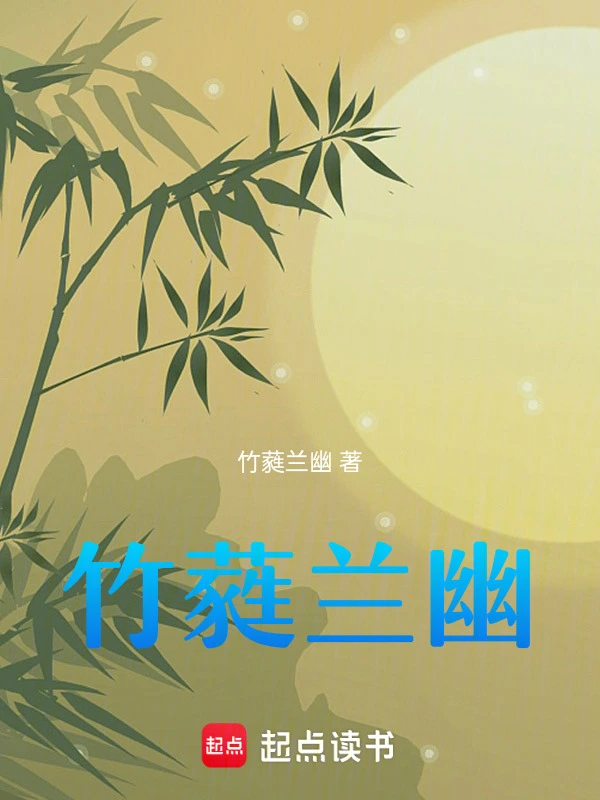
"Bamboo and Orchid" When opening "Bamboo and Orchid", the first thing that touches people's hearts is the delicate sense of atmosphere unique to boyhood. The author uses the three years of high school as the background of the story, breaking out of the solid framework of most campus texts that only focus on writing questions, exams, and rankings. He does not deliberately exaggerate the same anxiety about entering higher education, but fully unfolds the most complex and soft sides of adolescence. The title of the book is taken from two kinds of plants, bamboo and orchid. Bamboo grows tall and luxuriant, which corresponds to the tenacity of young people who are not willing to bend when faced with the pressure of school. They study hard at their desks day after day and repeatedly reset their mentality in the face of setbacks. It is the appearance of youth that is born towards the sun and strives to grow; Lan is hidden in a quiet corner, coinciding with the hazy heartbeat in her heart that she has never expressed to her mouth. She is restrained, quiet, small and gentle, hidden in the small moments of looking at each other during class, walking side by side, and occasionally chatting. It is unobtrusive, but lingers throughout the entire boyhood for a long time. One is strong and the other is soft, the other is outgoing and the other is restrained. The two images are intertwined with each other to piece together the most authentic high school years. The hardships of growing up and the sentiment of youth are never opposites, but coexist together to form a complete youth. The sentence "High school is a hiking trip" in the book is the core expression of empathy throughout the entire text. Nowadays, everyone is accustomed to defining high school as a race with only the end in mind. Everyone is pushed to sprint forward, with only the score line and the admissions school in their eyes, and there is no room for pause or wait and see. But the author's description of hiking gives youth a gentler interpretation: during this period, there are not only the rush to the goal, but also the detailed scenery along the way that is worthy of collection. There will be steep slopes, fatigue, and difficult steps along the way, which correspond to countless exam failures, self-doubt, and the suffering of staying up late to study questions; but there will also be night breeze, shade of trees, and companions along the way, which correspond to the moment of relaxation when chatting with friends during class, the occasional heartbeat, and the warmth of working side by side for the goal. It acknowledges the hardships on the road to growth, but does not deny all the tender little beauties along the way. It does not require young people to bury their heads ahead numbly, but allows everyone to feel emotions, retain their thoughts, and learn to keep the unique inner quietness and softness under heavy pressure. The story depicts the hazy emotions of adolescence in a restrained and realistic manner. There is no exaggerated and bloody plot, and it just restores the most instinctive heartbeat of young people. This ignorance is never a burden that hinders progress, but a glimmer of light in the boring and high-pressure campus life. It is hidden in careful attention, hesitant greetings, and subconscious accommodation. It is not strong and hot, but it is enough to cure countless boring days and nights. The author clearly distinguishes between teenage heartbeat and mature love, and understands that good feelings in high school are more of a comforting companionship in a tired life, and a sympathy between two peers who are also under pressure. This sense of proportion makes the whole book break away from the impetuousness of cliché campus romances, and adds an extra layer of thinking about youth growth. Reading the whole article, you can feel that there are a lot of the author's true youth imprints hidden in the text. All the emotions, scenes, and moods are real and true, and there is no deliberate lyricism that is suspended or empty. The author does not deliberately beautify high school, nor does he blindly accuse academic depression, but looks back at that period of time from a peaceful and transparent perspective: it has pressure, confusion, regret, but also enthusiasm, tenderness, and brightness. The bamboo shoots represent the vigorous vitality of youth and the unwillingness to be mediocre, while the orchid you represent the tender thoughts hidden in the hearts of young people. The blend of the two represents the true and complete boyhood of most people. In today's world full of involution anxiety, "Bamboo and Orchid" provides a new perspective on high school and youth. Growth does not have to be just a rush. Young people should not only have the tenacity and confidence to face hardships like a green bamboo, but also maintain the delicate and soft nature of an orchid to perceive beauty. It tells readers that when they look back on high school many years later, what really remains in their memory is not just the report card, but also the small tenderness hidden in the cracks of pressure, the unspoken heartbeats, the ordinary time of walking side by side with friends, the coexistence of enthusiastic growth and quiet thoughts, which is our unique and irreplaceable youth.