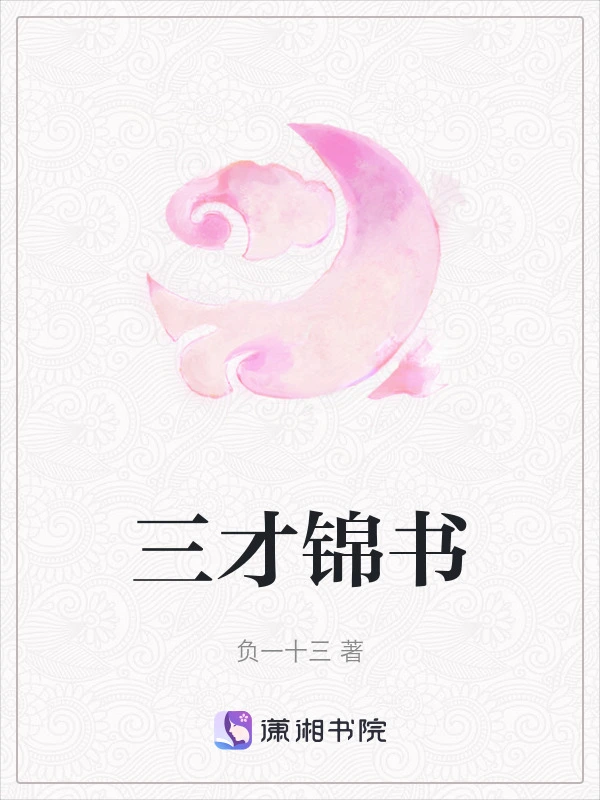
During the Jinghe period of the Great Jing Dynasty, Gu Lingyi, the legitimate daughter of a well-known weaving family in Wuxing, Jiangnan, was trapped in the boudoir rituals in her previous life, and was plotted by her stepmother and concubine. The ancestral court silk tapestry skills were lost, and the family weaving workshop was annexed by powerful people. She mistakenly married a heartless dandy and died of illness in the cold hospital. Once she returned to the age of hairpins, she understood the ways of the three talents of heaven, earth and man: picking mulberry and dyeing silk at the right time, discovering local vegetation and dyes at the right place, gathering weavers from the bottom based on people's hearts, and establishing herself in the ancient silk tapestry method that was on the verge of being lost.
Internally, she mediated the rebellion of her stepmother and the harsh treatment of the clan, rectified the rules of the house, and got rid of the bad feudal custom of "women are not allowed to take charge of the family business or run a business." Externally, she improved the tapestry pattern based on the scenery of the south of the Yangtze River, integrating the flowers and birds of the four seasons, and the mountains and rivers into the tapestry. She recruited poor orphans to learn the tapestry craftsmanship, started from a small weaving room in the backyard, and gradually opened Sancai Jinzhuang across several prefectures in the south of the Yangtze River.
The male protagonist, Shen Yanheng, is the legitimate son of an official family. He is responsible for the injustice of his father's generation. He also sees through the shortcomings of etiquette and law in the world, studies agricultural science, is well versed in the products of mountains and rivers, and believes in the concept of creation of the unity of nature and man. The two went from testing each other and secretly helping each other to joining forces. One kept the silk weaving intangible cultural heritage, and the other was in charge of the products and trade. They followed the weather, the right location, and reassured people. They allowed the ancient silk tapestry to leave the deep house, enter the palace, and enter the market. In the era of changing dynasties, they used a craft to protect the livelihood of thousands of lower-class women, and wrote the national style legend of ancient women breaking out of their cocoons and adapting to the natural world. There is no mindless female rivalry, no forced cheating, and the writing style is imitated in the network-shaped group portrait of the Red Mansion. House fights hide human relationships, business wars follow natural principles, and craftsmanship is in harmony with nature. It closely follows the theme of the Fengqiguocheng essay competition.
 Taking Space to Raise Cubs on the Road to Escape
 The Best Couple
 Dayong Nu's Punishment
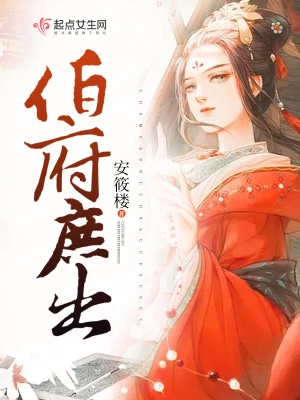 A Concubine from the Uncle's House
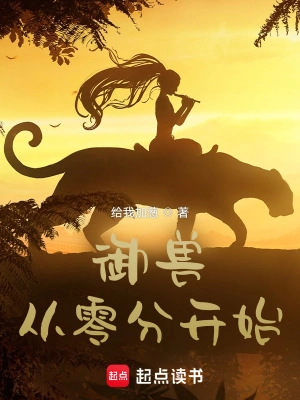 Beast Control Starts from Zero Points
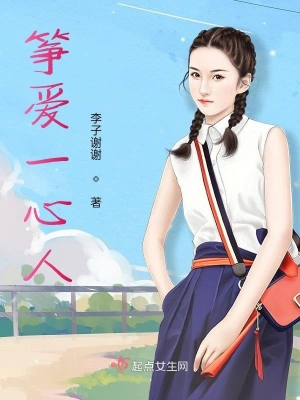 Zheng Loves a Person with One Heart
 Abandoned Wives Are at Ease
 Quickly Wear It: I Just Want to Farm
 Northern Song Life Consultant
 Fight Between Famous Girls
 Houfu
Houfu
 Abandoned Wife's Beautiful Era
 Sancai Taoist Medicine, Five Internal Organs and Seven Internal Organs, Determine the Heavenly Being
 The Mirror Has No Boundaries, and I Will Live up to You for Three Lifetimes.