In the fourth year of Jianlong's reign, it was winter. The Suzaku Gate was burned, and the historian Shen Heng was falsely accused of collaborating with the enemy. The daughter Shen Zhiwei went north to the Liao Kingdom alone, holding the Suzaku bronze medal left by her late mother.
She was originally a lady of the Southern Dynasties, but she buried the three characters "Shen Zhiwei" with her own hands on the ice of the Yellow River. After entering the Liao Palace, he changed his name to Xiao Zhiwei and established himself as a historian. In front of her is Xiao Chuo, the Queen Mother who poisoned the late emperor and overthrown her power in the north; behind her is the cold-blooded and lonely King Yelu Xiu of the Northern Courtyard who had a grudge against her mother for twenty years. There is no knife in her hand, only a stylus pen; there is no ink under the pen, only human life.
From the mute girl in the side palace to the chronicler of daily life, from the concubine of the North Courtyard to the regent queen, she wrote down the blood and fire of the Liao and Song Dynasties in the past thirty years with the historian ethics of "adding words to words, adding swords to records" in this northern land where people "eat people without spitting out their bones". She promoted Nabo in the Four Seasons to reconcile Hu and Han, and promoted the Chanyuan Alliance to end war and violence, but found in the deepest part of the plot: before the ink on the paper was dry, the sword of the old party, the poison of her brother, and the hatred of the people had quietly reached her throat.
Shen Zhiyuan came back from the dead, but became the poisoned sword of the old party; Yelvxiu brother exchanged three thousand cavalry for her life, but trapped her in the name of concubine; Kou Zhun, the prime minister of the Southern Dynasty, confronted her in the tower, and was both a mortal enemy and a mirror. When the two emperors collapsed and the world was in chaos, Xiao Zhiwei, who was blind, dictated the final chapter of "Qing Shi Lu" in the Qing History Hall -
"History officials are not officials, but lamps. They light up the way in, and they also light up the way out."
What she writes about is the life and death of emperors, generals and ministers. What she writes is about a woman who, in the midst of male dominance and war, uses her pen as her bones and history as her soul, striving for the right to be "remembered" for herself, the dead, and all the nameless people.
 I Have a Good Man
 Jinfu
Jinfu
 Daily Routine of Ancient Imperial Examinations
 The Lady May Not Be Human
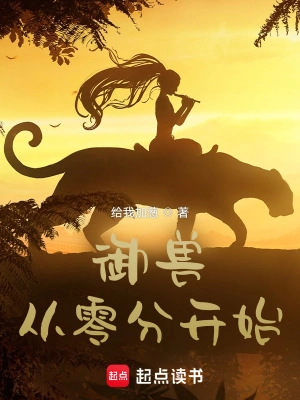 Beast Control Starts from Zero Points
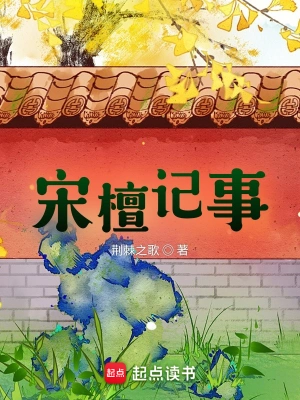 Song Tan's Notes
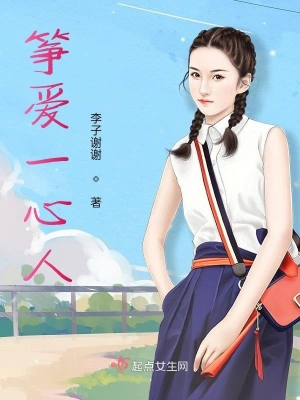 Zheng Loves a Person with One Heart
 Abandoned Wives Are at Ease
 Quickly Wear It: I Just Want to Farm
 Northern Song Life Consultant
 Fight Between Famous Girls
 Houfu
Houfu