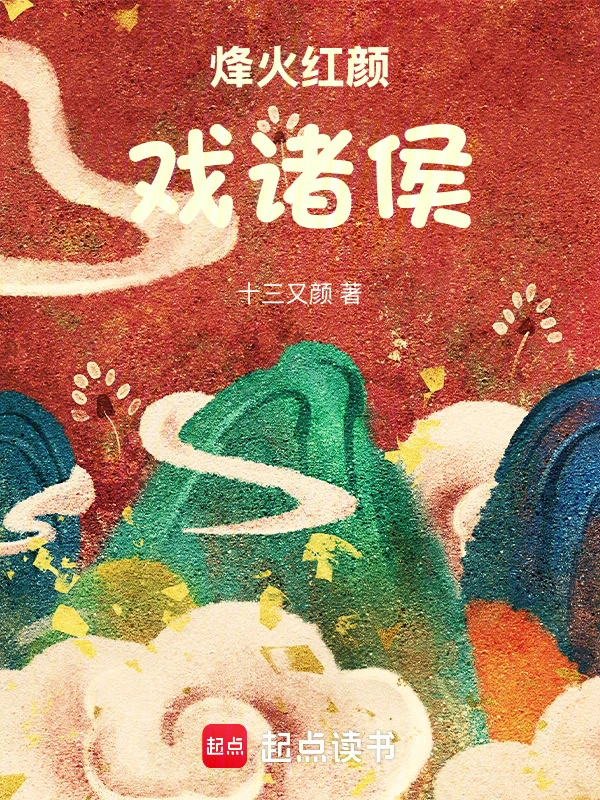
Introduction to the work "The Beauty of the Beacon Fire Plays with the Princes"
This work is based on the historical allusion of "playing the princes with beacon fire" during the period of King You of Zhou Dynasty, and uses the delicate psychological portrayal of the characters and the movie-like scenes as the flesh to reconstruct this labeled dynasty tragedy.
In the third year of Yuanshou, frost fell. The walls of Haojing Palace were stained like blood scabs. Dogs and soldiers were approaching with iron hooves. The reinforcements from the princes were empty. King Ji Gongni of Zhou You struggled with the admonitions of his ancestors and the predicament of troubled times. Bao Si's arrival is not the arrival of "disaster", but a beam of light with Bao Shui Lu Di's misery in troubled times - she is wrapped in white and carries her hometown Lu Di in her heart. She is used to seeing the prosperity of the palace but cares about the refugees. She penetrates the king's obsession and the suffering of the people with her cold eyes.
From the extravagant construction of the Jade Tower in Qiongtai (where the corpses of lumberjacks and Lu Xiao's innocence are buried), to the absurd drama of the Lishan beacon fire (which crushes the loyalty of the princes and the credibility of the Zhou Dynasty), to the swan song of the fall of Haojing (Gong Nie protects the letter with blood, Bao Si goes to the fire to die), the story peels off the "red" The stereotyped narrative of "Yan Huishui" focuses on the core of "The Week of Broken Trust": Gong Ni mistakenly regards the country as private property and bets on the beauty's smile with credit; Bao Si is infamy but keeps his sobriety in the world; the struggles of prince Yijiu, craftsman Lu Gong and other small figures highlight the glimmer of humanity in troubled times.
In the final chapter, a new dynasty was established in Luoyi, copper hairpins and reeds were buried in the ruins of the beacon tower, and the silhouettes of reeds rumored by the common people made the philosophy of "the country is not a hosta, but the wheat cakes of the people" come to fruition - it was not a beauty that destroyed the Zhou Dynasty, but a dynasty that lost the support and trust of the people and eventually collapsed in the sand of history.