In the southern part of the Jin Dynasty, the silk tax went through the national treasury and became the lifeblood of the princes' fight for the throne. The court and the commercial sea are intertwined, and the undercurrent is turbulent.
Xiao Lingyu, the concubine of Xiufang, was the sole proprietor of "Jinhuafang" after her father fell ill and her brother died. In order to keep the family business, she had to take risks to give birth to her daughter Baoer five years ago. With her skillful hands and firm mind, she struggled to survive in the male-dominated silk weaving industry.
Five years later, the silk tax case broke out. The imperial envoy dispatched by the imperial court was the one she had planned back then - the now powerful Lu Zhizhou. He hated her for cheating and leaving without saying goodbye. She was stuck between the account book and the loom. And Baoer's heterochromatic eyes have become the deepest connection and greatest crisis between the two.
At the same time, Zhizhou's concubine brother, Lu Zhixiu, was cold and unruly, and had a fierce game with his younger brother who was the prince's confidant in the court. He had a secret love for Shen Zhaoru, the direct daughter of the Taifu, but they could not resist the pressure of fame and family. The emotions and interests between the concubine and the legitimate daughter, the powerful minister and the prince, echoed the silk tax case, and the Jinhuafang was involved in a bigger storm.
Yubi canonized him as an imperial merchant. Later, he supported military supplies in northern Xinjiang in Jiangmuji, demonstrating his responsibility to his family and country. Seeing her perseverance and choice, Zhizhou cleared the air and finally joined hands to protect the future of mother, daughter and Jinhua.
There is no absolute villain in the book, everyone has no choice but to be a prisoner of the current situation. It combines family and country, business wars, cute babies, intrigues, wars and sadomasochism, and writes about the dilemma between love and responsibility, the tug-of-war between individuals and the system, and how women break through the gap between fate and ethics.
This is an epic of female self-reliance, and also a tragic and joyful song about choice, cost, forgiveness and inheritance. In the end, the world is at peace and everyone is HE.
 I Turned into Cannon Fodder to Seek a Good Death, but the Prince Insisted on Marrying Me.
 Ran Deng Bao Chao
 Nongmen's Second Sister Has Room
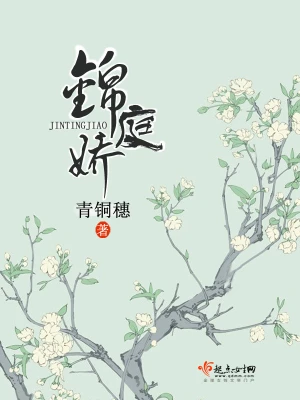 Jin Tingjiao
 Beast Control Starts from Zero Points
 Zheng Loves a Person with One Heart
 Abandoned Wives Are at Ease
 Quickly Wear It: I Just Want to Farm
 Northern Song Life Consultant
 Fight Between Famous Girls
 Houfu
Houfu
 Abandoned Wife's Beautiful Era