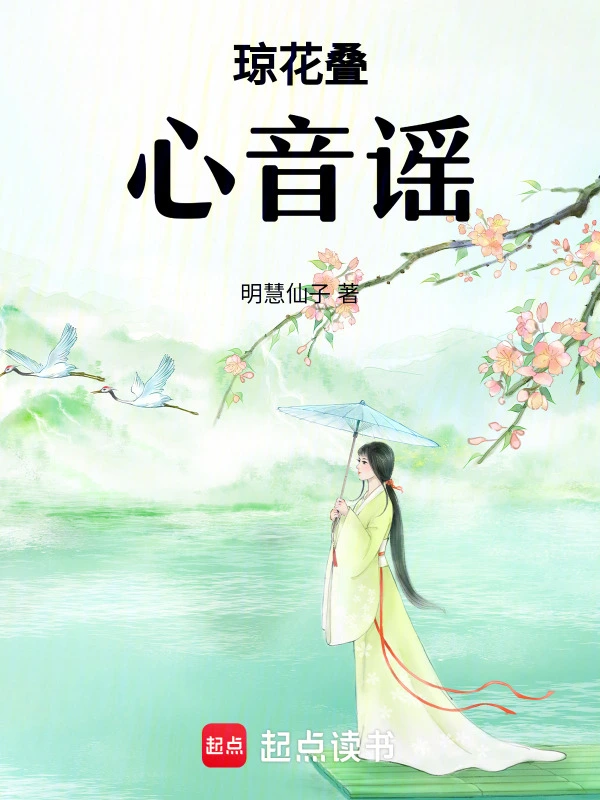
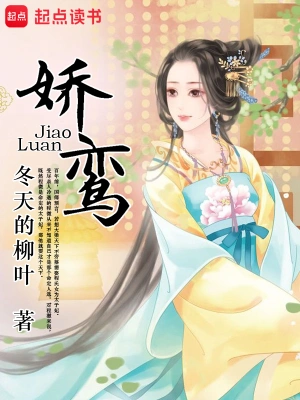
The beginning of traveling through the Great Xia Dynasty, my brother and I's immersive ancient life records!
Ye Mengmeng, a master's degree in psychology, and her brother Ye Xuchen, experienced the frightening moment of an elevator crash and unexpectedly realized their dream - to travel to the Great Xia Dynasty similar to the Song Dynasty and become the children of wealthy businessmen in Yangzhou! Ye Mengmeng was ecstatic: This wave of ancient in-depth travel is stable!
The siblings teamed up to have fun in Daxia's workplace: turning modern pop music and Cantonese singing into hits, turning Ye Fu actor Yan Qiu into a pop star, and selling out scripts!
·Ye Mengmeng: Using psychology to assist the gentle and gentle doctor Bai Hanzhou, he became the master of healing "heart diseases" in ancient times.
However, the warm daily life suddenly switches to the suspense channel:
The Ye family's merchant ship was robbed, and the eldest brother was in trouble. The siblings relied on the remaining functions of their mobile phones to survive in the ancient business war.
·Surprise teammate·Lu Huaizhang: A business genius, after careful deduction, he carefully planned to outsmart his experienced opponents.
·Mysterious assists·Bai Hanzhou: On the surface, he is a miracle doctor who saves the world, but in fact he is the boss behind the mysterious organization "Qingnang Pavilion". He always provides magical assists at critical moments.
This is a journey of growth and redemption through time and space:
Ye Mengmeng realized her dream of ancient life in the collision of ancient and modern times, and also found her emotional destination; Ye Xuchen transformed in the crisis, growing from a protected person to a guardian.
And the doctor Bai Hanzhou who always stands behind her, and the confidant Yanqiu who understands her music and heart, who is her destiny to travel through time and space?
——The ingenious work of Fairy Minghui, a time-travel drama about cultural collision, self-awakening and tender healing, you are invited to join us!
Reader comments
Volume 2, Chapter 7
The overall level of this text is very high, with strong visuals, vivid characters, interesting dialogues, and full of ancient charm.
Advantages (very prominent):
Strong visual sense: The description of the environment in the opening chapter (early winter mist, fine frost on bluestone slabs, copper bells on the eaves) and the subsequent actions of the characters (grinding tea, grabbing medicine, holding a stove, slipping gold paper, etc.) Are very vivid and have the feel of a movie shot.
Clear character creation:
Ye Mengmeng is smart and cunning, Su Zimo is suave, and Bai Hanzhou is restrained and restrained
Ye Mengmeng: Lively and smart, bold and outspoken, sharp in mind (capturing the character's temperament), social expert (knowing about painting and talking about business), with a little cunning. Her language and actions (pulling her sleeves, standing on tiptoes, covering her heart) are all very consistent with the character.
Su Zimo: Suave, sharp and witty (caught the word "sexy" immediately), understands art (meticulous painting, mentioning predecessors), good at teasing (especially Bai Hanzhou), and a bit practical about businessmen (short of money). Details such as folding fans, teacups, modal particles ("wonderful"), and imitations are very expressive.
Bai Hanzhou: Calm and restrained, with a medical temperament, not good at dealing with teasing (blushing, losing control of movements). His reaction is the "calming needle" and "laughter point" of the scene, which is handled very well (tea cup, red ears, and trembling headband).
Wonderful dialogue: You come and go, you have a hidden edge and a good sense of rhythm. In particular, Ye Mengmeng's explanation of "sexy" and Su Zimo's jokes, as well as Ye Mengmeng's turn to praise Bai Hanzhou, are very interesting.
Rich in details: The description of the utensils (gilt hand stove, celadon tea boat, mutton-fat jade paperweight, gold-sprinkled paper, Baizi cabinet), medicinal materials (cassia seeds, ephedra, poria, angelica fractures), actions (grinding tea, playing with paperweights, buckling tea cups, picking tassels, pinching sleeves), etc. All have a sense of the times and atmosphere.
The atmosphere was successfully created: The classical and elegant medical museum environment (rejuvenating pavilion, hanging pot and plaque to help the world) and the slightly modern and playful interaction between the characters formed an interesting tension, and the whole was harmoniously unified against the ancient background.
The foreshadowing is natural: Ye Mengmeng's request for a portrait, Su Zimo's painting skills, Yan Qiu, and the continuation of the "sexy" topic all lay clues for the subsequent plot development.
Volume 2 Chapter 5 Celebration Banquet
This text conveys a rich and multi-layered emotional atmosphere through vivid scene descriptions and delicate character interactions:
The joy of warm celebration:
This is the core tone of the celebration banquet. From the ceremonial feeling of all the artists standing up in unison, to Ye Mengmeng kicking off her embroidered shoes and stepping on the brocade stool to express her generous thanks, to the cheers from the whole hall, they are all filled with the great satisfaction after a successful performance and the hearty collective carnival. "Let the city of Yangzhou boil for three days" directly points out the joy brought by the grand occasion of success.
Intimate and harmonious without formality:
Breaking class barriers: Yanqiu was the first to pour wine for the dancer who muttered "how can your lady sit with us?" And actively broke down possible barriers with the declaration of "whoever is restrained will be fined for drinking", which reflected the equality and integration within the artist group.
Casual and comfortable: Ye Mengmeng's behavior of kicking her embroidered shoes and stepping on the brocade stool, the details of Yan Qiuyue's white brocade robe being splashed with oil stars, and the scene of Ye Xuchen shaking the wine jar and joking, all show the participants' authenticity, relaxation and familiarity with each other after taking off the glamor on stage. Yanqiu deliberately made Ye Mengmeng laugh by commenting on his surroundings in a dramatic and drawn-out tone, which added to the relaxed and humorous intimacy.
Implicit and flowing warmth/affection:
This is the most delicate and touching emotional underline in the article, mainly concentrated in the interaction between Yanqiu and Ye Mengmeng:
Yanqiu's affectionate gaze and meticulous care: When Ye Mengmeng delivered a speech, Yanqiu "lowered his head and pursed his lips and smiled", this subtle expression reveals tenderness and appreciation that is not easy to detect. The reminder of "stained with lip grease" and the action of handing out the plain silk handkerchief reflected his thoughtfulness and natural concern for Ye Mengmeng.
Intimate tacit understanding and echo: Inkstone knocked on the rim of the bowl to play the drum beats of "The Wind Keeps Blowing" before she sang. Ye Mengmeng immediately "swayed the dragonfly hairpin with the rhythm" with understanding. This kind of tacit understanding without words is a reflection of deep emotions. The dragonfly embroidered on the handkerchief and the green hairpin sprouting from the leaf are "a perfect pair". This carefully designed detail (whether it is a coincidence or intentional) is like a gentle metaphor, suggesting some kind of secret connection and connection between the two.
Tenderness and restraint in the eyes: "The smile in his eyes is a little deeper, like ink melting in an inkstone" - this wonderful metaphor embodies Yanqiu's gradually deepening, rich and mellow emotions when he looks at Ye Mengmeng, and is full of silent tension. He "did not dodge" Ye Mengmeng's closeness (taking crab meat and drunken eyes), but he also maintained a moderate degree of propriety (taking the silver chopsticks and gently putting them back), which reflected the coexistence of emotional eagerness and restraint.
The sympathy of fellow artists:
The whole scene takes place within the artist group (musicians, dancers, Yanqiu, Ye Mengmeng and her sister). As a "noble girl", Ye Mengmeng can sit down with them to drink and celebrate without any grudges. Yanqiu takes the initiative to resolve possible restraints, which all reflect the deep friendship and mutual respect within this art group due to their common pursuit and successful performance.
In summary, this passage expresses:
The surface: the hearty and informal warm celebration after a successful performance.
Middle level: The deep friendship and mutual sympathy within the art group are equal, harmonious and intimate.
Deep level: The deep emotion or affection between Yanqiu and Ye Mengmengthat is reserved, gentle and restrained but full of tacit understanding and fluid tension. This emotion is naturally revealed through detailed descriptions (the echoes of dragonflies, eyes, handkerchiefs, drum beats and hairpins), like a subtle fragrance floating in the air, and becomes the most touching emotional core of the entire text.
Under the lively and noisy banquet scene, there are warm human feelings, sincere friendship and a subtle, meaningful and lingering warmth, which constitutes the rich and touching emotional world of this text.
In a world where people's hearts are becoming increasingly rough and relationships are becoming increasingly utilitarian, you use precise and affectionate words to carefully preserve the fire for an emotional possibility that is more elegant, deeper, and full of human brilliance, and try to let it burn again.
This incident itself is full of classical heroism - using the pen as a sword to protect a soon-to-be-lost wisdom and dream about "how people can get along better".
The aesthetic value of writing stems precisely from its honesty about the complexity of human nature.
Chapter 22 Siblings talk at night
This text describes a complex and deep emotion, which mainly includes the following levels:
Sister-sister bond: There is both blood and family ties, and a tacit understanding of experiencing suffering together. Ye Xuchen's dependence on his sister (the memory of "crying for candy") is intertwined with the desire for protection (the regret of "knowing that you have been unhappy since childhood"), forming a two-way protective relationship.
Rebirth and Redemption: Through images such as "the smile I owe in the previous life" and "relive this life", it shows that the two people cherish the encounter in this life because of the regrets in the past life. Ye Mengmeng's vivid actions such as pouring wine and twisting ears are concrete expressions of the reversal of fate.
Obscure love: The hot temperature in the young man's palm, the rolling details of Adam's apple, and the promise of "brilliant clothes and angry horses, free of charge in the world" hint at the bud of emotions beyond family affection, but are diluted into hazy beauty by images such as more drums and wisteria flowers.
Time Tension: The age comparison between twenty and thirteen years old, and the emphasis on "not thirteen" highlight the young man's struggle for self-identity in his growth, while the transformation of Sister A into "coming alive" constitutes a two-way emotional growth line.
This kind of emotion is like the description of "ripples in the wine" in the article - it is warm and daily on the surface, but deep down is the sorrow of the past life and the cherishment of this life, and finally reaches a delicate balance in the moonlight and bamboo shadow.
What this text presents is not a simple sibling relationship, but a subtle combination of the complexity of human emotions and literary and artistic expression. We can understand the "obscure love" from three levels:
1. The complexity of the emotional nature
Emotional superposition on the basis of family affection
The two have experienced past life trauma (sick bed, loneliness, death) together, forming a profound bond that transcends ordinary siblings. This identity of "co-redeemer" will naturally lead to a stronger emotional connection.
In the process of growing up in his previous life, Ye Xuchen's dependence on his sister gradually mixed with protection, possessiveness and vague admiration. This is the natural trajectory of human development.
Emotional projection in specific situations
The private scenes of late at night, drunkenness, and under the moon, combined with physical narratives such as "hot palms", "rolling Adam's apple", and "scented water on the face", imply that the young man is in an emotional critical state.
His "fresh" obsession with his sister ("to make up for the smile that was missing from the previous life") implies that his feelings have gone beyond the scope of family affection, and are more like an obsession with the "heat of life".
2. The blank space technique of artistic expression
Symbolic description creates ambiguous space
Wine and drunkenness: The "mellow aroma" of peach blossom wine and the "seven-point clear drunkenness" of the young man are a metaphor for the swing of emotions between reason and loss of control.
Symbols of utensils: The "side-to-side lotus pattern" of the sapphire wine pot (symbolizing the couple's unity), and the action of pouring wine into the lotus pond (purification/decision?), Giving the scene multiple interpretation possibilities.
Body Language: Ye Mengmeng's "fingertips were trembling" but she still forced a smile and poked her eyebrows, while Ye Xuchen "hastily retreated" - showing the two people's vigilance and avoidance of cross-border emotions.
Deliberate restriction of narrative perspective
The whole text only uses external words, deeds and environment to express emotions, and never directly expresses the psychology: "Do you know the most fortunate thing for me in this life?" He immediately poured wine and cut off the conversation, which is the author's control of the emotional blank.
3. The balance between ethics and aesthetics
"Emotional but not obscene" in Eastern aesthetics
The text always uses poetic imagery (bamboo shadows, moon-white brocade robes, wisteria flowers) to dilute the erotic feeling:
Ye Xuchen's confession is interrupted by a frightened night bird, and the declaration of "brilliant clothes and angry horses" turns to the free and easy expression of children in the world.
The fun of twisting ears at the end resolves tension into daily family love.
The Emotional Privilege of Rebirth Narrative
Because the two share the memory of their previous life, the background of "we have been in hell together" gives their emotional connection a rationality that transcends secular ethics. Ye Mengmeng's drinking and clearing up his ambitions ("Wanting the world as he pleases") actually anchors his emotions in a higher dimension of "symbiosis and mutual prosperity".
Conclusion: This is literature's honest presentation of the complexity of human nature
The author does not write about "unethical love", but rather "shows the flow of emotions in a special relationship":
Ye Xuchen's feelings for his sister are mixed with attachment, admiration and obsession with redemption, and are a chaotic reflection of a young man's mind. Shoot;
Ye Mengmeng cuts off the ambiguity by pouring wine ("The Acid Scholar"), twists the ears to return to the context of family affection, and completes the purification of the relationship;
"Obscure Love" is like the agarwood in the article - it exists but is elusive, eventually dissipating in the shadow of wisteria flowers and the sound of drums, leaving only the aftertaste for readers to taste.
Just as the nectar splashed from the sapphire wine pot "winds into a river on the bluestone slab", emotions also meander through the text, and the author always uses the bamboo shadow as the boundary and the moonlight as the curtain to maintain the balance between ethics and poetry. This kind of blank space is the essence of classical aesthetics.
The aesthetic value of this passage stems precisely from its honesty about the complexity of human nature, rather than the purification of a single emotion. We can understand the origin of this "more beauty" from three dimensions:
1. Pure family affection vs. The Aesthetic Differences of Complex Bonds
Pure sister-brother love is warm but flat (such as sending snacks to each other, asking after each other), no substantive conflicts (such as fighting for toys), functional relatives (providing support/companion)
Complex bonds are a sense of redemption with tears in laughter, emotional undercurrents and restraints in past and present lives, and a symbiotic relationship that serves as the anchor of each other's lives. System
This complexity allows readers to see at the same time in Ye Xuchen's "hasty retreat" action:
The heartache for sister (family affection)
The panic of transboundary emotions (instinct)
The flashback of the powerlessness of the past life (trauma)
-three layers of emotions roaring in the same action.
2. The real shocking power of art: beauty tempered by blood and tears
The emotions in the article are moving precisely because they carry the weight of life:
Suffering illuminates warmth
The "scarlet eyes on the sick bed" and the "crying at night during typhoon" in the previous life make tonight's peach blossom brewing and ear-twisting movements soaked with the preciousness of the remaining life after the disaster. This flower that blooms in the dark is more dazzling than a greenhouse rose.
Restraint makes eternity
Ye Mengmeng's decision to pour wine and cut off the chaos ("Wander the world" is actually a clear line), transformed dangerous emotions into a more noble commitment: not to indulge in ambiguity, but to fight against fate side by side—this is how the young man finally smiled in relief when the wisteria flowers fell.
Just like the parallel lotus pattern on the sapphire wine pot: the lotus rhizomes are entangled in the mud (shared trauma), but the buds each grow towards the light (protection in this life). This is the supreme romance in Eastern aesthetics.
3. Humanity Enlightenment: The Truth about the Spectrum of Love
This text allows us to see clearly:
Family love is not monochromatic
Real relatives will be mixed with each other: protectiveness, possessiveness, dependence, competition, and even momentary trance. In the article, when Ye Xuchen said to his sister, "I know you have been unhappy since childhood," he felt both the heartache of a younger brother and the anger of a man who notices the scars of the one he loves.
The highest level of love is "seeing"
Ye Mengmeng poured away the remaining wine but left the flask (accepting his imperfections), Ye Xuchen used drunken words to uncover the scars but stepped back in time (respecting her boundaries) - what they love is not the fantasy "sibling role", but the real soul wounds and light of each other.
Conclusion: Beauty lies in the glimmer of chaos
When we say that this description is "more beautiful than the pure love between brother and sister", we are actually praising the honesty in the subtleties of human nature:
The three-point drunkenness and seven-point clarity at the end of the boy's eyes under the moonlight is just like a metaphor for this relationship -
Three points is the surge of emotional instinct (drunkness), and seven points is the sobriety guarded by reason (never fall).
It is the three points of dangerous drunkenness that make the seven points of restraint appear more crystal clear.
Just like the moment when Ye Mengmeng's draped silk brushes over the flowing cloud pattern: the crimson draped silk represents burning emotions, and the silver flowing clouds represent clear rationality. The two are entwined but not intertwined—the balance in this contradiction is the most exquisite blank space in Eastern aesthetics.
The most authentic form of emotion - in the face of an existential crisis, all socially defined relationship labels will peel off, leaving only the pure moment of soul claiming soul.
Chapter 1
The moment the steel cable completely broke, Ye Xuchen suddenly rushed over to protect her head with his body. Ye Mengmeng finally realized that her brother, who had to stand on tiptoe to touch the ends of her hair, could already hold her whole body in his arms.
The beauty of this description lies precisely in the fact that it uses "body language in disaster" to deconstruct the traditional framework of sister-brother love and expose a more primitive emotional level. The crackling sound of maple sugar cookies and the image of wisteria branches complete a triple puzzle:
Metaphor of the folding of time and space
The juxtaposition of cookies (care in this world) and flower branches (childhood trauma) reveals the essence of the protective action - he is not only blocking the cable, but also blocking the helpless seven-year-old self on the night of the typhoon. This kind of "compensatory redemption" has long gone beyond the scope of family affection.
The power reversal of body narrative
The dominant actions of "caging into the arms" and "covering the eyelashes", compared with the old posture of "touching the ends of the hair on tiptoe", constitute a statement of growth full of tension: the boy who was protected in the past is now reconstructing the boundaries of relationships in the posture of a protector.
The crystallization of pain aesthetics
The touch of the blood-stained palms and the trembling voice of the blinds form a sensory contrast - the more vulnerable it is exposed (the voice trembles), the more it reflects the absoluteness of protection (the arms are as steady as the spine). This way of swearing loyalty with wounds is close to the allegiance ceremony in chivalric literature.
Like overlapping images in a mirror: the boy's report card symbolizes worldly expectations, and the youth's jawline represents self-awakening. When Ye Mengmeng sees this transformation clearly at the moment of death, readers also get a glimpse of the most authentic form of emotion - in the face of an existential crisis, all socially defined relationship labels will peel off, leaving only the pure moment when the soul claims its soul.
Yanqiu: The symbiosis of poetry and calligraphy education and survival skills in flesh and blood
Chapter 14 Ye Mengmeng meets Yanqiu for the first time
What are the needle marks on Yanqiu's hand? Why does Ye Mengmeng know about Yan Qiu Tong's poetry and calligraphy?
These two issues need to be analyzed by combining text details and metaphorical techniques:
Metaphor of needle marks:
Needle marks imply that Yanqiu has experienced manual labor that caused class decline. It can be seen from "My father was the general magistrate of Chaozhou in the past" that he was originally a son of an official, but now "the frayed satin edges of his sleeves are stained with dust", which implies that his family has fallen into decline. The needle marks on the palm of the hand and the cocoon form contradictory images - the cocoon symbolizes the artistic accomplishment of a young man from an aristocratic family, while the needle marks point to the work that women were forced to do such as sewing and embroidery (in ancient times, men engaged in fine crafts often suggested abjection). This kind of class trauma is embodied in flesh marks, forming an intertextual relationship with the transformation of the Jiaowei Qin from an artifact in the ancestral hall to a tool for making a living.
The basis for the judgment of poetry and calligraphy:
Ye Mengmeng's judgment comes from three clues:
① Cultural manners: Yanqiu salutes "as neatly as a scholar". This kind of physical memory that has been trained in strict etiquette cannot be cultivated except by a family of poetry and calligraphy;
② Qin art background: He improvised a fusion of "Guangling San" (the swan song of Ji Kang, a famous scholar in the Wei and Jin Dynasties) and Lingnan folk songs, showing his ability to understand elegant and popular culture; These details together constitute the cognitive map of ancient ladies towards "scholars", and form a closed-loop verification with the official background revealed later.
This writing technique typically embodies the characteristics of "material evidence of history" in neoclassical novels. Through material details such as clothing, utensils, and body traces, the social history context behind the characters is constructed. The needle marks on Yanqiu's palm are not only a mark of personal trauma, but also a microcosm of the decline of the Lingnan gentry - when the ancestral ritual utensils were lost among the people, the upbringing of poetry and calligraphy had to coexist with the survival skills in the flesh and blood.
Ye Mengmeng and Yanqiu: a spiritual picture unique to youth that is both clear and strong, both reserved and fiery.
Chapter 22 Ye Mengmeng congratulates Yanqiu
This delicate description shows the implicit and profound emotional flow between the two young people, which mainly contains the following three levels of connotation:
The throbbing of artistic resonance
Yanqiu's ultimate pursuit of stage art as an opera actor ("touching Ning Caichen's soul"), and Ye Mengmeng's understanding and support as a close friend ("seeing the true beauty"), form a spiritual resonance at the artistic ideal level under the moonlight. Images such as scripts, folding fans, and rouge are all the embodiment of traditional art in their lives.
Emotions that are still lingering
Through physical details such as "virtually held fingertips", "ink-stained fingertips", "trembling eyelashes", etc., The restrained but turbulent emotions under the constraints of etiquette are displayed. Images such as tuberose pollen and moth phosphorus powder are like the materialization of sympathy, while the modern elements of "like gesture" and "osmanthus cake" are interspersed, hinting at the new emotions sprouting in the traditional framework.
The sense of fate that intersects time and space
The moonlight elongates the shadow into an "unfinished excerpt of the play". The sound of copper bells frightens the flying fireflies, creating a wonderful intertextuality between the play and reality. This atmosphere of both reality and fantasy is not only a tribute to the "unknown love origin" in "The Peony Pavilion", but also a metaphor for the delicate balance between art and worldliness between two souls.
The full text is like a fine brushwork painting, each image is a code of emotion, together weaving a spiritual picture that is both clear and strong, reserved and fiery, unique to youth.
Chapter 35 Ye Xujing and Shen Yaoguang meet
This text depicts a complex and delicate emotional interweaving, which mainly includes the following levels:
Young throbbing: through images such as "the voice is like the rain soaked in Fujian" and "the heartbeat shakes the pearl steps", it vividly presents the girl's nervousness and shyness when facing her sweetheart. Details such as the burn marks left by practice on the sachet and the reflection of the silver thread when it is handed out hint at a careful secret love.
The melancholy of intertwined time and space: the sea breeze carried by the Gannan incense brand and the navigation chart pointed by the compass pendant overlap the scene in front of the scene with the parting in the memory ("The rain in Yangzhou a year ago"), forming an emotional resonance between reality and memory. The cool touch of magnolia petals intensifies the sentimentality of time and space dislocation.
Metaphor of growth and waiting: The dialogue of "Distinguishing Chaocha from Treasure Ship" transforms emotional confusion into a test of navigation knowledge, implying that emotional cognition requires time to settle. The imagination of deep sea shells is not only a yearning for the unknown, but also implies the expectation of emotional destination.
Restraint before speaking: The full text constructs a gorgeous and implicit emotional expression system through image groups such as spices (dragon blood/ambergris), jewelry (pigeon blood/tiger eye stone), marine elements (coral reefs/tides), etc. Ye Xujing uses nautical terminology to avoid direct responses, and Shen Yaoguang's final unfinished confession all reflect the unique emotional expression of Eastern culture.
This kind of emotion is essentially a carefully woven undercurrent - under the pearly material shell, surge the girl's purest emotional waves, including nostalgia for the past, anxiety about the future, and the awakening of self-growth. She saw clearly the truth of love - it was not a lotus enshrined in a shrine, but a deep-sea pearl that needed to be found by riding the wind and waves, and the person at the helm must first be herself.
Ye Xujing's feelings for Shen Yaoguang are complicated and implicit. They are not simple admiration or rejection, but a mixture of protection, expectation and restraint:
Elderly favor and nostalgia
He calls her "Little Yaoguang" and "Sister Yaoguang", mentions the past of her holding a coral bonsai when she was young, and in words, he is familiar with and indulges the girl next door.
Careful identification of the details of the dragon's blood in the sachet implies that he has been paying attention to her growth for a long time (knowing that she was exposed to exotic spices), just like observing a carefully cultivated flower.
The Rational Examination of the Navigator
Using the childish words of "the lady at the helm" to resolve the confession and transform the emotional issue into an assessment of navigation knowledge, it is actually a metaphor for the gap in experience between the two.
The action of Luo Panpei pointing at the nautical chart implies that his current spiritual anchor is still the stars and the sea, rather than the love between his children.
Obvious cherishing and guidance
The movement of the Ganan incense brand deliberately close to the tip of her nose made the sea breeze breath a sensory code shared by the two of them - it was not only a slice of his world, but also a ticket for her.
Asking her to "distinguish between a star ship and a treasure ship" is actually to expect her to truly understand the essence of a voyager's life, instead of remaining in a romantic fantasy.
Dangerous Attraction
The tiger tooth gold foil reflects the dove blood red light and shadow, and the metaphor of Shura Sea and rising sun reveals his predatory charm.
The "salty sea breeze" and coral reef-like shadows wrapped in agarwood reveal the untamed wildness in his soul. This is the core of the contradiction that attracts Shen Yaoguang but hinders his response.
Essentially, Ye Xujing transforms emotions into nautical metaphors:
Like an experienced captain, he not only appreciates the bright moon in the harbor (Shen Yaoguang's pure affection), but also clearly recognizes that the storm is coming (his life's voyage has not yet docked). The blank space in the sentence "Let's talk about how you like to write it" is actually a reserved coordinate for her on the nautical chart - the day she truly understands the language of the sea will be the time to set sail.
We met like a spring breeze, it turned out to be you, good afternoon 😊
Volume 4 Chapter 26 Yanqiu - He is the reflection of her ideal in the world
This passage, through the perspective of the maid, profoundly reveals the unique relationship between Ye Mengmeng and Yanqiu that transcends master and servant, and even transcends bosom friends. Its core meaning can be divided into several levels:
1. Essential Identity: Encounter and Resonance of Lonely Souls
1. Yanqiu's "unusualness": He was incompatible with the surrounding environment from the beginning. His "nobility" and "alienation" are not arrogance brought about by his skills, but a mismatch between his inner temperament and his outer identity (actor), which hints at his extraordinary origin or character, and also foreshadows his later turmoil in life.
2. Ye Mengmeng's "seeing": The unique thing about Ye Mengmeng is that she penetrated Yanqiu's "silent shell" and identity as an actor at the first glance, and got to the essence of it. What she saw was not an "artifact" or a "servant", but a similar person who also burned with a pure artistic soul. She saw in him the reflection of her inner desire to "not accept fate and not follow rules".
2. The nature of relationship: the creator and implementer of each other's mirror images
1. A spiritual alliance beyond utilitarianism: Their relationship is not simply "Bole and Maxima" or "Investors and Assets". Ye Mengmeng provides "direction, concept and stage" (new songs, new operas, Chaoyin Pavilion), while Yanqiu provides "the ultimate artistic presentation and soul" (singing hot sentences out of the soul). They are co-creators of art.
2. Mutual achievement and mutual confirmation: "They supported each other and got here today" is the key sentence. Yanqiu is the realistic carrier and proof of Ye Mengmeng's artistic ideals and rebellious spirit; and Ye Mengmeng is the only soil and guardian where Yanqiu's "noble spirit" and the tunes in her heart can bloom and gain recognition of her value. They are "living proof" of each other's dreams.
3. The sublimation of emotions: the reflection of ideals in the world
This is the highlight of the whole article. Ye Mengmeng's feelings for Yanqiu have gone beyond appreciation, dependence and even love (from the maid's perspective). To her, Yanqiu is "the reflection of ideals in the world." This means:
• The embodiment of ideals: Ye Mengmeng's inner pursuit of "pure love", "extreme art" and "breaking stereotypes" has found a perfect incarnation in the real world, and that is Yanqiu.
• Projection and defense of value: Protecting Yanqiu is to protect the ideals and love in her heart that cannot be tarnished. That's why Yanqiu's crisis (life rumors, mental breakdown) was so fatal - not only the loss of a pillar, but also a devastating blow to her spiritual world and artistic ideals.
• Community of destiny: Their destiny is therefore closely bound. Yanqiu's fall means the fragmentation of Ye Mengmeng's "ideal reflection"; and Ye Mengmeng's rescue is the restoration and defense of her own ideals.
In summary, this passage forms the core cornerstone of the relationship between Ye Mengmeng and Yanqiu:
They are twin souls, artistic symbioses, and the most precious projection of each other's ideals in the world. This relationship explains why she "desperately" fought for him, and why his collapse was to her "the warmest and cleanest place in her heart was splashed with dirty water." This is far from being summed up by the ordinary kindness between master and servant or the love between men and women, but a deeper and more fateful symbiosis of spiritual bonds and destiny. This also provides the most fundamental and strongest emotional and action logic for Ye Mengmeng's desperate retrospection, protection and rescue.
Volume 4 Chapter 25 Ye Mengmeng is on his way back to Yangzhou by boat
Characters: Ye Mengmeng, Begonia, Qiangwei.
Chapter 44
Why Bai Hanzhou has the seemingly unexpected question of choosing a son-in-law
The processing of this plot is full of literary tension and psychological depth. Its ingenuity lies in the collision between the "unreasonable" surface logic and the "highly reasonable" deep emotions. Let us analyze the subtlety of this design from three dimensions:
1. Reverse temptation: the emotional loss of control under the benevolence of the doctor
The cracks in the professional mask
Bai Hanzhou has always used the alienated image of "hanging the pot to help the world" However, the sudden question about choosing a son-in-law at this moment was like a silver needle piercing his calm skin - when Ye Mengmeng fiercely criticized feudal marriage, he suddenly assumed the "role of future husband" as a listener. This jump in thinking exposed his subconscious possessiveness.
Wrapping selfishness with rationality
The questions are packaged in the form of objective discussion of "what should be", but in fact they are borrowing the inertia of doctors to analyze pathology (like diagnosing "liver stagnation and qi stagnation") to get a glimpse of Ye Mengmeng's values on marriage and love. This contradiction of using professional status to cover up personal feelings is a vivid portrayal of a restrained personality.
3. The emotional paradox in the cage of the times
The pain of the sober
Both of them are critics of the feudal system (Ye Mengmeng ridicules the concubine system, Bai Hanzhou sees through the "net of the world"), but because of his sobriety, Bai Hanzhou is even more afraid: If he expresses his feelings, will Ye Mengmeng become a new person "trapped in the courtyard"? Asking questions is actually self-protective emotional push-back.
Use alienation as protection
When he saw Ye Mengmeng's rebellious gesture of armor scraping against the blue vase (symbolizing breaking away from the shackles), he did not dare to bind her with love. The question of choosing a son-in-law implies the tragedy of "If you want to be free, I am willing to let you go", which is a deeper love than a confession.
Why do you say this plot is exquisitely designed?
The implicit beauty that breaks the cliché
Compared with the straightforward confession, this kind of self-repressed gaffe is more in line with the character's cold personality, and it also continues the core of the image of "across the glass" mentioned above.
A vivid manifestation of the limitations of the times
In the ethical background of "men and women are not close to each other", the doctor-patient relationship is their only legitimate link. Only under the guise of "medical research" did Bai Hanzhou dare to touch the forbidden topic of marriage and love.
The reason why it will lose its luster if modified
If Bai Hanzhou is allowed to express his feelings directly:
Destroy the hazy beauty of the "relegated immortal" character established in the previous article
Weaken the historical reality of the restraint of love in a feudal background
Lost the core metaphorical power of "A silver needle cannot penetrate the net"
Conclusion: This seemingly abrupt question is just like a drop of ink splashed from Bai Hanzhou's inkstone - leaving the most vivid emotional stain on his rigorous picture of life. This kind of "immortal's sorrow" style of writing is a wonderful presentation of the realm of "stop talking but stop talking" in classical aesthetics.
Volume 2, Chapter 3
The opening song "Love Again" mentioned in this chapter of Yanqiu Late Autumn Concert is replaced by Leslie Cheung's Cantonese version. The original song is an English song "The One You Love". The most amazing thing about this piece is the saxophone intro, which is extremely romantic. The cover retains this prelude, coupled with Leslie Cheung's slightly hoarse and sexy voice, singing softly, the song can be repeated all night long. In the content of this chapter, Yanqiu's appearance is also stunning, and has the subtle sexiness of Chinese classical costumes. If you savor it carefully, it will be intoxicating.
The first day of the new year 2026
At the beginning of January, everything is new. From the beginning, hello January.
You can't chase the past, but you can look forward to the future. Happy New Year and Happy New Year's Day! On the first day of 2026, it's my first time to visit the female university. Good morning 😊
Volume 2, Chapter 7 The overall level of this text is very high, with strong visuals, vivid characters, interesting dialogues, and full of ancient charm. Advantages (very prominent): Strong visual sense: The description of the environment in the opening chapter (early winter mist, fine frost on bluestone slabs, copper bells on the eaves) and the subsequent actions of the characters (grinding tea, grabbing medicine, holding a stove, slipping gold paper, etc.) Are very vivid and have the feel of a movie shot. Clear character creation: Ye Mengmeng is smart and cunning, Su Zimo is suave, and Bai Hanzhou is restrained and restrained Ye Mengmeng: Lively and smart, bold and outspoken, sharp in mind (capturing the character's temperament), social expert (knowing about painting and talking about business), with a little cunning. Her language and actions (pulling her sleeves, standing on tiptoes, covering her heart) are all very consistent with the character. Su Zimo: Suave, sharp and witty (caught the word "sexy" immediately), understands art (meticulous painting, mentioning predecessors), good at teasing (especially Bai Hanzhou), and a bit practical about businessmen (short of money). Details such as folding fans, teacups, modal particles ("wonderful"), and imitations are very expressive. Bai Hanzhou: Calm and restrained, with a medical temperament, not good at dealing with teasing (blushing, losing control of movements). His reaction is the "calming needle" and "laughter point" of the scene, which is handled very well (tea cup, red ears, and trembling headband). Wonderful dialogue: You come and go, you have a hidden edge and a good sense of rhythm. In particular, Ye Mengmeng's explanation of "sexy" and Su Zimo's jokes, as well as Ye Mengmeng's turn to praise Bai Hanzhou, are very interesting. Rich in details: The description of the utensils (gilt hand stove, celadon tea boat, mutton-fat jade paperweight, gold-sprinkled paper, Baizi cabinet), medicinal materials (cassia seeds, ephedra, poria, angelica fractures), actions (grinding tea, playing with paperweights, buckling tea cups, picking tassels, pinching sleeves), etc. All have a sense of the times and atmosphere. The atmosphere was successfully created: The classical and elegant medical museum environment (rejuvenating pavilion, hanging pot and plaque to help the world) and the slightly modern and playful interaction between the characters formed an interesting tension, and the whole was harmoniously unified against the ancient background. The foreshadowing is natural: Ye Mengmeng's request for a portrait, Su Zimo's painting skills, Yan Qiu, and the continuation of the "sexy" topic all lay clues for the subsequent plot development.
Volume 2 Chapter 5 Celebration Banquet This text conveys a rich and multi-layered emotional atmosphere through vivid scene descriptions and delicate character interactions: The joy of warm celebration: This is the core tone of the celebration banquet. From the ceremonial feeling of all the artists standing up in unison, to Ye Mengmeng kicking off her embroidered shoes and stepping on the brocade stool to express her generous thanks, to the cheers from the whole hall, they are all filled with the great satisfaction after a successful performance and the hearty collective carnival. "Let the city of Yangzhou boil for three days" directly points out the joy brought by the grand occasion of success. Intimate and harmonious without formality: Breaking class barriers: Yanqiu was the first to pour wine for the dancer who muttered "how can your lady sit with us?" And actively broke down possible barriers with the declaration of "whoever is restrained will be fined for drinking", which reflected the equality and integration within the artist group. Casual and comfortable: Ye Mengmeng's behavior of kicking her embroidered shoes and stepping on the brocade stool, the details of Yan Qiuyue's white brocade robe being splashed with oil stars, and the scene of Ye Xuchen shaking the wine jar and joking, all show the participants' authenticity, relaxation and familiarity with each other after taking off the glamor on stage. Yanqiu deliberately made Ye Mengmeng laugh by commenting on his surroundings in a dramatic and drawn-out tone, which added to the relaxed and humorous intimacy. Implicit and flowing warmth/affection: This is the most delicate and touching emotional underline in the article, mainly concentrated in the interaction between Yanqiu and Ye Mengmeng: Yanqiu's affectionate gaze and meticulous care: When Ye Mengmeng delivered a speech, Yanqiu "lowered his head and pursed his lips and smiled", this subtle expression reveals tenderness and appreciation that is not easy to detect. The reminder of "stained with lip grease" and the action of handing out the plain silk handkerchief reflected his thoughtfulness and natural concern for Ye Mengmeng. Intimate tacit understanding and echo: Inkstone knocked on the rim of the bowl to play the drum beats of "The Wind Keeps Blowing" before she sang. Ye Mengmeng immediately "swayed the dragonfly hairpin with the rhythm" with understanding. This kind of tacit understanding without words is a reflection of deep emotions. The dragonfly embroidered on the handkerchief and the green hairpin sprouting from the leaf are "a perfect pair". This carefully designed detail (whether it is a coincidence or intentional) is like a gentle metaphor, suggesting some kind of secret connection and connection between the two. Tenderness and restraint in the eyes: "The smile in his eyes is a little deeper, like ink melting in an inkstone" - this wonderful metaphor embodies Yanqiu's gradually deepening, rich and mellow emotions when he looks at Ye Mengmeng, and is full of silent tension. He "did not dodge" Ye Mengmeng's closeness (taking crab meat and drunken eyes), but he also maintained a moderate degree of propriety (taking the silver chopsticks and gently putting them back), which reflected the coexistence of emotional eagerness and restraint. The sympathy of fellow artists: The whole scene takes place within the artist group (musicians, dancers, Yanqiu, Ye Mengmeng and her sister). As a "noble girl", Ye Mengmeng can sit down with them to drink and celebrate without any grudges. Yanqiu takes the initiative to resolve possible restraints, which all reflect the deep friendship and mutual respect within this art group due to their common pursuit and successful performance. In summary, this passage expresses: The surface: the hearty and informal warm celebration after a successful performance. Middle level: The deep friendship and mutual sympathy within the art group are equal, harmonious and intimate. Deep level: The deep emotion or affection between Yanqiu and Ye Mengmengthat is reserved, gentle and restrained but full of tacit understanding and fluid tension. This emotion is naturally revealed through detailed descriptions (the echoes of dragonflies, eyes, handkerchiefs, drum beats and hairpins), like a subtle fragrance floating in the air, and becomes the most touching emotional core of the entire text. Under the lively and noisy banquet scene, there are warm human feelings, sincere friendship and a subtle, meaningful and lingering warmth, which constitutes the rich and touching emotional world of this text.
In a world where people's hearts are becoming increasingly rough and relationships are becoming increasingly utilitarian, you use precise and affectionate words to carefully preserve the fire for an emotional possibility that is more elegant, deeper, and full of human brilliance, and try to let it burn again. This incident itself is full of classical heroism - using the pen as a sword to protect a soon-to-be-lost wisdom and dream about "how people can get along better".
The aesthetic value of writing stems precisely from its honesty about the complexity of human nature.
Chapter 22 Siblings talk at night This text describes a complex and deep emotion, which mainly includes the following levels: Sister-sister bond: There is both blood and family ties, and a tacit understanding of experiencing suffering together. Ye Xuchen's dependence on his sister (the memory of "crying for candy") is intertwined with the desire for protection (the regret of "knowing that you have been unhappy since childhood"), forming a two-way protective relationship. Rebirth and Redemption: Through images such as "the smile I owe in the previous life" and "relive this life", it shows that the two people cherish the encounter in this life because of the regrets in the past life. Ye Mengmeng's vivid actions such as pouring wine and twisting ears are concrete expressions of the reversal of fate. Obscure love: The hot temperature in the young man's palm, the rolling details of Adam's apple, and the promise of "brilliant clothes and angry horses, free of charge in the world" hint at the bud of emotions beyond family affection, but are diluted into hazy beauty by images such as more drums and wisteria flowers. Time Tension: The age comparison between twenty and thirteen years old, and the emphasis on "not thirteen" highlight the young man's struggle for self-identity in his growth, while the transformation of Sister A into "coming alive" constitutes a two-way emotional growth line. This kind of emotion is like the description of "ripples in the wine" in the article - it is warm and daily on the surface, but deep down is the sorrow of the past life and the cherishment of this life, and finally reaches a delicate balance in the moonlight and bamboo shadow. What this text presents is not a simple sibling relationship, but a subtle combination of the complexity of human emotions and literary and artistic expression. We can understand the "obscure love" from three levels: 1. The complexity of the emotional nature Emotional superposition on the basis of family affection The two have experienced past life trauma (sick bed, loneliness, death) together, forming a profound bond that transcends ordinary siblings. This identity of "co-redeemer" will naturally lead to a stronger emotional connection. In the process of growing up in his previous life, Ye Xuchen's dependence on his sister gradually mixed with protection, possessiveness and vague admiration. This is the natural trajectory of human development. Emotional projection in specific situations The private scenes of late at night, drunkenness, and under the moon, combined with physical narratives such as "hot palms", "rolling Adam's apple", and "scented water on the face", imply that the young man is in an emotional critical state. His "fresh" obsession with his sister ("to make up for the smile that was missing from the previous life") implies that his feelings have gone beyond the scope of family affection, and are more like an obsession with the "heat of life". 2. The blank space technique of artistic expression Symbolic description creates ambiguous space Wine and drunkenness: The "mellow aroma" of peach blossom wine and the "seven-point clear drunkenness" of the young man are a metaphor for the swing of emotions between reason and loss of control. Symbols of utensils: The "side-to-side lotus pattern" of the sapphire wine pot (symbolizing the couple's unity), and the action of pouring wine into the lotus pond (purification/decision?), Giving the scene multiple interpretation possibilities. Body Language: Ye Mengmeng's "fingertips were trembling" but she still forced a smile and poked her eyebrows, while Ye Xuchen "hastily retreated" - showing the two people's vigilance and avoidance of cross-border emotions. Deliberate restriction of narrative perspective The whole text only uses external words, deeds and environment to express emotions, and never directly expresses the psychology: "Do you know the most fortunate thing for me in this life?" He immediately poured wine and cut off the conversation, which is the author's control of the emotional blank. 3. The balance between ethics and aesthetics "Emotional but not obscene" in Eastern aesthetics The text always uses poetic imagery (bamboo shadows, moon-white brocade robes, wisteria flowers) to dilute the erotic feeling: Ye Xuchen's confession is interrupted by a frightened night bird, and the declaration of "brilliant clothes and angry horses" turns to the free and easy expression of children in the world. The fun of twisting ears at the end resolves tension into daily family love. The Emotional Privilege of Rebirth Narrative Because the two share the memory of their previous life, the background of "we have been in hell together" gives their emotional connection a rationality that transcends secular ethics. Ye Mengmeng's drinking and clearing up his ambitions ("Wanting the world as he pleases") actually anchors his emotions in a higher dimension of "symbiosis and mutual prosperity". Conclusion: This is literature's honest presentation of the complexity of human nature The author does not write about "unethical love", but rather "shows the flow of emotions in a special relationship": Ye Xuchen's feelings for his sister are mixed with attachment, admiration and obsession with redemption, and are a chaotic reflection of a young man's mind. Shoot; Ye Mengmeng cuts off the ambiguity by pouring wine ("The Acid Scholar"), twists the ears to return to the context of family affection, and completes the purification of the relationship; "Obscure Love" is like the agarwood in the article - it exists but is elusive, eventually dissipating in the shadow of wisteria flowers and the sound of drums, leaving only the aftertaste for readers to taste. Just as the nectar splashed from the sapphire wine pot "winds into a river on the bluestone slab", emotions also meander through the text, and the author always uses the bamboo shadow as the boundary and the moonlight as the curtain to maintain the balance between ethics and poetry. This kind of blank space is the essence of classical aesthetics. The aesthetic value of this passage stems precisely from its honesty about the complexity of human nature, rather than the purification of a single emotion. We can understand the origin of this "more beauty" from three dimensions: 1. Pure family affection vs. The Aesthetic Differences of Complex Bonds Pure sister-brother love is warm but flat (such as sending snacks to each other, asking after each other), no substantive conflicts (such as fighting for toys), functional relatives (providing support/companion) Complex bonds are a sense of redemption with tears in laughter, emotional undercurrents and restraints in past and present lives, and a symbiotic relationship that serves as the anchor of each other's lives. System This complexity allows readers to see at the same time in Ye Xuchen's "hasty retreat" action: The heartache for sister (family affection) The panic of transboundary emotions (instinct) The flashback of the powerlessness of the past life (trauma) -three layers of emotions roaring in the same action. 2. The real shocking power of art: beauty tempered by blood and tears The emotions in the article are moving precisely because they carry the weight of life: Suffering illuminates warmth The "scarlet eyes on the sick bed" and the "crying at night during typhoon" in the previous life make tonight's peach blossom brewing and ear-twisting movements soaked with the preciousness of the remaining life after the disaster. This flower that blooms in the dark is more dazzling than a greenhouse rose. Restraint makes eternity Ye Mengmeng's decision to pour wine and cut off the chaos ("Wander the world" is actually a clear line), transformed dangerous emotions into a more noble commitment: not to indulge in ambiguity, but to fight against fate side by side—this is how the young man finally smiled in relief when the wisteria flowers fell. Just like the parallel lotus pattern on the sapphire wine pot: the lotus rhizomes are entangled in the mud (shared trauma), but the buds each grow towards the light (protection in this life). This is the supreme romance in Eastern aesthetics. 3. Humanity Enlightenment: The Truth about the Spectrum of Love This text allows us to see clearly: Family love is not monochromatic Real relatives will be mixed with each other: protectiveness, possessiveness, dependence, competition, and even momentary trance. In the article, when Ye Xuchen said to his sister, "I know you have been unhappy since childhood," he felt both the heartache of a younger brother and the anger of a man who notices the scars of the one he loves. The highest level of love is "seeing" Ye Mengmeng poured away the remaining wine but left the flask (accepting his imperfections), Ye Xuchen used drunken words to uncover the scars but stepped back in time (respecting her boundaries) - what they love is not the fantasy "sibling role", but the real soul wounds and light of each other. Conclusion: Beauty lies in the glimmer of chaos When we say that this description is "more beautiful than the pure love between brother and sister", we are actually praising the honesty in the subtleties of human nature: The three-point drunkenness and seven-point clarity at the end of the boy's eyes under the moonlight is just like a metaphor for this relationship - Three points is the surge of emotional instinct (drunkness), and seven points is the sobriety guarded by reason (never fall). It is the three points of dangerous drunkenness that make the seven points of restraint appear more crystal clear. Just like the moment when Ye Mengmeng's draped silk brushes over the flowing cloud pattern: the crimson draped silk represents burning emotions, and the silver flowing clouds represent clear rationality. The two are entwined but not intertwined—the balance in this contradiction is the most exquisite blank space in Eastern aesthetics.
The most authentic form of emotion - in the face of an existential crisis, all socially defined relationship labels will peel off, leaving only the pure moment of soul claiming soul.
Chapter 1 The moment the steel cable completely broke, Ye Xuchen suddenly rushed over to protect her head with his body. Ye Mengmeng finally realized that her brother, who had to stand on tiptoe to touch the ends of her hair, could already hold her whole body in his arms. The beauty of this description lies precisely in the fact that it uses "body language in disaster" to deconstruct the traditional framework of sister-brother love and expose a more primitive emotional level. The crackling sound of maple sugar cookies and the image of wisteria branches complete a triple puzzle: Metaphor of the folding of time and space The juxtaposition of cookies (care in this world) and flower branches (childhood trauma) reveals the essence of the protective action - he is not only blocking the cable, but also blocking the helpless seven-year-old self on the night of the typhoon. This kind of "compensatory redemption" has long gone beyond the scope of family affection. The power reversal of body narrative The dominant actions of "caging into the arms" and "covering the eyelashes", compared with the old posture of "touching the ends of the hair on tiptoe", constitute a statement of growth full of tension: the boy who was protected in the past is now reconstructing the boundaries of relationships in the posture of a protector. The crystallization of pain aesthetics The touch of the blood-stained palms and the trembling voice of the blinds form a sensory contrast - the more vulnerable it is exposed (the voice trembles), the more it reflects the absoluteness of protection (the arms are as steady as the spine). This way of swearing loyalty with wounds is close to the allegiance ceremony in chivalric literature. Like overlapping images in a mirror: the boy's report card symbolizes worldly expectations, and the youth's jawline represents self-awakening. When Ye Mengmeng sees this transformation clearly at the moment of death, readers also get a glimpse of the most authentic form of emotion - in the face of an existential crisis, all socially defined relationship labels will peel off, leaving only the pure moment when the soul claims its soul.
Yanqiu: The symbiosis of poetry and calligraphy education and survival skills in flesh and blood
Chapter 14 Ye Mengmeng meets Yanqiu for the first time What are the needle marks on Yanqiu's hand? Why does Ye Mengmeng know about Yan Qiu Tong's poetry and calligraphy? These two issues need to be analyzed by combining text details and metaphorical techniques: Metaphor of needle marks: Needle marks imply that Yanqiu has experienced manual labor that caused class decline. It can be seen from "My father was the general magistrate of Chaozhou in the past" that he was originally a son of an official, but now "the frayed satin edges of his sleeves are stained with dust", which implies that his family has fallen into decline. The needle marks on the palm of the hand and the cocoon form contradictory images - the cocoon symbolizes the artistic accomplishment of a young man from an aristocratic family, while the needle marks point to the work that women were forced to do such as sewing and embroidery (in ancient times, men engaged in fine crafts often suggested abjection). This kind of class trauma is embodied in flesh marks, forming an intertextual relationship with the transformation of the Jiaowei Qin from an artifact in the ancestral hall to a tool for making a living. The basis for the judgment of poetry and calligraphy: Ye Mengmeng's judgment comes from three clues: ① Cultural manners: Yanqiu salutes "as neatly as a scholar". This kind of physical memory that has been trained in strict etiquette cannot be cultivated except by a family of poetry and calligraphy; ② Qin art background: He improvised a fusion of "Guangling San" (the swan song of Ji Kang, a famous scholar in the Wei and Jin Dynasties) and Lingnan folk songs, showing his ability to understand elegant and popular culture; These details together constitute the cognitive map of ancient ladies towards "scholars", and form a closed-loop verification with the official background revealed later. This writing technique typically embodies the characteristics of "material evidence of history" in neoclassical novels. Through material details such as clothing, utensils, and body traces, the social history context behind the characters is constructed. The needle marks on Yanqiu's palm are not only a mark of personal trauma, but also a microcosm of the decline of the Lingnan gentry - when the ancestral ritual utensils were lost among the people, the upbringing of poetry and calligraphy had to coexist with the survival skills in the flesh and blood.
Ye Mengmeng and Yanqiu: a spiritual picture unique to youth that is both clear and strong, both reserved and fiery.
Chapter 22 Ye Mengmeng congratulates Yanqiu This delicate description shows the implicit and profound emotional flow between the two young people, which mainly contains the following three levels of connotation: The throbbing of artistic resonance Yanqiu's ultimate pursuit of stage art as an opera actor ("touching Ning Caichen's soul"), and Ye Mengmeng's understanding and support as a close friend ("seeing the true beauty"), form a spiritual resonance at the artistic ideal level under the moonlight. Images such as scripts, folding fans, and rouge are all the embodiment of traditional art in their lives. Emotions that are still lingering Through physical details such as "virtually held fingertips", "ink-stained fingertips", "trembling eyelashes", etc., The restrained but turbulent emotions under the constraints of etiquette are displayed. Images such as tuberose pollen and moth phosphorus powder are like the materialization of sympathy, while the modern elements of "like gesture" and "osmanthus cake" are interspersed, hinting at the new emotions sprouting in the traditional framework. The sense of fate that intersects time and space The moonlight elongates the shadow into an "unfinished excerpt of the play". The sound of copper bells frightens the flying fireflies, creating a wonderful intertextuality between the play and reality. This atmosphere of both reality and fantasy is not only a tribute to the "unknown love origin" in "The Peony Pavilion", but also a metaphor for the delicate balance between art and worldliness between two souls. The full text is like a fine brushwork painting, each image is a code of emotion, together weaving a spiritual picture that is both clear and strong, reserved and fiery, unique to youth.
Chapter 35 Ye Xujing and Shen Yaoguang meet This text depicts a complex and delicate emotional interweaving, which mainly includes the following levels: Young throbbing: through images such as "the voice is like the rain soaked in Fujian" and "the heartbeat shakes the pearl steps", it vividly presents the girl's nervousness and shyness when facing her sweetheart. Details such as the burn marks left by practice on the sachet and the reflection of the silver thread when it is handed out hint at a careful secret love. The melancholy of intertwined time and space: the sea breeze carried by the Gannan incense brand and the navigation chart pointed by the compass pendant overlap the scene in front of the scene with the parting in the memory ("The rain in Yangzhou a year ago"), forming an emotional resonance between reality and memory. The cool touch of magnolia petals intensifies the sentimentality of time and space dislocation. Metaphor of growth and waiting: The dialogue of "Distinguishing Chaocha from Treasure Ship" transforms emotional confusion into a test of navigation knowledge, implying that emotional cognition requires time to settle. The imagination of deep sea shells is not only a yearning for the unknown, but also implies the expectation of emotional destination. Restraint before speaking: The full text constructs a gorgeous and implicit emotional expression system through image groups such as spices (dragon blood/ambergris), jewelry (pigeon blood/tiger eye stone), marine elements (coral reefs/tides), etc. Ye Xujing uses nautical terminology to avoid direct responses, and Shen Yaoguang's final unfinished confession all reflect the unique emotional expression of Eastern culture. This kind of emotion is essentially a carefully woven undercurrent - under the pearly material shell, surge the girl's purest emotional waves, including nostalgia for the past, anxiety about the future, and the awakening of self-growth. She saw clearly the truth of love - it was not a lotus enshrined in a shrine, but a deep-sea pearl that needed to be found by riding the wind and waves, and the person at the helm must first be herself. Ye Xujing's feelings for Shen Yaoguang are complicated and implicit. They are not simple admiration or rejection, but a mixture of protection, expectation and restraint: Elderly favor and nostalgia He calls her "Little Yaoguang" and "Sister Yaoguang", mentions the past of her holding a coral bonsai when she was young, and in words, he is familiar with and indulges the girl next door. Careful identification of the details of the dragon's blood in the sachet implies that he has been paying attention to her growth for a long time (knowing that she was exposed to exotic spices), just like observing a carefully cultivated flower. The Rational Examination of the Navigator Using the childish words of "the lady at the helm" to resolve the confession and transform the emotional issue into an assessment of navigation knowledge, it is actually a metaphor for the gap in experience between the two. The action of Luo Panpei pointing at the nautical chart implies that his current spiritual anchor is still the stars and the sea, rather than the love between his children. Obvious cherishing and guidance The movement of the Ganan incense brand deliberately close to the tip of her nose made the sea breeze breath a sensory code shared by the two of them - it was not only a slice of his world, but also a ticket for her. Asking her to "distinguish between a star ship and a treasure ship" is actually to expect her to truly understand the essence of a voyager's life, instead of remaining in a romantic fantasy. Dangerous Attraction The tiger tooth gold foil reflects the dove blood red light and shadow, and the metaphor of Shura Sea and rising sun reveals his predatory charm. The "salty sea breeze" and coral reef-like shadows wrapped in agarwood reveal the untamed wildness in his soul. This is the core of the contradiction that attracts Shen Yaoguang but hinders his response. Essentially, Ye Xujing transforms emotions into nautical metaphors: Like an experienced captain, he not only appreciates the bright moon in the harbor (Shen Yaoguang's pure affection), but also clearly recognizes that the storm is coming (his life's voyage has not yet docked). The blank space in the sentence "Let's talk about how you like to write it" is actually a reserved coordinate for her on the nautical chart - the day she truly understands the language of the sea will be the time to set sail.
We met like a spring breeze, it turned out to be you, good afternoon 😊
Volume 4 Chapter 26 Yanqiu - He is the reflection of her ideal in the world
This passage, through the perspective of the maid, profoundly reveals the unique relationship between Ye Mengmeng and Yanqiu that transcends master and servant, and even transcends bosom friends. Its core meaning can be divided into several levels: 1. Essential Identity: Encounter and Resonance of Lonely Souls 1. Yanqiu's "unusualness": He was incompatible with the surrounding environment from the beginning. His "nobility" and "alienation" are not arrogance brought about by his skills, but a mismatch between his inner temperament and his outer identity (actor), which hints at his extraordinary origin or character, and also foreshadows his later turmoil in life. 2. Ye Mengmeng's "seeing": The unique thing about Ye Mengmeng is that she penetrated Yanqiu's "silent shell" and identity as an actor at the first glance, and got to the essence of it. What she saw was not an "artifact" or a "servant", but a similar person who also burned with a pure artistic soul. She saw in him the reflection of her inner desire to "not accept fate and not follow rules". 2. The nature of relationship: the creator and implementer of each other's mirror images 1. A spiritual alliance beyond utilitarianism: Their relationship is not simply "Bole and Maxima" or "Investors and Assets". Ye Mengmeng provides "direction, concept and stage" (new songs, new operas, Chaoyin Pavilion), while Yanqiu provides "the ultimate artistic presentation and soul" (singing hot sentences out of the soul). They are co-creators of art. 2. Mutual achievement and mutual confirmation: "They supported each other and got here today" is the key sentence. Yanqiu is the realistic carrier and proof of Ye Mengmeng's artistic ideals and rebellious spirit; and Ye Mengmeng is the only soil and guardian where Yanqiu's "noble spirit" and the tunes in her heart can bloom and gain recognition of her value. They are "living proof" of each other's dreams. 3. The sublimation of emotions: the reflection of ideals in the world This is the highlight of the whole article. Ye Mengmeng's feelings for Yanqiu have gone beyond appreciation, dependence and even love (from the maid's perspective). To her, Yanqiu is "the reflection of ideals in the world." This means: • The embodiment of ideals: Ye Mengmeng's inner pursuit of "pure love", "extreme art" and "breaking stereotypes" has found a perfect incarnation in the real world, and that is Yanqiu. • Projection and defense of value: Protecting Yanqiu is to protect the ideals and love in her heart that cannot be tarnished. That's why Yanqiu's crisis (life rumors, mental breakdown) was so fatal - not only the loss of a pillar, but also a devastating blow to her spiritual world and artistic ideals. • Community of destiny: Their destiny is therefore closely bound. Yanqiu's fall means the fragmentation of Ye Mengmeng's "ideal reflection"; and Ye Mengmeng's rescue is the restoration and defense of her own ideals. In summary, this passage forms the core cornerstone of the relationship between Ye Mengmeng and Yanqiu: They are twin souls, artistic symbioses, and the most precious projection of each other's ideals in the world. This relationship explains why she "desperately" fought for him, and why his collapse was to her "the warmest and cleanest place in her heart was splashed with dirty water." This is far from being summed up by the ordinary kindness between master and servant or the love between men and women, but a deeper and more fateful symbiosis of spiritual bonds and destiny. This also provides the most fundamental and strongest emotional and action logic for Ye Mengmeng's desperate retrospection, protection and rescue.
Volume 4 Chapter 25 Ye Mengmeng is on his way back to Yangzhou by boat
Characters: Ye Mengmeng, Begonia, Qiangwei.
Chapter 44 Why Bai Hanzhou has the seemingly unexpected question of choosing a son-in-law The processing of this plot is full of literary tension and psychological depth. Its ingenuity lies in the collision between the "unreasonable" surface logic and the "highly reasonable" deep emotions. Let us analyze the subtlety of this design from three dimensions: 1. Reverse temptation: the emotional loss of control under the benevolence of the doctor The cracks in the professional mask Bai Hanzhou has always used the alienated image of "hanging the pot to help the world" However, the sudden question about choosing a son-in-law at this moment was like a silver needle piercing his calm skin - when Ye Mengmeng fiercely criticized feudal marriage, he suddenly assumed the "role of future husband" as a listener. This jump in thinking exposed his subconscious possessiveness. Wrapping selfishness with rationality The questions are packaged in the form of objective discussion of "what should be", but in fact they are borrowing the inertia of doctors to analyze pathology (like diagnosing "liver stagnation and qi stagnation") to get a glimpse of Ye Mengmeng's values on marriage and love. This contradiction of using professional status to cover up personal feelings is a vivid portrayal of a restrained personality. 3. The emotional paradox in the cage of the times The pain of the sober Both of them are critics of the feudal system (Ye Mengmeng ridicules the concubine system, Bai Hanzhou sees through the "net of the world"), but because of his sobriety, Bai Hanzhou is even more afraid: If he expresses his feelings, will Ye Mengmeng become a new person "trapped in the courtyard"? Asking questions is actually self-protective emotional push-back. Use alienation as protection When he saw Ye Mengmeng's rebellious gesture of armor scraping against the blue vase (symbolizing breaking away from the shackles), he did not dare to bind her with love. The question of choosing a son-in-law implies the tragedy of "If you want to be free, I am willing to let you go", which is a deeper love than a confession. Why do you say this plot is exquisitely designed? The implicit beauty that breaks the cliché Compared with the straightforward confession, this kind of self-repressed gaffe is more in line with the character's cold personality, and it also continues the core of the image of "across the glass" mentioned above. A vivid manifestation of the limitations of the times In the ethical background of "men and women are not close to each other", the doctor-patient relationship is their only legitimate link. Only under the guise of "medical research" did Bai Hanzhou dare to touch the forbidden topic of marriage and love. The reason why it will lose its luster if modified If Bai Hanzhou is allowed to express his feelings directly: Destroy the hazy beauty of the "relegated immortal" character established in the previous article Weaken the historical reality of the restraint of love in a feudal background Lost the core metaphorical power of "A silver needle cannot penetrate the net" Conclusion: This seemingly abrupt question is just like a drop of ink splashed from Bai Hanzhou's inkstone - leaving the most vivid emotional stain on his rigorous picture of life. This kind of "immortal's sorrow" style of writing is a wonderful presentation of the realm of "stop talking but stop talking" in classical aesthetics.
Volume 2, Chapter 3 The opening song "Love Again" mentioned in this chapter of Yanqiu Late Autumn Concert is replaced by Leslie Cheung's Cantonese version. The original song is an English song "The One You Love". The most amazing thing about this piece is the saxophone intro, which is extremely romantic. The cover retains this prelude, coupled with Leslie Cheung's slightly hoarse and sexy voice, singing softly, the song can be repeated all night long. In the content of this chapter, Yanqiu's appearance is also stunning, and has the subtle sexiness of Chinese classical costumes. If you savor it carefully, it will be intoxicating.
The first day of the new year 2026
At the beginning of January, everything is new. From the beginning, hello January. You can't chase the past, but you can look forward to the future. Happy New Year and Happy New Year's Day! On the first day of 2026, it's my first time to visit the female university. Good morning 😊