
Let You Duel, and You Print the Enemy into a Card?
让你决斗,你把敌人印成卡?
- Status
- Completed
- Length
- 86k Words
- Genre
- Light Novel
- Audience
- Male
- Subgenre
- Original Fantasy
- Updated
- 4mo ago
- Source
- Qidian
Stats
0Monthly votes
563Recommends
18Fans
40Chapters
Tags
Synopsis
Reader comments
Readers also read
 I'm Wearing a Love Brain, I'm Going Crazy on the Female Channel
 The System Made a Mistake, She Is Not My Dog!
 My Girlfriend Is a Sheltered Object
 Yu-Gi-Oh!: the BOSS Is Actually Me
 Never Walk Alone!
 Ink Card! Then Summon the Shura Field
 Start Making Cards with Charming Magical Girl Cards
 Daming: Have I Become Wanli's Portable Grandfather?
 I Am Drawing a Hot-Blooded Episode in the Zhiyu Episode!
 Let's Get Some Shock from the Underworld Cards
 Did My Beast Master Do Something Wrong?
 What Does It Mean That I Am Destined to Be with Meika?
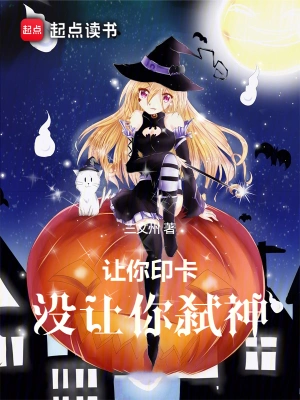 I Asked You to Seal the Card, but I Didn't Ask You to Kill the Gods.
 Admiral in the Blue World
 My Protagonist Lady Is Unreliable
Duel Rules (Draft)
1. Victory conditions ① The person whose life value reaches zero loses; ② During the card drawing phase of the duelist, if there are no cards in the spell deck, he loses; ③ Victory conditions stated in other card effects; During your side's discard phase, there are up to five cards in the hand area, and any cards exceeding five will be discarded during the discard phase. ②Spell area: The area on the field, with a total of five card slots, covering the area where spell cards are activated. ③ Follower area: The area on the field, with a total of five card slots, the area that exists after the follower is summoned or special summoned. ④Graveyard area: 1. The area entered after the spell card is used, destroyed, and sent to the grave; 2. The area entered after the follower card is destroyed, sent to the grave, or liberated. ⑤Exclusion area: The area entered after the card is excluded. Cards in the excluded area generally do not! Able! Make! Use! ! ! 3. Deck ① Follower deck: A deck that stores follower cards. The duelist can only play once in the main phase. You can pay 1 soul point to look at the top card of the minion deck and choose whether to normal summon it. (1. When you pay soul points but do not perform normal summons, shuffle the follower deck) (2. The side with no cards in the follower deck enters a berserk state: the follower will perform damage calculation when fighting.) ②Spell deck: a deck that stores spell cards. At the beginning of the duel, the duelist draws five cards from the spell deck. After that, the duelist can draw one card from the spell deck during each card drawing phase. 4. Cards ① Follower card: a card for combat. You can attack once during your own battle phase (if there are other followers on the opponent's field, you must attack the opponent's followers first). Follower cards can appear through normal summons, special summons by card effects, or form transformation. (Followers with Starlight form on the field can convert themselves into Starlight form when the self-conversion conditions are met.) ②Spell cards: divided into ordinary spell cards, instant spell cards, and permanent spell cards. The use of spell cards requires that there are free card slots in your own spell area. (Ordinary spell cards: can be activated from the hand during the main phase of one's turn. The non-covered state cannot chain other card effects to be activated. When the ordinary spell card in the covered state meets the activation conditions of the effect, the effect can be activated at any stage outside the covering round. After activation, the card enters the graveyard.) (Instant spell card: when the activation conditions are met, it can be activated from the hand at any stage, and can chain the effects of other cards. After activation, the card enters the graveyard.) (Permanent spell card: a spell card that always exists on the field after activation. As long as it is on the field, the effect will continue to take effect. The rest are the same as ordinary spell cards.) 5. Health points and soul points ① Health value: Depending on the level of the duelist, the health value during duel is different (duelists of different levels cannot be matched.) Level 1~3: 4000 health value; Level 4~6: 6000 health value; Level 7~9: 8000 health value. (The duelist can cause combat damage through direct attack, violent state, and card effect damage to reduce the opponent's health.) (The health value paid is cost, not considered as damage.) ②Soul points: the upper limit is 3. At the beginning of the duel, both sides receive 3 soul points, and at the beginning of each own side's turn, the duelist receives 1 soul point. The duelist can pay 2 soul points to activate the minion card effect with the applicable effect from the minion deck. The duelist can liberate two followers on his side during the main phase and recover 1 soul point. 6. Effect settlement and timing Duelists can activate card effects at the time when the effect is applicable. If the effects of other cards are activated in a chain, the effects will be processed first and then activated. Example: ①Phase: When each stage begins, when each stage ends, and when the stage is in progress. ② Combat: When declaring an attack → When selecting an attack target → During combat → During damage calculation → When the follower is destroyed by battle → When the destroyed follower enters the graveyard → After the follower enters the graveyard ③ Card effect: When using or summoning a card → Pay the cost → When activating the card effect → "When the effect target is selected" → When the effect takes effect (after being affected by the effect) → After the effect takes effect (after being affected by the effect) → Spell The card is settled and entered into the graveyard ④Summoning: Normal summoning to pay soul points→When summoning and special summoning→When summoning and special summoning is successful→After summoning and special summoning is successful ⑤Form transformation: During form transformation and after form transformation 7. Control power ①Control power: The power to control card combat and activate effects. Duelists have control of cards on their own field. ②Ownership: The cards in the deck at the beginning of the duel are owned by the duelist himself. The card whose control has been transferred returns to the area owned by the holder when it is entered into the graveyard, banished, or returned to the deck. 8. Combat Followers with high spiritual values can destroy low spiritual followers in battle, and can inflict combat damage to the controller of low spiritual followers in a violent state equal to the difference in spiritual values between the two combatants. (When calculating combat damage, if your minion deck has cards, the combat damage caused by you attacking the opponent's minion is 0.) (Frenzy state: During combat damage calculation, if your minion deck has no cards, you can give the opponent combat damage.) (The frenzied state only involves you as the source of combat damage calculation.) (Explanation: When a duelist in a violent state uses a low-spirit follower to actively attack an opponent's high-spiritual follower, if the opponent is not in a violent state, the duelist will not suffer combat damage, but the follower's combat damage will be calculated normally.) 9. Form Transformation Followers with Starlight Form on the field will undergo form transformation when the conditions for form transformation are met. 1. Form transformations that are not triggered by the follower's own effects are not included in the chain; 2. Form transformations that complete the transformation conditions are not follower effects. 10. Rule Applicability If there is no corresponding description in the effect text, the rule description shall prevail. When the effect text conflicts with the rules, the effect text shall prevail. Ninety-nine. Right of interpretation The right to interpret this rule belongs to me, and I can modify and add new rules according to the situation. (Akimbo)
No more
Starting point, witness every cyber tombstone
I haven't watched it for a long time, I'm dying...
This is because Alice's card has not been printed enough. Let's continue printing here, right?
Please correct that typo in the introduction.