Chinese civilization has lasted for thousands of years and has continued to shine in the long history. This beautiful land in Yunnan, Guizhou and Sichuan in southwest China is not only a witness to the evolution of life, but also a home for many ethnic groups to live and reproduce for generations. Although high mountains, dense forests and large rivers isolated people on the plateau, river valleys and mountains, the ancestors still used extraordinary courage to open up the Sichuan Poison Road through the natural dangers. During the Western Han Dynasty, Zhang Qian went on a mission to the Western Regions and discovered Shu brocade and Qiong bamboo sticks produced in Shu in Daxia, thus unveiling the ancient international passage that had long been hidden in southwest China. Emperor Wu of the Han Dynasty opened up the southwestern Yi, and the Han culture of the Central Plains and the civilizations of various ethnic groups collided and blended with each other on this passage. The male protagonist from Shu and the female protagonist from Dian Kingdom met on this ancient road and wrote a love legend that spans thousands of years. This corridor connecting various ethnic groups is like a giant dragon entrenched on the top of the Hengduan Mountains, winding through the mountains of the Yunnan-Guizhou Sichuan River, and finally extending to the hinterland of Southeast Asia. It is not only a golden trade route for ancient horse caravans to transport salt, iron, and tea, but also forged a diverse civilization in the Yunnan-Guizhou-Sichuan region in which "landscapes are the bones and humanities are the marrow" in its long history. The ancient road from the depths of history is not only a geographical passage, but more like a flowing river of time. From the Shushen Poison Road in the Western Han Dynasty to the blood and tears of the modern Yunnan-Burma Highway, this river of time carries the footprints of ancient business travelers, witnesses the weight of national survival, and nourishes the spiritual pursuit of modern travelers. This link of civilization that spans thousands of years is like a silent watcher of history, quietly witnessing the changes in the Southwest and is still writing new chapters.
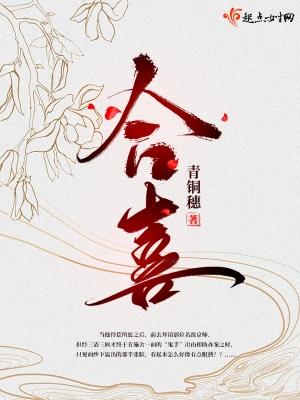 Hexi
Hexi
 Rescue System: Escape Host, Please Calm Down.
 I Am Yinzhen Fujin
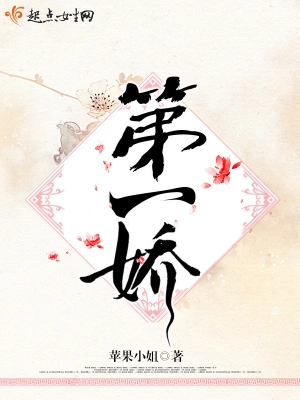 The First Beauty
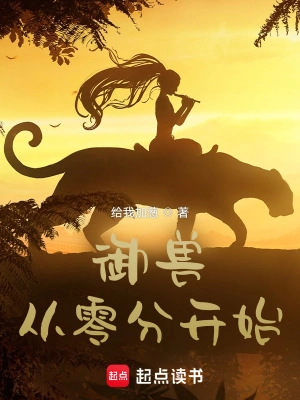 Beast Control Starts from Zero Points
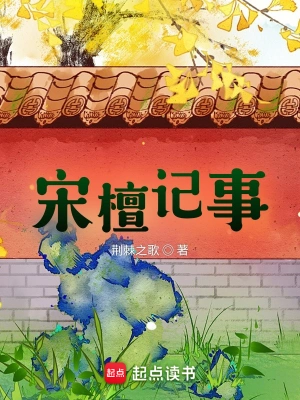 Song Tan's Notes
 Zheng Loves a Person with One Heart
 Abandoned Wives Are at Ease
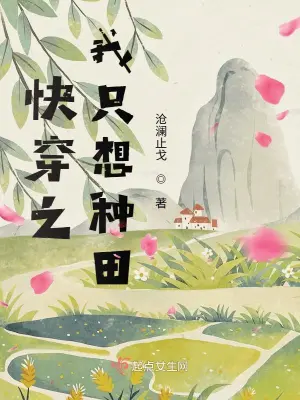 Quickly Wear It: I Just Want to Farm
 Northern Song Life Consultant
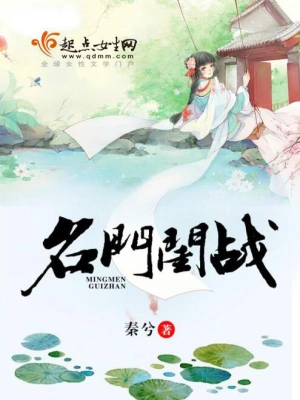 Fight Between Famous Girls
 Houfu
Houfu