Library
Browse and search books
471 novels found
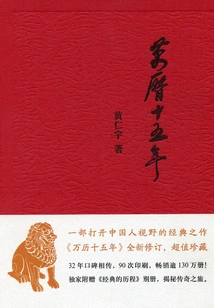
万历十五年(经典版)
Huang Renyu
This book includes Huang Renyu's "The Battle of Liaodong in 1619" and several other articles, as well as more than 40 selected black and white and color historical pictures, Huang Renyu's photos and handwritings. The fifteenth year of Wanli, that is, 1587 AD, was the year before the entire Spanish fleet was dispatched to conquer Britain in Western European history. In China, during this ordinary year, several events occurred that historians easily overlook. Although these events may seem like the last minute details on the surface, they are actually the crux of major events that happened in the past, and they are also opportunities that will cause waves in the future. In the eyes of historian Huang Renyu, the relationship between cause and effect is the focus of history, and our journey of great history begins from this...
This book includes Huang Renyu's "The Battle of Liaodong in 1619" and several other articles, as well as more than 40 selected black and white and color historical pictures, Huang Renyu's photos and handwritings. The fifteenth year of Wanli, that is, 1587 AD, was the year before the entire Spanish fleet was dispatched to conquer Britain in Western European history. In China, during this ordinary year, several events occurred that historians easily overlook. Although these events may seem like the last minute details on the surface, they are actually the crux of major events that happened in the past, and they are also opportunities that will cause waves in the future. In the eyes of historian Huang Renyu, the relationship between cause and effect is the focus of history, and our journey of great history begins from this...
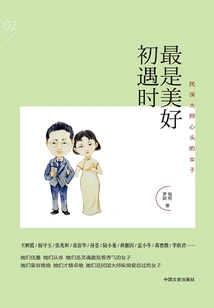
最是美好初遇时
Zhang Ming Luo Juan
This book starts from the love between 15 masters and talented women of the Republic of China, focuses on their love experiences, and summarizes the little-known love stories of many masters and talented women. Read this book and savor the love of these masters and talented women. Through the basis of love, we can see the honor, disgrace, joy and pain of these masters and talented women's lives, their unique and extraordinary marriage experiences, and the twists and turns, grudges and grudges they have experienced in love and marriage...
This book starts from the love between 15 masters and talented women of the Republic of China, focuses on their love experiences, and summarizes the little-known love stories of many masters and talented women. Read this book and savor the love of these masters and talented women. Through the basis of love, we can see the honor, disgrace, joy and pain of these masters and talented women's lives, their unique and extraordinary marriage experiences, and the twists and turns, grudges and grudges they have experienced in love and marriage...
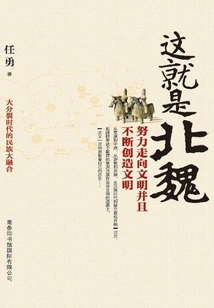
This is the Northern Wei Dynasty: Moving Towards Civilization and Constantly Creating Civilization
History这就是北魏:走向文明并且不断创造文明
Ren Yong
The once glorious Tuoba Xianbei people could not escape the fate of leaving sadly in a feudal society where political power changed like a revolving door. Even the Xianbei nation disappeared in the smoke of history. However, the civilization and glory created by the Tuoba Xianbei people were forever engraved on stones and passed down for a long time...
The once glorious Tuoba Xianbei people could not escape the fate of leaving sadly in a feudal society where political power changed like a revolving door. Even the Xianbei nation disappeared in the smoke of history. However, the civilization and glory created by the Tuoba Xianbei people were forever engraved on stones and passed down for a long time...
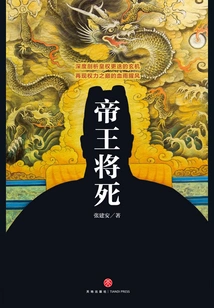
The Emperor is Dying
History帝王将死
Zhang Jianan
At the last moment of life, the emperor's will is bound to become the focus of global attention in an instant. It is accompanied by political confrontations, power struggles, family battles, relatives' quarrels, and the collision of reality and the emperor's last wishes. It is full of loyalty and betrayal, conspiracy and killing, cruelty and helplessness... Breaking out of the traditional historical perspective, using words and fine words, analyze the code of the emperor's will and solve many historical mysteries.
At the last moment of life, the emperor's will is bound to become the focus of global attention in an instant. It is accompanied by political confrontations, power struggles, family battles, relatives' quarrels, and the collision of reality and the emperor's last wishes. It is full of loyalty and betrayal, conspiracy and killing, cruelty and helplessness... Breaking out of the traditional historical perspective, using words and fine words, analyze the code of the emperor's will and solve many historical mysteries.
成语说东周
You Lei
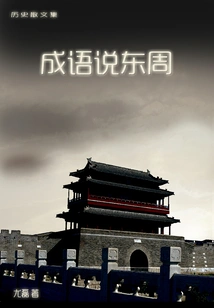
Using time series as the warp and historical facts as the weft, we can clarify the internal logic of the rise and fall of the family and reveal the universal laws of social development. The long historical prose "Idioms on the Eastern Zhou Dynasty" is based on "Zuo Zhuan" and "Warring States Policy", as well as "Spring and Autumn", "Historical Records", "Guoyu", "Eastern Zhou Dynasty" and other classics. It penetrates the trump card of history, understands the mystery of culture, explores the origin of idioms, and gives you the real reason why Qin destroyed the six kingdoms.
Using time series as the warp and historical facts as the weft, we can clarify the internal logic of the rise and fall of the family and reveal the universal laws of social development. The long historical prose "Idioms on the Eastern Zhou Dynasty" is based on "Zuo Zhuan" and "Warring States Policy", as well as "Spring and Autumn", "Historical Records", "Guoyu", "Eastern Zhou Dynasty" and other classics. It penetrates the trump card of history, understands the mystery of culture, explores the origin of idioms, and gives you the real reason why Qin destroyed the six kingdoms.
民国作家的别材与别趣
Zhang Xiangdong
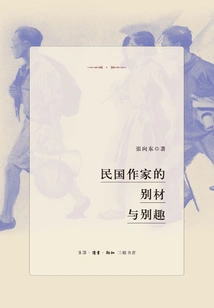
The subjects discussed in this book include eight writers (artists) including Lu Xun, Hu Shi, Gu Jiegang, Luo Jialun, Yi Junzuo, Ding Ling, Hong Shen and Xu Beihong. These eight writers have different identities. Some are scholars, some are writers, and some hold multiple responsibilities; some are famous, and some are little known. Some of their life trajectories ended up in the mainland, and some drifted overseas; their creations were either focused on enlightenment, or devoted to personal interests, a mixture of new and old, public and private, poetry, calligraphy and painting, all good at them... In short, it is difficult to summarize them in one word. The research angle chosen by the author is an aspect that is not paid much attention in general research, including their little-known life experiences and personal interests, Gaga's unique artistic creation, maverick personality, etc., Presenting to readers the "unique talents" and "unique interests" of these artists that are not well known.
The subjects discussed in this book include eight writers (artists) including Lu Xun, Hu Shi, Gu Jiegang, Luo Jialun, Yi Junzuo, Ding Ling, Hong Shen and Xu Beihong. These eight writers have different identities. Some are scholars, some are writers, and some hold multiple responsibilities; some are famous, and some are little known. Some of their life trajectories ended up in the mainland, and some drifted overseas; their creations were either focused on enlightenment, or devoted to personal interests, a mixture of new and old, public and private, poetry, calligraphy and painting, all good at them... In short, it is difficult to summarize them in one word. The research angle chosen by the author is an aspect that is not paid much attention in general research, including their little-known life experiences and personal interests, Gaga's unique artistic creation, maverick personality, etc., Presenting to readers the "unique talents" and "unique interests" of these artists that are not well known.
A Lesson from the Ming Dynasty over the Past Century: Xiong Zhaozheng's Notes on Reading History
History百年明朝一鉴开:熊召政读史笔记
Xiong Zhaozheng
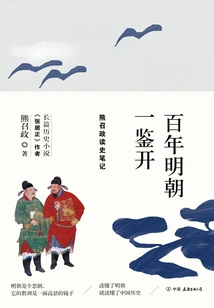
Direct comments on historical figures and overall thinking use evaluative narrative methods to tell and comment on some typical historical figures, historical events and historical stories of the Ming Dynasty. The book is divided into three chapters. The first chapter is a direct comment on some historical figures and an overall reflection. Chapters two and three are the main body of the book, mainly describing and commenting on famous historical figures of the Ming Dynasty such as Liu Bowen, Song Lian, Fang Xiaoru, Yao Guangxiao, Xie Jin, Li Dongyang, Yang Tinghe, Yan Song, Xu Jie, Ye Xianggao, Zhang Juzheng, Zhang Cong and so on.
Direct comments on historical figures and overall thinking use evaluative narrative methods to tell and comment on some typical historical figures, historical events and historical stories of the Ming Dynasty. The book is divided into three chapters. The first chapter is a direct comment on some historical figures and an overall reflection. Chapters two and three are the main body of the book, mainly describing and commenting on famous historical figures of the Ming Dynasty such as Liu Bowen, Song Lian, Fang Xiaoru, Yao Guangxiao, Xie Jin, Li Dongyang, Yang Tinghe, Yan Song, Xu Jie, Ye Xianggao, Zhang Juzheng, Zhang Cong and so on.
中国王朝内争实录:变法悲歌
Zhao Dongyan
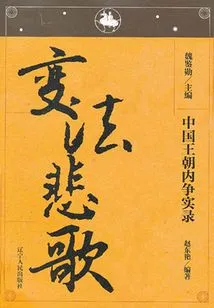
Looking at the history of the development of new things, there are various forms of struggle between the old and the new. "Records of Chinese Dynasty Civil Struggles: The Elegy of the Reform" presents the old and new struggles in those historical turning points and dynasty crisis periods in front of readers, allowing people to understand and reminisce about it. "Records of Chinese Dynasty Civil Struggles: The Elegy of the Reform" In the turbulent historical ups and downs, whenever new things appear, they are always blocked by the strong forces of the old forces. Because of this, new things are always subject to setbacks, trauma, and even temporary demise. However, its powerful vitality is endless, its huge role in promoting history is irrefutable, and the wealth it leaves to people is very rich. New things always advance in twists and turns, and new things will eventually defeat old things. This is how history develops in twists and turns. This book is edited by Zhao Dongyan.
Looking at the history of the development of new things, there are various forms of struggle between the old and the new. "Records of Chinese Dynasty Civil Struggles: The Elegy of the Reform" presents the old and new struggles in those historical turning points and dynasty crisis periods in front of readers, allowing people to understand and reminisce about it. "Records of Chinese Dynasty Civil Struggles: The Elegy of the Reform" In the turbulent historical ups and downs, whenever new things appear, they are always blocked by the strong forces of the old forces. Because of this, new things are always subject to setbacks, trauma, and even temporary demise. However, its powerful vitality is endless, its huge role in promoting history is irrefutable, and the wealth it leaves to people is very rich. New things always advance in twists and turns, and new things will eventually defeat old things. This is how history develops in twists and turns. This book is edited by Zhao Dongyan.
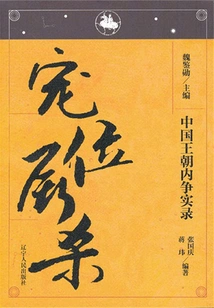
中国王朝内争实录:宠位厮杀
Zhang Guoqing Jiang Wei
"Records of Chinese Dynasty Struggles: Fighting for Favor" selects a number of more representative or typical examples of competition for favor from numerous historical records. It adopts the form of mainly narration and interspersed with narration and discussion to introduce to readers some historical facts about the unscrupulous efforts to compete for favor, win favor, and maintain favor. In this way, it strives to reveal the complexity and cruelty of palace struggles under the feudal system, as well as the endless disasters these struggles bring to the country and society. The purpose is to draw lessons from history for the benefit of future generations.
"Records of Chinese Dynasty Struggles: Fighting for Favor" selects a number of more representative or typical examples of competition for favor from numerous historical records. It adopts the form of mainly narration and interspersed with narration and discussion to introduce to readers some historical facts about the unscrupulous efforts to compete for favor, win favor, and maintain favor. In this way, it strives to reveal the complexity and cruelty of palace struggles under the feudal system, as well as the endless disasters these struggles bring to the country and society. The purpose is to draw lessons from history for the benefit of future generations.
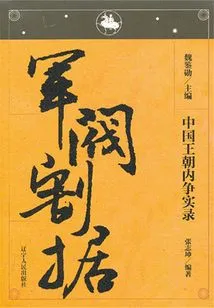
中国王朝内争实录:军阀割据
Zhang Zhikun
The book "Records of Civil Struggles in Chinese Dynasties: Warlord Separatism" selects the essence from the historical facts of wars between separatist regimes in past dynasties and compiles them into a volume. The purpose is to allow people to see clearly the darkness and barbarity of feudal warlords, understand the destructiveness and harm of separatist wars through these bloody battles and battles, learn from experience and lessons, cherish today's stability and unity more, and yearn for a peaceful and happy tomorrow.
The book "Records of Civil Struggles in Chinese Dynasties: Warlord Separatism" selects the essence from the historical facts of wars between separatist regimes in past dynasties and compiles them into a volume. The purpose is to allow people to see clearly the darkness and barbarity of feudal warlords, understand the destructiveness and harm of separatist wars through these bloody battles and battles, learn from experience and lessons, cherish today's stability and unity more, and yearn for a peaceful and happy tomorrow.
皇帝的影子有多长
Yang Nianqun
History can also be emotional, and reading and studying history can also be a form of aesthetics. The author is determined to change the current situation in which historical research is focused on being divorced from the secular world, and advocates an emotional history, hoping that history will become a living history of people that exudes warmth. Therefore, reading and studying history can also be an aesthetic, a taste, and a kind of useless learning, which can nourish our lives subtly.
History can also be emotional, and reading and studying history can also be a form of aesthetics. The author is determined to change the current situation in which historical research is focused on being divorced from the secular world, and advocates an emotional history, hoping that history will become a living history of people that exudes warmth. Therefore, reading and studying history can also be an aesthetic, a taste, and a kind of useless learning, which can nourish our lives subtly.
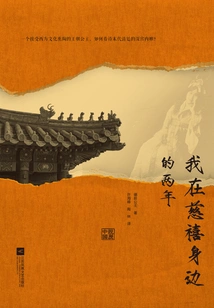
我在慈禧身边的两年
De Ling
The author of this book, Princess De Ling, was the daughter of the Qing ambassador to France, and was later selected by Cixi as her personal female official. From the perspective of an "ordinary person" who has received Western education of freedom and equality, Princess De Ling describes Cixi's diet, daily life, clothing, hobbies, temperament, character, and inner world in a large amount of space, showing another side of Cixi that few people know. At the same time, the book also records a series of events such as the portrait of the Queen Mother, the Queen Mother's birthday, the emperor's birthday, memorials to Xianfeng, the Mid-Autumn Festival, and the New Year. Many of the contents are mutually corroborated with major historical events that occurred, and are of great historical value for studying the court and social and political life of the late Qing Dynasty.
The author of this book, Princess De Ling, was the daughter of the Qing ambassador to France, and was later selected by Cixi as her personal female official. From the perspective of an "ordinary person" who has received Western education of freedom and equality, Princess De Ling describes Cixi's diet, daily life, clothing, hobbies, temperament, character, and inner world in a large amount of space, showing another side of Cixi that few people know. At the same time, the book also records a series of events such as the portrait of the Queen Mother, the Queen Mother's birthday, the emperor's birthday, memorials to Xianfeng, the Mid-Autumn Festival, and the New Year. Many of the contents are mutually corroborated with major historical events that occurred, and are of great historical value for studying the court and social and political life of the late Qing Dynasty.
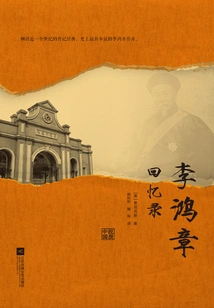
Memoirs of Li Hongzhang
History李鸿章回忆录
(u. S.) Francis Mannix
This book shows the situation in China in the late Qing Dynasty in the form of a diary - how to quell the Taiping Rebellion, the story behind the two times Empress Dowager Cixi attended the government behind the curtain, the struggle for power among various factions in the Reform Movement, the entanglement of the Boxer Rebellion, and the fear of the Eight-Power Allied Forces entering Beijing and Cixi's hasty escape... It truly shows a real and unknown Empress Dowager Cixi.
This book shows the situation in China in the late Qing Dynasty in the form of a diary - how to quell the Taiping Rebellion, the story behind the two times Empress Dowager Cixi attended the government behind the curtain, the struggle for power among various factions in the Reform Movement, the entanglement of the Boxer Rebellion, and the fear of the Eight-Power Allied Forces entering Beijing and Cixi's hasty escape... It truly shows a real and unknown Empress Dowager Cixi.
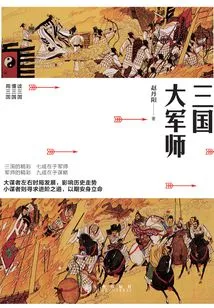
三国大军师
Zhao Danyang
The enduring charm of the Three Kingdoms lies in strategy, and strategy comes from military division. Seventy percent of the splendor of the Three Kingdoms lies in military advisors; ninety percent of the splendor of military advisors lies in strategies. Strategies may be big or small, they may succeed or fail, they may be far or near, they may gain or lose. Those with big plans control the development of the current situation and influence the trend of history, while those with small plans seek ways to advance in order to settle down and survive. Both are indispensable. The strategy of the Three Kingdoms, which has traveled through thousands of years, is still talked about today because it has been integrated into the cultural genes of the Chinese people and affects the thinking of the Chinese people all the time. This book tells the representative deeds of the military advisors and counselors of the Three Kingdoms, analyzes their strategies, and extracts their wisdom from a modern perspective, allowing readers to read, understand, and use the Three Kingdoms.
The enduring charm of the Three Kingdoms lies in strategy, and strategy comes from military division. Seventy percent of the splendor of the Three Kingdoms lies in military advisors; ninety percent of the splendor of military advisors lies in strategies. Strategies may be big or small, they may succeed or fail, they may be far or near, they may gain or lose. Those with big plans control the development of the current situation and influence the trend of history, while those with small plans seek ways to advance in order to settle down and survive. Both are indispensable. The strategy of the Three Kingdoms, which has traveled through thousands of years, is still talked about today because it has been integrated into the cultural genes of the Chinese people and affects the thinking of the Chinese people all the time. This book tells the representative deeds of the military advisors and counselors of the Three Kingdoms, analyzes their strategies, and extracts their wisdom from a modern perspective, allowing readers to read, understand, and use the Three Kingdoms.
Historical Nostalgia
History历史的乡愁
Xiong Zhaozheng
This work is a collection of lecture notes given by Mr. Xiong Zhaozheng at well-known universities such as Peking University, Renmin University, and Wuhan University, covering all aspects of history, literature, life, society, and daily life. These speeches are the result of the author's years of reading and thinking. They sparkle with wisdom and permeate with a sense of worry. For example, the author is deeply worried about social issues such as the prevalence of money worship in today's society, the rupture of traditional culture, and the loss of awe. They convey the sense of responsibility of a historian and writer: to resurrect history so that people today can examine the present and gain insight into the future from the distant past.
This work is a collection of lecture notes given by Mr. Xiong Zhaozheng at well-known universities such as Peking University, Renmin University, and Wuhan University, covering all aspects of history, literature, life, society, and daily life. These speeches are the result of the author's years of reading and thinking. They sparkle with wisdom and permeate with a sense of worry. For example, the author is deeply worried about social issues such as the prevalence of money worship in today's society, the rupture of traditional culture, and the loss of awe. They convey the sense of responsibility of a historian and writer: to resurrect history so that people today can examine the present and gain insight into the future from the distant past.
Q
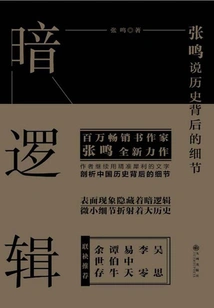
暗逻辑:张鸣说历史背后的细节
Zhang Ming
Yuan Shikai ascended the throne and proclaimed himself emperor, but Xu Shichang's attitude was incomprehensible. What kind of mystery was he hiding? Zhang Zuolin dominates the Northeast and frightens the heroes, does he rely on his ability as a veterinarian? ... It was an era of heroes, a star-studded historical sky, with military and political giants, dignitaries, and literati taking turns to appear. However, they thought they controlled their lives and destiny, but in fact they were just well-dressed and bossy puppets, controlled and influenced by a strange relationship. This is the dark logic of history, which controls people's behavior and determines the direction of events. This time, Mr. Zhang Ming, a master of history, once again cleared away the fog of history, and continued to use precise and sharp words to humorously analyze the small figures in the big history and the big masters in the small details. He also explored the hidden logic behind the historical phenomena and told you a real century of modern times.
Yuan Shikai ascended the throne and proclaimed himself emperor, but Xu Shichang's attitude was incomprehensible. What kind of mystery was he hiding? Zhang Zuolin dominates the Northeast and frightens the heroes, does he rely on his ability as a veterinarian? ... It was an era of heroes, a star-studded historical sky, with military and political giants, dignitaries, and literati taking turns to appear. However, they thought they controlled their lives and destiny, but in fact they were just well-dressed and bossy puppets, controlled and influenced by a strange relationship. This is the dark logic of history, which controls people's behavior and determines the direction of events. This time, Mr. Zhang Ming, a master of history, once again cleared away the fog of history, and continued to use precise and sharp words to humorously analyze the small figures in the big history and the big masters in the small details. He also explored the hidden logic behind the historical phenomena and told you a real century of modern times.
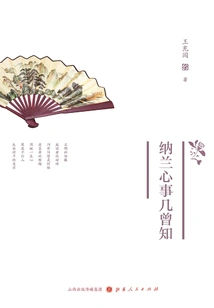
纳兰心事几曾知
Wang Chonglu
"How Many Times Have You Known Nalan's Heart" is a collection of historical essays, which mainly includes 25 works of Mr. Wang Chonglu, including "Walking Early on a Cold Night", "When Human Relations Encounters Politics", "A Life-Spent Life", "The Sorrow of Losing an Opponent", etc. This book focuses on three major themes: historical figures, domestic and foreign literary figures, and historical culture. This manuscript reviews some life anecdotes of political figures such as Diao Chan, Qin Shihuang, and Zeng Guofan; the unique life experiences and characteristics of their works of domestic and foreign literary giants such as Li Bai and Leo Tolstoy; These prose works are written elegantly and calmly, with profound and far-reaching connotations. They lead history and tradition to modern times, lead to the depths of human nature, and are thought-provoking.
"How Many Times Have You Known Nalan's Heart" is a collection of historical essays, which mainly includes 25 works of Mr. Wang Chonglu, including "Walking Early on a Cold Night", "When Human Relations Encounters Politics", "A Life-Spent Life", "The Sorrow of Losing an Opponent", etc. This book focuses on three major themes: historical figures, domestic and foreign literary figures, and historical culture. This manuscript reviews some life anecdotes of political figures such as Diao Chan, Qin Shihuang, and Zeng Guofan; the unique life experiences and characteristics of their works of domestic and foreign literary giants such as Li Bai and Leo Tolstoy; These prose works are written elegantly and calmly, with profound and far-reaching connotations. They lead history and tradition to modern times, lead to the depths of human nature, and are thought-provoking.
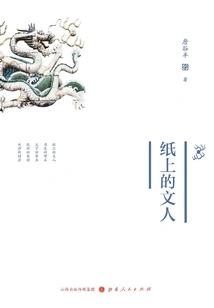
Literati on Paper
History纸上的文人
Zhan Gufeng
Although the Republic of China was an era of turmoil and poverty, the intellectuals of that era lived with dignity and respect, and they could find a social space in which they could grow freely. At that time, everyone at the top and bottom showed great tolerance and respect for the unique ideas of intellectuals. "Literati on Paper" is a collection of historical essays, consisting of five articles, which vividly depict the pride and pride shown by Zhang Jiluan, Chen Yinke, Hu Shi, Fu Sinian and other intellectuals of the Republic of China in maintaining the dignity and respectability of intellectuals in the reality of complex national, social and class conflicts.
Although the Republic of China was an era of turmoil and poverty, the intellectuals of that era lived with dignity and respect, and they could find a social space in which they could grow freely. At that time, everyone at the top and bottom showed great tolerance and respect for the unique ideas of intellectuals. "Literati on Paper" is a collection of historical essays, consisting of five articles, which vividly depict the pride and pride shown by Zhang Jiluan, Chen Yinke, Hu Shi, Fu Sinian and other intellectuals of the Republic of China in maintaining the dignity and respectability of intellectuals in the reality of complex national, social and class conflicts.
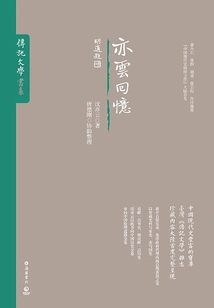
Yiyun Memories
History亦云回忆
Shen Yiyun
Shen Yiyun is the wife of Huang Yong, a prominent political figure in the early Republic of China. She has witnessed the turbulent Chinese politics in modern history. This book is a first-hand historical material for studying the political arena in the early Republic of China and is of extremely high value. Huang Yong had close relations with Sun Yat-sen, Chen Qimei, Huang Xing and others before and after the Revolution of 1911, and became sworn brothers with Chen Qimei and Chiang Kai-shek, but he was not a member of the Kuomintang. He has held important positions in the Beiyang government. In the "Beijing coup" launched by Feng Yuxiang, he was the man behind the scenes and played an important role. After Chiang Kai-shek established the National Government in Nanjing, he immediately became the political soul of the Chiang family. From this book of memories, we can understand Huang's character and way of dealing with the world, and witness that Huang's ideal is to continue to complete the unfinished business of the Revolution of 1911. We can also see Huang Yong's difficult situation as a person who had a great influence on Chiang Kai-shek's governance, which also reflects the reasons for Chiang Kai-shek's final failure.
Shen Yiyun is the wife of Huang Yong, a prominent political figure in the early Republic of China. She has witnessed the turbulent Chinese politics in modern history. This book is a first-hand historical material for studying the political arena in the early Republic of China and is of extremely high value. Huang Yong had close relations with Sun Yat-sen, Chen Qimei, Huang Xing and others before and after the Revolution of 1911, and became sworn brothers with Chen Qimei and Chiang Kai-shek, but he was not a member of the Kuomintang. He has held important positions in the Beiyang government. In the "Beijing coup" launched by Feng Yuxiang, he was the man behind the scenes and played an important role. After Chiang Kai-shek established the National Government in Nanjing, he immediately became the political soul of the Chiang family. From this book of memories, we can understand Huang's character and way of dealing with the world, and witness that Huang's ideal is to continue to complete the unfinished business of the Revolution of 1911. We can also see Huang Yong's difficult situation as a person who had a great influence on Chiang Kai-shek's governance, which also reflects the reasons for Chiang Kai-shek's final failure.
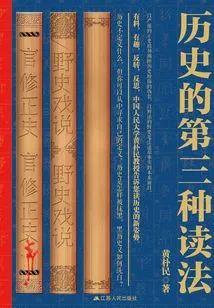
历史的第三种读法
Huang Pumin
"The Third Way of Reading History" is a collection of historical essays by Professor Huang Pumin, a famous Chinese scholar, expert in ancient intellectual history and military history. "The Third Way of Reading History" has twenty-nine chapters and more than 100,000 words. "The Third Reading of History" is different from the historical academic research work of "Yangchun Baixue" and the historical drama and romance of "Lower Riba Man". Instead, it adopts the "Third Reading" that combines academic and popular nature to reflect on the merits and demerits of important figures in history. From the struggle for hegemony in the Spring and Autumn Period, to the machinations of emperors, to the honor and disgrace of heroes, to the changes in ideology and culture. "The Third Way of Reading History" is based on profound academic accumulation and written in the form of lively and vivid essays. It not only has a macro grasp of historical laws and strategic trends, but also microscopic examinations of historical details and characters. It does not joke or subvert, but has unique insights and is refreshing.
"The Third Way of Reading History" is a collection of historical essays by Professor Huang Pumin, a famous Chinese scholar, expert in ancient intellectual history and military history. "The Third Way of Reading History" has twenty-nine chapters and more than 100,000 words. "The Third Reading of History" is different from the historical academic research work of "Yangchun Baixue" and the historical drama and romance of "Lower Riba Man". Instead, it adopts the "Third Reading" that combines academic and popular nature to reflect on the merits and demerits of important figures in history. From the struggle for hegemony in the Spring and Autumn Period, to the machinations of emperors, to the honor and disgrace of heroes, to the changes in ideology and culture. "The Third Way of Reading History" is based on profound academic accumulation and written in the form of lively and vivid essays. It not only has a macro grasp of historical laws and strategic trends, but also microscopic examinations of historical details and characters. It does not joke or subvert, but has unique insights and is refreshing.
Meng Xi's Written Talk
History孟溪笔谈
Meng Lingyi
In the historical essay part, the author mainly analyzes major events such as the decline of Qin, the reform of the Northern and Southern Dynasties, and the struggle between Chu and Han, trying to find out the laws of historical development; in the literary review part, the author analyzes the works of many deceased great writers, and combines it with film reviews to tell his own understanding of literary and artistic creation techniques; in the walking chapter , which records the author's thoughts while traveling around the world. The article is full of love for exotic scenery and admiration for foreign cultures; in the poem, the author expresses his love and praise for life between the lines; in the script, the author uses his extraordinary imagination to conceive of a wonderful light comedy, exuding the beautiful light in people's hearts. Through the above parts, this book demonstrates the author's rich knowledge reserves and creative talents. The article is excerpted from the author's public account and has won unanimous praise from readers.
In the historical essay part, the author mainly analyzes major events such as the decline of Qin, the reform of the Northern and Southern Dynasties, and the struggle between Chu and Han, trying to find out the laws of historical development; in the literary review part, the author analyzes the works of many deceased great writers, and combines it with film reviews to tell his own understanding of literary and artistic creation techniques; in the walking chapter , which records the author's thoughts while traveling around the world. The article is full of love for exotic scenery and admiration for foreign cultures; in the poem, the author expresses his love and praise for life between the lines; in the script, the author uses his extraordinary imagination to conceive of a wonderful light comedy, exuding the beautiful light in people's hearts. Through the above parts, this book demonstrates the author's rich knowledge reserves and creative talents. The article is excerpted from the author's public account and has won unanimous praise from readers.
历史岂有底稿Ⅱ
Hou Xingguo
Reading history is like drinking. First, you have to taste it, secondly, you have to enjoy it slowly, and thirdly, don't overdo it. A tipsy state is good. This book is a collection of the author's historical essays, from Han Feizi to Kant, from Wang Zhaojun to Nalan Rongruo, from Song of Everlasting Sorrow to Charlotte's Sorrow, taking you through the time tunnel and experiencing the dust of history. History is like a deep mansion, and we all occasionally see a little bit through the cracks in the door.
Reading history is like drinking. First, you have to taste it, secondly, you have to enjoy it slowly, and thirdly, don't overdo it. A tipsy state is good. This book is a collection of the author's historical essays, from Han Feizi to Kant, from Wang Zhaojun to Nalan Rongruo, from Song of Everlasting Sorrow to Charlotte's Sorrow, taking you through the time tunnel and experiencing the dust of history. History is like a deep mansion, and we all occasionally see a little bit through the cracks in the door.
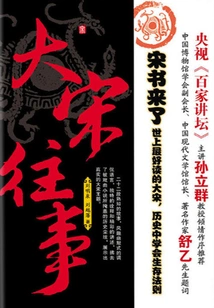
大宋往事
Liu Mingquan Liu Yuefan
When driving on the road, you will always encounter crossroads. In fact, history also has crossroads. Speaking of which, it took about a thousand years from the unification of China by Qin Shihuang to the founding of the Northern Song Dynasty, and more than a thousand years from the founding of the Northern Song Dynasty to the present. History has just reached a crossroads. Generally speaking, wherever you are at a crossroads, you will always find excitement - the Song Dynasty is the most lively and story-telling dynasty. "Past Events of the Song Dynasty" provides a panoramic description of "Past Events of the Song Dynasty". It provides unique interpretations and wonderful narrations of many stories and events familiar to readers, brushing away the historical dust covered up by opera novels and showing people a real Song Dynasty.
When driving on the road, you will always encounter crossroads. In fact, history also has crossroads. Speaking of which, it took about a thousand years from the unification of China by Qin Shihuang to the founding of the Northern Song Dynasty, and more than a thousand years from the founding of the Northern Song Dynasty to the present. History has just reached a crossroads. Generally speaking, wherever you are at a crossroads, you will always find excitement - the Song Dynasty is the most lively and story-telling dynasty. "Past Events of the Song Dynasty" provides a panoramic description of "Past Events of the Song Dynasty". It provides unique interpretations and wonderful narrations of many stories and events familiar to readers, brushing away the historical dust covered up by opera novels and showing people a real Song Dynasty.
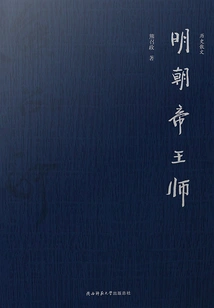
明朝帝王师
Xiong Zhaozheng
Xiong Zhaozheng selected 15 representative emperors in the 276-year history of the Ming Dynasty, recorded their ups and downs in the political arena, and made an evaluation of each person. The imperial teachers of the Ming Dynasty were a very special group of people. Not only were they teachers of the emperor, many of them also became the chief assistants or ministers of the Ming Dynasty and participated in political activities and policy formulation. From the rise and fall of their fate and life success, we can see the political trend of the entire Ming Dynasty. Therefore, the imperial teachers of the Ming Dynasty should not be regarded simply as teachers. They were important politicians and state activists in various periods. These various imperial teachers and emperors with different personalities jointly created different dynasties. However, it is difficult for such a group of people with both knowledge and strategy to have a good ending. Often, the better the emperor's master, the more miserable his fate will be.
Xiong Zhaozheng selected 15 representative emperors in the 276-year history of the Ming Dynasty, recorded their ups and downs in the political arena, and made an evaluation of each person. The imperial teachers of the Ming Dynasty were a very special group of people. Not only were they teachers of the emperor, many of them also became the chief assistants or ministers of the Ming Dynasty and participated in political activities and policy formulation. From the rise and fall of their fate and life success, we can see the political trend of the entire Ming Dynasty. Therefore, the imperial teachers of the Ming Dynasty should not be regarded simply as teachers. They were important politicians and state activists in various periods. These various imperial teachers and emperors with different personalities jointly created different dynasties. However, it is difficult for such a group of people with both knowledge and strategy to have a good ending. Often, the better the emperor's master, the more miserable his fate will be.
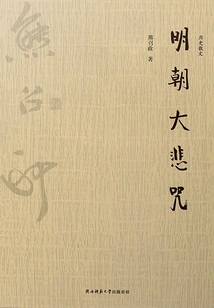
明朝大悲咒
Xiong Zhaozheng
This book is Xiong Zhaozheng's reflection notes on studying the history of the Ming Dynasty. It depicts the emperors, ministers, scholars, eunuchs, etc. Of the Ming Dynasty. It also narrates some important events in the history of the Ming Dynasty. In this book, the author explains his own view of history, such as that powerful officials are not necessarily traitorous officials, and good people are not necessarily good officials. The author always has his own unique understanding and analysis of these historical figures and events, which is refreshing and thought-provoking.
This book is Xiong Zhaozheng's reflection notes on studying the history of the Ming Dynasty. It depicts the emperors, ministers, scholars, eunuchs, etc. Of the Ming Dynasty. It also narrates some important events in the history of the Ming Dynasty. In this book, the author explains his own view of history, such as that powerful officials are not necessarily traitorous officials, and good people are not necessarily good officials. The author always has his own unique understanding and analysis of these historical figures and events, which is refreshing and thought-provoking.
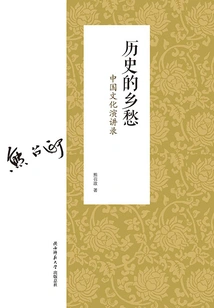
历史的乡愁:中国文化演讲录
Xiong Zhaozheng
This work is a collection of lecture notes given by Mr. Xiong Zhaozheng at well-known universities such as Peking University, Renmin University, and Wuhan University, covering all aspects of history, literature, life, society, and daily life. These speeches are the result of the author's years of reading and thinking. They sparkle with wisdom and permeate with a sense of worry. For example, the author is deeply worried about social issues such as the prevalence of money worship in today's society, the rupture of traditional culture, and the loss of awe. They convey the sense of responsibility of a historian and writer: to resurrect history so that people today can examine the present and gain insight into the future from the distant past.
This work is a collection of lecture notes given by Mr. Xiong Zhaozheng at well-known universities such as Peking University, Renmin University, and Wuhan University, covering all aspects of history, literature, life, society, and daily life. These speeches are the result of the author's years of reading and thinking. They sparkle with wisdom and permeate with a sense of worry. For example, the author is deeply worried about social issues such as the prevalence of money worship in today's society, the rupture of traditional culture, and the loss of awe. They convey the sense of responsibility of a historian and writer: to resurrect history so that people today can examine the present and gain insight into the future from the distant past.
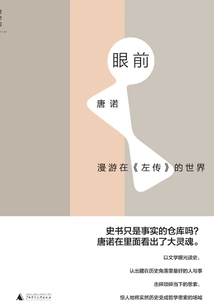
眼前:漫游在《左传》的世界
Tangnuo
Tang Nuo reads "Zuo Zhuan", the same Tang Nuo, but different historical prose writing. Tang Nuo repeatedly went in and out of the world of "Zuo Zhuan", trying again and again to enter the inner world of historical figures such as Zichan, Zhao Wu, Shen Gong Wuchen, and even Confucius and Zuo Qiuming, exploring what the most outstanding minds of the Spring and Autumn Period saw and thought at that time and place, and what kind of profound accumulation and thinking they had in certain words and deeds, thereby identifying the best people and best deeds hidden in the gaps in history, and making the Spring and Autumn Period present a more complex, profound, and three-dimensional world. Things of lust, stories about ghosts and gods, meetings to kill soldiers, the big soul of a small country, dreams from more than two thousand years ago, the flower-like thoughts of the Spring and Autumn Period and the Warring States Period... Starting from this, the author quoted from many sources, and explored and extended around eight questions from a literary perspective, amazingly turning actual history into a field of philosophical thinking. Thousand-year-old texts began to ripple into this moment, which is "Before My Eyes".
Tang Nuo reads "Zuo Zhuan", the same Tang Nuo, but different historical prose writing. Tang Nuo repeatedly went in and out of the world of "Zuo Zhuan", trying again and again to enter the inner world of historical figures such as Zichan, Zhao Wu, Shen Gong Wuchen, and even Confucius and Zuo Qiuming, exploring what the most outstanding minds of the Spring and Autumn Period saw and thought at that time and place, and what kind of profound accumulation and thinking they had in certain words and deeds, thereby identifying the best people and best deeds hidden in the gaps in history, and making the Spring and Autumn Period present a more complex, profound, and three-dimensional world. Things of lust, stories about ghosts and gods, meetings to kill soldiers, the big soul of a small country, dreams from more than two thousand years ago, the flower-like thoughts of the Spring and Autumn Period and the Warring States Period... Starting from this, the author quoted from many sources, and explored and extended around eight questions from a literary perspective, amazingly turning actual history into a field of philosophical thinking. Thousand-year-old texts began to ripple into this moment, which is "Before My Eyes".
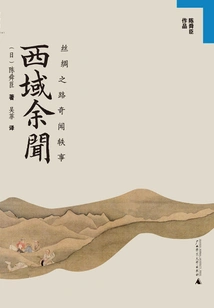
西域余闻
I
Chen Shun-chen's classic work is the pinnacle of Japanese historical writing. This book is a collection of historical essays about the Silk Road. The first half focuses on the cultural relics related to the Silk Road, and the second half takes the experiences along the way as the starting point. From the ancient capital Xi'an to the Pamir Plateau, from the sweat-blooded horse to the luminous cup, the cultural relics and anecdotes left on the Silk Road by the cultural exchange between the East and the West for more than two thousand years are all included. The delicate and steady writing and the eloquent narration lead the readers on a historical journey that spans time and space and stretches freely.
Chen Shun-chen's classic work is the pinnacle of Japanese historical writing. This book is a collection of historical essays about the Silk Road. The first half focuses on the cultural relics related to the Silk Road, and the second half takes the experiences along the way as the starting point. From the ancient capital Xi'an to the Pamir Plateau, from the sweat-blooded horse to the luminous cup, the cultural relics and anecdotes left on the Silk Road by the cultural exchange between the East and the West for more than two thousand years are all included. The delicate and steady writing and the eloquent narration lead the readers on a historical journey that spans time and space and stretches freely.
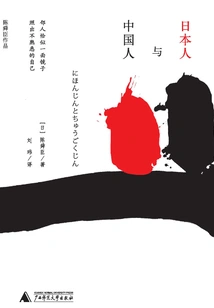
Japanese and Chinese
History日本人与中国人
I
Neighbors are like a mirror, reflecting an unfamiliar self. Japan's well-known historical classic takes you into Japan beyond the "Chrysanthemum" and "Sword". This is a unique treatise on Japan, as well as a historical summary of interesting anecdotes and strange stories about Japan and China throughout the ages. Chen Shun-chen, a Chinese-Japanese writer, wandered between two hometowns and two cultures throughout his life. His status as a marginalized person allowed him to accept the shackles of fate. It also allowed him to use his unique life experience and vivid "compound eyes" perspective to see the differences and overlaps in the historical traditions of the two countries, and thus wrote essays on Chinese and Japanese culture that are full of witty words and full of humor. He returned from the distant ancient times to the cultural junction between China and Japan in the modern era, wandering freely between history and reality; with a "suicide note" mood, he wanted to write down the reasons that hindered mutual understanding between China and Japan. Getting to know your neighbors again is also a way of looking at yourself in detail. We are neighbors - we complement each other, it's destiny.
Neighbors are like a mirror, reflecting an unfamiliar self. Japan's well-known historical classic takes you into Japan beyond the "Chrysanthemum" and "Sword". This is a unique treatise on Japan, as well as a historical summary of interesting anecdotes and strange stories about Japan and China throughout the ages. Chen Shun-chen, a Chinese-Japanese writer, wandered between two hometowns and two cultures throughout his life. His status as a marginalized person allowed him to accept the shackles of fate. It also allowed him to use his unique life experience and vivid "compound eyes" perspective to see the differences and overlaps in the historical traditions of the two countries, and thus wrote essays on Chinese and Japanese culture that are full of witty words and full of humor. He returned from the distant ancient times to the cultural junction between China and Japan in the modern era, wandering freely between history and reality; with a "suicide note" mood, he wanted to write down the reasons that hindered mutual understanding between China and Japan. Getting to know your neighbors again is also a way of looking at yourself in detail. We are neighbors - we complement each other, it's destiny.
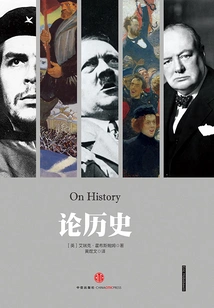
On History
History论历史
I
"On History" is an important work compiled by Eric Hobsbawm, one of the most important historians and thinkers in modern times, when he was 80 years old. After more than 50 years of academic training and life accumulation, Hobsbawm has integrated all his thoughts and perceptions of history into it, reflecting this world-class great man's lifelong concern for the past, present and future. In this book, he is concerned about the use and abuse of history in both social and political aspects, as well as the responsibility of historians; discusses the role of history on contemporary society, and the value of history to other disciplines (especially social disciplines); examines various historical trends and trends, and critically evaluates them; explores Discuss the relationship between Marx and contemporary historical trends; describe European history, subaltern history, the Russian Revolution, and global barbarism that undermined the development of civilization... Through the discussion in this book, Hobsbawm leads readers to think about the theory, practice, and development of history, as well as the relationship between history and the modern world.
"On History" is an important work compiled by Eric Hobsbawm, one of the most important historians and thinkers in modern times, when he was 80 years old. After more than 50 years of academic training and life accumulation, Hobsbawm has integrated all his thoughts and perceptions of history into it, reflecting this world-class great man's lifelong concern for the past, present and future. In this book, he is concerned about the use and abuse of history in both social and political aspects, as well as the responsibility of historians; discusses the role of history on contemporary society, and the value of history to other disciplines (especially social disciplines); examines various historical trends and trends, and critically evaluates them; explores Discuss the relationship between Marx and contemporary historical trends; describe European history, subaltern history, the Russian Revolution, and global barbarism that undermined the development of civilization... Through the discussion in this book, Hobsbawm leads readers to think about the theory, practice, and development of history, as well as the relationship between history and the modern world.
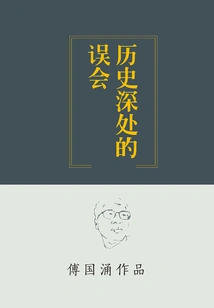
历史深处的误会
Fu Guoyong
This book tells us from the details of modern historical figures: Hong Xiuquan's "Kingdom of Heaven" was not an exploration to save the country in order to make a new name in a foreign country; Kang Youwei did not write a letter on the bus; Yang Du was not as reactionary as others imagined... The author has many unique comments on history, respecting historical data but not adhering to stereotypes. People will be amazed after reading it, and there will be many unexpected gains. In recent years, there has been a consensus in the historical circles: respect history, speak with historical facts, and restore the original appearance of historical events and historical figures.
This book tells us from the details of modern historical figures: Hong Xiuquan's "Kingdom of Heaven" was not an exploration to save the country in order to make a new name in a foreign country; Kang Youwei did not write a letter on the bus; Yang Du was not as reactionary as others imagined... The author has many unique comments on history, respecting historical data but not adhering to stereotypes. People will be amazed after reading it, and there will be many unexpected gains. In recent years, there has been a consensus in the historical circles: respect history, speak with historical facts, and restore the original appearance of historical events and historical figures.
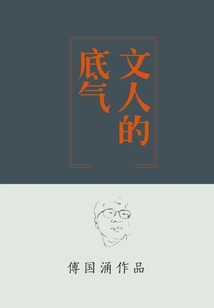
Literary Confidence
History文人的底气
Fu Guoyong
The text included in this book was written by the author intermittently from 1999 to 2004. Some of the text in the book has been published in some newspapers and periodicals, and some of the text is compiled from recordings of the author's speeches. This is the author's longest writing book. Although the text is scattered and provides only sketches, it all revolves around the theme of "A Hundred Years of Chinese Speech History." As the subtitle of this book says, this book, together with "In Search of the Lost Tradition" and "The Waves in the Pen," jointly explore several eras and important figures in the century-old history of Chinese speech. Fu Guoyong diligently combed through the dusty historical materials, revealed many historical truths of modern China, gave readers new inspiration from a new perspective, and achieved the unity of academic and ideological aspects.
The text included in this book was written by the author intermittently from 1999 to 2004. Some of the text in the book has been published in some newspapers and periodicals, and some of the text is compiled from recordings of the author's speeches. This is the author's longest writing book. Although the text is scattered and provides only sketches, it all revolves around the theme of "A Hundred Years of Chinese Speech History." As the subtitle of this book says, this book, together with "In Search of the Lost Tradition" and "The Waves in the Pen," jointly explore several eras and important figures in the century-old history of Chinese speech. Fu Guoyong diligently combed through the dusty historical materials, revealed many historical truths of modern China, gave readers new inspiration from a new perspective, and achieved the unity of academic and ideological aspects.
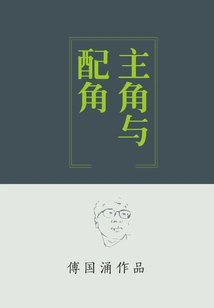
主角与配角
Fu Guoyong
This book examines the typical characters before and after Xinhai with a unique "character awareness". Through many details in front of and behind the scenes, it shows the trajectory of changes in modern China and creates vivid portraits of the characters. The author abandons the traditional view of heroic history of "winners succeed and lose bandits", dig deep into the historical origins of this century-old change, carefully analyze the circumstances and personalities of the heroes of 1911, often resolve disputes in short sentences, and inadvertently reveal the historical truth behind the heavy curtains. Why did Kang You not see Sun Yat-sen until his death? Why didn't Huang Xing replace Sun Yat-sen? In whose hands did Song Jiaoren die? Why didn't Liang Qichao dare to make a revolution? Yuan Shikai who was in a hurry, Cai E who retreated happily, the mystery of Tao Chengzhang's death... People from all walks of life came in droves. The chaos of 1911 is vividly reflected on the page.
This book examines the typical characters before and after Xinhai with a unique "character awareness". Through many details in front of and behind the scenes, it shows the trajectory of changes in modern China and creates vivid portraits of the characters. The author abandons the traditional view of heroic history of "winners succeed and lose bandits", dig deep into the historical origins of this century-old change, carefully analyze the circumstances and personalities of the heroes of 1911, often resolve disputes in short sentences, and inadvertently reveal the historical truth behind the heavy curtains. Why did Kang You not see Sun Yat-sen until his death? Why didn't Huang Xing replace Sun Yat-sen? In whose hands did Song Jiaoren die? Why didn't Liang Qichao dare to make a revolution? Yuan Shikai who was in a hurry, Cai E who retreated happily, the mystery of Tao Chengzhang's death... People from all walks of life came in droves. The chaos of 1911 is vividly reflected on the page.
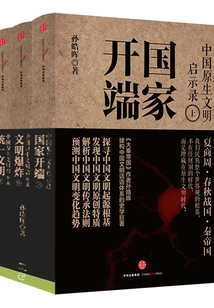
中国原生文明启示录(全三册)
Sun Haohui
The latest historical work by Sun Haohui, the author of the epic masterpiece "The Qin Empire". This is a book that attempts to clarify the history of Chinese civilization in the first 3,000 years. The author started from the awareness of the problem of why China has a pale consciousness of civilization and why it does not have its own right to speak about civilization. After more than ten years of research and thinking, while writing "The Qin Empire", he formed his own theoretical system and compiled it into the three-volume "Revelation of China's Native Civilization". This book proposes the concept of native Chinese civilization for the first time, rewrites the history of China's first 3,000 civilizations, carefully sorts out the seven major historical leaps in Chinese history before the Qin Empire, and summarizes the five major survival experiences of the Chinese nation.
The latest historical work by Sun Haohui, the author of the epic masterpiece "The Qin Empire". This is a book that attempts to clarify the history of Chinese civilization in the first 3,000 years. The author started from the awareness of the problem of why China has a pale consciousness of civilization and why it does not have its own right to speak about civilization. After more than ten years of research and thinking, while writing "The Qin Empire", he formed his own theoretical system and compiled it into the three-volume "Revelation of China's Native Civilization". This book proposes the concept of native Chinese civilization for the first time, rewrites the history of China's first 3,000 civilizations, carefully sorts out the seven major historical leaps in Chinese history before the Qin Empire, and summarizes the five major survival experiences of the Chinese nation.
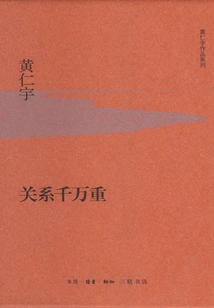
关系千万重(精装版)
Huang Renyu
This book is one of the collections of Mr. Huang Renyu's works, including: "Relationship", "The Influence of Joseph Needham on Me", "Four Billion Sharks in the World", "Starting from Baking Bread", "Levin Uzi Fortress", "Financial Crisis in Southeast Asia", "Wandering in Indonesia", "Hinduism and Nuclear Threat", "The Dew Is White Tonight" and other articles. Mr. Huang Renyu gave a comprehensive explanation of the three relationships between life and death, money and sex, combined with today's situation.
This book is one of the collections of Mr. Huang Renyu's works, including: "Relationship", "The Influence of Joseph Needham on Me", "Four Billion Sharks in the World", "Starting from Baking Bread", "Levin Uzi Fortress", "Financial Crisis in Southeast Asia", "Wandering in Indonesia", "Hinduism and Nuclear Threat", "The Dew Is White Tonight" and other articles. Mr. Huang Renyu gave a comprehensive explanation of the three relationships between life and death, money and sex, combined with today's situation.
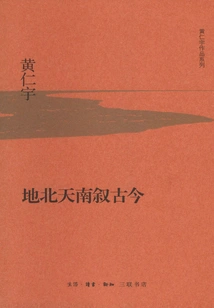
The North of the Earth and the South of the Sky Recount the Past and Present (hardcover Edition)
History地北天南叙古今(精装版)
Huang Renyu
This book collects 26 articles published by the author from 1944 to the present, including "Laban's Pursuit", "August 14th", "Battle of New Lashio", "Remembering Tianhan", "Que Hanqian and His Men", "Thinking Under the Skyscraper", "How to Read History", "Starting with the Green-Eyed Woman", "Revisiting Cambridge", "Shakarov", "Saddam", etc.
This book collects 26 articles published by the author from 1944 to the present, including "Laban's Pursuit", "August 14th", "Battle of New Lashio", "Remembering Tianhan", "Que Hanqian and His Men", "Thinking Under the Skyscraper", "How to Read History", "Starting with the Green-Eyed Woman", "Revisiting Cambridge", "Shakarov", "Saddam", etc.
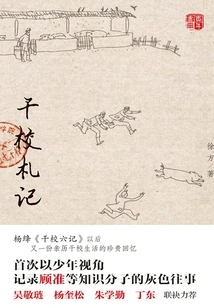
Cadre School Notes
History干校札记
Xu Fang
More than thirty years ago, Mr. Yang Jiang wrote "Six Notes on the Cadre School". In 1969, the author Xu Fang also went to the same cadre school - the "May 7th" Cadre School of the Department of Philosophy and Social Sciences of the Chinese Academy of Sciences in Xixian County, Henan Province. Only fifteen or sixteen years old at the time, she wrote with the eyes of a teenager about the gray past of intellectuals such as Gu Zhun, Yu Pingbo, He Qifang, Lu Shuxiang, Ding Shengshu, Lu Zhiwei, Wu Baosan, Luo Gengmo, Wu Jinglian, Chen Ruiming, etc., And for the first time disclosed a large number of little-known first-hand materials.
More than thirty years ago, Mr. Yang Jiang wrote "Six Notes on the Cadre School". In 1969, the author Xu Fang also went to the same cadre school - the "May 7th" Cadre School of the Department of Philosophy and Social Sciences of the Chinese Academy of Sciences in Xixian County, Henan Province. Only fifteen or sixteen years old at the time, she wrote with the eyes of a teenager about the gray past of intellectuals such as Gu Zhun, Yu Pingbo, He Qifang, Lu Shuxiang, Ding Shengshu, Lu Zhiwei, Wu Baosan, Luo Gengmo, Wu Jinglian, Chen Ruiming, etc., And for the first time disclosed a large number of little-known first-hand materials.
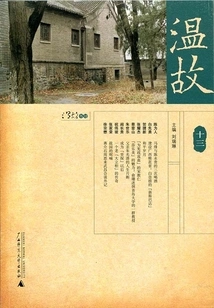
Review the Past (13)
History温故(十三)
Editor-in-chief Liu Ruilin
This book is a kind of historical and cultural reading material published one after another. It records the life, death and archives of a small person, recalls and examines the past from today's perspective, and provides a reference for current survival and future development. We need to review the past because we are forgetful. Learning something new from the past is the purpose of reviewing the past. From "Reviewing the Past", careful readers can understand what kind of review we need.
This book is a kind of historical and cultural reading material published one after another. It records the life, death and archives of a small person, recalls and examines the past from today's perspective, and provides a reference for current survival and future development. We need to review the past because we are forgetful. Learning something new from the past is the purpose of reviewing the past. From "Reviewing the Past", careful readers can understand what kind of review we need.
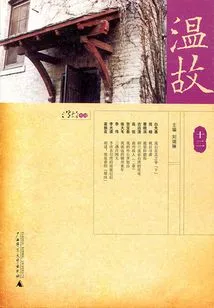
Review the Past (12)
History温故(十二)
Editor-in-chief Liu Ruilin
This book is a kind of historical and cultural reading material published one after another. It records the life, death and archives of a small person, recalls and examines the past from today's perspective, and provides a reference for current survival and future development. We need to review the past because we are forgetful. Learning something new from the past is the purpose of reviewing the past. From "Reviewing the Past", careful readers can understand what kind of review we need.
This book is a kind of historical and cultural reading material published one after another. It records the life, death and archives of a small person, recalls and examines the past from today's perspective, and provides a reference for current survival and future development. We need to review the past because we are forgetful. Learning something new from the past is the purpose of reviewing the past. From "Reviewing the Past", careful readers can understand what kind of review we need.
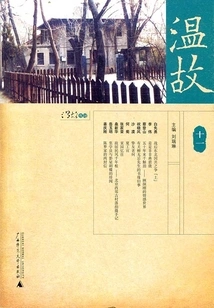
Review the Past (11)
History温故(十一)
Editor-in-chief Liu Ruilin
This book is a kind of historical and cultural reading material published one after another. It records the life, death and archives of a small person, recalls and examines the past from today's perspective, and provides a reference for current survival and future development. We need to review the past because we are forgetful. Learning something new from the past is the purpose of reviewing the past. From "Reviewing the Past", careful readers can understand what kind of review we need.
This book is a kind of historical and cultural reading material published one after another. It records the life, death and archives of a small person, recalls and examines the past from today's perspective, and provides a reference for current survival and future development. We need to review the past because we are forgetful. Learning something new from the past is the purpose of reviewing the past. From "Reviewing the Past", careful readers can understand what kind of review we need.
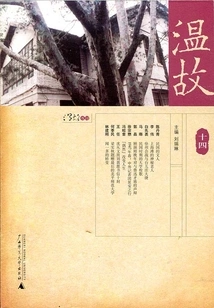
Review the Past (14)
History温故(十四)
Editor-in-chief Liu Ruilin
This book is a kind of historical and cultural reading material published one after another. It records the life, death and archives of a small person, recalls and examines the past from today's perspective, and provides a reference for current survival and future development. We need to review the past because we are forgetful. Learning something new from the past is the purpose of reviewing the past. From "Reviewing the Past", careful readers can understand what kind of review we need.
This book is a kind of historical and cultural reading material published one after another. It records the life, death and archives of a small person, recalls and examines the past from today's perspective, and provides a reference for current survival and future development. We need to review the past because we are forgetful. Learning something new from the past is the purpose of reviewing the past. From "Reviewing the Past", careful readers can understand what kind of review we need.
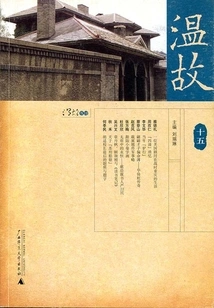
Review the Past (15)
History温故(十五)
Editor-in-chief Liu Ruilin
This book is a kind of historical and cultural reading material published one after another. It records the life, death and archives of a small person, recalls and examines the past from today's perspective, and provides a reference for current survival and future development. We need to review the past because we are forgetful. Learning something new from the past is the purpose of reviewing the past. From "Reviewing the Past", careful readers can understand what kind of review we need.
This book is a kind of historical and cultural reading material published one after another. It records the life, death and archives of a small person, recalls and examines the past from today's perspective, and provides a reference for current survival and future development. We need to review the past because we are forgetful. Learning something new from the past is the purpose of reviewing the past. From "Reviewing the Past", careful readers can understand what kind of review we need.
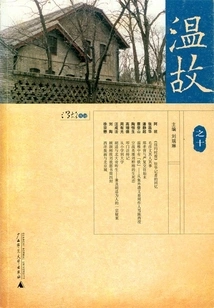
Reviewing the Past (part 10)
History温故(之十)
Editor-in-chief Liu Ruilin
"Reviewing the Past" is a kind of historical and cultural reading material published one after another. "Reviewing the Past" recalls and examines the past from today's perspective, and provides a reference for current survival and future development. The so-called "reviewing the past and learning the new". The content of "Reviewing the Past" generally includes the following three aspects: 1. Recollection of the past living conditions of mankind; 2. Historical examination and reflection; 3. Review of historical and cultural relics and legacy texts.
"Reviewing the Past" is a kind of historical and cultural reading material published one after another. "Reviewing the Past" recalls and examines the past from today's perspective, and provides a reference for current survival and future development. The so-called "reviewing the past and learning the new". The content of "Reviewing the Past" generally includes the following three aspects: 1. Recollection of the past living conditions of mankind; 2. Historical examination and reflection; 3. Review of historical and cultural relics and legacy texts.
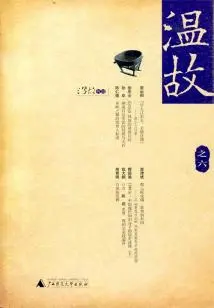
Reviewing the Past (part 6)
History温故(之六)
Editor-in-chief Liu Ruilin
"Reviewing the Past" is a kind of historical and cultural reading material published one after another. "Reviewing the Past" recalls and examines the past from today's perspective, and provides a reference for current survival and future development. The so-called "reviewing the past and learning the new". The content of "Reviewing the Past" generally includes the following three aspects: 1. Recollection of the past living conditions of mankind; 2. Historical examination and reflection; 3. Review of historical and cultural relics and legacy texts.
"Reviewing the Past" is a kind of historical and cultural reading material published one after another. "Reviewing the Past" recalls and examines the past from today's perspective, and provides a reference for current survival and future development. The so-called "reviewing the past and learning the new". The content of "Reviewing the Past" generally includes the following three aspects: 1. Recollection of the past living conditions of mankind; 2. Historical examination and reflection; 3. Review of historical and cultural relics and legacy texts.
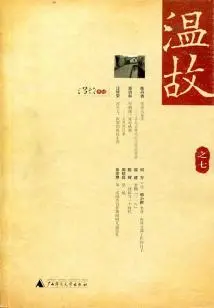
Reviewing the Past (part 7)
History温故(之七)
Editor-in-chief Liu Ruilin
"Reviewing the Past" is a kind of historical and cultural reading material published one after another. "Reviewing the Past" recalls and examines the past from today's perspective, and provides a reference for current survival and future development. The so-called "reviewing the past and learning the new". The content of "Reviewing the Past" generally includes the following three aspects: 1. Recollection of the past living conditions of mankind; 2. Historical examination and reflection; 3. Review of historical and cultural relics and legacy texts.
"Reviewing the Past" is a kind of historical and cultural reading material published one after another. "Reviewing the Past" recalls and examines the past from today's perspective, and provides a reference for current survival and future development. The so-called "reviewing the past and learning the new". The content of "Reviewing the Past" generally includes the following three aspects: 1. Recollection of the past living conditions of mankind; 2. Historical examination and reflection; 3. Review of historical and cultural relics and legacy texts.
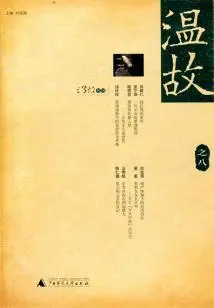
Reviewing the Past (part 8)
History温故(之八)
Editor-in-chief Liu Ruilin
"Reviewing the Past" is a kind of historical and cultural reading material published one after another. Four volumes are published annually. "Reviewing the Past" recalls and examines the past from today's perspective, and provides a reference for current survival and future development. The so-called "reviewing the past and learning the new". This book expresses the remembrance of the past living conditions of mankind; the examination and reflection of history; and the review of historical and cultural relics and legacy texts. Human beings have always lived in the shadow of history. The projection of history can be far or near, as far as the faint footsteps of our primitive ancestors heading toward civilization, or as close as what happened just yesterday. We need to review the past because we are forgetful. Learning something new from the past is the purpose of reviewing the past. From "Reviewing the Past", careful readers can understand what kind of review we need. Confucius once said, "Reviewing the past will help you learn the new." Although it is as simple as words, it is like enlightenment...
"Reviewing the Past" is a kind of historical and cultural reading material published one after another. Four volumes are published annually. "Reviewing the Past" recalls and examines the past from today's perspective, and provides a reference for current survival and future development. The so-called "reviewing the past and learning the new". This book expresses the remembrance of the past living conditions of mankind; the examination and reflection of history; and the review of historical and cultural relics and legacy texts. Human beings have always lived in the shadow of history. The projection of history can be far or near, as far as the faint footsteps of our primitive ancestors heading toward civilization, or as close as what happened just yesterday. We need to review the past because we are forgetful. Learning something new from the past is the purpose of reviewing the past. From "Reviewing the Past", careful readers can understand what kind of review we need. Confucius once said, "Reviewing the past will help you learn the new." Although it is as simple as words, it is like enlightenment...
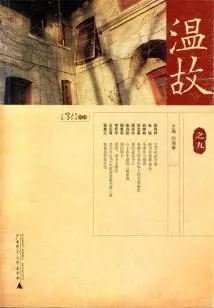
Review the Past (part 9)
History温故(之九)
Editor-in-chief Liu Ruilin
"Reviewing the Past" is a historical and cultural reading material. It recalls and examines the past from today's perspective, and provides a reference for current survival and future development. This is the so-called "reviewing the past and learning the new". This book generally includes the following three aspects: (1) Recollection of the past living conditions of mankind; (2) Examination and reflection on history; (3) Review of historical and cultural relics and legacy texts.
"Reviewing the Past" is a historical and cultural reading material. It recalls and examines the past from today's perspective, and provides a reference for current survival and future development. This is the so-called "reviewing the past and learning the new". This book generally includes the following three aspects: (1) Recollection of the past living conditions of mankind; (2) Examination and reflection on history; (3) Review of historical and cultural relics and legacy texts.
P