Library
Browse and search books
2,273 novels found
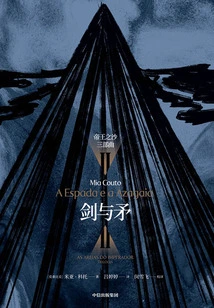
Sands of Kings Trilogy Ii: Sword and Spear
General Fiction帝王之沙三部曲Ⅱ:剑与矛
(mozambique) Mia Cotto
"Sword and Spear" follows "Women of Ashes". Imani's brothers died one after another, and she was sent to be a concubine to King Gaza, hoping to kill the king for revenge. The Portuguese army attacked, the Gaza army was defeated, and Imani was captured along with the Gaza royal family.
"Sword and Spear" follows "Women of Ashes". Imani's brothers died one after another, and she was sent to be a concubine to King Gaza, hoping to kill the king for revenge. The Portuguese army attacked, the Gaza army was defeated, and Imani was captured along with the Gaza royal family.
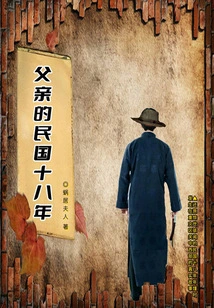
Father's 18th Year of the Republic of China
General Fiction父亲的民国十八年
Mrs. Dwelling
This story is based on suffering, great love, inspiration, and gratitude. Taking the father's growth process as the main line, it restores the shocking true story that happened in the central and western areas of Guanzhong, the hardest-hit area in the late 18th year of the Republic of China. The family was on the way to escape famine, but only because of the cousin's half-way follow. My father, who lost his parents when he was young, had a rough life, full of adventures, and was reborn out of despair. In order to be grateful for the nurturing grace of Aunt Littlefoot, I started from a hemp rope and used wisdom and hard work, as well as extraordinary courage and fighting spirit to make a fortune!
This story is based on suffering, great love, inspiration, and gratitude. Taking the father's growth process as the main line, it restores the shocking true story that happened in the central and western areas of Guanzhong, the hardest-hit area in the late 18th year of the Republic of China. The family was on the way to escape famine, but only because of the cousin's half-way follow. My father, who lost his parents when he was young, had a rough life, full of adventures, and was reborn out of despair. In order to be grateful for the nurturing grace of Aunt Littlefoot, I started from a hemp rope and used wisdom and hard work, as well as extraordinary courage and fighting spirit to make a fortune!
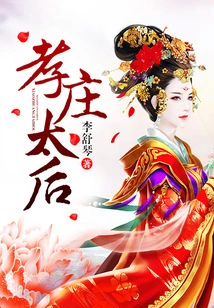
Empress Dowager Xiaozhuang
General Fiction孝庄太后
Li Shuqin
This book is based on the historical facts from the founding of the Qing Dynasty to the prosperous age of Kangxi and Qianlong. The Empress Dowager Xiaozhuang is the protagonist. She writes about her broad mind and selfless dedication with motherly love. By assisting her 6-year-old son Shunzhi and 8-year-old grandson Kangxi, her mother-in-law brought the Qing Dynasty to a prosperous age.
This book is based on the historical facts from the founding of the Qing Dynasty to the prosperous age of Kangxi and Qianlong. The Empress Dowager Xiaozhuang is the protagonist. She writes about her broad mind and selfless dedication with motherly love. By assisting her 6-year-old son Shunzhi and 8-year-old grandson Kangxi, her mother-in-law brought the Qing Dynasty to a prosperous age.
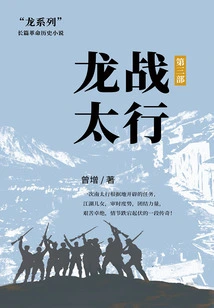
Dragon Fights Taihang (part 3 of "dragon Series")
General Fiction龙战太行(“龙系列”第三部)
Zeng Zeng
In 1938, the 124th Division of the Eighth Route Army advanced into South Taihang. Zhong Longhua was ordered to lead a small force to the Weichuan area of South Taihang to open up an anti-Japanese base area and establish an anti-Japanese democratic coalition government. At that time, the struggle situation in Weichuan was extremely complicated. The Eighth Route Army faced not only the Japanese invaders, but also Kuomintang die-hards and numerous bandits, large and small, and the Lianzhuanghui and other armed forces. Zhong Longhua assessed the situation and, in accordance with the party's policy, united all forces that could be united to fight against the Japanese puppets and reactionary forces, and led the soldiers and civilians in the base area to fight an arduous war of resistance. The old rival Bai Xiangjun also led his troops to the anti-Japanese battlefield in North China to fight against the Japanese invaders. When they were trapped in the mountains, our army risked their lives to rescue them regardless of past grudges. When former enemies came to inspect the base area, Xie Feng was able to put aside his hatred and take into account the overall situation. In the previous mopping up battles to crush the Japanese aggressors, the Eighth Route Army fought bravely, destroying the enemy's railway transportation lines, blowing up the enemy's airports, conducting ambushes, mobile warfare, raids, and attacking artillery towers, and achieved brilliant results. A special force of the Japanese invaders, with the cooperation of traitors, became extremely arrogant and was wiped out by the Eighth Route Army. The anti-Japanese base areas continued to expand, the anti-Japanese armed forces continued to grow and develop in the battle, and finally won the victory of the anti-Japanese war. The plot of the story is full of ups and downs and has a strong South Taihang style.
In 1938, the 124th Division of the Eighth Route Army advanced into South Taihang. Zhong Longhua was ordered to lead a small force to the Weichuan area of South Taihang to open up an anti-Japanese base area and establish an anti-Japanese democratic coalition government. At that time, the struggle situation in Weichuan was extremely complicated. The Eighth Route Army faced not only the Japanese invaders, but also Kuomintang die-hards and numerous bandits, large and small, and the Lianzhuanghui and other armed forces. Zhong Longhua assessed the situation and, in accordance with the party's policy, united all forces that could be united to fight against the Japanese puppets and reactionary forces, and led the soldiers and civilians in the base area to fight an arduous war of resistance. The old rival Bai Xiangjun also led his troops to the anti-Japanese battlefield in North China to fight against the Japanese invaders. When they were trapped in the mountains, our army risked their lives to rescue them regardless of past grudges. When former enemies came to inspect the base area, Xie Feng was able to put aside his hatred and take into account the overall situation. In the previous mopping up battles to crush the Japanese aggressors, the Eighth Route Army fought bravely, destroying the enemy's railway transportation lines, blowing up the enemy's airports, conducting ambushes, mobile warfare, raids, and attacking artillery towers, and achieved brilliant results. A special force of the Japanese invaders, with the cooperation of traitors, became extremely arrogant and was wiped out by the Eighth Route Army. The anti-Japanese base areas continued to expand, the anti-Japanese armed forces continued to grow and develop in the battle, and finally won the victory of the anti-Japanese war. The plot of the story is full of ups and downs and has a strong South Taihang style.
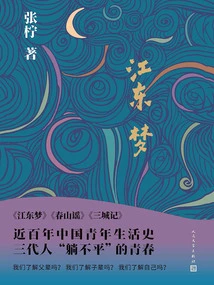
Jiangdong Dream
General Fiction江东梦
Zhang Ning
"Jiangdong Dream" is the final work of Zhang Ning's novel trilogy following "A Tale of Three Cities" and "Spring Mountain Ballad". The trilogy tells the youthful lives of three generations: sons, fathers, and ancestors in sequence. The protagonist Li Yungu of "Jiangdong Dream" and the Dong family and Cai family lived during the Anti-Japanese War. The war interrupted the peaceful life of the patriotic businessman Dong family, but also inspired people's tenacious will to live, especially the younger generation represented by the three sisters Li Yungu. In the face of the cruel war, they never gave up the pursuit of life and love, but they were often involuntarily in chaos. The novel tells the fate of ordinary people in the great era, writes historical legends, and expresses a generation in the war.
"Jiangdong Dream" is the final work of Zhang Ning's novel trilogy following "A Tale of Three Cities" and "Spring Mountain Ballad". The trilogy tells the youthful lives of three generations: sons, fathers, and ancestors in sequence. The protagonist Li Yungu of "Jiangdong Dream" and the Dong family and Cai family lived during the Anti-Japanese War. The war interrupted the peaceful life of the patriotic businessman Dong family, but also inspired people's tenacious will to live, especially the younger generation represented by the three sisters Li Yungu. In the face of the cruel war, they never gave up the pursuit of life and love, but they were often involuntarily in chaos. The novel tells the fate of ordinary people in the great era, writes historical legends, and expresses a generation in the war.
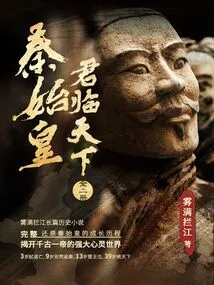
Qin Shihuang: Ruler of the World (two Volumes)
General Fiction秦始皇:君临天下(全二册)
Fog Blocks The River
The Qin Dynasty is a mystery. Qin Shihuang is even more of a mystery within a mystery! In 259 BC, Qin Shihuang was born in Handan, Zhao State. In 257 BC, his father cut off his tail to survive, leaving the 3-year-old Qin Shihuang and his mother Zhao Ji behind, and fled back to Qin alone. In 251 BC, the 9-year-old Qin Shihuang and his mother appeared again and returned to Qin safely. In 247 BC, at the age of 13, he defeated his opponents and ascended to the throne with an undisputed advantage. In 238 BC, at the age of 22, he began to take charge of the government, suppressing dissidents and putting down rebellions. In 221 BC, at the age of 39, he destroyed the six kingdoms, unified the world, established the Qin Dynasty, and became the first "emperor" in Chinese history. From running away at the age of 3 to dominating the world at the age of 39, what exactly has he experienced in these years? How did he survive? How did he win the throne? How does he control his subordinates? What clever ways does he have to deal with his opponents' challenges? What did he have mastered that allowed him to overwhelm the six nations of the world with an overwhelming advantage?
The Qin Dynasty is a mystery. Qin Shihuang is even more of a mystery within a mystery! In 259 BC, Qin Shihuang was born in Handan, Zhao State. In 257 BC, his father cut off his tail to survive, leaving the 3-year-old Qin Shihuang and his mother Zhao Ji behind, and fled back to Qin alone. In 251 BC, the 9-year-old Qin Shihuang and his mother appeared again and returned to Qin safely. In 247 BC, at the age of 13, he defeated his opponents and ascended to the throne with an undisputed advantage. In 238 BC, at the age of 22, he began to take charge of the government, suppressing dissidents and putting down rebellions. In 221 BC, at the age of 39, he destroyed the six kingdoms, unified the world, established the Qin Dynasty, and became the first "emperor" in Chinese history. From running away at the age of 3 to dominating the world at the age of 39, what exactly has he experienced in these years? How did he survive? How did he win the throne? How does he control his subordinates? What clever ways does he have to deal with his opponents' challenges? What did he have mastered that allowed him to overwhelm the six nations of the world with an overwhelming advantage?
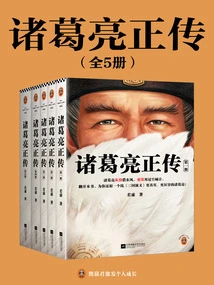
The True Story of Zhuge Liang (5 Volumes in Total)
General Fiction诸葛亮正传(全5册)
Ruoxu
From his initial understanding of strategy, farming and studying in Xiangyang, to his dedication to the Northern Expedition, this book details Zhuge Liang's fifty-four-year career. Restore the real history behind the exaggeration and deification, see a flesh-and-blood Zhuge Liang with emotions, angers, likes and dislikes, and see Zhuge Liang's complex image as a military strategist, politician, writer, diplomat, and calligrapher.
From his initial understanding of strategy, farming and studying in Xiangyang, to his dedication to the Northern Expedition, this book details Zhuge Liang's fifty-four-year career. Restore the real history behind the exaggeration and deification, see a flesh-and-blood Zhuge Liang with emotions, angers, likes and dislikes, and see Zhuge Liang's complex image as a military strategist, politician, writer, diplomat, and calligrapher.
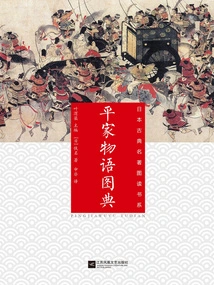
Heike Story Illustrated Dictionary
General Fiction平家物语图典
(japan) Anonymous
"The Tale of the Heike" is a Japanese war-themed historical novel. It takes the historical chronology as the main axis and from the perspective of the Heike family, narrates in detail the entire process of the Genji and Heike families' struggle for power. This book excerpts and translates the wonderful chapters of "The Tale of the Heike" for readers to read and understand initially; it is also accompanied by a large number of exquisite illustrations, so that readers can have a deeper understanding of the plot of the story more intuitively while reading.
"The Tale of the Heike" is a Japanese war-themed historical novel. It takes the historical chronology as the main axis and from the perspective of the Heike family, narrates in detail the entire process of the Genji and Heike families' struggle for power. This book excerpts and translates the wonderful chapters of "The Tale of the Heike" for readers to read and understand initially; it is also accompanied by a large number of exquisite illustrations, so that readers can have a deeper understanding of the plot of the story more intuitively while reading.
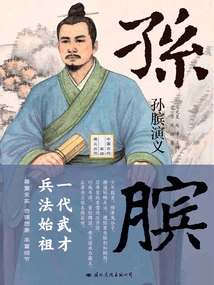
The Romance of Sun Bin
General Fiction孙膑演义
Shui Xiu Mo Yao
Sun Bin, courtesy name Boling, was a military advisor of Qi State. This book not only writes about the classic battles of "Guiling" and "Maling" designed by Sun Bin with heavy ink and color, but also writes about his life of learning from Gui Guzi, being jealous of Pang Juan, being tattooed on his knees, pretending to be crazy, and fleeing to Qi State until he succeeded in hiding. This book vividly depicts Sun Bin's life in a romantic way, combined with many popular stories at that time. The whole book runs through the entire process of Sun Bin and Pang Juan's battle of wits and courage, and clearly portrays the upright, kind-hearted, and military-talented Sun Bin, and the insidious, jealous, and stubborn Pang Juan. Strong contrast and strong appeal. Under the twists and turns, interesting and fascinating plot, many vivid and lifelike characters have been created. In addition to the history of the early Warring States period, readers can also get useful inspiration from Sun Bin's life, scholarship, conduct, and friendships.
Sun Bin, courtesy name Boling, was a military advisor of Qi State. This book not only writes about the classic battles of "Guiling" and "Maling" designed by Sun Bin with heavy ink and color, but also writes about his life of learning from Gui Guzi, being jealous of Pang Juan, being tattooed on his knees, pretending to be crazy, and fleeing to Qi State until he succeeded in hiding. This book vividly depicts Sun Bin's life in a romantic way, combined with many popular stories at that time. The whole book runs through the entire process of Sun Bin and Pang Juan's battle of wits and courage, and clearly portrays the upright, kind-hearted, and military-talented Sun Bin, and the insidious, jealous, and stubborn Pang Juan. Strong contrast and strong appeal. Under the twists and turns, interesting and fascinating plot, many vivid and lifelike characters have been created. In addition to the history of the early Warring States period, readers can also get useful inspiration from Sun Bin's life, scholarship, conduct, and friendships.
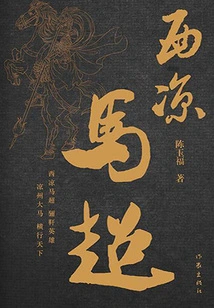
Xiliang Ma Chao
General Fiction西凉马超
Chen Yufu
It tells the legendary experience of the famous general Ma Chao in his boyhood and youth. It is based on six wonderful stories such as the death of his mother and his son, relieving the people, shaking hands and making peace, Jin Fan Mazhuang, and Ma Tao Feiyan. It uses youth, inspiration, and idols as elements to promote the spirit of Westerners to strive for self-improvement, punish evil and promote good, and help each other and love each other. At the same time, for the first time, the causes and consequences of the owner of Leitai Tomb, Ma Chao's tomb and the "Bronze Galloping Horse", the Chinese tourism symbol, were disclosed. This is a folk legend spread on the ancient Silk Road and a heroic epic that safeguards national unity and builds a beautiful homeland.
It tells the legendary experience of the famous general Ma Chao in his boyhood and youth. It is based on six wonderful stories such as the death of his mother and his son, relieving the people, shaking hands and making peace, Jin Fan Mazhuang, and Ma Tao Feiyan. It uses youth, inspiration, and idols as elements to promote the spirit of Westerners to strive for self-improvement, punish evil and promote good, and help each other and love each other. At the same time, for the first time, the causes and consequences of the owner of Leitai Tomb, Ma Chao's tomb and the "Bronze Galloping Horse", the Chinese tourism symbol, were disclosed. This is a folk legend spread on the ancient Silk Road and a heroic epic that safeguards national unity and builds a beautiful homeland.
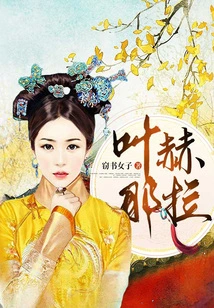
Yehenara
General Fiction叶赫那拉
Woman Who Steals Books
She is the niece of Cixi, the wife of Guangxu, and the mother-mother of Puyi. She is the marionette of countless people in the late Qing court - Yehenara Jingfen - the history of the late Qing Dynasty in the eyes of the last empress.
She is the niece of Cixi, the wife of Guangxu, and the mother-mother of Puyi. She is the marionette of countless people in the late Qing court - Yehenara Jingfen - the history of the late Qing Dynasty in the eyes of the last empress.
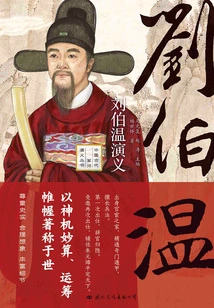
Romance of Liu Bowen
General Fiction刘伯温演义
Yang Shiduo
Liu Bowen, named Liu Ji and courtesy name Bowen, was a strategist, politician, and writer in the late Yuan and early Ming dynasties, and the founding father of the Ming Dynasty. He assisted Zhu Yuanzhang in analyzing the situation, seeing through the shortcomings and strengths of various leaders, formulating a "conquest plan" from a high position, strategizing and winning from thousands of miles away. It can be said that he knew everything like a god, and he was sure to win every battle. He made great contributions to Zhu Yuanzhang's establishment of the Ming Dynasty. This book vividly depicts Liu Bowen's life using a novel technique, combined with many popular stories at the time, and uses this as the main line to describe in detail how Liu Bowen used military tactics to help Zhu Yuanzhang establish the Ming Dynasty. Under the twists and turns, interesting and fascinating plot, many vivid and lifelike characters have been created. In addition to the history of the late Yuan and early Ming dynasties, readers can also get useful inspiration from Liu Bowen's personality, scholarship, conduct, and friendships.
Liu Bowen, named Liu Ji and courtesy name Bowen, was a strategist, politician, and writer in the late Yuan and early Ming dynasties, and the founding father of the Ming Dynasty. He assisted Zhu Yuanzhang in analyzing the situation, seeing through the shortcomings and strengths of various leaders, formulating a "conquest plan" from a high position, strategizing and winning from thousands of miles away. It can be said that he knew everything like a god, and he was sure to win every battle. He made great contributions to Zhu Yuanzhang's establishment of the Ming Dynasty. This book vividly depicts Liu Bowen's life using a novel technique, combined with many popular stories at the time, and uses this as the main line to describe in detail how Liu Bowen used military tactics to help Zhu Yuanzhang establish the Ming Dynasty. Under the twists and turns, interesting and fascinating plot, many vivid and lifelike characters have been created. In addition to the history of the late Yuan and early Ming dynasties, readers can also get useful inspiration from Liu Bowen's personality, scholarship, conduct, and friendships.
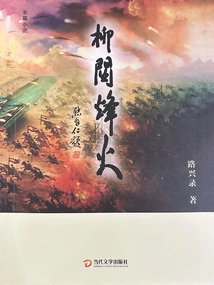
Liuguan Beacon Fire
General Fiction柳关烽火
Lu Xinglu
"The Beacon Fire at Liuguan" is a novel compiled by Lu Xinglu based on the red history of Liuguan. At Red Liuguan, more than 12,000 unknown martyrs, revolutionary martyrs and national heroes, each have their own legendary stories. In order to eliminate the reactionary forces of the Kuomintang, they carried out armed riots, attacked the local tyrants to divide their land, suppressed bandits and rebelled against hegemony. They worked together with the Red Army guerrillas to attack the reactionary forces of the Kuomintang. The plot was moving and heartfelt. Especially the twenty-three and a half martyrs who fought to the death against the enemy, and Zhang Caixia's heroic and unyielding heroic sacrifice in the face of the enemy's butcher's knife. Heroes from all walks of life on the red battlefield of Liuguan Fenghuo interpreted a truth with their blood and lives: only the red "fortress" condensed with the hearts of the people is the real "iron-blooded fortress." Prosperous age - loyal soul.
"The Beacon Fire at Liuguan" is a novel compiled by Lu Xinglu based on the red history of Liuguan. At Red Liuguan, more than 12,000 unknown martyrs, revolutionary martyrs and national heroes, each have their own legendary stories. In order to eliminate the reactionary forces of the Kuomintang, they carried out armed riots, attacked the local tyrants to divide their land, suppressed bandits and rebelled against hegemony. They worked together with the Red Army guerrillas to attack the reactionary forces of the Kuomintang. The plot was moving and heartfelt. Especially the twenty-three and a half martyrs who fought to the death against the enemy, and Zhang Caixia's heroic and unyielding heroic sacrifice in the face of the enemy's butcher's knife. Heroes from all walks of life on the red battlefield of Liuguan Fenghuo interpreted a truth with their blood and lives: only the red "fortress" condensed with the hearts of the people is the real "iron-blooded fortress." Prosperous age - loyal soul.
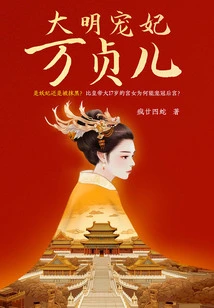
Wan Zhen'er, the Beloved Concubine of the Ming Dynasty
General Fiction大明宠妃万贞儿
Crazy Twenty-four Snakes
The world despises their love, but Ming Xianzong's love for Wan Zhen'er remains unchanged. Open this book and take a look at the legendary life of Wan Zhen'er, the beloved concubine of the Ming Dynasty! She entered the palace since she was a child, hoping to overturn her father's case, but she became a secret chess piece in the harem's struggle for power. She raised Prince Zhu Jianshen at the age of nineteen and accompanied him through his lonely and dark childhood. She became the favored concubine at the age of thirty-five and was the most popular in the harem. Empress Wu was deposed because of her, and Empress Wang was subordinate to her. She died of illness at the age of fifty-eight. The emperor Ming Xianzong missed her so much that he became ill and left with her. She witnessed and experienced a series of major historical events in the Ming Zhengtong, Jingtai, Tianshun, and Chenghua dynasties: the Tumubao Incident, the Gate Seizing Incident, the Nangong Restoration, Yu Qian's injustice, Xianzong's accession to the throne, the plowing of the courtyard, the establishment of Xichang...
The world despises their love, but Ming Xianzong's love for Wan Zhen'er remains unchanged. Open this book and take a look at the legendary life of Wan Zhen'er, the beloved concubine of the Ming Dynasty! She entered the palace since she was a child, hoping to overturn her father's case, but she became a secret chess piece in the harem's struggle for power. She raised Prince Zhu Jianshen at the age of nineteen and accompanied him through his lonely and dark childhood. She became the favored concubine at the age of thirty-five and was the most popular in the harem. Empress Wu was deposed because of her, and Empress Wang was subordinate to her. She died of illness at the age of fifty-eight. The emperor Ming Xianzong missed her so much that he became ill and left with her. She witnessed and experienced a series of major historical events in the Ming Zhengtong, Jingtai, Tianshun, and Chenghua dynasties: the Tumubao Incident, the Gate Seizing Incident, the Nangong Restoration, Yu Qian's injustice, Xianzong's accession to the throne, the plowing of the courtyard, the establishment of Xichang...
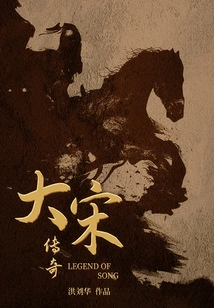
Legend of the Song Dynasty
General Fiction大宋传奇
Hong Liuhua
In the late Five Dynasties and Ten Kingdoms period, Zhao Kuangyin, who was born as a soldier, took advantage of the opportunity of being in charge of the young country to create the Chenqiao Mutiny and wear a yellow robe. Then he drank wine and released his military power, thus consolidating the Zhao family's regime. However, the Liao, Jin, and Xia successively rose up, and the Song court was too weak to return. The two emperors of the Northern Song Dynasty were both prisoners. The court of the Southern Song Dynasty remained in peace, and finally made the same mistake again. The three little emperors were captured, died, or were buried in the sea... This book captures some historical stories from the Song Dynasty and objectively describes the historical figures, allowing readers to get closer to that era of wars and fierce blood.
In the late Five Dynasties and Ten Kingdoms period, Zhao Kuangyin, who was born as a soldier, took advantage of the opportunity of being in charge of the young country to create the Chenqiao Mutiny and wear a yellow robe. Then he drank wine and released his military power, thus consolidating the Zhao family's regime. However, the Liao, Jin, and Xia successively rose up, and the Song court was too weak to return. The two emperors of the Northern Song Dynasty were both prisoners. The court of the Southern Song Dynasty remained in peace, and finally made the same mistake again. The three little emperors were captured, died, or were buried in the sea... This book captures some historical stories from the Song Dynasty and objectively describes the historical figures, allowing readers to get closer to that era of wars and fierce blood.
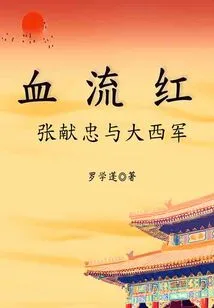
Blood Bleeds Red: Zhang Xianzhong and the Daxi Army
General Fiction血流红:张献忠与大西军
Luo Xuepeng
In June 1645, Zhang Xianzhong captured Chongqing, took advantage of the momentum of breaking through the bamboo, and marched westward. The place he passed was filled with flames and bloody paths. After Chengdu was captured on August 9, Zhang Xianzhong couldn't wait to hold the founding ceremony and sit on the throne of the Emperor of the Great Western Kingdom. From the first day that Zhang Xianzhong moved into the Palace of Shu in Chengdu, there was no peace in the country. He and Li Zicheng, the Ming army, and the Qing army repeatedly fought and strangled, poisoning the whole Sichuan, killing soldiers and civilians, and bleeding and drifting. It was called the "Mountain of Bones and Sea of Blood". Its cruelty was unprecedented and unheard of. Just as the folk song at that time goes: "Every year comes when A, B, and B, the heavenly mansion bleeds red." It also goes: "Thieves come, thieves come, and the upper world sends him to behead people. If there is one person who cannot beheaded, the messenger of the plague is behind." Zhang Xianzhong's activities in Sichuan lasted less than three years, but he left too many huge mysteries. In order to unravel the eternal mysteries left by Zhang Xianzhong and the generals of the Great Western Army, the author is very knowledgeable and strives to make those historical figures who have passed away with the wind, along with the real tragic events that are unimaginable and thrilling for today's people, gradually and vividly presented to the readers from the dusty old papers.
In June 1645, Zhang Xianzhong captured Chongqing, took advantage of the momentum of breaking through the bamboo, and marched westward. The place he passed was filled with flames and bloody paths. After Chengdu was captured on August 9, Zhang Xianzhong couldn't wait to hold the founding ceremony and sit on the throne of the Emperor of the Great Western Kingdom. From the first day that Zhang Xianzhong moved into the Palace of Shu in Chengdu, there was no peace in the country. He and Li Zicheng, the Ming army, and the Qing army repeatedly fought and strangled, poisoning the whole Sichuan, killing soldiers and civilians, and bleeding and drifting. It was called the "Mountain of Bones and Sea of Blood". Its cruelty was unprecedented and unheard of. Just as the folk song at that time goes: "Every year comes when A, B, and B, the heavenly mansion bleeds red." It also goes: "Thieves come, thieves come, and the upper world sends him to behead people. If there is one person who cannot beheaded, the messenger of the plague is behind." Zhang Xianzhong's activities in Sichuan lasted less than three years, but he left too many huge mysteries. In order to unravel the eternal mysteries left by Zhang Xianzhong and the generals of the Great Western Army, the author is very knowledgeable and strives to make those historical figures who have passed away with the wind, along with the real tragic events that are unimaginable and thrilling for today's people, gradually and vividly presented to the readers from the dusty old papers.
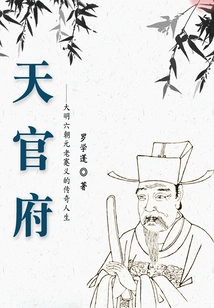
Tianguanfu: the Legendary Life of Jian Yi, a Veteran of the Six Dynasties of the Ming Dynasty
General Fiction天官府:大明六朝元老蹇义的传奇人生
Luo Xuepeng
Jian Rong was born in Fengjutuo, a small fishing village on the Jialing River in Chongqing more than 600 years ago. He was an out-and-out child prodigy. In the 18th year of Hongwu (1385), when he was 22 years old, he "served as a farmhouse minister in the morning and ascended to the Emperor's Hall in the evening." He entered the imperial palace examination as a juren and was named on the gold medal list. He was recognized by Zhu Yuanzhang, who was sitting high on the imperial balcony of Jintai, and was given the word "righteousness". He jumped from the dragon gate, and his glory was brilliant, leaving his name in history! Jian Yi served as the highest power center of the Ming Dynasty until he left Hexi at the age of 73. This lasted for 54 years. Throughout his life, he assisted six emperors in planning, presiding over and participating in the establishment and relocation of the capital in Beijing, Zheng He's voyages to the West, and the compilation of the Yongle Ceremony. , The Southern Conquest of Annan, the Northern War against the Huns, and a series of major events that were full of legend and grandeur and influenced the direction of Chinese history. During this period, there were turmoils, ups and downs, and rich experiences that were unprecedented and unprecedented! The author combed through historical records, retrieved relics, spent several years, and exhausted his mind to finally present the image of this famous counselor of the Ming Empire to the readers.
Jian Rong was born in Fengjutuo, a small fishing village on the Jialing River in Chongqing more than 600 years ago. He was an out-and-out child prodigy. In the 18th year of Hongwu (1385), when he was 22 years old, he "served as a farmhouse minister in the morning and ascended to the Emperor's Hall in the evening." He entered the imperial palace examination as a juren and was named on the gold medal list. He was recognized by Zhu Yuanzhang, who was sitting high on the imperial balcony of Jintai, and was given the word "righteousness". He jumped from the dragon gate, and his glory was brilliant, leaving his name in history! Jian Yi served as the highest power center of the Ming Dynasty until he left Hexi at the age of 73. This lasted for 54 years. Throughout his life, he assisted six emperors in planning, presiding over and participating in the establishment and relocation of the capital in Beijing, Zheng He's voyages to the West, and the compilation of the Yongle Ceremony. , The Southern Conquest of Annan, the Northern War against the Huns, and a series of major events that were full of legend and grandeur and influenced the direction of Chinese history. During this period, there were turmoils, ups and downs, and rich experiences that were unprecedented and unprecedented! The author combed through historical records, retrieved relics, spent several years, and exhausted his mind to finally present the image of this famous counselor of the Ming Empire to the readers.
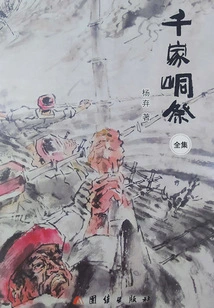
Qianjiadong Festival (complete Collection)
General Fiction千家峒祭(全集)
Yang Qi
"Qianjiadong Sacrifice" reflects the story of the Yao people in Yuegu Mountain (Longjiao Mountain) in southern Hubei who created Qianjiadong culture, resisted the oppression of the imperial court in the late Song Dynasty, resisted the invasion of the imperial court in the early Yuan Dynasty, and were finally forced to leave Qianjiadong, which they had protected for thousands of years.
"Qianjiadong Sacrifice" reflects the story of the Yao people in Yuegu Mountain (Longjiao Mountain) in southern Hubei who created Qianjiadong culture, resisted the oppression of the imperial court in the late Song Dynasty, resisted the invasion of the imperial court in the early Yuan Dynasty, and were finally forced to leave Qianjiadong, which they had protected for thousands of years.
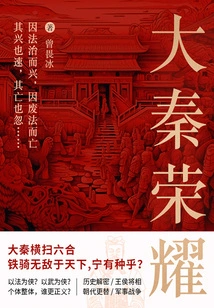
Glory of Da Qin (volume 2)
General Fiction大秦荣耀(第2卷)
Zeng Weibing
The Qin Dynasty swept across Liuhe, and its iron cavalry was invincible in the world. Would you rather have the guts? Using the law as a hero? Use martial arts as a hero? Overall, who is more righteous? They prospered due to the rule of law and died due to the abolition of the law. Their rise was rapid and their demise was sudden... Several legalists led the rise and fall, and many knights talked about right and wrong. Although they joked about it, they could not hide their bitterness...
The Qin Dynasty swept across Liuhe, and its iron cavalry was invincible in the world. Would you rather have the guts? Using the law as a hero? Use martial arts as a hero? Overall, who is more righteous? They prospered due to the rule of law and died due to the abolition of the law. Their rise was rapid and their demise was sudden... Several legalists led the rise and fall, and many knights talked about right and wrong. Although they joked about it, they could not hide their bitterness...
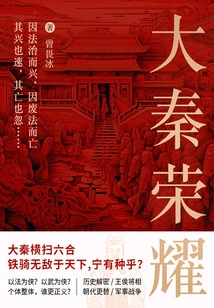
Glory of Da Qin (volume 1)
General Fiction大秦荣耀(第1卷)
Zeng Weibing
The Qin Dynasty swept across Liuhe, and its iron cavalry was invincible in the world. Would you rather have the guts? Using the law as a hero? Use martial arts as a hero? Overall, who is more righteous? They prospered due to the rule of law and died due to the abolition of the law. Their rise was rapid and their demise was sudden... Several legalists led the rise and fall, and many knights talked about right and wrong. Although they joked about it, they could not hide their bitterness...
The Qin Dynasty swept across Liuhe, and its iron cavalry was invincible in the world. Would you rather have the guts? Using the law as a hero? Use martial arts as a hero? Overall, who is more righteous? They prospered due to the rule of law and died due to the abolition of the law. Their rise was rapid and their demise was sudden... Several legalists led the rise and fall, and many knights talked about right and wrong. Although they joked about it, they could not hide their bitterness...
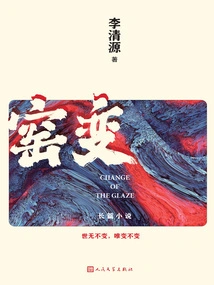
Kiln Change
General Fiction窑变
Li Qingyuan
This book is a new novel by young writer Li Qingyuan. Among the writers born in the 1980s, Henan writer Li Qingyuan is one of the more eye-catching ones. His writing not only has a rich cultural heritage, but also has a keen awareness of realistic problems. At the same time, he draws on and absorbs some foreign creative techniques and has a broad vision. "Kiln Change" is a new novel he wrote over a period of five years. The novel uses time as a clue and the obsession of three generations of the Zhai family in Junzhou with Jun kiln as the main line. It tells the historical inheritance and modern changes of Jun porcelain. At the same time, it also attempts to tell the changes in modern Chinese history and the changes in the fate of the characters. The novel has both the thickness and depth of history and the complexity and edge of human nature. The image of "kiln transformation" has rich symbolic meaning.
This book is a new novel by young writer Li Qingyuan. Among the writers born in the 1980s, Henan writer Li Qingyuan is one of the more eye-catching ones. His writing not only has a rich cultural heritage, but also has a keen awareness of realistic problems. At the same time, he draws on and absorbs some foreign creative techniques and has a broad vision. "Kiln Change" is a new novel he wrote over a period of five years. The novel uses time as a clue and the obsession of three generations of the Zhai family in Junzhou with Jun kiln as the main line. It tells the historical inheritance and modern changes of Jun porcelain. At the same time, it also attempts to tell the changes in modern Chinese history and the changes in the fate of the characters. The novel has both the thickness and depth of history and the complexity and edge of human nature. The image of "kiln transformation" has rich symbolic meaning.
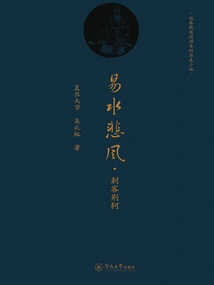
Yishui Beifeng: the Assassin Jing Ke (a Series of Historical Novels About the Spring and Autumn Period and the Warring States Period)
General Fiction易水悲风:刺客荆轲(说春秋道战国系列历史小说)
Wu Liquan
This book organically integrates the "dialogue narrative" technique of modern novels with the techniques of traditional Chinese novels. It not only vividly reproduces the magnificent history of the Warring States Period, but also realistically creates a vivid image of Jing Ke, a generation of assassins.
This book organically integrates the "dialogue narrative" technique of modern novels with the techniques of traditional Chinese novels. It not only vividly reproduces the magnificent history of the Warring States Period, but also realistically creates a vivid image of Jing Ke, a generation of assassins.
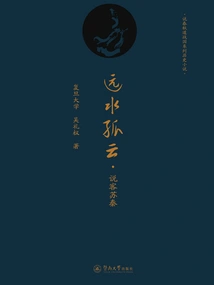
Far Water and Guyun: Lobbyist Su Qin (a Series of Historical Novels About the Spring and Autumn Period and the Warring States Period)
General Fiction远水孤云:说客苏秦(说春秋道战国系列历史小说)
Wu Liquan
This book contains a total of eighteen chapters, a literary reconstruction based on historical records, and reproduces the vivid image of Su Qin, a lobbyist who served as prime minister of the Six Kingdoms during the Warring States Period.
This book contains a total of eighteen chapters, a literary reconstruction based on historical records, and reproduces the vivid image of Su Qin, a lobbyist who served as prime minister of the Six Kingdoms during the Warring States Period.
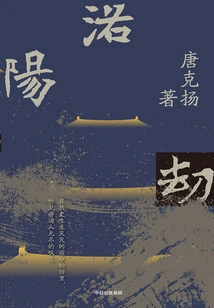
Luoyang Tribulation
General Fiction洛阳劫
Tang Keyang
Luoyang, a glorious city lost in thorns; Buddhist singing, a special style of Chinese lament; fantasy, the fate of many cities and eras, and the endless sighs of ordinary people. Luoyang, this famous ancient city whose glory has been buried in the grass, once upon a time was the ancient capital of the Thirteen Dynasties that was highly regarded in the world. Based on the rise and fall of Luoyang in the Northern Wei Dynasty, the novel attempts to outline a lost past in the memory of Chinese people and the worries that that era brought to ordinary people. The story begins with a captured carver who hopes to reunite with his separated wife on the other side. He created and experienced a series of illusions, but found himself in an even bigger illusion.
Luoyang, a glorious city lost in thorns; Buddhist singing, a special style of Chinese lament; fantasy, the fate of many cities and eras, and the endless sighs of ordinary people. Luoyang, this famous ancient city whose glory has been buried in the grass, once upon a time was the ancient capital of the Thirteen Dynasties that was highly regarded in the world. Based on the rise and fall of Luoyang in the Northern Wei Dynasty, the novel attempts to outline a lost past in the memory of Chinese people and the worries that that era brought to ordinary people. The story begins with a captured carver who hopes to reunite with his separated wife on the other side. He created and experienced a series of illusions, but found himself in an even bigger illusion.
Zhaojigou
General Fiction兆吉沟
Ouyang Weiqing
This book is based on the background of the Agrarian Revolution period when the Gansu and Anhui guerrillas carried out revolutionary struggles based on the Dahao Mountains and established the Pengze Central County Committee of the Communist Party of China. Through a concentrated description of Hong Zhiyuan, Shi Fengxi, Yu Ruping, Zhaojigou youths and Red Army soldiers, it focuses on the Pengze Communists, under the leadership of the Fujian, Zhejiang and Jiangxi Provincial Committee, uniting the poor people and uniting the poor people. It is a tragic story of fighting against the oppression and exploitation of the landlord class and the reactionary rule of the Kuomintang, and engaging in life-and-death battles with them. It shows the spirit of the Red Army guerrillas, under the leadership of the Communist Party, in seeking liberation for the poor people without fear of sacrifice. It eulogizes the strong will and fearless spirit of the Communists in fighting for the truth.
This book is based on the background of the Agrarian Revolution period when the Gansu and Anhui guerrillas carried out revolutionary struggles based on the Dahao Mountains and established the Pengze Central County Committee of the Communist Party of China. Through a concentrated description of Hong Zhiyuan, Shi Fengxi, Yu Ruping, Zhaojigou youths and Red Army soldiers, it focuses on the Pengze Communists, under the leadership of the Fujian, Zhejiang and Jiangxi Provincial Committee, uniting the poor people and uniting the poor people. It is a tragic story of fighting against the oppression and exploitation of the landlord class and the reactionary rule of the Kuomintang, and engaging in life-and-death battles with them. It shows the spirit of the Red Army guerrillas, under the leadership of the Communist Party, in seeking liberation for the poor people without fear of sacrifice. It eulogizes the strong will and fearless spirit of the Communists in fighting for the truth.
One Hundred Catties of Iron
General Fiction毛百斤打铁
Ning Pulin
The story takes place in the Western Han Dynasty. Mao Baijin, formerly known as Mao Guojin, is a descendant of Mao Sui during the Warring States Period. When Mao Baijin was fifteen years old, he joined the Mao family's Lishan blacksmith Master Wei and learned blacksmithing skills and martial arts. Later, he met the official Yao Wanli and helped Yao Wanli solve the mystery. Yao Wanli reciprocated and introduced a large ironware business to Mao's Lishan family. Mao Baijin is resourceful and selfless. He helps the blacksmiths solve problems and mediate conflicts and disputes. He has established a high prestige among the blacksmiths. He also founded the "Sandao" brand and continuously improved product quality. He also led everyone to carry products on shoulders, backpacks and horses to sell in other places, and mobilized everyone to attract foreign merchants to Maojia Lishan to purchase goods, making Maojia Lishan gradually become a nationally famous hardware market.
The story takes place in the Western Han Dynasty. Mao Baijin, formerly known as Mao Guojin, is a descendant of Mao Sui during the Warring States Period. When Mao Baijin was fifteen years old, he joined the Mao family's Lishan blacksmith Master Wei and learned blacksmithing skills and martial arts. Later, he met the official Yao Wanli and helped Yao Wanli solve the mystery. Yao Wanli reciprocated and introduced a large ironware business to Mao's Lishan family. Mao Baijin is resourceful and selfless. He helps the blacksmiths solve problems and mediate conflicts and disputes. He has established a high prestige among the blacksmiths. He also founded the "Sandao" brand and continuously improved product quality. He also led everyone to carry products on shoulders, backpacks and horses to sell in other places, and mobilized everyone to attract foreign merchants to Maojia Lishan to purchase goods, making Maojia Lishan gradually become a nationally famous hardware market.
New Song Dynasty: Finale (15 Volumes in Total)
General Fiction新宋·大结局(全15册)
A Viet
"New Song Dynasty" must be mentioned in fictional historical novels! 15 Years of creation! The 3.6 Million-word "New Song Dynasty" officially concludes! Ma Boyong, Luo Zhenyu and Han Song are highly recommended! A great encyclopedia about the Song Dynasty! The customs, etiquette, clothing, architecture, systems, etc. Of the Song Dynasty have all been thoroughly verified! In order to write "New Song Dynasty", the author worked hard to obtain a doctorate in history from Sichuan University. Ma Boyong: New Song Dynasty is the first Song Dynasty novel I have read, so it has a unique status in my mind. Luo Zhenyu: I was killed and I couldn't control myself. Netizens praised: "If time-travel novels can be divided into their own genre, then A Yue is Jin Yong Gulong among time-travel writers." The second year of Xining in the Northern Song Dynasty was the peak of Chinese civilization, and modern college student Shi Yue returned to this time to change history! In the second year of Xining, Song Shenzong Zhao Xu appointed Wang Anshi to start the reform. It has been a hundred years since the Northern Song Dynasty was established. The military and political affairs suffered from long-term malpractices and institutional corruption, and the campaigns against Xixia and Liao were repeatedly defeated. This was a turning point in the history of the Northern Song Dynasty and a crossroads of Chinese civilization. Wang Anshi's reform failed, and the Northern Song Dynasty was declared destroyed 40 years later. Shi Yue, a contemporary history college student, traveled to this time and began to use thousands of years of accumulated knowledge to carry out various reforms in all aspects of the Northern Song Dynasty, striving to make the Song Dynasty look different from the history books. Shi Yue began a period of fierce confrontation and collision with those monarchs, ministers and generals who had shone brightly in history. The court changed, and the horses and horses were everywhere! History is quietly changing... Open this book and truly reproduce the local people of the Song Dynasty!
"New Song Dynasty" must be mentioned in fictional historical novels! 15 Years of creation! The 3.6 Million-word "New Song Dynasty" officially concludes! Ma Boyong, Luo Zhenyu and Han Song are highly recommended! A great encyclopedia about the Song Dynasty! The customs, etiquette, clothing, architecture, systems, etc. Of the Song Dynasty have all been thoroughly verified! In order to write "New Song Dynasty", the author worked hard to obtain a doctorate in history from Sichuan University. Ma Boyong: New Song Dynasty is the first Song Dynasty novel I have read, so it has a unique status in my mind. Luo Zhenyu: I was killed and I couldn't control myself. Netizens praised: "If time-travel novels can be divided into their own genre, then A Yue is Jin Yong Gulong among time-travel writers." The second year of Xining in the Northern Song Dynasty was the peak of Chinese civilization, and modern college student Shi Yue returned to this time to change history! In the second year of Xining, Song Shenzong Zhao Xu appointed Wang Anshi to start the reform. It has been a hundred years since the Northern Song Dynasty was established. The military and political affairs suffered from long-term malpractices and institutional corruption, and the campaigns against Xixia and Liao were repeatedly defeated. This was a turning point in the history of the Northern Song Dynasty and a crossroads of Chinese civilization. Wang Anshi's reform failed, and the Northern Song Dynasty was declared destroyed 40 years later. Shi Yue, a contemporary history college student, traveled to this time and began to use thousands of years of accumulated knowledge to carry out various reforms in all aspects of the Northern Song Dynasty, striving to make the Song Dynasty look different from the history books. Shi Yue began a period of fierce confrontation and collision with those monarchs, ministers and generals who had shone brightly in history. The court changed, and the horses and horses were everywhere! History is quietly changing... Open this book and truly reproduce the local people of the Song Dynasty!
Wild Horse, Dust (complete Collection)
General Fiction野马,尘埃(全集)
Feng Yulei
"Wild Horses, Dust" is a novel of huge length and rich content. It uses the Tang Dynasty of China before and after the Anshi Rebellion as the historical background, and uses the Qinghai-Tibet Plateau, the Western Regions, the Hexi Corridor, and the Central Plains region as the stage for the activities of the characters. It examines the painful living conditions of people in the period of social turmoil after being severely psychologically damaged from the perspective of humanistic care. It uses a variety of artistic techniques to express the embarrassing process of people from all walks of life and all ethnic groups in the turbulent years, as well as their persistent determination to pursue truth, goodness and beauty. The author unfolds a grand narrative and lyricism in a time and space intertwined with a vast territory, profound history and diverse characters. Through art, he reproduces the conflicts between the Tang Dynasty and neighboring tribes such as Tubo, Nanzhao, Tuguhun, Uighur and so on before and after the Anshi Rebellion. He unfolds the story around the famous monks' disputes in Tubo history, and conducts in-depth exploration and thinking on the development of national culture, personal destiny and the human spiritual world.
"Wild Horses, Dust" is a novel of huge length and rich content. It uses the Tang Dynasty of China before and after the Anshi Rebellion as the historical background, and uses the Qinghai-Tibet Plateau, the Western Regions, the Hexi Corridor, and the Central Plains region as the stage for the activities of the characters. It examines the painful living conditions of people in the period of social turmoil after being severely psychologically damaged from the perspective of humanistic care. It uses a variety of artistic techniques to express the embarrassing process of people from all walks of life and all ethnic groups in the turbulent years, as well as their persistent determination to pursue truth, goodness and beauty. The author unfolds a grand narrative and lyricism in a time and space intertwined with a vast territory, profound history and diverse characters. Through art, he reproduces the conflicts between the Tang Dynasty and neighboring tribes such as Tubo, Nanzhao, Tuguhun, Uighur and so on before and after the Anshi Rebellion. He unfolds the story around the famous monks' disputes in Tubo history, and conducts in-depth exploration and thinking on the development of national culture, personal destiny and the human spiritual world.
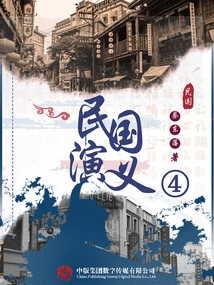
Romance of the Republic of China (4)
General Fiction民国演义(四)
Cai Dongfan
"The Romance of the Republic of China" is the Republic of China part of "Popular Romance of Chinese Dynasties". The book adopts the chapter style and tells the history of the Republic of China in a detailed and simple way. It has been widely praised by people since its publication. It records the beginning and end of major historical events such as the Revolution of 1911, Sun Yat-sen's resignation, Yuan Shikai's proclaimed emperor, Cai E's attack on Yuan, Zhang Xun's restoration, the May Fourth Movement, Sun Yat-sen's reorganization of the Kuomintang, and other major historical events. This book is the fourth volume.
"The Romance of the Republic of China" is the Republic of China part of "Popular Romance of Chinese Dynasties". The book adopts the chapter style and tells the history of the Republic of China in a detailed and simple way. It has been widely praised by people since its publication. It records the beginning and end of major historical events such as the Revolution of 1911, Sun Yat-sen's resignation, Yuan Shikai's proclaimed emperor, Cai E's attack on Yuan, Zhang Xun's restoration, the May Fourth Movement, Sun Yat-sen's reorganization of the Kuomintang, and other major historical events. This book is the fourth volume.
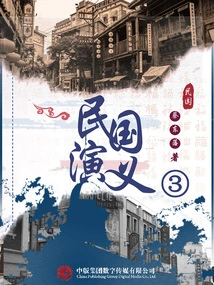
Romance of the Republic of China (3)
General Fiction民国演义(三)
Cai Dongfan
"The Romance of the Republic of China" is the Republic of China part of the "Popular Romance of Chinese Dynasties". The book is written in Zhanghui style. The book tells the history of the Republic of China in a detailed and simple way. It has been widely praised by people since its publication. It records the beginning and end of major historical events such as the Revolution of 1911, Sun Yat-sen's resignation, Yuan Shikai's proclaimed emperor, Cai E's attack on Yuan, Zhang Xun's restoration, the May Fourth Movement, Sun Yat-sen's reorganization of the Kuomintang, and other major historical events. This book is the third volume.
"The Romance of the Republic of China" is the Republic of China part of the "Popular Romance of Chinese Dynasties". The book is written in Zhanghui style. The book tells the history of the Republic of China in a detailed and simple way. It has been widely praised by people since its publication. It records the beginning and end of major historical events such as the Revolution of 1911, Sun Yat-sen's resignation, Yuan Shikai's proclaimed emperor, Cai E's attack on Yuan, Zhang Xun's restoration, the May Fourth Movement, Sun Yat-sen's reorganization of the Kuomintang, and other major historical events. This book is the third volume.
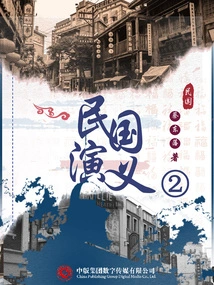
Romance of the Republic of China (2)
General Fiction民国演义(二)
Cai Dongfan
"The Romance of the Republic of China" is the Republic of China part of "Popular Romance of Chinese Dynasties". The book adopts the chapter style and tells the history of the Republic of China in a detailed and simple way. It has been widely praised by people since its publication. It records the beginning and end of major historical events such as the Revolution of 1911, Sun Yat-sen's resignation, Yuan Shikai's proclaimed emperor, Cai E's attack on Yuan, Zhang Xun's restoration, the May Fourth Movement, Sun Yat-sen's reorganization of the Kuomintang, and other major historical events. This book is the second volume.
"The Romance of the Republic of China" is the Republic of China part of "Popular Romance of Chinese Dynasties". The book adopts the chapter style and tells the history of the Republic of China in a detailed and simple way. It has been widely praised by people since its publication. It records the beginning and end of major historical events such as the Revolution of 1911, Sun Yat-sen's resignation, Yuan Shikai's proclaimed emperor, Cai E's attack on Yuan, Zhang Xun's restoration, the May Fourth Movement, Sun Yat-sen's reorganization of the Kuomintang, and other major historical events. This book is the second volume.
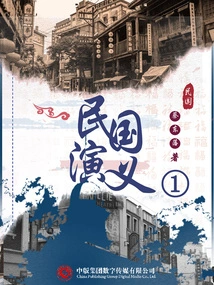
Romance of the Republic of China (1)
General Fiction民国演义(一)
Cai Dongfan
"The Romance of the Republic of China" is the Republic of China part of "Popular Romance of Chinese Dynasties". The book adopts the chapter style and tells the history of the Republic of China in a detailed and simple way. It has been widely praised by people since its publication. It records the beginning and end of major historical events such as the Revolution of 1911, Sun Yat-sen's resignation, Yuan Shikai's proclaimed emperor, Cai E's attack on Yuan, Zhang Xun's restoration, the May Fourth Movement, Sun Yat-sen's reorganization of the Kuomintang, and other major historical events. This book is the first volume.
"The Romance of the Republic of China" is the Republic of China part of "Popular Romance of Chinese Dynasties". The book adopts the chapter style and tells the history of the Republic of China in a detailed and simple way. It has been widely praised by people since its publication. It records the beginning and end of major historical events such as the Revolution of 1911, Sun Yat-sen's resignation, Yuan Shikai's proclaimed emperor, Cai E's attack on Yuan, Zhang Xun's restoration, the May Fourth Movement, Sun Yat-sen's reorganization of the Kuomintang, and other major historical events. This book is the first volume.
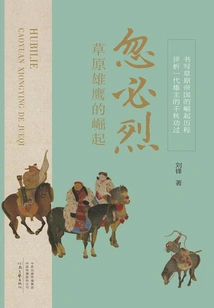
Kublai Khan: the Rise of the Steppe Eagle
General Fiction忽必烈:草原雄鹰的崛起
Liu Feng
This is a long historical novel that tells the story of Kublai Khan, the founder of the Yuan Dynasty, and his merits and demerits throughout his history. Kublai Khan ended years of war in China, established the vast Yuan Empire, and created a provincial system that had a profound impact on later generations. Although he came from a nomadic tribe, he attached great importance to the restoration and development of agriculture in the Central Plains. At the same time, he was able to reuse Han officials, actively accepted Confucian culture, and became an emperor with a good reputation in Chinese history.
This is a long historical novel that tells the story of Kublai Khan, the founder of the Yuan Dynasty, and his merits and demerits throughout his history. Kublai Khan ended years of war in China, established the vast Yuan Empire, and created a provincial system that had a profound impact on later generations. Although he came from a nomadic tribe, he attached great importance to the restoration and development of agriculture in the Central Plains. At the same time, he was able to reuse Han officials, actively accepted Confucian culture, and became an emperor with a good reputation in Chinese history.
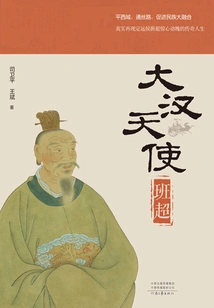
Han Angel Ban Chao
General Fiction大汉天使班超
Si Weiping Wang Bin
In the early years of the Eastern Han Dynasty, the Western Regions were repeatedly invaded by the Xiongnu. At the request of the vassal states in the Western Regions, Emperor Ming sent Dou Gu, a prominent prince, to lead an army to the west. This news inspired an unknown scholar, Ban Chao, the younger brother of the historian Ban Gu. Ban Chao has been a chivalrous and righteous person since he was a child, but he still hangs out in the market even when he is still young. He joined the army and found his own stage of life where he could gallop freely. Ban Chao led 36 brothers. After more than 30 years of hard work, he used Sun Tzu's art of war to the fullest with his extraordinary military genius and successfully expelled the Northern Huns. With his diplomatic skills, he united and pacified 36 vassal states, rebuilt the Western Region Protectorate, reopened the Silk Road that had been interrupted for half a century, promoted the great development and integration of ethnic groups, and made immortal achievements.
In the early years of the Eastern Han Dynasty, the Western Regions were repeatedly invaded by the Xiongnu. At the request of the vassal states in the Western Regions, Emperor Ming sent Dou Gu, a prominent prince, to lead an army to the west. This news inspired an unknown scholar, Ban Chao, the younger brother of the historian Ban Gu. Ban Chao has been a chivalrous and righteous person since he was a child, but he still hangs out in the market even when he is still young. He joined the army and found his own stage of life where he could gallop freely. Ban Chao led 36 brothers. After more than 30 years of hard work, he used Sun Tzu's art of war to the fullest with his extraordinary military genius and successfully expelled the Northern Huns. With his diplomatic skills, he united and pacified 36 vassal states, rebuilt the Western Region Protectorate, reopened the Silk Road that had been interrupted for half a century, promoted the great development and integration of ethnic groups, and made immortal achievements.
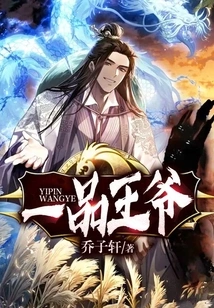
Yipinwangye
General Fiction一品王爷
Qiao Zixuan
Traveled to a strange world and became a feudal king. Within the fiefdom, there are natural and man-made disasters, and a modern researcher is determined to change it! May this week be a peaceful and prosperous time!
Traveled to a strange world and became a feudal king. Within the fiefdom, there are natural and man-made disasters, and a modern researcher is determined to change it! May this week be a peaceful and prosperous time!
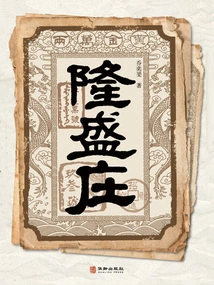
Longshengzhuang
General Fiction隆盛庄
Qiao Yifei
The novel is based on the prosperous history of the century-old ancient town of Longshengzhuang. It tells the story of a group of Shanxi people who came out of the west entrance. In order to survive, they left their hometown and came to the ancient town of Longshengzhuang outside the Great Wall to start a business with hard work. The story takes the ups and downs and tragic life experienced by three generations of Zhang Ruiyuan's family as the main line, extending from the fifth year of Xianfeng to the Anti-Japanese War. The time span spans a hundred years, with more than a hundred characters of various colors, including the Boxer Rebellion, the Revolution of 1911, the warlords' melee, the Anti-Japanese War and other major events. It meticulously reproduces the rich local customs of the ancient town, the antique folk customs, and shows the Shanxi merchant culture that is different from the west entrance.
The novel is based on the prosperous history of the century-old ancient town of Longshengzhuang. It tells the story of a group of Shanxi people who came out of the west entrance. In order to survive, they left their hometown and came to the ancient town of Longshengzhuang outside the Great Wall to start a business with hard work. The story takes the ups and downs and tragic life experienced by three generations of Zhang Ruiyuan's family as the main line, extending from the fifth year of Xianfeng to the Anti-Japanese War. The time span spans a hundred years, with more than a hundred characters of various colors, including the Boxer Rebellion, the Revolution of 1911, the warlords' melee, the Anti-Japanese War and other major events. It meticulously reproduces the rich local customs of the ancient town, the antique folk customs, and shows the Shanxi merchant culture that is different from the west entrance.
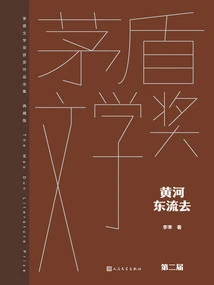
The Yellow River Flows Eastward
General Fiction黄河东流去
Li Zhun
In the 1930s, in the Central Plains area at the junction of the middle and lower reaches of the Yellow River, a major event occurred that shocked China and the world: Chiang Kai-shek used the Japanese invasion force's attack as an excuse to stage a tragedy of "replacing troops with water" and exploded the Huayuankou of the Yellow River, causing the Yellow River to flood. More than 40 counties in Henan, Anhui, and Jiangsu became flooded areas. Millions of people died, and more than 10 million people were displaced. They fled everywhere, and their lives were in ruins. This is a real historical event. The writer Li Zhen deeply understood and grasped this theme, and used a chronicle to describe the suffering life history of the refugees who suffered three major disasters: floods, droughts, and locusts during the "eight years of chaos". The novel won the second Mao Dun Literature Award.
In the 1930s, in the Central Plains area at the junction of the middle and lower reaches of the Yellow River, a major event occurred that shocked China and the world: Chiang Kai-shek used the Japanese invasion force's attack as an excuse to stage a tragedy of "replacing troops with water" and exploded the Huayuankou of the Yellow River, causing the Yellow River to flood. More than 40 counties in Henan, Anhui, and Jiangsu became flooded areas. Millions of people died, and more than 10 million people were displaced. They fled everywhere, and their lives were in ruins. This is a real historical event. The writer Li Zhen deeply understood and grasped this theme, and used a chronicle to describe the suffering life history of the refugees who suffered three major disasters: floods, droughts, and locusts during the "eight years of chaos". The novel won the second Mao Dun Literature Award.
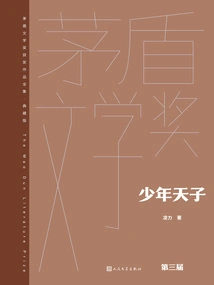
Young Emperor
General Fiction少年天子
Ling Li
"The Young Emperor" is a long historical novel depicting Shunzhi, the first emperor after the Qing Dynasty entered the customs. Facing the severe situation during the revolution between the Ming and Qing Dynasties, Shunzhi worked hard to govern and strive for change; however, he was constantly obstructed by the conservative forces of the court and political turmoil continued. Shunzhi was able to calligraphy and painting, was sentimental, and devoted himself to the pursuit of love and marriage that conformed to his wishes; but the emperor's love and marriage involved the struggle for palace power, and Shunzhi's actions in this regard also caused sharp conflicts between love and hate, life and death. Throughout his life of 23 or 24 years old, Shunzhi's political failure and romantic disillusionment reflected a profound tragedy of character and history. The novel has a rigorous structure, dignified style, fluent and exquisite language, and uses a variety of techniques. The author's profound artistic skills give the novel a unique artistic charm.
"The Young Emperor" is a long historical novel depicting Shunzhi, the first emperor after the Qing Dynasty entered the customs. Facing the severe situation during the revolution between the Ming and Qing Dynasties, Shunzhi worked hard to govern and strive for change; however, he was constantly obstructed by the conservative forces of the court and political turmoil continued. Shunzhi was able to calligraphy and painting, was sentimental, and devoted himself to the pursuit of love and marriage that conformed to his wishes; but the emperor's love and marriage involved the struggle for palace power, and Shunzhi's actions in this regard also caused sharp conflicts between love and hate, life and death. Throughout his life of 23 or 24 years old, Shunzhi's political failure and romantic disillusionment reflected a profound tragedy of character and history. The novel has a rigorous structure, dignified style, fluent and exquisite language, and uses a variety of techniques. The author's profound artistic skills give the novel a unique artistic charm.
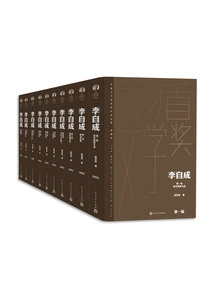
Li Zicheng (all Ten Volumes)
General Fiction李自成(全十卷)
Yao Xueyin
The author uses the principle of "going deep into history and jumping out of history" to describe the intricate historical process and the magnificent peasant uprising of more than 300 years ago. The novel takes the peasant uprising army led by Li Zicheng in the late Ming Dynasty from weak to strong, turning defeat into victory, overthrowing the rule of the Ming Dynasty, and resisting the southward march of the Qing army as the main clue. It reproduces the changing historical landscape of the late Ming and early Qing dynasty and the tragic ending of the peasant uprising army from victory to defeat from multiple angles, multi-facets, and multi-levels, and reveals the law of the development of peasant wars and historical movements. The author Yao Xueyin is good at writing tragedies. "Li Zicheng" was written after he entered a mature period creatively, and reached a new height in the application of tragedy art. The novel is divided into ten volumes, and the second volume won the first Mao Dun Literature Award.
The author uses the principle of "going deep into history and jumping out of history" to describe the intricate historical process and the magnificent peasant uprising of more than 300 years ago. The novel takes the peasant uprising army led by Li Zicheng in the late Ming Dynasty from weak to strong, turning defeat into victory, overthrowing the rule of the Ming Dynasty, and resisting the southward march of the Qing army as the main clue. It reproduces the changing historical landscape of the late Ming and early Qing dynasty and the tragic ending of the peasant uprising army from victory to defeat from multiple angles, multi-facets, and multi-levels, and reveals the law of the development of peasant wars and historical movements. The author Yao Xueyin is good at writing tragedies. "Li Zicheng" was written after he entered a mature period creatively, and reached a new height in the application of tragedy art. The novel is divided into ten volumes, and the second volume won the first Mao Dun Literature Award.
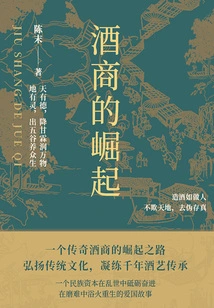
The Rise of the Wine Merchants
General Fiction酒商的崛起
Chen Mo
The heaven is virtuous and sends down sweet rain to moisten all things; the earth is spiritual and produces grains to nourish all living beings. Making wine is like being a human being, not deceiving the heaven and the earth, eliminating the false and retaining the true. Carrying forward traditional culture and condensing the inheritance of wine art for thousands of years - this is the rise of a legendary wine merchant, and it is also a patriotic story of national capital struggling and forging ahead in troubled times, reborn from the ashes and benefiting the world.
The heaven is virtuous and sends down sweet rain to moisten all things; the earth is spiritual and produces grains to nourish all living beings. Making wine is like being a human being, not deceiving the heaven and the earth, eliminating the false and retaining the true. Carrying forward traditional culture and condensing the inheritance of wine art for thousands of years - this is the rise of a legendary wine merchant, and it is also a patriotic story of national capital struggling and forging ahead in troubled times, reborn from the ashes and benefiting the world.
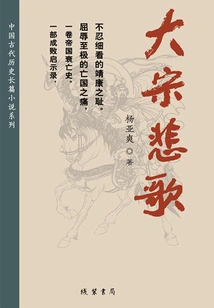
Song Dynasty Elegy
General Fiction大宋悲歌
Yang Yashuang
The shame of Jingkang that cannot bear to be looked at closely, the extremely humiliating pain of national subjugation, an apocalypse of success or failure, and a history of the decline and fall of an empire. In 1127 AD, the iron hooves of the Jin Kingdom stepped over the Great Wall, turning the prosperity of Bianliang in the Northern Song Dynasty into a nightmare. Song Qinzong and Song Huizong, father and son, were both captured and made prisoners. The Northern Song Dynasty was destroyed. The "Jingkang Shame" was deeply ingrained in the hearts of the people of the Central Plains. Kang Wang Zhaogou, the son of Emperor Huizong of the Song Dynasty, shouldered the burden of succession when the country was in danger of survival. Finally, with the support of the patriots of the Song Dynasty, he crossed the Yangtze River and established the Southern Song Dynasty, allowing the bloodline of the Zhao and Song dynasties to continue unbroken. However, after the establishment of the Southern Song Dynasty, the situation faced was not optimistic. The Jin people were ambitious and wanted to completely unify the country and destroy the Southern Song Dynasty. They launched turbulent attacks on the Southern Song Dynasty again and again, and the Song-Jin Dynasty war that lasted for decades began. The wolfish ambitions, burning, killing and looting of the Jin people not only did not intimidate the soldiers and civilians of the Southern Song Dynasty, but instead inspired their blood and courage. In order to protect their homes and country and save the nation, they launched a fierce life-and-death struggle with the brutal Jin soldiers. During the wars between the Song and Jin Dynasties, a large number of loyal and unyielding heroes emerged, including Li Gang, Zong Ze, Yue Fei, Han Shizhong, Liang Hongyu, Li Qingzhao, Lu You, and Xin Qiji. They disregarded personal life and death, faced the butcher's knives of the Jin soldiers, sacrificed their lives for righteousness, and fought with all their might. Their ferocious spirit was enough to show through the ages.
The shame of Jingkang that cannot bear to be looked at closely, the extremely humiliating pain of national subjugation, an apocalypse of success or failure, and a history of the decline and fall of an empire. In 1127 AD, the iron hooves of the Jin Kingdom stepped over the Great Wall, turning the prosperity of Bianliang in the Northern Song Dynasty into a nightmare. Song Qinzong and Song Huizong, father and son, were both captured and made prisoners. The Northern Song Dynasty was destroyed. The "Jingkang Shame" was deeply ingrained in the hearts of the people of the Central Plains. Kang Wang Zhaogou, the son of Emperor Huizong of the Song Dynasty, shouldered the burden of succession when the country was in danger of survival. Finally, with the support of the patriots of the Song Dynasty, he crossed the Yangtze River and established the Southern Song Dynasty, allowing the bloodline of the Zhao and Song dynasties to continue unbroken. However, after the establishment of the Southern Song Dynasty, the situation faced was not optimistic. The Jin people were ambitious and wanted to completely unify the country and destroy the Southern Song Dynasty. They launched turbulent attacks on the Southern Song Dynasty again and again, and the Song-Jin Dynasty war that lasted for decades began. The wolfish ambitions, burning, killing and looting of the Jin people not only did not intimidate the soldiers and civilians of the Southern Song Dynasty, but instead inspired their blood and courage. In order to protect their homes and country and save the nation, they launched a fierce life-and-death struggle with the brutal Jin soldiers. During the wars between the Song and Jin Dynasties, a large number of loyal and unyielding heroes emerged, including Li Gang, Zong Ze, Yue Fei, Han Shizhong, Liang Hongyu, Li Qingzhao, Lu You, and Xin Qiji. They disregarded personal life and death, faced the butcher's knives of the Jin soldiers, sacrificed their lives for righteousness, and fought with all their might. Their ferocious spirit was enough to show through the ages.
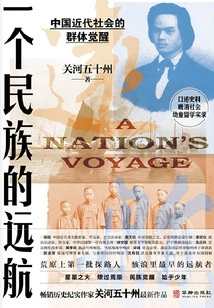
一个民族的远航:中国近代社会的群体觉醒
Guanhe Fifty States
The Opium War greatly shocked the Chinese government and the public. Under the dual pressure of national disaster and family embarrassment, Rong Hong, a native of Xiangshan, Guangdong, embarked on the road to study in the United States. With excellent results, he became the first Chinese to study and graduate from Yale University, a famous American university. After Rong Hong returned to China, facing the ruined mountains and rivers, he determined to change the current situation and future of the nation through foreign learning. Rong Hong's great idea was supported by the Westernization factions Zeng Guofan and Li Hongzhang. Under Zeng Li's promotion, the Qing government launched a program for young children to study in the United States, and the young children became China's earliest government-sponsored students. As the person in charge of the study abroad program, Rong Hong presided over and participated in the entire process of study abroad activities. Unfortunately, due to the obstruction of the stubborn conservatives, the young children studying abroad were forced to return home before they had completely completed their studies. The defeat of the Sino-Japanese War of 1894-1894 once again forced China to a crossroads of destiny. Rong Hong tried several times, but was ultimately unable to save his life and was finally forced to leave his motherland. The young children carefully trained by Rong Hong did not give up their efforts to revitalize the nation. In addition to Zhan Tianyou, Zhong Wenyao and others who devoted themselves to rejuvenating the country through industry and technology, this group also included famous modern politicians and diplomats such as Tang Shaoyi and Liang Cheng. As the earliest voyagers in the stormy sea, they experienced major events such as the diplomacy of the late Qing Dynasty, the Revolution of 1911, Yuan Shikai's restoration, and the Northern Expedition. Although they experienced ups and downs in the turbulent history, and their personal destiny also underwent great tests, their original intention of saving the nation and seeking generously remained unchanged, and they scrambled to shoulder heavy missions on their thin shoulders.
The Opium War greatly shocked the Chinese government and the public. Under the dual pressure of national disaster and family embarrassment, Rong Hong, a native of Xiangshan, Guangdong, embarked on the road to study in the United States. With excellent results, he became the first Chinese to study and graduate from Yale University, a famous American university. After Rong Hong returned to China, facing the ruined mountains and rivers, he determined to change the current situation and future of the nation through foreign learning. Rong Hong's great idea was supported by the Westernization factions Zeng Guofan and Li Hongzhang. Under Zeng Li's promotion, the Qing government launched a program for young children to study in the United States, and the young children became China's earliest government-sponsored students. As the person in charge of the study abroad program, Rong Hong presided over and participated in the entire process of study abroad activities. Unfortunately, due to the obstruction of the stubborn conservatives, the young children studying abroad were forced to return home before they had completely completed their studies. The defeat of the Sino-Japanese War of 1894-1894 once again forced China to a crossroads of destiny. Rong Hong tried several times, but was ultimately unable to save his life and was finally forced to leave his motherland. The young children carefully trained by Rong Hong did not give up their efforts to revitalize the nation. In addition to Zhan Tianyou, Zhong Wenyao and others who devoted themselves to rejuvenating the country through industry and technology, this group also included famous modern politicians and diplomats such as Tang Shaoyi and Liang Cheng. As the earliest voyagers in the stormy sea, they experienced major events such as the diplomacy of the late Qing Dynasty, the Revolution of 1911, Yuan Shikai's restoration, and the Northern Expedition. Although they experienced ups and downs in the turbulent history, and their personal destiny also underwent great tests, their original intention of saving the nation and seeking generously remained unchanged, and they scrambled to shoulder heavy missions on their thin shoulders.
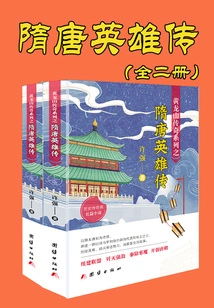
Legend of Huanglong Mountain Series: Heroes of Sui and Tang Dynasties (two Volumes in Total)
General Fiction黄龙山传奇系列之隋唐英雄传(全二册)
Xu Qiang
Dayu ascended Mount Huanglong in Tianyue to seek the method of controlling water. Xia Jie was unruly and the Shang Dynasty flourished. Shang Dynasty's debauchery disturbed the three realms and caused the gods to get involved in battles. After Jiang Ziya was "conferred on the list of gods", the three realms returned to the Qingming Dynasty, but the Zhou Dynasty still did not get rid of the five hundred years. And the final fate was the same for the subsequent Han Dynasty... It seems that every three hundred years of rule, there will be more than a hundred years of chaos; in the rule of law, the world is peaceful, the country is prosperous and the people are peaceful, and in the troubled times, the world is not upright, evil is rampant, and all the people are in danger. Its root lies in the bewitchment of the demon spirit by the demon lord Chi You. In the early Sui Dynasty, with the help of Wu Qun and other demons, the demon spirit broke through the Tai Chi Bagua array in Huanglong Mountain, broke out of the Fuxi Bagua Mirror seal, gathered followers, and brought chaos to the world. Sima Luo was ordered by Emperor Fu Xi to practice Taoism, Qi, and mind. He went through hardships and life and death tests. Finally, with the full support of his lover and chivalrous Tao, he formed the "Devil-Suppressing Alliance" and led the Four Spirits, Bafang, Sixty-Four Heroes, One Hundred and Twenty-eight Mountains, etc. To work together to practice the Tai Chi Bagua Formation, build a barrier, and fight against the demons. At the last moment, he restored the mirror, annihilated the demons, and sealed the demon spirits in the Tai Chi Bagua Mirror. Later generations copied the Tai Chi Bagua mirror and used it as a Feng Shui instrument, commonly known as the "Compass".
Dayu ascended Mount Huanglong in Tianyue to seek the method of controlling water. Xia Jie was unruly and the Shang Dynasty flourished. Shang Dynasty's debauchery disturbed the three realms and caused the gods to get involved in battles. After Jiang Ziya was "conferred on the list of gods", the three realms returned to the Qingming Dynasty, but the Zhou Dynasty still did not get rid of the five hundred years. And the final fate was the same for the subsequent Han Dynasty... It seems that every three hundred years of rule, there will be more than a hundred years of chaos; in the rule of law, the world is peaceful, the country is prosperous and the people are peaceful, and in the troubled times, the world is not upright, evil is rampant, and all the people are in danger. Its root lies in the bewitchment of the demon spirit by the demon lord Chi You. In the early Sui Dynasty, with the help of Wu Qun and other demons, the demon spirit broke through the Tai Chi Bagua array in Huanglong Mountain, broke out of the Fuxi Bagua Mirror seal, gathered followers, and brought chaos to the world. Sima Luo was ordered by Emperor Fu Xi to practice Taoism, Qi, and mind. He went through hardships and life and death tests. Finally, with the full support of his lover and chivalrous Tao, he formed the "Devil-Suppressing Alliance" and led the Four Spirits, Bafang, Sixty-Four Heroes, One Hundred and Twenty-eight Mountains, etc. To work together to practice the Tai Chi Bagua Formation, build a barrier, and fight against the demons. At the last moment, he restored the mirror, annihilated the demons, and sealed the demon spirits in the Tai Chi Bagua Mirror. Later generations copied the Tai Chi Bagua mirror and used it as a Feng Shui instrument, commonly known as the "Compass".
Artesian Well Road Protection Situation
General Fiction自流井保路风云
Wang Rui
This book is set in the artesian wells of modern China's large salt fields, and contains dozens of characters, including celebrities, elite salt merchants, and figures in the world. The book is divided into more than thirty chapters, with twists and turns, touching content, and rich anecdotes. It is as readable and thoughtful as legendary literature. It reproduces the historical contributions of influential figures in the Zigong Saltworks during the Sichuan Road Protection Movement, and creates many vivid characters and their various responses to the tide of the times. On the whole, it not only provides a new perspective on Ziliujing literature and history, but also becomes the latest exploration in the development of contemporary historical novel writing.
This book is set in the artesian wells of modern China's large salt fields, and contains dozens of characters, including celebrities, elite salt merchants, and figures in the world. The book is divided into more than thirty chapters, with twists and turns, touching content, and rich anecdotes. It is as readable and thoughtful as legendary literature. It reproduces the historical contributions of influential figures in the Zigong Saltworks during the Sichuan Road Protection Movement, and creates many vivid characters and their various responses to the tide of the times. On the whole, it not only provides a new perspective on Ziliujing literature and history, but also becomes the latest exploration in the development of contemporary historical novel writing.
Brother Pao's Old Stories
General Fiction袍哥旧事
Zhang Ming
During the Republic of China, warlords were fighting in a melee, and Sichuan's Pao brothers were everywhere. The Pao brothers became the backbone of protecting the countryside in the troubled times at that time, and they were very ethical. Pao Ge, represented by Huang Qiye and Manmei, struggled to make a living under warlords such as Yang Sen, Liu Wenhui, and Liu Xiang. Originally, everyone followed Paoge's logic and lived in peace with each other until Yang Sen's seventh concubine, Tai Xiaohong, escaped, causing a dispute between Huang Qiye and Manmei's Jintangkou and Yang Sen, and their comfortable life was broken. Yang Sen wanted to develop Chengdu's economy and fulfill his wish to unify the whole of Sichuan, so he imitated Wu Peifu and began to carry out projects such as personality worship. At the same time, he monopolized important economic sources, which made the people dissatisfied, including Qingshui and Zhuoshui Paoge. The conflict between Paoge and Yang Sen was further intensified. Later, Yang Sen sent someone to take over Jintangtangkou, and Yang Sen and Jintangtangkou also formed a feud. In order to take revenge, Manmei teamed up with Xiaohong and hit Yang Sen in the face several times. Man Mei also suddenly became a new generation of heroes in Pao Ge. As Yang Sen's desire to unify the entire Sichuan continues to expand, the conflicts between him and several other major warlords have become increasingly intensified, and a war is imminent. Due to Yang Sen's arrogance and his contempt for Pao Ge's group, he was originally at an advantage and gradually became at a disadvantage. Later, he failed in the war. Liu Xiang entered Chengdu and truly unified the whole Sichuan. According to Pao Ge's logic, he became the boss of the whole Sichuan. Jintang's life returned to peace. This book tells the ups and downs of life of these Pao brothers and the power struggle among the Sichuan warlords, showing the characteristics and charm of Pao brother culture.
During the Republic of China, warlords were fighting in a melee, and Sichuan's Pao brothers were everywhere. The Pao brothers became the backbone of protecting the countryside in the troubled times at that time, and they were very ethical. Pao Ge, represented by Huang Qiye and Manmei, struggled to make a living under warlords such as Yang Sen, Liu Wenhui, and Liu Xiang. Originally, everyone followed Paoge's logic and lived in peace with each other until Yang Sen's seventh concubine, Tai Xiaohong, escaped, causing a dispute between Huang Qiye and Manmei's Jintangkou and Yang Sen, and their comfortable life was broken. Yang Sen wanted to develop Chengdu's economy and fulfill his wish to unify the whole of Sichuan, so he imitated Wu Peifu and began to carry out projects such as personality worship. At the same time, he monopolized important economic sources, which made the people dissatisfied, including Qingshui and Zhuoshui Paoge. The conflict between Paoge and Yang Sen was further intensified. Later, Yang Sen sent someone to take over Jintangtangkou, and Yang Sen and Jintangtangkou also formed a feud. In order to take revenge, Manmei teamed up with Xiaohong and hit Yang Sen in the face several times. Man Mei also suddenly became a new generation of heroes in Pao Ge. As Yang Sen's desire to unify the entire Sichuan continues to expand, the conflicts between him and several other major warlords have become increasingly intensified, and a war is imminent. Due to Yang Sen's arrogance and his contempt for Pao Ge's group, he was originally at an advantage and gradually became at a disadvantage. Later, he failed in the war. Liu Xiang entered Chengdu and truly unified the whole Sichuan. According to Pao Ge's logic, he became the boss of the whole Sichuan. Jintang's life returned to peace. This book tells the ups and downs of life of these Pao brothers and the power struggle among the Sichuan warlords, showing the characteristics and charm of Pao brother culture.
纸糊的民国(1915—1945):民国30年风云往事
Yi Cun'an
"Paper of the Republic of China" is a historical literary work that continues the "Romance of the Republic of China" written by Mr. Cai Dongfan, a master of the history of the Republic of China. This book is a classic work that Mr. Yi Cun'an, a well-known writer in Nanyang, China, has spent 27 years of thinking and polishing. The book uses "literary style" to write the 30 years of the history of the Republic of China. It brilliantly reproduces the joys, sorrows, joys and sorrows of the Republic of China. With vivid historical stories, it tells us the historical nature of "the winner is the king, the loser is the bandit". In the form of chapters, it tells the readers about the ups and downs, successes and failures of the influential figures in the Republic of China, and the fate of the nation that was ravaged.
"Paper of the Republic of China" is a historical literary work that continues the "Romance of the Republic of China" written by Mr. Cai Dongfan, a master of the history of the Republic of China. This book is a classic work that Mr. Yi Cun'an, a well-known writer in Nanyang, China, has spent 27 years of thinking and polishing. The book uses "literary style" to write the 30 years of the history of the Republic of China. It brilliantly reproduces the joys, sorrows, joys and sorrows of the Republic of China. With vivid historical stories, it tells us the historical nature of "the winner is the king, the loser is the bandit". In the form of chapters, it tells the readers about the ups and downs, successes and failures of the influential figures in the Republic of China, and the fate of the nation that was ravaged.
Dahan Tianji (all 3 Volumes)
General Fiction大汉天机(全3册)
Wang Jueren
In the autumn of the sixth year of the Han Dynasty, court officials were assassinated one after another, and the circumstances of the case were strange. The assassin Qing Mang fell off a cliff and lost his memory. In the process of tracing his true identity, he fell into a treacherous and confusing crisis step by step. He unexpectedly discovered that he seemed to be inextricably connected with the imperial court, the Huns, the Mohists, and the princes. During this period, the mysterious "Heavenly Secret Map" surfaced, triggering fierce competition among various forces. Qingmang was caught between various forces, using his special identity as a fourth-level spy to mediate and maneuver around, fighting wits and courage with powerful opponents, fighting his way out step by step, and clearing up the doubts bit by bit.
In the autumn of the sixth year of the Han Dynasty, court officials were assassinated one after another, and the circumstances of the case were strange. The assassin Qing Mang fell off a cliff and lost his memory. In the process of tracing his true identity, he fell into a treacherous and confusing crisis step by step. He unexpectedly discovered that he seemed to be inextricably connected with the imperial court, the Huns, the Mohists, and the princes. During this period, the mysterious "Heavenly Secret Map" surfaced, triggering fierce competition among various forces. Qingmang was caught between various forces, using his special identity as a fourth-level spy to mediate and maneuver around, fighting wits and courage with powerful opponents, fighting his way out step by step, and clearing up the doubts bit by bit.
Queen of Two Dynasties
General Fiction两朝皇后
Century Ancient Soup
Based on the most chaotic civil strife in history, and using Yang Xianrong, the only queen of two dynasties in history, as the first perspective, it writes about her ups and downs life, the process of the fall of the Western Jin Dynasty, and the first great national integration in history. The time span spans from the ninth year of Yuankang (299 AD to 306 AD, the first year of Guangxi), the second stage of the Eight Kings Rebellion, through the Yongjia Rebellion (307 AD - 311 AD), to the defeat of Luoyang and the fall of the Western Jin Dynasty. "Standing in front of the city gate that had long since disappeared, I finally realized that compared with losing the submission and loyalty of the people to this regime, the glory of the Yang family, the dignity of the ladies, and the title of queen that I have lost over the years are not worth a penny at all. In the depths of their eyes, there is the exhaustion and numbness of this regime that has plunged them into hardship and disaster." Emphasis: The creation is based on historical books, not historical books.
Based on the most chaotic civil strife in history, and using Yang Xianrong, the only queen of two dynasties in history, as the first perspective, it writes about her ups and downs life, the process of the fall of the Western Jin Dynasty, and the first great national integration in history. The time span spans from the ninth year of Yuankang (299 AD to 306 AD, the first year of Guangxi), the second stage of the Eight Kings Rebellion, through the Yongjia Rebellion (307 AD - 311 AD), to the defeat of Luoyang and the fall of the Western Jin Dynasty. "Standing in front of the city gate that had long since disappeared, I finally realized that compared with losing the submission and loyalty of the people to this regime, the glory of the Yang family, the dignity of the ladies, and the title of queen that I have lost over the years are not worth a penny at all. In the depths of their eyes, there is the exhaustion and numbness of this regime that has plunged them into hardship and disaster." Emphasis: The creation is based on historical books, not historical books.
Two Hearts of the Earth
General Fiction大地双心
Xu Haofeng
In 1911, the Revolution of 1911 broke out, and the Qing emperor abdicated the next year. In 1917, a young man who guarded the tomb was entrusted to come to the emperor and protect him with secret methods for ten years. At this time, the royal family is still there, and there are still actors singing their voices at the opening of big plays in the Forbidden City. It seems to be a peaceful scene. However, the current situation is turbulent. How can the center of the whirlpool be spared? Powerful ministers, actors, warlords, old scholars, and revolutionary parties took turns to appear, and a different narrative about the last emperor unfolded. The earth has two hearts, one for loyalty and the other for betrayal. The emperor moved between the arrangements of various careerists, gained some true feelings, and also gained insight into countless betrayals. The secret method cannot resist the human heart, and behind the out-of-touch words and deeds is endless helplessness and sadness...
In 1911, the Revolution of 1911 broke out, and the Qing emperor abdicated the next year. In 1917, a young man who guarded the tomb was entrusted to come to the emperor and protect him with secret methods for ten years. At this time, the royal family is still there, and there are still actors singing their voices at the opening of big plays in the Forbidden City. It seems to be a peaceful scene. However, the current situation is turbulent. How can the center of the whirlpool be spared? Powerful ministers, actors, warlords, old scholars, and revolutionary parties took turns to appear, and a different narrative about the last emperor unfolded. The earth has two hearts, one for loyalty and the other for betrayal. The emperor moved between the arrangements of various careerists, gained some true feelings, and also gained insight into countless betrayals. The secret method cannot resist the human heart, and behind the out-of-touch words and deeds is endless helplessness and sadness...