Library
Browse and search books
499 novels found
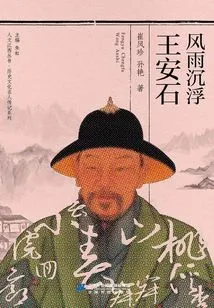
The Ups and Downs of Wang Anshi
Literature风雨沉浮王安石
Sun Yan Cui Fengzhen
This series is positioned as a popular book that is both cultural and readable, suitable for both refined and popular tastes, well-received by professional circles, and well-received by the reading community. It rejects unfounded, excessively romantic, and "alternative" popular books for consumption, and does not include professional research works that are overly academic. Instead, it "walks the middle road." Based on this consideration, the single book is positioned as a biographical novel with historical themes. The text focuses on creating a sense of picture and situation, attracting readers to return to the historical scene. "The Lonely Bada Shanren" (author: Gao Weisheng), "The Blue Blood Painting by Wen Tianxiang" (authors: Lu Yuan, Cao Bo), "The Ups and Downs of Wang Anshi" (authors: Sun Yan, Cui Fengzhen), "A Generation of Confucian Scholars" "Talk about Zeng Gong" (author: Xu Xu), "The Great Scholar Recommends Zhu Xi" (author: Lu Wei), "Yang Wanli Inside and Outside Chengzhai" (author: Duan Shouxin), "Meeting Yan Shu after Returning from Yan" (author: Wu Xiangchun).
This series is positioned as a popular book that is both cultural and readable, suitable for both refined and popular tastes, well-received by professional circles, and well-received by the reading community. It rejects unfounded, excessively romantic, and "alternative" popular books for consumption, and does not include professional research works that are overly academic. Instead, it "walks the middle road." Based on this consideration, the single book is positioned as a biographical novel with historical themes. The text focuses on creating a sense of picture and situation, attracting readers to return to the historical scene. "The Lonely Bada Shanren" (author: Gao Weisheng), "The Blue Blood Painting by Wen Tianxiang" (authors: Lu Yuan, Cao Bo), "The Ups and Downs of Wang Anshi" (authors: Sun Yan, Cui Fengzhen), "A Generation of Confucian Scholars" "Talk about Zeng Gong" (author: Xu Xu), "The Great Scholar Recommends Zhu Xi" (author: Lu Wei), "Yang Wanli Inside and Outside Chengzhai" (author: Duan Shouxin), "Meeting Yan Shu after Returning from Yan" (author: Wu Xiangchun).
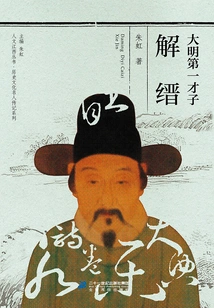
大明第一才子解缙
Zhu Hong
Xie Jin's life is a life of ups and downs. He was one of the "Three Great Talents of the Ming Dynasty". He was smart since he was a child and was known as a "child prodigy". He was admitted to Jinshi at a young age and was valued by Zhu Yuanzhang, the founder of the Ming Dynasty. Finally, after being drunk, he was mercilessly buried in the snow and died. He died young in middle age, his great ambitions were difficult to realize, and he was jealous of talents, which is really regrettable. "The Ming Dynasty's Most Talented Scholar Jie Jin" written by Zhu Hong uses Xie Jin's life experience as a clue to tell his life and literary and artistic achievements. Based on this, it shows the various aspects of the political, social, and literary circles in the early Ming Dynasty, and also provides an in-depth analysis of Xie Jin's personality, gains and losses. Xie Jin was "talented, forward-thinking, and insightful", which made him favored and promoted, but "he had no scruples whether he liked Zang or not", which made him fall out of favor and be demoted. However, his contribution to the politics, thought, literature and art of the Ming Dynasty is obvious to all; he was not flattering or partial, and his character can be described as a model for future generations. His anecdotes and legends are widely circulated among the people. History will eventually give him a fair evaluation. Xie Jin et al.
Xie Jin's life is a life of ups and downs. He was one of the "Three Great Talents of the Ming Dynasty". He was smart since he was a child and was known as a "child prodigy". He was admitted to Jinshi at a young age and was valued by Zhu Yuanzhang, the founder of the Ming Dynasty. Finally, after being drunk, he was mercilessly buried in the snow and died. He died young in middle age, his great ambitions were difficult to realize, and he was jealous of talents, which is really regrettable. "The Ming Dynasty's Most Talented Scholar Jie Jin" written by Zhu Hong uses Xie Jin's life experience as a clue to tell his life and literary and artistic achievements. Based on this, it shows the various aspects of the political, social, and literary circles in the early Ming Dynasty, and also provides an in-depth analysis of Xie Jin's personality, gains and losses. Xie Jin was "talented, forward-thinking, and insightful", which made him favored and promoted, but "he had no scruples whether he liked Zang or not", which made him fall out of favor and be demoted. However, his contribution to the politics, thought, literature and art of the Ming Dynasty is obvious to all; he was not flattering or partial, and his character can be described as a model for future generations. His anecdotes and legends are widely circulated among the people. History will eventually give him a fair evaluation. Xie Jin et al.
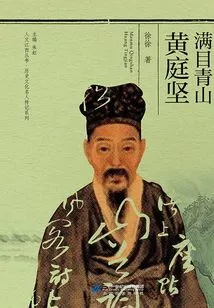
满目青山黄庭坚
Slowly
Huang Tingjian's life reflects the history, culture and aesthetics of the Northern Song Dynasty. He was born in the reign of Song Renzong (1045) and died in the reign of Song Huizong (1105). His more than sixty years of life were the process of the Northern Song Dynasty from extreme prosperity to poverty, weakness and decline. The period when he was born and grew up coincided with the unprecedented prosperity of economy, society, culture and art in the Northern Song Dynasty. He became famous at a young age, was promoted to Jinshi, entered the official career, and was promoted to the fifth rank; when the Northern Song Dynasty was declining due to the failure of the reform, constant party disputes, and internal and external difficulties, he was also wronged by the party disputes and suffered frame-up, interrogation, prison, demotion, exile and custody, and finally was demoted to Yizhou where he died. Twenty-two years after his death, the Song Dynasty suffered the humiliation of Jingkang and fled south of the Yangtze River. The Northern Song Dynasty was destroyed, which became an eternal pain in the history of Han culture. This book takes the political system, culture, art, and social trends of the Northern Song Dynasty as the background, tells Huang Tingjian's life story and artistic achievements, and unfolds a vivid, rich and ups and downs picture of life. "The world is extremely decadent, but my heart is like a pillar." Huang Tingjian had a rough life and suffered many hardships, but he always maintained the character of a scholar. His poems and books complemented his character and official character, and he blended Confucianism, Buddhism, and Taoism. Use both, not being arrogant when winning, not being depressed when losing, having an open mind and an upright sentiment are the reasons why Huang Tingjian is admired by future generations, and they are also the life thoughts and spiritual comfort that Huang Tingjian left to us.
Huang Tingjian's life reflects the history, culture and aesthetics of the Northern Song Dynasty. He was born in the reign of Song Renzong (1045) and died in the reign of Song Huizong (1105). His more than sixty years of life were the process of the Northern Song Dynasty from extreme prosperity to poverty, weakness and decline. The period when he was born and grew up coincided with the unprecedented prosperity of economy, society, culture and art in the Northern Song Dynasty. He became famous at a young age, was promoted to Jinshi, entered the official career, and was promoted to the fifth rank; when the Northern Song Dynasty was declining due to the failure of the reform, constant party disputes, and internal and external difficulties, he was also wronged by the party disputes and suffered frame-up, interrogation, prison, demotion, exile and custody, and finally was demoted to Yizhou where he died. Twenty-two years after his death, the Song Dynasty suffered the humiliation of Jingkang and fled south of the Yangtze River. The Northern Song Dynasty was destroyed, which became an eternal pain in the history of Han culture. This book takes the political system, culture, art, and social trends of the Northern Song Dynasty as the background, tells Huang Tingjian's life story and artistic achievements, and unfolds a vivid, rich and ups and downs picture of life. "The world is extremely decadent, but my heart is like a pillar." Huang Tingjian had a rough life and suffered many hardships, but he always maintained the character of a scholar. His poems and books complemented his character and official character, and he blended Confucianism, Buddhism, and Taoism. Use both, not being arrogant when winning, not being depressed when losing, having an open mind and an upright sentiment are the reasons why Huang Tingjian is admired by future generations, and they are also the life thoughts and spiritual comfort that Huang Tingjian left to us.
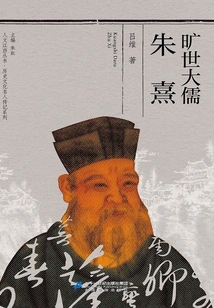
The Great Scholar Zhu Xi
Literature旷世大儒朱熹
Lu Wei
This book traces the life trajectory of Zhu Xi, a master of Neo-Confucianism, thinker, philosopher, and educator in the Southern Song Dynasty, from Zhu Xi's family background, to his academic experience, his process of becoming an official, and then to the construction of the academy, using a comprehensive literary and historical picture. It shows the complete image of Master Zhu Xi: his perseverance in seeking true knowledge, his compassion for the country and his people, and his perseverance in character in troubled times. It also reproduces the political, economic and cultural conditions of the war-torn era in which Zhu Xi lived. The author focuses on how Zhu Xi sought true knowledge. The difficulties and twists and turns in the process of moving towards the holy realm, how Zhu Xi, under the guidance of many teachers, realized his enlightenment alone in lonely late nights, and finally formed a unique and systematic Neo-Confucian thought through repeated self-denials. At that historical stage, Zhu Xi definitely had his own ideological limitations, but this did not affect the admiration of later generations for Zhu Xi, nor did it affect the inheritance and inspiration of Zhu Xi's thoughts on Chinese cultural thought.
This book traces the life trajectory of Zhu Xi, a master of Neo-Confucianism, thinker, philosopher, and educator in the Southern Song Dynasty, from Zhu Xi's family background, to his academic experience, his process of becoming an official, and then to the construction of the academy, using a comprehensive literary and historical picture. It shows the complete image of Master Zhu Xi: his perseverance in seeking true knowledge, his compassion for the country and his people, and his perseverance in character in troubled times. It also reproduces the political, economic and cultural conditions of the war-torn era in which Zhu Xi lived. The author focuses on how Zhu Xi sought true knowledge. The difficulties and twists and turns in the process of moving towards the holy realm, how Zhu Xi, under the guidance of many teachers, realized his enlightenment alone in lonely late nights, and finally formed a unique and systematic Neo-Confucian thought through repeated self-denials. At that historical stage, Zhu Xi definitely had his own ideological limitations, but this did not affect the admiration of later generations for Zhu Xi, nor did it affect the inheritance and inspiration of Zhu Xi's thoughts on Chinese cultural thought.
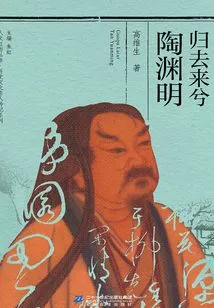
Tao Yuanming is Coming Back
Literature归去来兮陶渊明
Gao Weisheng
Tao Yuanming is a lonely man. He puts aside all his vanity and fame and retreats to nature. This is not a performance art, but an attitude towards life and a highly accurate insight into secular education. A completely natural poem, "withered on the outside but anointed on the inside, seemingly bland but actually beautiful", which is shaped in nature. Tao Yuanming's straightforward temperament and his rich spiritual world bloomed different flowers of innocence in the ideal peach blossom garden. This book shows Tao Yuanming's life-long thought and life art process through his poems written in life. Tao Yuanming left us a pastoral life and life pursuit of dignity, freedom, and sincerity. This rich legacy, like a mountain peak, allows us to look up and explore. Tao Yuanming does not put on any pretense. He pursues the essence of life and insists on himself in a life of poverty. The poems he created carry the morning dew and the breath of sunshine. Such a poet, his words are a good medicine for the loss of true feelings in modern society.
Tao Yuanming is a lonely man. He puts aside all his vanity and fame and retreats to nature. This is not a performance art, but an attitude towards life and a highly accurate insight into secular education. A completely natural poem, "withered on the outside but anointed on the inside, seemingly bland but actually beautiful", which is shaped in nature. Tao Yuanming's straightforward temperament and his rich spiritual world bloomed different flowers of innocence in the ideal peach blossom garden. This book shows Tao Yuanming's life-long thought and life art process through his poems written in life. Tao Yuanming left us a pastoral life and life pursuit of dignity, freedom, and sincerity. This rich legacy, like a mountain peak, allows us to look up and explore. Tao Yuanming does not put on any pretense. He pursues the essence of life and insists on himself in a life of poverty. The poems he created carry the morning dew and the breath of sunshine. Such a poet, his words are a good medicine for the loss of true feelings in modern society.
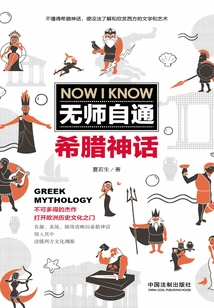
Self-taught Greek Mythology
Literature无师自通希腊神话
Xia Ruosheng
Zeus, Hera, Apollo, Athena... Do you know the Greek gods? How is the god Zeus so romantic? How could Hera be so jealous? How can Athena be both wise and courageous, yet so righteous? How did the golden apples of the Goddess of Discord stimulate the vanity of the gods and trigger a protracted ancient war? How did Sisyphus deceive the gods and end up pushing rocks up mountains all his life? How did the God of Love and the God of War get caught and raped in bed by the God of Fire, attracting the gods who were looking at the joke?
Zeus, Hera, Apollo, Athena... Do you know the Greek gods? How is the god Zeus so romantic? How could Hera be so jealous? How can Athena be both wise and courageous, yet so righteous? How did the golden apples of the Goddess of Discord stimulate the vanity of the gods and trigger a protracted ancient war? How did Sisyphus deceive the gods and end up pushing rocks up mountains all his life? How did the God of Love and the God of War get caught and raped in bed by the God of Fire, attracting the gods who were looking at the joke?
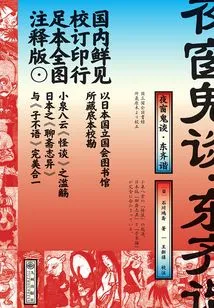
Night Window Ghost Talk·dong Qixie
Literature夜窗鬼谈·东齐谐
(japan) Kosai Ishikawa
"Ghost Talk at the Night Window" is a famous collection of Japanese short stories in Chinese, and "Eastern Qi Harmony" is its sister work. The two have the reputation of "Strange Stories from a Chinese Studio" and "Zi Buyu" in Japan. The author Kosai Ishikawa talks about fantasy as a Confucianist and Sinologist. He embraces and interprets it within the framework of Confucianism's benefit to the world, and has created a unique literary path. "Ghost Talk at the Night Window" is based on the collection of predecessors' works and folk anecdotes, which he then cut, polished, edited, processed, and developed for the second time. It is able to "track the Jin and Song Dynasties and not follow the Tang Dynasty". "Dong Qi Xie" is his original story about gods and ghosts, and some of them are based on existing traditional ghost stories and adapted into witty jokes, which are very entertaining.
"Ghost Talk at the Night Window" is a famous collection of Japanese short stories in Chinese, and "Eastern Qi Harmony" is its sister work. The two have the reputation of "Strange Stories from a Chinese Studio" and "Zi Buyu" in Japan. The author Kosai Ishikawa talks about fantasy as a Confucianist and Sinologist. He embraces and interprets it within the framework of Confucianism's benefit to the world, and has created a unique literary path. "Ghost Talk at the Night Window" is based on the collection of predecessors' works and folk anecdotes, which he then cut, polished, edited, processed, and developed for the second time. It is able to "track the Jin and Song Dynasties and not follow the Tang Dynasty". "Dong Qi Xie" is his original story about gods and ghosts, and some of them are based on existing traditional ghost stories and adapted into witty jokes, which are very entertaining.
I
Literaturei
J
"Kojiki" systematically records Japanese myths and legends, and launches a tour of Japan's origins and style in ancient and unrestrained stories. The book is divided into three volumes. The first volume records the origins and myths and legends of Japanese gods, focusing on the formation of Japan's territory and the beginning of the emperor. The middle volume and the second volume are the records and legends of the thirty-three generations of Japanese emperors from Emperor Jimmu to Emperor Suiko. Historical facts are mixed with fiction. The records mainly focus on the Japanese emperor's conquests and quelling chaos, administrative structures, royal family legends, etc.
"Kojiki" systematically records Japanese myths and legends, and launches a tour of Japan's origins and style in ancient and unrestrained stories. The book is divided into three volumes. The first volume records the origins and myths and legends of Japanese gods, focusing on the formation of Japan's territory and the beginning of the emperor. The middle volume and the second volume are the records and legends of the thirty-three generations of Japanese emperors from Emperor Jimmu to Emperor Suiko. Historical facts are mixed with fiction. The records mainly focus on the Japanese emperor's conquests and quelling chaos, administrative structures, royal family legends, etc.
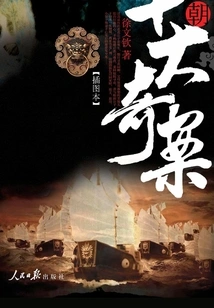
明朝十大奇案(插图本)
Xu Wenqin
This book tells the story of ten bizarre events that happened in the Ming Empire. Each event is based on historical facts, with true content and twists and turns. From the emperor to the common people, everyone was involved in these cases. For example, "The Strange Unjust Case of Four Lives in Yangzhou City" tells the story of a homosexual who was deceived and his family members died strangely and unjustly. Such a story is not only highly readable, but can also reflect our real life. I believe readers will not be able to put it down.
This book tells the story of ten bizarre events that happened in the Ming Empire. Each event is based on historical facts, with true content and twists and turns. From the emperor to the common people, everyone was involved in these cases. For example, "The Strange Unjust Case of Four Lives in Yangzhou City" tells the story of a homosexual who was deceived and his family members died strangely and unjustly. Such a story is not only highly readable, but can also reflect our real life. I believe readers will not be able to put it down.
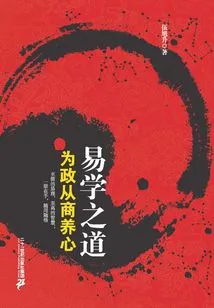
易学之道为政从商养心
Wu Xusheng
Historically, it is easy to fall into the misunderstanding of prediction when reading the "Book of Changes". In fact, the "Book of Changes" contains almost all the essence of Chinese culture. It reflects the scientific understanding of the natural universe, celestial phenomena and phenology by the ancestors of the Chinese nation since ancient times, which reflects the Chinese nation's view of the universe and nature, and further extends to the ideological content of natural philosophy, human ethics philosophy, aesthetic philosophy and other aspects. If you read it carefully, you may be able to find many of the origins of Chinese culture. However, reading the "Book of Changes" can be difficult or easy. If we can clarify its essence and analyze its spiritual connotation, it may provide certain reference for politics, business and moral cultivation.
Historically, it is easy to fall into the misunderstanding of prediction when reading the "Book of Changes". In fact, the "Book of Changes" contains almost all the essence of Chinese culture. It reflects the scientific understanding of the natural universe, celestial phenomena and phenology by the ancestors of the Chinese nation since ancient times, which reflects the Chinese nation's view of the universe and nature, and further extends to the ideological content of natural philosophy, human ethics philosophy, aesthetic philosophy and other aspects. If you read it carefully, you may be able to find many of the origins of Chinese culture. However, reading the "Book of Changes" can be difficult or easy. If we can clarify its essence and analyze its spiritual connotation, it may provide certain reference for politics, business and moral cultivation.
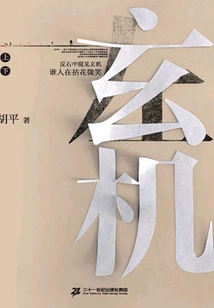
Mystery (full Collection)
Literature玄机(全集)
Hu Ping
1957 - this special year that Chinese intellectuals entered into many hardships. An anti-rightist movement put them into a painful situation that lasted for decades. Their fate was ravaged by this movement, and their lives were ups and downs in the stormy sea! The year 1957 became the beginning of an irreversible nightmare, with mysteries lurking in the fog... The author attempts to explain the anti-rightist movement from another angle through a personal review of this period and a review of many representative people and events. He wants to explore what this land, which is steeped in the production methods, psychological methods and autocratic dynasties of the East, has towards intellectuals, especially thinkers. This book is not so much about writing the fate of intellectuals as it is about writing the fate of the entire nation and ourselves. Only by touching those historical wounds can we grasp the pulse of China today and in the future.
1957 - this special year that Chinese intellectuals entered into many hardships. An anti-rightist movement put them into a painful situation that lasted for decades. Their fate was ravaged by this movement, and their lives were ups and downs in the stormy sea! The year 1957 became the beginning of an irreversible nightmare, with mysteries lurking in the fog... The author attempts to explain the anti-rightist movement from another angle through a personal review of this period and a review of many representative people and events. He wants to explore what this land, which is steeped in the production methods, psychological methods and autocratic dynasties of the East, has towards intellectuals, especially thinkers. This book is not so much about writing the fate of intellectuals as it is about writing the fate of the entire nation and ourselves. Only by touching those historical wounds can we grasp the pulse of China today and in the future.
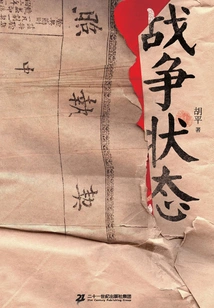
State of War
Literature战争状态
Hu Ping
For the Chinese, "class struggle" was a word that was even more important than eating from the first half of the 20th century to the decades of reform and opening up. The so-called "class struggle" was triggered by composition and origin, with the "five types of elements" and "the children of the five black types" as the primary targets of struggle. Therefore, the "state of war" became the real norm in people's daily lives at that era. And the lives of those various elements who were labeled as political began decades of purgatory-like suffering... This book uses a large amount of detailed information and interviews with relevant parties to reproduce the nightmarish madness and various deformed political ecology that made people shudder during the "class struggle" years. In the current era, the importance of facing up to history is even more highlighted.
For the Chinese, "class struggle" was a word that was even more important than eating from the first half of the 20th century to the decades of reform and opening up. The so-called "class struggle" was triggered by composition and origin, with the "five types of elements" and "the children of the five black types" as the primary targets of struggle. Therefore, the "state of war" became the real norm in people's daily lives at that era. And the lives of those various elements who were labeled as political began decades of purgatory-like suffering... This book uses a large amount of detailed information and interviews with relevant parties to reproduce the nightmarish madness and various deformed political ecology that made people shudder during the "class struggle" years. In the current era, the importance of facing up to history is even more highlighted.
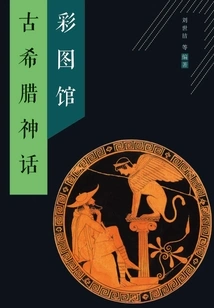
古希腊神话彩图馆
Compiled By Liu Shijie And Others
This book collects representative works of ancient Greek mythology, with classic content, profound implications, moving plots and high interest. At the same time, the book is equipped with exquisite pictures, showing the romantic and moving mythical world in front of readers in an all-round and multi-level way, so that readers can gain rich imagination space and elegant artistic enjoyment.
This book collects representative works of ancient Greek mythology, with classic content, profound implications, moving plots and high interest. At the same time, the book is equipped with exquisite pictures, showing the romantic and moving mythical world in front of readers in an all-round and multi-level way, so that readers can gain rich imagination space and elegant artistic enjoyment.
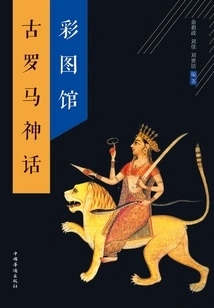
古罗马神话彩图馆
Compiled By Yu Zuzheng, Liu Jia And Liu Shijie
This book selects representative ancient Roman mythological stories, including the birth of gods, the family of gods, the creation of gods, the wars of gods, the origin of mankind, the love between humans and gods, etc., And is supplemented by exquisite pictures that match the text content, showing readers a magnificent mythological picture, allowing readers to wander in the unique world of humans and gods.
This book selects representative ancient Roman mythological stories, including the birth of gods, the family of gods, the creation of gods, the wars of gods, the origin of mankind, the love between humans and gods, etc., And is supplemented by exquisite pictures that match the text content, showing readers a magnificent mythological picture, allowing readers to wander in the unique world of humans and gods.
Important Comments
Literature重要意见
Important Opinion Team
An important creation of the well-known public account "Important Opinions", telling the relationship between beauty and individuals. After spending enough unnecessary money and paying enough tuition fees, can I become a person with taste and aesthetics? It's not that simple! The so-called taste is not only based on what you choose, but more importantly, it is based on what you refuse to consume. Consumption itself is the simplest and most difficult thing in life. The four authors of "Important Opinions" have rich life experiences and broad minds. Their suggestions are pungent and sincere, which not only involve artistic thinking about clothing and design, but also include profound insights into fashion and social trends.
An important creation of the well-known public account "Important Opinions", telling the relationship between beauty and individuals. After spending enough unnecessary money and paying enough tuition fees, can I become a person with taste and aesthetics? It's not that simple! The so-called taste is not only based on what you choose, but more importantly, it is based on what you refuse to consume. Consumption itself is the simplest and most difficult thing in life. The four authors of "Important Opinions" have rich life experiences and broad minds. Their suggestions are pungent and sincere, which not only involve artistic thinking about clothing and design, but also include profound insights into fashion and social trends.
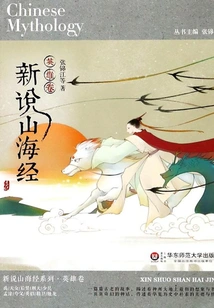
新说山海经(英雄卷)
Zhang Jinjiang
"New Classic of Mountains and Seas (Volume of Heroes)" is one of the volumes in the series of "New Classic of Mountains and Seas", which reproduces ten mythological heroes recorded in "Classic of Mountains and Seas": Yu, Tiannu, Houyi, Xingtian, Shaohao, Meng Tu, Kuafu, Yingzhao, Jingwei and Zhulong.
"New Classic of Mountains and Seas (Volume of Heroes)" is one of the volumes in the series of "New Classic of Mountains and Seas", which reproduces ten mythological heroes recorded in "Classic of Mountains and Seas": Yu, Tiannu, Houyi, Xingtian, Shaohao, Meng Tu, Kuafu, Yingzhao, Jingwei and Zhulong.
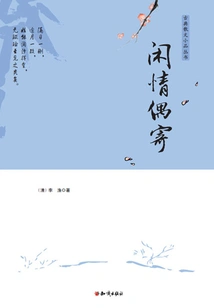
Occasionally Sending Leisurely Feelings
Literature闲情偶寄
Li Yu
"Xianqing Ougeji" consists of eight parts: food and drink, maintenance, voice and appearance, living room, utensils and play, planting, lyrics and music, and exercises. It is rich in content and covers a wide range of topics. It discusses issues such as food and cooking, health care, cosmetics, gardening, architecture, antiques, opera theory, etc. It touches many areas of ancient Chinese life and explores aesthetic phenomena and laws in art and life. It has strong entertainment and practical value.
"Xianqing Ougeji" consists of eight parts: food and drink, maintenance, voice and appearance, living room, utensils and play, planting, lyrics and music, and exercises. It is rich in content and covers a wide range of topics. It discusses issues such as food and cooking, health care, cosmetics, gardening, architecture, antiques, opera theory, etc. It touches many areas of ancient Chinese life and explores aesthetic phenomena and laws in art and life. It has strong entertainment and practical value.
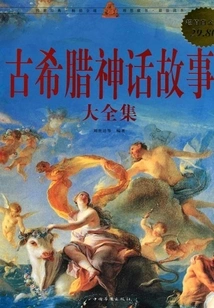
古希腊神话故事大全集
Liu Shihao
The contents of this book include the birth of God, God's family, God's creation, the cooperation and struggle between man and God, etc. Through lively and concise language, it shows readers the magnificent ancient Greek mythology.
The contents of this book include the birth of God, God's family, God's creation, the cooperation and struggle between man and God, etc. Through lively and concise language, it shows readers the magnificent ancient Greek mythology.
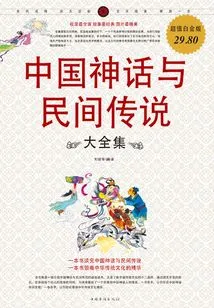
中国神话与民间传说大全集
Liu Yuan
This book is divided into three parts: Chinese myths, folklore, and myths and legends of ethnic minorities.
This book is divided into three parts: Chinese myths, folklore, and myths and legends of ethnic minorities.

Tushiyetu Legend Collection
Literature图什业图传说集
Gangyur Baiyintemur
This book is divided into ten parts, including celebrity legends, lama legends, landscape legends, cliff legends, Aobozhao legends, village place name legends, tree legends, taboo etiquette legends, horse and dog legends, and other legends. It introduces the legends and stories between the Tushyetu Banner people and nature.
This book is divided into ten parts, including celebrity legends, lama legends, landscape legends, cliff legends, Aobozhao legends, village place name legends, tree legends, taboo etiquette legends, horse and dog legends, and other legends. It introduces the legends and stories between the Tushyetu Banner people and nature.
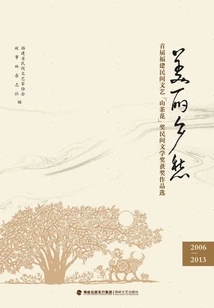
美丽乡愁:首届福建民间文艺“山茶花”奖民间文学奖获奖作品选(2006-2013)
Fujian Folk Literature And Artists Association Story Forest Magazine
Smart, smart and fond of reading. When Lin Mo was a child, he was not only innocent and lively, but also smart. Her life hobbies are different from those of her five sisters: the five sisters loved to wear colorful clothes when they were young, but Lin Mo only liked to wear scarlet clothes; the five sisters loved to wear gold, silver, pearls and jade jewelry, but Lin Mo only liked to plant wild cauliflower and chrysanthemums; the five sisters loved to eat fish. Waiting for meat, but Lin Mo likes to eat vegetables, fruits and vegetables; the five sisters are very quiet and don't like to go out, but when Lin Mo was only six or seven years old, he often went to the beach with the neighbor sisters to watch the ebb and flow of the tide, the flying seagulls, and the return of fishing boats... The golden childhood life is full of poetry and painting. Sometimes, Lin Mo and his neighbor sisters Biyu and Caixia go to the beach to pick conch and other shells; sometimes, they play and chase on the soft sand; sometimes, they learn to swim on the shallow beach; sometimes, they climb on the small sampan parked at the harbor and learn to row... In addition to playing at the beach, Lin Mo also likes to follow his 12-year-old brother Hong Yi and sit in the private school to listen to Mr. Guo's lectures. She is only 7 and a half years old, but she understands the books taught by the old gentleman.
Smart, smart and fond of reading. When Lin Mo was a child, he was not only innocent and lively, but also smart. Her life hobbies are different from those of her five sisters: the five sisters loved to wear colorful clothes when they were young, but Lin Mo only liked to wear scarlet clothes; the five sisters loved to wear gold, silver, pearls and jade jewelry, but Lin Mo only liked to plant wild cauliflower and chrysanthemums; the five sisters loved to eat fish. Waiting for meat, but Lin Mo likes to eat vegetables, fruits and vegetables; the five sisters are very quiet and don't like to go out, but when Lin Mo was only six or seven years old, he often went to the beach with the neighbor sisters to watch the ebb and flow of the tide, the flying seagulls, and the return of fishing boats... The golden childhood life is full of poetry and painting. Sometimes, Lin Mo and his neighbor sisters Biyu and Caixia go to the beach to pick conch and other shells; sometimes, they play and chase on the soft sand; sometimes, they learn to swim on the shallow beach; sometimes, they climb on the small sampan parked at the harbor and learn to row... In addition to playing at the beach, Lin Mo also likes to follow his 12-year-old brother Hong Yi and sit in the private school to listen to Mr. Guo's lectures. She is only 7 and a half years old, but she understands the books taught by the old gentleman.
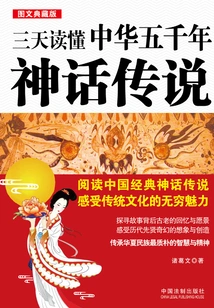
三天读懂中华五千年神话传说
Zhuge Wen
As early as the ancient times, there were already myths and legends. In an era without historical records, Chinese ancestors were already using oral methods to tell the mysteries of the creation of the heaven and earth, the legends of the creation of the gods, the migration experiences of ancestors, and the stories of heroic adventures. They told the joy of love, the desire for life, the fear of death, the innate human joy of love, the desire for life, and the fear of death. They also told about the universe, the sun and the moon. Movements, seasonal cycles, earth vegetation, forest animals, and the origins of life, old age, sickness, death, love, hatred, and resentment in the world tell the beginning and end of time, the depth and breadth of the earth, the birth, death, and rebirth of human beings, and the stories of gods and monsters wandering in remote areas. This book takes the historical development process as its axis, from ancient times to the Qing Dynasty. According to chronological order, it lists the myths and legends from ancient times to the present. These stories are not only unique, but also have ups and downs of plot and are highly readable. Readers can understand the historical background and cultural heritage reflected in myths and legends, and experience the profoundness of traditional culture from another perspective.
As early as the ancient times, there were already myths and legends. In an era without historical records, Chinese ancestors were already using oral methods to tell the mysteries of the creation of the heaven and earth, the legends of the creation of the gods, the migration experiences of ancestors, and the stories of heroic adventures. They told the joy of love, the desire for life, the fear of death, the innate human joy of love, the desire for life, and the fear of death. They also told about the universe, the sun and the moon. Movements, seasonal cycles, earth vegetation, forest animals, and the origins of life, old age, sickness, death, love, hatred, and resentment in the world tell the beginning and end of time, the depth and breadth of the earth, the birth, death, and rebirth of human beings, and the stories of gods and monsters wandering in remote areas. This book takes the historical development process as its axis, from ancient times to the Qing Dynasty. According to chronological order, it lists the myths and legends from ancient times to the present. These stories are not only unique, but also have ups and downs of plot and are highly readable. Readers can understand the historical background and cultural heritage reflected in myths and legends, and experience the profoundness of traditional culture from another perspective.
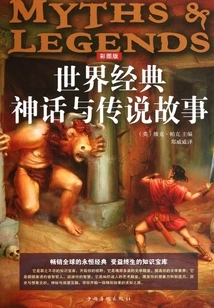
世界经典神话与传说故事(彩图版)
(uk) Vic Parker
This book is divided into six chapters: Creation Myths, Heaven and Gods, Adventures of Epic Heroes, Magic and Mysteries, Life and Love, Destruction and Death. It contains the most widely circulated myths and legends from all over the world. It is rich in content and highly fantasy.
This book is divided into six chapters: Creation Myths, Heaven and Gods, Adventures of Epic Heroes, Magic and Mysteries, Life and Love, Destruction and Death. It contains the most widely circulated myths and legends from all over the world. It is rich in content and highly fantasy.
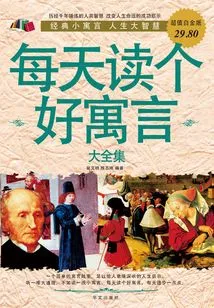
每天读个好寓言 大全集
Zhai Wenming
Fable is a literary style that entrusts profound philosophy and lessons in short, vivid stories. Short fables condense the essence of human wisdom. They often make people more willing to accept the big principles that they are unwilling to accept due to their strong preaching meaning, and gain life experience and wisdom more conveniently and effectively. In life, there are always various problems that trouble people, such as how to succeed and obtain wealth, how to obtain management and marketing experience, how to live a rich and exciting life, how to obtain self-improvement more effectively, etc. Fables can also provide solutions to these problems that trouble people. "Read a Good Fable Every Day" is divided into five parts: success fables, wealth fables, management fables, marketing fables, and life fables. It selects hundreds of profound and thought-provoking fables. There is an "Analysis" column at the back of each story to deeply analyze the profound connotation of the fable, making it easier for readers to understand. In life and on the road to success, these fables will bring powerful help and profound inspiration to business managers, marketers and readers in other industries: managers and financial managers can learn business wisdom and wealth wisdom from them, and achieve career and economic success; managers and marketers can learn management wisdom and marketing wisdom, and thus obtain management and marketing concepts and techniques; ordinary readers can learn life wisdom and philosophy of life, thereby obtaining spiritual sublimation and living a fulfilling life.
Fable is a literary style that entrusts profound philosophy and lessons in short, vivid stories. Short fables condense the essence of human wisdom. They often make people more willing to accept the big principles that they are unwilling to accept due to their strong preaching meaning, and gain life experience and wisdom more conveniently and effectively. In life, there are always various problems that trouble people, such as how to succeed and obtain wealth, how to obtain management and marketing experience, how to live a rich and exciting life, how to obtain self-improvement more effectively, etc. Fables can also provide solutions to these problems that trouble people. "Read a Good Fable Every Day" is divided into five parts: success fables, wealth fables, management fables, marketing fables, and life fables. It selects hundreds of profound and thought-provoking fables. There is an "Analysis" column at the back of each story to deeply analyze the profound connotation of the fable, making it easier for readers to understand. In life and on the road to success, these fables will bring powerful help and profound inspiration to business managers, marketers and readers in other industries: managers and financial managers can learn business wisdom and wealth wisdom from them, and achieve career and economic success; managers and marketers can learn management wisdom and marketing wisdom, and thus obtain management and marketing concepts and techniques; ordinary readers can learn life wisdom and philosophy of life, thereby obtaining spiritual sublimation and living a fulfilling life.
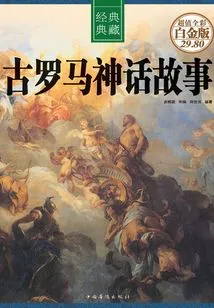
古罗马神话故事(彩图精装)
Yu Zuzheng Liu Jia Liu Shijie
"Myths of Ancient Rome" selects the most representative ancient Roman myths, including the birth of gods, the families of gods, creations of gods, wars of gods, the origin of mankind, the love between humans and gods, etc., And is supplemented by exquisite pictures that match the text content, showing readers a magnificent mythological picture, allowing readers to wander in the unique world of humans and gods.
"Myths of Ancient Rome" selects the most representative ancient Roman myths, including the birth of gods, the families of gods, creations of gods, wars of gods, the origin of mankind, the love between humans and gods, etc., And is supplemented by exquisite pictures that match the text content, showing readers a magnificent mythological picture, allowing readers to wander in the unique world of humans and gods.
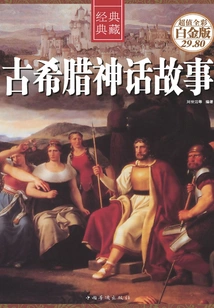
古希腊神话故事(彩图精装)
Liu Shijie
"Ancient Greek Myths" collects the most representative works of ancient Greek myths, with classic content, profound implications, moving plots and high interest. At the same time, the book is equipped with exquisite pictures, which present the romantic and moving mythical world to readers in an all-round and multi-level manner, allowing readers to gain rich imagination space and elegant artistic enjoyment. Opening "Ancient Greek Myths" is like entering a magical world, where history and imagination are intertwined, and mystery and romance blend together. Here, you can find emotional experiences that resonate with your own soul from the wonderful and vivid mythological stories. You can draw nourishment, gain insights, and stimulate thinking from the wise language, and create a pure holy land for your life.
"Ancient Greek Myths" collects the most representative works of ancient Greek myths, with classic content, profound implications, moving plots and high interest. At the same time, the book is equipped with exquisite pictures, which present the romantic and moving mythical world to readers in an all-round and multi-level manner, allowing readers to gain rich imagination space and elegant artistic enjoyment. Opening "Ancient Greek Myths" is like entering a magical world, where history and imagination are intertwined, and mystery and romance blend together. Here, you can find emotional experiences that resonate with your own soul from the wonderful and vivid mythological stories. You can draw nourishment, gain insights, and stimulate thinking from the wise language, and create a pure holy land for your life.
Sichuan Folk Tales
Literature四川民间故事
Li Rongpu Li Guo
This book collects and compiles 132 folklore stories scattered in local historical records and ancient books in northern Sichuan, reflecting the simplicity, kindness and good wishes of Sichuan people for thousands of years, as well as the living customs and customs of Sichuan folk.
This book collects and compiles 132 folklore stories scattered in local historical records and ancient books in northern Sichuan, reflecting the simplicity, kindness and good wishes of Sichuan people for thousands of years, as well as the living customs and customs of Sichuan folk.
Japanese Folk Literature
Literature日本民间文学
(japan) Takagi Riko Zhang Yuan Chen Ganglong
Japan is located to the east of mainland China and is an island country surrounded by sea. Most of Japan has a temperate monsoon climate with four distinct seasons. Japan is mainly composed of four large islands: Hokkaido, Honshu, Shikoku and Kyushu, as well as the Ryukyu Islands and surrounding small islands. Before the Meiji Restoration (1868), the main people living in Hokkaido were the indigenous ethnic group-the Ainu people. It is the only ethnic minority in Japan. Therefore, if the Ainu nation needs to be mentioned in the narrative, it will be explained. The Ryukyu Islands at the southwest end of the Japanese archipelago is Okinawa Prefecture. When Japan was locked down in the Edo period, this area had trade relations with foreign countries. Therefore, it was greatly influenced by the culture of mainland China and Southeast Asia, and then formed its own unique culture.
Japan is located to the east of mainland China and is an island country surrounded by sea. Most of Japan has a temperate monsoon climate with four distinct seasons. Japan is mainly composed of four large islands: Hokkaido, Honshu, Shikoku and Kyushu, as well as the Ryukyu Islands and surrounding small islands. Before the Meiji Restoration (1868), the main people living in Hokkaido were the indigenous ethnic group-the Ainu people. It is the only ethnic minority in Japan. Therefore, if the Ainu nation needs to be mentioned in the narrative, it will be explained. The Ryukyu Islands at the southwest end of the Japanese archipelago is Okinawa Prefecture. When Japan was locked down in the Edo period, this area had trade relations with foreign countries. Therefore, it was greatly influenced by the culture of mainland China and Southeast Asia, and then formed its own unique culture.
Cangyang Gyatso's Love Song
Literature仓央嘉措情歌
Long Renqing
This is a love poem written by the sixth Dalai Lama Tsangyang Gyatso. This master of love songs wrote hundreds of love poems. It is hard to imagine that such graceful and delicate poetry could be cultivated in the rough and cold environment of the snow-covered plateau of Tibet. Tsangyang Gyatso's love poems have been translated into more than 20 languages and spread all over the world, and there are still many new translations appearing. Just from the Chinese translations in the past hundred years, we have seen no fewer than seven or eight versions: some in folk song style, some in five-character and seven-character styles, and some in modern new poetry. Influenced by derivation, these poems also provide inexhaustible inspiration and creative resources to contemporary painters and musicians. In particular, Tsang's love songs, composed with great passion by contemporary outstanding composers and singers, are particularly charming. The human love encouraged and blessed by Tsangyang Gyatso adds divine brilliance.
This is a love poem written by the sixth Dalai Lama Tsangyang Gyatso. This master of love songs wrote hundreds of love poems. It is hard to imagine that such graceful and delicate poetry could be cultivated in the rough and cold environment of the snow-covered plateau of Tibet. Tsangyang Gyatso's love poems have been translated into more than 20 languages and spread all over the world, and there are still many new translations appearing. Just from the Chinese translations in the past hundred years, we have seen no fewer than seven or eight versions: some in folk song style, some in five-character and seven-character styles, and some in modern new poetry. Influenced by derivation, these poems also provide inexhaustible inspiration and creative resources to contemporary painters and musicians. In particular, Tsang's love songs, composed with great passion by contemporary outstanding composers and singers, are particularly charming. The human love encouraged and blessed by Tsangyang Gyatso adds divine brilliance.
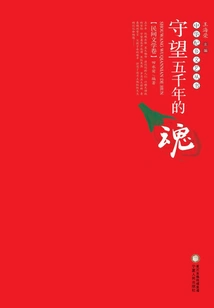
守望五千年的魂·民间文学卷
Wang Hairong
This book is one of the Chinese Qixiang Literature and Art Series. The manuscript is a folk literature volume, divided into six parts, including totems, stories and proverbs of Cixiang, food, folk crafts and intangible cultural inheritance. The work shows the fruitful results of the hard work of the people in the land of wolfberry with a strong local flavor, and once again shows the world the wonderful picture of the land of wolfberry, which has collection value.
This book is one of the Chinese Qixiang Literature and Art Series. The manuscript is a folk literature volume, divided into six parts, including totems, stories and proverbs of Cixiang, food, folk crafts and intangible cultural inheritance. The work shows the fruitful results of the hard work of the people in the land of wolfberry with a strong local flavor, and once again shows the world the wonderful picture of the land of wolfberry, which has collection value.
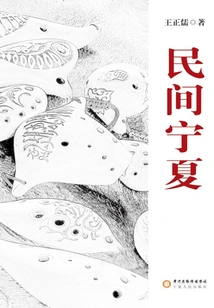
Folk Ningxia
Literature民间宁夏
Wang Zhengru
This book is an academic work. After in-depth investigation and research, the author collected it from the folk, which belongs to the intangible cultural heritage passed down from generation to generation among Ningxia folk. The content of this book is divided into four major chapters: folk customs, folk crafts, folk medicine, and folk delicacies. It focuses on folk customs, culture, art, etc., So that people can feel a folk Ningxia with simple folk customs and profound cultural accumulation in simple words, so that they can enter Ningxia, understand Ningxia, and contribute to the protection of intangible cultural heritage in Ningxia and even the world.
This book is an academic work. After in-depth investigation and research, the author collected it from the folk, which belongs to the intangible cultural heritage passed down from generation to generation among Ningxia folk. The content of this book is divided into four major chapters: folk customs, folk crafts, folk medicine, and folk delicacies. It focuses on folk customs, culture, art, etc., So that people can feel a folk Ningxia with simple folk customs and profound cultural accumulation in simple words, so that they can enter Ningxia, understand Ningxia, and contribute to the protection of intangible cultural heritage in Ningxia and even the world.
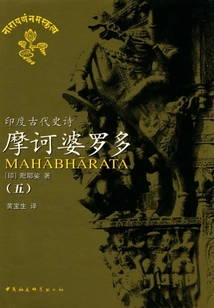
Mahabharata (5)
Literature摩诃婆罗多(五)
(india) Vyasa
"Mahabharata" and "Ramayana" are known as the two major Indian epics. "Ramayana" was translated by Mr. Ji Xianlin and published in the 1980s. The Mahabharata is four times as long as the Ramayana. The book is divided into eighteen chapters. The core story is set against the background of Indian society in the era of strife among nations. It narrates the struggle between two descendants of the Bharata tribe, the Kolulu and Pandava tribes, for the right to inherit the throne. This so-called encyclopedic epic is large in scale and complex in content. So far, there are only a fine revision of the Mahabharata completed by Indian Sanskrit scholars in half a century and the previous English translation in the world, while translations by French, American and other scholars have all failed midway. In the late 1980s, under the support and leadership of Mr. Jin Kemu, the translation project of the Chinese version of the Mahabharata was launched. After the hard work of a group of scholars, it took 17 years to complete the project and handed it down to the world with the support of Mr. Huang Baosheng. It has become one of the only three texts in the world today.
"Mahabharata" and "Ramayana" are known as the two major Indian epics. "Ramayana" was translated by Mr. Ji Xianlin and published in the 1980s. The Mahabharata is four times as long as the Ramayana. The book is divided into eighteen chapters. The core story is set against the background of Indian society in the era of strife among nations. It narrates the struggle between two descendants of the Bharata tribe, the Kolulu and Pandava tribes, for the right to inherit the throne. This so-called encyclopedic epic is large in scale and complex in content. So far, there are only a fine revision of the Mahabharata completed by Indian Sanskrit scholars in half a century and the previous English translation in the world, while translations by French, American and other scholars have all failed midway. In the late 1980s, under the support and leadership of Mr. Jin Kemu, the translation project of the Chinese version of the Mahabharata was launched. After the hard work of a group of scholars, it took 17 years to complete the project and handed it down to the world with the support of Mr. Huang Baosheng. It has become one of the only three texts in the world today.
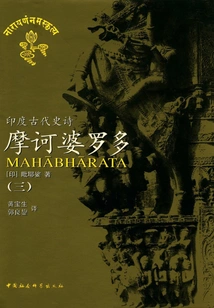
Mahabharata (3)
Literature摩诃婆罗多(三)
(india) Vyasa
"Mahabharata" and "Ramayana" are known as the two major Indian epics. "Ramayana" was translated by Mr. Ji Xianlin and published in the 1980s. The Mahabharata is four times as long as the Ramayana. The book is divided into eighteen chapters. The core story is set against the background of Indian society in the era of strife among nations. It narrates the struggle between two descendants of the Bharata tribe, the Kolulu and Pandava tribes, for the right to inherit the throne. This so-called encyclopedic epic is large in scale and complex in content. So far, there are only a fine revision of the Mahabharata completed by Indian Sanskrit scholars in half a century and the previous English translation in the world, while translations by French, American and other scholars have all failed midway. In the late 1980s, under the support and leadership of Mr. Jin Kemu, the translation project of the Chinese version of the Mahabharata was launched. After the hard work of a group of scholars, it took 17 years to complete the project and handed it down to the world with the support of Mr. Huang Baosheng. It has become one of the only three texts in the world today.
"Mahabharata" and "Ramayana" are known as the two major Indian epics. "Ramayana" was translated by Mr. Ji Xianlin and published in the 1980s. The Mahabharata is four times as long as the Ramayana. The book is divided into eighteen chapters. The core story is set against the background of Indian society in the era of strife among nations. It narrates the struggle between two descendants of the Bharata tribe, the Kolulu and Pandava tribes, for the right to inherit the throne. This so-called encyclopedic epic is large in scale and complex in content. So far, there are only a fine revision of the Mahabharata completed by Indian Sanskrit scholars in half a century and the previous English translation in the world, while translations by French, American and other scholars have all failed midway. In the late 1980s, under the support and leadership of Mr. Jin Kemu, the translation project of the Chinese version of the Mahabharata was launched. After the hard work of a group of scholars, it took 17 years to complete the project and handed it down to the world with the support of Mr. Huang Baosheng. It has become one of the only three texts in the world today.
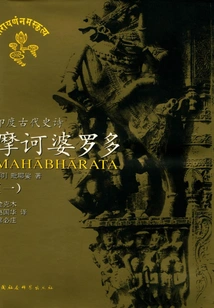
Mahabharata (1)
Literature摩诃婆罗多(一)
(india) Vyasa
"Mahabharata" and "Ramayana" are known as the two major Indian epics. "Ramayana" was translated by Mr. Ji Xianlin and published in the 1980s. The Mahabharata is four times as long as the Ramayana. The book is divided into eighteen chapters. The core story is set against the background of Indian society in the era of strife among nations. It narrates the struggle between two descendants of the Bharata tribe, the Kolulu and Pandava tribes, for the right to inherit the throne. This so-called encyclopedic epic is large in scale and complex in content. So far, there are only a fine revision of the Mahabharata completed by Indian Sanskrit scholars in half a century and the previous English translation in the world, while translations by French, American and other scholars have all failed midway. In the late 1980s, under the support and leadership of Mr. Jin Kemu, the translation project of the Chinese version of the Mahabharata was launched. After the hard work of a group of scholars, it took 17 years to complete the project and handed it down to the world with the support of Mr. Huang Baosheng. It has become one of the only three texts in the world today.
"Mahabharata" and "Ramayana" are known as the two major Indian epics. "Ramayana" was translated by Mr. Ji Xianlin and published in the 1980s. The Mahabharata is four times as long as the Ramayana. The book is divided into eighteen chapters. The core story is set against the background of Indian society in the era of strife among nations. It narrates the struggle between two descendants of the Bharata tribe, the Kolulu and Pandava tribes, for the right to inherit the throne. This so-called encyclopedic epic is large in scale and complex in content. So far, there are only a fine revision of the Mahabharata completed by Indian Sanskrit scholars in half a century and the previous English translation in the world, while translations by French, American and other scholars have all failed midway. In the late 1980s, under the support and leadership of Mr. Jin Kemu, the translation project of the Chinese version of the Mahabharata was launched. After the hard work of a group of scholars, it took 17 years to complete the project and handed it down to the world with the support of Mr. Huang Baosheng. It has become one of the only three texts in the world today.
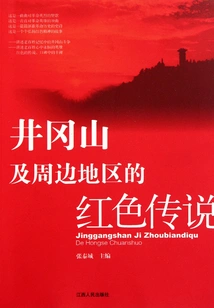
井冈山及周边地区的红色传说
Editor-in-chief Zhang Taicheng
This book eulogizes the great achievements of the older generation of proletarian revolutionaries, and praises the fearless revolutionary spirit of the revolutionary martyrs and Jinggang people who shed their lives for the Chinese revolution. It is a rare and precious spiritual wealth for us to carry out the education of ideals and beliefs and the education of socialist core values.
This book eulogizes the great achievements of the older generation of proletarian revolutionaries, and praises the fearless revolutionary spirit of the revolutionary martyrs and Jinggang people who shed their lives for the Chinese revolution. It is a rare and precious spiritual wealth for us to carry out the education of ideals and beliefs and the education of socialist core values.
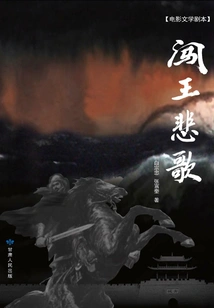
The Elegy of King Chuang
Literature闯王悲歌
Bai Zongzhong Zhang Fukui
The topic is a movie script. The script tells the story of a TV station reporter who saw the news published in Lanzhou Morning News about the discovery of a big plum vase with a blue and white figure in "the first year of Yongchang" in Lanzhou, and also heard the news that "Li Zicheng returned to Qingcheng in Yuzhong". Therefore, the reporter went to Qingcheng to interview and discovered and reported the basic facts of Li Zicheng's retreat to Qingcheng; at the same time, the reporter interviewed and reported the entire process of Li Zicheng's uprising from Jin County, overthrowing the Ming Dynasty, failure, and retreat to Qingcheng in the oral history of the Li family. This book attributes the reason for Li Zicheng's failure to "lack of ability to govern the country" and reflects on Li Zicheng's success and failure.
The topic is a movie script. The script tells the story of a TV station reporter who saw the news published in Lanzhou Morning News about the discovery of a big plum vase with a blue and white figure in "the first year of Yongchang" in Lanzhou, and also heard the news that "Li Zicheng returned to Qingcheng in Yuzhong". Therefore, the reporter went to Qingcheng to interview and discovered and reported the basic facts of Li Zicheng's retreat to Qingcheng; at the same time, the reporter interviewed and reported the entire process of Li Zicheng's uprising from Jin County, overthrowing the Ming Dynasty, failure, and retreat to Qingcheng in the oral history of the Li family. This book attributes the reason for Li Zicheng's failure to "lack of ability to govern the country" and reflects on Li Zicheng's success and failure.
Return
Literature归来
Wang Ke
The son stood in the middle of the room, and the mother rushed to the kitchen with Qiu Yi tucked in her arms. My son put down his luggage and shouted to stop me. I had eaten. I was waiting for the bus at the station and had a bowl of shredded pork noodles. Mother ignored him and started working in the kitchen. The door was open, a gust of wind passed through, and the 20-watt light bulb above his head swayed. The son saw that his shadow almost completely covered a wall. The chirping of crickets came from the base of the wall, close to my ears, making the rural night even more peaceful. Suddenly feeling a sense of discomfort, his son quickly turned around, closed the door, and kicked the night out. My father has always been procrastinating. Now he came out of the bedroom, yawning and hunched over. You lost weight! His eyes widened as he approached his son.
The son stood in the middle of the room, and the mother rushed to the kitchen with Qiu Yi tucked in her arms. My son put down his luggage and shouted to stop me. I had eaten. I was waiting for the bus at the station and had a bowl of shredded pork noodles. Mother ignored him and started working in the kitchen. The door was open, a gust of wind passed through, and the 20-watt light bulb above his head swayed. The son saw that his shadow almost completely covered a wall. The chirping of crickets came from the base of the wall, close to my ears, making the rural night even more peaceful. Suddenly feeling a sense of discomfort, his son quickly turned around, closed the door, and kicked the night out. My father has always been procrastinating. Now he came out of the bedroom, yawning and hunched over. You lost weight! His eyes widened as he approached his son.
The Sound of Cicadas
Literature蝉音袅袅
Yang Fei
In the days before I went in, my eldest brother almost never paid attention to me, even if he glanced at me with a little emotion. He must have thought that I was still a "silly young man" and that we should live in two different worlds. Distinguishing everything by age seems to be the simplest standard in any era that lacks standards. Well, except for a slight exception when facing his parents, his face with a cold light has never changed much for any child. At that time, his father and my uncle had just passed away. He ran away from his hometown to join his uncle and my father and lived in our house. But who would have thought that in just one year, he would actually become famous in our area, and he would become even more arrogant towards me.
In the days before I went in, my eldest brother almost never paid attention to me, even if he glanced at me with a little emotion. He must have thought that I was still a "silly young man" and that we should live in two different worlds. Distinguishing everything by age seems to be the simplest standard in any era that lacks standards. Well, except for a slight exception when facing his parents, his face with a cold light has never changed much for any child. At that time, his father and my uncle had just passed away. He ran away from his hometown to join his uncle and my father and lived in our house. But who would have thought that in just one year, he would actually become famous in our area, and he would become even more arrogant towards me.
Going Further
Literature穿凿附会
Chen Yanzhou
Grandpa is an old carpenter. As long as I can remember (sorry, maybe I started to be wise later, I only started to remember when I was six or seven years old), my grandpa has been getting old. The kind that just got old. Not senile yet. But I have seen other decrepit old ladies in the village. It's strange in our village that most of the people who live longer are women, that is, old ladies. The muscles on their faces are hanging out one by one, and it's really strange that there are so many grooves in a small face, which is more meaningful than the taut and dewy little girl's face. However, something meaningful may not necessarily make people like it. They like to touch the children's heads and say repeatedly: "Good, good, so good, haha, haha..." But the children don't like this, and will avoid it if they see it from a distance.
Grandpa is an old carpenter. As long as I can remember (sorry, maybe I started to be wise later, I only started to remember when I was six or seven years old), my grandpa has been getting old. The kind that just got old. Not senile yet. But I have seen other decrepit old ladies in the village. It's strange in our village that most of the people who live longer are women, that is, old ladies. The muscles on their faces are hanging out one by one, and it's really strange that there are so many grooves in a small face, which is more meaningful than the taut and dewy little girl's face. However, something meaningful may not necessarily make people like it. They like to touch the children's heads and say repeatedly: "Good, good, so good, haha, haha..." But the children don't like this, and will avoid it if they see it from a distance.
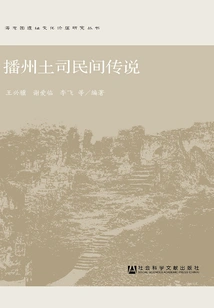
Boshu Tusi Folklore
Literature播州土司民间传说
Compiled By Wang Xingji, Xie Ailin, Li Fei And Others
This book is one of the "Cultural Value Series of Hailongdun Tusi Site". The object of investigation is the folklore about the Hailongdun Site. The folk tales or legends contained in this book can be divided into: the first part is the legend of Yang family in Bozhou, the second part is the legend of Hailongdun and the third part is the legend of Bozhou place names. These folklores can be mutually corroborated with official historical records, remains and unearthed cultural relics. It has both documentary and literary value and is the crystallization of minority culture in Guizhou. The compilation and publication of this book are of great significance to the research and development of Bozhou Tusi culture and Hailongdun ruins, and also play an important role in applying for world cultural heritage.
This book is one of the "Cultural Value Series of Hailongdun Tusi Site". The object of investigation is the folklore about the Hailongdun Site. The folk tales or legends contained in this book can be divided into: the first part is the legend of Yang family in Bozhou, the second part is the legend of Hailongdun and the third part is the legend of Bozhou place names. These folklores can be mutually corroborated with official historical records, remains and unearthed cultural relics. It has both documentary and literary value and is the crystallization of minority culture in Guizhou. The compilation and publication of this book are of great significance to the research and development of Bozhou Tusi culture and Hailongdun ruins, and also play an important role in applying for world cultural heritage.
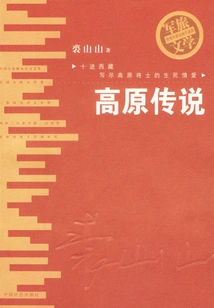
Plateau Legend
Literature高原传说
Qiushan Mountain
A story about Tibetan female soldiers. Generally speaking, I have no feelings about music. Maybe I will shed tears for a certain song, or I will be stuck in the past for a certain melody and have emotional fluctuations. But I will definitely not buy high-end speakers at home like an audiophile and listen professionally from every corner. Nor will I wear an evening dress and sit solemnly in a concert hall to listen. Why spend that money? I usually let the music enter my eardrums or enter my state of mind very casually. But something unexpected happened that day. When I saw the news in the local evening newspaper that the Hubei Opera House was coming to the city to perform the large-scale opera "Red Guards of Honghu Lake", I immediately became excited and immediately booked a ticket according to the booking phone number provided in the newspaper. 360 Yuan is not too expensive for me. A person must do such outrageous things several times in his life, otherwise his life will be in vain. This is how I explain my behavior.
A story about Tibetan female soldiers. Generally speaking, I have no feelings about music. Maybe I will shed tears for a certain song, or I will be stuck in the past for a certain melody and have emotional fluctuations. But I will definitely not buy high-end speakers at home like an audiophile and listen professionally from every corner. Nor will I wear an evening dress and sit solemnly in a concert hall to listen. Why spend that money? I usually let the music enter my eardrums or enter my state of mind very casually. But something unexpected happened that day. When I saw the news in the local evening newspaper that the Hubei Opera House was coming to the city to perform the large-scale opera "Red Guards of Honghu Lake", I immediately became excited and immediately booked a ticket according to the booking phone number provided in the newspaper. 360 Yuan is not too expensive for me. A person must do such outrageous things several times in his life, otherwise his life will be in vain. This is how I explain my behavior.
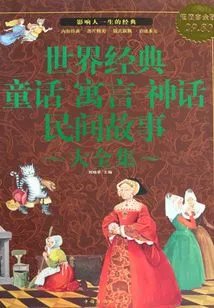
世界经典 童话 寓言 神话 民间故事大全集
Liu Xiaofei
This book is a collection of the world's classic fairy tales, fables, myths and folk tales. It brings together a large number of excellent story works from ancient and modern times at home and abroad, including almost all famous works known to women and children. It is a rare collection of classic stories. The book is divided into four parts: world classic fairy tales, world classic fables, world classic myths and world classic folktales. They are divided into categories to facilitate readers to find and read. It is equipped with rich and exquisite hand-drawn pictures, which are intuitive and three-dimensional, giving readers an immersive feeling and a relaxing reading experience when reading the story.
This book is a collection of the world's classic fairy tales, fables, myths and folk tales. It brings together a large number of excellent story works from ancient and modern times at home and abroad, including almost all famous works known to women and children. It is a rare collection of classic stories. The book is divided into four parts: world classic fairy tales, world classic fables, world classic myths and world classic folktales. They are divided into categories to facilitate readers to find and read. It is equipped with rich and exquisite hand-drawn pictures, which are intuitive and three-dimensional, giving readers an immersive feeling and a relaxing reading experience when reading the story.
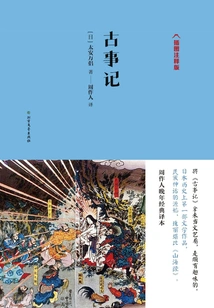
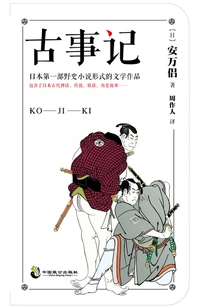
Kojiki (illustrated Annotated Edition)
Literature古事记(插图注释版)
(japan) Tai'an Wanlu
This book is Japan's first literary work, containing ancient Japanese myths, legends, ballads, historical stories, etc. The "Kojiki" compiled by Tai'an Wanlu on January 28, the fifth year of Hetong (712), was dedicated to Emperor Yuanming. Events from the founding myth to the era of Emperor Suiko (the aunt of Prince Shotoku) have been recorded in history books. The whole book is written in Chinese characters. Although the Chinese subject-verb-object grammar is the main word order, Japanese grammatical structures also appear from time to time, reflecting some characteristics of early Japanese variant Chinese. The content can be roughly divided into two items: "Ben Ci" and "Emperor Chronicle", and three parts: "First Volume", "Middle Volume" and "Second Volume". This book contains color illustrations and inserts.
This book is Japan's first literary work, containing ancient Japanese myths, legends, ballads, historical stories, etc. The "Kojiki" compiled by Tai'an Wanlu on January 28, the fifth year of Hetong (712), was dedicated to Emperor Yuanming. Events from the founding myth to the era of Emperor Suiko (the aunt of Prince Shotoku) have been recorded in history books. The whole book is written in Chinese characters. Although the Chinese subject-verb-object grammar is the main word order, Japanese grammatical structures also appear from time to time, reflecting some characteristics of early Japanese variant Chinese. The content can be roughly divided into two items: "Ben Ci" and "Emperor Chronicle", and three parts: "First Volume", "Middle Volume" and "Second Volume". This book contains color illustrations and inserts.
L
Literaturel
I
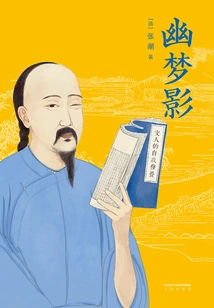
Qingyan sketches are a literary style independent of classics and epic poems. They express the philosophical thoughts and aesthetic tastes of traditional Chinese literati in the form of concise aphorisms. "You Mengying" is one of the representative works, "taking romance as Taoism and incorporating education into humor". It is elegant and casual, fresh and extraordinary, and it will leave a fragrance in your mouth and cheeks after reading it.
Qingyan sketches are a literary style independent of classics and epic poems. They express the philosophical thoughts and aesthetic tastes of traditional Chinese literati in the form of concise aphorisms. "You Mengying" is one of the representative works, "taking romance as Taoism and incorporating education into humor". It is elegant and casual, fresh and extraordinary, and it will leave a fragrance in your mouth and cheeks after reading it.
K
Literaturek
I
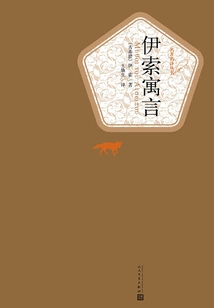
Most of "Aesop's fables" are animal stories, using animals as metaphors to teach people how to live and be a human being. A few of them are mainly about people or gods. The form is short and concise, the metaphors are appropriate, and the images are vivid. They usually end with a sentence to reveal the underlying truth. They are small in length but profound in meaning. They have few words but are worth recalling. They have high artistic achievements and have a great influence on future generations. They are satirical metaphorical stories circulated among ancient Greek folk.
Most of "Aesop's fables" are animal stories, using animals as metaphors to teach people how to live and be a human being. A few of them are mainly about people or gods. The form is short and concise, the metaphors are appropriate, and the images are vivid. They usually end with a sentence to reveal the underlying truth. They are small in length but profound in meaning. They have few words but are worth recalling. They have high artistic achievements and have a great influence on future generations. They are satirical metaphorical stories circulated among ancient Greek folk.
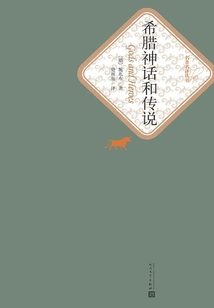
Greek Myths and Legends
Literature希腊神话和传说
J
There are many ethnic groups in the world, and each ethnic group has its own mythology. However, when it comes to the richness of content, the artistry of expression techniques, and the wide range of circulation, it must be Greek mythology. Greek mythology is a collection of Greek stories about gods and heroes. For thousands of years, Greek mythology has penetrated into the literature and art of ancient Greece and even all aspects of Western culture, playing an indelible role in the development of human civilization. Therefore, if you want to understand the process of Western civilization, it is necessary to read this "Greek Myths and Legends".
There are many ethnic groups in the world, and each ethnic group has its own mythology. However, when it comes to the richness of content, the artistry of expression techniques, and the wide range of circulation, it must be Greek mythology. Greek mythology is a collection of Greek stories about gods and heroes. For thousands of years, Greek mythology has penetrated into the literature and art of ancient Greece and even all aspects of Western culture, playing an indelible role in the development of human civilization. Therefore, if you want to understand the process of Western civilization, it is necessary to read this "Greek Myths and Legends".
The Bridge Is
Literature桥是
Liu Ke
Bridges are corridors between rivers and seas. After the cancellation of boats, bridges and boats became natural enemies. Between mountains and mountains, bridges lead to roads, and between islands. The bridge connects boats, and between water and water, the bridge connects cars. Since my childhood, I have had the impression that road bridges are flying rainbows, island bridges are circulating boats, always moving on the skin of water, and only floating bridges on the water are the real cars on land. When I write the word "bridge", boats, cars, boats, roads and rafts are like the illegitimate children of water born together, so the bridge I understand can truly become the cradle of land and sea. Standing on the bridge, there is the mainland, the sea, or mountains and islands behind you. Face to face, we can only choose the road before we start. This is an infinitely long vestibule, and its goal points to the future. Therefore, only through the connection of bridges can the world become a whole.
Bridges are corridors between rivers and seas. After the cancellation of boats, bridges and boats became natural enemies. Between mountains and mountains, bridges lead to roads, and between islands. The bridge connects boats, and between water and water, the bridge connects cars. Since my childhood, I have had the impression that road bridges are flying rainbows, island bridges are circulating boats, always moving on the skin of water, and only floating bridges on the water are the real cars on land. When I write the word "bridge", boats, cars, boats, roads and rafts are like the illegitimate children of water born together, so the bridge I understand can truly become the cradle of land and sea. Standing on the bridge, there is the mainland, the sea, or mountains and islands behind you. Face to face, we can only choose the road before we start. This is an infinitely long vestibule, and its goal points to the future. Therefore, only through the connection of bridges can the world become a whole.
Prose by Wang Shouqiang
Literature王寿强的散文
Wang Shouqiang
After receiving a call from my daughter, I immediately picked up my luggage and boarded the express train bound for Nanjing. Because I have a mission, there is no room for hesitation or delay. Just as my heart flies like an arrow, my caring heart has already flown to my daughter far away in Nanjing! The train seemed to understand my thoughts, running quickly on the vast East China Plain. The scenery in the wilderness appears in front of your eyes one after another quickly, and then quickly leaves you, just like a splendid documentary of plain scenery being shown repeatedly. Looking out the window, the charming scenery outside the car window gradually relaxed my nervous mood. It is the transition period between late summer and early autumn, and green is still the main color in the fields, emitting vigorous upward momentum and infinite tension of life.
After receiving a call from my daughter, I immediately picked up my luggage and boarded the express train bound for Nanjing. Because I have a mission, there is no room for hesitation or delay. Just as my heart flies like an arrow, my caring heart has already flown to my daughter far away in Nanjing! The train seemed to understand my thoughts, running quickly on the vast East China Plain. The scenery in the wilderness appears in front of your eyes one after another quickly, and then quickly leaves you, just like a splendid documentary of plain scenery being shown repeatedly. Looking out the window, the charming scenery outside the car window gradually relaxed my nervous mood. It is the transition period between late summer and early autumn, and green is still the main color in the fields, emitting vigorous upward momentum and infinite tension of life.
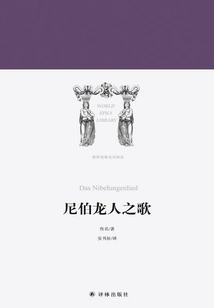
Song of the Nibelungs
Literature尼伯龙人之歌
Anonymous
This is a medieval poem, probably written between 1202 and 1204, and the language used is Middle High German. The whole poem has a total of 39 songs, 2379 stanzas, each stanza has 4 lines, and a total of 9516 lines of poetry. This poem is characterized by a heroic epic written in the style of a court knight's epic. The content is a historical story from the great migration period of the Germanic people (4th to 6th century), but the form is based on the court literature style of the heyday of the Middle Ages (12th to 13th century). In other words, "Song of the Nibelungs" is a combination of ancient Germanic culture and medieval Christian civilization. The epic shows the unique character of the Germanic nation, highlights the tenacious spirit of the Nibelungs in their tragic struggle with fate, and has had a profound impact on Western literature. This book is a high-quality translation and introduction by An Shuzhi, a veteran German professor at Peking University, and has been carefully revised many times.
This is a medieval poem, probably written between 1202 and 1204, and the language used is Middle High German. The whole poem has a total of 39 songs, 2379 stanzas, each stanza has 4 lines, and a total of 9516 lines of poetry. This poem is characterized by a heroic epic written in the style of a court knight's epic. The content is a historical story from the great migration period of the Germanic people (4th to 6th century), but the form is based on the court literature style of the heyday of the Middle Ages (12th to 13th century). In other words, "Song of the Nibelungs" is a combination of ancient Germanic culture and medieval Christian civilization. The epic shows the unique character of the Germanic nation, highlights the tenacious spirit of the Nibelungs in their tragic struggle with fate, and has had a profound impact on Western literature. This book is a high-quality translation and introduction by An Shuzhi, a veteran German professor at Peking University, and has been carefully revised many times.