Library
Browse and search books
6,953 novels found
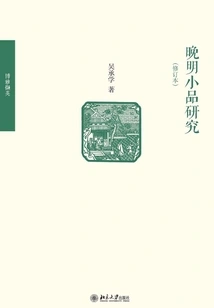
晚明小品研究(修订本)
Wu Chengxue
Late Ming sketches have a unique status in the history of Chinese literature. This book deeply explores the literary tradition, cultural soil, writers, schools, cultural character, and stylistic creation of late Ming sketches, outlines their development clues, ideological appeal, and artistic form characteristics, as well as their important role in the transformation of ancient prose and modern prose and its historical status. It points out the strengths and shortcomings of late Ming sketches realistically, and objectively judges the value of late Ming sketches. At the same time, we will examine the historical impact of late Ming sketches from the reception of them in different historical periods in China and overseas. The author combines historical investigation and theoretical analysis, gradually rising from case analysis to overall theoretical summary. The author attaches great importance to artistic feelings, and his writing often contains poetic sentiment, which is deeply inspired by the eternal and distant meaning of ancient sketches. This book is a representative work in the field of late Ming Dynasty sketch studies, and has reference value for studying the history of ancient Chinese literature and the history of modern literature.
Late Ming sketches have a unique status in the history of Chinese literature. This book deeply explores the literary tradition, cultural soil, writers, schools, cultural character, and stylistic creation of late Ming sketches, outlines their development clues, ideological appeal, and artistic form characteristics, as well as their important role in the transformation of ancient prose and modern prose and its historical status. It points out the strengths and shortcomings of late Ming sketches realistically, and objectively judges the value of late Ming sketches. At the same time, we will examine the historical impact of late Ming sketches from the reception of them in different historical periods in China and overseas. The author combines historical investigation and theoretical analysis, gradually rising from case analysis to overall theoretical summary. The author attaches great importance to artistic feelings, and his writing often contains poetic sentiment, which is deeply inspired by the eternal and distant meaning of ancient sketches. This book is a representative work in the field of late Ming Dynasty sketch studies, and has reference value for studying the history of ancient Chinese literature and the history of modern literature.
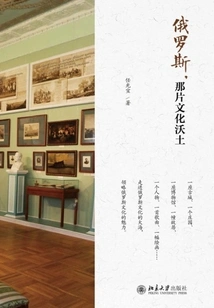
Russia, That Fertile Cultural Land
Literature俄罗斯,那片文化沃土
Ren Guangxuan
From the author's first-person perspective, this book tells the details behind some cultural events, well-known figures, and scenic spots in Russia's modern and contemporary history, from Pushkin's hometown, Tolstoy Manor, and the Yesenin Museum to the site of the Yalta Conference and the ancient city of Kos in the Golden Ring. Troma, the Winter Olympics town Sochi, the legendary director Riazanov, the dolphin singer Vitas, the space hero Gagarin... Every character, work, and place name is widely recognized, but the anecdotes of the characters, the origin of the works, and the rise and fall of the scenery are not understood by most people. The author records his travels in the form of prose essays, and draws on his long-term experience in Sino-Russian cultural exchanges to elicit thoughts on Russia's eternal cultural charm. It is not only a literary travelogue, but also a background documentary that provides a glimpse into the current situation of contemporary Russian culture from individual cases.
From the author's first-person perspective, this book tells the details behind some cultural events, well-known figures, and scenic spots in Russia's modern and contemporary history, from Pushkin's hometown, Tolstoy Manor, and the Yesenin Museum to the site of the Yalta Conference and the ancient city of Kos in the Golden Ring. Troma, the Winter Olympics town Sochi, the legendary director Riazanov, the dolphin singer Vitas, the space hero Gagarin... Every character, work, and place name is widely recognized, but the anecdotes of the characters, the origin of the works, and the rise and fall of the scenery are not understood by most people. The author records his travels in the form of prose essays, and draws on his long-term experience in Sino-Russian cultural exchanges to elicit thoughts on Russia's eternal cultural charm. It is not only a literary travelogue, but also a background documentary that provides a glimpse into the current situation of contemporary Russian culture from individual cases.
这人眼所望处(谷臻小简·AI导读版)
Huang Xiaoyang
Literature is the other side, a dream. People use dreams as horses to imagine the end of the universe in the wilderness of time. Literature starts from the soul and helps us understand people, the universe, and the relationship between people and the universe. On these most basic and eternal questions, literature and physics are connected.
Literature is the other side, a dream. People use dreams as horses to imagine the end of the universe in the wilderness of time. Literature starts from the soul and helps us understand people, the universe, and the relationship between people and the universe. On these most basic and eternal questions, literature and physics are connected.
在大地上居无定所(谷臻小简·AI导读版)
Cheng Peng
The work presents to us a chronicle of the daily lives of migrant workers, while also carefully constructing independent spaces for each "little person". But it is not a simple narrative - among the seemingly complicated and trivial details of life, there are flashes of the author's reflection and contemplation. The literary and philosophical vision is the inner driving force of this work, which endows the many "little characters" in the work with dignity and the brilliance of humanity.
The work presents to us a chronicle of the daily lives of migrant workers, while also carefully constructing independent spaces for each "little person". But it is not a simple narrative - among the seemingly complicated and trivial details of life, there are flashes of the author's reflection and contemplation. The literary and philosophical vision is the inner driving force of this work, which endows the many "little characters" in the work with dignity and the brilliance of humanity.
我选择相信南京街头哭泣的少女或量子物理(谷臻小简·AI导读版)
Li Zhen Et Al.
Huang Xiaoyang is a talented narrator. He always dreams of restoring the truth of our world with a symbolic or allegorical world. This is an ambition in writing.
Huang Xiaoyang is a talented narrator. He always dreams of restoring the truth of our world with a symbolic or allegorical world. This is an ambition in writing.
飞遍天下(谷臻小简·AI导读版)
Zhan Dongxin
This book starts from a macro perspective and provides a multi-faceted description of the large system of civil aviation: from the structure of the aircraft to advanced communication, navigation, and surveillance methods, from the current status of contemporary passenger aircraft to the information of global airports, from the relationship between weather and flight to psychological and health issues during flight, etc.
This book starts from a macro perspective and provides a multi-faceted description of the large system of civil aviation: from the structure of the aircraft to advanced communication, navigation, and surveillance methods, from the current status of contemporary passenger aircraft to the information of global airports, from the relationship between weather and flight to psychological and health issues during flight, etc.
飞机呵飞机(谷臻小简·AI导读版)
Zhan Dongxin
This book uses simple and vivid language to introduce the origin, development, structure, riding precautions and other knowledge of aircraft in an organized and systematic manner. If you want to quickly understand the basic knowledge about aircraft, this book is enough.
This book uses simple and vivid language to introduce the origin, development, structure, riding precautions and other knowledge of aircraft in an organized and systematic manner. If you want to quickly understand the basic knowledge about aircraft, this book is enough.
写在文学史边上(谷臻小简·AI导读版)
Jin Li
Is the history of Chinese literature in the 20th century just a subject of accumulation and examination of historical materials? There are an endless number of literary history works at present, but in my personal opinion, I prefer those works that can stimulate dialogue with the current literary situation and even personal life through reading literary history. In the continuous communication, mutual interpretation and reorganization of tradition and contemporary times, a way to narrate literary history can be established.
Is the history of Chinese literature in the 20th century just a subject of accumulation and examination of historical materials? There are an endless number of literary history works at present, but in my personal opinion, I prefer those works that can stimulate dialogue with the current literary situation and even personal life through reading literary history. In the continuous communication, mutual interpretation and reorganization of tradition and contemporary times, a way to narrate literary history can be established.
犹在缸中(谷臻小简·AI导读版)
Yizhou
The novelist Yi Zhou concentratedly explains his attitude towards literature and life. Here we can see how he views things and ancient and modern literary traditions, how he sorts out and confirms his own literary attitudes and positions, and how he expresses himself directly beyond the euphemism of novel texts.
The novelist Yi Zhou concentratedly explains his attitude towards literature and life. Here we can see how he views things and ancient and modern literary traditions, how he sorts out and confirms his own literary attitudes and positions, and how he expresses himself directly beyond the euphemism of novel texts.
浮生(谷臻小简·AI导读版)
Liu Ting
The author uses the pen of prose to ask questions about life: Why is life like this? Why does everyone live as someone else? Why can I only see myself through the lives of others? Why do other people's roads always carry the marks of my feet? And on which road are the traces of myself that I'm looking for scattered on?
The author uses the pen of prose to ask questions about life: Why is life like this? Why does everyone live as someone else? Why can I only see myself through the lives of others? Why do other people's roads always carry the marks of my feet? And on which road are the traces of myself that I'm looking for scattered on?
惘然少年时(谷臻小简·AI导读版)
Zhang Huiwen
The author had the opportunity to study and live in Singapore when she was in college. It was a critical period for a person's growth, and many of the things she encountered were of significance to her later growth. The author has a lot of writing experience, and this book is a recorded history of her growth.
The author had the opportunity to study and live in Singapore when she was in college. It was a critical period for a person's growth, and many of the things she encountered were of significance to her later growth. The author has a lot of writing experience, and this book is a recorded history of her growth.
神的自留地(谷臻小简·AI导读版)
Royal Family
This is a book that uses Xinjiang's natural scenery as an entry point to reveal the national culture, regional characteristics and people's survival in this land, allowing readers to understand the survival rules of border areas.
This is a book that uses Xinjiang's natural scenery as an entry point to reveal the national culture, regional characteristics and people's survival in this land, allowing readers to understand the survival rules of border areas.
生死漫步(谷臻小简·AI导读版)
Xia Xiaolu
The author is a public security writer who won the 8th Bingxin Prose Award. This book narrates the mixed feelings and experiences of literati, from heroic sentiments, humanistic customs, parents' filial piety, to work and life insights, forming a beautiful and unique poetic flow...
The author is a public security writer who won the 8th Bingxin Prose Award. This book narrates the mixed feelings and experiences of literati, from heroic sentiments, humanistic customs, parents' filial piety, to work and life insights, forming a beautiful and unique poetic flow...
孟繁华自选集(谷臻小简·AI导读版)
Meng Fanhua
This book is Meng Fanhua's various wonderful comments on contemporary literary novels. It tells the development process and future trends of novel styles with different themes and backgrounds. It is a good book for understanding famous modern Chinese writers, their representative works, and writing styles.
This book is Meng Fanhua's various wonderful comments on contemporary literary novels. It tells the development process and future trends of novel styles with different themes and backgrounds. It is a good book for understanding famous modern Chinese writers, their representative works, and writing styles.
印度之行(谷臻小简·AI导读版)
Wu Rongmin
Traveling is a wonderful thing, it can give us a temporary relief from the busy life. In this book, the author uses the intertwined people, things, and objects to rise and close at every turn. While describing the charming scenery of India, he also highlights his thoughts on the concepts of race, nationality, religion, and gender.
Traveling is a wonderful thing, it can give us a temporary relief from the busy life. In this book, the author uses the intertwined people, things, and objects to rise and close at every turn. While describing the charming scenery of India, he also highlights his thoughts on the concepts of race, nationality, religion, and gender.
老家(谷臻小简·AI导读版)
Liu Ting
The author awakens the memory of his "hometown" that has been sleeping deep in his heart, making people recall the forgotten worldly life again, as well as the painful and bitter past, including the drifting away of rural customs.
The author awakens the memory of his "hometown" that has been sleeping deep in his heart, making people recall the forgotten worldly life again, as well as the painful and bitter past, including the drifting away of rural customs.
孤独的人不说自己孤独(谷臻小简·AI导读版)
Nanzi
With delicate and sensitive brushstrokes, the author's girlhood is restored, and it is also an expression of a lonely person's thoughts and feelings on the road to "escape". This expression of loneliness makes us feel warm due to resonance.
With delicate and sensitive brushstrokes, the author's girlhood is restored, and it is also an expression of a lonely person's thoughts and feelings on the road to "escape". This expression of loneliness makes us feel warm due to resonance.
感受即命名(谷臻小简·AI导读版)
Lai Yingyan
This collection of reviews covers the literary and artistic circles at home and abroad, discussing calligraphy and painting. "Viewed Like This" focuses on the works of recent writers; "Cross Section" includes book reviews with personalized expressions; and "Real Painter" fully demonstrates the author's outstanding visual sophistication.
This collection of reviews covers the literary and artistic circles at home and abroad, discussing calligraphy and painting. "Viewed Like This" focuses on the works of recent writers; "Cross Section" includes book reviews with personalized expressions; and "Real Painter" fully demonstrates the author's outstanding visual sophistication.
也曾酒醉鞭名马:中国古代文人的B面(谷臻小简·AI导读版)
Adin
The author selects 51 representative historical figures and expresses the absurdity and ugliness in these scholars' lives in humorous and sharp words. It can be said to be a "record of a person's deeds without writing". The author's writing method is concise and brisk, and his writing style is sharp, making readers think and take warning after reading with a smile.
The author selects 51 representative historical figures and expresses the absurdity and ugliness in these scholars' lives in humorous and sharp words. It can be said to be a "record of a person's deeds without writing". The author's writing method is concise and brisk, and his writing style is sharp, making readers think and take warning after reading with a smile.
墓中笔记(谷臻小简·AI导读版)
Du Liming
This book records the author's thoughts and understandings about life. There are several things that are indispensable for people to live: freedom, dignity, responsibility, and ideals. Others are optional. But all of this is based on economics. Food and clothing cannot be solved, so there is no need to discuss anything else. When we are born in this world, we are inherently small and independent individuals. Although we are full of fear, we must move forward. Everyone is born with a mission. Everyone is like a stone that has no chance to mend the sky. God will arrange another destiny for you, good or bad, all unique.
This book records the author's thoughts and understandings about life. There are several things that are indispensable for people to live: freedom, dignity, responsibility, and ideals. Others are optional. But all of this is based on economics. Food and clothing cannot be solved, so there is no need to discuss anything else. When we are born in this world, we are inherently small and independent individuals. Although we are full of fear, we must move forward. Everyone is born with a mission. Everyone is like a stone that has no chance to mend the sky. God will arrange another destiny for you, good or bad, all unique.
一本书(谷臻小简·AI导读版)
Royal Family
This book aims to sort out the stories that happened during the birth of Chinese classics, telling the author's spiritual ambition for a book, the changes in destiny caused by a book, and the common rise of people and books in the scope of literary significance, or the common tragic experiences of both people in the era they lived in.
This book aims to sort out the stories that happened during the birth of Chinese classics, telling the author's spiritual ambition for a book, the changes in destiny caused by a book, and the common rise of people and books in the scope of literary significance, or the common tragic experiences of both people in the era they lived in.
我的右眼没有泪水(谷臻小简·AI导读版)
Su Min
This is a book that records the author's living conditions and feelings during his years of fighting against the disease. The book truly restores the unknown struggling state of seriously ill patients and their families, and aims to cause readers to think about the meaning of life.
This is a book that records the author's living conditions and feelings during his years of fighting against the disease. The book truly restores the unknown struggling state of seriously ill patients and their families, and aims to cause readers to think about the meaning of life.
静山日长(谷臻小简·AI导读版)
Duan Rongping
For a writer, his hometown is an inexhaustible source of creation. That piece of land has nurtured so many childhood memories, neighborhood characters, stories and legends, and strong family ties. The profound insights and rich information contained in the book will definitely give readers a refreshing understanding. Wherever people have set foot, they will leave their breath behind. This scent is mysterious and long-lasting. It will not blow away with the wind, nor will it disappear with the passage of time. It can be recognized and awakened. All it takes is the right time.
For a writer, his hometown is an inexhaustible source of creation. That piece of land has nurtured so many childhood memories, neighborhood characters, stories and legends, and strong family ties. The profound insights and rich information contained in the book will definitely give readers a refreshing understanding. Wherever people have set foot, they will leave their breath behind. This scent is mysterious and long-lasting. It will not blow away with the wind, nor will it disappear with the passage of time. It can be recognized and awakened. All it takes is the right time.
第一种孤独(谷臻小简·AI导读版)
Li Yore
In Li Yore's writings, hometown, mountains, rivers, sea, and friends are all worth experiencing and remembering. A beautiful life is precisely composed of these memories.
In Li Yore's writings, hometown, mountains, rivers, sea, and friends are all worth experiencing and remembering. A beautiful life is precisely composed of these memories.
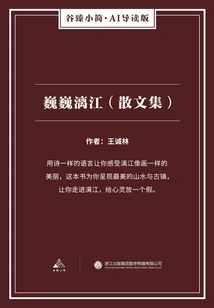
巍巍漓江(散文集)(谷臻小简·AI导读版)
Wang Chenglin
Using language like poetry, you can feel the beauty of the Lijiang River like a painting. This book presents you with the most beautiful landscapes and ancient towns, allowing you to walk into the Lijiang River and give your soul a vacation.
Using language like poetry, you can feel the beauty of the Lijiang River like a painting. This book presents you with the most beautiful landscapes and ancient towns, allowing you to walk into the Lijiang River and give your soul a vacation.
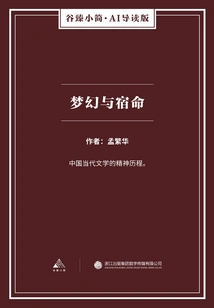
梦幻与宿命(谷臻小简·AI导读版)
Meng Fanhua
The spiritual journey of contemporary Chinese literature. Contemporary Chinese literature has gone through a process of half a century. As the ideographic form of the central discourse in society, as a sensitive and highly concerned field of the times, it clearly contains all the pain and joy, pursuit and sustenance of the complex spiritual world and spiritual yearning of contemporary Chinese writers.
The spiritual journey of contemporary Chinese literature. Contemporary Chinese literature has gone through a process of half a century. As the ideographic form of the central discourse in society, as a sensitive and highly concerned field of the times, it clearly contains all the pain and joy, pursuit and sustenance of the complex spiritual world and spiritual yearning of contemporary Chinese writers.
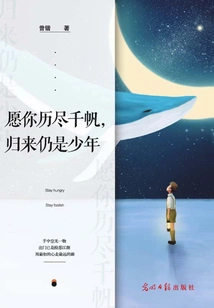
愿你历尽千帆,归来仍是少年
Zeng Kai
"May you go through thousands of sails and come back still a young man" The longer we go, the further away we are from ourselves. We carry a heavy shell and work hard to crawl forward, but we don't know that we are just trying to please others; we think that we are working hard, but we don't know that we are just satisfying infinite desires; we always think that we can find a recliner that can rest our souls, but we don't know that we have stepped into another impetuous world; in the end, we only get tiredness and a skin full of impetuousness and restlessness. In fact, simplicity is our best weapon against this complex world. In the book "May You Go Through Thousands of Sails and Return Still a Young Man": Regarding love, Uncle Ba said this - love is like an old thing, it can be found but cannot be found. Regarding the soul, Uncle Ba said this - leave the good side of yourself to a moment worth cherishing. Regarding life, Uncle Ba said this - do what you love and think what you want. Regarding life, Uncle Ba said this - not to compare with who can die more luxuriously, but to give life more dignity and courage. Regarding dreams, Uncle Ba said this - do the right thing at the right time.
"May you go through thousands of sails and come back still a young man" The longer we go, the further away we are from ourselves. We carry a heavy shell and work hard to crawl forward, but we don't know that we are just trying to please others; we think that we are working hard, but we don't know that we are just satisfying infinite desires; we always think that we can find a recliner that can rest our souls, but we don't know that we have stepped into another impetuous world; in the end, we only get tiredness and a skin full of impetuousness and restlessness. In fact, simplicity is our best weapon against this complex world. In the book "May You Go Through Thousands of Sails and Return Still a Young Man": Regarding love, Uncle Ba said this - love is like an old thing, it can be found but cannot be found. Regarding the soul, Uncle Ba said this - leave the good side of yourself to a moment worth cherishing. Regarding life, Uncle Ba said this - do what you love and think what you want. Regarding life, Uncle Ba said this - not to compare with who can die more luxuriously, but to give life more dignity and courage. Regarding dreams, Uncle Ba said this - do the right thing at the right time.
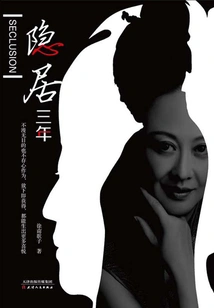
Three Years of Seclusion
Literature隐居三年
Xu Nangezi
This is a book of self, a landscape painting, and a mirror painting. Xu Nan Gezi painted, lived life into poetry, and suddenly looked back and created a new self. When the "Nan Gezi silk scarf brand" she founded was booming and received capital investment, she resolutely put down the business and brand and lived in seclusion in Shanghai. "My heart needs to be expressed and I also need nourishment. I just keep a certain distance from the crowd and a little away from the five colors and five flavors." Xu Nan Gezi described her seclusion life in this way. The three years of seclusion are poetic and long-lasting. They are three years of light but important. It is a process of self-cultivation and finding the foundation of life without caring about others. She recorded her experiences and thoughts on art, creation, and life from different perspectives in a timely manner, and recorded her tracing and expression of her own life, and compiled it into the book "Three Years of Seclusion" to remind us that maybe we can really slow down and move forward while nourishing ourselves. We could have played our cards differently, and we could have lived on a different track.
This is a book of self, a landscape painting, and a mirror painting. Xu Nan Gezi painted, lived life into poetry, and suddenly looked back and created a new self. When the "Nan Gezi silk scarf brand" she founded was booming and received capital investment, she resolutely put down the business and brand and lived in seclusion in Shanghai. "My heart needs to be expressed and I also need nourishment. I just keep a certain distance from the crowd and a little away from the five colors and five flavors." Xu Nan Gezi described her seclusion life in this way. The three years of seclusion are poetic and long-lasting. They are three years of light but important. It is a process of self-cultivation and finding the foundation of life without caring about others. She recorded her experiences and thoughts on art, creation, and life from different perspectives in a timely manner, and recorded her tracing and expression of her own life, and compiled it into the book "Three Years of Seclusion" to remind us that maybe we can really slow down and move forward while nourishing ourselves. We could have played our cards differently, and we could have lived on a different track.
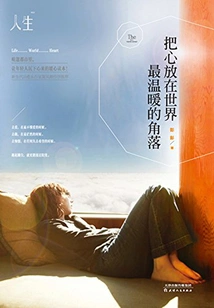
把心放在世界最温暖的角落
Peng Peng
It belongs to everyone's magnificent years of growth, confusion and emotion. Healing and warm words, words with healing effect, break through the haze of cold winter and bring the bright sunshine of spring.
It belongs to everyone's magnificent years of growth, confusion and emotion. Healing and warm words, words with healing effect, break through the haze of cold winter and bring the bright sunshine of spring.
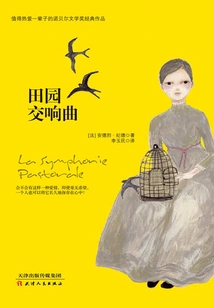
田园交响曲(诺贝尔文学奖作品)
(french) Gide
This book contains three of Gide's masterpieces: "Pastoral Symphony", "Palude" and "Theseus". "Pastoral Symphony" is recognized as André Gide's most successful work. It is a story about human nature's self-deception. "Palude" and "Theseus" more clearly reflect the influence of religious contradictions and ancient Greek mythology on Gide's literary creation.
This book contains three of Gide's masterpieces: "Pastoral Symphony", "Palude" and "Theseus". "Pastoral Symphony" is recognized as André Gide's most successful work. It is a story about human nature's self-deception. "Palude" and "Theseus" more clearly reflect the influence of religious contradictions and ancient Greek mythology on Gide's literary creation.
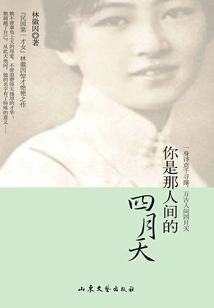
You Are the April Day in This World
Literature你是那人间的四月天
Lin Huiyin
This book is a collection of literary works by Lin Huiyin, a talented woman of the Republic of China generation. It selects the most representative essays, novels and letters from Lin Huiyin's works over the years. The letters part of it covers her colorful and ups and downs life from the days when she studied abroad to her later years, and very truly shows her thoughts and feelings in literature, architecture, politics, emotions, family, social life and other aspects. In terms of novels and poetry creation, Lin Huiyin's unique talent and extraordinary literary creativity are vividly reflected.
This book is a collection of literary works by Lin Huiyin, a talented woman of the Republic of China generation. It selects the most representative essays, novels and letters from Lin Huiyin's works over the years. The letters part of it covers her colorful and ups and downs life from the days when she studied abroad to her later years, and very truly shows her thoughts and feelings in literature, architecture, politics, emotions, family, social life and other aspects. In terms of novels and poetry creation, Lin Huiyin's unique talent and extraordinary literary creativity are vividly reflected.
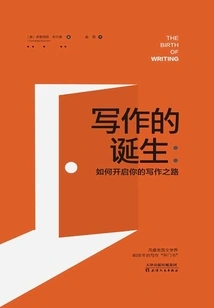
写作的诞生:如何开启你的写作之路
(us) Dorothea Bland
Many people who learn to write will have this question: whether they have writing talent. Even some people who have been writing for many years are often troubled by this question. The author of this book tells you based on his many years of teaching and creative practice: writing can be practiced. As long as you are sensitive enough, good at observation, and diligent in writing, you will have the talent to become a writer. A true enlightenment book on writing, it subverts the fatal shortcoming of traditional writing guide books that only talk about techniques but not the rules of writing, allowing you to become a person who can really write.
Many people who learn to write will have this question: whether they have writing talent. Even some people who have been writing for many years are often troubled by this question. The author of this book tells you based on his many years of teaching and creative practice: writing can be practiced. As long as you are sensitive enough, good at observation, and diligent in writing, you will have the talent to become a writer. A true enlightenment book on writing, it subverts the fatal shortcoming of traditional writing guide books that only talk about techniques but not the rules of writing, allowing you to become a person who can really write.
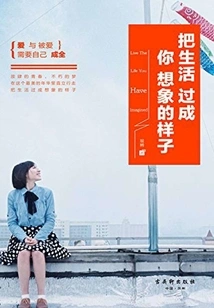
Live Life the Way You Imagine it to Be
Literature把生活过成你想象的样子
Star Rare
Imagination is more powerful than reality! Many people's grievances only stem from losing the courage to imagine. Those things that seem to be a free life and those things that seem to be difficult, as long as you do it, you will find that it is not that difficult; as long as you are willing to try, you will find that it is not that far away. All moving thoughts will make the world bigger and bigger. So, at any time, don't lose the courage to imagine. This book is a collection of inspirational stories. Each story has an unforgettable and even poignant attitude towards life, but is determined not to be sluggish. Each story gives you the courage to gain when you are most tired.
Imagination is more powerful than reality! Many people's grievances only stem from losing the courage to imagine. Those things that seem to be a free life and those things that seem to be difficult, as long as you do it, you will find that it is not that difficult; as long as you are willing to try, you will find that it is not that far away. All moving thoughts will make the world bigger and bigger. So, at any time, don't lose the courage to imagine. This book is a collection of inspirational stories. Each story has an unforgettable and even poignant attitude towards life, but is determined not to be sluggish. Each story gives you the courage to gain when you are most tired.
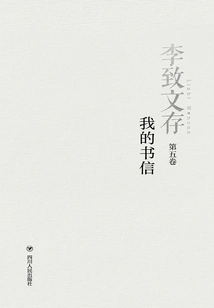
Li Zhiwen Cun: My Letters
Literature李致文存:我的书信
Li Zhi
This book contains many letters between Li Zhi and Ba Jin, as well as letters from famous figures such as Cao Yu, Zhang Aiping, Li Youlan, Ge Baoquan, Feng Jicai, Liu Shaotang, Yan Wenjing, Chen Baichen, Zhang Leping, Keyan, Ru Zhijuan, Qin Mu, Zhou Keqin, etc., Leaving behind rich and precious first-hand historical materials.
This book contains many letters between Li Zhi and Ba Jin, as well as letters from famous figures such as Cao Yu, Zhang Aiping, Li Youlan, Ge Baoquan, Feng Jicai, Liu Shaotang, Yan Wenjing, Chen Baichen, Zhang Leping, Keyan, Ru Zhijuan, Qin Mu, Zhou Keqin, etc., Leaving behind rich and precious first-hand historical materials.
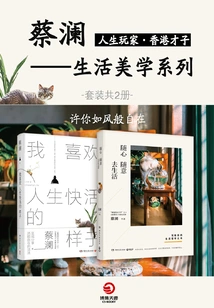
人生玩家:蔡澜生活美学(全2册)
Cai Lam
There are 2 volumes in this set, namely "I Like the Happy Life" and "Live Life as I Want". The book "I Like the Happy Life" is a collection of essays written by Cai Lan, a well-known writer, gourmet and lifestyle expert, about his attitude towards life. This book talks about reading, making friends, food, tea ceremony, travel, emotions, marriage, family, flowers and birds, etc. It also touches on the meaning of life, interest in life, emotional cultivation, health and leisure, and many other contents. The book "Live As You Want" is a collection of prose essays written by Cai Lam, a well-known writer, gourmet and lifestyle expert, about lifestyle.
There are 2 volumes in this set, namely "I Like the Happy Life" and "Live Life as I Want". The book "I Like the Happy Life" is a collection of essays written by Cai Lan, a well-known writer, gourmet and lifestyle expert, about his attitude towards life. This book talks about reading, making friends, food, tea ceremony, travel, emotions, marriage, family, flowers and birds, etc. It also touches on the meaning of life, interest in life, emotional cultivation, health and leisure, and many other contents. The book "Live As You Want" is a collection of prose essays written by Cai Lam, a well-known writer, gourmet and lifestyle expert, about lifestyle.
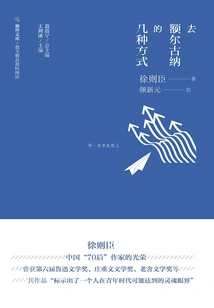
Several Ways to Get to Ergun
Literature去额尔古纳的几种方式
Xu Zechen
It selects the prose works written by the writer Xu Zechen in the past twenty years, including the review of his childhood and hometown, his feelings about the world and people's hearts, his understanding of traveling in the world, and his cognition and reflection on literature and art. The themes are rich and diverse.
It selects the prose works written by the writer Xu Zechen in the past twenty years, including the review of his childhood and hometown, his feelings about the world and people's hearts, his understanding of traveling in the world, and his cognition and reflection on literature and art. The themes are rich and diverse.
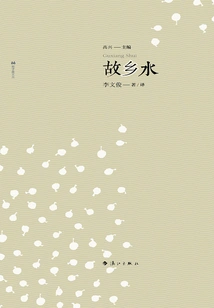
Hometown Water
Literature故乡水
Written By Li Wenjun\u002f Translated By Gao Gao Editor-in-chief
"Hometown Water" is a special collection of essays - creative essays and translated essays - selected by Mr. Li Wenjun, a wanderer who "cannot find his hometown" at the age of 90. The creative prose part covers memories of his childhood life in Shanghai, the ups and downs of work and study, the sincere friendship with colleagues in the translation industry such as Qian Zhongshu and his wife, Xiao Qian and others, as well as life memories of the old days such as book hunting, playing with antiques, and adventures abroad. The selected articles are of great literary talent, with simple and lively language, interesting and historical materials. Just as the author hopes, "spend some effort to turn all kinds of trivial matters a few years ago into typefaces that can be preserved for a longer time." To a certain extent, they truly reflect the life aspect of an era. In the translation prose part, readers can listen to the mysterious and beautiful "encounter" of female writer Willa Cather, or follow Farley Mowat to experience the poetic "snow" kingdom, or even open "Mississippi" and enter the hidden personality world of literary master Faulkner.
"Hometown Water" is a special collection of essays - creative essays and translated essays - selected by Mr. Li Wenjun, a wanderer who "cannot find his hometown" at the age of 90. The creative prose part covers memories of his childhood life in Shanghai, the ups and downs of work and study, the sincere friendship with colleagues in the translation industry such as Qian Zhongshu and his wife, Xiao Qian and others, as well as life memories of the old days such as book hunting, playing with antiques, and adventures abroad. The selected articles are of great literary talent, with simple and lively language, interesting and historical materials. Just as the author hopes, "spend some effort to turn all kinds of trivial matters a few years ago into typefaces that can be preserved for a longer time." To a certain extent, they truly reflect the life aspect of an era. In the translation prose part, readers can listen to the mysterious and beautiful "encounter" of female writer Willa Cather, or follow Farley Mowat to experience the poetic "snow" kingdom, or even open "Mississippi" and enter the hidden personality world of literary master Faulkner.
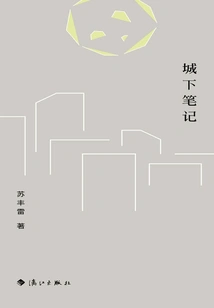
Notes from the City
Literature城下笔记
Su Fennglei
The author sincerely records his experiences, observations and reflections during the ten years after graduating from college. These essays may describe "interesting things", reflect on themes, or express gloomy expressions of the unspeakable pain of life. They are all written in real time by the author who is immersed in life. The author faces daily life directly and never forgets to inject reflection and aesthetics into daily life to make himself healthier and better.
The author sincerely records his experiences, observations and reflections during the ten years after graduating from college. These essays may describe "interesting things", reflect on themes, or express gloomy expressions of the unspeakable pain of life. They are all written in real time by the author who is immersed in life. The author faces daily life directly and never forgets to inject reflection and aesthetics into daily life to make himself healthier and better.
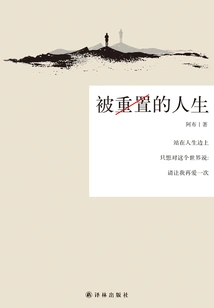
A Reset Life
Literature被重置的人生
Abu
This is a story about death. The memory of the past and the process of treatment recorded by Abu, a boy with leukemia, during his treatment, from the despair at the beginning of the disease, to hope, to the final peace, are divided into three parts: "Write a Memoir Before Death", "Hope Notebook" and "Reset Life". The article is optimistic, positive, and humorous, and has unknowingly become a spiritual support for many patients and their families. It has also changed many healthy people's perception of their lives.
This is a story about death. The memory of the past and the process of treatment recorded by Abu, a boy with leukemia, during his treatment, from the despair at the beginning of the disease, to hope, to the final peace, are divided into three parts: "Write a Memoir Before Death", "Hope Notebook" and "Reset Life". The article is optimistic, positive, and humorous, and has unknowingly become a spiritual support for many patients and their families. It has also changed many healthy people's perception of their lives.
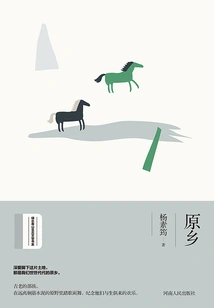
Hometown
Literature原乡
Yang Sujun
Moving towards a new era of ecological civilization and building a beautiful China is an important part of realizing the Chinese dream of the great rejuvenation of the Chinese nation. This book responds to General Secretary Xi Jinping's thoughts on ecological civilization based on green. It is a collection of Yang Suyun's fine essays about the humanities and scenery of the Tibetan and Qiang people. This book is divided into four parts: Strolling among the four seasons of Jiarong, my hometown Jiarong, clouds and water, and I hear memories growing. Yang Sujun used poetic language to describe the mysterious tribal traditions, ancient stone tower houses, simple local people and beautiful scenery of the four seasons in Aba Prefecture in northwestern Sichuan. Yang Suyun is good at integrating her deep love for her hometown into the landscapes, villages, folk customs, etc. She writes. The text in this book is fresh and the emotions are sincere. It is a rare masterpiece that describes the humanities and scenery of the Tibetan and Qiang people.
Moving towards a new era of ecological civilization and building a beautiful China is an important part of realizing the Chinese dream of the great rejuvenation of the Chinese nation. This book responds to General Secretary Xi Jinping's thoughts on ecological civilization based on green. It is a collection of Yang Suyun's fine essays about the humanities and scenery of the Tibetan and Qiang people. This book is divided into four parts: Strolling among the four seasons of Jiarong, my hometown Jiarong, clouds and water, and I hear memories growing. Yang Sujun used poetic language to describe the mysterious tribal traditions, ancient stone tower houses, simple local people and beautiful scenery of the four seasons in Aba Prefecture in northwestern Sichuan. Yang Suyun is good at integrating her deep love for her hometown into the landscapes, villages, folk customs, etc. She writes. The text in this book is fresh and the emotions are sincere. It is a rare masterpiece that describes the humanities and scenery of the Tibetan and Qiang people.
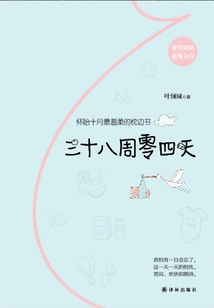
Thirty-eight Weeks and Four Days
Literature三十八周零四天
Ye Qingcheng
It records Ye Qingcheng's thoughts every week from her pregnancy to delivery, which lasted 38 weeks and four days. It retains Ye Qingcheng's usual sharpness and "amazing", while at the same time being thoughtful and gentle. Childbirth is a journey that a woman must embark on alone, no matter how many people surround her. And this book can at least make you feel less lonely in this one-person battle.
It records Ye Qingcheng's thoughts every week from her pregnancy to delivery, which lasted 38 weeks and four days. It retains Ye Qingcheng's usual sharpness and "amazing", while at the same time being thoughtful and gentle. Childbirth is a journey that a woman must embark on alone, no matter how many people surround her. And this book can at least make you feel less lonely in this one-person battle.
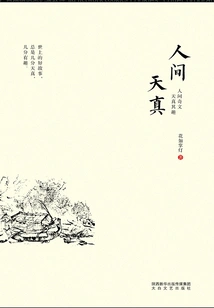
Innocence in the World
Literature人间天真
Flowers Are Like Palm Lanterns
"Innocence in the World" is the author's recollection of life in his hometown and childhood, showing the wonderful people and things in the seaside fishing village. This book as a whole is like a wonderful novel, which gives people great enjoyment and beauty when reading it. The world described by the author is innocent and yet also thought-provoking. It is a collection of essays with excellent thinking and writing style. The book selects some of his short and exquisite prose works, using his hometown as a clue to connect the complicated life situations. In his hometown, when he was a child, time gradually went away, and everything at that time became more spiritual and beautiful.
"Innocence in the World" is the author's recollection of life in his hometown and childhood, showing the wonderful people and things in the seaside fishing village. This book as a whole is like a wonderful novel, which gives people great enjoyment and beauty when reading it. The world described by the author is innocent and yet also thought-provoking. It is a collection of essays with excellent thinking and writing style. The book selects some of his short and exquisite prose works, using his hometown as a clue to connect the complicated life situations. In his hometown, when he was a child, time gradually went away, and everything at that time became more spiritual and beautiful.
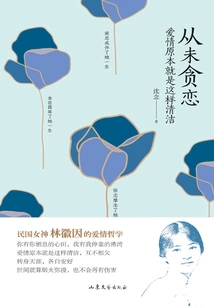
从未贪恋:爱情原本就是这样清洁
Shen Nian
The author believes that in the dreamlike black and white silhouettes of the Republic of China, there was more than one woman with both beauty and talent, Lin Huiyin, and more than one fascinating love story. Ruan Lingyu, Zhang Ailing, Jiang Biwei, Xiao Hong... They have outstanding talents and talents, enviable looks and wisdom, but they always hurt themselves because of love. This book evaluates Lin Huiyin as an outlier among the talented women of the Republic of China. She is like flowing water, flexible and soft, avoiding the sharp edge of persistence, and retreating from the maze of romance and romance. Facing the passionate pursuit of Xu Zhimo, she loved, resented, missed, rejoiced, and hoped for it, but she was never greedy; facing her affectionate husband Liang Sicheng, she loved him and stayed with him wholeheartedly, and was willing to endure the hardship and poverty in the turbulent situation; facing the silently guarding Jin Yuelin, she treated him with courtesy and chose to hide her dense thoughts in smiles and silence. To a certain extent, Lin Huiyin can be regarded as the terminator of love! Reason always prevails in her character. At any time and in any situation, she will never let her life get out of control or make herself too embarrassed. In her dreams, she can be more poetic than anyone else, and once she wakes up, she is more lucid than anyone else.
The author believes that in the dreamlike black and white silhouettes of the Republic of China, there was more than one woman with both beauty and talent, Lin Huiyin, and more than one fascinating love story. Ruan Lingyu, Zhang Ailing, Jiang Biwei, Xiao Hong... They have outstanding talents and talents, enviable looks and wisdom, but they always hurt themselves because of love. This book evaluates Lin Huiyin as an outlier among the talented women of the Republic of China. She is like flowing water, flexible and soft, avoiding the sharp edge of persistence, and retreating from the maze of romance and romance. Facing the passionate pursuit of Xu Zhimo, she loved, resented, missed, rejoiced, and hoped for it, but she was never greedy; facing her affectionate husband Liang Sicheng, she loved him and stayed with him wholeheartedly, and was willing to endure the hardship and poverty in the turbulent situation; facing the silently guarding Jin Yuelin, she treated him with courtesy and chose to hide her dense thoughts in smiles and silence. To a certain extent, Lin Huiyin can be regarded as the terminator of love! Reason always prevails in her character. At any time and in any situation, she will never let her life get out of control or make herself too embarrassed. In her dreams, she can be more poetic than anyone else, and once she wakes up, she is more lucid than anyone else.
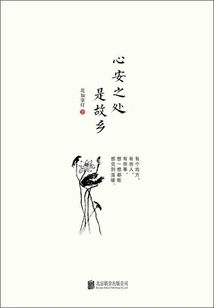
心安之处是故乡
Flowers Are Like Palm Lanterns
"Hometown is the Place of Peace of Mind" is a collection of essays by an island orchid farmer. It contains dozens of essays written by the author in recent years. Most of the content is a record of philosophical thoughts about the people, feelings, events and objects around him, which is thought-provoking. Whether it is flowers, birds, insects, fish, seaside scenery, his own childhood, or relatives around him, the author's writings all reveal calmness, wisdom and peace of mind. This is a kind of peace and happiness that is completely different from real urban life.
"Hometown is the Place of Peace of Mind" is a collection of essays by an island orchid farmer. It contains dozens of essays written by the author in recent years. Most of the content is a record of philosophical thoughts about the people, feelings, events and objects around him, which is thought-provoking. Whether it is flowers, birds, insects, fish, seaside scenery, his own childhood, or relatives around him, the author's writings all reveal calmness, wisdom and peace of mind. This is a kind of peace and happiness that is completely different from real urban life.
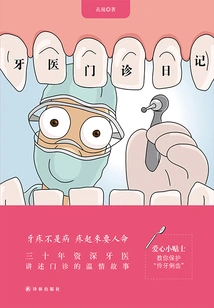
Dentist Clinic Diary
Literature牙医门诊日记
Kong Rui
This book is a diary and essay written by a chief dental physician. She looks at everything in the outpatient clinic from her personal perspective, and presents stories one after another: not only certain medical knowledge, especially oral medicine knowledge, but also the conflicts, disputes and understandings between doctors and patients, as well as the author's own insights. It also shows a woman's unique meticulousness and sensitivity, and a doctor's humanistic care for ordinary people.
This book is a diary and essay written by a chief dental physician. She looks at everything in the outpatient clinic from her personal perspective, and presents stories one after another: not only certain medical knowledge, especially oral medicine knowledge, but also the conflicts, disputes and understandings between doctors and patients, as well as the author's own insights. It also shows a woman's unique meticulousness and sensitivity, and a doctor's humanistic care for ordinary people.
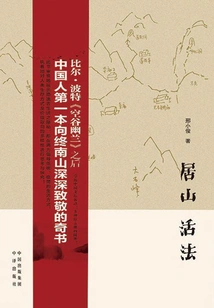
Living in the Mountains
Literature居山 活法
Xing Xiaojun
Zhongnan Mountain is the forehead of the wisdom of the earth. This is a book that pays tribute to the mountain that connects ancient and modern cultural traditions. The book has 400,000 words, more than 100 pictures, 19 precious videos, character stories and living conditions. This is the first Chinese book to pay deep tribute to Zhongnan Mountain after Bill Porter's "Orchid in the Empty Valley". This book shows that mountain dwellers minimize material pursuits and minimize damage and impact on the environment. In fact, they advocate a low-carbon, simple, and environmentally friendly natural lifestyle.
Zhongnan Mountain is the forehead of the wisdom of the earth. This is a book that pays tribute to the mountain that connects ancient and modern cultural traditions. The book has 400,000 words, more than 100 pictures, 19 precious videos, character stories and living conditions. This is the first Chinese book to pay deep tribute to Zhongnan Mountain after Bill Porter's "Orchid in the Empty Valley". This book shows that mountain dwellers minimize material pursuits and minimize damage and impact on the environment. In fact, they advocate a low-carbon, simple, and environmentally friendly natural lifestyle.
Grass and Trees: Ancient Folk Songs
Literature草木:古老的民谣
Fu Fei
This book is a collection of essays on the theme of rural vegetation. Every kind of vegetation is like an ancient folk song in the author's life experience, singing a moving song of life.
This book is a collection of essays on the theme of rural vegetation. Every kind of vegetation is like an ancient folk song in the author's life experience, singing a moving song of life.
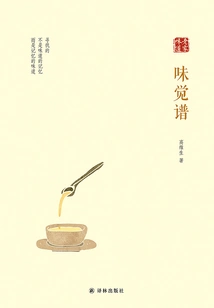
Taste Spectrum
Literature味觉谱
Gao Weisheng
The author of "Taste Spectrum" has his daily life and food experience in Northeast China, where he was born, and Sichuan, where he later lived. The writing is concise and easy-going. Switching between the two perspectives of a foreign land and homeland, the nostalgia and fireworks are well combined.
The author of "Taste Spectrum" has his daily life and food experience in Northeast China, where he was born, and Sichuan, where he later lived. The writing is concise and easy-going. Switching between the two perspectives of a foreign land and homeland, the nostalgia and fireworks are well combined.
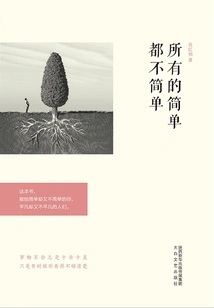
All Simplicity is Not Simple
Literature所有的简单都不简单
Xiao Hongxiu
"All Simple Is Not Simple" is a collection of emotional essays. The author has been engaged in answering emotional hotlines for a long time, listening to all kinds of people share their joys and sorrows, and thus accumulated a lot of material. The stories in the book are warm and true. Some are just moments in life, some are "serials" with both prefaces and afterwords, and most of them are natural expressions of emotions. The author does not completely quote other people's stories, but compiles some views and attitudes about emotions and life, hoping to bring some enlightenment to readers.
"All Simple Is Not Simple" is a collection of emotional essays. The author has been engaged in answering emotional hotlines for a long time, listening to all kinds of people share their joys and sorrows, and thus accumulated a lot of material. The stories in the book are warm and true. Some are just moments in life, some are "serials" with both prefaces and afterwords, and most of them are natural expressions of emotions. The author does not completely quote other people's stories, but compiles some views and attitudes about emotions and life, hoping to bring some enlightenment to readers.