Library
Browse and search books
4,115 novels found
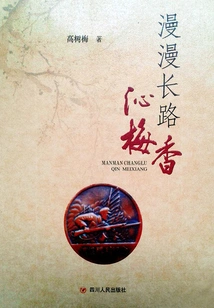
The Long Road is Full of Fragrance
Literature漫漫长路沁梅香
Gao Shumei
In this collection of my father's works, there is a gene that inherits the most primitive, simple and natural love of the Chinese nation; there is a kind of wind that is supported by the majesty of the sky, adjusted by the earth, and inspired by the mountains and rivers in the heart; there is also a kind of spiritual spirit in the heart that reflects the light of the branches, dyes the moon in the night, and shines in the universe.
In this collection of my father's works, there is a gene that inherits the most primitive, simple and natural love of the Chinese nation; there is a kind of wind that is supported by the majesty of the sky, adjusted by the earth, and inspired by the mountains and rivers in the heart; there is also a kind of spiritual spirit in the heart that reflects the light of the branches, dyes the moon in the night, and shines in the universe.
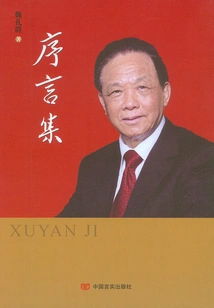
Preface
Literature序言集
Wei Liqun
This book is a collection of prefaces written by Mr. Wei Liqun, the former director of the Research Office of the State Council over more than 30 years, with a total of 74 articles. The contents of the works cover a wide range of topics, including discussions on economic construction, social construction, political construction, and cultural construction; there are monographs on development and reform; there are works exploring academic theories and the voices of think tanks offering advice and suggestions. Therefore, for these works, the preface is not only an outline and finishing touch, but also serves as an introduction. The collection and publication of these prefaces is a process of reviewing the past and re-learning for the author; it is an authoritative interpretation of the contents of the research work for the readers to quickly understand. Therefore, the publication of this book can have wide social needs and also have great theoretical value.
This book is a collection of prefaces written by Mr. Wei Liqun, the former director of the Research Office of the State Council over more than 30 years, with a total of 74 articles. The contents of the works cover a wide range of topics, including discussions on economic construction, social construction, political construction, and cultural construction; there are monographs on development and reform; there are works exploring academic theories and the voices of think tanks offering advice and suggestions. Therefore, for these works, the preface is not only an outline and finishing touch, but also serves as an introduction. The collection and publication of these prefaces is a process of reviewing the past and re-learning for the author; it is an authoritative interpretation of the contents of the research work for the readers to quickly understand. Therefore, the publication of this book can have wide social needs and also have great theoretical value.
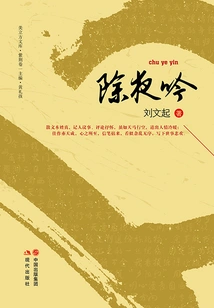
Day Yin
Literature除夜吟
Liu Wenqi
Some people say that writing novels is a game, writing poetry is like high jumping, and writing prose is like walking. Some people say that the joy of writing novels is the joy of building a house brick by brick, nail by nail, and the joy of writing prose is the joy of immediately imaging and taking pictures with a camera. I think, whether it's walking or taking photos, there are still things that require attention and technique. So what should I pay attention to and what techniques should I use when writing prose? Looking back and thinking about it, I still have it. I would like to summarize it in four sentences: first, write narrative prose like a novel, second, write lyrical prose like a poem, third, write travel notes like an essay, and fourth, write a review like an essay. This book contains 17 narrative essays, 24 lyrical essays, 30 travel notes, and 29 reviews (including preface and postscript). Including 4 articles written by others about Liu Wenqi, there are 104 articles in total.
Some people say that writing novels is a game, writing poetry is like high jumping, and writing prose is like walking. Some people say that the joy of writing novels is the joy of building a house brick by brick, nail by nail, and the joy of writing prose is the joy of immediately imaging and taking pictures with a camera. I think, whether it's walking or taking photos, there are still things that require attention and technique. So what should I pay attention to and what techniques should I use when writing prose? Looking back and thinking about it, I still have it. I would like to summarize it in four sentences: first, write narrative prose like a novel, second, write lyrical prose like a poem, third, write travel notes like an essay, and fourth, write a review like an essay. This book contains 17 narrative essays, 24 lyrical essays, 30 travel notes, and 29 reviews (including preface and postscript). Including 4 articles written by others about Liu Wenqi, there are 104 articles in total.
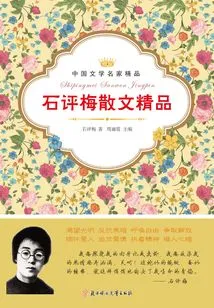
Shi Pingmei's Exquisite Prose
Literature石评梅散文精品
Shi Pingmei's Works Edited By Zhou Lixia
"Shi Pingmei's Prose Works" edited by Zhou Lixia collects Shi Pingmei's prose works. This book includes "Melancholy", "To an Old Friend on the Seaside", "Green House", "A Night at the Flower Temple", etc. Among Shi Pingmei's works in the last few years of her life, a considerable number of her works were about remembering Gao Junyu or reminiscing about the past relationship between the two, such as "A Stormy Night".
"Shi Pingmei's Prose Works" edited by Zhou Lixia collects Shi Pingmei's prose works. This book includes "Melancholy", "To an Old Friend on the Seaside", "Green House", "A Night at the Flower Temple", etc. Among Shi Pingmei's works in the last few years of her life, a considerable number of her works were about remembering Gao Junyu or reminiscing about the past relationship between the two, such as "A Stormy Night".
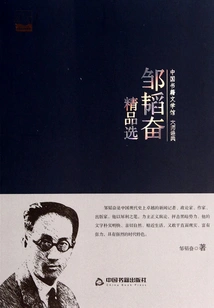
Zou Taofen's Best Selections
Literature邹韬奋精品选
Zou Taofen
"Selected Works of Zou Taofen" mainly includes: Engineer's Fantasy; Deep Friendship; Contemporary Writers Who Scolded School; Bernard Shaw's Wife; Writers Who Are Extremely Afraid of Journalists; Sinclair Lewis; The Old Man Most Beneficial to the World; Mourning for Mr. Wang Yongde; Teaching Career in the Age of Hard Study; The Special Brain of the Great Inventor; Esther Gate; The Founder of the Nobel Prize and other articles.
"Selected Works of Zou Taofen" mainly includes: Engineer's Fantasy; Deep Friendship; Contemporary Writers Who Scolded School; Bernard Shaw's Wife; Writers Who Are Extremely Afraid of Journalists; Sinclair Lewis; The Old Man Most Beneficial to the World; Mourning for Mr. Wang Yongde; Teaching Career in the Age of Hard Study; The Special Brain of the Great Inventor; Esther Gate; The Founder of the Nobel Prize and other articles.
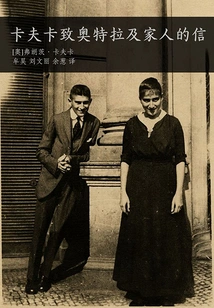
Kafka's Letter to Ultra and His Family
Literature卡夫卡致奥特拉及家人的信
Franz Kafka
Kafka, one of the founders of modern literature, was little known during his lifetime but shocked the world after his death. He never married and had a strained relationship with his father. His sister, Ultra Kafka, was perhaps the person to whom he was closest. Kafka's collection of letters, "Love Letters to Milena", "Love Letters to Phyllis" and "To Father" have all been translated into Chinese, while "Letter to Ultra and Family" has not yet been translated into Chinese. Through Kafka's letters with his family, we can see the rare warmth of this lonely writer.
Kafka, one of the founders of modern literature, was little known during his lifetime but shocked the world after his death. He never married and had a strained relationship with his father. His sister, Ultra Kafka, was perhaps the person to whom he was closest. Kafka's collection of letters, "Love Letters to Milena", "Love Letters to Phyllis" and "To Father" have all been translated into Chinese, while "Letter to Ultra and Family" has not yet been translated into Chinese. Through Kafka's letters with his family, we can see the rare warmth of this lonely writer.
S
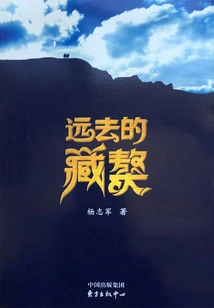
Tibetan Mastiff Fading Away
Literature远去的藏獒
Yang Zhijun
This is another masterpiece by plateau writer Yang Zhijun after his novel "Tibetan Mastiff". It can be called the sister chapter of "Tibetan Mastiff". Tibetan Mastiff is the spirit of the plateau, with excellent qualities such as tenacity, load-bearing, righteousness, hatred of evil, defending goals, and loyalty. In this book, through documentary, narration, recollection and reflection, the author lays out a complex, concrete and vivid foundation for the geographical and humanistic environment that gave rise to the "Tibetan Mastiff", an outstanding alpine animal. The author's deep emotion for the Qinghai-Tibet Plateau in his eyes and heart is poured out between the lines. This emotion is full of the author's infinite piety and attachment to the last holy land. The poetic narration and expression are wrapped in a feeling of compassion. The author is deeply concerned about the danger that the environment that produced the "Tibetan Mastiff" (an outstanding representative and symbol of the plateau spirit and temperament) is being destroyed by marketization, as well as the contradictions and confusions between tradition and modernity.
This is another masterpiece by plateau writer Yang Zhijun after his novel "Tibetan Mastiff". It can be called the sister chapter of "Tibetan Mastiff". Tibetan Mastiff is the spirit of the plateau, with excellent qualities such as tenacity, load-bearing, righteousness, hatred of evil, defending goals, and loyalty. In this book, through documentary, narration, recollection and reflection, the author lays out a complex, concrete and vivid foundation for the geographical and humanistic environment that gave rise to the "Tibetan Mastiff", an outstanding alpine animal. The author's deep emotion for the Qinghai-Tibet Plateau in his eyes and heart is poured out between the lines. This emotion is full of the author's infinite piety and attachment to the last holy land. The poetic narration and expression are wrapped in a feeling of compassion. The author is deeply concerned about the danger that the environment that produced the "Tibetan Mastiff" (an outstanding representative and symbol of the plateau spirit and temperament) is being destroyed by marketization, as well as the contradictions and confusions between tradition and modernity.
Lakers Trivia
Literature湖人琐事
Yin Yunling
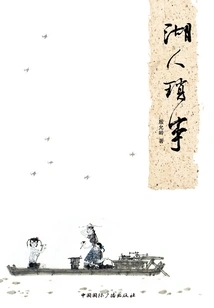
A collection of works by the famous writer Yin Yunling. The first volume of Lake People's Trivia is a collection of short stories and short stories based on the people and things in the author's hometown of Weishan Lake. The second volume of Antarctic Lives is based on the author's various baptisms and experiences during the 30th Antarctic scientific expedition. It depicts the various customs of the lake area and presents a legendary picture of Weishan Lake that travels through time; it eulogizes the Antarctic scientific expedition athletes and depicts the magical experience of bathing in the light of the sky, sea and ice with their teammates.
A collection of works by the famous writer Yin Yunling. The first volume of Lake People's Trivia is a collection of short stories and short stories based on the people and things in the author's hometown of Weishan Lake. The second volume of Antarctic Lives is based on the author's various baptisms and experiences during the 30th Antarctic scientific expedition. It depicts the various customs of the lake area and presents a legendary picture of Weishan Lake that travels through time; it eulogizes the Antarctic scientific expedition athletes and depicts the magical experience of bathing in the light of the sky, sea and ice with their teammates.
爱听老舍Ⅲ:散文精选集
Lao She
"Listening to Lao She III: Selected Prose Collection" contains 38 beautiful essays written by Lao She in various periods, ranging in length from short to long, including the famous pieces "Looking Up to See Joy", "Winter in Jinan", "Four Gentlemen", etc. The content of this book is full of strong and pure emotions, humorous, witty and thought-provoking. Pick one at random and it will make you laugh out loud. Coupled with Duan Chun's vivid interpretation, the master of language arts and humor Lao She's unique Beijing language and style will surely leave you with a long aftertaste.
"Listening to Lao She III: Selected Prose Collection" contains 38 beautiful essays written by Lao She in various periods, ranging in length from short to long, including the famous pieces "Looking Up to See Joy", "Winter in Jinan", "Four Gentlemen", etc. The content of this book is full of strong and pure emotions, humorous, witty and thought-provoking. Pick one at random and it will make you laugh out loud. Coupled with Duan Chun's vivid interpretation, the master of language arts and humor Lao She's unique Beijing language and style will surely leave you with a long aftertaste.
All Living Things
Literature芸芸众生
Hanzhi
"All Living Things" collects the author's six short stories and one essay, all of which were written after the novel "Ling Yue". The author uses plain and smooth words and concise and sketchy brushwork to vividly outline a series of living beings of the middle and lower classes in contemporary Chinese society.
"All Living Things" collects the author's six short stories and one essay, all of which were written after the novel "Ling Yue". The author uses plain and smooth words and concise and sketchy brushwork to vividly outline a series of living beings of the middle and lower classes in contemporary Chinese society.
Cherry Blossom Stroll
Literature樱花漫步
Tai
"Cherry Blossom Walking" is a very true and vivid record of various experiences in work and life in a foreign country, as well as the warmth and warmth of human relationships and the harshness of the world; the author's writing style is unpretentious and vivid. There are many interesting things in the book that are worth recalling, many regrets worth regretting, many phenomena worth pondering, and many spirits worth learning! "Sakura Walk" is divided into three major chapters. It records the author's journey to work in Japan, then back to Tianjin, and finally to three places in South Korea.
"Cherry Blossom Walking" is a very true and vivid record of various experiences in work and life in a foreign country, as well as the warmth and warmth of human relationships and the harshness of the world; the author's writing style is unpretentious and vivid. There are many interesting things in the book that are worth recalling, many regrets worth regretting, many phenomena worth pondering, and many spirits worth learning! "Sakura Walk" is divided into three major chapters. It records the author's journey to work in Japan, then back to Tianjin, and finally to three places in South Korea.
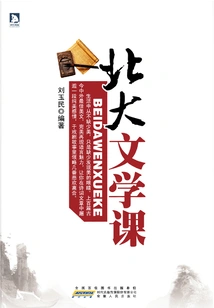
Peking University Literature Course
Literature北大文学课
Liu Yumin
There is never a lack of beauty in life, but there is a lack of eyes to discover beauty. Hundreds of the best poems from all over the world, both ancient and modern, perfectly reproduce the charm of language, allowing you to encounter a pure and beautiful relationship in poetry and articles, and experience several joys and sorrows in dramatic stories. Countless literary masters have emerged from Peking University. They are knowledgeable about the past and present, have guidance on the country, and have unique insights into literature. This book collects many excellent literary works, covering ancient and modern times, both at home and abroad, and its genres include prose, poetry, novels, and drama. In the comments of Peking University scholars, we studied hundreds of ancient Chinese classics, reviewed the beautiful literature of the Republic of China, read foreign classics, and appreciated the beauty of life in words.
There is never a lack of beauty in life, but there is a lack of eyes to discover beauty. Hundreds of the best poems from all over the world, both ancient and modern, perfectly reproduce the charm of language, allowing you to encounter a pure and beautiful relationship in poetry and articles, and experience several joys and sorrows in dramatic stories. Countless literary masters have emerged from Peking University. They are knowledgeable about the past and present, have guidance on the country, and have unique insights into literature. This book collects many excellent literary works, covering ancient and modern times, both at home and abroad, and its genres include prose, poetry, novels, and drama. In the comments of Peking University scholars, we studied hundreds of ancient Chinese classics, reviewed the beautiful literature of the Republic of China, read foreign classics, and appreciated the beauty of life in words.
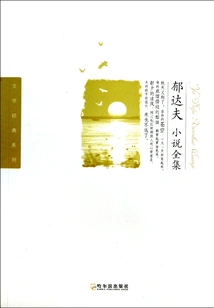
Complete Works of Yu Dafu's Novels
Literature郁达夫小说全集
Yu Dafu
This book brings together 31 short stories and 7 novellas by Yu Dafu. Yu Dafu is a famous novelist in modern China and plays an important role in the New Literature Movement. He advocated that literary works are "autobiographies" of the author. In his works, he unabashedly outlines his thoughts, feelings and life experiences. He also boldly describes the relationship between the sexes, reflecting the devastated fate of women and the deep pain of the lower class intellectuals. Literature transcends time and space. The author's sincere psychological descriptions and bold gender themes, his melancholy and sad writing style, prose-like writing and infatuated descriptions not only resonated with many young people at the time, but are also impressive today. The book is appended with a selection of letters written by Yu Dafu to Wang Yingxia, who was known as the most beautiful woman in Hangzhou at that time. The love words are sad and sincere, and have very high literary and artistic value, allowing people today to travel through more than half a century of time and space and experience the true love that they could die for her.
This book brings together 31 short stories and 7 novellas by Yu Dafu. Yu Dafu is a famous novelist in modern China and plays an important role in the New Literature Movement. He advocated that literary works are "autobiographies" of the author. In his works, he unabashedly outlines his thoughts, feelings and life experiences. He also boldly describes the relationship between the sexes, reflecting the devastated fate of women and the deep pain of the lower class intellectuals. Literature transcends time and space. The author's sincere psychological descriptions and bold gender themes, his melancholy and sad writing style, prose-like writing and infatuated descriptions not only resonated with many young people at the time, but are also impressive today. The book is appended with a selection of letters written by Yu Dafu to Wang Yingxia, who was known as the most beautiful woman in Hangzhou at that time. The love words are sad and sincere, and have very high literary and artistic value, allowing people today to travel through more than half a century of time and space and experience the true love that they could die for her.
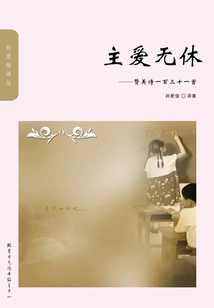
主爱无休:赞美诗一百三十一首(孙更俊译丛)
Translated By Sun Gengjun
There are a total of 131 hymns in this book, including Benefiting Friends, Our Lord is Merciful, Be Close to the Lord, I Love My Lord, etc.
There are a total of 131 hymns in this book, including Benefiting Friends, Our Lord is Merciful, Be Close to the Lord, I Love My Lord, etc.
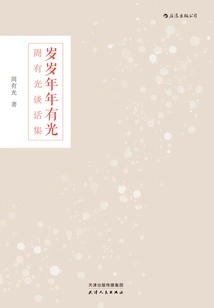
There is Light Every Year
Literature岁岁年年有光
Zhou Youguang
"There is Light Every Year" is a selection of Mr. Zhou Youguang's thoughts and concerns after he turned 100. In the past ten years, in addition to writing, Mr. Zhou Youguang also chatted and laughed with many literary visitors from all over the world in his small study. This has also become one of his unique ways of expressing his views in his later years. This collection of talks is divided into two parts: conversations and interviews. It includes not only his review of his unforgettable experiences in his life, but also his thoughts on the development of the country's society, and his concern for the direction of world history, changes in social systems, and the future development of the country. In each question and answer, a century of life wisdom is condensed. This book is also a true record and presentation of Mr. Zhou Youguang's life in his later years.
"There is Light Every Year" is a selection of Mr. Zhou Youguang's thoughts and concerns after he turned 100. In the past ten years, in addition to writing, Mr. Zhou Youguang also chatted and laughed with many literary visitors from all over the world in his small study. This has also become one of his unique ways of expressing his views in his later years. This collection of talks is divided into two parts: conversations and interviews. It includes not only his review of his unforgettable experiences in his life, but also his thoughts on the development of the country's society, and his concern for the direction of world history, changes in social systems, and the future development of the country. In each question and answer, a century of life wisdom is condensed. This book is also a true record and presentation of Mr. Zhou Youguang's life in his later years.
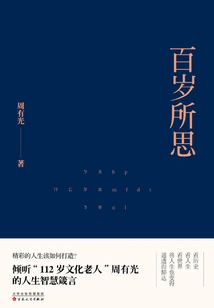
Thoughts of a Hundred Years Old
Literature百岁所思
Zhou Youguang
"Thoughts of a Hundred Years Old" contains the essence of Zhou Lao's cultural prose short stories and has high cultural and ideological value. A 112-year-old wise man with a wonderful life spanning centuries. With hundreds of years of personal experience and the knowledge of connecting China and the West, we have opened a window to see history, life, and the world clearly, and our whole life has become transparent and open-minded.
"Thoughts of a Hundred Years Old" contains the essence of Zhou Lao's cultural prose short stories and has high cultural and ideological value. A 112-year-old wise man with a wonderful life spanning centuries. With hundreds of years of personal experience and the knowledge of connecting China and the West, we have opened a window to see history, life, and the world clearly, and our whole life has become transparent and open-minded.
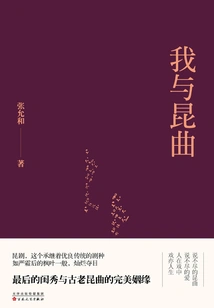
Kunqu Opera and Me
Literature我与昆曲
Zhang Yunhe
"Kun Opera and Me" contains as much of Teacher Yunhe's essays, papers, speeches and letters about Kun Opera as possible, as well as a small part of "Kun Opera Diary". The book is divided into three parts, and each part is basically arranged according to the year of writing, in order to help readers understand Yunhe's origins and emotions with Kunqu Opera from all aspects and angles, as well as his musical activities and theoretical contributions.
"Kun Opera and Me" contains as much of Teacher Yunhe's essays, papers, speeches and letters about Kun Opera as possible, as well as a small part of "Kun Opera Diary". The book is divided into three parts, and each part is basically arranged according to the year of writing, in order to help readers understand Yunhe's origins and emotions with Kunqu Opera from all aspects and angles, as well as his musical activities and theoretical contributions.
南行纪实:唐玉林选集(黔山七峰)
Tang Yulin
"Southbound Journey" is a portrayal of the author's working life when he went south to Guangdong from 1995 to 1996. It not only records the rapid take-off of the coastal economy, but is also deeply infected by the local spirit of the times that keeps pace with the times. It is not only a memory and recollection of the working years, but also a summary of the present and a vision for the future. The author is full of sincerity, uses simple words and novel style to structure the article, shares the ups and downs he has experienced, and shows the development and changes of the vast era through the life stories of little people.
"Southbound Journey" is a portrayal of the author's working life when he went south to Guangdong from 1995 to 1996. It not only records the rapid take-off of the coastal economy, but is also deeply infected by the local spirit of the times that keeps pace with the times. It is not only a memory and recollection of the working years, but also a summary of the present and a vision for the future. The author is full of sincerity, uses simple words and novel style to structure the article, shares the ups and downs he has experienced, and shows the development and changes of the vast era through the life stories of little people.
水的眼泪:欧阳黔森选集(黔山七峰)
Ouyang Qiansen
This book contains more than 20 prose, poetry and novels by Ouyang Qiansen, including his representative works "Mang Kunlun", "Lady Shexiang", "White More Black Less" and other works. His works are very characteristic of Guizhou. They not only involve issues of idealism and value destiny that modern people are concerned about, but also include a large number of essays and poems that describe and revere nature, as well as essays and novels that describe Guizhou's scenic cultural relics and simple folk customs. He is hailed as an "ecological writer" by many literary critics because he integrates Guizhou dialect and folk songs into his works, making the literary language simple and rich in local flavor, but at the same time extremely elegant, fresh and smart.
This book contains more than 20 prose, poetry and novels by Ouyang Qiansen, including his representative works "Mang Kunlun", "Lady Shexiang", "White More Black Less" and other works. His works are very characteristic of Guizhou. They not only involve issues of idealism and value destiny that modern people are concerned about, but also include a large number of essays and poems that describe and revere nature, as well as essays and novels that describe Guizhou's scenic cultural relics and simple folk customs. He is hailed as an "ecological writer" by many literary critics because he integrates Guizhou dialect and folk songs into his works, making the literary language simple and rich in local flavor, but at the same time extremely elegant, fresh and smart.
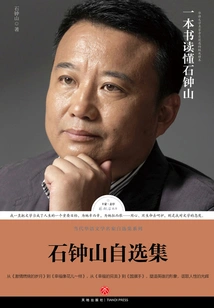
Selected Works of Shi Zhongshan
Literature石钟山自选集
Shizhongshan
Most of Shi Zhongshan's works are related to military themes. In the author's writing, his characters are vivid and penetrating. He is good at creating main melody works, vividly depicting the people's optimistic attitude towards life, and has become an art work that people love to hear and see. This book selects Shi Zhongshan's representative works, including the novellas "The Passionate Years (Father Enters the City)", "Happiness Like Flowers", "Quick Gunner", "Second Uncle Who Was a Soldier", "Guandong Escort Bureau", "Civil and Military Generals", "The Perfection of Happiness", short stories "Flag Bearer", "Small Town", "The Last Soldier" and other important chapters, comprehensively demonstrating Shi Zhongshan's creative characteristics and artistic achievements.
Most of Shi Zhongshan's works are related to military themes. In the author's writing, his characters are vivid and penetrating. He is good at creating main melody works, vividly depicting the people's optimistic attitude towards life, and has become an art work that people love to hear and see. This book selects Shi Zhongshan's representative works, including the novellas "The Passionate Years (Father Enters the City)", "Happiness Like Flowers", "Quick Gunner", "Second Uncle Who Was a Soldier", "Guandong Escort Bureau", "Civil and Military Generals", "The Perfection of Happiness", short stories "Flag Bearer", "Small Town", "The Last Soldier" and other important chapters, comprehensively demonstrating Shi Zhongshan's creative characteristics and artistic achievements.
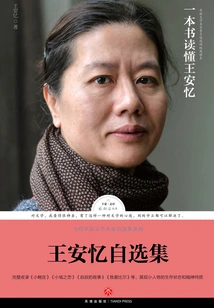
Selected Works of Wang Anyi
Literature王安忆自选集
Wang Anyi
Wang Anyi is a unique and rich existence in contemporary Chinese literature. She always writes about her life experience, spiritual adventure and life yearning with a tenacious attitude. This book selects various representative works of Wang Anyi, including the novellas "Little Baozhuang", "Love in a Small Town", "Uncle's Story", "I Love Bill", "Anecdotes of the Cultural Revolution", "The Era of Seclusion"; short stories "Recruitment", "Drunkard", "The Match", "Black Alley"; essays "Starry Sky in Cambridge", "Gorgeous Family" and other chapters, comprehensively reflecting Wang Anyi's creative achievements.
Wang Anyi is a unique and rich existence in contemporary Chinese literature. She always writes about her life experience, spiritual adventure and life yearning with a tenacious attitude. This book selects various representative works of Wang Anyi, including the novellas "Little Baozhuang", "Love in a Small Town", "Uncle's Story", "I Love Bill", "Anecdotes of the Cultural Revolution", "The Era of Seclusion"; short stories "Recruitment", "Drunkard", "The Match", "Black Alley"; essays "Starry Sky in Cambridge", "Gorgeous Family" and other chapters, comprehensively reflecting Wang Anyi's creative achievements.
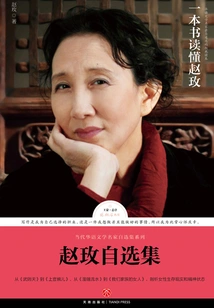
Zhao Mei's Self-selected Collection
Literature赵玫自选集
Zhao Mei
Zhao Mei's works are truly touching, profound and far-reaching. The unique way of expressing her soul and the rich lyricism throughout her writing, as well as her humanistic feelings about her beloved life, give her works unique literary tension and a broad spiritual vision. This book selects and excerpts various representative works of Zhao Mei, including novels: "Song with the Flowing Water", "Wu Zetian", "Shangguan Wan'er", "The Woman of Our Family"; novellas: "The Turn of Route 62", "Searching for Isolde" , "Mobile Brothel"; short stories: "Witch and Mr. So-and-so", "Dancing with the Hero", "Atonal Tank Song"; prose: "From Here to Eternity", "An Open Book" and other chapters, fully demonstrating Zhao Mei's creative characteristics and artistic achievements.
Zhao Mei's works are truly touching, profound and far-reaching. The unique way of expressing her soul and the rich lyricism throughout her writing, as well as her humanistic feelings about her beloved life, give her works unique literary tension and a broad spiritual vision. This book selects and excerpts various representative works of Zhao Mei, including novels: "Song with the Flowing Water", "Wu Zetian", "Shangguan Wan'er", "The Woman of Our Family"; novellas: "The Turn of Route 62", "Searching for Isolde" , "Mobile Brothel"; short stories: "Witch and Mr. So-and-so", "Dancing with the Hero", "Atonal Tank Song"; prose: "From Here to Eternity", "An Open Book" and other chapters, fully demonstrating Zhao Mei's creative characteristics and artistic achievements.
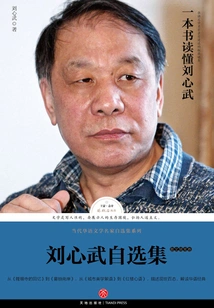
刘心武自选集:散文随笔卷
Liu Xinwu
Liu Xinwu's works are characterized by their focus on reality, reflect the pulse of the times, are profound in meaning, and are full of human beauty and human beauty. This book selects and excerpts various representative works of his prose works, including the prose essay "Wang Xiaobo, can you come for a drink tonight?" ", "Gone Away, Mother's Flying Hands", architectural reviews "City Viewpoint", "Enjoying "Gray Space"", "Liu Xinwu Reveals the Secret of the Dream of Red Mansions", "Words from the Red Mansions" and other chapters based on the research experience of "Dream of Red Mansions", comprehensively display Liu Xinwu's artistic achievements in prose creation and research of "Dream of Red Mansions" and "Jin Ping Mei" for more than half a century.
Liu Xinwu's works are characterized by their focus on reality, reflect the pulse of the times, are profound in meaning, and are full of human beauty and human beauty. This book selects and excerpts various representative works of his prose works, including the prose essay "Wang Xiaobo, can you come for a drink tonight?" ", "Gone Away, Mother's Flying Hands", architectural reviews "City Viewpoint", "Enjoying "Gray Space"", "Liu Xinwu Reveals the Secret of the Dream of Red Mansions", "Words from the Red Mansions" and other chapters based on the research experience of "Dream of Red Mansions", comprehensively display Liu Xinwu's artistic achievements in prose creation and research of "Dream of Red Mansions" and "Jin Ping Mei" for more than half a century.
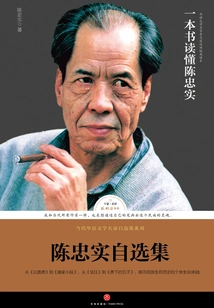
Selected Works by Chen Zhongshi
Literature陈忠实自选集
Chen Zhongshi
Chen Zhongshi's works have a rich flavor of life, earthy taste, humor or coldness, and provide profound descriptions of all corners of Chinese society and all kinds of people. This book selects and excerpts from various representative works of his, including the novel "White Deer Plain", the novella "Kang Family Courtyard", "Mr. Blue Robe", "Four Sisters", short stories "Trust", "Going Behind the Old Poplar Tree", prose essays "Farewell to White Doves", "Days Under the Plains" and other chapters, comprehensively demonstrating Chen Zhongshishi's literary creation achievements.
Chen Zhongshi's works have a rich flavor of life, earthy taste, humor or coldness, and provide profound descriptions of all corners of Chinese society and all kinds of people. This book selects and excerpts from various representative works of his, including the novel "White Deer Plain", the novella "Kang Family Courtyard", "Mr. Blue Robe", "Four Sisters", short stories "Trust", "Going Behind the Old Poplar Tree", prose essays "Farewell to White Doves", "Days Under the Plains" and other chapters, comprehensively demonstrating Chen Zhongshishi's literary creation achievements.
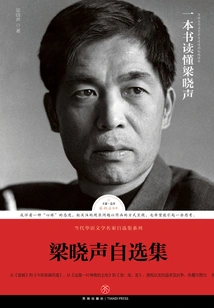
梁晓声自选集
Liang Xiaosheng
Liang Xiaosheng's creative style is the heroic style of realism, the civilian style of realism, and the allegorical style of realism. His writing has multiple dimensions, including writer, scholar, and thinker, and is deeply loved and respected by readers. This book selects and excerpts various representative works of Liang Xiaosheng, including the novel "Snow City", the novella "There's a Blizzard Tonight", "Mother", "Teacher", "Black Buttons", "White Hairpin", "Moulin Rouge", the short stories "This is a Magical Land", "Father", "Deer's Heart Blood", "Pigeon Whistle", and the essay "Dragon!" Chapters such as "Dragon, Dragon" and "Fudan and Me" comprehensively reflect Liang Xiaosheng's creative achievements.
Liang Xiaosheng's creative style is the heroic style of realism, the civilian style of realism, and the allegorical style of realism. His writing has multiple dimensions, including writer, scholar, and thinker, and is deeply loved and respected by readers. This book selects and excerpts various representative works of Liang Xiaosheng, including the novel "Snow City", the novella "There's a Blizzard Tonight", "Mother", "Teacher", "Black Buttons", "White Hairpin", "Moulin Rouge", the short stories "This is a Magical Land", "Father", "Deer's Heart Blood", "Pigeon Whistle", and the essay "Dragon!" Chapters such as "Dragon, Dragon" and "Fudan and Me" comprehensively reflect Liang Xiaosheng's creative achievements.
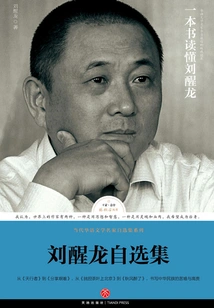
Selected Works of Liu Xinglong
Literature刘醒龙自选集
Liu Xinglong
Liu Xinglong always walks in his art world with persistence and humility. He is always able to avoid the bubbles flowing on the surface of life, see the truth of life, truly express the spirit and soul of the people at the bottom of the folk, and deeply move people with his hard resistance and water-like tenderness. This book selects and excerpts various representative works of Liu Xinglong, including the novel "Skywalker", the novella "Sharing Difficulties", "Carrying Tea to Beijing", as well as essays "Scent of Heaven", "Going to the South China Sea under a Tree" and other chapters, comprehensively displaying Liu Xinglong's creative achievements in more than thirty years.
Liu Xinglong always walks in his art world with persistence and humility. He is always able to avoid the bubbles flowing on the surface of life, see the truth of life, truly express the spirit and soul of the people at the bottom of the folk, and deeply move people with his hard resistance and water-like tenderness. This book selects and excerpts various representative works of Liu Xinglong, including the novel "Skywalker", the novella "Sharing Difficulties", "Carrying Tea to Beijing", as well as essays "Scent of Heaven", "Going to the South China Sea under a Tree" and other chapters, comprehensively displaying Liu Xinglong's creative achievements in more than thirty years.
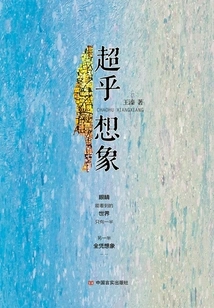
Beyond Imagination
Literature超乎想象
Wang Qin
Imagination is nothing, but it is within a small area; imagination is boundless, but it is within reason. It is a pencil, which outlines the shape of emotions; it is a charcoal, which sketches the ideal appearance; it is the palette of the soul, good or evil, colorful and diverse. The story of "Beyond Imagination" is full of suspense and foreshadowing, and the plot has twists and turns and ups and downs. Her exploration of the themes of short novels, her choice of subject matter, her fascination with structure, and her use of imagination are refreshing to readers.
Imagination is nothing, but it is within a small area; imagination is boundless, but it is within reason. It is a pencil, which outlines the shape of emotions; it is a charcoal, which sketches the ideal appearance; it is the palette of the soul, good or evil, colorful and diverse. The story of "Beyond Imagination" is full of suspense and foreshadowing, and the plot has twists and turns and ups and downs. Her exploration of the themes of short novels, her choice of subject matter, her fascination with structure, and her use of imagination are refreshing to readers.
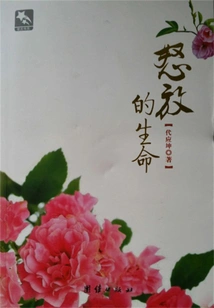
Blooming Life
Literature怒放的生命
Dai Yingkun
This collection includes prose and flash fiction, including 86 essays and 55 novels. These articles are short and concise, with subtle meaning and meaning, which are very attractive and enlightening.
This collection includes prose and flash fiction, including 86 essays and 55 novels. These articles are short and concise, with subtle meaning and meaning, which are very attractive and enlightening.
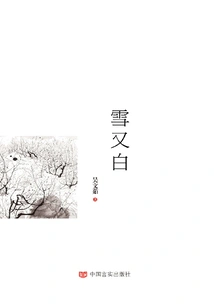
Snow is White Again
Literature雪又白
Wu Wenru
The author of this book is a member of the China Financial Writers Association, a member of the Shaanxi Provincial Writers Association, and the vice chairman of the Shaanxi Provincial Financial Writers Association. The poet grew up in Yili, Xinjiang, where snow falls on the Tianshan Mountains; and works in Xi'an, Shaanxi, where the ancient city is rich. This collection of poems collects the author's fine poems over the years, divided into ten chapters. They include the warm loyalty of family love, the unique insights of historical places, the retrospective thoughts of festivals, the delicate feelings of ancient city life, the poetic sublimation of native crops, the deep longing for relatives in his hometown, the sudden enlightenment of Buddhist temperament, the high concern for all living beings, and the ultimate expression of the white snowflakes. The light and pure snowflakes open the poet's poetic eyes, and the majestic shores of Northern Xinjiang create the poet's poetic soul. The snow is white and the flying white rhymes run through the entire collection, which is poetic about life and poetic about life. This collection of poems is truly a masterpiece of modern poetry and should be appreciated by all poetic people.
The author of this book is a member of the China Financial Writers Association, a member of the Shaanxi Provincial Writers Association, and the vice chairman of the Shaanxi Provincial Financial Writers Association. The poet grew up in Yili, Xinjiang, where snow falls on the Tianshan Mountains; and works in Xi'an, Shaanxi, where the ancient city is rich. This collection of poems collects the author's fine poems over the years, divided into ten chapters. They include the warm loyalty of family love, the unique insights of historical places, the retrospective thoughts of festivals, the delicate feelings of ancient city life, the poetic sublimation of native crops, the deep longing for relatives in his hometown, the sudden enlightenment of Buddhist temperament, the high concern for all living beings, and the ultimate expression of the white snowflakes. The light and pure snowflakes open the poet's poetic eyes, and the majestic shores of Northern Xinjiang create the poet's poetic soul. The snow is white and the flying white rhymes run through the entire collection, which is poetic about life and poetic about life. This collection of poems is truly a masterpiece of modern poetry and should be appreciated by all poetic people.
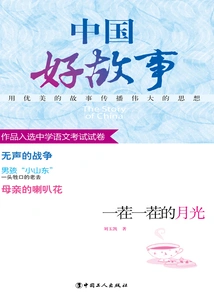
One after Another Moonlight
Literature一茬一茬的月光
Liu Yukai
The moonlight is also cold. It travels through time and space, falling on the dust layer by layer, and falls on the road behind my father and me.
The moonlight is also cold. It travels through time and space, falling on the dust layer by layer, and falls on the road behind my father and me.
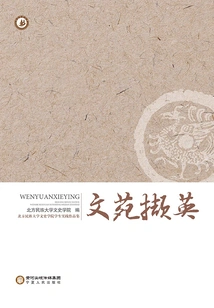
Wenyuan Extracted English
Literature文苑撷英
College Of Literature And History, Northern University For Nationalities
The functional connotation of the university is constantly developing and changing with the development of the university. In the 11th century AD, when the world's earliest universities such as the University of Bologna were established, the university did not have many of today's scientific research, social service and other functions. It seemed to be just a place for chatting and a vast world, with a very weak purpose of cultivating talents.
The functional connotation of the university is constantly developing and changing with the development of the university. In the 11th century AD, when the world's earliest universities such as the University of Bologna were established, the university did not have many of today's scientific research, social service and other functions. It seemed to be just a place for chatting and a vast world, with a very weak purpose of cultivating talents.
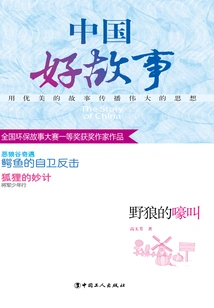
Howl of Wild Wolf
Literature野狼的嚎叫
Gao Yufang
Malanqinfu is right, my "Dandian" is indeed a wolf. In 1990, I bought a Scottish shepherd dog from a classmate. This "little girl" was only half a year old and was as big as a calf. It has a pointed head and broad shoulders, and is covered with long brown hair, while its belly and legs have short, snow-white hair. I planned to find a suitable husband for it, so I asked my adoptive father for some advice. He told how in the early years there was a female Tibetan Mastiff in the village. When she was in heat, she would run deep into the grassland at night.
Malanqinfu is right, my "Dandian" is indeed a wolf. In 1990, I bought a Scottish shepherd dog from a classmate. This "little girl" was only half a year old and was as big as a calf. It has a pointed head and broad shoulders, and is covered with long brown hair, while its belly and legs have short, snow-white hair. I planned to find a suitable husband for it, so I asked my adoptive father for some advice. He told how in the early years there was a female Tibetan Mastiff in the village. When she was in heat, she would run deep into the grassland at night.
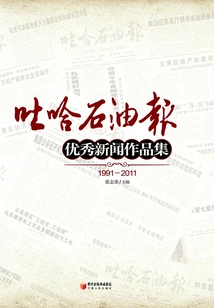
吐哈石油报优秀新闻作品集
Editor-in-chief Zhang Zhirong
On the occasion of the 20th anniversary of the founding of "Tuha Petroleum News", Tuha Petroleum Newspaper includes works that have won provincial and ministerial level awards from its inception to 2010 to commemorate the extraordinary journey of 20 years. From the "Collection of Award-winning Works of Tuha Petroleum News", we can get a glimpse of the development and construction of Tuha Oilfield, and witness the earth-shaking changes and brilliant achievements of Tuha Oilfield in an all-round, multi-level and profound manner. From between the lines, we can also understand and feel the spirit of perseverance, fearlessness of hardship, hard work, pioneering innovation, and courage in the journalistic work of the authors and editors such as interviewing, writing, and editing.
On the occasion of the 20th anniversary of the founding of "Tuha Petroleum News", Tuha Petroleum Newspaper includes works that have won provincial and ministerial level awards from its inception to 2010 to commemorate the extraordinary journey of 20 years. From the "Collection of Award-winning Works of Tuha Petroleum News", we can get a glimpse of the development and construction of Tuha Oilfield, and witness the earth-shaking changes and brilliant achievements of Tuha Oilfield in an all-round, multi-level and profound manner. From between the lines, we can also understand and feel the spirit of perseverance, fearlessness of hardship, hard work, pioneering innovation, and courage in the journalistic work of the authors and editors such as interviewing, writing, and editing.
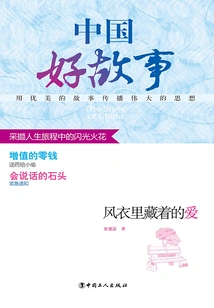
The Love Hidden in the Windbreaker
Literature风衣里藏着的爱
Zhang Defu
This book is a collection of stories that inspire readers' souls. The author uses easy-to-understand words and twists and turns of vivid plots to tell readers beautiful and touching stories of friendship, family, etc., Either praising or encouraging. It has a wide range of themes and rich content. It is a dialogue between the author and the readers, and it is also a call from the author's heart. I hope our readers can all benefit from it, which is also the original intention of writing this book.
This book is a collection of stories that inspire readers' souls. The author uses easy-to-understand words and twists and turns of vivid plots to tell readers beautiful and touching stories of friendship, family, etc., Either praising or encouraging. It has a wide range of themes and rich content. It is a dialogue between the author and the readers, and it is also a call from the author's heart. I hope our readers can all benefit from it, which is also the original intention of writing this book.
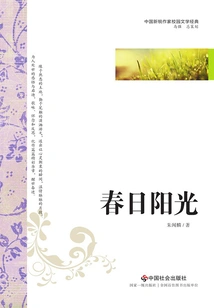
Spring Sunshine
Literature春日阳光
Zhu Wenlin
"Spring Sunshine" consists of 121 micro-novels in five series. It plants a unique vision on the land that one is familiar with, and cruises through it with diligent writing. It not only recalls rural life, but also has insights into modern life. It not only sings and praises a beautiful life, but also reflects on modern life.
"Spring Sunshine" consists of 121 micro-novels in five series. It plants a unique vision on the land that one is familiar with, and cruises through it with diligent writing. It not only recalls rural life, but also has insights into modern life. It not only sings and praises a beautiful life, but also reflects on modern life.
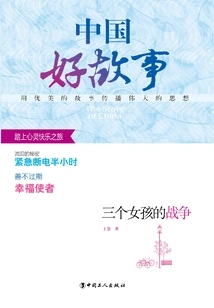
War of Three Girls
Literature三个女孩的战争
Wang Hui
The War of Three Girls has selected works published by the author (Wang Hui) in major publications in recent years. Each article of The War of Three Girls is carefully crafted. The author has rich imagination, unconstrained imagination, flexible writing style, and exquisite writing that can endure the stories or humor in reading. It can make people smile while caressing the scroll; or it can be touching and touching, and family and friendship are all explained in the story. Reading this book is like a happy journey for the soul. Not only can you experience the pleasure of reading, but also gain a deeper understanding of the true love of the world while being happy.
The War of Three Girls has selected works published by the author (Wang Hui) in major publications in recent years. Each article of The War of Three Girls is carefully crafted. The author has rich imagination, unconstrained imagination, flexible writing style, and exquisite writing that can endure the stories or humor in reading. It can make people smile while caressing the scroll; or it can be touching and touching, and family and friendship are all explained in the story. Reading this book is like a happy journey for the soul. Not only can you experience the pleasure of reading, but also gain a deeper understanding of the true love of the world while being happy.
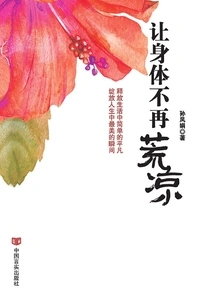
Let the Body No Longer Be Desolate
Literature让身体不再荒凉
Sun Fengjuan
When my mother gave birth to me, I was ugly, with yellow hair, thin and small. My mother said, "Can such an ugly girl be fed at such a young age? Give it to someone else." My mother said, "What nonsense are you talking about? I don't want it." From then on, I had my mother. They say stupid people are blessed, and ugly people are blessed. Having a mother may be the beginning of my blessings...
When my mother gave birth to me, I was ugly, with yellow hair, thin and small. My mother said, "Can such an ugly girl be fed at such a young age? Give it to someone else." My mother said, "What nonsense are you talking about? I don't want it." From then on, I had my mother. They say stupid people are blessed, and ugly people are blessed. Having a mother may be the beginning of my blessings...
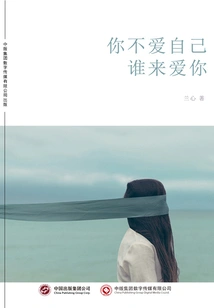
你不爱自己,谁来爱你
Lan Xin
This is a collection of prose poems about love. The author Lan Xin uses her personal experience to express the self-healing and redemption of love, the sense of security coming from ourselves, opening the heart to let love in, those beautiful encounters, if you don't love yourself, who will love you, and other poetic and picturesque articles. It is not only the chicken soup for the soul that exudes the "Positive Energy of Love", but also the warm bath of "The Heart is as Broad as the Sea". The author, who has been living overseas for many years, has added a sense of gratitude for "Ask the Buddha" and "Cultivation of a Warm and Loving Heart". The interpretation of love and happiness has become a practical guide to help young people choose life.
This is a collection of prose poems about love. The author Lan Xin uses her personal experience to express the self-healing and redemption of love, the sense of security coming from ourselves, opening the heart to let love in, those beautiful encounters, if you don't love yourself, who will love you, and other poetic and picturesque articles. It is not only the chicken soup for the soul that exudes the "Positive Energy of Love", but also the warm bath of "The Heart is as Broad as the Sea". The author, who has been living overseas for many years, has added a sense of gratitude for "Ask the Buddha" and "Cultivation of a Warm and Loving Heart". The interpretation of love and happiness has become a practical guide to help young people choose life.
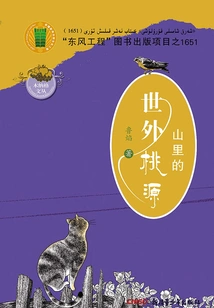
A Paradise in the Mountains
Literature山里的世外桃源
Lu Yan
This book is a collection of prose written by the author in recent years. It is divided into three parts: a record of travels in the north and south of Xinjiang, a delicate perception of family, friendship and love, and a profound reflection on the meaning of life and artistic pursuit. The language is fresh and the style is unique.
This book is a collection of prose written by the author in recent years. It is divided into three parts: a record of travels in the north and south of Xinjiang, a delicate perception of family, friendship and love, and a profound reflection on the meaning of life and artistic pursuit. The language is fresh and the style is unique.
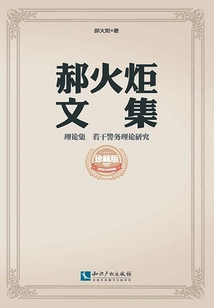
理论集 若干警务理论研究(郝火炬文集)
Hao Huoju
After ten years of working as a police officer and tempered by various types of police life, the author has turned into a number of theoretical work notes in practice. With the author's work experience as the main thread, these notes are strung together one by one to form a precious chain of hard work. Here are the reports and insights of the traffic police on the front line, the efforts and hard work of community work, and the thinking and exploration of the economic investigation front. In terms of police innovation, there are also unique thinking and far-reaching academic value and reference significance.
After ten years of working as a police officer and tempered by various types of police life, the author has turned into a number of theoretical work notes in practice. With the author's work experience as the main thread, these notes are strung together one by one to form a precious chain of hard work. Here are the reports and insights of the traffic police on the front line, the efforts and hard work of community work, and the thinking and exploration of the economic investigation front. In terms of police innovation, there are also unique thinking and far-reaching academic value and reference significance.
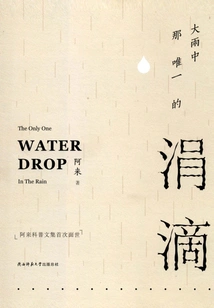
The Only Trickle in the Heavy Rain
Literature大雨中那唯一的涓滴
Alai
This book is a collection of a series of essays with the theme of popular science and science fiction written by Alai during his tenure at "Science Fiction World". From it, we can understand the development trajectory of the world's scientific community from 1997 to 2005. It not only allows us to look up at the stars, but also allows us to look down at the earth and see within ourselves. From the perspective of humanistic care, the author makes a profound explanation of the impact that the application of scientific results has on human life, thoughts and spirits. These insights are still thought-provoking even today.
This book is a collection of a series of essays with the theme of popular science and science fiction written by Alai during his tenure at "Science Fiction World". From it, we can understand the development trajectory of the world's scientific community from 1997 to 2005. It not only allows us to look up at the stars, but also allows us to look down at the earth and see within ourselves. From the perspective of humanistic care, the author makes a profound explanation of the impact that the application of scientific results has on human life, thoughts and spirits. These insights are still thought-provoking even today.
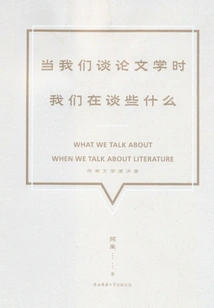
当我们谈论文学时,我们在谈些什么:阿来文学演讲录
Alai
This book selects Mr. Alai's speeches in recent years in various places, including "Literary concepts and literary writing issues", "Literature always faces some problems", "Literary narrative expression and imagination", "Non-fiction literature should have cultural responsibility", "When we talk about literature, what are we talking about" and other aspects about literature, writing, culture and other aspects. It combines the author's actual writing experience to discuss various aspects of literature in a more realistic way.
This book selects Mr. Alai's speeches in recent years in various places, including "Literary concepts and literary writing issues", "Literature always faces some problems", "Literary narrative expression and imagination", "Non-fiction literature should have cultural responsibility", "When we talk about literature, what are we talking about" and other aspects about literature, writing, culture and other aspects. It combines the author's actual writing experience to discuss various aspects of literature in a more realistic way.
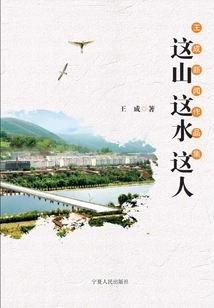
This Mountain, This Water, This Person
Literature这山这水这人
Wang Cheng
The hardships of interviewing, the joys and sorrows of writing, the joy of publication, feedback from readers, the surprise of winning... Haven't we all experienced it before? Isn't it also a very happy thing to talk about your own feelings by reading his works and have the opportunity to use this feeling to infect others?
The hardships of interviewing, the joys and sorrows of writing, the joy of publication, feedback from readers, the surprise of winning... Haven't we all experienced it before? Isn't it also a very happy thing to talk about your own feelings by reading his works and have the opportunity to use this feeling to infect others?
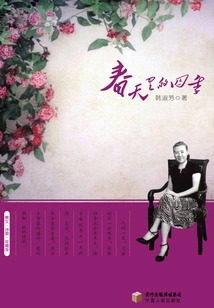
Four Seasons in Spring
Literature春天里的四季
Han Shufen
Starting from Daming County, Hebei Province, my hometown in my boyhood, I continue to write about my home life after my retirement in 2000. It fully expresses her longing for her hometown, her gratitude to her master, and her flesh-and-blood feelings for being a son, a wife, and a mother.
Starting from Daming County, Hebei Province, my hometown in my boyhood, I continue to write about my home life after my retirement in 2000. It fully expresses her longing for her hometown, her gratitude to her master, and her flesh-and-blood feelings for being a son, a wife, and a mother.
Zen Mind Painting
Literature禅意心画
Yin Wenbo
From ancient times to the present, in the long history of China's splendid culture, our predecessors have had incisive discussions on "Zen", "mind painting" and "seal cutting". I would like to copy a few of them as the introduction to this book.
From ancient times to the present, in the long history of China's splendid culture, our predecessors have had incisive discussions on "Zen", "mind painting" and "seal cutting". I would like to copy a few of them as the introduction to this book.
Lovely China (red Classic Books)
Literature可爱的中国(红色经典丛书)
Fang Zhimin
"Lovely China" collects eleven works written by martyr Fang Zhimin in prison: "Fang Zhimin's Autobiography", "Lovely China", "Death", "Poverty", "Prison Records", "A Brief Account of My Revolutionary Struggle", "Posthumous Letter", etc. The article is permeated with patriotic thoughts and patriotic enthusiasm of devotion to the country and the people, showing the bravery and fearlessness of a Communist Party member and the spirit and will of death. It is a rare teaching material for educating young people and the masses on revolutionary tradition and patriotism.
"Lovely China" collects eleven works written by martyr Fang Zhimin in prison: "Fang Zhimin's Autobiography", "Lovely China", "Death", "Poverty", "Prison Records", "A Brief Account of My Revolutionary Struggle", "Posthumous Letter", etc. The article is permeated with patriotic thoughts and patriotic enthusiasm of devotion to the country and the people, showing the bravery and fearlessness of a Communist Party member and the spirit and will of death. It is a rare teaching material for educating young people and the masses on revolutionary tradition and patriotism.
Time Flies
Literature似水年华
Li Oufan
The essays by Leo Ou-fan selected in this book come from various collections of essays by Leo Ou-fan. They are compiled into five series according to different classifications under relatively concentrated themes. The first volume "Times Past" mainly presents Li Oufan's experience of studying abroad, as well as some of the author's thoughts and historical and humanistic thoughts on the universities he has studied in during his many years of overseas academic background. The second volume of "Chang Huaisi People" brings together Professor Li Oufan's memories and remembrances of his teachers, relatives, colleagues and friends. The third volume of "Literary Journey" is the author's review and comments on world literature and some writers as a scholar. The fourth volume "Humanistic Space" reflects the author's observation and experience of modern cities and modern architecture, while the fifth volume "Music Past" displays the author's appreciation and perception of music and humanities, expressing the author's extremely high musical accomplishment. These five aspects all reflect the author's unique and professional understanding of culture and art, as well as his love for life, nature, relatives, friends, and teachers. The whole book expresses the author's love for life, nature, and art. Although he is a scholar, in terms of writing level and quantity, Li Oufan is not far behind and can definitely be regarded as a first-class writer. As a scholar, most of Li Oufan's life from studying in the United States in 1962 to his retirement from Harvard (2004) was a life of scholarship and writing. This book is a collection of his many years of writing.
The essays by Leo Ou-fan selected in this book come from various collections of essays by Leo Ou-fan. They are compiled into five series according to different classifications under relatively concentrated themes. The first volume "Times Past" mainly presents Li Oufan's experience of studying abroad, as well as some of the author's thoughts and historical and humanistic thoughts on the universities he has studied in during his many years of overseas academic background. The second volume of "Chang Huaisi People" brings together Professor Li Oufan's memories and remembrances of his teachers, relatives, colleagues and friends. The third volume of "Literary Journey" is the author's review and comments on world literature and some writers as a scholar. The fourth volume "Humanistic Space" reflects the author's observation and experience of modern cities and modern architecture, while the fifth volume "Music Past" displays the author's appreciation and perception of music and humanities, expressing the author's extremely high musical accomplishment. These five aspects all reflect the author's unique and professional understanding of culture and art, as well as his love for life, nature, relatives, friends, and teachers. The whole book expresses the author's love for life, nature, and art. Although he is a scholar, in terms of writing level and quantity, Li Oufan is not far behind and can definitely be regarded as a first-class writer. As a scholar, most of Li Oufan's life from studying in the United States in 1962 to his retirement from Harvard (2004) was a life of scholarship and writing. This book is a collection of his many years of writing.
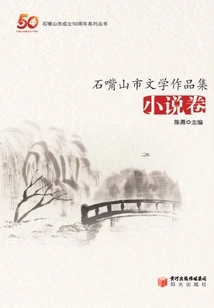
石嘴山市文学作品集:小说卷
Editor-in-chief Chen Yong
Over the past 50 years, the economy and culture of Shizuishan City have continued to prosper and develop, various undertakings have made great progress, and a new industrialized landscape garden city has rapidly emerged. With the development of economy and progress of society, Shizuishan City's literary undertaking has also experienced a glorious process of growing from scratch, from weak to strong, and from a single category to multiple categories of common development and prosperity.
Over the past 50 years, the economy and culture of Shizuishan City have continued to prosper and develop, various undertakings have made great progress, and a new industrialized landscape garden city has rapidly emerged. With the development of economy and progress of society, Shizuishan City's literary undertaking has also experienced a glorious process of growing from scratch, from weak to strong, and from a single category to multiple categories of common development and prosperity.