Library
Browse and search books
4,115 novels found
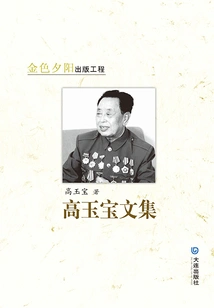
Collected Works of Gao Yubao
Literature高玉宝文集
Gao Yubao
Although most elderly people have left their jobs and begun to live in their old age. But many of them are still in good health, active minds, and energetic. Some elderly people with solid writing skills and good cultural foundation, especially old cadres, old intellectuals, and old writers and artists, use their ample time after retirement to put their rich knowledge accumulation, rich life experience, and profound life insights on paper through words. These words are simple and sincere, profound and wise, and have high publication value.
Although most elderly people have left their jobs and begun to live in their old age. But many of them are still in good health, active minds, and energetic. Some elderly people with solid writing skills and good cultural foundation, especially old cadres, old intellectuals, and old writers and artists, use their ample time after retirement to put their rich knowledge accumulation, rich life experience, and profound life insights on paper through words. These words are simple and sincere, profound and wise, and have high publication value.
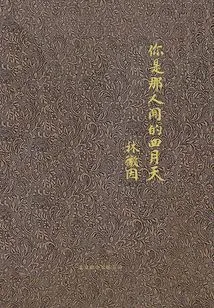
你是那人间的四月天(精装版)
Lin Huiyin
This book includes novels, essays, poems and letters from Lin Huiyin's literary works. Lin Huiyin is both a poet and an architect, which is Lin Huiyin's personal cultural characteristic. "You Are the April Day in the World" collects as many of her letters as possible. Although it is far from complete, it also covers her life from the time when she was studying abroad to her later years. All of them are pure private letters, which very truly show her mental journey in literature, architecture, politics, emotions, family, and the social life that intertwined all these. It reflects that period of history with flesh, blood and tears. In some passages, you can see how anxious and excited they were when they were written. Not only are the handwriting sloppy, but they are even a bit incoherent. This is truly reliable source material for those interested in studying Lin Huiyin and the era and culture she represented.
This book includes novels, essays, poems and letters from Lin Huiyin's literary works. Lin Huiyin is both a poet and an architect, which is Lin Huiyin's personal cultural characteristic. "You Are the April Day in the World" collects as many of her letters as possible. Although it is far from complete, it also covers her life from the time when she was studying abroad to her later years. All of them are pure private letters, which very truly show her mental journey in literature, architecture, politics, emotions, family, and the social life that intertwined all these. It reflects that period of history with flesh, blood and tears. In some passages, you can see how anxious and excited they were when they were written. Not only are the handwriting sloppy, but they are even a bit incoherent. This is truly reliable source material for those interested in studying Lin Huiyin and the era and culture she represented.
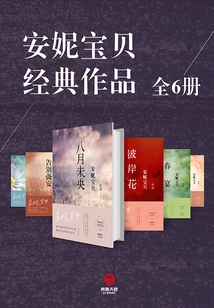
安妮宝贝经典作品(全6册)
Baby Anne
This book contains a total of six works: "August is Young", "Flowers of the Other Shore", "Farewell to Vivian", "Lotus", "Spring Banquet" and "The Best Years". The themes of love, loneliness, nostalgia and reflection in growing up have always been concerned by generations of young people and deeply resonated with them.
This book contains a total of six works: "August is Young", "Flowers of the Other Shore", "Farewell to Vivian", "Lotus", "Spring Banquet" and "The Best Years". The themes of love, loneliness, nostalgia and reflection in growing up have always been concerned by generations of young people and deeply resonated with them.
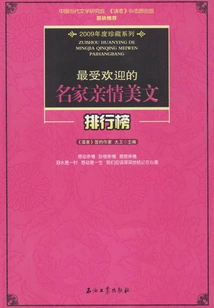
最受欢迎的名家亲情美文排行榜
"reader" Contracted Writer David
Family love is always a touching theme. This book selects a large number of essences from famous Chinese and foreign writers. It is warm and touching, allowing readers to improve their reading and writing skills while cultivating their sentiments.
Family love is always a touching theme. This book selects a large number of essences from famous Chinese and foreign writers. It is warm and touching, allowing readers to improve their reading and writing skills while cultivating their sentiments.
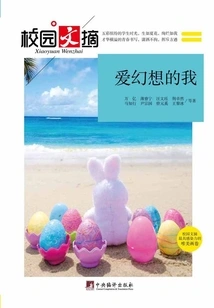
I Love Fantasy
Literature爱幻想的我
Trillions Etc.
This book is part of the "Campus Digest" series, which is divided into sections such as "Starry Dreams", "Youth Station", "Family Tree", "Rhapsody of Ghost Horses", "Reading Salon", "Natural Stories" and "Hometown Sketches". It selects philosophical essays, spiritual insights, essays, essays, essays, travel notes, narratives, humorous stories, novels, social hot topics, after-reading comments, etc. From nationally renowned young writers and middle school students. The work is rich in pictures and texts, the writing is smooth, the true feelings are revealed, the thoughts are profound, and the profound is a little bit wise. I believe that this book will bring endless reverie and fun to readers, as well as a source of wisdom and spiritual power, so that they can feel the charm of reading!
This book is part of the "Campus Digest" series, which is divided into sections such as "Starry Dreams", "Youth Station", "Family Tree", "Rhapsody of Ghost Horses", "Reading Salon", "Natural Stories" and "Hometown Sketches". It selects philosophical essays, spiritual insights, essays, essays, essays, travel notes, narratives, humorous stories, novels, social hot topics, after-reading comments, etc. From nationally renowned young writers and middle school students. The work is rich in pictures and texts, the writing is smooth, the true feelings are revealed, the thoughts are profound, and the profound is a little bit wise. I believe that this book will bring endless reverie and fun to readers, as well as a source of wisdom and spiritual power, so that they can feel the charm of reading!
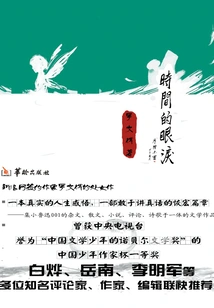
Tears of Time
Literature时间的眼泪
Luo Wenhui
"Tears of Time" is a collection of the author's essays, essays, short stories and poems. These works, through various literary genres, use innovative techniques that combine reality and fantasy, or trace childhood memories, or record campus life, or record thoughts on life and society, reflecting the vision and perception of a 17-year-old teenager. The author's writing style is simple, the language is sharp and touching, and the writing is civilized. It has both expressive and informal brushwork, as well as realism. They not only truly reflect the author's emotions and show his inner world, but also reflect his personal ideals and ambitions and his firm belief in unremitting pursuit. The author himself believes that ""Tears of Time" is like a movie that integrates real life and personal emotions and has become synonymous with me."
"Tears of Time" is a collection of the author's essays, essays, short stories and poems. These works, through various literary genres, use innovative techniques that combine reality and fantasy, or trace childhood memories, or record campus life, or record thoughts on life and society, reflecting the vision and perception of a 17-year-old teenager. The author's writing style is simple, the language is sharp and touching, and the writing is civilized. It has both expressive and informal brushwork, as well as realism. They not only truly reflect the author's emotions and show his inner world, but also reflect his personal ideals and ambitions and his firm belief in unremitting pursuit. The author himself believes that ""Tears of Time" is like a movie that integrates real life and personal emotions and has become synonymous with me."
姜椿芳文集(第三卷)
Jiang Chunfang
This book collects Jiang Chunfang's published and published works and translations as well as some unpublished manuscripts. It is divided into ten volumes according to the topics and genres of the collected works. This volume mainly includes 9 works including "The Russian Question", "The Garden", and "Lenin in October".
This book collects Jiang Chunfang's published and published works and translations as well as some unpublished manuscripts. It is divided into ten volumes according to the topics and genres of the collected works. This volume mainly includes 9 works including "The Russian Question", "The Garden", and "Lenin in October".
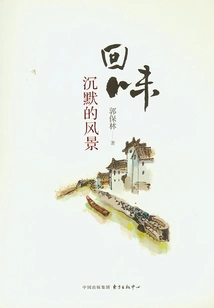
Aftertaste: Silent Landscape
Literature回味:沉默的风景
Guo Baolin
This book is a thematic collection of essays based on famous cultural cities. It has a broad vision and a unique perspective. It combines real life scenes and strives to restore the history and culture of various ancient and famous cities visited. It writes about the personality, sounds and tastes of each city, and explores the historical connotations in the landscapes. It has certain aesthetic taste and reading value.
This book is a thematic collection of essays based on famous cultural cities. It has a broad vision and a unique perspective. It combines real life scenes and strives to restore the history and culture of various ancient and famous cities visited. It writes about the personality, sounds and tastes of each city, and explores the historical connotations in the landscapes. It has certain aesthetic taste and reading value.
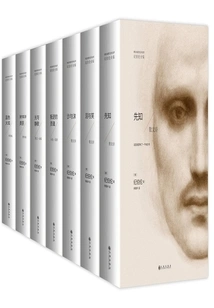
纪伯伦全集(共7册)
(le) Kahlil Gibran
"The Complete Works of Kahlil Gibran (7 volumes in total)" includes prophet + tears and laughter + sand and foam + rebellious soul + light and silence + the poetic beauty of loving you + blue flame. From this set of books, you can see an impassioned and cold-faced Gibran; a delicate, sexy Gibran; a sentimental, silent Gibran; a Gibran who is full of hope for the future but full of rebuke now... Perhaps this is the side that he should have as the most famous thinker in the 20th century. The article is full of Gibran's worries about the times, nation, and country. Because of "The Complete Works of Gibran (a total of 7 volumes)", he is enough to leave his name in history together with Lu Xun.
"The Complete Works of Kahlil Gibran (7 volumes in total)" includes prophet + tears and laughter + sand and foam + rebellious soul + light and silence + the poetic beauty of loving you + blue flame. From this set of books, you can see an impassioned and cold-faced Gibran; a delicate, sexy Gibran; a sentimental, silent Gibran; a Gibran who is full of hope for the future but full of rebuke now... Perhaps this is the side that he should have as the most famous thinker in the 20th century. The article is full of Gibran's worries about the times, nation, and country. Because of "The Complete Works of Gibran (a total of 7 volumes)", he is enough to leave his name in history together with Lu Xun.
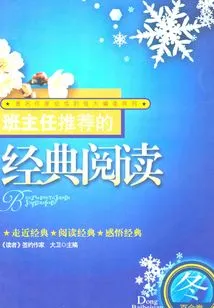
班主任推荐的经典阅读:冬·百合卷
Editor-in-chief David
Twenty-four solar terms are used as threads to divide the book into 24 series, stringing together pearls of beautiful writing. Each solar term is carefully arranged with corresponding beautiful articles. Each volume highlights a clear theme according to the characteristics of the solar terms, so that you can not only appreciate the excitement of different articles, but also avoid reading fatigue. Famous writers form a strong advisory group: the editorial board members have all made remarkable achievements in their respective fields. Whether it is Li Ying, a leading figure in contemporary poetry, or Deng Youmei, a famous writer who has influenced a generation, and the other nine editorial board members, they have all provided insights into this book and selflessly contributed articles that moved them. A large number of classic articles have been selected exclusively for the first time: the editor has combed through the sea of books, picked out gold from the sand, and selected a considerable number of works by masters. These forgotten classic works are all selected exclusively for the first time. Rich and colorful genres: 365 articles, covering prose, essays, novels, poems, speeches, letters, aphorisms, proverbs, fables and many other literary styles.
Twenty-four solar terms are used as threads to divide the book into 24 series, stringing together pearls of beautiful writing. Each solar term is carefully arranged with corresponding beautiful articles. Each volume highlights a clear theme according to the characteristics of the solar terms, so that you can not only appreciate the excitement of different articles, but also avoid reading fatigue. Famous writers form a strong advisory group: the editorial board members have all made remarkable achievements in their respective fields. Whether it is Li Ying, a leading figure in contemporary poetry, or Deng Youmei, a famous writer who has influenced a generation, and the other nine editorial board members, they have all provided insights into this book and selflessly contributed articles that moved them. A large number of classic articles have been selected exclusively for the first time: the editor has combed through the sea of books, picked out gold from the sand, and selected a considerable number of works by masters. These forgotten classic works are all selected exclusively for the first time. Rich and colorful genres: 365 articles, covering prose, essays, novels, poems, speeches, letters, aphorisms, proverbs, fables and many other literary styles.
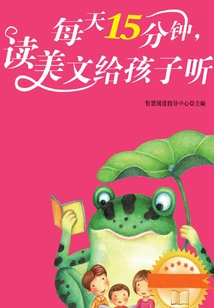
每天15分钟,读美文给孩子听
Smart Reading Guidance Center
"Read Beautiful Articles to Children in 15 Minutes a Day" selects beautiful articles in three genres: fairy tales, prose, and poetry, with the purpose of allowing children to receive more diversified literary influences. Reading beautiful articles to children is not just about reading stories to children. Prose and poetry are also very important reading materials. After each beautiful article, there is a section of "reading suggestions". It is a summary and sublimation of the experience of many reading promoters. It will definitely open up a different perspective on parent-child reading and enable us to be inspired and updated in the methods and concepts of parent-child reading. This book is edited by the Smart Reading Guidance Center.
"Read Beautiful Articles to Children in 15 Minutes a Day" selects beautiful articles in three genres: fairy tales, prose, and poetry, with the purpose of allowing children to receive more diversified literary influences. Reading beautiful articles to children is not just about reading stories to children. Prose and poetry are also very important reading materials. After each beautiful article, there is a section of "reading suggestions". It is a summary and sublimation of the experience of many reading promoters. It will definitely open up a different perspective on parent-child reading and enable us to be inspired and updated in the methods and concepts of parent-child reading. This book is edited by the Smart Reading Guidance Center.
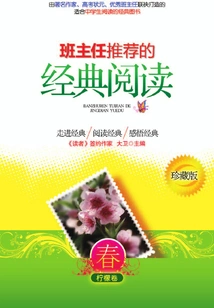
班主任推荐的经典阅读:春·柠檬卷(珍藏版)
Editor-in-chief David
"Classic Reading Recommended by the Class Teacher: Spring Lemon Volume (Collector's Edition)" uses the six solar terms of Beginning of Spring, Rain, Jingzhe, Vernal Equinox, Qingming, and Guyu as lines. The book is divided into six volumes, stringing together pearls of beautiful writing. The corresponding beautiful articles are carefully arranged for each season. Each series highlights a clear theme according to the characteristics of the solar terms, so that you can not only appreciate the excitement of different articles, but also avoid reading fatigue. The editor combed through the sea of books, picked out gold from the sand, and selected a considerable number of works by masters. These forgotten classic works are all selected for the first time. It covers prose, essays, novels, poems, speeches, letters, aphorisms, proverbs, fables and many other literary styles. It can be said that "with one set in hand, you can have all kinds of styles". It covers prose, essays, novels, poems, speeches, letters, aphorisms, proverbs, fables and many other literary styles. It can be said that "with one set in hand, you can have all kinds of styles".
"Classic Reading Recommended by the Class Teacher: Spring Lemon Volume (Collector's Edition)" uses the six solar terms of Beginning of Spring, Rain, Jingzhe, Vernal Equinox, Qingming, and Guyu as lines. The book is divided into six volumes, stringing together pearls of beautiful writing. The corresponding beautiful articles are carefully arranged for each season. Each series highlights a clear theme according to the characteristics of the solar terms, so that you can not only appreciate the excitement of different articles, but also avoid reading fatigue. The editor combed through the sea of books, picked out gold from the sand, and selected a considerable number of works by masters. These forgotten classic works are all selected for the first time. It covers prose, essays, novels, poems, speeches, letters, aphorisms, proverbs, fables and many other literary styles. It can be said that "with one set in hand, you can have all kinds of styles". It covers prose, essays, novels, poems, speeches, letters, aphorisms, proverbs, fables and many other literary styles. It can be said that "with one set in hand, you can have all kinds of styles".
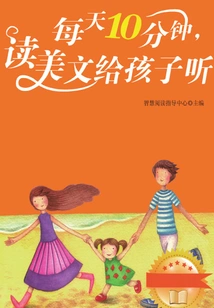
每天10分钟,读美文给孩子听
Editor-in-chief Of Smart Reading Guidance Center
In this set of books, we have selected beautiful articles in three genres: fairy tales, prose, and poetry, with the purpose of allowing children to receive more diverse literary influences. Reading beautiful texts to children is not just about reading stories to children. Prose and poetry are also very important reading materials. This set of books provides excellent materials for children, and all articles are written by famous writers. Some convey love, and some show beauty: some focus on nature, and some care for small lives; some describe children's lives, and some depict children's fantasy world; some contain the eager expectations of parents, and some are the expressions of the children's own soul. In this set of books, what is more important is that after each beautiful article, there is a "reading suggestion". It is a summary and sublimation of the experience of many reading promoters. It will definitely open up a different perspective on parent-child reading and enable us to be inspired and updated in the methods and concepts of parent-child reading.
In this set of books, we have selected beautiful articles in three genres: fairy tales, prose, and poetry, with the purpose of allowing children to receive more diverse literary influences. Reading beautiful texts to children is not just about reading stories to children. Prose and poetry are also very important reading materials. This set of books provides excellent materials for children, and all articles are written by famous writers. Some convey love, and some show beauty: some focus on nature, and some care for small lives; some describe children's lives, and some depict children's fantasy world; some contain the eager expectations of parents, and some are the expressions of the children's own soul. In this set of books, what is more important is that after each beautiful article, there is a "reading suggestion". It is a summary and sublimation of the experience of many reading promoters. It will definitely open up a different perspective on parent-child reading and enable us to be inspired and updated in the methods and concepts of parent-child reading.
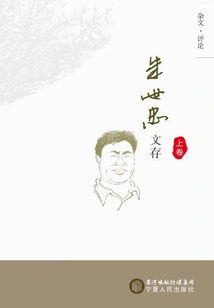
Zhu Shizhong Wencun (volume 1)
Literature朱世忠文存(上卷)
Zhu Shizhong
Shizhong left, but Shizhong's books stayed behind. The more than 400,000 words written by Shizhong should be named "Zhu Shizhong Manuscripts" or "Zhu Shizhong Manuscripts". Because they were not finished, many chapters did not have time to be revised. The word "manuscript" means draft and unfinished. It also contains our regret and sorrow for the untimely death of this friend who came from a humble background, struggled tenaciously, had a bold personality, was profoundly educated, was humble and easy-going, was full of talent, and made history.
Shizhong left, but Shizhong's books stayed behind. The more than 400,000 words written by Shizhong should be named "Zhu Shizhong Manuscripts" or "Zhu Shizhong Manuscripts". Because they were not finished, many chapters did not have time to be revised. The word "manuscript" means draft and unfinished. It also contains our regret and sorrow for the untimely death of this friend who came from a humble background, struggled tenaciously, had a bold personality, was profoundly educated, was humble and easy-going, was full of talent, and made history.
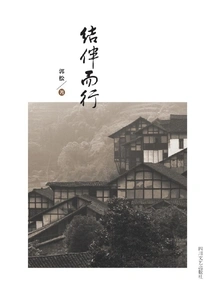
Go Together
Literature结伴而行
Guo Song
"Walking Together" is a collection of essays compiled by the author Guo Song in the form of prose and essays, sorting out his life trajectory and ideological context. The work looks back on his own mental journey from nine chapters, including nostalgia for his hometown, military cantabile, the rhyme of books and pens, the flavor of life, the quiet words of the prosperous times, and the love for Yunnan. The book has rich themes, profound thoughts, beautiful lyrics, and rich and thought-provoking text.
"Walking Together" is a collection of essays compiled by the author Guo Song in the form of prose and essays, sorting out his life trajectory and ideological context. The work looks back on his own mental journey from nine chapters, including nostalgia for his hometown, military cantabile, the rhyme of books and pens, the flavor of life, the quiet words of the prosperous times, and the love for Yunnan. The book has rich themes, profound thoughts, beautiful lyrics, and rich and thought-provoking text.
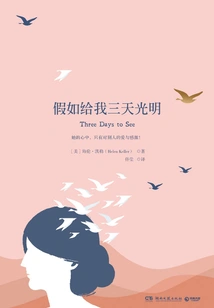
If You Give Me Three Days of Light
Literature假如给我三天光明
Helen Keller
This book includes Helen Keller's "My Life" and the famous essay "If You Give Me Three Days of Light" published in the American "Atlantic Monthly". It also specially includes the precious letters of Helen Keller and the educational notes of the "miracle worker" teacher Anne Sullivan, from which readers can fully understand Helen Keller's rich, vivid, real and great life.
This book includes Helen Keller's "My Life" and the famous essay "If You Give Me Three Days of Light" published in the American "Atlantic Monthly". It also specially includes the precious letters of Helen Keller and the educational notes of the "miracle worker" teacher Anne Sullivan, from which readers can fully understand Helen Keller's rich, vivid, real and great life.
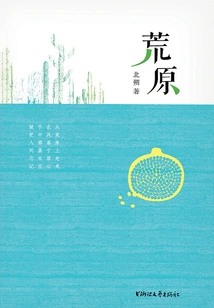
Wilderness
Literature荒原
Beishuo
This book is a collection of works by a talented middle school student. It includes short stories that are mysterious and weird and directly point to people's hearts, prose with pure emotions, and classical poems with ancient style and beautiful pictures. Each chapter has a different background and theme: the love between the music prodigy Carlo and the killer Izel; the friendship and hatred between Pang Juan and Sun Bin; the cicada who transformed into a mute woman; his thoughts on the afterlife; etc. But what remains the same is the strange and eerie atmosphere in the gorgeous words, as well as every profound and relevant detail - this is exactly what this 99-year-old girl is good at.
This book is a collection of works by a talented middle school student. It includes short stories that are mysterious and weird and directly point to people's hearts, prose with pure emotions, and classical poems with ancient style and beautiful pictures. Each chapter has a different background and theme: the love between the music prodigy Carlo and the killer Izel; the friendship and hatred between Pang Juan and Sun Bin; the cicada who transformed into a mute woman; his thoughts on the afterlife; etc. But what remains the same is the strange and eerie atmosphere in the gorgeous words, as well as every profound and relevant detail - this is exactly what this 99-year-old girl is good at.
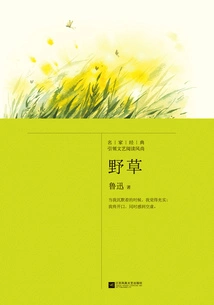
Weed
Literature野草
Lu Xun
"Wild Grass" is a collection of prose poems created by the modern writer Lu Xun. It contains 23 prose poems written between 1924 and 1926. There is an "Inscription" at the front of the book. It was first published by Beijing Beixin Book Company in July 1927 and is listed as one of the "Wuhe Series" compiled by the author.
"Wild Grass" is a collection of prose poems created by the modern writer Lu Xun. It contains 23 prose poems written between 1924 and 1926. There is an "Inscription" at the front of the book. It was first published by Beijing Beixin Book Company in July 1927 and is listed as one of the "Wuhe Series" compiled by the author.
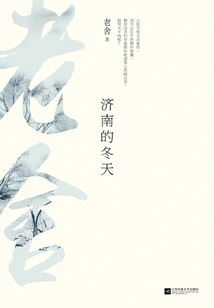
Jinan's Winter
Literature济南的冬天
G
This book is a collection of classic prose by the literary master Lao She. In order to help readers better understand the essence of Lao She's works, this anthology has screened and organized some of Mr. Lao She's outstanding prose works, including "Spring Breeze", "Thinking of Peiping", "Winter in Jinan", "British", "Photos", "Looking Up to See Joy", "Spring Breeze" and "Cat" "Little Animals", "Another Year of Green Grass", "My Mother", "Qingdao in May", "Spring Festival in Beijing", "Visiting Jinan", "Appreciation of Baotu Spring" and other representative classic prose articles by Mr. Lao She have been classified accordingly according to their content and style characteristics. The first part is mainly about the author's early life and travels; the second part is miscellaneous notes about family members and teachers and friends; the third part is mostly sketches and current reviews; the works in the fourth part are mainly about the author's views on literary creation.
This book is a collection of classic prose by the literary master Lao She. In order to help readers better understand the essence of Lao She's works, this anthology has screened and organized some of Mr. Lao She's outstanding prose works, including "Spring Breeze", "Thinking of Peiping", "Winter in Jinan", "British", "Photos", "Looking Up to See Joy", "Spring Breeze" and "Cat" "Little Animals", "Another Year of Green Grass", "My Mother", "Qingdao in May", "Spring Festival in Beijing", "Visiting Jinan", "Appreciation of Baotu Spring" and other representative classic prose articles by Mr. Lao She have been classified accordingly according to their content and style characteristics. The first part is mainly about the author's early life and travels; the second part is miscellaneous notes about family members and teachers and friends; the third part is mostly sketches and current reviews; the works in the fourth part are mainly about the author's views on literary creation.
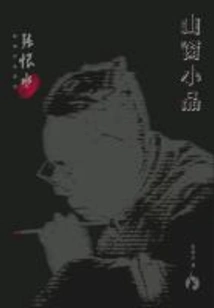
张恨水经典作品系列:山窗小品
Zhang Henshui
Zhang Henshui's collection of essays is divided into sixty-two chapters, written in classical Chinese. It was written during the period when he was living in the countryside of Chongqing. What he describes are the ordinary scenery and people in the countryside.
Zhang Henshui's collection of essays is divided into sixty-two chapters, written in classical Chinese. It was written during the period when he was living in the countryside of Chongqing. What he describes are the ordinary scenery and people in the countryside.
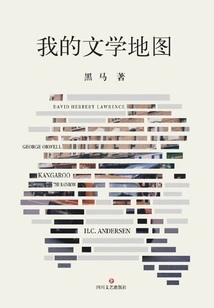
My Literary Map
Literature我的文学地图
Dark Horse
Dark Horse, author, translator, and D. H. Lawrence scholar. He personally visited almost all places related to Lawrence to find the relationship between these places and his works. In this way, he traveled around the world, felt the true nature of the world, and measured a literary map of his own with the footsteps of his soul. This book is "My Literary Map" written by Dark Horse.
Dark Horse, author, translator, and D. H. Lawrence scholar. He personally visited almost all places related to Lawrence to find the relationship between these places and his works. In this way, he traveled around the world, felt the true nature of the world, and measured a literary map of his own with the footsteps of his soul. This book is "My Literary Map" written by Dark Horse.
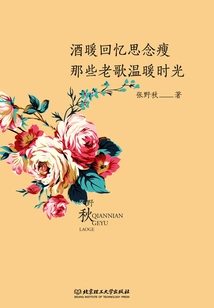
Wine Warms Memories and Misses Thinness: Those Old Songs Warm the Time (thousand-year-old Songs)
Literature酒暖回忆思念瘦:那些老歌温暖时光(千年歌语)
Zhang Yeqiu
This series of books takes the classic song culture of various eras as the main line, such as the Book of Songs, Tang poetry, Song lyrics, and modern classic pop songs. It selects the perspective of love and combines classic poetry with personalized interpretation to read history through poetry, read characters through history, and understand love and life through characters. This book is suitable for general reading.
This series of books takes the classic song culture of various eras as the main line, such as the Book of Songs, Tang poetry, Song lyrics, and modern classic pop songs. It selects the perspective of love and combines classic poetry with personalized interpretation to read history through poetry, read characters through history, and understand love and life through characters. This book is suitable for general reading.
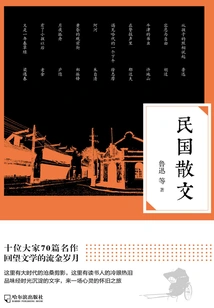
Prose of the Republic of China
Literature民国散文
Lu Xun And Others
Reading prose means reading life, society, and life. "Prose of the Republic of China" is a panoramic anthology of essays, which selects 70 essays with distinctive artistic characteristics by ten literary masters such as Lu Xun, Xu Zhimo, and Lao She. The book is divided into ten series according to the author, covering the scenery of the past, reminiscing about the past, nostalgic people, floating monologues, and contemplation of the years. There is life between the lines. The articles included in "Republic of China Prose" are rich in subject matter, such as the scenery of the past, nostalgia for the past, random thoughts on life, humanistic thinking... They are both argumentative, narrative and lyrical. Each article is carefully edited so that you can understand the author's mental journey and creative context. In addition, there are many works with the same name or theme in "Republic of China Prose", and readers can gain deeper insights from comparative reading. "Prose of the Republic of China" not only allows us to appreciate the pattern and writing temperament of writers in the golden age of literature, but also provides enlightenment in personality shaping, family education, and ideological cultivation.
Reading prose means reading life, society, and life. "Prose of the Republic of China" is a panoramic anthology of essays, which selects 70 essays with distinctive artistic characteristics by ten literary masters such as Lu Xun, Xu Zhimo, and Lao She. The book is divided into ten series according to the author, covering the scenery of the past, reminiscing about the past, nostalgic people, floating monologues, and contemplation of the years. There is life between the lines. The articles included in "Republic of China Prose" are rich in subject matter, such as the scenery of the past, nostalgia for the past, random thoughts on life, humanistic thinking... They are both argumentative, narrative and lyrical. Each article is carefully edited so that you can understand the author's mental journey and creative context. In addition, there are many works with the same name or theme in "Republic of China Prose", and readers can gain deeper insights from comparative reading. "Prose of the Republic of China" not only allows us to appreciate the pattern and writing temperament of writers in the golden age of literature, but also provides enlightenment in personality shaping, family education, and ideological cultivation.
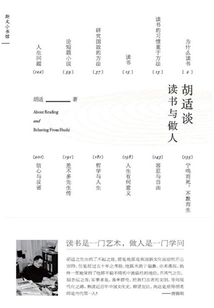
胡适谈读书与做人
Hu Shi
"Hu Shi Talks about Reading and Life" selects 24 articles by the famous scholar Hu Shi on reading and life. When selecting articles, we adhere to the principle of step-by-step and inclusiveness, so that the content reads in a consistent manner and contains countless things. "Talking about Reading" starts with the reasons for reading, and then discusses the methods, habits, and pleasures of reading, and combines literary criticism and literary innovation initiatives; "Talking about Being a Human Being" first discusses life in general, and then talks about tolerance and freedom, cultivation and philosophy, guiding people to better understand life.
"Hu Shi Talks about Reading and Life" selects 24 articles by the famous scholar Hu Shi on reading and life. When selecting articles, we adhere to the principle of step-by-step and inclusiveness, so that the content reads in a consistent manner and contains countless things. "Talking about Reading" starts with the reasons for reading, and then discusses the methods, habits, and pleasures of reading, and combines literary criticism and literary innovation initiatives; "Talking about Being a Human Being" first discusses life in general, and then talks about tolerance and freedom, cultivation and philosophy, guiding people to better understand life.
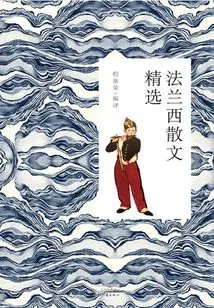
Selected French Prose
Literature法兰西散文精选
Cheng Yirong
"Selected French Prose" selects about 200 essays by 25 famous writers including Montaigne, Rousseau, and Chateaubriand. The humanistic spirit of French prose runs throughout this book. The author is concerned about human emotions and human destiny. Michelet among them, even in those exquisite proses that use birds, insects, mountains, and oceans as description objects, he also expresses his tenderness for human beings. Saint-Exupéry's concern for ordinary people and his pursuit of beautiful ideals in his works are touching. On the one hand, French prose adopts an attitude of examination and criticism towards real life; on the other hand, it has high aspirations and regards the pursuit of freedom and beautiful ideals as its own responsibility. La Bruyère's critique of society was direct.
"Selected French Prose" selects about 200 essays by 25 famous writers including Montaigne, Rousseau, and Chateaubriand. The humanistic spirit of French prose runs throughout this book. The author is concerned about human emotions and human destiny. Michelet among them, even in those exquisite proses that use birds, insects, mountains, and oceans as description objects, he also expresses his tenderness for human beings. Saint-Exupéry's concern for ordinary people and his pursuit of beautiful ideals in his works are touching. On the one hand, French prose adopts an attitude of examination and criticism towards real life; on the other hand, it has high aspirations and regards the pursuit of freedom and beautiful ideals as its own responsibility. La Bruyère's critique of society was direct.
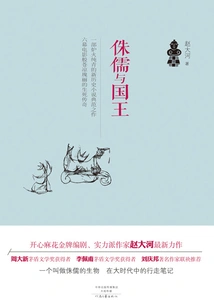
Dwarf and King
Literature侏儒与国王
Zhao Dahe
The dwarf at the center of the storm has insight into the secrets hidden in the palace darkroom. The extraordinary lives of three kings, a six-act legend of life and death hanging by a thread. A tragic and comical parody, a bold and vivid subversion. Between life and death, who is the invisible hand that controls fate? The desolate and magnificent montage images, the sharp torture that directly penetrates the depths of the soul, the rich and dense narrative capacity, and the superb writing skills present to you the walking notes of a creature called a dwarf in the great era. It's like watching a movie directed by Ang Lee or Zhang Yimou, full of changes in light and shadow, and the bass of thought that strikes the soul.
The dwarf at the center of the storm has insight into the secrets hidden in the palace darkroom. The extraordinary lives of three kings, a six-act legend of life and death hanging by a thread. A tragic and comical parody, a bold and vivid subversion. Between life and death, who is the invisible hand that controls fate? The desolate and magnificent montage images, the sharp torture that directly penetrates the depths of the soul, the rich and dense narrative capacity, and the superb writing skills present to you the walking notes of a creature called a dwarf in the great era. It's like watching a movie directed by Ang Lee or Zhang Yimou, full of changes in light and shadow, and the bass of thought that strikes the soul.
在尘世的纷乱中,安享自己的闲适人生
Shen Congwen Et Al.
"Enjoying Your Own Leisure Life in the Chaos of the World" takes the leisure attitude as its theme and brings together 26 classic essays by 16 contemporary literary masters such as Shen Congwen, Lao She, Zhu Ziqing, Xu Zhimo, and Dai Wangshu. In "Enjoying Your Own Leisure Life Amid the Chaos of the World", the words of the giants of the era are simple yet exquisite, traveling through time and space, comforting you and me, showing readers the attitude towards life of enjoying a leisurely life amidst the chaos of the world, and helping readers to pursue peace of mind in the noisy and impetuous city.
"Enjoying Your Own Leisure Life in the Chaos of the World" takes the leisure attitude as its theme and brings together 26 classic essays by 16 contemporary literary masters such as Shen Congwen, Lao She, Zhu Ziqing, Xu Zhimo, and Dai Wangshu. In "Enjoying Your Own Leisure Life Amid the Chaos of the World", the words of the giants of the era are simple yet exquisite, traveling through time and space, comforting you and me, showing readers the attitude towards life of enjoying a leisurely life amidst the chaos of the world, and helping readers to pursue peace of mind in the noisy and impetuous city.
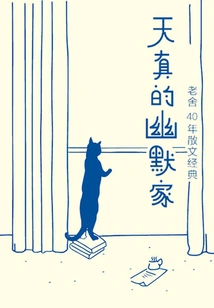
天真的幽默家:老舍40年散文经典
Lao She
This book contains a complete collection of 76 classic prose works by Lao She over the past 40 years, with more than 10 rare articles specially selected. There are travel notes and chats, essays and essays, diary letters, descriptions of scenery, objects, people, and things, all of which are affectionate and interesting. Lao She is recognized as a master of humor and language. His writing is true and pure, and his language is plain and vivid. The simple innocence and worldly wisdom are revealed between the lines, as well as the poignant irony. It is full of thoughts about life. It is heart-warming and healing to read, and you can't bear to put it down.
This book contains a complete collection of 76 classic prose works by Lao She over the past 40 years, with more than 10 rare articles specially selected. There are travel notes and chats, essays and essays, diary letters, descriptions of scenery, objects, people, and things, all of which are affectionate and interesting. Lao She is recognized as a master of humor and language. His writing is true and pure, and his language is plain and vivid. The simple innocence and worldly wisdom are revealed between the lines, as well as the poignant irony. It is full of thoughts about life. It is heart-warming and healing to read, and you can't bear to put it down.
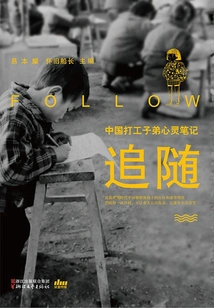
追随:中国打工子弟心灵笔记
Yi Benyao Editor-in-chief Of Captain Nostalgia
If a young man has ambition, the country will have hope! Lejia, Nostalgic Captain, etc. Are sincerely recommended. Do you still remember "I am Fan Yusu" which became a hit on the Internet in April 2017? Today, let's see how the children of "Fan Yusu" tell their stories. 20 Million migrant children spoke out for the first time, and 112 heartfelt articles were heard, a voice worthy of an era's listening.
If a young man has ambition, the country will have hope! Lejia, Nostalgic Captain, etc. Are sincerely recommended. Do you still remember "I am Fan Yusu" which became a hit on the Internet in April 2017? Today, let's see how the children of "Fan Yusu" tell their stories. 20 Million migrant children spoke out for the first time, and 112 heartfelt articles were heard, a voice worthy of an era's listening.
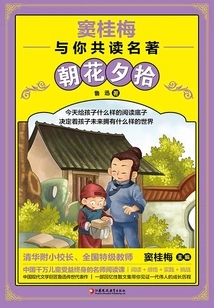
朝花夕拾(窦桂梅与你共读名著)
Lu Xun
"Morning Blossoms Picked Up at Dusk (Reading Masterpieces with You by Dou Guimei)" selects 10 of Mr. Lu Xun's beautiful, interesting and representative essays. It records the author's childhood life and youth study experience, recalls those unforgettable years, expresses the nostalgia for his former relatives, friends and teachers, and at the same time makes ruthless criticism and bitter satire of the dark reality. From these vivid words, we get to know a living Lu Xun and appreciate his fun, richness, grace and gentleness.
"Morning Blossoms Picked Up at Dusk (Reading Masterpieces with You by Dou Guimei)" selects 10 of Mr. Lu Xun's beautiful, interesting and representative essays. It records the author's childhood life and youth study experience, recalls those unforgettable years, expresses the nostalgia for his former relatives, friends and teachers, and at the same time makes ruthless criticism and bitter satire of the dark reality. From these vivid words, we get to know a living Lu Xun and appreciate his fun, richness, grace and gentleness.
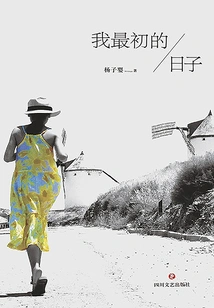
My First Days
Literature我最初的日子
Yang Ziying
"My First Days" is a collection of poems by young poet Yang Ziying. It contains more than 90 Chinese poems and 4 English poems. Some of these poems have been published in "Star Poetry" and some in American literary publications. This collection of poems brings a lot of surprises. The author's language is clean and clear. It not only expresses the feelings of girls, but also has conscious training and experimentation in poetry and language skills. The author's advantages are very obvious. His language is as relaxed as a deer, and his choice of imagery has the lightness of a girl. For example, the poem "White Crane Quotations" published in the "Star" Poetry Magazine, "Apricot blossoms in shacks have shallow waves in the soil after the rain" and "Broad beans are picked only when they are seventy full.\U002F Cucumbers and pumpkins are fresh when they are just picked." The words and language are fresh and seem to have a fragrance. Several poems in the Notes series are scattered in the collection and echo back and forth to form a complete story, which also reflects the author's intention and ingenuity. "A Few Days on the Island" is full of fairy tale color and quite imaginative.
"My First Days" is a collection of poems by young poet Yang Ziying. It contains more than 90 Chinese poems and 4 English poems. Some of these poems have been published in "Star Poetry" and some in American literary publications. This collection of poems brings a lot of surprises. The author's language is clean and clear. It not only expresses the feelings of girls, but also has conscious training and experimentation in poetry and language skills. The author's advantages are very obvious. His language is as relaxed as a deer, and his choice of imagery has the lightness of a girl. For example, the poem "White Crane Quotations" published in the "Star" Poetry Magazine, "Apricot blossoms in shacks have shallow waves in the soil after the rain" and "Broad beans are picked only when they are seventy full.\U002F Cucumbers and pumpkins are fresh when they are just picked." The words and language are fresh and seem to have a fragrance. Several poems in the Notes series are scattered in the collection and echo back and forth to form a complete story, which also reflects the author's intention and ingenuity. "A Few Days on the Island" is full of fairy tale color and quite imaginative.
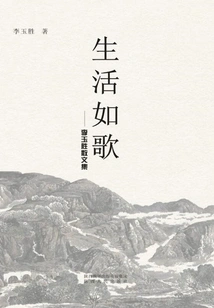
生活如歌:李玉胜散文集
Li Yusheng
"Life Is Like a Canticle" is a deep reflection on life. It brings out the shining light and highlights in life, and narrates the trajectory of life and human nature. Some thoughts and understandings are all produced inadvertently, and it makes us feel the power of life, the power of life, and the power of human nature.
"Life Is Like a Canticle" is a deep reflection on life. It brings out the shining light and highlights in life, and narrates the trajectory of life and human nature. Some thoughts and understandings are all produced inadvertently, and it makes us feel the power of life, the power of life, and the power of human nature.
Build Goodness and Beauty
Literature筑善筑美
Editor-in-chief Wang Zhigang Chen Hui
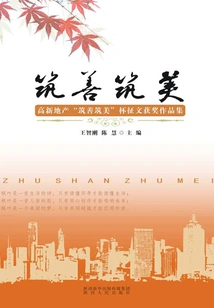
Xi'an High-tech Real Estate Company hopes to further communicate with the public, deeply understand people's life ideals, and make the city better, so it held an essay competition. This book is a collection of winning works in this essay competition. The essays express people's thoughts and perceptions about life and perceive the beauty around them; depict poetic dwelling and ideal pictures of a beautiful life, further embodying the spirit of kindness and beauty; awaken people's memories of the harmonious symbiosis between architecture, nature, and people, share precious fragments of life with the public, and spread positive energy.
Xi'an High-tech Real Estate Company hopes to further communicate with the public, deeply understand people's life ideals, and make the city better, so it held an essay competition. This book is a collection of winning works in this essay competition. The essays express people's thoughts and perceptions about life and perceive the beauty around them; depict poetic dwelling and ideal pictures of a beautiful life, further embodying the spirit of kindness and beauty; awaken people's memories of the harmonious symbiosis between architecture, nature, and people, share precious fragments of life with the public, and spread positive energy.
Cheating Tips
Literature作弊秘诀
Tang Xiong
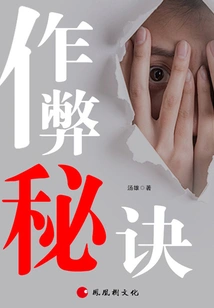
When people think of cheating in the examination room, they will automatically think of modern high-tech means such as miniature wireless cameras and receivers that can be embedded in eyeglass frames and ears. However, facing the sharp-eyed anti-cheating electronic "police", the truth was revealed as soon as they entered the school. In the face of "adversity", some people worked hard to invent the latest cheating methods in the examination room that even the electronic network police could not help, and they successfully evaded the close surveillance of the invigilator time and time again. What kind of cheating recipe is this? How was it finally cracked by people? The 16 short stories in this collection are all excellent works that deeply expose and seriously reflect on the improper learning attitudes and behaviors among students. Among them, "The Transfer" won the 2012 Bing Xin New Work Award. Fan Xiaoqing, member of the Chinese Writers Association Committee and Chairman of the Jiangsu Writers Association, wrote a preface to this collection.
When people think of cheating in the examination room, they will automatically think of modern high-tech means such as miniature wireless cameras and receivers that can be embedded in eyeglass frames and ears. However, facing the sharp-eyed anti-cheating electronic "police", the truth was revealed as soon as they entered the school. In the face of "adversity", some people worked hard to invent the latest cheating methods in the examination room that even the electronic network police could not help, and they successfully evaded the close surveillance of the invigilator time and time again. What kind of cheating recipe is this? How was it finally cracked by people? The 16 short stories in this collection are all excellent works that deeply expose and seriously reflect on the improper learning attitudes and behaviors among students. Among them, "The Transfer" won the 2012 Bing Xin New Work Award. Fan Xiaoqing, member of the Chinese Writers Association Committee and Chairman of the Jiangsu Writers Association, wrote a preface to this collection.
Single Reading (11-15)
Literature单读(11-15)
Wu Qi
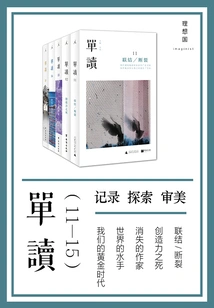
See the world from a new perspective and style. The voice of China's young generation of public intellectuals. A fresh and respectable voice in Chinese public society. This series includes the 11th to 15th volumes of "Single Reading", with the themes of broken connections, death of creativity, disappearing writers, sailors of the world, and our golden age.
See the world from a new perspective and style. The voice of China's young generation of public intellectuals. A fresh and respectable voice in Chinese public society. This series includes the 11th to 15th volumes of "Single Reading", with the themes of broken connections, death of creativity, disappearing writers, sailors of the world, and our golden age.
Campus Fashion
Literature校园风尚
Editor-in-chief Of Trillions
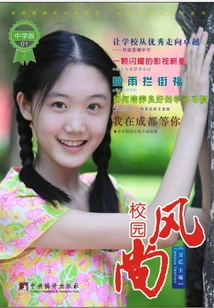
"Campus Fashion" is a collection of selected compositions by middle school students. The more than 40 selected articles include narrative essays, argumentative essays, narratives, discussions, essays, etc., All written by student authors born in the 1990s. These simple and immature works, in the eyes of peers, are far-reaching and well-conceived. In the eyes of qualified adults, they may not take it seriously, but these words exude the youthful fragrance of a generation of minors.
"Campus Fashion" is a collection of selected compositions by middle school students. The more than 40 selected articles include narrative essays, argumentative essays, narratives, discussions, essays, etc., All written by student authors born in the 1990s. These simple and immature works, in the eyes of peers, are far-reaching and well-conceived. In the eyes of qualified adults, they may not take it seriously, but these words exude the youthful fragrance of a generation of minors.
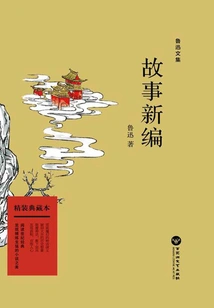
故事新编(精装典藏本)
Lu Xun
"New Stories" contains 8 novels and 1 preface written by Mr. Lu Xun from 1922 to 1935. "New Storytelling" mainly takes mythology and Chinese history as its themes, "only takes a few reasons and touches them randomly", "intricately blends ancient and modern times", and is rich in imagination and quite subversive. In addition to "New Stories", this book also includes Mr. Lu Xun's collection of prose poems "Wild Grass", which more completely, more concentratedly and richly reflects the ideological and artistic panorama of Mr. Lu Xun's life works.
"New Stories" contains 8 novels and 1 preface written by Mr. Lu Xun from 1922 to 1935. "New Storytelling" mainly takes mythology and Chinese history as its themes, "only takes a few reasons and touches them randomly", "intricately blends ancient and modern times", and is rich in imagination and quite subversive. In addition to "New Stories", this book also includes Mr. Lu Xun's collection of prose poems "Wild Grass", which more completely, more concentratedly and richly reflects the ideological and artistic panorama of Mr. Lu Xun's life works.
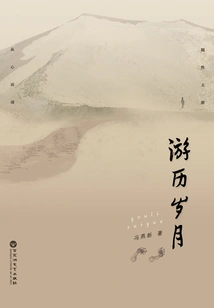
Traveling Years
Literature游历岁月
Feng Yanxin
"Traveling Years" is a collection of prose travel notes. The author Feng Yanxin traveled to various tourist resorts at home and abroad. Based on his real feelings, he added his own ideas to observe the problem from multiple angles. At the same time, he used narrative and discussion methods to express his views on current social hot issues. This book integrates the beautiful scenery of tourist resorts, the simplicity of life and philosophical thoughts. It has a certain depth and is highly readable.
"Traveling Years" is a collection of prose travel notes. The author Feng Yanxin traveled to various tourist resorts at home and abroad. Based on his real feelings, he added his own ideas to observe the problem from multiple angles. At the same time, he used narrative and discussion methods to express his views on current social hot issues. This book integrates the beautiful scenery of tourist resorts, the simplicity of life and philosophical thoughts. It has a certain depth and is highly readable.
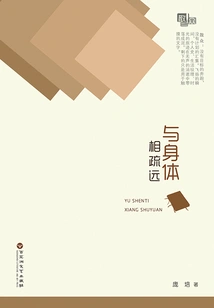
Alienation from Body
Literature与身体相疏远
Pompeii
"Alienation from the Body" is a collection of essays by Mr. Pompeo, a representative writer of new prose. These include selected chapters of "Whispers" written in the early years and recent works "Five Memories" and "Old Events". The author restores the images deep in time one by one through deep memories. Every detail of a family located in the south of the Yangtze River is exposed in the author's gentle and beautiful words. Regardless of the love between brothers and sisters, the love of parents, and the friendship between teachers and teachers, they are all deeply touching under his superb writing style.
"Alienation from the Body" is a collection of essays by Mr. Pompeo, a representative writer of new prose. These include selected chapters of "Whispers" written in the early years and recent works "Five Memories" and "Old Events". The author restores the images deep in time one by one through deep memories. Every detail of a family located in the south of the Yangtze River is exposed in the author's gentle and beautiful words. Regardless of the love between brothers and sisters, the love of parents, and the friendship between teachers and teachers, they are all deeply touching under his superb writing style.
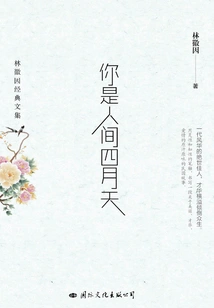
You Are April in the World
Literature你是人间四月天
Lin Huiyin
"You Are April in the World" selects Lin Huiyin's poems, prose, novels, letters, scripts, and translations to be faithful to the style of the original works and strives to restore the spiritual world of the talented Lin Huiyin and reflect the authenticity of that era. It can be said to be a collection of books that combines exquisiteness, reading value, and collection value. Lin Huiyin is a new cultural woman created by the fusion of Chinese and Western cultures. In the way of community with new literature, she promotes her independent character and a beautiful life that stirs up the youthful atmosphere and the storm of the times. Through this work, we are fortunate to see her charming style that is different from the traditional "ivory beauty".
"You Are April in the World" selects Lin Huiyin's poems, prose, novels, letters, scripts, and translations to be faithful to the style of the original works and strives to restore the spiritual world of the talented Lin Huiyin and reflect the authenticity of that era. It can be said to be a collection of books that combines exquisiteness, reading value, and collection value. Lin Huiyin is a new cultural woman created by the fusion of Chinese and Western cultures. In the way of community with new literature, she promotes her independent character and a beautiful life that stirs up the youthful atmosphere and the storm of the times. Through this work, we are fortunate to see her charming style that is different from the traditional "ivory beauty".
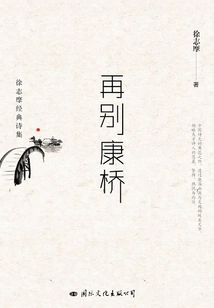
Goodbye Cambridge
Literature再别康桥
Xu Zhimo
"Farewell Cambridge Again" carefully selects Xu Zhimo's poems, essays, novels, and love letters. Including the poems "Farewell to Cambridge", "A Night of Emerald Green", "The Joy of Snowflakes", "Listening to the Musical Instruments on a Moonlit Night", the essays "My Peter", "The Claws of Paris", "Mansfield", the novels "Spring Traces" and "Roulette", etc., Which fully reproduce the author's creative talent.
"Farewell Cambridge Again" carefully selects Xu Zhimo's poems, essays, novels, and love letters. Including the poems "Farewell to Cambridge", "A Night of Emerald Green", "The Joy of Snowflakes", "Listening to the Musical Instruments on a Moonlit Night", the essays "My Peter", "The Claws of Paris", "Mansfield", the novels "Spring Traces" and "Roulette", etc., Which fully reproduce the author's creative talent.
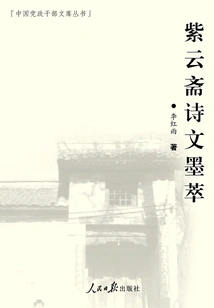
紫云斋诗文墨萃
Li Hongyu
This book is an anthology that collects about 70 works in different forms such as prose, essays, poems, songs, essays, reviews, and couplets written by the author over the years. It is divided into seven parts and records the author's thoughts, thoughts, feelings, and realizations about his work, life, study, life, career, art, literature, economy, and other aspects over the years.
This book is an anthology that collects about 70 works in different forms such as prose, essays, poems, songs, essays, reviews, and couplets written by the author over the years. It is divided into seven parts and records the author's thoughts, thoughts, feelings, and realizations about his work, life, study, life, career, art, literature, economy, and other aspects over the years.
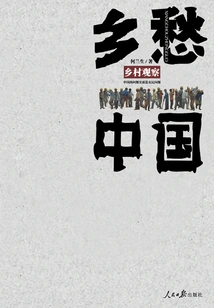
Nostalgia for China
Literature乡愁中国
He Lansheng
This manuscript is a collection of news reports on "agriculture, rural areas and farmers", and all the collected articles have been published in the "Farmers Daily". Divided into seven chapters, including "Rural Observations", "Grassroots Figures", "Longmu Concerns" and "Agricultural Policy", from the perspective of a journalist and commentator, it reflects the reform and development process of "agriculture, rural areas and farmers" since the reform and opening up, especially in the new century. It shows the historic changes brought about by the simultaneous development of industrialization, informatization, urbanization and agricultural modernization to agriculture and rural areas. It also puts forward thoughts and suggestions on effectively solving the "agriculture, rural areas and farmers" issues, which can be read and referenced by relevant workers.
This manuscript is a collection of news reports on "agriculture, rural areas and farmers", and all the collected articles have been published in the "Farmers Daily". Divided into seven chapters, including "Rural Observations", "Grassroots Figures", "Longmu Concerns" and "Agricultural Policy", from the perspective of a journalist and commentator, it reflects the reform and development process of "agriculture, rural areas and farmers" since the reform and opening up, especially in the new century. It shows the historic changes brought about by the simultaneous development of industrialization, informatization, urbanization and agricultural modernization to agriculture and rural areas. It also puts forward thoughts and suggestions on effectively solving the "agriculture, rural areas and farmers" issues, which can be read and referenced by relevant workers.
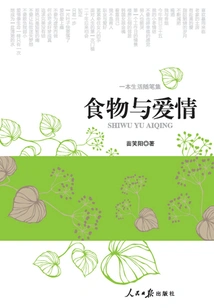
Food and Love
Literature食物与爱情
Miao Xiaoyang
This book is a collection of prose essays, which mainly introduces the author's views and thoughts on life, love, relatives, friends, and work. It reflects the author's love for nature and life, his true cherishment of love, family, and friendship, his sense of responsibility for society, and his positive, optimistic, simple and indifferent attitude towards life.
This book is a collection of prose essays, which mainly introduces the author's views and thoughts on life, love, relatives, friends, and work. It reflects the author's love for nature and life, his true cherishment of love, family, and friendship, his sense of responsibility for society, and his positive, optimistic, simple and indifferent attitude towards life.
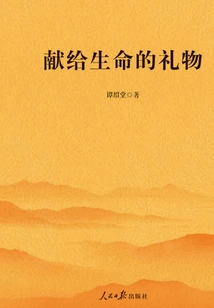
Gift to Life
Literature献给生命的礼物
L
This book collects more than 40 prose works by the author, mainly thinking and exploring the spiritual and cultural nodes in real life, involving topics in literature, history, education and emotions, exploring cultural personality, expressing life feelings, and exchanging life wisdom. The article pursues the combination of philosophy and literary talent, with a broad vision and full of emotions. The true temperament and unique understanding can be seen in the narration.
This book collects more than 40 prose works by the author, mainly thinking and exploring the spiritual and cultural nodes in real life, involving topics in literature, history, education and emotions, exploring cultural personality, expressing life feelings, and exchanging life wisdom. The article pursues the combination of philosophy and literary talent, with a broad vision and full of emotions. The true temperament and unique understanding can be seen in the narration.
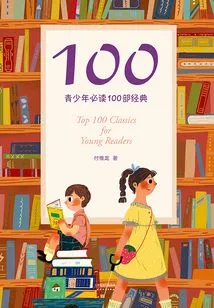
100:青少年必读100部经典
Fu Weilong
This book is a reading recommendation written by a father who loves reading to the next generation. Each book has a detailed introduction. These one hundred books come from accomplished adults from all walks of life; they and their children have been moved and inspired by these books.
This book is a reading recommendation written by a father who loves reading to the next generation. Each book has a detailed introduction. These one hundred books come from accomplished adults from all walks of life; they and their children have been moved and inspired by these books.
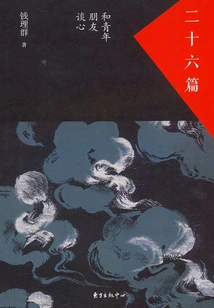
二十六篇:和青年朋友谈心
Qian Liqun
"Conversations with Young Friends" is the product and record of the spiritual dialogue and exchanges between the famous humanities scholar Qian Liqun and college students. It contains 28 speeches given by Mr. Qian across the country in the past ten years. Full of passion for life, he diligently explores the growth of young people, seeks the true meaning of life, and opens up a broad spiritual space for young friends. The whole book is full of healthy and positive energy.
"Conversations with Young Friends" is the product and record of the spiritual dialogue and exchanges between the famous humanities scholar Qian Liqun and college students. It contains 28 speeches given by Mr. Qian across the country in the past ten years. Full of passion for life, he diligently explores the growth of young people, seeks the true meaning of life, and opens up a broad spiritual space for young friends. The whole book is full of healthy and positive energy.
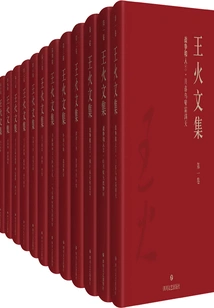
王火文集(全集)
Wang Huo
"Wang Huo's Collected Works" consists of ten volumes and twelve volumes. It contains many representative works of Mr. Wang Huo and is the first published collection. The first volume is the Mao Dun Literary Award-winning novel "War and People"; the second volume includes "Three Years of Thunderbolt" and "Firelight in the Dense Fog"; the third volume includes novels and scripts related to "Eight Foreign Routes" and "The Legend of Liuying"; the fourth volume includes "Jie Zhenguo and the Workers' Secret Service Brigade" and "The Legend of a Peking Opera Actress"; The fifth volume includes the short stories "Shadows of the East", "Zen Enlightenment" and "Snow Festival"; the sixth volume includes "Life in Dreams" and "The Mystery of the Crown"; the seventh volume is a collection of short stories and novels including "The Tide of the Heart", "Privacy Rights" and "All Kinds of Living Beings"; the eighth volume includes "The Lost Jinling Fairy Tales of the Golden Age" and "Resistance!" There are six parts: "Unforgettable Memories", "History Engraved in the Heart", "Four Features Published by Chongqing Current Affairs Newspaper after the Victory of the Anti-Japanese War", "Tips of the Storm" and "Revelation".
"Wang Huo's Collected Works" consists of ten volumes and twelve volumes. It contains many representative works of Mr. Wang Huo and is the first published collection. The first volume is the Mao Dun Literary Award-winning novel "War and People"; the second volume includes "Three Years of Thunderbolt" and "Firelight in the Dense Fog"; the third volume includes novels and scripts related to "Eight Foreign Routes" and "The Legend of Liuying"; the fourth volume includes "Jie Zhenguo and the Workers' Secret Service Brigade" and "The Legend of a Peking Opera Actress"; The fifth volume includes the short stories "Shadows of the East", "Zen Enlightenment" and "Snow Festival"; the sixth volume includes "Life in Dreams" and "The Mystery of the Crown"; the seventh volume is a collection of short stories and novels including "The Tide of the Heart", "Privacy Rights" and "All Kinds of Living Beings"; the eighth volume includes "The Lost Jinling Fairy Tales of the Golden Age" and "Resistance!" There are six parts: "Unforgettable Memories", "History Engraved in the Heart", "Four Features Published by Chongqing Current Affairs Newspaper after the Victory of the Anti-Japanese War", "Tips of the Storm" and "Revelation".
王火文集·第十卷:九十回眸
J
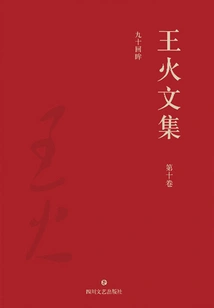
"Collected Works of Wang Huo·Volume 10" takes "Those People and Things in Modern Chinese History" as its theme. It is a collection of documentary articles published by the author in newspapers, magazines and other publications at different times. The content is all about recalling old experiences and knowledge. The book consists of two volumes and a total of ten series, divided into eight parts: "Early Years", "Unforgettable Teachers", "Crimes of the Japanese and puppets", "Spring and Autumn Period", "Flow of Time", "Emotional Memory", "Loss and Deaths", and "Overseas Figures". It contains the deeds of more than a hundred people the author has come into contact with, both at home and abroad, including first-hand accounts of many important figures in modern history. As early as 1945, after the victory of the Anti-Japanese War, Wang Huo had written about the Nanjing Massacre, the trial of Japanese war criminals and traitors, published many feature communications criticizing the current situation, and interviewed many celebrities such as Hu Shi and Yu Youren. The author's father was a patriotic martyr who unfortunately died under the Wang puppet regime. There are many articles in the book expressing the author's memory.
"Collected Works of Wang Huo·Volume 10" takes "Those People and Things in Modern Chinese History" as its theme. It is a collection of documentary articles published by the author in newspapers, magazines and other publications at different times. The content is all about recalling old experiences and knowledge. The book consists of two volumes and a total of ten series, divided into eight parts: "Early Years", "Unforgettable Teachers", "Crimes of the Japanese and puppets", "Spring and Autumn Period", "Flow of Time", "Emotional Memory", "Loss and Deaths", and "Overseas Figures". It contains the deeds of more than a hundred people the author has come into contact with, both at home and abroad, including first-hand accounts of many important figures in modern history. As early as 1945, after the victory of the Anti-Japanese War, Wang Huo had written about the Nanjing Massacre, the trial of Japanese war criminals and traitors, published many feature communications criticizing the current situation, and interviewed many celebrities such as Hu Shi and Yu Youren. The author's father was a patriotic martyr who unfortunately died under the Wang puppet regime. There are many articles in the book expressing the author's memory.