Library
Browse and search books
513 novels found
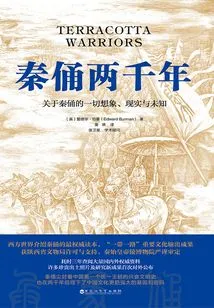
秦俑两千年
(uk) Edward Berman
The book is composed of three parts: the history of Qin, the mystery of Qin Shihuang's Mausoleum and the Terracotta Warriors, as well as the recent archaeological discoveries and research trends of the Qin Warriors. It cites numerous studies, plus many unpublished archaeological photos, making this book a representative work on the history of the Qin Dynasty and the Terracotta Warriors in recent years. The book alone cites more than 200 documents (articles). It is a major book in the English-speaking world that introduces the history of the Qin Dynasty and the Terracotta Warriors and Horses. During the publication process of the Chinese version of the book, it once again received strong support from the Shaanxi Provincial Cultural Relics Bureau and rigorous review and approval by the Qin Shi Huang Mausoleum Museum.
The book is composed of three parts: the history of Qin, the mystery of Qin Shihuang's Mausoleum and the Terracotta Warriors, as well as the recent archaeological discoveries and research trends of the Qin Warriors. It cites numerous studies, plus many unpublished archaeological photos, making this book a representative work on the history of the Qin Dynasty and the Terracotta Warriors in recent years. The book alone cites more than 200 documents (articles). It is a major book in the English-speaking world that introduces the history of the Qin Dynasty and the Terracotta Warriors and Horses. During the publication process of the Chinese version of the book, it once again received strong support from the Shaanxi Provincial Cultural Relics Bureau and rigorous review and approval by the Qin Shi Huang Mausoleum Museum.
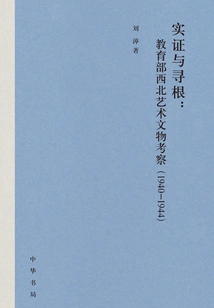
实证与寻根:教育部西北艺术文物考察(1940-1944)
Liu Ting
During the Anti-Japanese War, the National Government established an art and cultural relic inspection team of the Ministry of Education headed by Wang Ziyun, which conducted field surveys and research on folk art and cultural relics in the northwest and other regions (Shaanxi, Gansu, Qinghai, and Henan). The main research objects of this northwest survey are divided into four categories: sculpture, architecture, painting, and folk customs. The work project mainly starts from two main lines, namely: looking for the "field of art history" and looking for the "field of art." The Ministry of Education organized this Northwest expedition to conduct research on the history of unknown art. The results were fruitful, and the follow-up research lasted for a long time, which directly affected Wang Ziyun's academic orientation and research characteristics for the rest of his life. This book is a comprehensive and systematic study of this inspection activity.
During the Anti-Japanese War, the National Government established an art and cultural relic inspection team of the Ministry of Education headed by Wang Ziyun, which conducted field surveys and research on folk art and cultural relics in the northwest and other regions (Shaanxi, Gansu, Qinghai, and Henan). The main research objects of this northwest survey are divided into four categories: sculpture, architecture, painting, and folk customs. The work project mainly starts from two main lines, namely: looking for the "field of art history" and looking for the "field of art." The Ministry of Education organized this Northwest expedition to conduct research on the history of unknown art. The results were fruitful, and the follow-up research lasted for a long time, which directly affected Wang Ziyun's academic orientation and research characteristics for the rest of his life. This book is a comprehensive and systematic study of this inspection activity.
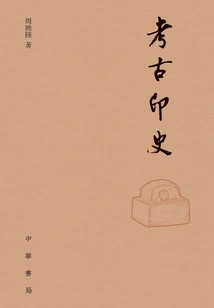
Archaeological Seal History
History考古印史
Zhou Xiaolu
The production and use of seals is a ubiquitous cultural phenomenon in Chinese society. The few numbers carry various historical traces. From the Song Dynasty to the Qing Dynasty, epigraphy developed rapidly, especially after the rise of modern archaeology. Ancient seals became an important category of archeology and paleography. It also provided a "microscope" for understanding ancient Chinese seals and opened a new door for the study of ancient seals. "History of Archaeological Seals" starts from archaeological analysis and provides a comprehensive introduction to the basic classification, materials, production methods, seal surfaces, usage, identification, and identification of forgeries of ancient seals. It also systematically sorts out the archaeological stages and evolution of ancient seals from the Shang Dynasty to the late Qing Dynasty. It has high academic reference value. It also provides practical guidance for the identification and identification of ancient seals, as well as the study of seal cutting. This book displays 685 illustrations, most of which are in their original large size. Representative seals from past dynasties, as well as typical seal layouts, seal button shapes, clay seal rubbings, printed pottery, etc., Are all included. Two-color printing, hardcover letter cover, comfortable layout.
The production and use of seals is a ubiquitous cultural phenomenon in Chinese society. The few numbers carry various historical traces. From the Song Dynasty to the Qing Dynasty, epigraphy developed rapidly, especially after the rise of modern archaeology. Ancient seals became an important category of archeology and paleography. It also provided a "microscope" for understanding ancient Chinese seals and opened a new door for the study of ancient seals. "History of Archaeological Seals" starts from archaeological analysis and provides a comprehensive introduction to the basic classification, materials, production methods, seal surfaces, usage, identification, and identification of forgeries of ancient seals. It also systematically sorts out the archaeological stages and evolution of ancient seals from the Shang Dynasty to the late Qing Dynasty. It has high academic reference value. It also provides practical guidance for the identification and identification of ancient seals, as well as the study of seal cutting. This book displays 685 illustrations, most of which are in their original large size. Representative seals from past dynasties, as well as typical seal layouts, seal button shapes, clay seal rubbings, printed pottery, etc., Are all included. Two-color printing, hardcover letter cover, comfortable layout.
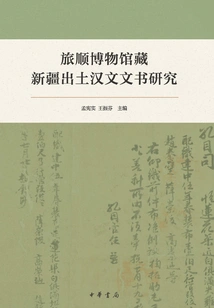
旅顺博物馆藏新疆出土汉文文书研究
Meng Xianshi Editor-in-chief Wang Zhenfen
The Lushun Museum's collection of Chinese documents unearthed in Xinjiang is the only large collection of documents unearthed in Xinjiang in China that has not yet been fully compiled and published. It is called the "last treasure" of Dunhuang and Turpan documents and has attracted the attention of the international academic community. In 2015, the comprehensive collection of Chinese documents unearthed in Xinjiang collected by the Lushun Museum was officially launched. Over the past few years, the research team has been united sincerely, divided labor and cooperated, organized and researched simultaneously, and achieved continuous results. This book is a collection of these achievements, including a total of 36 articles, covering four classics handed down from ancient times, Buddhist scriptures, Taoist scriptures, folk documents, etc., Giving us a more comprehensive understanding of these precious documents and the political, economic and cultural aspects of the Western Regions in the medieval period.
The Lushun Museum's collection of Chinese documents unearthed in Xinjiang is the only large collection of documents unearthed in Xinjiang in China that has not yet been fully compiled and published. It is called the "last treasure" of Dunhuang and Turpan documents and has attracted the attention of the international academic community. In 2015, the comprehensive collection of Chinese documents unearthed in Xinjiang collected by the Lushun Museum was officially launched. Over the past few years, the research team has been united sincerely, divided labor and cooperated, organized and researched simultaneously, and achieved continuous results. This book is a collection of these achievements, including a total of 36 articles, covering four classics handed down from ancient times, Buddhist scriptures, Taoist scriptures, folk documents, etc., Giving us a more comprehensive understanding of these precious documents and the political, economic and cultural aspects of the Western Regions in the medieval period.
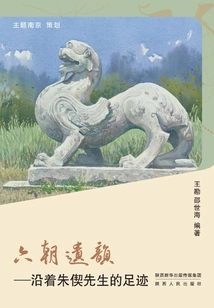
六朝遗韵
Wang Kan Shao Shihai
The Jiankang Lanling Mausoleums of the Six Dynasties refer to the tombs of the six feudal dynasties that once had their capitals in Nanjing: Dongwu, Dongjin, Liusong, Xiaoqi, Xiaoliang, and Nanchen, which are distributed in Nanjing, Danyang, and Jurong. There are imperial mausoleums and tombs of princes and generals. This book is based on "Illustrated Research on the Tombs of the Six Dynasties at Lanling in Jiankang" written by Mr. Zhu He. It uses advanced photography technology and on-site investigation to compare and supplement the new archaeological discoveries and research in the past ten years with Mr. Zhu He's illustrated research. It records the essence of Nanjing's millennium civilization. It combines the findings of the investigation and recording with the method of illustrated research to supplement the data and photos to comprehensively and systematically research the Jian'an Tomb of the Six Dynasties Mausoleum in Lanling.
The Jiankang Lanling Mausoleums of the Six Dynasties refer to the tombs of the six feudal dynasties that once had their capitals in Nanjing: Dongwu, Dongjin, Liusong, Xiaoqi, Xiaoliang, and Nanchen, which are distributed in Nanjing, Danyang, and Jurong. There are imperial mausoleums and tombs of princes and generals. This book is based on "Illustrated Research on the Tombs of the Six Dynasties at Lanling in Jiankang" written by Mr. Zhu He. It uses advanced photography technology and on-site investigation to compare and supplement the new archaeological discoveries and research in the past ten years with Mr. Zhu He's illustrated research. It records the essence of Nanjing's millennium civilization. It combines the findings of the investigation and recording with the method of illustrated research to supplement the data and photos to comprehensively and systematically research the Jian'an Tomb of the Six Dynasties Mausoleum in Lanling.
近现代名人故居保护和利用:以南京为例
Yang Jie
Based on sorting out relevant research at home and abroad, this book reviews the development process of the protection and utilization of the former residences of modern celebrities at home and abroad, discusses the research content and research ideas on the protection and utilization of the former residences of modern celebrities, and specifically analyzes the factors affecting the protection and utilization of the former residences of modern celebrities in Nanjing based on the current situation and problems of the protection and utilization of the former residences of modern celebrities in Nanjing, combined with five examples in Nanjing.
Based on sorting out relevant research at home and abroad, this book reviews the development process of the protection and utilization of the former residences of modern celebrities at home and abroad, discusses the research content and research ideas on the protection and utilization of the former residences of modern celebrities, and specifically analyzes the factors affecting the protection and utilization of the former residences of modern celebrities in Nanjing based on the current situation and problems of the protection and utilization of the former residences of modern celebrities in Nanjing, combined with five examples in Nanjing.
图坦哈蒙:不为人知的故事
(us) Thomas Hoving
Thomas Hoving, the author of "Tutankhamun: The Untold Story," after studying various relevant documents, examining Carter's diaries, notes, letters, and a large number of archival materials preserved by the Metropolitan Museum of Art, discovered many contradictions surrounding the excavation of Tutankhamun's tomb. The author of "Tutankhamun: The Untold Story" truly restored the living and unknown stories surrounding the excavation of Tutankhamun's tomb. Compared with other books, this book is ups and downs, fascinating, and refreshing for us.
Thomas Hoving, the author of "Tutankhamun: The Untold Story," after studying various relevant documents, examining Carter's diaries, notes, letters, and a large number of archival materials preserved by the Metropolitan Museum of Art, discovered many contradictions surrounding the excavation of Tutankhamun's tomb. The author of "Tutankhamun: The Untold Story" truly restored the living and unknown stories surrounding the excavation of Tutankhamun's tomb. Compared with other books, this book is ups and downs, fascinating, and refreshing for us.
尼雅遗址与于阗史研究
Meng Fanren
"Research on the Niya Ruins and the History of Khotan" respectively discusses the history, writing, political system and social composition of the Niya Ruins and Khotan. Meng Fan's discovery of the Niya ruins and his research on the history of Khotan have provided valuable information for studying the relationship between the Central Plains Dynasty and the ancient countries in the Western Regions, as well as studying the cultural exchanges between the East and the West and the Silk Road. It is an important result of the author's many years of academic research.
"Research on the Niya Ruins and the History of Khotan" respectively discusses the history, writing, political system and social composition of the Niya Ruins and Khotan. Meng Fan's discovery of the Niya ruins and his research on the history of Khotan have provided valuable information for studying the relationship between the Central Plains Dynasty and the ancient countries in the Western Regions, as well as studying the cultural exchanges between the East and the West and the Silk Road. It is an important result of the author's many years of academic research.
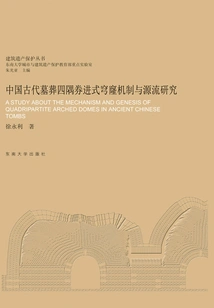
中国古代墓葬四隅券进式穹窿机制与源流研究
Xu Yongli
This article combines the research methods of architecture and archeology to conduct a careful study of the construction technology and morphological evolution rules of 123 vaults of the four-corner tombs in the Han Dynasty. On the one hand, it is compared by zoning and period, and its architectural cultural characteristics are summarized to deeply explore the cultural connotation of the tombs reflected by this dome type, and reveal its correlation with the macro historical evolution background of the Six Dynasties; on the other hand, it compares its construction technology and morphological characteristics with similar craft traditions in Central and West Asia, and explores the adaptability of this craft tradition to Chinese tomb culture. It also answers the question of how the four-corner tomb vaults originated and disappeared in ancient China under the macro historical and geographical background.
This article combines the research methods of architecture and archeology to conduct a careful study of the construction technology and morphological evolution rules of 123 vaults of the four-corner tombs in the Han Dynasty. On the one hand, it is compared by zoning and period, and its architectural cultural characteristics are summarized to deeply explore the cultural connotation of the tombs reflected by this dome type, and reveal its correlation with the macro historical evolution background of the Six Dynasties; on the other hand, it compares its construction technology and morphological characteristics with similar craft traditions in Central and West Asia, and explores the adaptability of this craft tradition to Chinese tomb culture. It also answers the question of how the four-corner tomb vaults originated and disappeared in ancient China under the macro historical and geographical background.
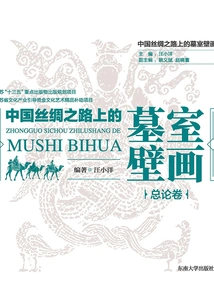
中国丝绸之路上的墓室壁画·总论卷
Wang Xiaoyang
Throughout history, the Silk Road has long been a thoroughfare for cultural exchanges among all parties along the road. Here, in addition to the frontier poems and Buddhist grottoes that people are familiar with, the tomb murals also present a string of bright pearls. From the perspective of cultural exchange trends, with the help of the political and military influence of the great Eastern empires and the high degree of civilization established through a long history, local culture has a clear dominance in the cultural exchanges along the Silk Road. This is reflected in the tomb murals. On the one hand, the art form of tombs in the Central Plains has spread for a long time, and nearly half of the remains of Chinese mural tombs are on the Silk Road; on the other hand, tomb murals have always maintained an independent system of rebirth beliefs while accepting the influence of Buddhism and Taoism. Therefore, they still maintained the independence of local images after the Han Dynasty.
Throughout history, the Silk Road has long been a thoroughfare for cultural exchanges among all parties along the road. Here, in addition to the frontier poems and Buddhist grottoes that people are familiar with, the tomb murals also present a string of bright pearls. From the perspective of cultural exchange trends, with the help of the political and military influence of the great Eastern empires and the high degree of civilization established through a long history, local culture has a clear dominance in the cultural exchanges along the Silk Road. This is reflected in the tomb murals. On the one hand, the art form of tombs in the Central Plains has spread for a long time, and nearly half of the remains of Chinese mural tombs are on the Silk Road; on the other hand, tomb murals have always maintained an independent system of rebirth beliefs while accepting the influence of Buddhism and Taoism. Therefore, they still maintained the independence of local images after the Han Dynasty.
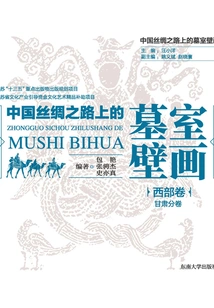
中国丝绸之路上的墓室壁画·西部卷(甘肃分卷)
Bao Yan
Throughout history, the Silk Road has long been a thoroughfare for cultural exchanges among all parties along the road. Here, in addition to the frontier poems and Buddhist grottoes that people are familiar with, the tomb murals also present a string of bright pearls. From the perspective of cultural exchange trends, with the help of the political and military influence of the great Eastern empires and the high degree of civilization established through a long history, local culture has a clear dominance in the cultural exchanges along the Silk Road. This is reflected in the tomb murals. On the one hand, the art form of tombs in the Central Plains has spread for a long time, and nearly half of the remains of Chinese mural tombs are on the Silk Road; on the other hand, tomb murals have always maintained an independent system of rebirth beliefs while accepting the influence of Buddhism and Taoism. Therefore, they still maintained the independence of local images after the Han Dynasty.
Throughout history, the Silk Road has long been a thoroughfare for cultural exchanges among all parties along the road. Here, in addition to the frontier poems and Buddhist grottoes that people are familiar with, the tomb murals also present a string of bright pearls. From the perspective of cultural exchange trends, with the help of the political and military influence of the great Eastern empires and the high degree of civilization established through a long history, local culture has a clear dominance in the cultural exchanges along the Silk Road. This is reflected in the tomb murals. On the one hand, the art form of tombs in the Central Plains has spread for a long time, and nearly half of the remains of Chinese mural tombs are on the Silk Road; on the other hand, tomb murals have always maintained an independent system of rebirth beliefs while accepting the influence of Buddhism and Taoism. Therefore, they still maintained the independence of local images after the Han Dynasty.
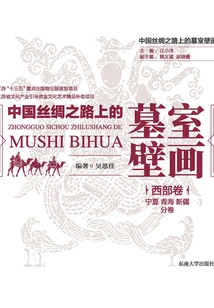
中国丝绸之路上的墓室壁画·西部卷(宁夏.青海.新疆分卷)
Wu Sijia
Throughout history, the Silk Road has long been a thoroughfare for cultural exchanges among all parties along the road. Here, in addition to the frontier poems and Buddhist grottoes that people are familiar with, the tomb murals also present a string of bright pearls. From the perspective of cultural exchange trends, with the help of the political and military influence of the great Eastern empires and the high degree of civilization established through a long history, local culture has a clear dominance in the cultural exchanges along the Silk Road. This is reflected in the tomb murals. On the one hand, the art form of tombs in the Central Plains has spread for a long time, and nearly half of the remains of Chinese mural tombs are on the Silk Road; on the other hand, tomb murals have always maintained an independent system of rebirth beliefs while accepting the influence of Buddhism and Taoism. Therefore, they still maintained the independence of local images after the Han Dynasty.
Throughout history, the Silk Road has long been a thoroughfare for cultural exchanges among all parties along the road. Here, in addition to the frontier poems and Buddhist grottoes that people are familiar with, the tomb murals also present a string of bright pearls. From the perspective of cultural exchange trends, with the help of the political and military influence of the great Eastern empires and the high degree of civilization established through a long history, local culture has a clear dominance in the cultural exchanges along the Silk Road. This is reflected in the tomb murals. On the one hand, the art form of tombs in the Central Plains has spread for a long time, and nearly half of the remains of Chinese mural tombs are on the Silk Road; on the other hand, tomb murals have always maintained an independent system of rebirth beliefs while accepting the influence of Buddhism and Taoism. Therefore, they still maintained the independence of local images after the Han Dynasty.
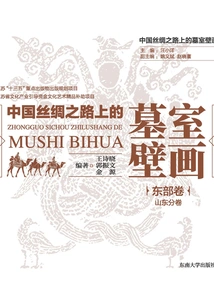
中国丝绸之路上的墓室壁画·东部卷(山东分卷)
Wang Shixiao
Throughout history, the Silk Road has long been a thoroughfare for cultural exchanges among all parties along the road. Here, in addition to the frontier poems and Buddhist grottoes that people are familiar with, the tomb murals also present a string of bright pearls. From the perspective of cultural exchange trends, with the help of the political and military influence of the great Eastern empires and the high degree of civilization established through a long history, local culture has a clear dominance in the cultural exchanges along the Silk Road. This is reflected in the tomb murals. On the one hand, the art form of tombs in the Central Plains has spread for a long time, and nearly half of the remains of Chinese mural tombs are on the Silk Road; on the other hand, tomb murals have always maintained an independent system of rebirth beliefs while accepting the influence of Buddhism and Taoism. Therefore, they still maintained the independence of local images after the Han Dynasty.
Throughout history, the Silk Road has long been a thoroughfare for cultural exchanges among all parties along the road. Here, in addition to the frontier poems and Buddhist grottoes that people are familiar with, the tomb murals also present a string of bright pearls. From the perspective of cultural exchange trends, with the help of the political and military influence of the great Eastern empires and the high degree of civilization established through a long history, local culture has a clear dominance in the cultural exchanges along the Silk Road. This is reflected in the tomb murals. On the one hand, the art form of tombs in the Central Plains has spread for a long time, and nearly half of the remains of Chinese mural tombs are on the Silk Road; on the other hand, tomb murals have always maintained an independent system of rebirth beliefs while accepting the influence of Buddhism and Taoism. Therefore, they still maintained the independence of local images after the Han Dynasty.
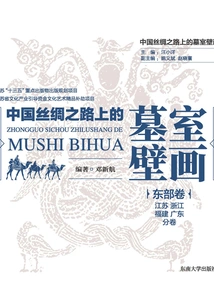
中国丝绸之路上的墓室壁画 ·东部卷(江苏 浙江福建广东分卷)
Deng Xinhang
Throughout history, the Silk Road has long been a thoroughfare for cultural exchanges among all parties along the road. Here, in addition to the frontier poems and Buddhist grottoes that people are familiar with, the tomb murals also present a string of bright pearls. From the perspective of cultural exchange trends, with the help of the political and military influence of the great Eastern empires and the high degree of civilization established through a long history, local culture has a clear dominance in the cultural exchanges along the Silk Road. This is reflected in the tomb murals. On the one hand, the art form of tombs in the Central Plains has spread for a long time, and nearly half of the remains of Chinese mural tombs are on the Silk Road; on the other hand, tomb murals have always maintained an independent system of rebirth beliefs while accepting the influence of Buddhism and Taoism. Therefore, they still maintained the independence of local images after the Han Dynasty.
Throughout history, the Silk Road has long been a thoroughfare for cultural exchanges among all parties along the road. Here, in addition to the frontier poems and Buddhist grottoes that people are familiar with, the tomb murals also present a string of bright pearls. From the perspective of cultural exchange trends, with the help of the political and military influence of the great Eastern empires and the high degree of civilization established through a long history, local culture has a clear dominance in the cultural exchanges along the Silk Road. This is reflected in the tomb murals. On the one hand, the art form of tombs in the Central Plains has spread for a long time, and nearly half of the remains of Chinese mural tombs are on the Silk Road; on the other hand, tomb murals have always maintained an independent system of rebirth beliefs while accepting the influence of Buddhism and Taoism. Therefore, they still maintained the independence of local images after the Han Dynasty.
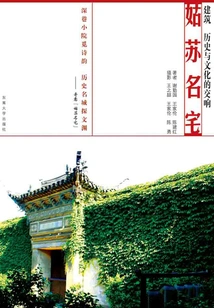
Famous House in Suzhou
History姑苏名宅
Xie Qinguo Wang Jialun
This book sorts out the former residences of historical celebrities in Suzhou City (now Gusu District) from ancient times to the Republic of China. It uses pictures and texts to tell readers about them, thereby highlighting the humanistic style of Suzhou.
This book sorts out the former residences of historical celebrities in Suzhou City (now Gusu District) from ancient times to the Republic of China. It uses pictures and texts to tell readers about them, thereby highlighting the humanistic style of Suzhou.
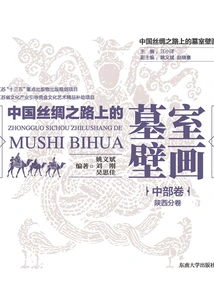
中国丝绸之路上的墓室壁画·中部卷(陕西分卷)
Yao Yibin
Throughout history, the Silk Road has long been a thoroughfare for cultural exchanges among all parties along the road. Here, in addition to the frontier poems and Buddhist grottoes that people are familiar with, the tomb murals also present a string of bright pearls. From the perspective of cultural exchange trends, with the help of the political and military influence of the great Eastern empires and the high degree of civilization established through a long history, local culture has a clear dominance in the cultural exchanges along the Silk Road. This is reflected in the tomb murals. On the one hand, the art form of tombs in the Central Plains has spread for a long time, and nearly half of the remains of Chinese mural tombs are on the Silk Road; on the other hand, tomb murals have always maintained an independent system of rebirth beliefs while accepting the influence of Buddhism and Taoism. Therefore, they still maintained the independence of local images after the Han Dynasty.
Throughout history, the Silk Road has long been a thoroughfare for cultural exchanges among all parties along the road. Here, in addition to the frontier poems and Buddhist grottoes that people are familiar with, the tomb murals also present a string of bright pearls. From the perspective of cultural exchange trends, with the help of the political and military influence of the great Eastern empires and the high degree of civilization established through a long history, local culture has a clear dominance in the cultural exchanges along the Silk Road. This is reflected in the tomb murals. On the one hand, the art form of tombs in the Central Plains has spread for a long time, and nearly half of the remains of Chinese mural tombs are on the Silk Road; on the other hand, tomb murals have always maintained an independent system of rebirth beliefs while accepting the influence of Buddhism and Taoism. Therefore, they still maintained the independence of local images after the Han Dynasty.
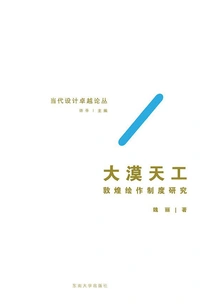
大漠天工:敦煌绘作制度
Wei Li
Studying the specific structure and development and change process of the Chinese design system represented by Dunhuang in the medieval period not only fills the gap in the history of ancient Chinese design, but also has important reference value and theoretical significance for the study of contemporary design culture.
Studying the specific structure and development and change process of the Chinese design system represented by Dunhuang in the medieval period not only fills the gap in the history of ancient Chinese design, but also has important reference value and theoretical significance for the study of contemporary design culture.
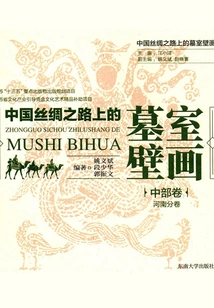
中国丝绸之路上的墓室壁画·中部卷(河南分卷)
Yao Yibin
Throughout history, the Silk Road has long been a thoroughfare for cultural exchanges among all parties along the road. Here, in addition to the frontier poems and Buddhist grottoes that people are familiar with, the tomb murals also present a string of bright pearls. From the perspective of cultural exchange trends, with the help of the political and military influence of the great Eastern empires and the high degree of civilization established through a long history, local culture has a clear dominance in the cultural exchanges along the Silk Road. This is reflected in the tomb murals. On the one hand, the art form of tombs in the Central Plains has spread for a long time, and nearly half of the remains of Chinese mural tombs are on the Silk Road; on the other hand, tomb murals have always maintained an independent system of rebirth beliefs while accepting the influence of Buddhism and Taoism. Therefore, they still maintained the independence of local images after the Han Dynasty.
Throughout history, the Silk Road has long been a thoroughfare for cultural exchanges among all parties along the road. Here, in addition to the frontier poems and Buddhist grottoes that people are familiar with, the tomb murals also present a string of bright pearls. From the perspective of cultural exchange trends, with the help of the political and military influence of the great Eastern empires and the high degree of civilization established through a long history, local culture has a clear dominance in the cultural exchanges along the Silk Road. This is reflected in the tomb murals. On the one hand, the art form of tombs in the Central Plains has spread for a long time, and nearly half of the remains of Chinese mural tombs are on the Silk Road; on the other hand, tomb murals have always maintained an independent system of rebirth beliefs while accepting the influence of Buddhism and Taoism. Therefore, they still maintained the independence of local images after the Han Dynasty.
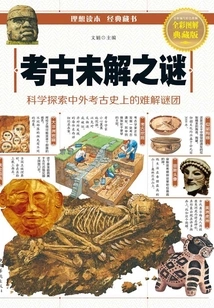
Archaeological Mysteries
History考古未解之谜
Wenjuan
This book is divided into two parts: "Unsolved Mysteries of World Archeology" and "Unsolved Mysteries of Chinese Archeology". It uses a new perspective to explore and study the unsolved archaeological mysteries that have great influence, research value and widespread attention in Chinese and foreign archeology. The time spans from ancient times to modern times, and the content covers many fields such as religion, philosophy, politics, military, art, science and technology, leading readers to touch the disappearing civilization and experience the charm of history and culture up close. Through the organic combination of concise style, exquisite pictures and other elements, the book refers to a large number of documents and archaeological data, and through scientific and rigorous analysis and argumentation, presents the journey of exploration in a multi-faceted and three-dimensional way, slowly opening a door to the mysterious palace spanning ancient and modern times for readers, allowing them to gain a broader cultural vision and imagination space while reading happily and enriching knowledge. Although these mysteries are not close to being solved, and some truths may even never be known, the excitement lies in the exploration process itself, in the shocking enlightenment of readers and the subtle improvement of historical and cultural literacy.
This book is divided into two parts: "Unsolved Mysteries of World Archeology" and "Unsolved Mysteries of Chinese Archeology". It uses a new perspective to explore and study the unsolved archaeological mysteries that have great influence, research value and widespread attention in Chinese and foreign archeology. The time spans from ancient times to modern times, and the content covers many fields such as religion, philosophy, politics, military, art, science and technology, leading readers to touch the disappearing civilization and experience the charm of history and culture up close. Through the organic combination of concise style, exquisite pictures and other elements, the book refers to a large number of documents and archaeological data, and through scientific and rigorous analysis and argumentation, presents the journey of exploration in a multi-faceted and three-dimensional way, slowly opening a door to the mysterious palace spanning ancient and modern times for readers, allowing them to gain a broader cultural vision and imagination space while reading happily and enriching knowledge. Although these mysteries are not close to being solved, and some truths may even never be known, the excitement lies in the exploration process itself, in the shocking enlightenment of readers and the subtle improvement of historical and cultural literacy.
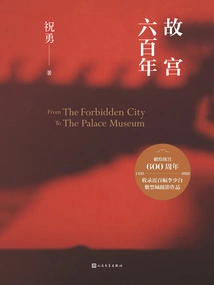
故宫六百年
Zhu Yong
This book uses the spatial order of the Forbidden City's architecture as the abscissa and the chronological order of the Forbidden City's history as the ordinate to reflect the historical and cultural connotations of the Forbidden City in a three-dimensional and panoramic manner. By reviewing the 600-year history of the Forbidden City, it reveals the historical significance of Beijing as the capital, and demonstrates the great achievements of Chinese civilization in palace architecture, gardens, paintings, reading and collections, etc., While criticizing the dark cruelty of feudal imperial power and revealing the historical inevitability of China's history toward democracy and self-reliance in the twentieth century.
This book uses the spatial order of the Forbidden City's architecture as the abscissa and the chronological order of the Forbidden City's history as the ordinate to reflect the historical and cultural connotations of the Forbidden City in a three-dimensional and panoramic manner. By reviewing the 600-year history of the Forbidden City, it reveals the historical significance of Beijing as the capital, and demonstrates the great achievements of Chinese civilization in palace architecture, gardens, paintings, reading and collections, etc., While criticizing the dark cruelty of feudal imperial power and revealing the historical inevitability of China's history toward democracy and self-reliance in the twentieth century.
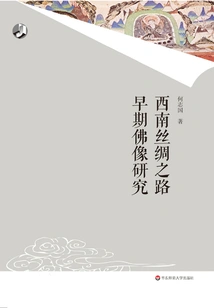
西南丝绸之路早期佛像研究
He Zhiguo
"Research on Early Buddhist Statues on the Southwest Silk Road" conducted a detailed investigation of the money tree Buddha statues, Buddha statues carved on cliff tombs, pottery Buddha statues, and money tree Buddha statues in public and private collections at home and abroad found in southwest China. The treatise divides the money tree Buddha statues into the middle, late and late Eastern Han Dynasty and the early Shu Han period. Not only did it point out that the early Buddhist statues in the southwest were a blend of the Indian Gandhara and Motura artistic styles, but the Money Tree Buddha statue was the product of the fusion of Chinese and Indian cultures. In addition, combined with documents such as "Historical Records", "Hanshu" and "Houhanshu", the cultural exchanges between China and India were sorted out, and the spread of foreign acrobatics and illusions in the Eastern Han Dynasty in China was examined. It was pointed out that the early Buddhist statues in the southwest were directly introduced from India through the Southwest Silk Road (i. E. The ancient Shu body poisonous route), and had some influence on the early Buddhist statues in the middle and lower reaches of the Yangtze River.
"Research on Early Buddhist Statues on the Southwest Silk Road" conducted a detailed investigation of the money tree Buddha statues, Buddha statues carved on cliff tombs, pottery Buddha statues, and money tree Buddha statues in public and private collections at home and abroad found in southwest China. The treatise divides the money tree Buddha statues into the middle, late and late Eastern Han Dynasty and the early Shu Han period. Not only did it point out that the early Buddhist statues in the southwest were a blend of the Indian Gandhara and Motura artistic styles, but the Money Tree Buddha statue was the product of the fusion of Chinese and Indian cultures. In addition, combined with documents such as "Historical Records", "Hanshu" and "Houhanshu", the cultural exchanges between China and India were sorted out, and the spread of foreign acrobatics and illusions in the Eastern Han Dynasty in China was examined. It was pointed out that the early Buddhist statues in the southwest were directly introduced from India through the Southwest Silk Road (i. E. The ancient Shu body poisonous route), and had some influence on the early Buddhist statues in the middle and lower reaches of the Yangtze River.
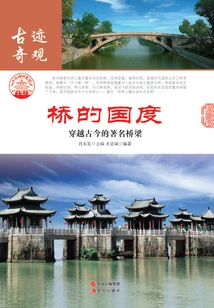
桥的国度:穿越古今的著名桥梁
Qi Zhibin
This book mainly refers to famous bridges crossing ancient and modern times. It includes the structural characteristics, architectural principles, and historical evaluation of Zhaozhou Bridge, Luoyang Bridge, Marco Polo Bridge, Guangji Bridge, Baodai Bridge, Ba Bridge, Anping Bridge, Jiangdong Bridge, and Jiangduan Bridge. It is illustrated with pictures and text, and is intuitive, pleasing to the eye, made in color, colorful, exquisitely designed, and elegant in style. It is very suitable for readers to read and collect, and it is also very suitable for equipment and display in libraries at all levels.
This book mainly refers to famous bridges crossing ancient and modern times. It includes the structural characteristics, architectural principles, and historical evaluation of Zhaozhou Bridge, Luoyang Bridge, Marco Polo Bridge, Guangji Bridge, Baodai Bridge, Ba Bridge, Anping Bridge, Jiangdong Bridge, and Jiangduan Bridge. It is illustrated with pictures and text, and is intuitive, pleasing to the eye, made in color, colorful, exquisitely designed, and elegant in style. It is very suitable for readers to read and collect, and it is also very suitable for equipment and display in libraries at all levels.
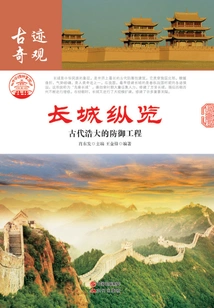
长城纵览:古代浩大的防御工程
Wang Jinfeng
This book mainly refers to the vast defense projects in ancient times. Including the Great Wall of all dynasties, it is a great miracle created by the working people of ancient China and a witness to China's long history. The Great Wall starts from Shanhaiguan in the east and ends at Jiayuguan in the west. Because it is more than ten thousand miles long, it is also called the "Great Wall". According to records, Qin Shihuang used nearly one million laborers to build the Great Wall. Later generations of kings also repaired and maintained the Great Wall for the sake of the national economy and people's livelihood. Especially since the Ming Dynasty, the number of additions to the Great Wall has exceeded that of previous dynasties. The Great Wall, as a great military project, has become a precious historical heritage of the Chinese nation.
This book mainly refers to the vast defense projects in ancient times. Including the Great Wall of all dynasties, it is a great miracle created by the working people of ancient China and a witness to China's long history. The Great Wall starts from Shanhaiguan in the east and ends at Jiayuguan in the west. Because it is more than ten thousand miles long, it is also called the "Great Wall". According to records, Qin Shihuang used nearly one million laborers to build the Great Wall. Later generations of kings also repaired and maintained the Great Wall for the sake of the national economy and people's livelihood. Especially since the Ming Dynasty, the number of additions to the Great Wall has exceeded that of previous dynasties. The Great Wall, as a great military project, has become a precious historical heritage of the Chinese nation.
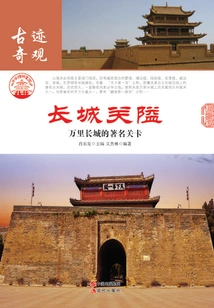
长城关隘:万里长城的著名关卡
Wen Jielin
This book mainly refers to the famous checkpoints of the Great Wall. Including the historical evolution, architectural specifications, and cultural connotations of Shanhaiguan Pass, Juyong Pass, Zijing Pass, Niangzi Pass, Pingxing Pass, Yanmen Pass, Jiayuguan Pass, Mutianyu Pass, Jingxing Pass, Jinshanling, Longquan Pass, Gubeikou, Qingshan Pass, Lupi Pass, and Jiangjun Pass, Honorary achievements, etc., Including pictures and texts, illustrations and annotations, intuitive images, pleasing to the eye, colorful production, exquisite design, elegant style, very suitable for readers to read and collect, and also very suitable for library equipment and display at all levels.
This book mainly refers to the famous checkpoints of the Great Wall. Including the historical evolution, architectural specifications, and cultural connotations of Shanhaiguan Pass, Juyong Pass, Zijing Pass, Niangzi Pass, Pingxing Pass, Yanmen Pass, Jiayuguan Pass, Mutianyu Pass, Jingxing Pass, Jinshanling, Longquan Pass, Gubeikou, Qingshan Pass, Lupi Pass, and Jiangjun Pass, Honorary achievements, etc., Including pictures and texts, illustrations and annotations, intuitive images, pleasing to the eye, colorful production, exquisite design, elegant style, very suitable for readers to read and collect, and also very suitable for library equipment and display at all levels.
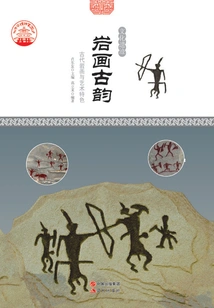
岩画古韵:古代岩画与艺术特色
Gao Lilai
This book is divided into three parts: Carving Techniques - Northern Rock Paintings, Red Paintings - Southern Rock Paintings, and Unique Styles - Other Rock Paintings. The main content includes: an extremely large number of Yinshan rock paintings, profound connotation of Helan Mountain rock paintings, Qinghai rock paintings with wide distribution, etc.
This book is divided into three parts: Carving Techniques - Northern Rock Paintings, Red Paintings - Southern Rock Paintings, and Unique Styles - Other Rock Paintings. The main content includes: an extremely large number of Yinshan rock paintings, profound connotation of Helan Mountain rock paintings, Qinghai rock paintings with wide distribution, etc.
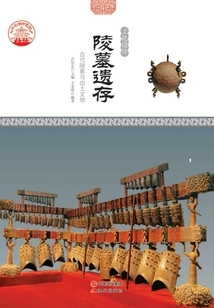
陵墓遗存:古代陵墓与出土文物
Wang Jinfeng
This book mainly refers to ancient tombs and unearthed cultural relics. Including the Shang Dynasty Tomb in Ganjiang, the Sword of the King of Yue in the Chu Tomb in Jiangling, the Bamboo Slips of the Qin Tomb in Shuihudi, the Tomb of the Qi King in Tianqi, the Tomb of the King of Zhao, the Tomb of Wang Zhaojun, the Tomb of the King of Chu, the Tomb of the Goguryeo King and Noble Tombs, the Tomb of the Western Xia King, the Liudingshan Ancient Tomb Group, and the Longtoushan Ancient Tomb Group. The Kingdom of Wuyue, the Tomb of the King, the Tomb of the Song Dynasty, the Tomb of Yue Fei, and the Tomb of the King Lu Jian are all illustrated with pictures and texts, and the images are intuitive and pleasing to the eye. They are made in color, colorful, exquisitely designed, and elegant in style. They are very suitable for readers to read and collect.
This book mainly refers to ancient tombs and unearthed cultural relics. Including the Shang Dynasty Tomb in Ganjiang, the Sword of the King of Yue in the Chu Tomb in Jiangling, the Bamboo Slips of the Qin Tomb in Shuihudi, the Tomb of the Qi King in Tianqi, the Tomb of the King of Zhao, the Tomb of Wang Zhaojun, the Tomb of the King of Chu, the Tomb of the Goguryeo King and Noble Tombs, the Tomb of the Western Xia King, the Liudingshan Ancient Tomb Group, and the Longtoushan Ancient Tomb Group. The Kingdom of Wuyue, the Tomb of the King, the Tomb of the Song Dynasty, the Tomb of Yue Fei, and the Tomb of the King Lu Jian are all illustrated with pictures and texts, and the images are intuitive and pleasing to the eye. They are made in color, colorful, exquisitely designed, and elegant in style. They are very suitable for readers to read and collect.
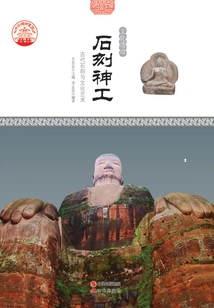
石刻神工:古代石刻与文化艺术
Li Zhengrui
The main content of this book includes: stone carving treasures - Dazu Rock Carvings; art treasures - Leshan Giant Buddha; calligraphy wonders - Taishan Stone Carvings; cliff exquisite works - a collection of moments.
The main content of this book includes: stone carving treasures - Dazu Rock Carvings; art treasures - Leshan Giant Buddha; calligraphy wonders - Taishan Stone Carvings; cliff exquisite works - a collection of moments.
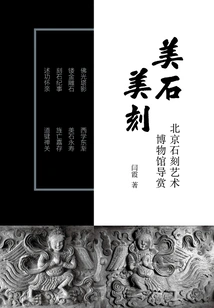
美石美刻
Yan Xia
This book comprehensively displays and describes in detail the Diamond Throne Tower and more than 300 pieces (sets) of exquisite cultural relics on display at the Beijing Stone Carving Art Museum, divided into eight parts according to the exhibition, and lists and introduces more than 300 pieces (sets) of unexhibited cultural relics. Easy to understand, with pictures and texts. It is a reference book and tool book for understanding and learning the art of stone carving in Beijing.
This book comprehensively displays and describes in detail the Diamond Throne Tower and more than 300 pieces (sets) of exquisite cultural relics on display at the Beijing Stone Carving Art Museum, divided into eight parts according to the exhibition, and lists and introduces more than 300 pieces (sets) of unexhibited cultural relics. Easy to understand, with pictures and texts. It is a reference book and tool book for understanding and learning the art of stone carving in Beijing.
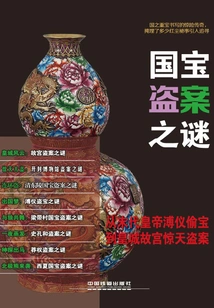
国宝盗案之谜
"always Pay Attention" Editorial Board
This book mainly tells the story behind the theft of the national treasure. The story is full of twists and turns, full of dangers. For example, the theft of the stone Buddha statue from Longquan Temple in the Northern Wei Dynasty, the theft of treasure from the Dongling Tomb of the Qing Dynasty, etc. The National Treasures series aims to awaken the world on how to sum up experience and learn lessons, so as to jointly promote the early return of China's lost cultural relics.
This book mainly tells the story behind the theft of the national treasure. The story is full of twists and turns, full of dangers. For example, the theft of the stone Buddha statue from Longquan Temple in the Northern Wei Dynasty, the theft of treasure from the Dongling Tomb of the Qing Dynasty, etc. The National Treasures series aims to awaken the world on how to sum up experience and learn lessons, so as to jointly promote the early return of China's lost cultural relics.
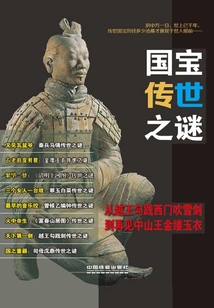
国宝传世之谜
"always Pay Attention" Editorial Board
This book mainly tells the mystery of the Chinese national treasure passed down from generation to generation. The story of the national treasure being passed down from generation to generation and finally revealed to the world after years of vicissitudes. For example, there are some handed down stories about the Shang Simuwu Dafang Ding, which was unearthed in March 1939 in Anyang, Henan Province and is known as the "National Treasure"; the twists and turns of "Along the River During the Qingming Festival" painted by Zhang Zeduan of the Northern Song Dynasty, which is known as "one of China's top ten famous paintings"; This book aims to awaken the world's people on how to sum up experience and learn lessons, so as to jointly promote the early return of China's lost cultural relics.
This book mainly tells the mystery of the Chinese national treasure passed down from generation to generation. The story of the national treasure being passed down from generation to generation and finally revealed to the world after years of vicissitudes. For example, there are some handed down stories about the Shang Simuwu Dafang Ding, which was unearthed in March 1939 in Anyang, Henan Province and is known as the "National Treasure"; the twists and turns of "Along the River During the Qingming Festival" painted by Zhang Zeduan of the Northern Song Dynasty, which is known as "one of China's top ten famous paintings"; This book aims to awaken the world's people on how to sum up experience and learn lessons, so as to jointly promote the early return of China's lost cultural relics.
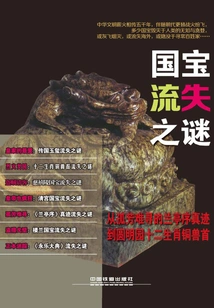
国宝流失之谜
"always Pay Attention" Editorial Board
The vastness of China has unlimited national treasures. However, in the course of thousands of years of historical changes, many national treasures have disappeared. This book tells the story of some national treasures that have been lost, either overseas or lost to other people, disappearing from everyone's sight. For example, the "King of the Lei" - Shang Pantian Quan Fang Lei whose head is in a different place, Yan Liben's "Pictures of Emperors of the Past Dynasties" written by Tang Yan, etc. This book aims to awaken the world's people on how to sum up experience and learn lessons, so as to jointly promote the early return of China's lost cultural relics.
The vastness of China has unlimited national treasures. However, in the course of thousands of years of historical changes, many national treasures have disappeared. This book tells the story of some national treasures that have been lost, either overseas or lost to other people, disappearing from everyone's sight. For example, the "King of the Lei" - Shang Pantian Quan Fang Lei whose head is in a different place, Yan Liben's "Pictures of Emperors of the Past Dynasties" written by Tang Yan, etc. This book aims to awaken the world's people on how to sum up experience and learn lessons, so as to jointly promote the early return of China's lost cultural relics.
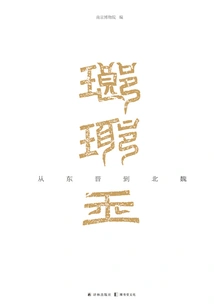
琅琊王:从东晋到北魏
Nanjing Museum
This book is a supporting catalog for the special exhibition "King Langya - From the Eastern Jin Dynasty to the Northern Wei Dynasty" held by Nanjing Museum in December 2018. Through more than 100 pieces (sets) of exquisite cultural relics from Nanjing Museum, Nanjing Municipal Museum, Shanxi Museum, and Datong Municipal Museum, the book shows the past and present life of the Langya King Sima Jinlong family, and connects the exchanges and interactions between the two most important capitals in East Asia at that time - Jiankang (now Nanjing) and Heping City (now Datong).
This book is a supporting catalog for the special exhibition "King Langya - From the Eastern Jin Dynasty to the Northern Wei Dynasty" held by Nanjing Museum in December 2018. Through more than 100 pieces (sets) of exquisite cultural relics from Nanjing Museum, Nanjing Municipal Museum, Shanxi Museum, and Datong Municipal Museum, the book shows the past and present life of the Langya King Sima Jinlong family, and connects the exchanges and interactions between the two most important capitals in East Asia at that time - Jiankang (now Nanjing) and Heping City (now Datong).
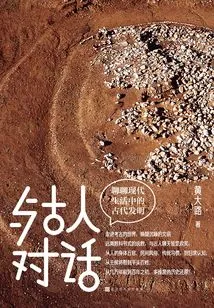
Conversation with Ancients
History与古人对话
Yellow Road
"Dialogue with the Ancients" is the first book by Mr. Huang Dalu, a well-known archaeologist in my country. The author relies on half a lifetime of archaeological experience, historical and academic knowledge, and through his many years of participation in numerous ancient tomb excavation research projects, the author presents to readers the wisdom, evolution and inheritance of human civilization, cultural development process and life thousands of years ago, as well as historical gossip, character stories and rich historical knowledge that will not be mentioned in museums. The author uses the perspective of "life archeology" to bring archaeology closer to ordinary people. Through the cultural relics in ancient tombs, the author conveys the living habits and ways of ancient people. Some of them are still passed down by people today, but many details are unknown to people today. At the same time, the author also tells readers about the culture, thoughts and history hidden behind the cultural relics in the form of exploration. Say what the ancients did not have time to say. Looking back on the past is also the basis for looking forward to the future.
"Dialogue with the Ancients" is the first book by Mr. Huang Dalu, a well-known archaeologist in my country. The author relies on half a lifetime of archaeological experience, historical and academic knowledge, and through his many years of participation in numerous ancient tomb excavation research projects, the author presents to readers the wisdom, evolution and inheritance of human civilization, cultural development process and life thousands of years ago, as well as historical gossip, character stories and rich historical knowledge that will not be mentioned in museums. The author uses the perspective of "life archeology" to bring archaeology closer to ordinary people. Through the cultural relics in ancient tombs, the author conveys the living habits and ways of ancient people. Some of them are still passed down by people today, but many details are unknown to people today. At the same time, the author also tells readers about the culture, thoughts and history hidden behind the cultural relics in the form of exploration. Say what the ancients did not have time to say. Looking back on the past is also the basis for looking forward to the future.
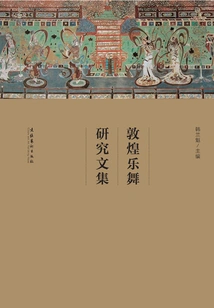
敦煌乐舞研究文集
Han Lankui
"Collection of Research on Dunhuang Music and Dance" is the research result of the Humanities and Social Sciences Research Planning Fund Project of the Ministry of Education. It is a collection of research articles on Dunhuang music and dance. The book contains a total of 28 articles, divided into five parts: music and dance, culture and communication in Dunhuang murals; music scores, bands and musical instruments in Dunhuang murals; dance, modeling and reconstruction in Dunhuang murals; costumes, statues and aesthetics in Dunhuang murals; and other research on Dunhuang music and dance. The publication of this book has important academic and material value for the majority of musicology learners and enthusiasts, especially readers who love Dunhuang culture.
"Collection of Research on Dunhuang Music and Dance" is the research result of the Humanities and Social Sciences Research Planning Fund Project of the Ministry of Education. It is a collection of research articles on Dunhuang music and dance. The book contains a total of 28 articles, divided into five parts: music and dance, culture and communication in Dunhuang murals; music scores, bands and musical instruments in Dunhuang murals; dance, modeling and reconstruction in Dunhuang murals; costumes, statues and aesthetics in Dunhuang murals; and other research on Dunhuang music and dance. The publication of this book has important academic and material value for the majority of musicology learners and enthusiasts, especially readers who love Dunhuang culture.
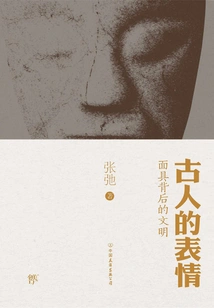
Expressions of Ancients
History古人的表情
Relax
"Expressions of the Ancients" is an interesting book that combines intellectual, interesting and aesthetic qualities. The author has collected a large number of ancient masks and tried to restore the emotions and expressions of the ancients through the expressions of joy, anger, sorrow and joy expressed by the masks, thereby further exploring the customs, etiquette, culture and other traces of civilization in ancient society. The book highlights the narration of ancient culture, has a strong cultural atmosphere, and has mysterious qualities. It describes knowledge in areas unknown to the public, which can arouse readers' interest. At the same time, the author uses a relaxed writing style to avoid the academic content and shorten the distance with readers.
"Expressions of the Ancients" is an interesting book that combines intellectual, interesting and aesthetic qualities. The author has collected a large number of ancient masks and tried to restore the emotions and expressions of the ancients through the expressions of joy, anger, sorrow and joy expressed by the masks, thereby further exploring the customs, etiquette, culture and other traces of civilization in ancient society. The book highlights the narration of ancient culture, has a strong cultural atmosphere, and has mysterious qualities. It describes knowledge in areas unknown to the public, which can arouse readers' interest. At the same time, the author uses a relaxed writing style to avoid the academic content and shorten the distance with readers.
新出石刻与唐代文学家族研究
Hu Kexian
This book is based on a large number of newly unearthed stone inscriptions as new materials, and mutually supports the documents handed down from ancient times. From the perspective of gentry literature research, this book examines the representative literary families of the Tang Dynasty during the historical transition period from the noble gentry in the Southern and Northern Dynasties to the imperial examination families of the Tang Dynasty. It mainly explores the family tradition, academic style and writing style of these literary families that have been passed down for thousands of years through the stone inscription documents, mainly epitaphs, and then reveals the many aspects of the literary ecology of the Tang Dynasty.
This book is based on a large number of newly unearthed stone inscriptions as new materials, and mutually supports the documents handed down from ancient times. From the perspective of gentry literature research, this book examines the representative literary families of the Tang Dynasty during the historical transition period from the noble gentry in the Southern and Northern Dynasties to the imperial examination families of the Tang Dynasty. It mainly explores the family tradition, academic style and writing style of these literary families that have been passed down for thousands of years through the stone inscription documents, mainly epitaphs, and then reveals the many aspects of the literary ecology of the Tang Dynasty.
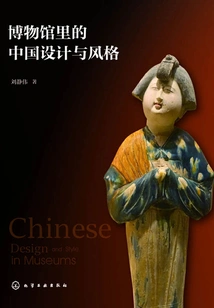
博物馆里的中国设计与风格
Liu Jingwei
The author spent more than ten years of hard work, visited more than a hundred museums in the north and south, reviewed more than three million words of information, revised it three times, and finally presented "Chinese Design and Style in Museums" to readers. Through the study of the creative background, color, shape, decoration, texture, inscription, signature and changes of typical cultural relics of each dynasty, this book takes you through more than 8,000 years of Chinese civilization, appreciates the design style and aesthetic values carried by the cultural relics of past dynasties, and feels the breadth, depth and development context of Chinese culture. This book draws on the achievements of archaeology, history, aesthetics, history of arts and crafts, and literary history, and applies the relationship between language and language modalities to deconstruct and construct the styles and designs of Chinese past dynasties, and interprets the cultural relics handed down with modern words. Such an interpretation not only helps readers more easily understand the design styles of past dynasties in China, but also has positive guiding significance for carrying out innovative design work that integrates modern and ancient design. Recognizing Chinese style helps people return to their souls and enhance national pride and self-confidence; it helps people draw nutrients from thousands of years of cultural treasures and develop new creations and designs.
The author spent more than ten years of hard work, visited more than a hundred museums in the north and south, reviewed more than three million words of information, revised it three times, and finally presented "Chinese Design and Style in Museums" to readers. Through the study of the creative background, color, shape, decoration, texture, inscription, signature and changes of typical cultural relics of each dynasty, this book takes you through more than 8,000 years of Chinese civilization, appreciates the design style and aesthetic values carried by the cultural relics of past dynasties, and feels the breadth, depth and development context of Chinese culture. This book draws on the achievements of archaeology, history, aesthetics, history of arts and crafts, and literary history, and applies the relationship between language and language modalities to deconstruct and construct the styles and designs of Chinese past dynasties, and interprets the cultural relics handed down with modern words. Such an interpretation not only helps readers more easily understand the design styles of past dynasties in China, but also has positive guiding significance for carrying out innovative design work that integrates modern and ancient design. Recognizing Chinese style helps people return to their souls and enhance national pride and self-confidence; it helps people draw nutrients from thousands of years of cultural treasures and develop new creations and designs.
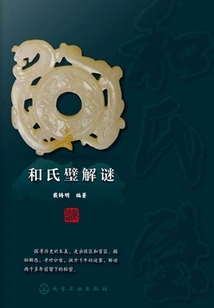
He's Bi Puzzle
History和氏璧解谜
Compiled By Dai Zhuming
This book makes inferences about the material of He's Bi and its place of origin through a detailed analysis of existing historical documents about He's Bi in ancient Chinese history, a comprehensive study and analysis of the social politics, economy, diplomacy, major historical events and figures at that time, and comprehensive research on the types and characteristics, functions and meanings, shape evolution, ornamentation and meaning, material and origin of jade.
This book makes inferences about the material of He's Bi and its place of origin through a detailed analysis of existing historical documents about He's Bi in ancient Chinese history, a comprehensive study and analysis of the social politics, economy, diplomacy, major historical events and figures at that time, and comprehensive research on the types and characteristics, functions and meanings, shape evolution, ornamentation and meaning, material and origin of jade.
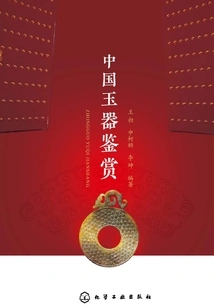
Chinese Jade Appreciation
History中国玉器鉴赏
Compiled By Wang Chang, Shen Keya, And Li Kun
This book covers the basic knowledge of jade, including the concept, origin, function, shape, main decoration and jade culture of jade. In particular, it elaborates in detail the development of Chinese jade in different historical periods, as well as representative jade in each era, involving jade science, jade appreciation, history, archaeology and many other aspects of knowledge. This book aims to enable readers to understand jade, known as "Oriental Art" and the glorious history of Chinese jade culture for more than 8,000 years, and to better promote and inherit my country's excellent traditional culture. The book is rich in content, with pictures and texts. It can be used as a teaching material or teaching reference book for students majoring in jewelry at colleges and secondary schools, and can also be used as a reading reference for jewelry practitioners and jade enthusiasts.
This book covers the basic knowledge of jade, including the concept, origin, function, shape, main decoration and jade culture of jade. In particular, it elaborates in detail the development of Chinese jade in different historical periods, as well as representative jade in each era, involving jade science, jade appreciation, history, archaeology and many other aspects of knowledge. This book aims to enable readers to understand jade, known as "Oriental Art" and the glorious history of Chinese jade culture for more than 8,000 years, and to better promote and inherit my country's excellent traditional culture. The book is rich in content, with pictures and texts. It can be used as a teaching material or teaching reference book for students majoring in jewelry at colleges and secondary schools, and can also be used as a reading reference for jewelry practitioners and jade enthusiasts.
中国古代石刻概论(增订本)
Zhao Chao
This book provides an overview of the types and evolution of ancient Chinese stone carvings, the survival and discovery of ancient stone carvings, the research on stone carvings in the past dynasties, and the common styles of stone inscriptions. It summarizes how to interpret stone inscriptions, how to authenticate stone carvings and their rubbings, etc. It is a basic work for a comprehensive and systematic understanding of ancient Chinese stone carvings. This book was previously published by Cultural Relics Publishing House in 1997. This is an updated edition, with more than doubling the content and adding more than 200 illustrations, which are inserted along with the text, making the book more readable and intuitive.
This book provides an overview of the types and evolution of ancient Chinese stone carvings, the survival and discovery of ancient stone carvings, the research on stone carvings in the past dynasties, and the common styles of stone inscriptions. It summarizes how to interpret stone inscriptions, how to authenticate stone carvings and their rubbings, etc. It is a basic work for a comprehensive and systematic understanding of ancient Chinese stone carvings. This book was previously published by Cultural Relics Publishing House in 1997. This is an updated edition, with more than doubling the content and adding more than 200 illustrations, which are inserted along with the text, making the book more readable and intuitive.
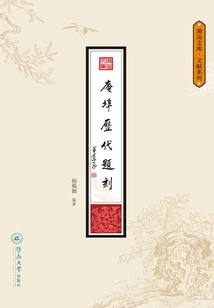
庵埠历代题刻
Compiled By Yang Huandian
Anbu Town is located at the southern end of Chaozhou City, adjacent to Shantou, Jieyang and Chenghai. It was called Longxi Capital in ancient times. The author records, takes photos, makes rubbings and organizes the inscriptions on famous and unnamed inscriptions from past dynasties in Anbu Town that have historical value, and also includes the stories behind them. The book contains more than 140 inscriptions, arranged in chronological order. The upper part is composed of plaques, calligraphy and paintings, and the lower part is inscriptions. It is divided into pictures, inscription descriptions, calligraphy comments, author biographies, content notes, etc. This book can be used as a literary and historical material for studying the history of Anbu, providing readers with an overview of the local humanities, politics, and economic development of Anbu.
Anbu Town is located at the southern end of Chaozhou City, adjacent to Shantou, Jieyang and Chenghai. It was called Longxi Capital in ancient times. The author records, takes photos, makes rubbings and organizes the inscriptions on famous and unnamed inscriptions from past dynasties in Anbu Town that have historical value, and also includes the stories behind them. The book contains more than 140 inscriptions, arranged in chronological order. The upper part is composed of plaques, calligraphy and paintings, and the lower part is inscriptions. It is divided into pictures, inscription descriptions, calligraphy comments, author biographies, content notes, etc. This book can be used as a literary and historical material for studying the history of Anbu, providing readers with an overview of the local humanities, politics, and economic development of Anbu.
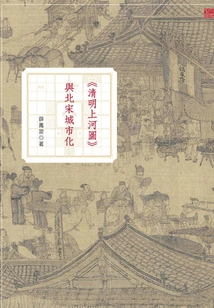
《清明上河图》与北宋城市化
Xue Fengxuan
"The culture of the Chinese nation has evolved over thousands of years and reached its peak in the Zhao and Song Dynasties." - Chen Yinke. This book takes the national treasure "Along the River During the Qingming Festival" as the object, breaks down the details one by one, and vividly explains why Bianjing, the capital of the Northern Song Dynasty, can be called a model of urbanization.
"The culture of the Chinese nation has evolved over thousands of years and reached its peak in the Zhao and Song Dynasties." - Chen Yinke. This book takes the national treasure "Along the River During the Qingming Festival" as the object, breaks down the details one by one, and vividly explains why Bianjing, the capital of the Northern Song Dynasty, can be called a model of urbanization.
Hong Kong Arcade
History香港骑楼
Lin Manli Wang Xinyuan
Hong Kong's arcades have gradually disappeared amid the rapid urban development, with only about a hundred surviving to this day. Over the past few years, the two authors have visited various streets in Hong Kong and Kowloon, documented nearly a hundred Hong Kong-style arcades with photos, and shared their interpretation of the architectural features of the arcades. They also attached a map to indicate the location of each arcade, allowing readers to follow the map to appreciate it in person and experience the living environment of Hong Kong people in the past.
Hong Kong's arcades have gradually disappeared amid the rapid urban development, with only about a hundred surviving to this day. Over the past few years, the two authors have visited various streets in Hong Kong and Kowloon, documented nearly a hundred Hong Kong-style arcades with photos, and shared their interpretation of the architectural features of the arcades. They also attached a map to indicate the location of each arcade, allowing readers to follow the map to appreciate it in person and experience the living environment of Hong Kong people in the past.
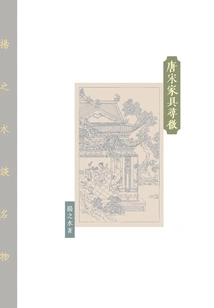
唐宋家具寻微
Yangzhishui
The Song Dynasty was a golden age for cultivating the spirit of "shi", that is, the spirit of scholar-bureaucrats. In their secular life, scholars used landscapes, fields, flowers and birds, tea and fragrance as their vocabulary, and used imagination and creation to create an independent small world for themselves. The style of furniture in the Song Dynasty, especially the taste of the furnishings of the scholar's bedrooms, had a deeper impact on later generations. The definition of elegance contained in it was carried by poetry and paintings into the new era.
The Song Dynasty was a golden age for cultivating the spirit of "shi", that is, the spirit of scholar-bureaucrats. In their secular life, scholars used landscapes, fields, flowers and birds, tea and fragrance as their vocabulary, and used imagination and creation to create an independent small world for themselves. The style of furniture in the Song Dynasty, especially the taste of the furnishings of the scholar's bedrooms, had a deeper impact on later generations. The definition of elegance contained in it was carried by poetry and paintings into the new era.
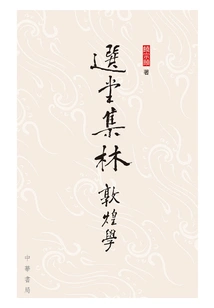
选堂集林·敦煌学
Jao Tsung-i
This book contains more than 50 articles by Mr. Rao Tsung-i on Dunhuang studies. It is the first time that Mr. Rao's articles on Dunhuang studies have been collected and published in a single volume. The articles cover Taoist documents, Buddhist historical materials, Dunhuang literature, Dunhuang music, Dunhuang calligraphy, Dunhuang painting and many other fields. The collected articles are roughly classified according to content, and each category is sorted according to time, so that readers can understand Mr. Rao's various achievements in Dunhuang studies from different angles.
This book contains more than 50 articles by Mr. Rao Tsung-i on Dunhuang studies. It is the first time that Mr. Rao's articles on Dunhuang studies have been collected and published in a single volume. The articles cover Taoist documents, Buddhist historical materials, Dunhuang literature, Dunhuang music, Dunhuang calligraphy, Dunhuang painting and many other fields. The collected articles are roughly classified according to content, and each category is sorted according to time, so that readers can understand Mr. Rao's various achievements in Dunhuang studies from different angles.
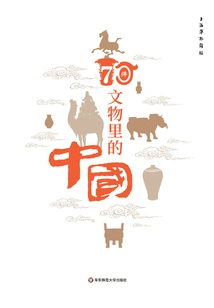
China in 70 Cultural Relics
History70件文物里的中国
Shanghai Museum
On the occasion of the 70th anniversary of the founding of the People's Republic of China, East China Normal University Press grandly launches "China in 70 Cultural Relics" compiled by the Shanghai Museum. In this book, professional researchers in the field of cultural heritage try to select angles of public interest, using 70 cultural relics as the fulcrum, to lead readers to re-view the long and magnificent evolution of Chinese history through "objects". An artifact, a picture, an inscription, a site... They are all a perspective to understand "China". From great works of art to daily utensils, cultural relics from different eras and regions eventually merge into a colorful and magnificent picture of the mountains and rivers of the motherland.
On the occasion of the 70th anniversary of the founding of the People's Republic of China, East China Normal University Press grandly launches "China in 70 Cultural Relics" compiled by the Shanghai Museum. In this book, professional researchers in the field of cultural heritage try to select angles of public interest, using 70 cultural relics as the fulcrum, to lead readers to re-view the long and magnificent evolution of Chinese history through "objects". An artifact, a picture, an inscription, a site... They are all a perspective to understand "China". From great works of art to daily utensils, cultural relics from different eras and regions eventually merge into a colorful and magnificent picture of the mountains and rivers of the motherland.
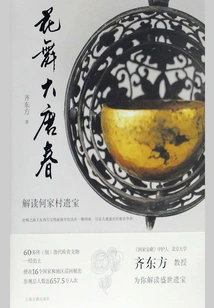
花舞大唐春:解读何家村遗宝
Qi Dongfang
The manuscript was originally serialized in Guangzhou Daily under the title "Decrypting Hejiacun". It mainly focuses on the gold and silverware hoard unearthed in the Forest of Steles in Xi'an in 1970. A total of more than 1,000 pieces were unearthed from the Hejiacun cellar, which were hidden in two large pottery urns and a silver jar. The materials include gold, silver, jade, pottery, etc., With fine workmanship, beautiful shapes, and high artistic value. Most of them were daily necessities of the Tang royal family. In May 2004, 65 pieces (groups) of exquisite treasures from Hejia Village were unveiled at Peking University for the first time, including the "scent bag" worn by Concubine Yang, the dancing horse of the romantic emperor Xuanzong of the Tang Dynasty, the mysterious "Golden Kaiyuan Tongbao", etc. Regarding the mystery of the buried treasures of Hejia Village and the hidden stories behind the 65 pieces (sets) of artifacts, Qi Dongfang explained them one by one in a "puzzle-solving" tone.
The manuscript was originally serialized in Guangzhou Daily under the title "Decrypting Hejiacun". It mainly focuses on the gold and silverware hoard unearthed in the Forest of Steles in Xi'an in 1970. A total of more than 1,000 pieces were unearthed from the Hejiacun cellar, which were hidden in two large pottery urns and a silver jar. The materials include gold, silver, jade, pottery, etc., With fine workmanship, beautiful shapes, and high artistic value. Most of them were daily necessities of the Tang royal family. In May 2004, 65 pieces (groups) of exquisite treasures from Hejia Village were unveiled at Peking University for the first time, including the "scent bag" worn by Concubine Yang, the dancing horse of the romantic emperor Xuanzong of the Tang Dynasty, the mysterious "Golden Kaiyuan Tongbao", etc. Regarding the mystery of the buried treasures of Hejia Village and the hidden stories behind the 65 pieces (sets) of artifacts, Qi Dongfang explained them one by one in a "puzzle-solving" tone.
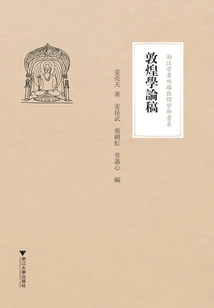
Dunhuang Studies Manuscript
History敦煌学论稿
Chai Jianhong Zhang Yongquan Liu Jinbao
Zhejiang is the birthplace of "Dunhuang Studies" research in China, and Zhejiang University is an important center for Dunhuang Studies research. In order to summarize the achievements of Dunhuang studies and Silk Road culture research at Zhejiang University, the "Zhejiang Scholars' Silk Road Dunhuang Academic Book Series" plans to include the representative achievements in Silk Road Dunhuang studies of Zhejiang scholars, mainly Zhejiang University. Among them, 12 are scholars from Zhejiang University: Jiang Liangfu, Jiang Lihong, Pan Yunhe, Huang Shijian, Zhang Jinquan, Guo Zaiyi, Lu Xiangxiang, Ji Xiangxiang, Qi Yinping, Zhang Yongquan, Liu Jinbao and Xu Jianping. Six of them, including Shi Pingting, Qi Chenjun, Zhu Lei, Fan Jinshi, Xiang Chu, and Chai Jianhong, are part-time professors at Zhejiang University. Eight scholars, including He Changqun, Fang Hao, Xiang Da, Chang Shuhong, Wang Yong, Huang Zheng, Wang Huimin and Yu Xin, have worked and studied at Zhejiang University. Luo Zhenyu, Wang Guowei, Xia Nai, Wang Zhongluo, Pan Jiezi, Wang Bomin, Chang Shana, Chen Jian, Huang Yongwu, Xu Wenkan, Wu Liyu, Dong Zhiqiao, Zhao Feng and Feng Peihong are Silk Road Dunhuang scholars from Zhejiang. This book is a volume by Jiang Liangfu.
Zhejiang is the birthplace of "Dunhuang Studies" research in China, and Zhejiang University is an important center for Dunhuang Studies research. In order to summarize the achievements of Dunhuang studies and Silk Road culture research at Zhejiang University, the "Zhejiang Scholars' Silk Road Dunhuang Academic Book Series" plans to include the representative achievements in Silk Road Dunhuang studies of Zhejiang scholars, mainly Zhejiang University. Among them, 12 are scholars from Zhejiang University: Jiang Liangfu, Jiang Lihong, Pan Yunhe, Huang Shijian, Zhang Jinquan, Guo Zaiyi, Lu Xiangxiang, Ji Xiangxiang, Qi Yinping, Zhang Yongquan, Liu Jinbao and Xu Jianping. Six of them, including Shi Pingting, Qi Chenjun, Zhu Lei, Fan Jinshi, Xiang Chu, and Chai Jianhong, are part-time professors at Zhejiang University. Eight scholars, including He Changqun, Fang Hao, Xiang Da, Chang Shuhong, Wang Yong, Huang Zheng, Wang Huimin and Yu Xin, have worked and studied at Zhejiang University. Luo Zhenyu, Wang Guowei, Xia Nai, Wang Zhongluo, Pan Jiezi, Wang Bomin, Chang Shana, Chen Jian, Huang Yongwu, Xu Wenkan, Wu Liyu, Dong Zhiqiao, Zhao Feng and Feng Peihong are Silk Road Dunhuang scholars from Zhejiang. This book is a volume by Jiang Liangfu.
敦煌文献与文学丛考
Chai Jianhong Zhang Yongquan Liu Jinbao
Zhejiang is the birthplace of "Dunhuang Studies" research in China, and Zhejiang University is an important center for Dunhuang Studies research. In order to summarize the achievements of Dunhuang studies and Silk Road culture research at Zhejiang University, the "Zhejiang Scholars' Silk Road Dunhuang Academic Book Series" plans to include the representative achievements in Silk Road Dunhuang studies of Zhejiang scholars, mainly Zhejiang University. Among them, 12 are scholars from Zhejiang University: Jiang Liangfu, Jiang Lihong, Pan Yunhe, Huang Shijian, Zhang Jinquan, Guo Zaiyi, Lu Xiangxiang, Ji Xiangxiang, Qi Yinping, Zhang Yongquan, Liu Jinbao and Xu Jianping. Six of them, including Shi Pingting, Qi Chenjun, Zhu Lei, Fan Jinshi, Xiang Chu, and Chai Jianhong, are part-time professors at Zhejiang University. Eight scholars, including He Changqun, Fang Hao, Xiang Da, Chang Shuhong, Wang Yong, Huang Zheng, Wang Huimin and Yu Xin, have worked and studied at Zhejiang University. Luo Zhenyu, Wang Guowei, Xia Nai, Wang Zhongluo, Pan Jiezi, Wang Bomin, Chang Shana, Chen Jian, Huang Yongwu, Xu Wenkan, Wu Liyu, Dong Zhiqiao, Zhao Feng and Feng Peihong are Silk Road Dunhuang scholars from Zhejiang. This book is a volume by Huang Yongwu.
Zhejiang is the birthplace of "Dunhuang Studies" research in China, and Zhejiang University is an important center for Dunhuang Studies research. In order to summarize the achievements of Dunhuang studies and Silk Road culture research at Zhejiang University, the "Zhejiang Scholars' Silk Road Dunhuang Academic Book Series" plans to include the representative achievements in Silk Road Dunhuang studies of Zhejiang scholars, mainly Zhejiang University. Among them, 12 are scholars from Zhejiang University: Jiang Liangfu, Jiang Lihong, Pan Yunhe, Huang Shijian, Zhang Jinquan, Guo Zaiyi, Lu Xiangxiang, Ji Xiangxiang, Qi Yinping, Zhang Yongquan, Liu Jinbao and Xu Jianping. Six of them, including Shi Pingting, Qi Chenjun, Zhu Lei, Fan Jinshi, Xiang Chu, and Chai Jianhong, are part-time professors at Zhejiang University. Eight scholars, including He Changqun, Fang Hao, Xiang Da, Chang Shuhong, Wang Yong, Huang Zheng, Wang Huimin and Yu Xin, have worked and studied at Zhejiang University. Luo Zhenyu, Wang Guowei, Xia Nai, Wang Zhongluo, Pan Jiezi, Wang Bomin, Chang Shana, Chen Jian, Huang Yongwu, Xu Wenkan, Wu Liyu, Dong Zhiqiao, Zhao Feng and Feng Peihong are Silk Road Dunhuang scholars from Zhejiang. This book is a volume by Huang Yongwu.