Library
Browse and search books
653 novels found
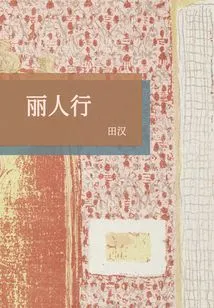
Beauty Walk
Literature丽人行
Tian Han
"Beautiful People" is a multi-act play. Lv Fu, the captain of the ninth anti-enemy and national salvation drama team, director Hong Shen, and screenwriter Tian Han jointly created it and wrote it from the end of 1946 to the spring of 1947. The author organically interweaves the fate of three women, thereby extensively and profoundly revealing the social reality after the "tragic victory".
"Beautiful People" is a multi-act play. Lv Fu, the captain of the ninth anti-enemy and national salvation drama team, director Hong Shen, and screenwriter Tian Han jointly created it and wrote it from the end of 1946 to the spring of 1947. The author organically interweaves the fate of three women, thereby extensively and profoundly revealing the social reality after the "tragic victory".
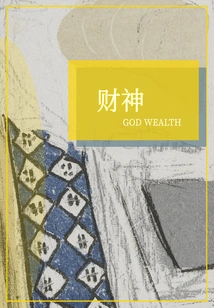
God of Wealth
Literature财神
(ancient Greece) Aristophanes
Aristophanes' worldview basically reflected the interests of the peasants among the free people. He proposed some new ideas, but he also had a conservative tendency in politics. He firmly opposed the war between the Athenian group and the Spartan group. After the war, the economy of Athens collapsed, and the average people became even poorer. The idea of an utopia emerged in society, demanding equal wealth. Plays such as "The Assembly Women" and "Fortune" reflected these ideas.
Aristophanes' worldview basically reflected the interests of the peasants among the free people. He proposed some new ideas, but he also had a conservative tendency in politics. He firmly opposed the war between the Athenian group and the Spartan group. After the war, the economy of Athens collapsed, and the average people became even poorer. The idea of an utopia emerged in society, demanding equal wealth. Plays such as "The Assembly Women" and "Fortune" reflected these ideas.
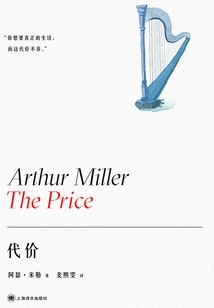
The Price (arthur Miller Works Series)
Literature代价(阿瑟·米勒作品系列)
H
"You want a real life, and it's expensive." "The conscience of American drama" Arthur Miller is comparable to the late masterpiece "Death of a Salesman", winner of four Emmy Awards, nominated for two Tony Awards, a modern version of the "Cain" and "Abel" dispute. "The Price" is a two-act play written by Arthur Miller in 1967. It is a family game that penetrates from the pricing allocation of old furniture to the price people pay for their own life choices. After the Great Depression, Victor Franz interrupted his college studies to become a policeman in order to support his father who was crushed by the stock market crash. The two of them lived in the attic of his uncle's house with the remnants of their past wealthy life. More than 30 years later, the old house will be demolished, and Victor comes back to sell his parents' inheritance. His wife Esther, brother Walter, and savvy furniture businessman Solomon each have their own plans. The two brothers uncover stories from each other's past that they don't want to admit, and in the end, Victor must face his own sacrifice. Since its premiere on Broad Street in 1968, "The Price" has been revived several times and received two Tony Award nominations; the TV adaptation received four Emmy Award nominations and won two of them.
"You want a real life, and it's expensive." "The conscience of American drama" Arthur Miller is comparable to the late masterpiece "Death of a Salesman", winner of four Emmy Awards, nominated for two Tony Awards, a modern version of the "Cain" and "Abel" dispute. "The Price" is a two-act play written by Arthur Miller in 1967. It is a family game that penetrates from the pricing allocation of old furniture to the price people pay for their own life choices. After the Great Depression, Victor Franz interrupted his college studies to become a policeman in order to support his father who was crushed by the stock market crash. The two of them lived in the attic of his uncle's house with the remnants of their past wealthy life. More than 30 years later, the old house will be demolished, and Victor comes back to sell his parents' inheritance. His wife Esther, brother Walter, and savvy furniture businessman Solomon each have their own plans. The two brothers uncover stories from each other's past that they don't want to admit, and in the end, Victor must face his own sacrifice. Since its premiere on Broad Street in 1968, "The Price" has been revived several times and received two Tony Award nominations; the TV adaptation received four Emmy Award nominations and won two of them.
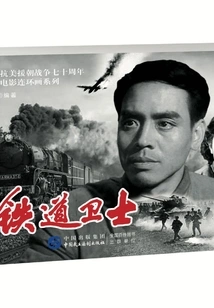
Railway Guard
Literature铁道卫士
Compiled By Yan Kai
This book is a comic book adapted from the classic movie "Railway Guards" produced by Changchun Film Studio in 1960. During the War to Resist U. S. Aggression and Aid Korea, after the failure of the U. S. Imperialist conspiracy to bomb the Yalu River Bridge, they sent agent Ma Xiaofei to sneak into our northeastern region and colluded with the hidden agent Wu Jichun, instructing agent Xu Fuxiang to sabotage our military trains and assassinate Xu. Gao Jian, our public security section chief, mobilized the masses to launch a struggle against spies, and thus discovered the collusion between Ma Xiaofei and Wu Jichun. In order to find out the enemy's conspiracy, Gao Jian impersonated the arrested agent Gu Yeping, infiltrated the enemy's interior, and asked railway attendant He Lanying to act as the agent's telegraph operator, mastering the enemy's activity plan and complete list. Ma Xiaofei and Wu Jichun conspired to sabotage our railway transportation lines in three places at the same time. Our public security department took action before the enemy sabotaged it. After a fierce fight between Gao Jian and agent Ma Xiaofei on the train, they eliminated the time bomb installed by Ma Xiaofei, allowing our military train to pass through the Changling Tunnel smoothly, transporting a large amount of military supplies to North Korea, dealing a heavier blow to the US imperialism.
This book is a comic book adapted from the classic movie "Railway Guards" produced by Changchun Film Studio in 1960. During the War to Resist U. S. Aggression and Aid Korea, after the failure of the U. S. Imperialist conspiracy to bomb the Yalu River Bridge, they sent agent Ma Xiaofei to sneak into our northeastern region and colluded with the hidden agent Wu Jichun, instructing agent Xu Fuxiang to sabotage our military trains and assassinate Xu. Gao Jian, our public security section chief, mobilized the masses to launch a struggle against spies, and thus discovered the collusion between Ma Xiaofei and Wu Jichun. In order to find out the enemy's conspiracy, Gao Jian impersonated the arrested agent Gu Yeping, infiltrated the enemy's interior, and asked railway attendant He Lanying to act as the agent's telegraph operator, mastering the enemy's activity plan and complete list. Ma Xiaofei and Wu Jichun conspired to sabotage our railway transportation lines in three places at the same time. Our public security department took action before the enemy sabotaged it. After a fierce fight between Gao Jian and agent Ma Xiaofei on the train, they eliminated the time bomb installed by Ma Xiaofei, allowing our military train to pass through the Changling Tunnel smoothly, transporting a large amount of military supplies to North Korea, dealing a heavier blow to the US imperialism.
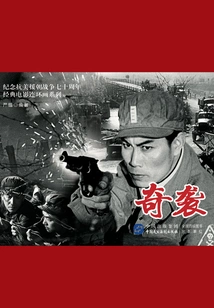
Surprise Attack
Literature奇袭
Compiled By Yan Kai
This book is a comic book adapted from the classic movie "The Raid" produced by the Bayi Film Studio in 1960. It tells the story of a company commander of a certain unit of the Chinese People's Volunteer Army leading a reconnaissance team to battle wits and courage with the enemy on the Korean battlefield. After accepting the task assigned by his superiors, Company Commander Fang led the team to Fengxianling, the contact point. When crossing the highway, they were blocked by an enemy transport team, so they disguised themselves as a US military patrol, scared away the transport team, and rescued the liaison officer, the North Korean aunt Amani, thus establishing contact with the guerrillas. Later, with the help of the Korean female soldier Park Jinyu, they blew up the Kangping Bridge and cooperated with the large forces to eliminate all the enemies.
This book is a comic book adapted from the classic movie "The Raid" produced by the Bayi Film Studio in 1960. It tells the story of a company commander of a certain unit of the Chinese People's Volunteer Army leading a reconnaissance team to battle wits and courage with the enemy on the Korean battlefield. After accepting the task assigned by his superiors, Company Commander Fang led the team to Fengxianling, the contact point. When crossing the highway, they were blocked by an enemy transport team, so they disguised themselves as a US military patrol, scared away the transport team, and rescued the liaison officer, the North Korean aunt Amani, thus establishing contact with the guerrillas. Later, with the help of the Korean female soldier Park Jinyu, they blew up the Kangping Bridge and cooperated with the large forces to eliminate all the enemies.
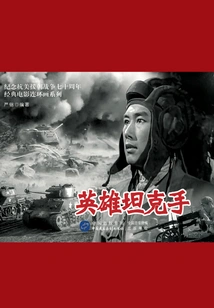
Hero Tanker
Literature英雄坦克手
Compiled By Yan Kai
This book is a comic book adapted from the classic movie "Hero Tanker" produced by Bayi Film Studio in 1962. During the War to Resist U. S. Aggression and Aid Korea, the United States, the world's largest military power, relied on modern weapons to launch a fierce attack on the 350 Highlands of our Volunteer Army. My young tank unit was ordered to support the frontline infantry operations under the leadership of Zhang Yong. Driver Sheng Libiao endured pain while driving even though his left leg was injured. Gunner Yang Dehou took the risk to dismantle the time bomb and arrived at Highland 350 on time. When they went out on a bicycle, they encountered a group of enemy tanks. Zhang Yong took the lead in firing and destroyed the enemy tanks. When they evacuated, they were hit by the enemy. Zhang Yong confused the enemies while repairing the tanks, and contacted his superiors in time. After obtaining the order, they disguised themselves and ambush at the forward position, waiting for opportunities to attack the enemy. After the battle began, the loader Wang Dagang died heroically and all the shells were fired. They used grenades to blow up the enemy tanks...
This book is a comic book adapted from the classic movie "Hero Tanker" produced by Bayi Film Studio in 1962. During the War to Resist U. S. Aggression and Aid Korea, the United States, the world's largest military power, relied on modern weapons to launch a fierce attack on the 350 Highlands of our Volunteer Army. My young tank unit was ordered to support the frontline infantry operations under the leadership of Zhang Yong. Driver Sheng Libiao endured pain while driving even though his left leg was injured. Gunner Yang Dehou took the risk to dismantle the time bomb and arrived at Highland 350 on time. When they went out on a bicycle, they encountered a group of enemy tanks. Zhang Yong took the lead in firing and destroyed the enemy tanks. When they evacuated, they were hit by the enemy. Zhang Yong confused the enemies while repairing the tanks, and contacted his superiors in time. After obtaining the order, they disguised themselves and ambush at the forward position, waiting for opportunities to attack the enemy. After the battle began, the loader Wang Dagang died heroically and all the shells were fired. They used grenades to blow up the enemy tanks...
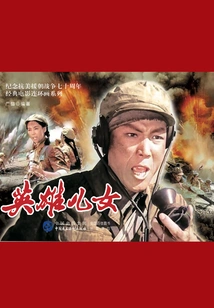
Heroic Sons and Daughters
Literature英雄儿女
Compiled By Yan Kai
This book is a comic book adapted from the classic film "Heroic Sons and Daughters" produced by Changchun Film Studio in 1964. It tells the story of Wang Wenqing, political commissar of a certain division of the Volunteer Army, who went to the front line for inspection during the period of resisting U. S. Aggression and aiding Korea. On the battlefield, he met Wang Cheng, the son of his old comrade Wang Fubiao. After the soldier Wang Cheng was killed in battle, his sister and art troupe member Wang Fang persisted in fighting with the help of Wang Wenqing and took on the task of promoting heroes and singing about them. Wang Wenqing recognized Wang Fang as his biological daughter who had been separated eighteen years ago. Later, Wang Fang, her adoptive father Wang Fubiao, and her biological father Wang Wenqing were reunited on the Korean battlefield.
This book is a comic book adapted from the classic film "Heroic Sons and Daughters" produced by Changchun Film Studio in 1964. It tells the story of Wang Wenqing, political commissar of a certain division of the Volunteer Army, who went to the front line for inspection during the period of resisting U. S. Aggression and aiding Korea. On the battlefield, he met Wang Cheng, the son of his old comrade Wang Fubiao. After the soldier Wang Cheng was killed in battle, his sister and art troupe member Wang Fang persisted in fighting with the help of Wang Wenqing and took on the task of promoting heroes and singing about them. Wang Wenqing recognized Wang Fang as his biological daughter who had been separated eighteen years ago. Later, Wang Fang, her adoptive father Wang Fubiao, and her biological father Wang Wenqing were reunited on the Korean battlefield.
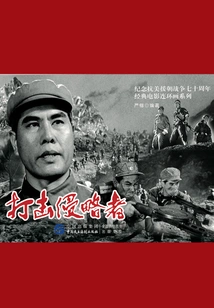
Fight Against Invaders
Literature打击侵略者
Compiled By Yan Kai
This book is a comic book adapted from the 1965 classic film "Fighting the Invaders" produced by the Bayi Film Studio. It tells the story of Commander Li of a certain unit of the Volunteer Army who received instructions from his superiors during the War to Resist U. S. Aggression and Aid Korea, and led his troops to the enemy's forward positions, waiting for an opportunity to attack the enemy directly with friendly troops. After arriving at the designated position, reconnaissance found that there were minefields on three sides of the enemy's forward position, and there was only an open space directly in front. Commander Li ordered Deputy Commander Cui Kai to lead a troop to lurk. Before departure, the Motherland Consolation Mission came to visit the frontline officers and soldiers. Commander Li unexpectedly discovered that the leader of the consolation mission, Mei, was actually the widow of an old comrade, and her son Ding Dayong was in the lurking team that was about to set off. Commander Li asked Ding Dayong to stay with his mother, but his mother insisted that his son go to the front line to lurk, and ordered his son to attack the enemy hard. While lurking, the enemy's incendiary bomb hit the grass beside Ding Dayong. He endured the severe pain of burns and persisted until the troops launched a general attack...
This book is a comic book adapted from the 1965 classic film "Fighting the Invaders" produced by the Bayi Film Studio. It tells the story of Commander Li of a certain unit of the Volunteer Army who received instructions from his superiors during the War to Resist U. S. Aggression and Aid Korea, and led his troops to the enemy's forward positions, waiting for an opportunity to attack the enemy directly with friendly troops. After arriving at the designated position, reconnaissance found that there were minefields on three sides of the enemy's forward position, and there was only an open space directly in front. Commander Li ordered Deputy Commander Cui Kai to lead a troop to lurk. Before departure, the Motherland Consolation Mission came to visit the frontline officers and soldiers. Commander Li unexpectedly discovered that the leader of the consolation mission, Mei, was actually the widow of an old comrade, and her son Ding Dayong was in the lurking team that was about to set off. Commander Li asked Ding Dayong to stay with his mother, but his mother insisted that his son go to the front line to lurk, and ordered his son to attack the enemy hard. While lurking, the enemy's incendiary bomb hit the grass beside Ding Dayong. He endured the severe pain of burns and persisted until the troops launched a general attack...
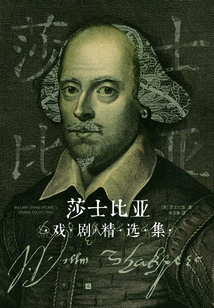
Selections of Shakespeare's Plays
Literature莎士比亚戏剧精选集
H
"Selected Collection of Shakespeare's Plays" is a collection of Shakespeare's four classic plays "Hamlet", "Romeo and Juliet", "A Midsummer Night's Dream" and "The Merchant of Venice". Zhu Shenghao's classic translation is original and vivid.
"Selected Collection of Shakespeare's Plays" is a collection of Shakespeare's four classic plays "Hamlet", "Romeo and Juliet", "A Midsummer Night's Dream" and "The Merchant of Venice". Zhu Shenghao's classic translation is original and vivid.
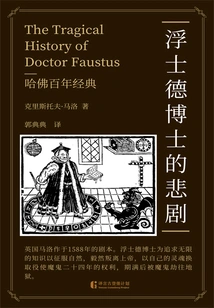
The Tragedy of Doctor Faustus
Literature浮士德博士的悲剧
Christopher Marlowe
A play written by Marlowe in England in 1588. In order to pursue infinite knowledge and conquer nature, Dr. Faustus resolutely rebelled against God and exchanged his soul for the right to serve the devil for twenty-four years. After the expiration of the term, he was kidnapped by the devil and sent to hell. "The Tragedy of Doctor Faustus" is one of Marlowe's most outstanding works. It is based on a book of German folk tales newly translated into the UK. It tells the story of Faust selling his soul to the devil. The devil will be driven by him for twenty-four years, at which time his soul will be kidnapped by the devil and taken to hell.
A play written by Marlowe in England in 1588. In order to pursue infinite knowledge and conquer nature, Dr. Faustus resolutely rebelled against God and exchanged his soul for the right to serve the devil for twenty-four years. After the expiration of the term, he was kidnapped by the devil and sent to hell. "The Tragedy of Doctor Faustus" is one of Marlowe's most outstanding works. It is based on a book of German folk tales newly translated into the UK. It tells the story of Faust selling his soul to the devil. The devil will be driven by him for twenty-four years, at which time his soul will be kidnapped by the devil and taken to hell.
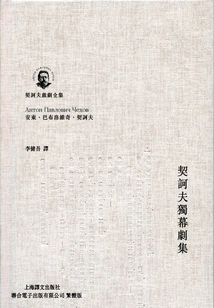
Chekhov's One-act Plays
Literature契诃夫独幕剧集
J
Chekhov is not only a world-renowned master of short stories, but also an outstanding playwright and a pioneer of modern drama. He is known as the first dramatist after Shakespeare. This book is a volume of the complete collection of Chekhov's plays, including a total of nine one-act plays such as "The Road", "On the Harm of Tobacco", "Swan Song", and "The Bear". They are all short and interesting. Some works have experimental colors, reflecting Chekhov's special style exploration of one-act plays, and are an indispensable part of Chekhov's drama creation spectrum.
Chekhov is not only a world-renowned master of short stories, but also an outstanding playwright and a pioneer of modern drama. He is known as the first dramatist after Shakespeare. This book is a volume of the complete collection of Chekhov's plays, including a total of nine one-act plays such as "The Road", "On the Harm of Tobacco", "Swan Song", and "The Bear". They are all short and interesting. Some works have experimental colors, reflecting Chekhov's special style exploration of one-act plays, and are an indispensable part of Chekhov's drama creation spectrum.
Y
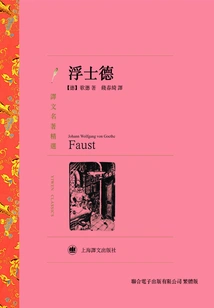
Faust
Literature浮士德
K
"Faust" is Goethe's representative work, a poetic tragedy. It was created based on a folk legend in the 16th century. It is a masterpiece that Goethe devoted his whole life to writing. It describes the protagonist Faust's painful experience of searching for truth throughout his life, and reflects the history of the entire Europe from the Renaissance to the early 19th century. The book consists of a series of narrative poems, lyric poems, dramas, operas and dance dramas, covering theology, mythology, philosophy, science, aesthetics, literature, music and political economy.
"Faust" is Goethe's representative work, a poetic tragedy. It was created based on a folk legend in the 16th century. It is a masterpiece that Goethe devoted his whole life to writing. It describes the protagonist Faust's painful experience of searching for truth throughout his life, and reflects the history of the entire Europe from the Renaissance to the early 19th century. The book consists of a series of narrative poems, lyric poems, dramas, operas and dance dramas, covering theology, mythology, philosophy, science, aesthetics, literature, music and political economy.
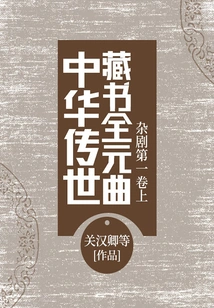
中华传世藏书:全元曲.杂剧第一卷(上)
Guan Hanqing Et Al.
"Quan Yuan Opera" collects all the existing Zaju and Sanqu works of the Yuan Dynasty into a magnificent masterpiece with more than 7 million words. It includes all the existing works of 288 famous composers and unknown composers of the Yuan Dynasty. It can be called a collection of Zaju and Sanqu works of the Yuan Dynasty.
"Quan Yuan Opera" collects all the existing Zaju and Sanqu works of the Yuan Dynasty into a magnificent masterpiece with more than 7 million words. It includes all the existing works of 288 famous composers and unknown composers of the Yuan Dynasty. It can be called a collection of Zaju and Sanqu works of the Yuan Dynasty.
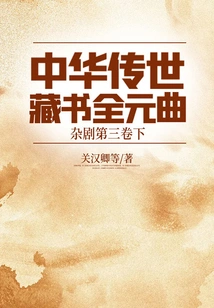
中华传世藏书:全元曲.杂剧第三卷(下)
Guan Hanqing Et Al.
"Quan Yuan Opera" collects all the existing Zaju and Sanqu works of the Yuan Dynasty into a magnificent masterpiece with more than 7 million words. It includes all the existing works of 298 famous composers and unknown composers of the Yuan Dynasty. It can be called a collection of Zaju and Sanqu works of the Yuan Dynasty.
"Quan Yuan Opera" collects all the existing Zaju and Sanqu works of the Yuan Dynasty into a magnificent masterpiece with more than 7 million words. It includes all the existing works of 298 famous composers and unknown composers of the Yuan Dynasty. It can be called a collection of Zaju and Sanqu works of the Yuan Dynasty.
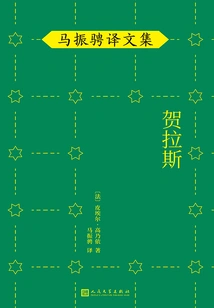
贺拉斯(马振骋译文集)
(france) Pierre Corneille
"Horace" includes the work "Horace" by Corneille, the representative of French classical tragedy, and "The Song of Roland", the first work of French literature. "Horace" is based on ancient legends or stories, and they are all chosen at critical moments in Roman history. The sense of crisis of the era is very strong, which coincides with the situation of Corneille's era. "Song of Roland" is a great epic in medieval Europe, which turns an ordinary anecdote into a glorious legend. Among them, you can see a large number of parallel sentences, simple images and metaphors, descriptions of the characters' psychology and intentions, as well as duplication and exaggeration common in folk songs. This chronicle of the tragedy of Ronsevoir in 778 reflects more of the spirit and characteristics of the times in the eleventh and twelfth centuries. You can read about the conflict between two worlds, two civilizations, and two religions. Some people praise it and say that it has the broad and flowing grace of Homer and the bold and powerful writing style of Dante.
"Horace" includes the work "Horace" by Corneille, the representative of French classical tragedy, and "The Song of Roland", the first work of French literature. "Horace" is based on ancient legends or stories, and they are all chosen at critical moments in Roman history. The sense of crisis of the era is very strong, which coincides with the situation of Corneille's era. "Song of Roland" is a great epic in medieval Europe, which turns an ordinary anecdote into a glorious legend. Among them, you can see a large number of parallel sentences, simple images and metaphors, descriptions of the characters' psychology and intentions, as well as duplication and exaggeration common in folk songs. This chronicle of the tragedy of Ronsevoir in 778 reflects more of the spirit and characteristics of the times in the eleventh and twelfth centuries. You can read about the conflict between two worlds, two civilizations, and two religions. Some people praise it and say that it has the broad and flowing grace of Homer and the bold and powerful writing style of Dante.
B
B
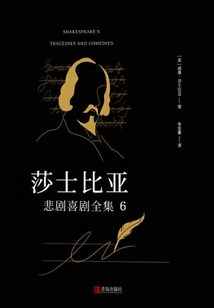
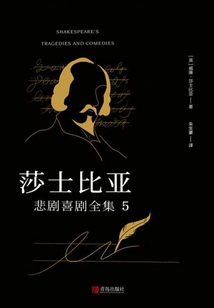
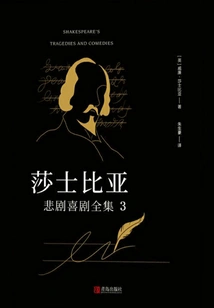
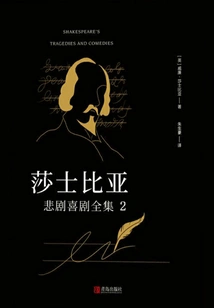
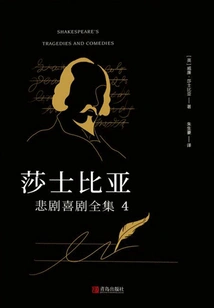
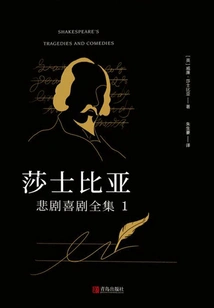
莎士比亚悲剧喜剧全集6·喜剧Ⅲ
(english) Shakespeare
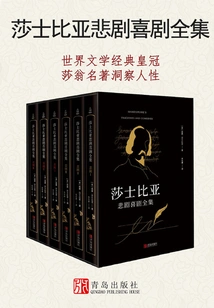
Shakespeare's writing experience is generally divided into three periods, from the beginner stage, to the mature stage, to the reconciliation stage, which are arranged in order of writing time. It is globally recognized as Shakespeare's classic masterpiece and can be called the essence of the essence. It is an encyclopedia for understanding the various aspects of society and the nature of human nature. No matter who you are, you can find your own shadow in Shakespeare's works, feel the lasting shock of the soul, and resonate and be inspired in aspects such as growth, love, and faith.
Shakespeare's writing experience is generally divided into three periods, from the beginner stage, to the mature stage, to the reconciliation stage, which are arranged in order of writing time. It is globally recognized as Shakespeare's classic masterpiece and can be called the essence of the essence. It is an encyclopedia for understanding the various aspects of society and the nature of human nature. No matter who you are, you can find your own shadow in Shakespeare's works, feel the lasting shock of the soul, and resonate and be inspired in aspects such as growth, love, and faith.
B
B
B
莎士比亚悲剧喜剧全集(共6册)
H
I
I
从传统文人到现代学者(戏曲研究十四家)
Miao Huaiming
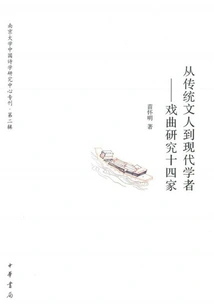
This book takes two generations of scholars from the founding period of opera studies as the research object, and selects fourteen scholars who have made important achievements, great influence, and representativeness in the history of opera studies in the twentieth century for intensive discussion. Through a comprehensive combing and in-depth analysis of their growth process, academic achievements, and scholarly characteristics, it outlines the internal development of opera studies in the twentieth century from a unique perspective and summarizes some of the regular things.
This book takes two generations of scholars from the founding period of opera studies as the research object, and selects fourteen scholars who have made important achievements, great influence, and representativeness in the history of opera studies in the twentieth century for intensive discussion. Through a comprehensive combing and in-depth analysis of their growth process, academic achievements, and scholarly characteristics, it outlines the internal development of opera studies in the twentieth century from a unique perspective and summarizes some of the regular things.
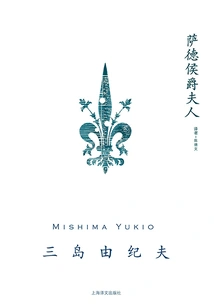
萨德侯爵夫人(三岛由纪夫作品系列)
H
Yukio Mishima's drama masterpiece, published in Chinese for the first time, is a dramatic demonstration of the mysterious madness of "normal" men and women. The more despicable, cruel, immoral, and filthy human affairs are, the more they need to be described in elegant language. After Sade was imprisoned, the Marquise de Sade remained chaste throughout her life and ran to rescue her husband from prison. In old age, when Sade was free, she suddenly broke up with him. Hidden within this mystery is something real and incomprehensible about human nature. With Madame de Sade as the center, the six female characters in the play respectively represent chastity, morality, God, sensuality, innocence, and the people. They move intertwinedly like planets, and the conflict of ideas forms the climax of the drama.
Yukio Mishima's drama masterpiece, published in Chinese for the first time, is a dramatic demonstration of the mysterious madness of "normal" men and women. The more despicable, cruel, immoral, and filthy human affairs are, the more they need to be described in elegant language. After Sade was imprisoned, the Marquise de Sade remained chaste throughout her life and ran to rescue her husband from prison. In old age, when Sade was free, she suddenly broke up with him. Hidden within this mystery is something real and incomprehensible about human nature. With Madame de Sade as the center, the six female characters in the play respectively represent chastity, morality, God, sensuality, innocence, and the people. They move intertwinedly like planets, and the conflict of ideas forms the climax of the drama.
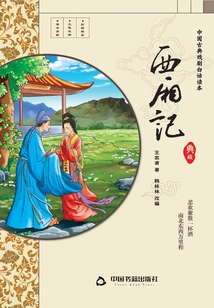
Romance of the West Chamber
Literature西厢记
(yuan Dynasty) Written By Wang Shifu And Adapted By Han Linlin
"The Romance of the West Chamber" is the masterpiece of Wang Shifu, a famous playwright in the Yuan Dynasty. It is also a beautiful and touching romance novel. As a script, it is known as the "Four Famous Dramas" together with "The Peony Pavilion", "The Palace of Eternal Life" and "The Peach Blossom Fan".
"The Romance of the West Chamber" is the masterpiece of Wang Shifu, a famous playwright in the Yuan Dynasty. It is also a beautiful and touching romance novel. As a script, it is known as the "Four Famous Dramas" together with "The Peony Pavilion", "The Palace of Eternal Life" and "The Peach Blossom Fan".
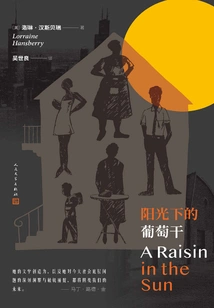
Raisins in the Sun
Literature阳光下的葡萄干
(u. S.) Lorraine Hansberry
"A Raisin in the Sun" is a masterpiece by American playwright Lorraine Hansberry (1930-1965). It was created in 1959. The title of the play is taken from the poem "Harlem" by Langston Hughes (1902-1967). Taking the anti-black discrimination movement as the background, the author compares the young black family with dreams to raisins exposed to the cruel sun, and describes their story of supporting each other and holding on to their dreams in the social whirlpool of racial discrimination. This play, known as "the first play to show the living conditions of African Americans on the stage," has continued vitality in the United States. There are two movies with the same name. Screenwriter Lorraine Hansberry, as a famous black female playwright, has been interpreted by many viewers from a "feminist" perspective. But in "Raisins in the Sun", the female images in northern cities are no longer subject to the oppression of male power like traditional southern women. They have achieved independence of personality, have a stronger breadth of vision, and have a higher ability to accept modern civilization. This script also adds a new interpretation to the world of female discourse.
"A Raisin in the Sun" is a masterpiece by American playwright Lorraine Hansberry (1930-1965). It was created in 1959. The title of the play is taken from the poem "Harlem" by Langston Hughes (1902-1967). Taking the anti-black discrimination movement as the background, the author compares the young black family with dreams to raisins exposed to the cruel sun, and describes their story of supporting each other and holding on to their dreams in the social whirlpool of racial discrimination. This play, known as "the first play to show the living conditions of African Americans on the stage," has continued vitality in the United States. There are two movies with the same name. Screenwriter Lorraine Hansberry, as a famous black female playwright, has been interpreted by many viewers from a "feminist" perspective. But in "Raisins in the Sun", the female images in northern cities are no longer subject to the oppression of male power like traditional southern women. They have achieved independence of personality, have a stronger breadth of vision, and have a higher ability to accept modern civilization. This script also adds a new interpretation to the world of female discourse.
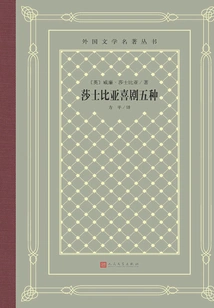
Shakespeare's Comedies
Literature莎士比亚喜剧五种
(english) Shakespeare
This book selects five of Shakespeare's most popular comedies: "A Midsummer Night's Dream", "The Merchant of Venice", "The Wind and Shadow", "The Merry Wives of Windsor" and "The Tempest". Shakespeare's comedic achievements are as remarkable as his tragedies. He used the optimistic spirit of Renaissance humanists as the keynote of his comedy creation. Many characters in his works have become typical among typical, and a model of comedy characterization. Fang Ping is one of the authoritative translators in my country, and his translations are of high literary value.
This book selects five of Shakespeare's most popular comedies: "A Midsummer Night's Dream", "The Merchant of Venice", "The Wind and Shadow", "The Merry Wives of Windsor" and "The Tempest". Shakespeare's comedic achievements are as remarkable as his tragedies. He used the optimistic spirit of Renaissance humanists as the keynote of his comedy creation. Many characters in his works have become typical among typical, and a model of comedy characterization. Fang Ping is one of the authoritative translators in my country, and his translations are of high literary value.
U
LiteratureU
G
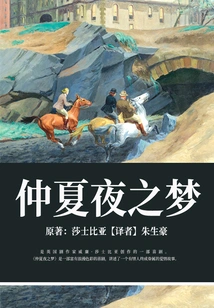
It is a comedy written by the British playwright William Shakespeare. "A Midsummer Night's Dream" is a romantic comedy that tells a love story in which lovers finally get married.
It is a comedy written by the British playwright William Shakespeare. "A Midsummer Night's Dream" is a romantic comedy that tells a love story in which lovers finally get married.
G
LiteratureG
G
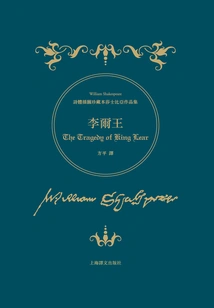
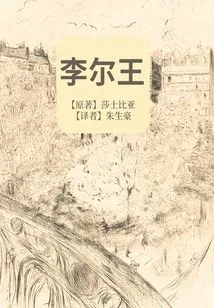
"King Lear" is a play written by Shakespeare and is one of his four major tragedies. The story comes from an ancient British legend, and the story itself happened around the 8th century. Later, many plays were compiled in the UK. In addition to Shakespeare, there is also an earlier unknown work among the existing plays. It is generally believed that Shakespeare's King Lear was adapted from this play. The story tells that after the aged King Lear abdicated the throne, he was driven into the wilderness by his eldest daughter and his second daughter. The third daughter, who became the Queen of France, led an army to save her father, but was killed. King Lear died sadly beside her.
"King Lear" is a play written by Shakespeare and is one of his four major tragedies. The story comes from an ancient British legend, and the story itself happened around the 8th century. Later, many plays were compiled in the UK. In addition to Shakespeare, there is also an earlier unknown work among the existing plays. It is generally believed that Shakespeare's King Lear was adapted from this play. The story tells that after the aged King Lear abdicated the throne, he was driven into the wilderness by his eldest daughter and his second daughter. The third daughter, who became the Queen of France, led an army to save her father, but was killed. King Lear died sadly beside her.
U
LiteratureU
G
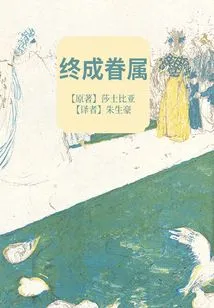
"We Are Married" is a play written by the English playwright William Shakespeare, first published in 1623. The play describes how a beautiful and talented heroine goes to great lengths to win the love of a noble-born, arrogant and superficial playboy. The plot of the play is simple, but the dialogues between the characters are rich, diverse, delicate and vivid.
"We Are Married" is a play written by the English playwright William Shakespeare, first published in 1623. The play describes how a beautiful and talented heroine goes to great lengths to win the love of a noble-born, arrogant and superficial playboy. The plot of the play is simple, but the dialogues between the characters are rich, diverse, delicate and vivid.
Othello
Literature奥赛罗
G
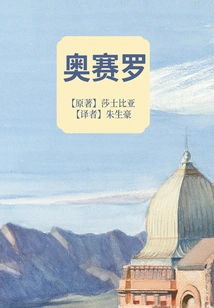
The work tells the story of Othello, a brave general in the Principality of Venice. He fell in love with Desdemona, the senator's daughter. Because the age difference between the two was too big, the marriage was not allowed. The two had to get married privately. Othello has a sinister flag officer, Iago, who wants to get rid of Othello. He first informed the senator, but unexpectedly led to their marriage. He also provoked the relationship between Othello and Desdemona, saying that Cassio, another lieutenant, had an unusual relationship with Desdemona, and forged so-called tokens of love. Othello believed it and strangled his wife to death in anger. When he learned the truth, he drew his sword and killed himself in regret, and fell beside Desdemona.
The work tells the story of Othello, a brave general in the Principality of Venice. He fell in love with Desdemona, the senator's daughter. Because the age difference between the two was too big, the marriage was not allowed. The two had to get married privately. Othello has a sinister flag officer, Iago, who wants to get rid of Othello. He first informed the senator, but unexpectedly led to their marriage. He also provoked the relationship between Othello and Desdemona, saying that Cassio, another lieutenant, had an unusual relationship with Desdemona, and forged so-called tokens of love. Othello believed it and strangled his wife to death in anger. When he learned the truth, he drew his sword and killed himself in regret, and fell beside Desdemona.
Macbeth
Literature麦克白
G
"Macbeth" is a play written by the British playwright Shakespeare, written in 1606. Since the 19th century, "Hamlet", "Othello" and "King Lear" have been recognized as William Shakespeare's "four great tragedies". The music was composed by Giuseppe Verdi in Florence in 1847 and has been revised many times. The story of "Macbeth" is generally adapted from the ancient story in "The Chronicle of Scotland" by the ancient English historian Raphael Hollingshand. "Macbeth" tells the story of the greedy king and queen who were greedy for power and were finally overthrown.
"Macbeth" is a play written by the British playwright Shakespeare, written in 1606. Since the 19th century, "Hamlet", "Othello" and "King Lear" have been recognized as William Shakespeare's "four great tragedies". The music was composed by Giuseppe Verdi in Florence in 1847 and has been revised many times. The story of "Macbeth" is generally adapted from the ancient story in "The Chronicle of Scotland" by the ancient English historian Raphael Hollingshand. "Macbeth" tells the story of the greedy king and queen who were greedy for power and were finally overthrown.
Antony and Cleopatra
Literature安东尼与克莉奥佩特拉
(english) Shakespeare
"Antony and Cleopatra" is a Roman tragedy written by Shakespeare around 1607. It is derived from "Lives of the Greeks and Romans" written by the ancient Roman historian Plutarch. The play tells the story of one of the three chief leaders of Rome at that time: Antony was obsessed with the beauty of Queen Cleopatra of Egypt and had no time to attend to national affairs. He spent all day hanging out with her in Egypt, drunkenly and dreamily. Later, Rome suffered from the rebellion of Sextus Pompeii, the invasion of pirates, the invasion of the Eastern Parthians, and the news that Antony's wife died because of his failure to challenge Caesar. Finally, he cheered up and returned to Rome resolutely to serve his motherland. Antony then reconciled with Octavian because of the situation and married his sister to consolidate their political relationship. This also made Cleopatra sad and angry. Finally, after all the wars were reconciled and subsided, Anthony couldn't wait to return to the Queen of Egypt. Later, Pompey was killed and his colleague Lepides was deposed, which led to the final confrontation between Antony and Octavian. In the battle at sea, Antony unwisely followed the Queen of Egypt to escape and was defeated, and eventually committed suicide in grief. Cleopatra finally saw Octavian's true face and committed suicide.
"Antony and Cleopatra" is a Roman tragedy written by Shakespeare around 1607. It is derived from "Lives of the Greeks and Romans" written by the ancient Roman historian Plutarch. The play tells the story of one of the three chief leaders of Rome at that time: Antony was obsessed with the beauty of Queen Cleopatra of Egypt and had no time to attend to national affairs. He spent all day hanging out with her in Egypt, drunkenly and dreamily. Later, Rome suffered from the rebellion of Sextus Pompeii, the invasion of pirates, the invasion of the Eastern Parthians, and the news that Antony's wife died because of his failure to challenge Caesar. Finally, he cheered up and returned to Rome resolutely to serve his motherland. Antony then reconciled with Octavian because of the situation and married his sister to consolidate their political relationship. This also made Cleopatra sad and angry. Finally, after all the wars were reconciled and subsided, Anthony couldn't wait to return to the Queen of Egypt. Later, Pompey was killed and his colleague Lepides was deposed, which led to the final confrontation between Antony and Octavian. In the battle at sea, Antony unwisely followed the Queen of Egypt to escape and was defeated, and eventually committed suicide in grief. Cleopatra finally saw Octavian's true face and committed suicide.
W
LiteratureW
G
"The Two Gentlemen of Verona" is a play written by the English playwright William Shakespeare. It is a comedy and was first published in 1623. The play mainly reflects the theme of love and friendship through the story of two gentlemen in the Italian city of Verona. The lines are full of optimism, permeating the strong atmosphere of real life in England during the Renaissance, and shining with the light of humanistic ideals.
"The Two Gentlemen of Verona" is a play written by the English playwright William Shakespeare. It is a comedy and was first published in 1623. The play mainly reflects the theme of love and friendship through the story of two gentlemen in the Italian city of Verona. The lines are full of optimism, permeating the strong atmosphere of real life in England during the Renaissance, and shining with the light of humanistic ideals.
U
LiteratureU
G
"The Comedy of Errors" is a play written by the English playwright William Shakespeare. It is a comedy and was first published in 1623. "The Comedy of Errors" tells the story of the Syracuse merchant Igin's family who were separated for many years and finally reunited. It vividly reflects the social life and customs of Britain in the 16th century, and embodies the spirit of the Renaissance and the beautiful ideals of Shakespeare's humanism, which has certain ideological significance.
"The Comedy of Errors" is a play written by the English playwright William Shakespeare. It is a comedy and was first published in 1623. "The Comedy of Errors" tells the story of the Syracuse merchant Igin's family who were separated for many years and finally reunited. It vividly reflects the social life and customs of Britain in the 16th century, and embodies the spirit of the Renaissance and the beautiful ideals of Shakespeare's humanism, which has certain ideological significance.
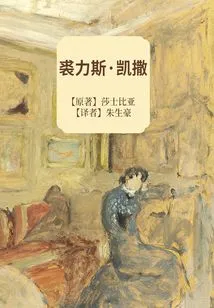
Julius Caesar
Literature裘力斯·凯撒
(english) Shakespeare
"Julius Caesar" (also translated as Julius Caesar, Julius Caesar) is a drama written by the British playwright Shakespeare. The plot of "Julius Caesar" revolves around the struggle between two political parties in ancient Rome. In the play, Caesar is the representative of the autocratic faction. He has great achievements and strives to expand his own power, so it is inevitable to wear the imperial robe. However, the republicans headed by Cassius and others oppose personal dictatorship and attempt to eradicate Caesar's power. However, they are weak and weak, so they enlist the highly respected Brutus to participate in their actions. Led by Brutus, the Republicans assassinated Caesar. Afterwards, Caesar's confidant Antony incited the Roman people with passionate speeches, causing them to change their original intentions and turn against Brutus, and expelled Brutus and others from the city of Rome. Finally, under siege by the soldiers of Antony and others, Brutus committed suicide and the republic was destroyed.
"Julius Caesar" (also translated as Julius Caesar, Julius Caesar) is a drama written by the British playwright Shakespeare. The plot of "Julius Caesar" revolves around the struggle between two political parties in ancient Rome. In the play, Caesar is the representative of the autocratic faction. He has great achievements and strives to expand his own power, so it is inevitable to wear the imperial robe. However, the republicans headed by Cassius and others oppose personal dictatorship and attempt to eradicate Caesar's power. However, they are weak and weak, so they enlist the highly respected Brutus to participate in their actions. Led by Brutus, the Republicans assassinated Caesar. Afterwards, Caesar's confidant Antony incited the Roman people with passionate speeches, causing them to change their original intentions and turn against Brutus, and expelled Brutus and others from the city of Rome. Finally, under siege by the soldiers of Antony and others, Brutus committed suicide and the republic was destroyed.
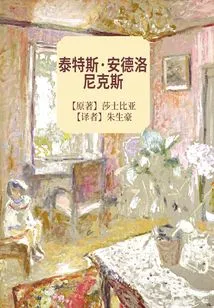
Titus Andronicus
Literature泰特斯·安德洛尼克斯
G
"Titus Andronicus" is a tragedy written by the English playwright William Shakespeare, first published in 1594. The play tells the story of Lavinia, a beautiful lady from a well-known family who was brutally tortured. Her father Titus retaliates in kind, leading to an equally horrifying feast of human flesh. The play tells a truth: Heaven is not indifferent to the sins in the world. This play is Shakespeare's early work. The play has a profound description of the psychological and physical pain suffered by political prisoners, and also depicts the cruel scenes of brutal massacres in detail.
"Titus Andronicus" is a tragedy written by the English playwright William Shakespeare, first published in 1594. The play tells the story of Lavinia, a beautiful lady from a well-known family who was brutally tortured. Her father Titus retaliates in kind, leading to an equally horrifying feast of human flesh. The play tells a truth: Heaven is not indifferent to the sins in the world. This play is Shakespeare's early work. The play has a profound description of the psychological and physical pain suffered by political prisoners, and also depicts the cruel scenes of brutal massacres in detail.
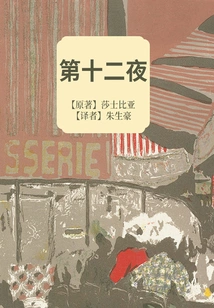
V
LiteratureV
G
"Twelfth Night" is a play written by the British playwright Shakespeare. It was written around 1600-1602. It was registered at the Bookstore in 1623 and included in the First Folio in the same year. Sebastian and Viola, twin brothers and sisters, were unfortunately in danger during a sea voyage. They each escaped by chance and ended up living in Illyria. Viola disguises herself as a man and works as a page for Duke Orsino. She secretly loves the Duke, but the Duke loves Olivia, a countess. But Olivia did not love him, but fell in love with Viola, who wooed her on behalf of the Duke. After some interesting twists and turns, Viola and Orsino, Olivia and Sebastian both formed a happy relationship. Although Olivia didn't originally love Sebastian. But his face was exactly the same as Viola's, which satisfied her wish.
"Twelfth Night" is a play written by the British playwright Shakespeare. It was written around 1600-1602. It was registered at the Bookstore in 1623 and included in the First Folio in the same year. Sebastian and Viola, twin brothers and sisters, were unfortunately in danger during a sea voyage. They each escaped by chance and ended up living in Illyria. Viola disguises herself as a man and works as a page for Duke Orsino. She secretly loves the Duke, but the Duke loves Olivia, a countess. But Olivia did not love him, but fell in love with Viola, who wooed her on behalf of the Duke. After some interesting twists and turns, Viola and Orsino, Olivia and Sebastian both formed a happy relationship. Although Olivia didn't originally love Sebastian. But his face was exactly the same as Viola's, which satisfied her wish.
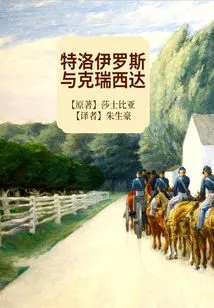
U
LiteratureU
G
"Troilus and Cressida" is a play written by the English playwright William Shakespeare. It is a tragedy and was first published in 1609. The play mainly tells two stories: one is the story of the famous Trojan War in ancient history; the other is the love story of Troilus and Cressida that unfolded against the backdrop of the Trojan War. The play reflects the theme of idealism being shattered under the cruel reality through the tragic love between Troilus and Cressida.
"Troilus and Cressida" is a play written by the English playwright William Shakespeare. It is a tragedy and was first published in 1609. The play mainly tells two stories: one is the story of the famous Trojan War in ancient history; the other is the love story of Troilus and Cressida that unfolded against the backdrop of the Trojan War. The play reflects the theme of idealism being shattered under the cruel reality through the tragic love between Troilus and Cressida.
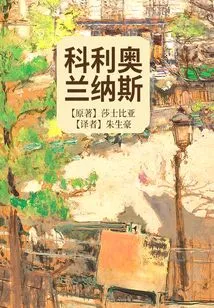
Coriolanus
Literature科利奥兰纳斯
G
"Coriolanus" is a play written by the British playwright William Shakespeare in his later years. It is a tragedy and was first published in 1623. The play tells the tragedy of Marcellus (known as Coriolanus), a hero of the Roman Republic, who was expelled from Rome because of his suspicious character and bad temper, which offended the public. The author uses the relationship between the hero and the masses as the main line to reveal the weaknesses of human nature. Through the description of the sharp conflicts between the upper-class rulers of Rome and the people, and the national conflicts between Rome and the Vols Kingdom, the work shows the multi-faceted and complex social life in Britain at the end of Queen Elizabeth's reign and the beginning of Stuart's rule.
"Coriolanus" is a play written by the British playwright William Shakespeare in his later years. It is a tragedy and was first published in 1623. The play tells the tragedy of Marcellus (known as Coriolanus), a hero of the Roman Republic, who was expelled from Rome because of his suspicious character and bad temper, which offended the public. The author uses the relationship between the hero and the masses as the main line to reveal the weaknesses of human nature. Through the description of the sharp conflicts between the upper-class rulers of Rome and the people, and the national conflicts between Rome and the Vols Kingdom, the work shows the multi-faceted and complex social life in Britain at the end of Queen Elizabeth's reign and the beginning of Stuart's rule.
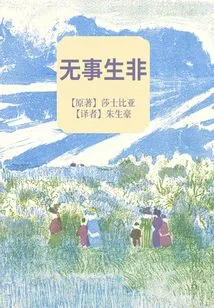
U
LiteratureU
G
"Much Ado About Nothing" is a play written by the British playwright William Shakespeare. It was written in 1598-1599. This comedy is a work from Shakespeare's mature writing period. It tells two types of love stories of that era: one is Hero and Claudius, who follow social norms and family status concepts and represent a traditional union; the other is initially mocking each other and refusing to give in. In the end, they fell in love with each other. The perfect union of Benedick and Beatrice. In this comedy, Shakespeare explores self-awareness, sincerity and mutual respect between men and women. And issues such as social order.
"Much Ado About Nothing" is a play written by the British playwright William Shakespeare. It was written in 1598-1599. This comedy is a work from Shakespeare's mature writing period. It tells two types of love stories of that era: one is Hero and Claudius, who follow social norms and family status concepts and represent a traditional union; the other is initially mocking each other and refusing to give in. In the end, they fell in love with each other. The perfect union of Benedick and Beatrice. In this comedy, Shakespeare explores self-awareness, sincerity and mutual respect between men and women. And issues such as social order.
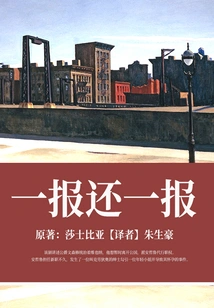
U
LiteratureU
G
The play tells the story of Duke Vincentio, who rules Vienna. He wants to temporarily leave the principality and send Angelo to act on his behalf. Not long after Angelo took up his new position, an incident occurred where a gentleman named Claudio seduced a young lady and caused her to become pregnant. Angelou put Claudio in prison in accordance with the provisions of the law and sentenced him to death. Claudio asked his sister Isabella to intercede with Angelo. Angelou has evil thoughts about the beautiful Isabella. He told Isabella that he would spare her brother's life if she would sacrifice her virginity to him. Isabella firmly refused. The Duke used a trick to expose Angelou's despicable behavior, saved Claudio's life, and also completed Claudio's marriage.
The play tells the story of Duke Vincentio, who rules Vienna. He wants to temporarily leave the principality and send Angelo to act on his behalf. Not long after Angelo took up his new position, an incident occurred where a gentleman named Claudio seduced a young lady and caused her to become pregnant. Angelou put Claudio in prison in accordance with the provisions of the law and sentenced him to death. Claudio asked his sister Isabella to intercede with Angelo. Angelou has evil thoughts about the beautiful Isabella. He told Isabella that he would spare her brother's life if she would sacrifice her virginity to him. Isabella firmly refused. The Duke used a trick to expose Angelou's despicable behavior, saved Claudio's life, and also completed Claudio's marriage.
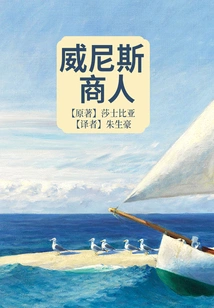
E
LiteratureE
G
"The Merchant of Venice" is a play written by the British playwright Shakespeare. It is a satirical comedy. It was made around 1596-1597. The plot of the play unfolds through three clues: one is Portia's choice of marriage; one is Jessica and Lorenzo's love and elopement; and the other is the contract dispute of "cutting a pound of flesh". The theme of the script is to praise benevolence, friendship and love. It also reflects the contradiction between the commercial bourgeoisie and the loan sharks in the early stage of capitalism, and expresses the author's humanistic thoughts on issues such as money, law and religion in bourgeois society. An important literary achievement of this play is to create the typical image of Shylock, a profit-seeking, ruthless loan shark.
"The Merchant of Venice" is a play written by the British playwright Shakespeare. It is a satirical comedy. It was made around 1596-1597. The plot of the play unfolds through three clues: one is Portia's choice of marriage; one is Jessica and Lorenzo's love and elopement; and the other is the contract dispute of "cutting a pound of flesh". The theme of the script is to praise benevolence, friendship and love. It also reflects the contradiction between the commercial bourgeoisie and the loan sharks in the early stage of capitalism, and expresses the author's humanistic thoughts on issues such as money, law and religion in bourgeois society. An important literary achievement of this play is to create the typical image of Shylock, a profit-seeking, ruthless loan shark.
汤显祖与晚明戏曲的嬗变(增订版)
Cheng Yun
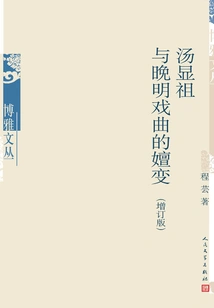
Tang Xianzu is an important figure in the history of Chinese literature and opera. This book discusses the multiplicity of Tang Xianzu's literary ideas, the "Tang-Shenzhen Controversy" and its influence, and the tone and rhythm of Tang Xianzu's operas. It not only emphasizes the critical examination and analysis of documentary materials, but also pays attention to the discovery and elucidation of the meaning of the text. At the same time, it attempts to highlight certain characteristics of the literary and artistic trends of the late Ming Dynasty through this case study, paying special attention to the interactive relationship between late Ming opera creation, opera theory concepts, and stage fashion.
Tang Xianzu is an important figure in the history of Chinese literature and opera. This book discusses the multiplicity of Tang Xianzu's literary ideas, the "Tang-Shenzhen Controversy" and its influence, and the tone and rhythm of Tang Xianzu's operas. It not only emphasizes the critical examination and analysis of documentary materials, but also pays attention to the discovery and elucidation of the meaning of the text. At the same time, it attempts to highlight certain characteristics of the literary and artistic trends of the late Ming Dynasty through this case study, paying special attention to the interactive relationship between late Ming opera creation, opera theory concepts, and stage fashion.
Tragedies of Euripides
Literature欧里庇得斯悲剧集
Translated By Zhou Zuoren
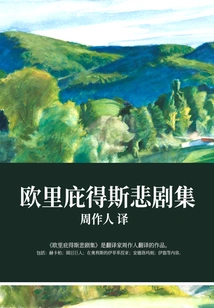
"The Tragedies of Euripides" is a work translated by translator Zhou Zuoren. Including: Hecuba; Round-Eyed Giant; Iphigenia at Aulis; Andromache; Ion, etc.
"The Tragedies of Euripides" is a work translated by translator Zhou Zuoren. Including: Hecuba; Round-Eyed Giant; Iphigenia at Aulis; Andromache; Ion, etc.
N
Literaturen
I
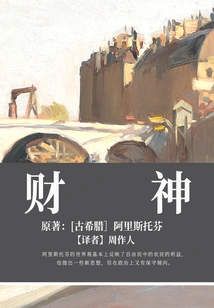
Aristophanes' worldview basically reflected the interests of the peasants among the free people. He proposed some new ideas, but he also had a conservative tendency in politics. He firmly opposed the war between the Athenian group and the Spartan group. After the war, the economy of Athens collapsed, and the average people became even poorer. The idea of an utopia emerged in society, demanding equal wealth. Plays such as "The Assembly Women" and "Fortune" reflected these ideas.
Aristophanes' worldview basically reflected the interests of the peasants among the free people. He proposed some new ideas, but he also had a conservative tendency in politics. He firmly opposed the war between the Athenian group and the Spartan group. After the war, the economy of Athens collapsed, and the average people became even poorer. The idea of an utopia emerged in society, demanding equal wealth. Plays such as "The Assembly Women" and "Fortune" reflected these ideas.
牡丹亭(中华经典名剧)
G
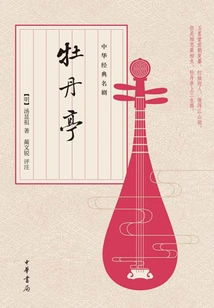
"The Peony Pavilion" is one of the masterpieces of the Ming Dynasty playwright Tang Xianzu. There are 55 episodes in total. It describes the life and death love story of Du Liniang and Liu Mengmei. It is filled with romantic ideals of pursuing personal happiness, calling for individual liberation, and opposing the feudal system. It is deeply touching. It is a masterpiece of romanticism in the history of Chinese opera. Du Liniang is one of the most touching images of women in Chinese classical literature after Cui Yingying. Her life and death for love calls for the liberation of personality, freedom of love, and independence in marriage, and exposes the destruction of people's happy lives and beautiful ideals by feudal ethics. "The Peony Pavilion" is famous for its beautiful diction, its lyrics are organic and interesting, and its music and lyrics take advantage of both the vigorous and turbulent Northern music and the subtle and elegant Southern poetry. Ming Lu Tiancheng called it "thrilling, ingenious and endlessly innovative, truly worthy of the ages!"
"The Peony Pavilion" is one of the masterpieces of the Ming Dynasty playwright Tang Xianzu. There are 55 episodes in total. It describes the life and death love story of Du Liniang and Liu Mengmei. It is filled with romantic ideals of pursuing personal happiness, calling for individual liberation, and opposing the feudal system. It is deeply touching. It is a masterpiece of romanticism in the history of Chinese opera. Du Liniang is one of the most touching images of women in Chinese classical literature after Cui Yingying. Her life and death for love calls for the liberation of personality, freedom of love, and independence in marriage, and exposes the destruction of people's happy lives and beautiful ideals by feudal ethics. "The Peony Pavilion" is famous for its beautiful diction, its lyrics are organic and interesting, and its music and lyrics take advantage of both the vigorous and turbulent Northern music and the subtle and elegant Southern poetry. Ming Lu Tiancheng called it "thrilling, ingenious and endlessly innovative, truly worthy of the ages!"
长生殿(中华经典名剧)
Commentary By Weng Minhua And Chen Jinsong
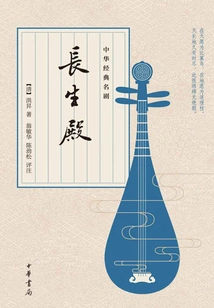
"The Palace of Eternal Life" was created by Hong Sheng in the early Qing Dynasty, with a total of two volumes and fifty publications. It is based on the long poem "Song of Everlasting Sorrow" by Tang Dynasty poet Bai Juyi and the play "Wu Tong Yu" by Yuan Dynasty playwright Bai Pu. Through the love story between Tang Xuanzong and his imperial concubine Yang Yuhuan, it focuses on describing the huge disaster brought to the country by the emperor's fatuousness and political corruption during the Tianbao period of the Tang Dynasty, which led to the almost collapse of the dynasty. At the same time, it expresses sympathy for the love between Tang Xuanzong and Yang Yuhuan, indirectly expresses sympathy for the rule of the Tang Dynasty, and entrusts the ideal of beautiful love.
"The Palace of Eternal Life" was created by Hong Sheng in the early Qing Dynasty, with a total of two volumes and fifty publications. It is based on the long poem "Song of Everlasting Sorrow" by Tang Dynasty poet Bai Juyi and the play "Wu Tong Yu" by Yuan Dynasty playwright Bai Pu. Through the love story between Tang Xuanzong and his imperial concubine Yang Yuhuan, it focuses on describing the huge disaster brought to the country by the emperor's fatuousness and political corruption during the Tianbao period of the Tang Dynasty, which led to the almost collapse of the dynasty. At the same time, it expresses sympathy for the love between Tang Xuanzong and Yang Yuhuan, indirectly expresses sympathy for the rule of the Tang Dynasty, and entrusts the ideal of beautiful love.