Library
Browse and search books
3,417 novels found
元代:武功第一
Jin Kaicheng
"Yuan Dynasty - The First in Martial Arts" not only deeply excavates and organizes the achievements of China's excellent traditional culture, but also combines social development and injects the spirit of the times. The book's beautiful and vivid text, concise and popular language, and the form of pictures and texts comprehensively display to readers the key points of knowledge such as material culture, institutional culture, behavioral culture, and spiritual culture in Chinese culture.
"Yuan Dynasty - The First in Martial Arts" not only deeply excavates and organizes the achievements of China's excellent traditional culture, but also combines social development and injects the spirit of the times. The book's beautiful and vivid text, concise and popular language, and the form of pictures and texts comprehensively display to readers the key points of knowledge such as material culture, institutional culture, behavioral culture, and spiritual culture in Chinese culture.
Boxer Rebellion
History义和团运动
Compiled By Ai Hong And Li Yanling
The Boxer Rebellion, also known as the Boxer Boxer, the Boxer Rebellion Incident, the Boxer Rebellion, or the Boxer Rebellion, or the Boxer Rebellion, was a large-scale mass violent movement that took place in China at the end of the 19th century with the slogan "Support the Qing Dynasty and destroy the foreign countries" and targeted Westerners in China, including missionaries and Chinese Christians.
The Boxer Rebellion, also known as the Boxer Boxer, the Boxer Rebellion Incident, the Boxer Rebellion, or the Boxer Rebellion, or the Boxer Rebellion, was a large-scale mass violent movement that took place in China at the end of the 19th century with the slogan "Support the Qing Dynasty and destroy the foreign countries" and targeted Westerners in China, including missionaries and Chinese Christians.
中国历史上的劲旅
Compiled By Huo Huiting
Since the emergence of mankind, war has never stopped. War is the highest form of struggle for conflicts between political groups, ethnic groups, and countries. It is the highest and most violent means of resolving disputes, and is usually the fastest and most effective solution. In order to maintain their rule, all dynasties in China have attached great importance to their own armies, and an elite army can be called a powerful force. Sun Wu's Wu army, Wu Qi's soldiers, Bai Qi's Qin army, Xiang Yu's Chu army, Huo Qubing's Han cavalry, Shen Qingzhi's Nanliang army, Yue Jiajun, Genghis Khan's Mongolian cavalry, Qi Jiguang's Qi Jiajun, and Zeng Guofan's Hunan army were all brave and adept at fighting and had great achievements in battle. They are also called the top ten outstanding armies in Chinese history. "Chinese Cultural Knowledge Reader: Powerful Troops in Chinese History" introduces these ten armies to you.
Since the emergence of mankind, war has never stopped. War is the highest form of struggle for conflicts between political groups, ethnic groups, and countries. It is the highest and most violent means of resolving disputes, and is usually the fastest and most effective solution. In order to maintain their rule, all dynasties in China have attached great importance to their own armies, and an elite army can be called a powerful force. Sun Wu's Wu army, Wu Qi's soldiers, Bai Qi's Qin army, Xiang Yu's Chu army, Huo Qubing's Han cavalry, Shen Qingzhi's Nanliang army, Yue Jiajun, Genghis Khan's Mongolian cavalry, Qi Jiguang's Qi Jiajun, and Zeng Guofan's Hunan army were all brave and adept at fighting and had great achievements in battle. They are also called the top ten outstanding armies in Chinese history. "Chinese Cultural Knowledge Reader: Powerful Troops in Chinese History" introduces these ten armies to you.
中华文明史(第一卷)
Editor-in-chief Yan Wenming
This book is a multi-disciplinary academic work organized and written by the Institute of Chinese Studies at Peking University. Realizing that the history of civilization is both the history of human creation and the history of human evolution, material civilization, political civilization, and spiritual civilization correspond to the relationship between man and nature, the organization of human society, and the human spiritual world respectively, showing their intricate relationships and making an overall description to highlight the creativity of the Chinese nation and the endless process of Chinese civilization. This book divides Chinese civilization into four periods, using major transformations in the history of Chinese civilization as the basis for periodization. It describes in detail the characteristics, highlights, and connections between civilizations in each period, highlights those figures who have made significant contributions to the development of civilization, and explores various factors that play a key role in the development of civilization. It thus comprehensively discusses the development process of Chinese civilization and suggests several development laws and historical experiences. This book attempts to examine Chinese civilization within the world structure and write about the position of Chinese civilization in the process of world civilization. In the discussion, full attention should be paid to the combination of cultural relics and archaeological materials with documentary materials, and efforts should be made to combine historical writing, discussion, and talent. This volume covers pre-Qin civilization.
This book is a multi-disciplinary academic work organized and written by the Institute of Chinese Studies at Peking University. Realizing that the history of civilization is both the history of human creation and the history of human evolution, material civilization, political civilization, and spiritual civilization correspond to the relationship between man and nature, the organization of human society, and the human spiritual world respectively, showing their intricate relationships and making an overall description to highlight the creativity of the Chinese nation and the endless process of Chinese civilization. This book divides Chinese civilization into four periods, using major transformations in the history of Chinese civilization as the basis for periodization. It describes in detail the characteristics, highlights, and connections between civilizations in each period, highlights those figures who have made significant contributions to the development of civilization, and explores various factors that play a key role in the development of civilization. It thus comprehensively discusses the development process of Chinese civilization and suggests several development laws and historical experiences. This book attempts to examine Chinese civilization within the world structure and write about the position of Chinese civilization in the process of world civilization. In the discussion, full attention should be paid to the combination of cultural relics and archaeological materials with documentary materials, and efforts should be made to combine historical writing, discussion, and talent. This volume covers pre-Qin civilization.
魏晋南北朝史论集
Zhou Liang
"Collection of Historical Essays on the Wei, Jin, Southern and Northern Dynasties" contains almost all the author's representative papers on the study of the history of the Wei, Jin, Southern and Northern Dynasties, and basically represents the highest level in the field of research on the history of the Wei, Jin, Southern and Northern Dynasties. The articles are arranged roughly in chronological order, with the first part mostly written before 1949 and the second part mostly written after the 1970s. It includes "Various People in the Southern Dynasties and the Government's Treatment Policies", "The Chiefs and the Governors of the Six Prefectures", "The Historiography of Wei Shou", "On Zhuge Liang", "On Emperor Wu of Liang and His Era" and a group of papers on the historiography of the Wei, Jin, Southern and Northern Dynasties, as well as textual textual research on official systems, ritual systems and words, which all show the author's multi-faceted contribution to the history of the Wei, Jin, Southern and Northern Dynasties and his multi-disciplinary comprehensive research methods.
"Collection of Historical Essays on the Wei, Jin, Southern and Northern Dynasties" contains almost all the author's representative papers on the study of the history of the Wei, Jin, Southern and Northern Dynasties, and basically represents the highest level in the field of research on the history of the Wei, Jin, Southern and Northern Dynasties. The articles are arranged roughly in chronological order, with the first part mostly written before 1949 and the second part mostly written after the 1970s. It includes "Various People in the Southern Dynasties and the Government's Treatment Policies", "The Chiefs and the Governors of the Six Prefectures", "The Historiography of Wei Shou", "On Zhuge Liang", "On Emperor Wu of Liang and His Era" and a group of papers on the historiography of the Wei, Jin, Southern and Northern Dynasties, as well as textual textual research on official systems, ritual systems and words, which all show the author's multi-faceted contribution to the history of the Wei, Jin, Southern and Northern Dynasties and his multi-disciplinary comprehensive research methods.
朝代:历代王朝兴衰
Compiled By Guo Weiwei
The Spring and Autumn Period and the Warring States Period are ancient periods in the history of our country. Xia, Shang and Zhou were both successive dynasties and intersecting tribal groups. Politically, they were all feudal systems, economically they were all well-field systems, and in terms of succession to the throne, they were all eldest sons. They are indivisible and represent respectively the formation, development and end of slavery in our country. The establishment of the Xia Dynasty marked the basic completion of the historical transition from primitive society to a slave society; slavery in the Shang Dynasty had reached its peak; during the Spring and Autumn Period and the Warring States Period, slavery was in the midst of unprecedented changes. With the end of the annexation of princes, Chinese civilization has shown the dawn of "great unification."
The Spring and Autumn Period and the Warring States Period are ancient periods in the history of our country. Xia, Shang and Zhou were both successive dynasties and intersecting tribal groups. Politically, they were all feudal systems, economically they were all well-field systems, and in terms of succession to the throne, they were all eldest sons. They are indivisible and represent respectively the formation, development and end of slavery in our country. The establishment of the Xia Dynasty marked the basic completion of the historical transition from primitive society to a slave society; slavery in the Shang Dynasty had reached its peak; during the Spring and Autumn Period and the Warring States Period, slavery was in the midst of unprecedented changes. With the end of the annexation of princes, Chinese civilization has shown the dawn of "great unification."
兴国:天下太平盛世
Compiled By Guo Weiwei
Chinese culture has a long history. The most direct sources are the Yellow River culture and the Yangtze River culture. After thousands of years of erosion and baptism, continuous exchange, integration and precipitation, these two cultural waves eventually formed an eclectic Chinese culture that seeks common ground while reserving differences. For thousands of years, Chinese culture has been passed down from generation to generation. It is the only ancient culture in the world that has lasted for five thousand years and has never been interrupted. It has always been full of vitality and vitality, which fully demonstrates the tenacious vitality of Chinese culture.
Chinese culture has a long history. The most direct sources are the Yellow River culture and the Yangtze River culture. After thousands of years of erosion and baptism, continuous exchange, integration and precipitation, these two cultural waves eventually formed an eclectic Chinese culture that seeks common ground while reserving differences. For thousands of years, Chinese culture has been passed down from generation to generation. It is the only ancient culture in the world that has lasted for five thousand years and has never been interrupted. It has always been full of vitality and vitality, which fully demonstrates the tenacious vitality of Chinese culture.
官制:为政选拔吏制
Compiled By Guo Weiwei
The Spring and Autumn Period and the Warring States Period are ancient periods in the history of our country. The Spring and Autumn Period and the Warring States Period were an era of transition from unity to division, an era of social transformation, and an era of economic and cultural development. Although the monarchs in the Spring and Autumn Period and the Warring States Period used etiquette, criminal ethics, rewards and punishments, and executions to control their ministers; although the ministers were still divided according to rank and had different privileges, they no longer exercised power as nobles, but governed as servants of the monarch. Therefore, it has become a historical necessity for various political powers to carry out certain changes in the official system. It is these changes that have transformed my country's bureaucratic system from simplicity to perfection.
The Spring and Autumn Period and the Warring States Period are ancient periods in the history of our country. The Spring and Autumn Period and the Warring States Period were an era of transition from unity to division, an era of social transformation, and an era of economic and cultural development. Although the monarchs in the Spring and Autumn Period and the Warring States Period used etiquette, criminal ethics, rewards and punishments, and executions to control their ministers; although the ministers were still divided according to rank and had different privileges, they no longer exercised power as nobles, but governed as servants of the monarch. Therefore, it has become a historical necessity for various political powers to carry out certain changes in the official system. It is these changes that have transformed my country's bureaucratic system from simplicity to perfection.
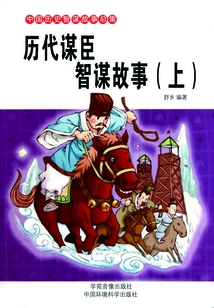
历代谋臣智谋故事(上)
Compiled By Shu Xiang
This book has a large content, rich historical materials, captivating plots, and vivid narratives, leading readers to browse along the historical footprints left by Chinese ancestors. Through reading and appreciation, people can appreciate the wisdom and magic of their predecessors, trigger today's thinking and reverie, and fully appreciate the wonder and greatness of Chinese history and culture.
This book has a large content, rich historical materials, captivating plots, and vivid narratives, leading readers to browse along the historical footprints left by Chinese ancestors. Through reading and appreciation, people can appreciate the wisdom and magic of their predecessors, trigger today's thinking and reverie, and fully appreciate the wonder and greatness of Chinese history and culture.
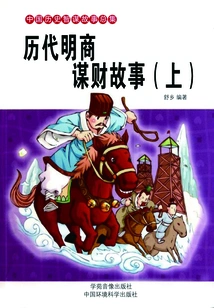
历代明商谋财故事(上)
Compiled By Shu Xiang
"Stories of Ming and Shang Dynasties Making Money" is a legendary history of stories of resourcefulness, and it is also a history of the activities of resourceful characters. Opening the vast and profound historical books, we feel as if we are on a huge and glorious stage, communicating face-to-face with emperors, generals, ministers, and people of all dynasties. Here it is "the chaos, you sing and I will appear on the stage", and there is "the bloody loser becomes the victor, the king". Every time the dynasty changes, there is always a strategy that makes great achievements, which makes people admire and admire; every time the era changes, there is always wisdom that shines in it, which is amazing. When the world is in chaos and the heroes are quarreling, there will always be wise kings and wise emperors who follow the destiny and aspire to the throne; and when society is in turmoil and internal and external changes occur, there will always be wise advisers who rise to the occasion and turn the tide.
"Stories of Ming and Shang Dynasties Making Money" is a legendary history of stories of resourcefulness, and it is also a history of the activities of resourceful characters. Opening the vast and profound historical books, we feel as if we are on a huge and glorious stage, communicating face-to-face with emperors, generals, ministers, and people of all dynasties. Here it is "the chaos, you sing and I will appear on the stage", and there is "the bloody loser becomes the victor, the king". Every time the dynasty changes, there is always a strategy that makes great achievements, which makes people admire and admire; every time the era changes, there is always wisdom that shines in it, which is amazing. When the world is in chaos and the heroes are quarreling, there will always be wise kings and wise emperors who follow the destiny and aspire to the throne; and when society is in turmoil and internal and external changes occur, there will always be wise advisers who rise to the occasion and turn the tide.
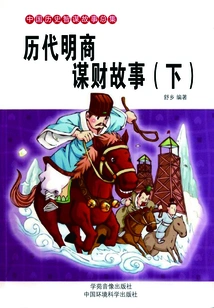
历代明商谋财故事(下)
Compiled By Shu Xiang
"Stories of Ming and Shang Dynasties Making Money" is a legendary history of stories of resourcefulness, and it is also a history of the activities of resourceful characters. Opening the vast and profound historical books, we feel as if we are on a huge and glorious stage, communicating face-to-face with emperors, generals, ministers, and people of all dynasties. Here it is "the chaos, you sing and I will appear on the stage", and there is "the bloody loser becomes the victor, the king". Every time the dynasty changes, there is always a strategy that makes great achievements, which makes people admire and admire; every time the era changes, there is always wisdom that shines in it, which is amazing. When the world is in chaos and the heroes are quarreling, there will always be wise kings and wise emperors who follow the destiny and aspire to the throne; and when society is in turmoil and internal and external changes occur, there will always be wise advisers who rise to the occasion and turn the tide.
"Stories of Ming and Shang Dynasties Making Money" is a legendary history of stories of resourcefulness, and it is also a history of the activities of resourceful characters. Opening the vast and profound historical books, we feel as if we are on a huge and glorious stage, communicating face-to-face with emperors, generals, ministers, and people of all dynasties. Here it is "the chaos, you sing and I will appear on the stage", and there is "the bloody loser becomes the victor, the king". Every time the dynasty changes, there is always a strategy that makes great achievements, which makes people admire and admire; every time the era changes, there is always wisdom that shines in it, which is amazing. When the world is in chaos and the heroes are quarreling, there will always be wise kings and wise emperors who follow the destiny and aspire to the throne; and when society is in turmoil and internal and external changes occur, there will always be wise advisers who rise to the occasion and turn the tide.
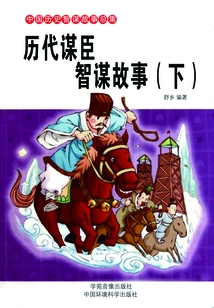
历代谋臣智谋故事(下)
Compiled By Shu Xiang
This book has a large content, rich historical materials, captivating plots, and vivid narratives, leading readers to browse along the historical footprints left by Chinese ancestors. Through reading and appreciation, people can appreciate the wisdom and magic of their predecessors, trigger today's thinking and reverie, and fully appreciate the wonder and greatness of Chinese history and culture.
This book has a large content, rich historical materials, captivating plots, and vivid narratives, leading readers to browse along the historical footprints left by Chinese ancestors. Through reading and appreciation, people can appreciate the wisdom and magic of their predecessors, trigger today's thinking and reverie, and fully appreciate the wonder and greatness of Chinese history and culture.
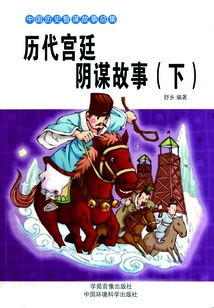
历代宫廷阴谋故事(下)
Compiled By Shu Xiang
Looking through the vast and profound historical books, the five thousand years of Chinese history is not only a legendary history of resourceful stories, but also a history of the activities of resourceful characters. Here it is "In chaos, you sing and I will appear on stage", and there is "The bloody loser becomes the victor, the king is the victor".
Looking through the vast and profound historical books, the five thousand years of Chinese history is not only a legendary history of resourceful stories, but also a history of the activities of resourceful characters. Here it is "In chaos, you sing and I will appear on stage", and there is "The bloody loser becomes the victor, the king is the victor".
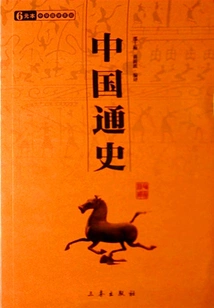
中国通史(二卷)
Shao Shimei
"General History of China (Full 2 Volumes)" is in chronological order and collects the major historical events and deeds of figures in the past dynasties since the beginning of Pangu. It comprehensively introduces the major events, important figures, and outstanding achievements of science and technology and culture in the past dynasties. The content covers various fields such as politics, economy, military, culture, diplomacy, science and technology. Using copper as a mirror, you can straighten your clothes; using people as a mirror, you can understand gains and losses; using history as a mirror, you can understand the ups and downs. To understand reality, we must understand history and learn from the gains and losses of our predecessors. "General History of China" is a new type of book compiled in a brand-new format to meet the needs of historical development and present Chinese history in a panoramic manner.
"General History of China (Full 2 Volumes)" is in chronological order and collects the major historical events and deeds of figures in the past dynasties since the beginning of Pangu. It comprehensively introduces the major events, important figures, and outstanding achievements of science and technology and culture in the past dynasties. The content covers various fields such as politics, economy, military, culture, diplomacy, science and technology. Using copper as a mirror, you can straighten your clothes; using people as a mirror, you can understand gains and losses; using history as a mirror, you can understand the ups and downs. To understand reality, we must understand history and learn from the gains and losses of our predecessors. "General History of China" is a new type of book compiled in a brand-new format to meet the needs of historical development and present Chinese history in a panoramic manner.
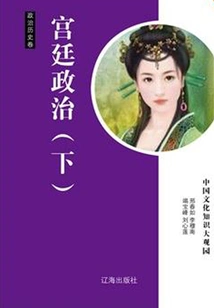
Palace Politics (part 2)
History宫廷政治(下)
Jie Baofeng Liu Xinlian Xing Chunru Li Munan
The Mysteries of History series, compiled by Jie Baofeng, Liu Xinlian, Xing Chunru, and Li Munan, consists of 32 volumes, which are used to explain the complexity of political struggles and reveal the most secretive parts of the long river of ancient history.
The Mysteries of History series, compiled by Jie Baofeng, Liu Xinlian, Xing Chunru, and Li Munan, consists of 32 volumes, which are used to explain the complexity of political struggles and reveal the most secretive parts of the long river of ancient history.
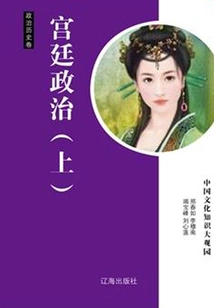
Palace Politics (part 1)
History宫廷政治(上)
Jie Baofeng Liu Xinlian Xing Chunru Li Munan
The Mysteries of History series, compiled by Jie Baofeng, Liu Xinlian, Xing Chunru, and Li Munan, consists of 32 volumes, which are used to explain the complexity of political struggles and reveal the most secretive parts of the long river of ancient history.
The Mysteries of History series, compiled by Jie Baofeng, Liu Xinlian, Xing Chunru, and Li Munan, consists of 32 volumes, which are used to explain the complexity of political struggles and reveal the most secretive parts of the long river of ancient history.
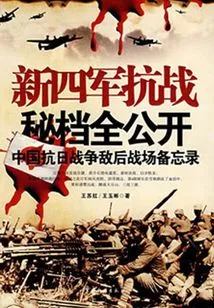
新四军抗战秘档全公开
Wang Suhong Wang Yubin
This is a history written by the Chinese people with blood and tears. With vivid writing and rich historical materials, this book truly reproduces the unprecedented and heroic resistance scenes of the New Fourth Army, and reveals many little-known inside stories of the front battlefield of the Anti-Japanese War! With its unique tenacity and indomitable spirit, the Chinese nation fought bravely against the Japanese aggressors in a bloody storm, composing a tragic and soul-stirring epic.
This is a history written by the Chinese people with blood and tears. With vivid writing and rich historical materials, this book truly reproduces the unprecedented and heroic resistance scenes of the New Fourth Army, and reveals many little-known inside stories of the front battlefield of the Anti-Japanese War! With its unique tenacity and indomitable spirit, the Chinese nation fought bravely against the Japanese aggressors in a bloody storm, composing a tragic and soul-stirring epic.
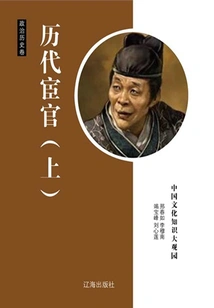
历代宦官(上)
Jie Baofeng Liu Xinlian Xing Chunru Li Munan
The Mysteries of History series, compiled by Jie Baofeng, Liu Xinlian, Xing Chunru, and Li Munan, consists of 32 volumes, which are used to explain the complexity of political struggles and reveal the most secretive parts of the long river of ancient history.
The Mysteries of History series, compiled by Jie Baofeng, Liu Xinlian, Xing Chunru, and Li Munan, consists of 32 volumes, which are used to explain the complexity of political struggles and reveal the most secretive parts of the long river of ancient history.
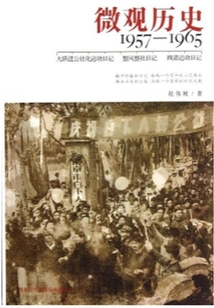
Microhistory: 1957-1965
History微观历史:1957-1965
Zhu Weipo
This book collects several diaries written by the author when he was a university student in Tianjin and Beijing in the 1950s and when he first started working in the early 1960s. It records the life of an ordinary college student and a young university teacher who loved the Party and New China. It reflects the spirit of the era and the life and mental state of most ordinary college teachers and students at that time.
This book collects several diaries written by the author when he was a university student in Tianjin and Beijing in the 1950s and when he first started working in the early 1960s. It records the life of an ordinary college student and a young university teacher who loved the Party and New China. It reflects the spirit of the era and the life and mental state of most ordinary college teachers and students at that time.
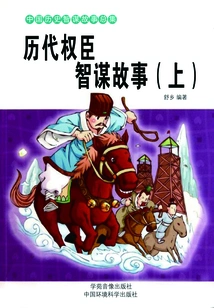
历代权臣智谋故事(上)
Compiled By Shu Xiang
This book has a large content, rich historical materials, captivating plots, and vivid narratives, leading readers to browse along the historical footprints left by Chinese ancestors. Through reading and appreciation, people can appreciate the wisdom and magic of their predecessors, trigger today's thinking and reverie, and fully appreciate the wonder and greatness of Chinese history and culture.
This book has a large content, rich historical materials, captivating plots, and vivid narratives, leading readers to browse along the historical footprints left by Chinese ancestors. Through reading and appreciation, people can appreciate the wisdom and magic of their predecessors, trigger today's thinking and reverie, and fully appreciate the wonder and greatness of Chinese history and culture.
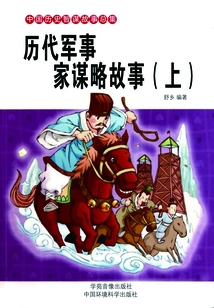
历代军事家谋略故事(上)
Compiled By Shu Xiang
The five thousand years of Chinese history is not only a legendary history of resourceful stories, but also a history of the activities of resourceful characters. Opening the vast and profound historical books, we feel as if we are on a huge and glorious stage, communicating face-to-face with emperors, generals, ministers, and people of all dynasties. Here it is "the chaos, you sing and I will appear on the stage", and there is "the bloody loser becomes the victor, the king". Every time the dynasty changes, there is always a strategy that makes great achievements, which makes people admire and admire; every time the era changes, there is always wisdom that shines in it, which is amazing. When the world is in chaos and the heroes are quarreling, there will always be wise kings and wise emperors who follow the destiny and aspire to the throne; and when society is in turmoil and internal and external changes occur, there will always be wise advisers who rise to the occasion and turn the tide.
The five thousand years of Chinese history is not only a legendary history of resourceful stories, but also a history of the activities of resourceful characters. Opening the vast and profound historical books, we feel as if we are on a huge and glorious stage, communicating face-to-face with emperors, generals, ministers, and people of all dynasties. Here it is "the chaos, you sing and I will appear on the stage", and there is "the bloody loser becomes the victor, the king". Every time the dynasty changes, there is always a strategy that makes great achievements, which makes people admire and admire; every time the era changes, there is always wisdom that shines in it, which is amazing. When the world is in chaos and the heroes are quarreling, there will always be wise kings and wise emperors who follow the destiny and aspire to the throne; and when society is in turmoil and internal and external changes occur, there will always be wise advisers who rise to the occasion and turn the tide.
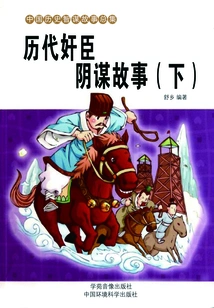
历代奸臣阴谋故事(下)
Compiled By Shu Xiang
"The Conspiracy Stories of Historical Officials" is one of the series of "A Collection of Conspiracy Stories in Chinese History": The "Collection of Conspiracy Stories in Chinese History" includes twenty volumes, namely, the Conspiracy Stories of Emperors in Past Dynasties (Part 1 and Part 2), the Conspiracy Stories of Powerful Officials in Past Dynasties (Part 1 and Part 2), the Stories of Counselors in Past Dynasties (Part 1 and Part 2), the Stories of Traitorous Ministers in Past Dynasties (Part 1 and Part 2), the Conspiracy Stories of Princes in Past Dynasties (Part 1 and Part 2), etc.
"The Conspiracy Stories of Historical Officials" is one of the series of "A Collection of Conspiracy Stories in Chinese History": The "Collection of Conspiracy Stories in Chinese History" includes twenty volumes, namely, the Conspiracy Stories of Emperors in Past Dynasties (Part 1 and Part 2), the Conspiracy Stories of Powerful Officials in Past Dynasties (Part 1 and Part 2), the Stories of Counselors in Past Dynasties (Part 1 and Part 2), the Stories of Traitorous Ministers in Past Dynasties (Part 1 and Part 2), the Conspiracy Stories of Princes in Past Dynasties (Part 1 and Part 2), etc.
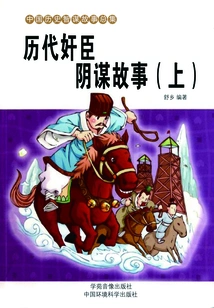
历代奸臣阴谋故事(上)
Compiled By Shu Xiang
"The Conspiracy Stories of Historical Officials" is one of the series of "A Collection of Conspiracy Stories in Chinese History": The "Collection of Conspiracy Stories in Chinese History" includes twenty volumes, namely, the Conspiracy Stories of Emperors in Past Dynasties (Part 1 and Part 2), the Conspiracy Stories of Powerful Officials in Past Dynasties (Part 1 and Part 2), the Stories of Counselors in Past Dynasties (Part 1 and Part 2), the Stories of Traitorous Ministers in Past Dynasties (Part 1 and Part 2), the Conspiracy Stories of Princes in Past Dynasties (Part 1 and Part 2), etc.
"The Conspiracy Stories of Historical Officials" is one of the series of "A Collection of Conspiracy Stories in Chinese History": The "Collection of Conspiracy Stories in Chinese History" includes twenty volumes, namely, the Conspiracy Stories of Emperors in Past Dynasties (Part 1 and Part 2), the Conspiracy Stories of Powerful Officials in Past Dynasties (Part 1 and Part 2), the Stories of Counselors in Past Dynasties (Part 1 and Part 2), the Stories of Traitorous Ministers in Past Dynasties (Part 1 and Part 2), the Conspiracy Stories of Princes in Past Dynasties (Part 1 and Part 2), etc.
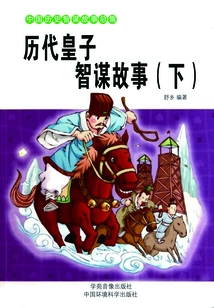
历代皇子智谋故事(下)
Compiled By Shu Xiang
"The Strategy Stories of Princes in Past Dynasties" is one of the series of "The Collection of Strategy Stories in Chinese History": "The Collection of Strategy Stories in Chinese History" includes twenty volumes, namely, the story of the strategy of emperors in history, Part 1 and Part 2, the story of strategy of powerful ministers in history, Part 1 and part , the story of counselors in history, Part 1 and part , the story of traitorous ministers in history, Part 1 and part , the story of strategy of princes in history, Part 1 and part , etc.
"The Strategy Stories of Princes in Past Dynasties" is one of the series of "The Collection of Strategy Stories in Chinese History": "The Collection of Strategy Stories in Chinese History" includes twenty volumes, namely, the story of the strategy of emperors in history, Part 1 and Part 2, the story of strategy of powerful ministers in history, Part 1 and part , the story of counselors in history, Part 1 and part , the story of traitorous ministers in history, Part 1 and part , the story of strategy of princes in history, Part 1 and part , etc.
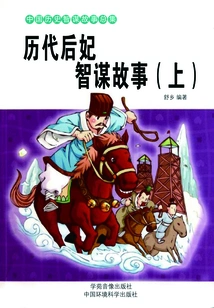
历代后妃智谋故事(上)
Compiled By Shu Xiang
"Stories of the Wisdom of Concubines Through the Ages" is not only a legendary history of stories of resourcefulness, but also a history of the activities of resourceful characters. Opening the vast and profound historical books, we feel as if we are on a huge and glorious stage, communicating face-to-face with emperors, generals, ministers, and people of all dynasties. Here it is "the chaos, you sing and I will appear on the stage", and there is "the bloody loser becomes the victor, the king". Every time the dynasty changes, there is always a strategy that makes great achievements, which makes people admire and admire; every time the era changes, there is always wisdom that shines in it, which is amazing. When the world is in chaos and the heroes are quarreling, there will always be wise kings and wise emperors who follow the destiny and aspire to the throne; and when society is in turmoil and internal and external changes occur, there will always be wise advisers who rise to the occasion and turn the tide.
"Stories of the Wisdom of Concubines Through the Ages" is not only a legendary history of stories of resourcefulness, but also a history of the activities of resourceful characters. Opening the vast and profound historical books, we feel as if we are on a huge and glorious stage, communicating face-to-face with emperors, generals, ministers, and people of all dynasties. Here it is "the chaos, you sing and I will appear on the stage", and there is "the bloody loser becomes the victor, the king". Every time the dynasty changes, there is always a strategy that makes great achievements, which makes people admire and admire; every time the era changes, there is always wisdom that shines in it, which is amazing. When the world is in chaos and the heroes are quarreling, there will always be wise kings and wise emperors who follow the destiny and aspire to the throne; and when society is in turmoil and internal and external changes occur, there will always be wise advisers who rise to the occasion and turn the tide.
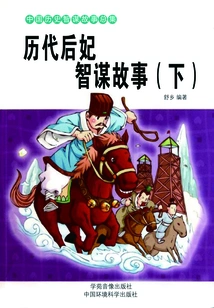
历代后妃智谋故事(下)
Compiled By Shu Xiang
"Stories of the Wisdom of Concubines Through the Ages" is not only a legendary history of stories of resourcefulness, but also a history of the activities of resourceful characters. Opening the vast and profound historical books, we feel as if we are on a huge and glorious stage, communicating face-to-face with emperors, generals, ministers, and people of all dynasties. Here it is "the chaos, you sing and I will appear on the stage", and there is "the bloody loser becomes the victor, the king". Every time the dynasty changes, there is always a strategy that makes great achievements, which makes people admire and admire; every time the era changes, there is always wisdom that shines in it, which is amazing. When the world is in chaos and the heroes are quarreling, there will always be wise kings and wise emperors who follow the destiny and aspire to the throne; and when society is in turmoil and internal and external changes occur, there will always be wise advisers who rise to the occasion and turn the tide.
"Stories of the Wisdom of Concubines Through the Ages" is not only a legendary history of stories of resourcefulness, but also a history of the activities of resourceful characters. Opening the vast and profound historical books, we feel as if we are on a huge and glorious stage, communicating face-to-face with emperors, generals, ministers, and people of all dynasties. Here it is "the chaos, you sing and I will appear on the stage", and there is "the bloody loser becomes the victor, the king". Every time the dynasty changes, there is always a strategy that makes great achievements, which makes people admire and admire; every time the era changes, there is always wisdom that shines in it, which is amazing. When the world is in chaos and the heroes are quarreling, there will always be wise kings and wise emperors who follow the destiny and aspire to the throne; and when society is in turmoil and internal and external changes occur, there will always be wise advisers who rise to the occasion and turn the tide.
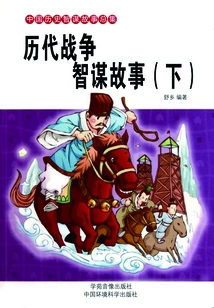
历代战争智谋故事(下)
Compiled By Shu Xiang
"War Wisdom Stories of Past Dynasties" is one of the series of "A Collection of Wisdom Stories in Chinese History": "A Collection of Wisdom Stories in Chinese History" includes twenty volumes, namely, the story of the wisdom of emperors in past dynasties (Part 1 and Part 2), the story of wisdom of powerful officials in past dynasties (Part 1 and part 2), the story of counselors in past dynasties (Part 1 and part 2), the story of traitorous officials in past dynasties (Part 1 and part 2), the story of wisdom of princes of past dynasties (Part 1 and part 2), etc.
"War Wisdom Stories of Past Dynasties" is one of the series of "A Collection of Wisdom Stories in Chinese History": "A Collection of Wisdom Stories in Chinese History" includes twenty volumes, namely, the story of the wisdom of emperors in past dynasties (Part 1 and Part 2), the story of wisdom of powerful officials in past dynasties (Part 1 and part 2), the story of counselors in past dynasties (Part 1 and part 2), the story of traitorous officials in past dynasties (Part 1 and part 2), the story of wisdom of princes of past dynasties (Part 1 and part 2), etc.
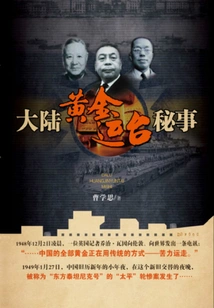
大陆黄金运台秘事
Cao Xuesi
When the War of Liberation was about to win, millions of taels of gold from the mainland were secretly transported to Taiwan by the Kuomintang. This gold is the blood and sweat of the mainland people's hard work and should belong to the people, but the Kuomintang stole the gold from the national treasury. This book describes in detail how Chiang Kai-shek deployed his troops and generals to carefully arrange plans and transportation methods for transporting gold... But people all know that Chiang Kai-shek transported gold from the mainland, but they don't know that two-thirds of it came from the United States! ? This book enriches the historical background of the movie "The Wheel" directed by John Woo and builds a complete and clear historical picture for the public.
When the War of Liberation was about to win, millions of taels of gold from the mainland were secretly transported to Taiwan by the Kuomintang. This gold is the blood and sweat of the mainland people's hard work and should belong to the people, but the Kuomintang stole the gold from the national treasury. This book describes in detail how Chiang Kai-shek deployed his troops and generals to carefully arrange plans and transportation methods for transporting gold... But people all know that Chiang Kai-shek transported gold from the mainland, but they don't know that two-thirds of it came from the United States! ? This book enriches the historical background of the movie "The Wheel" directed by John Woo and builds a complete and clear historical picture for the public.
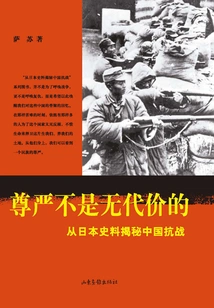
Dignity is Not Free
History尊严不是无代价的
Sassou
This book tells a history of the Anti-Japanese War. The author of this book has reviewed a large amount of materials to help us understand the history of the Anti-Japanese War more comprehensively. History has passed, and now walking in the streets and alleys, we can still see various traces left by that war - the commemorative monuments that can be seen everywhere in the city and the large square-pointed tombstones in the cemetery, all silently describe the fading memory of that war.
This book tells a history of the Anti-Japanese War. The author of this book has reviewed a large amount of materials to help us understand the history of the Anti-Japanese War more comprehensively. History has passed, and now walking in the streets and alleys, we can still see various traces left by that war - the commemorative monuments that can be seen everywhere in the city and the large square-pointed tombstones in the cemetery, all silently describe the fading memory of that war.
The Trick of History
History历史的诡计
Compiled By Gong Yuhua
This book uses the famous Thirty-Six Strategies as a framework to describe thirty-six kinds of tricks in history. The annotations after each plan are written based on the principle of the change of yin and yang in the "Book of Changes" and the ancient military strategists' thoughts on the mutual transformation of the unity of opposites such as strength and softness, Qi Zheng, enemy and self, subject and object, work and rest.
This book uses the famous Thirty-Six Strategies as a framework to describe thirty-six kinds of tricks in history. The annotations after each plan are written based on the principle of the change of yin and yang in the "Book of Changes" and the ancient military strategists' thoughts on the mutual transformation of the unity of opposites such as strength and softness, Qi Zheng, enemy and self, subject and object, work and rest.
国家命运:中国“两弹一星”的秘密历程
Tao Chun Chen Huaiguo
The work narrates the entire historical process of my country's "two bombs and one satellite" project, from the difficult initial stage, through years of bumpy development and painstaking efforts, to finally growing and achieving major achievements. The work is majestic, with a grand structure and numerous characters, each with their own charm. It is an epic masterpiece that panoramically represents my country's national defense front.
The work narrates the entire historical process of my country's "two bombs and one satellite" project, from the difficult initial stage, through years of bumpy development and painstaking efforts, to finally growing and achieving major achievements. The work is majestic, with a grand structure and numerous characters, each with their own charm. It is an epic masterpiece that panoramically represents my country's national defense front.
大唐王朝之李家天下
Huaye
"The Li Family of the Tang Dynasty" starts from the perspective of the family, restores historical details through a variety of historical materials, and reinterprets the Li family of the Tang Dynasty in a popular way. Emperors, powerful ministers, heroes, eunuchs, you just finish singing and I will appear on stage. The history created by the Li and Tang Dynasties all shows its cruelty and irresistibility. Brothers killing each other, family disputes, slaves bullying their masters... Scenes of bloody scenes write the history of the Li family. Focusing on the inheritance and disputes of the Li family, the story of the rise and fall of the Tang Empire is reproduced. The Tang Dynasty is a historical pinnacle that we are proud of. The glory of the Tang Dynasty has always made us yearn for it. This majestic and unprecedented empire has left countless reveries and questions to future generations.
"The Li Family of the Tang Dynasty" starts from the perspective of the family, restores historical details through a variety of historical materials, and reinterprets the Li family of the Tang Dynasty in a popular way. Emperors, powerful ministers, heroes, eunuchs, you just finish singing and I will appear on stage. The history created by the Li and Tang Dynasties all shows its cruelty and irresistibility. Brothers killing each other, family disputes, slaves bullying their masters... Scenes of bloody scenes write the history of the Li family. Focusing on the inheritance and disputes of the Li family, the story of the rise and fall of the Tang Empire is reproduced. The Tang Dynasty is a historical pinnacle that we are proud of. The glory of the Tang Dynasty has always made us yearn for it. This majestic and unprecedented empire has left countless reveries and questions to future generations.
中华上下五千年(卷一、卷二)
Yili
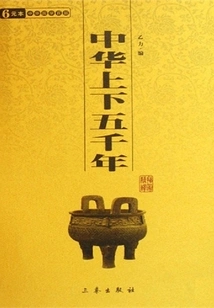
The Chinese civilization has a long history and is inherited from the same source. From the ancient times when people drank blood to the Ming and Qing Dynasties when feudal civilization was extremely prosperous, during the five thousand years of history, the Chinese nation has created countless brilliance and achievements, and also experienced countless sufferings and setbacks. Countless heroes and people with lofty ideals have left their own footprints on the journey of history. This book strives to adapt serious historical facts into hundreds of vivid short stories on the premise of respecting history, and shows the five thousand years of Chinese civilization through magnificent historical scenes and historical figures with distinctive personalities.
The Chinese civilization has a long history and is inherited from the same source. From the ancient times when people drank blood to the Ming and Qing Dynasties when feudal civilization was extremely prosperous, during the five thousand years of history, the Chinese nation has created countless brilliance and achievements, and also experienced countless sufferings and setbacks. Countless heroes and people with lofty ideals have left their own footprints on the journey of history. This book strives to adapt serious historical facts into hundreds of vivid short stories on the premise of respecting history, and shows the five thousand years of Chinese civilization through magnificent historical scenes and historical figures with distinctive personalities.
大宋王朝之赵家天下
Huaye
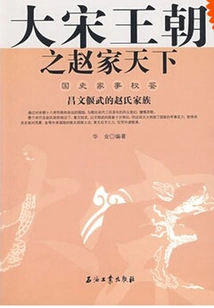
"The Song Dynasty: Zhao Family World" outlines the changes and generous elegies of the Song Dynasty for more than three hundred years by describing the character and destiny of the eighteen emperors of the Song Dynasty. Throughout the Song Dynasty, under the rule of the Zhao family, the phenomenon of emphasizing culture over military force and using culture to control military force was very prominent. But this greatly weakened the country's military strength, leaving the Song Dynasty unable to resist or fight back when facing powerful foreign enemies such as Xixia and Jin, and allowed itself to be bullied by foreign invaders. In the Song Dynasty, there were no troubles caused by eunuchs, clans, relatives, or powerful vassals. In terms of governing the country, the Zhao family was indeed full of talents, and the development of science and technology and culture had reached the pinnacle of feudal society. Such a strong and well-governed country became weak because of Changwen and Yanwu, and was unable to fight back against the northern nomads who lagged far behind it. "The Zhao Family of the Song Dynasty" describes for readers the story of how successive monarchs of the Zhao family dealt with conflicts within the family and at all levels of society in order to achieve the long-term rule of the family. The book comprehensively depicts the character and destiny of the eighteen emperors of the Song Dynasty, and outlines the changes, comedies and tragedies of the 320 years of the Song Dynasty.
"The Song Dynasty: Zhao Family World" outlines the changes and generous elegies of the Song Dynasty for more than three hundred years by describing the character and destiny of the eighteen emperors of the Song Dynasty. Throughout the Song Dynasty, under the rule of the Zhao family, the phenomenon of emphasizing culture over military force and using culture to control military force was very prominent. But this greatly weakened the country's military strength, leaving the Song Dynasty unable to resist or fight back when facing powerful foreign enemies such as Xixia and Jin, and allowed itself to be bullied by foreign invaders. In the Song Dynasty, there were no troubles caused by eunuchs, clans, relatives, or powerful vassals. In terms of governing the country, the Zhao family was indeed full of talents, and the development of science and technology and culture had reached the pinnacle of feudal society. Such a strong and well-governed country became weak because of Changwen and Yanwu, and was unable to fight back against the northern nomads who lagged far behind it. "The Zhao Family of the Song Dynasty" describes for readers the story of how successive monarchs of the Zhao family dealt with conflicts within the family and at all levels of society in order to achieve the long-term rule of the family. The book comprehensively depicts the character and destiny of the eighteen emperors of the Song Dynasty, and outlines the changes, comedies and tragedies of the 320 years of the Song Dynasty.
大明王朝之朱家天下
Huaye
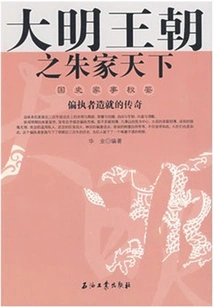
"The Ming Dynasty: Zhu Jia Tian Xia" follows the emperors of the Ming Dynasty from beginning to end, narrating their thrilling journey to the throne, discussing their hesitations in making decisions on family and state affairs, and discussing their successes and failures in governing the country. What finally emerged was the ups and downs of the Zhu family history of the Ming Dynasty. The Ming Dynasty was the last Han dynasty in Chinese history and the only dynasty that defeated the northern nomads from south to north and unified the world. During the reign of the Zhu family, it created countless brilliance and left countless infamy. Savor the light and darkness, glory and pain, freedom and autocracy, prosperity and decline in the nearly three hundred years of Zhu family's rule. Throughout the Ming Dynasty, the Zhu family emperors all had an almost pathological and paranoid character. They were all suspicious, mean, and self-centered in everything. Taizu's suspicion and meanness, Weizu's cruelty and ruthlessness, Xianzong's abuse of private life, Wu Zong's arrogance, Shenzong's extreme rebelliousness, Chongzhen's self-indulgence, etc. This was not only the case for the emperor, but also for the ministers. This paranoid family wrote the history of the Ming Dynasty for nearly three hundred years, leaving an impenetrable Ming Dynasty for future generations. "The Ming Dynasty: Zhu Family World" tells you the light and darkness, glory and pain, freedom and autocracy, prosperity and decline of a ruling family.
"The Ming Dynasty: Zhu Jia Tian Xia" follows the emperors of the Ming Dynasty from beginning to end, narrating their thrilling journey to the throne, discussing their hesitations in making decisions on family and state affairs, and discussing their successes and failures in governing the country. What finally emerged was the ups and downs of the Zhu family history of the Ming Dynasty. The Ming Dynasty was the last Han dynasty in Chinese history and the only dynasty that defeated the northern nomads from south to north and unified the world. During the reign of the Zhu family, it created countless brilliance and left countless infamy. Savor the light and darkness, glory and pain, freedom and autocracy, prosperity and decline in the nearly three hundred years of Zhu family's rule. Throughout the Ming Dynasty, the Zhu family emperors all had an almost pathological and paranoid character. They were all suspicious, mean, and self-centered in everything. Taizu's suspicion and meanness, Weizu's cruelty and ruthlessness, Xianzong's abuse of private life, Wu Zong's arrogance, Shenzong's extreme rebelliousness, Chongzhen's self-indulgence, etc. This was not only the case for the emperor, but also for the ministers. This paranoid family wrote the history of the Ming Dynasty for nearly three hundred years, leaving an impenetrable Ming Dynasty for future generations. "The Ming Dynasty: Zhu Family World" tells you the light and darkness, glory and pain, freedom and autocracy, prosperity and decline of a ruling family.
Fight Against the Huns
History战匈奴
Donglang
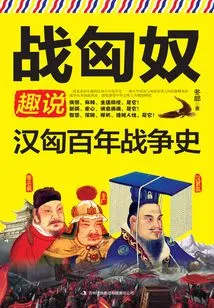
This book is a documentary about the centuries-old war between the Han Dynasty and the Xiongnu. More than 2,000 years ago, when Maodun Chanyu unified the Mongolian plateau, which had been in turmoil and division since the ape-man era, and established the arrogant Hun Empire, the Central Plains once again fell into war and division. As the emperors of the Western Han Dynasty conquered the east and west, and by the time of Emperor Wu of the Han Dynasty, the territory of the Han Dynasty expanded unprecedentedly, and a C-shaped strategy of encircling the Xiongnu emerged. After experiencing countless twists and turns and victories, the Han Dynasty slowly returned to its former peace. With spicy and humorous writing and a rigorous and prudent attitude, the author recreates the peak showdown between the Han Empire and the Xiongnu Empire that were established in the ruins more than 2,000 years ago.
This book is a documentary about the centuries-old war between the Han Dynasty and the Xiongnu. More than 2,000 years ago, when Maodun Chanyu unified the Mongolian plateau, which had been in turmoil and division since the ape-man era, and established the arrogant Hun Empire, the Central Plains once again fell into war and division. As the emperors of the Western Han Dynasty conquered the east and west, and by the time of Emperor Wu of the Han Dynasty, the territory of the Han Dynasty expanded unprecedentedly, and a C-shaped strategy of encircling the Xiongnu emerged. After experiencing countless twists and turns and victories, the Han Dynasty slowly returned to its former peace. With spicy and humorous writing and a rigorous and prudent attitude, the author recreates the peak showdown between the Han Empire and the Xiongnu Empire that were established in the ruins more than 2,000 years ago.
Wuchang Uprising
History武昌起义
Jin Kaicheng
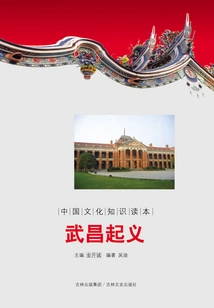
People and affairs undergo metabolism, and exchanges become ancient and modern. Whenever we open the heavy scrolls of Chinese history, the vicissitudes and magnificence of ancient China are laid out in front of us again and again. China's modern history is a history intertwined with ignorance and awakening, oppression and resistance. It is also a major turning period for ancient China to move towards a new era. The Revolution of 1911 overthrew China's feudal monarchy for more than 2,000 years and opened a new phase in China's modern history. The Wuchang Uprising, which occurred on October 10, 1911, ended the rule of the Qing Dynasty with its victory and announced the occurrence of the Revolution of 1911. Its great epoch-making significance is still remembered by future generations to this day.
People and affairs undergo metabolism, and exchanges become ancient and modern. Whenever we open the heavy scrolls of Chinese history, the vicissitudes and magnificence of ancient China are laid out in front of us again and again. China's modern history is a history intertwined with ignorance and awakening, oppression and resistance. It is also a major turning period for ancient China to move towards a new era. The Revolution of 1911 overthrew China's feudal monarchy for more than 2,000 years and opened a new phase in China's modern history. The Wuchang Uprising, which occurred on October 10, 1911, ended the rule of the Qing Dynasty with its victory and announced the occurrence of the Revolution of 1911. Its great epoch-making significance is still remembered by future generations to this day.
五代十国:乱世风雨
Jin Kaicheng
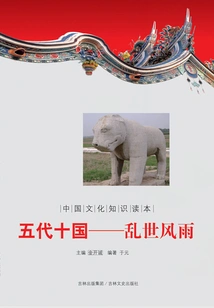
The more than fifty years from the fall of the Tang Dynasty to the establishment of the Northern Song Dynasty were known as the Five Dynasties and Ten Kingdoms in history. During this historical period, the Later Liang, Later Tang, Later Jin, Later Han, and Later Wu dynasties appeared successively. During this historical period, more than a dozen separatist regimes emerged, mainly the former Shu, the later Shu, the Wu, the Southern Tang, the Wuyue, the Fujian, the Chu, the Southern Han, the Nanping, and the Northern Han, collectively referred to as the Ten Kingdoms. Regarding the duration of the Five Dynasties and Ten Kingdoms, the general traditional view is that the Tang Dynasty fell in 907 and the Northern Song Dynasty was founded in 960. Therefore, the Five Dynasties and Ten Kingdoms existed from 907 to 960.
The more than fifty years from the fall of the Tang Dynasty to the establishment of the Northern Song Dynasty were known as the Five Dynasties and Ten Kingdoms in history. During this historical period, the Later Liang, Later Tang, Later Jin, Later Han, and Later Wu dynasties appeared successively. During this historical period, more than a dozen separatist regimes emerged, mainly the former Shu, the later Shu, the Wu, the Southern Tang, the Wuyue, the Fujian, the Chu, the Southern Han, the Nanping, and the Northern Han, collectively referred to as the Ten Kingdoms. Regarding the duration of the Five Dynasties and Ten Kingdoms, the general traditional view is that the Tang Dynasty fell in 907 and the Northern Song Dynasty was founded in 960. Therefore, the Five Dynasties and Ten Kingdoms existed from 907 to 960.
May 4th Movement
History五四运动
Jin Kaicheng
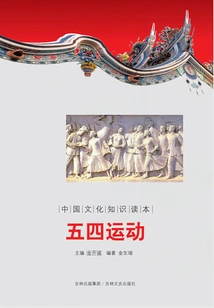
The May 4th Movement was a patriotic movement of the Chinese people that broke out in Beijing on May 4, 1919, to completely oppose imperialism and feudalism. The May 4th Movement was the end of China's old democratic revolution and the beginning of the new democratic revolution. The May 4th Movement was an epoch-making event in the history of the Chinese revolution and a turning point from China's old democratic revolution to the new democratic revolution. The May 4th Movement promoted the spread of Marxism in China and its integration with the workers' movement, thereby preparing the conditions for the establishment of the Communist Party of China ideologically and cadres.
The May 4th Movement was a patriotic movement of the Chinese people that broke out in Beijing on May 4, 1919, to completely oppose imperialism and feudalism. The May 4th Movement was the end of China's old democratic revolution and the beginning of the new democratic revolution. The May 4th Movement was an epoch-making event in the history of the Chinese revolution and a turning point from China's old democratic revolution to the new democratic revolution. The May 4th Movement promoted the spread of Marxism in China and its integration with the workers' movement, thereby preparing the conditions for the establishment of the Communist Party of China ideologically and cadres.
Wang Mang's Restructuring
History王莽改制
Jin Kaicheng
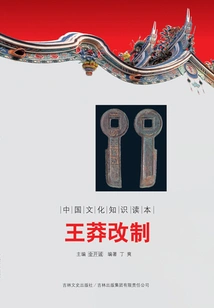
Wang Mang was a member of the Wang family, a relative of the Western Han Dynasty. He was humble, thrifty, courteous, and well-known in both the government and the public. At the end of the Western Han Dynasty, social conflicts intensified unprecedentedly. Wang Mang was regarded by the government and the public as the best candidate to save the crisis, and was regarded as "the Duke of Zhou is still alive". In AD 9, Wang Mang replaced the Han Dynasty and established the new country. Jianyuan "founded the country" and announced the implementation of the New Deal, which is known in history as "Wang Mang's Reform". At the end of Wang Mang's reign, the world was in chaos. In the fourth year of Emperor Xin Mang's reign, the Gengshi Army invaded Chang'an, and Wang Mang died in the chaos. Wang Mang reigned for 15 years and died at the age of 69. The new dynasty became one of the shortest-lived dynasties in Chinese history. "Chinese Cultural Knowledge Reader: Wang Mang's Reorganization" tells this history.
Wang Mang was a member of the Wang family, a relative of the Western Han Dynasty. He was humble, thrifty, courteous, and well-known in both the government and the public. At the end of the Western Han Dynasty, social conflicts intensified unprecedentedly. Wang Mang was regarded by the government and the public as the best candidate to save the crisis, and was regarded as "the Duke of Zhou is still alive". In AD 9, Wang Mang replaced the Han Dynasty and established the new country. Jianyuan "founded the country" and announced the implementation of the New Deal, which is known in history as "Wang Mang's Reform". At the end of Wang Mang's reign, the world was in chaos. In the fourth year of Emperor Xin Mang's reign, the Gengshi Army invaded Chang'an, and Wang Mang died in the chaos. Wang Mang reigned for 15 years and died at the age of 69. The new dynasty became one of the shortest-lived dynasties in Chinese history. "Chinese Cultural Knowledge Reader: Wang Mang's Reorganization" tells this history.
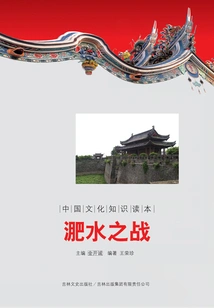
Battle of Feishui
History淝水之战
Jin Kaicheng
The Battle of Feishui took place in 383 AD. It was the decisive battle in a series of invasions and annexations launched by the former Qin, the unified regime in the north, to the Eastern Jin in the south during the Eastern Jin Dynasty. As a result, the former Qin, which had an absolute advantage, was defeated by the Eastern Jin. As a result, the country declined and perished. The various ethnic groups in the north broke away from the rule of the former Qin and established more than ten small countries. The Eastern Jin Dynasty took advantage of this situation to launch the Northern Expedition and pushed the border to the Yellow River. In the following decades, there was no foreign invasion in the Eastern Jin Dynasty.
The Battle of Feishui took place in 383 AD. It was the decisive battle in a series of invasions and annexations launched by the former Qin, the unified regime in the north, to the Eastern Jin in the south during the Eastern Jin Dynasty. As a result, the former Qin, which had an absolute advantage, was defeated by the Eastern Jin. As a result, the country declined and perished. The various ethnic groups in the north broke away from the rule of the former Qin and established more than ten small countries. The Eastern Jin Dynasty took advantage of this situation to launch the Northern Expedition and pushed the border to the Yellow River. In the following decades, there was no foreign invasion in the Eastern Jin Dynasty.
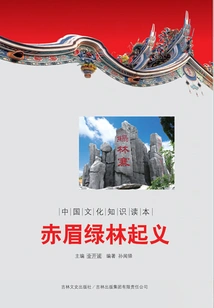
赤眉绿林起义
Jin Kaicheng
The Green Forest Red Eyebrow Uprising was a peasant uprising that occurred when Wang Mang usurped power at the end of the Western Han Dynasty. It later joined forces with Liu Yan and Liu Xiu's uprising army and became the source of the Guangwu Zhongxing. In the second year of the Emperor's reign (AD 21), Xinmang Jingzhou Mu sent 20,000 troops to attack the Green Forest Army. The Green Forest Army defeated the Mang Army and the number of troops increased to tens of thousands. The next year, an epidemic broke out in the Green Forest Mountain area, and the rebel army was divided and moved. They were led by Wang Chang and Cheng Dan and went west to Nanjun, and were called Xiajiang soldiers. They were led by Wang Kuang, Wang Feng, and Ma Wu and went north to Nanyang, and were called Xinshi soldiers.
The Green Forest Red Eyebrow Uprising was a peasant uprising that occurred when Wang Mang usurped power at the end of the Western Han Dynasty. It later joined forces with Liu Yan and Liu Xiu's uprising army and became the source of the Guangwu Zhongxing. In the second year of the Emperor's reign (AD 21), Xinmang Jingzhou Mu sent 20,000 troops to attack the Green Forest Army. The Green Forest Army defeated the Mang Army and the number of troops increased to tens of thousands. The next year, an epidemic broke out in the Green Forest Mountain area, and the rebel army was divided and moved. They were led by Wang Chang and Cheng Dan and went west to Nanjun, and were called Xiajiang soldiers. They were led by Wang Kuang, Wang Feng, and Ma Wu and went north to Nanyang, and were called Xinshi soldiers.
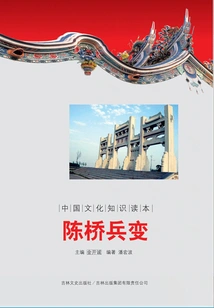
Chenqiao Mutiny
History陈桥兵变
Jin Kaicheng
The Chenqiao Mutiny was a coup by Zhao Kuangyin to establish the Song Dynasty. After 960 AD, Zhou general Zhao Kuangyin used the excuse of the Northern Han and Liao alliance to invade the south and led his army out of Daliang (now Kaifeng, Henan). He went to Chenqiaoyi (now northeast of Kaifeng) and ordered the soldiers to put on him a yellow robe and support him as emperor. This mutiny ultimately led to the demise of the Later Zhou Dynasty and the establishment of the Song Dynasty, and promoted the development of history.
The Chenqiao Mutiny was a coup by Zhao Kuangyin to establish the Song Dynasty. After 960 AD, Zhou general Zhao Kuangyin used the excuse of the Northern Han and Liao alliance to invade the south and led his army out of Daliang (now Kaifeng, Henan). He went to Chenqiaoyi (now northeast of Kaifeng) and ordered the soldiers to put on him a yellow robe and support him as emperor. This mutiny ultimately led to the demise of the Later Zhou Dynasty and the establishment of the Song Dynasty, and promoted the development of history.
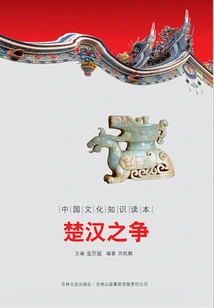
楚汉之争
Jin Kaicheng
"The Controversy between Chu and Han" not only deeply excavates and organizes the achievements of China's excellent traditional culture, but also integrates social development and injects the spirit of the times. The book's beautiful and vivid text, concise and popular language, and the form of pictures and texts comprehensively display to readers the key points of knowledge such as material culture, institutional culture, behavioral culture, and spiritual culture in Chinese culture. Bits and pieces of cultural knowledge are like stars, forming the splendid sky of Chinese culture.
"The Controversy between Chu and Han" not only deeply excavates and organizes the achievements of China's excellent traditional culture, but also integrates social development and injects the spirit of the times. The book's beautiful and vivid text, concise and popular language, and the form of pictures and texts comprehensively display to readers the key points of knowledge such as material culture, institutional culture, behavioral culture, and spiritual culture in Chinese culture. Bits and pieces of cultural knowledge are like stars, forming the splendid sky of Chinese culture.
Biography of King Gesar
History格萨尔王传
Jin Kaicheng
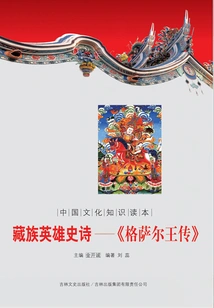
The beautiful and vivid words, concise and popular language, and pictures in "The Epic of Tibetan Heroes - The Biography of King Gesar" comprehensively display to readers the key points of knowledge such as material culture, institutional culture, behavioral culture, and spiritual culture in Chinese culture. Bits and pieces of cultural knowledge are like stars, forming the splendid sky of Chinese culture. It can make a modest contribution to carrying forward China's five thousand years of excellent traditional culture, strengthening the unity of all ethnic groups, and building a socialist harmonious society.
The beautiful and vivid words, concise and popular language, and pictures in "The Epic of Tibetan Heroes - The Biography of King Gesar" comprehensively display to readers the key points of knowledge such as material culture, institutional culture, behavioral culture, and spiritual culture in Chinese culture. Bits and pieces of cultural knowledge are like stars, forming the splendid sky of Chinese culture. It can make a modest contribution to carrying forward China's five thousand years of excellent traditional culture, strengthening the unity of all ethnic groups, and building a socialist harmonious society.
军阀风云(中国近代历史大事详解)
Feng Xianzhi
China's history has a long history, is extensive and profound, is the spiritual foundation of the Chinese people, and is the foundation for the nation's long-lasting prosperity. Understanding history is a life issue that every Chinese must face. This series of books condenses China's five thousand years of ups and downs, and provides an overview of the glorious history of the Chinese nation from a new perspective. The book uses brand-new historical materials to record the historical process of China from ancient times to 1912 AD. The content covers politics, economy, military, science and technology, culture, art, diplomacy, law, religion, folklore and other aspects. The content is detailed, keeping the truth and discarding the false. It is finally reviewed and approved by authoritative scholars and experts in history and Chinese studies.
China's history has a long history, is extensive and profound, is the spiritual foundation of the Chinese people, and is the foundation for the nation's long-lasting prosperity. Understanding history is a life issue that every Chinese must face. This series of books condenses China's five thousand years of ups and downs, and provides an overview of the glorious history of the Chinese nation from a new perspective. The book uses brand-new historical materials to record the historical process of China from ancient times to 1912 AD. The content covers politics, economy, military, science and technology, culture, art, diplomacy, law, religion, folklore and other aspects. The content is detailed, keeping the truth and discarding the false. It is finally reviewed and approved by authoritative scholars and experts in history and Chinese studies.
春秋战国:风起云涌
Jin Kaicheng
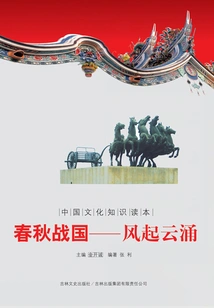
"Spring and Autumn and Warring States - The Rising Storm" provides a relatively comprehensive description of all aspects of the Spring and Autumn and Warring States periods, which can give readers a relatively complete impression.
"Spring and Autumn and Warring States - The Rising Storm" provides a relatively comprehensive description of all aspects of the Spring and Autumn and Warring States periods, which can give readers a relatively complete impression.
民族救亡(中国近代历史大事详解)
Feng Xianzhi
China's history has a long history, is extensive and profound, is the spiritual foundation of the Chinese people, and is the foundation for the nation's long-lasting prosperity. Understanding history is a life issue that every Chinese must face. This series of books condenses China's five thousand years of ups and downs, and provides an overview of the glorious history of the Chinese nation from a new perspective. The book uses brand-new historical materials to record the historical process of China from ancient times to 1912 AD. The content covers politics, economy, military, science and technology, culture, art, diplomacy, law, religion, folklore and other aspects. The content is detailed, keeping the truth and discarding the false. It is finally reviewed and approved by authoritative scholars and experts in history and Chinese studies.
China's history has a long history, is extensive and profound, is the spiritual foundation of the Chinese people, and is the foundation for the nation's long-lasting prosperity. Understanding history is a life issue that every Chinese must face. This series of books condenses China's five thousand years of ups and downs, and provides an overview of the glorious history of the Chinese nation from a new perspective. The book uses brand-new historical materials to record the historical process of China from ancient times to 1912 AD. The content covers politics, economy, military, science and technology, culture, art, diplomacy, law, religion, folklore and other aspects. The content is detailed, keeping the truth and discarding the false. It is finally reviewed and approved by authoritative scholars and experts in history and Chinese studies.
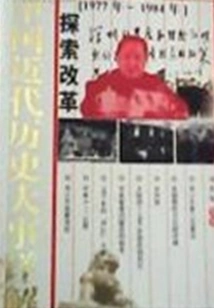
探索改革(中国近代历史大事详解)
Feng Xianzhi
China's history has a long history, is extensive and profound, is the spiritual foundation of the Chinese people, and is the foundation for the nation's long-lasting prosperity. Understanding history is a life issue that every Chinese must face. This series of books condenses China's five thousand years of ups and downs, and provides an overview of the glorious history of the Chinese nation from a new perspective. The book uses brand-new historical materials to record the historical process of China from ancient times to 1912 AD. The content covers politics, economy, military, science and technology, culture, art, diplomacy, law, religion, folklore and other aspects. The content is detailed and accurate, keeping the truth and discarding the false. It is finally reviewed and approved by authoritative scholars and experts in history and Chinese studies.
China's history has a long history, is extensive and profound, is the spiritual foundation of the Chinese people, and is the foundation for the nation's long-lasting prosperity. Understanding history is a life issue that every Chinese must face. This series of books condenses China's five thousand years of ups and downs, and provides an overview of the glorious history of the Chinese nation from a new perspective. The book uses brand-new historical materials to record the historical process of China from ancient times to 1912 AD. The content covers politics, economy, military, science and technology, culture, art, diplomacy, law, religion, folklore and other aspects. The content is detailed and accurate, keeping the truth and discarding the false. It is finally reviewed and approved by authoritative scholars and experts in history and Chinese studies.