Library
Browse and search books
3,417 novels found
\
元代战争史
Feng Xianzhi
The content of this book includes: Temujin's battle to unify various tribes in Mongolia, Temujin's battle to destroy the Kelei tribe's royal army, Temujin's battle to destroy Naiman Dayang Khan, etc.
The content of this book includes: Temujin's battle to unify various tribes in Mongolia, Temujin's battle to destroy the Kelei tribe's royal army, Temujin's battle to destroy Naiman Dayang Khan, etc.
透视大清王朝秘史:军机处
Yuan Canxing
"When you start your career, you can write poems and poems first, and this is where you write articles to serve the country. Scholars are as good at cutting old papers as they are on the battlefield." One hundred and eighty-three years of the Military Aircraft Department is a rich history, a group of outstanding characters, and a bunch of stories to be discovered. In the trilogy of "Military Aircraft Department", I will try my best to show readers a comprehensive and authentic Military Aircraft Department.
"When you start your career, you can write poems and poems first, and this is where you write articles to serve the country. Scholars are as good at cutting old papers as they are on the battlefield." One hundred and eighty-three years of the Military Aircraft Department is a rich history, a group of outstanding characters, and a bunch of stories to be discovered. In the trilogy of "Military Aircraft Department", I will try my best to show readers a comprehensive and authentic Military Aircraft Department.
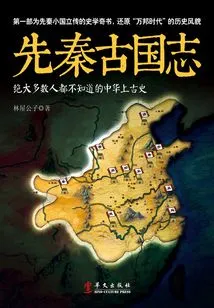
先秦古国志
Mr. Linwu
This book systematically tells the history of more than two hundred ancient countries in the pre-Qin era, divided into seven parts: East China, Central China, South China, Southwest, Northwest, North China, and Northeast China, showing the style of the ancient countries in the "era of all nations" in the pre-Qin period. There are few records of these two hundred ancient countries in Sima Qian's "Historical Records", and their stories are rarely known. This book is based on traditional documents, combined with modern archaeology, folklore and other materials, and describes in detail the thought-provoking rise and fall of these ancient pre-Qin countries, as well as the bizarre and bizarre events and anecdotes, and the dazzling treasures...
This book systematically tells the history of more than two hundred ancient countries in the pre-Qin era, divided into seven parts: East China, Central China, South China, Southwest, Northwest, North China, and Northeast China, showing the style of the ancient countries in the "era of all nations" in the pre-Qin period. There are few records of these two hundred ancient countries in Sima Qian's "Historical Records", and their stories are rarely known. This book is based on traditional documents, combined with modern archaeology, folklore and other materials, and describes in detail the thought-provoking rise and fall of these ancient pre-Qin countries, as well as the bizarre and bizarre events and anecdotes, and the dazzling treasures...
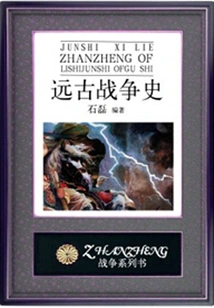
History of Ancient Wars
History远古战争史
Compiled By Feng Xianxian
The Chinese nation has a long history of living and multiplying in the land of China. The earliest Peking Man fossil discovered in 1927 is half a million years old. The Dingcun people and the Hetao people are hundreds of thousands of years old, and the Shangding Cave people who lived in the late Paleolithic are nearly 20,000 years old. The matrilineal clan commune was formed about 40,000 to 50,000 years ago. The patrilineal clan commune that arose in its place was about five thousand years ago. In the long evolutionary process before entering the patriarchal clan commune, human beings have long lived a life of primitive communities and primitive communes. They have no typical private concepts, no classes, no oppression, and therefore no social, political and economic basis for typical wars.
The Chinese nation has a long history of living and multiplying in the land of China. The earliest Peking Man fossil discovered in 1927 is half a million years old. The Dingcun people and the Hetao people are hundreds of thousands of years old, and the Shangding Cave people who lived in the late Paleolithic are nearly 20,000 years old. The matrilineal clan commune was formed about 40,000 to 50,000 years ago. The patrilineal clan commune that arose in its place was about five thousand years ago. In the long evolutionary process before entering the patriarchal clan commune, human beings have long lived a life of primitive communities and primitive communes. They have no typical private concepts, no classes, no oppression, and therefore no social, political and economic basis for typical wars.
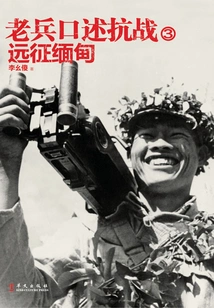
老兵口述抗战3:远征缅甸
Li Yaosha
The book "Veterans' Oral Narrations of the War of Resistance ③: Expedition to Burma" connects the process of this war through the narrations and memories of many veterans who personally visited the India-Burma battlefield. In December 1941, the Japanese army launched a sneak attack on Pearl Harbor, and then spent two months occupying a large area of Southeast Asia and cutting off the Burma Highway. The last channel connecting China to the outside world was blocked. In March 1942, China's 100,000-strong expeditionary force went abroad to fight. However, due to disjointed command and poor intelligence, the expeditionary force suffered a comprehensive defeat and had to withdraw from Myanmar. A few months later, most of the expeditionary force returned to China, and a small number withdrew to India. A year later, China reorganized its expeditionary force and divided its troops into two groups to launch a counterattack in the India-Burma battlefield. The New First Army in the northern Myanmar battlefield won consecutive victories, and the expeditionary force in the counterattack in western Yunnan also successively won victories in the Tengchong, Songshan, and Longling battles. In the end, the two Chinese expeditionary forces successfully joined forces.
The book "Veterans' Oral Narrations of the War of Resistance ③: Expedition to Burma" connects the process of this war through the narrations and memories of many veterans who personally visited the India-Burma battlefield. In December 1941, the Japanese army launched a sneak attack on Pearl Harbor, and then spent two months occupying a large area of Southeast Asia and cutting off the Burma Highway. The last channel connecting China to the outside world was blocked. In March 1942, China's 100,000-strong expeditionary force went abroad to fight. However, due to disjointed command and poor intelligence, the expeditionary force suffered a comprehensive defeat and had to withdraw from Myanmar. A few months later, most of the expeditionary force returned to China, and a small number withdrew to India. A year later, China reorganized its expeditionary force and divided its troops into two groups to launch a counterattack in the India-Burma battlefield. The New First Army in the northern Myanmar battlefield won consecutive victories, and the expeditionary force in the counterattack in western Yunnan also successively won victories in the Tengchong, Songshan, and Longling battles. In the end, the two Chinese expeditionary forces successfully joined forces.
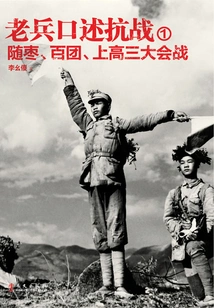
老兵口述抗战1:随枣、百团、上高三大会战
Li Yaosha
Li Yaosha, the author of "Veterans' Oral Narrations of the Anti-Japanese War①: The Three Great Battles of Suizao, Hundred Regiments, and Shanggao" has spent more than ten years searching for and interviewing veterans and survivors of the Anti-Japanese War who participated in the battles of Suizao, Hundred Regiments, and Shanggao, and truly restored the scenes of the three major wars. , Revealed for the first time many little-known truths: Zhang Zizhong was reputed as a traitor and returned to the army. The first words he said were: "I will take you to death." Then he rushed to the anti-Japanese front line non-stop, and finally died on the battlefield. In the Hundred Regiment Battle, the Eighth Route Army used a captured cannon and only 6 shells to continuously lay down more than a dozen bunkers; in order to snatch a 38-gun, several lives were sacrificed. During the Battle of Shanggao, the Kuomintang and the Communist Party worked together and killed and injured about 22,000 Japanese invaders. He Yingqin praised it as "the most exciting battle since the war began." This book is the first to describe the Anti-Japanese War from the perspective of a veteran.
Li Yaosha, the author of "Veterans' Oral Narrations of the Anti-Japanese War①: The Three Great Battles of Suizao, Hundred Regiments, and Shanggao" has spent more than ten years searching for and interviewing veterans and survivors of the Anti-Japanese War who participated in the battles of Suizao, Hundred Regiments, and Shanggao, and truly restored the scenes of the three major wars. , Revealed for the first time many little-known truths: Zhang Zizhong was reputed as a traitor and returned to the army. The first words he said were: "I will take you to death." Then he rushed to the anti-Japanese front line non-stop, and finally died on the battlefield. In the Hundred Regiment Battle, the Eighth Route Army used a captured cannon and only 6 shells to continuously lay down more than a dozen bunkers; in order to snatch a 38-gun, several lives were sacrificed. During the Battle of Shanggao, the Kuomintang and the Communist Party worked together and killed and injured about 22,000 Japanese invaders. He Yingqin praised it as "the most exciting battle since the war began." This book is the first to describe the Anti-Japanese War from the perspective of a veteran.
秦汉战争史(上)
Compiled By Feng Xianxian
War is a special social phenomenon that develops with the development of society. The history of war is a specialized history that records the entire process of the emergence and development of this special social phenomenon. It is the main component of the history of human social development. For thousands of years in our country, there are thousands of recorded wars between tribes, between nationalities, between princes, between old and new dynasties, between classes, within classes and between countries. The history of Chinese wars is rich in content, and it shines with dazzling brilliance in the long river of human history.
War is a special social phenomenon that develops with the development of society. The history of war is a specialized history that records the entire process of the emergence and development of this special social phenomenon. It is the main component of the history of human social development. For thousands of years in our country, there are thousands of recorded wars between tribes, between nationalities, between princes, between old and new dynasties, between classes, within classes and between countries. The history of Chinese wars is rich in content, and it shines with dazzling brilliance in the long river of human history.
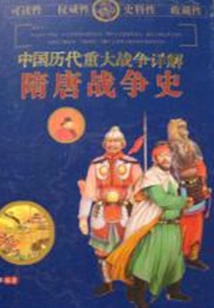
隋唐战争史
Compiled By Feng Xianxian
The main content of this book is: the ancestry and unification of the Sui and Yang Dynasties, the emergence of the Turks and the Eastern Roman Empire, the expansion of territories, and the uprisings of various ethnic groups in the Sui Dynasty.
The main content of this book is: the ancestry and unification of the Sui and Yang Dynasties, the emergence of the Turks and the Eastern Roman Empire, the expansion of territories, and the uprisings of various ethnic groups in the Sui Dynasty.
A Brief History of Minhou
History闽侯简史
Zeng Jiang
"A Brief History of Minhou" is a popular book that briefly introduces the history of Minhou, targeting young readers and literature and history lovers. The time limit of the description goes back to ancient times and ends in 1949. According to the historical chronology style, several stages of development are divided into thematic chronicles. This book focuses on historical events and related figures, including major political activities, military events, economic trade and cultural achievements in various periods, and focuses on the characteristics of local historical development. This book is edited by Zeng Jiang.
"A Brief History of Minhou" is a popular book that briefly introduces the history of Minhou, targeting young readers and literature and history lovers. The time limit of the description goes back to ancient times and ends in 1949. According to the historical chronology style, several stages of development are divided into thematic chronicles. This book focuses on historical events and related figures, including major political activities, military events, economic trade and cultural achievements in various periods, and focuses on the characteristics of local historical development. This book is edited by Zeng Jiang.
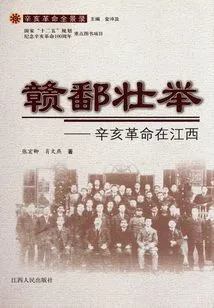
赣鄱壮举:辛亥革命在江西
Zhang Hongqing Xiao Wenyan
The Revolution of 1911 was the first bourgeois democratic revolution in the full sense of the word in modern China. This revolution a hundred years ago greatly promoted the ideological emancipation of the Chinese nation, opened up new horizons for China's advanced intellectuals to explore the path of saving the country and the people, and was the starting point for the Chinese nation to seek rejuvenation. Jiangxi is an important province in the Revolution of 1911. The Pingliuli Uprising, the restoration of Jiujiang, the governor of Siyi and Gansu, Mr. Zhongshan came to Gansu, and the gunfire at Hukou caused a sensation and had far-reaching influence. "The Feat of Ganpo: The Revolution of 1911 in Jiangxi" uses detailed data and historical narrative to completely reproduce the history of Ganpo, which is full of ideals and blood, passion and struggle, hardship and glory.
The Revolution of 1911 was the first bourgeois democratic revolution in the full sense of the word in modern China. This revolution a hundred years ago greatly promoted the ideological emancipation of the Chinese nation, opened up new horizons for China's advanced intellectuals to explore the path of saving the country and the people, and was the starting point for the Chinese nation to seek rejuvenation. Jiangxi is an important province in the Revolution of 1911. The Pingliuli Uprising, the restoration of Jiujiang, the governor of Siyi and Gansu, Mr. Zhongshan came to Gansu, and the gunfire at Hukou caused a sensation and had far-reaching influence. "The Feat of Ganpo: The Revolution of 1911 in Jiangxi" uses detailed data and historical narrative to completely reproduce the history of Ganpo, which is full of ideals and blood, passion and struggle, hardship and glory.
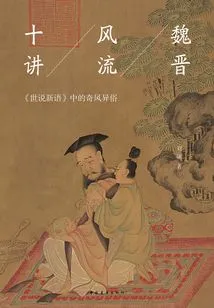
魏晋风流十讲
I
This book consists of ten chapters and hundreds of wonderful stories, giving a vivid modern interpretation of the strange customs, people and events of the Wei and Jin Dynasties reproduced in the wonderful book "Shishuoxinyu", with a novel perspective and unique insights. With a scroll in hand, Wang Xie's old stories can be seen in full view; the ancient and modern charms are like the moon in one's arms.
This book consists of ten chapters and hundreds of wonderful stories, giving a vivid modern interpretation of the strange customs, people and events of the Wei and Jin Dynasties reproduced in the wonderful book "Shishuoxinyu", with a novel perspective and unique insights. With a scroll in hand, Wang Xie's old stories can be seen in full view; the ancient and modern charms are like the moon in one's arms.
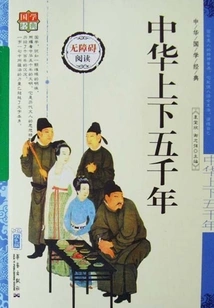
中华上下五千年(中华国学经典)
Yuan Tangxin Editor-in-chief Xie Zhiqiang
Chinese traditional culture is vast, profound and all-encompassing, far beyond what can be covered in one book. This series only selects some of the contents and introduces them in categories. The authors we invited are all professional researchers in various fields. Behind each short text there is actually years of accumulation. They strive to make these texts clear and simple yet rigorous and accurate. At the same time, we paired some texts with pictures to help readers form a more intuitive impression. No matter what degree you have, no matter what age you are, no matter what career you are engaged in, as long as you are a lover of traditional Chinese culture, you can get what you want from this book.
Chinese traditional culture is vast, profound and all-encompassing, far beyond what can be covered in one book. This series only selects some of the contents and introduces them in categories. The authors we invited are all professional researchers in various fields. Behind each short text there is actually years of accumulation. They strive to make these texts clear and simple yet rigorous and accurate. At the same time, we paired some texts with pictures to help readers form a more intuitive impression. No matter what degree you have, no matter what age you are, no matter what career you are engaged in, as long as you are a lover of traditional Chinese culture, you can get what you want from this book.
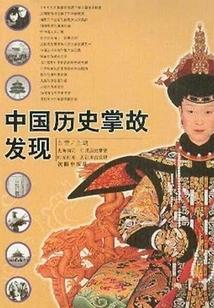
中国历史掌故发现
Editor-in-chief Bai Xue
This book collects anecdotes and discoveries from many aspects such as "archaeological exploration", "characters and anecdotes", "historic sites and wonders", "exchange of anecdotes", "art and entertainment", etc., And outlines a true and colorful historical picture.
This book collects anecdotes and discoveries from many aspects such as "archaeological exploration", "characters and anecdotes", "historic sites and wonders", "exchange of anecdotes", "art and entertainment", etc., And outlines a true and colorful historical picture.
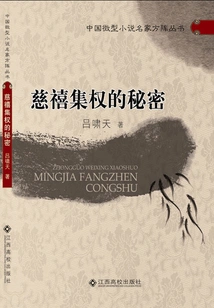
慈禧集权的秘密
Lu Xiaotian
"The Secret of Cixi's Centralization of Power" tells the secret of Cixi's lifelong political power in the palace.
"The Secret of Cixi's Centralization of Power" tells the secret of Cixi's lifelong political power in the palace.
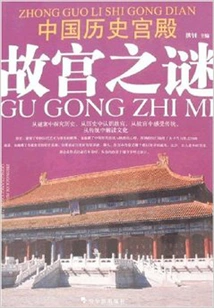
中国历史宫殿故宫之谜
Editor-in-chief Hong Zhao
How did the designers of the Forbidden City use pavilions and pavilions to highlight the majesty of the emperor? How did the emperors in it face the plants and trees here? How many secrets were hidden in the locked palace doors? How many murderous intentions were hidden in the halls where the monarchs and ministers pointed out the country? The most eye-catching stage in ancient China was in the Forbidden City, and the most secretive battlefield was also in the Forbidden City. The Forbidden City is a sample of Chinese architectural art and a treasure house of royal art; it is the master of Chinese palace culture and a witness to a period of history; it is a castle full of intrigue and conspiracy, and the scene of countless palace mysteries.
How did the designers of the Forbidden City use pavilions and pavilions to highlight the majesty of the emperor? How did the emperors in it face the plants and trees here? How many secrets were hidden in the locked palace doors? How many murderous intentions were hidden in the halls where the monarchs and ministers pointed out the country? The most eye-catching stage in ancient China was in the Forbidden City, and the most secretive battlefield was also in the Forbidden City. The Forbidden City is a sample of Chinese architectural art and a treasure house of royal art; it is the master of Chinese palace culture and a witness to a period of history; it is a castle full of intrigue and conspiracy, and the scene of countless palace mysteries.
唐朝十讲
Wang Haiyan
If there is a science in the world that no one does not participate in and no one is not affected by, it is history. The Tang Dynasty was a dynasty that revealed and contained many factors: it was a dynasty that flourished and declined, its logic of founding and defending the country was complex and changeable, and it also had a highly developed civilization. It is these richness and contradictions that constitute its permanent and continuing charm. Because of this, we can accumulate experience when we read history and the Tang Dynasty, hoping to gain wisdom from history.
If there is a science in the world that no one does not participate in and no one is not affected by, it is history. The Tang Dynasty was a dynasty that revealed and contained many factors: it was a dynasty that flourished and declined, its logic of founding and defending the country was complex and changeable, and it also had a highly developed civilization. It is these richness and contradictions that constitute its permanent and continuing charm. Because of this, we can accumulate experience when we read history and the Tang Dynasty, hoping to gain wisdom from history.
历史的格调与声音
Huang Junbo
If history is a magnificent musical, the style of history is the echo and mark left by a certain era. The moving chapters, beautiful melody, distant artistic conception, and elegant taste echo in people's ears everywhere, as if the footsteps of history are coming from far to near. Although history has passed away, the aftermath is still lingering, leaving endless reveries to future generations. What is the style of history? It is rich, and we still cannot do without the taste of it; it is present, and we can remember its form all the time. What is the voice of history? Only by listening carefully to the voices from the depths of history can we understand the meaning and value of life.
If history is a magnificent musical, the style of history is the echo and mark left by a certain era. The moving chapters, beautiful melody, distant artistic conception, and elegant taste echo in people's ears everywhere, as if the footsteps of history are coming from far to near. Although history has passed away, the aftermath is still lingering, leaving endless reveries to future generations. What is the style of history? It is rich, and we still cannot do without the taste of it; it is present, and we can remember its form all the time. What is the voice of history? Only by listening carefully to the voices from the depths of history can we understand the meaning and value of life.
Jinyiwei
History锦衣卫
Populus Euphratica
If you choose keywords in the history of the Ming Dynasty, "Jinyiwei" is a must-select. This is the earliest spy agency in China, from the beginning. Its tentacles spread to every corner of the dynasty. They are not imperial envoys, but they have more terrifying power than imperial envoys. They are the emperor's exclusive supervisory agency, reconnaissance agency, and the most effective action team. In the 276-year history of the Ming Dynasty, Jinyiwei became synonymous with secret censorship and special operations, and the power struggle between it and the East and West factories was even more shocking...
If you choose keywords in the history of the Ming Dynasty, "Jinyiwei" is a must-select. This is the earliest spy agency in China, from the beginning. Its tentacles spread to every corner of the dynasty. They are not imperial envoys, but they have more terrifying power than imperial envoys. They are the emperor's exclusive supervisory agency, reconnaissance agency, and the most effective action team. In the 276-year history of the Ming Dynasty, Jinyiwei became synonymous with secret censorship and special operations, and the power struggle between it and the East and West factories was even more shocking...
历代权臣智谋故事(下)
Compiled By Shu Xiang
"Stories of the Wisdom of Powerful Officials in Past Dynasties" is one of the series of "Collection of Wisdom Stories of Chinese Historical History": "Collection of Story of Wisdom of Chinese History" includes twenty volumes, namely, the story of the wisdom of the emperors of the past dynasties (Part 1 and Part 2), the story of the wisdom of the powerful ministers of the dynasties (Part 1 and part 2), the story of the counselors of the past dynasties (Part 1 and part 2), the story of the treacherous officials of the past dynasties (Part 1 and part 2), the story of the wisdom of the princes of the past dynasties (Part 1), etc.
"Stories of the Wisdom of Powerful Officials in Past Dynasties" is one of the series of "Collection of Wisdom Stories of Chinese Historical History": "Collection of Story of Wisdom of Chinese History" includes twenty volumes, namely, the story of the wisdom of the emperors of the past dynasties (Part 1 and Part 2), the story of the wisdom of the powerful ministers of the dynasties (Part 1 and part 2), the story of the counselors of the past dynasties (Part 1 and part 2), the story of the treacherous officials of the past dynasties (Part 1 and part 2), the story of the wisdom of the princes of the past dynasties (Part 1), etc.
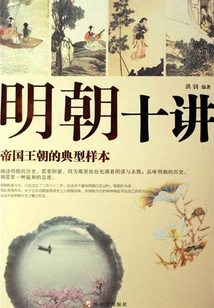
明朝十讲
Hong Zhao
Our country has thousands of years of untold history, and many heroes and past successes and failures are like passing clouds, making it difficult for people to see clearly. The key clue lies in the Ming Dynasty. With this clue in mind, the topic of the Ming Dynasty becomes lively and interesting, and the history of thousands of years becomes intimate and clear. Three hundred and sixty-two years have passed since the Ming Dynasty today, but this does not mean that the Ming Dynasty has become obsolete. As a typical example of the imperial siege, the Ming Dynasty deserves to be studied carefully by history readers and provide its own prescriptions for its various illnesses. This may be the charm of Ming Dynasty history. Reading the history of the Ming Dynasty requires courage, because it is full of conspiracies and killings; tasting the history of the Ming Dynasty requires a gentle attitude.
Our country has thousands of years of untold history, and many heroes and past successes and failures are like passing clouds, making it difficult for people to see clearly. The key clue lies in the Ming Dynasty. With this clue in mind, the topic of the Ming Dynasty becomes lively and interesting, and the history of thousands of years becomes intimate and clear. Three hundred and sixty-two years have passed since the Ming Dynasty today, but this does not mean that the Ming Dynasty has become obsolete. As a typical example of the imperial siege, the Ming Dynasty deserves to be studied carefully by history readers and provide its own prescriptions for its various illnesses. This may be the charm of Ming Dynasty history. Reading the history of the Ming Dynasty requires courage, because it is full of conspiracies and killings; tasting the history of the Ming Dynasty requires a gentle attitude.
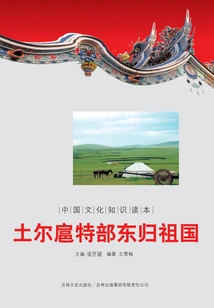
土尔扈特部东归祖国
Editor-in-chief Jin Kaicheng
The beautiful and vivid text, concise and popular language, and rich illustrations in "Torgut Returns to the Motherland" comprehensively display to readers the key points of knowledge such as material culture, institutional culture, behavioral culture, and spiritual culture in Chinese culture. Bits and pieces of cultural knowledge are like stars, forming the splendid sky of Chinese culture. It can make a modest contribution to carrying forward China's five thousand years of excellent traditional culture, strengthening the unity of all ethnic groups, and building a socialist harmonious society.
The beautiful and vivid text, concise and popular language, and rich illustrations in "Torgut Returns to the Motherland" comprehensively display to readers the key points of knowledge such as material culture, institutional culture, behavioral culture, and spiritual culture in Chinese culture. Bits and pieces of cultural knowledge are like stars, forming the splendid sky of Chinese culture. It can make a modest contribution to carrying forward China's five thousand years of excellent traditional culture, strengthening the unity of all ethnic groups, and building a socialist harmonious society.
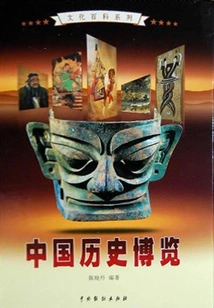
China History Expo 3
History中国历史博览3
Chen Xiaodan
The main content of "China History Expo 3" is divided into three chapters: "Sui and Tang", "Five Dynasties and Ten Kingdoms", and "Song".
The main content of "China History Expo 3" is divided into three chapters: "Sui and Tang", "Five Dynasties and Ten Kingdoms", and "Song".
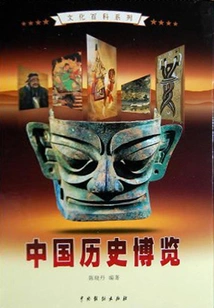
China History Expo 4
History中国历史博览4
Chen Xiaodan
The main content of "China History Expo 4" is divided into three chapters: "Yuan Dynasty", "Ming Dynasty" and "Qing Dynasty".
The main content of "China History Expo 4" is divided into three chapters: "Yuan Dynasty", "Ming Dynasty" and "Qing Dynasty".
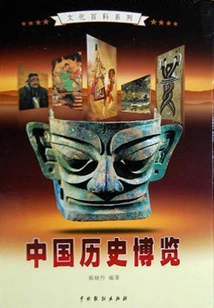
China History Expo 1
History中国历史博览1
Chen Xiaodan
"Chinese History Expo 1" is mainly divided into chapters such as "Prehistoric Culture", "The Establishment of the Western Zhou Dynasty", and "Spring and Autumn Period".
"Chinese History Expo 1" is mainly divided into chapters such as "Prehistoric Culture", "The Establishment of the Western Zhou Dynasty", and "Spring and Autumn Period".
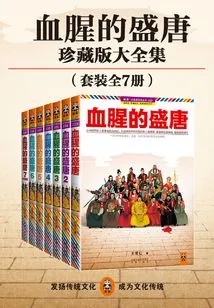
血腥的盛唐(全7册)
K
At its peak, the Tang Dynasty's economic GDP accounted for 60% of the world's total, and its territory was twice the size of today's China. People from more than 300 countries flocked to Chang'an for pilgrimage with reverence, and more than 2,300 poets created an insurmountable cultural prosperity; however, the facts In the Tang Dynasty, such a prosperous scene only lasted for less than half of the entire dynasty. In the last nearly hundred years of the Tang Dynasty, there were continuous civil wars, gunfire everywhere, corpses strewn in the Yellow River Basin, no roosters crowing, no dogs barking for thousands of miles, and under the afterglow of the setting sun, it was an endless country of hell. Opening the book, the most famous protagonists in Chinese history: Li Yuan, Li Shimin, Wu Zetian, Yang Guifei, Tang Minghuang, Li Bai, An Lushan, Huang Chao... Emperors and generals took turns to go into battle, poets and grass bandits appeared on the stage, with intense gongs and drums, no breathing space, and several good plays in a row: each one is more exciting than the last! Each game is more ups and downs than the next! Each one is more bloody and full of conspiracy than the last!
At its peak, the Tang Dynasty's economic GDP accounted for 60% of the world's total, and its territory was twice the size of today's China. People from more than 300 countries flocked to Chang'an for pilgrimage with reverence, and more than 2,300 poets created an insurmountable cultural prosperity; however, the facts In the Tang Dynasty, such a prosperous scene only lasted for less than half of the entire dynasty. In the last nearly hundred years of the Tang Dynasty, there were continuous civil wars, gunfire everywhere, corpses strewn in the Yellow River Basin, no roosters crowing, no dogs barking for thousands of miles, and under the afterglow of the setting sun, it was an endless country of hell. Opening the book, the most famous protagonists in Chinese history: Li Yuan, Li Shimin, Wu Zetian, Yang Guifei, Tang Minghuang, Li Bai, An Lushan, Huang Chao... Emperors and generals took turns to go into battle, poets and grass bandits appeared on the stage, with intense gongs and drums, no breathing space, and several good plays in a row: each one is more exciting than the last! Each game is more ups and downs than the next! Each one is more bloody and full of conspiracy than the last!
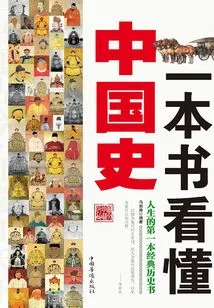
一本书看懂中国史
Ma Jiantao
History is a book that records the rise and fall of dynasties and the bravery and cowardice of generals and ministers; history is a mirror that reflects loyalty and villainy, good and evil, success and failure; history is a sieve that sifts out dead wood and rotten branches, leaving behind the essence of charming flowers. No matter how famous and famous he was at that time, in the mesh of history, he was just an insignificant dust, silently fading into the long river of time. The vast number of Chinese historical classics often makes it difficult for beginners to get started. This book starts from the origin of Chinese history and arranges events and stories in the order of emperors of the past dynasties. It is both independent and related to each other, clearly outlining the historical overview of China for more than 5,000 years: accurate in material selection and well-cut, making it an ideal historical introductory book. The history you missed, the words you can't miss. With this book in hand, you will have a clear understanding of Chinese history.
History is a book that records the rise and fall of dynasties and the bravery and cowardice of generals and ministers; history is a mirror that reflects loyalty and villainy, good and evil, success and failure; history is a sieve that sifts out dead wood and rotten branches, leaving behind the essence of charming flowers. No matter how famous and famous he was at that time, in the mesh of history, he was just an insignificant dust, silently fading into the long river of time. The vast number of Chinese historical classics often makes it difficult for beginners to get started. This book starts from the origin of Chinese history and arranges events and stories in the order of emperors of the past dynasties. It is both independent and related to each other, clearly outlining the historical overview of China for more than 5,000 years: accurate in material selection and well-cut, making it an ideal historical introductory book. The history you missed, the words you can't miss. With this book in hand, you will have a clear understanding of Chinese history.
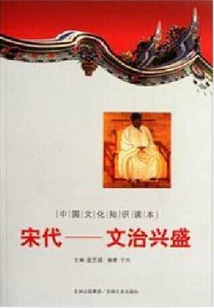
宋代:文治兴盛
Editor-in-chief Jin Kaicheng
The main content of "Song Dynasty - The Rise of Civilization and Governance" is divided into chapters such as the creation of a generation of civilized governance, father and son defending the city, and three generations of ancestors and grandchildren. The Song Dynasty was founded by Zhao Kuangyin and his younger brother Zhao Guangyi.
The main content of "Song Dynasty - The Rise of Civilization and Governance" is divided into chapters such as the creation of a generation of civilized governance, father and son defending the city, and three generations of ancestors and grandchildren. The Song Dynasty was founded by Zhao Kuangyin and his younger brother Zhao Guangyi.
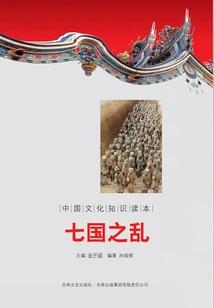
Seven Kingdoms Rebellion
History七国之乱
Editor-in-chief Jin Kaicheng
The main content of "The Rebellion of the Seven Kingdoms" is divided into chapters such as the Rebellion of the Seven Kingdoms, Empress Lu's dictatorship, and Wen Jing's rule. The occurrence of the Seven Kingdoms Rebellion was not accidental. It was influenced by the economy in the early Han Dynasty. It can be said that it was the shortcomings of the feudal system of Liu Bang, the emperor of the Han Dynasty, and the product of the dictatorship of Empress Lu and the reforms of Emperor Wenjing. The process of the Seven Kingdoms Rebellion was extremely complicated. At the same time, many great historical changes took place during this period, leaving behind countless lamentable stories.
The main content of "The Rebellion of the Seven Kingdoms" is divided into chapters such as the Rebellion of the Seven Kingdoms, Empress Lu's dictatorship, and Wen Jing's rule. The occurrence of the Seven Kingdoms Rebellion was not accidental. It was influenced by the economy in the early Han Dynasty. It can be said that it was the shortcomings of the feudal system of Liu Bang, the emperor of the Han Dynasty, and the product of the dictatorship of Empress Lu and the reforms of Emperor Wenjing. The process of the Seven Kingdoms Rebellion was extremely complicated. At the same time, many great historical changes took place during this period, leaving behind countless lamentable stories.
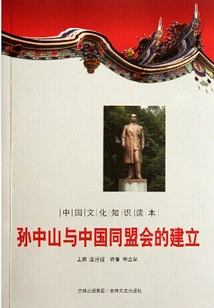
孙中山与中国同盟会的建立
H
"Sun Yat-sen and the Establishment of the Chinese Tongmenghui" aims to spread China's five thousand years of excellent traditional culture and improve the cultural accomplishment of the entire people. While deeply exploring and sorting out the achievements of China's excellent traditional culture, this book combines social development and injects the spirit of the times. The book's beautiful and vivid text, concise and popular language, and the form of pictures and texts comprehensively display to readers the key points of knowledge such as material culture, institutional culture, behavioral culture, and spiritual culture in Chinese culture.
"Sun Yat-sen and the Establishment of the Chinese Tongmenghui" aims to spread China's five thousand years of excellent traditional culture and improve the cultural accomplishment of the entire people. While deeply exploring and sorting out the achievements of China's excellent traditional culture, this book combines social development and injects the spirit of the times. The book's beautiful and vivid text, concise and popular language, and the form of pictures and texts comprehensively display to readers the key points of knowledge such as material culture, institutional culture, behavioral culture, and spiritual culture in Chinese culture.
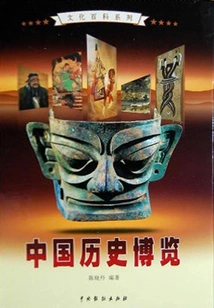
China History Expo 2
History中国历史博览2
Chen Xiaodan
"China History Expo" focuses on guiding students to explore historical laws, cultivating students' interest in mastering methods of researching historical issues and absorbing knowledge, nutrition and wisdom from historical learning. It not only stimulates students' rich imagination about history with vivid and interesting words, but also gives students an intuitive historical experience with pictures of great historical value. It is a collection book that is very suitable for teenagers to read and study.
"China History Expo" focuses on guiding students to explore historical laws, cultivating students' interest in mastering methods of researching historical issues and absorbing knowledge, nutrition and wisdom from historical learning. It not only stimulates students' rich imagination about history with vivid and interesting words, but also gives students an intuitive historical experience with pictures of great historical value. It is a collection book that is very suitable for teenagers to read and study.
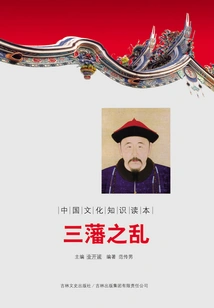
Rebellion of San Francisco
History三藩之乱
Editor-in-chief Jin Kaicheng
"San Francisco" is the collective name for three vassal kings with different surnames: Geng Zhongming (Geng Jingzhong), Shang Kexi, and Wu Sangui in the early Qing Dynasty. The issue of the Three Feudatories is a major topic in the study of Qing history and Manchu history, involving many aspects such as the relationship between the Manchus and Hans, the central and local governments, and the Central Plains and frontiers. "Chinese Cultural Knowledge Reader: The San Francisco Rebellion" brings history vividly to readers, and conducts in-depth analysis of representative figures such as Wu Sangui, Kong Youde, Geng Zhongming, and Shang Kexi; it also clarifies the nature of the ethnic minorities' occupation of the Central Plains, the national oppression policy of the Manchu aristocrats, and the historical evaluation of relevant figures.
"San Francisco" is the collective name for three vassal kings with different surnames: Geng Zhongming (Geng Jingzhong), Shang Kexi, and Wu Sangui in the early Qing Dynasty. The issue of the Three Feudatories is a major topic in the study of Qing history and Manchu history, involving many aspects such as the relationship between the Manchus and Hans, the central and local governments, and the Central Plains and frontiers. "Chinese Cultural Knowledge Reader: The San Francisco Rebellion" brings history vividly to readers, and conducts in-depth analysis of representative figures such as Wu Sangui, Kong Youde, Geng Zhongming, and Shang Kexi; it also clarifies the nature of the ethnic minorities' occupation of the Central Plains, the national oppression policy of the Manchu aristocrats, and the historical evaluation of relevant figures.
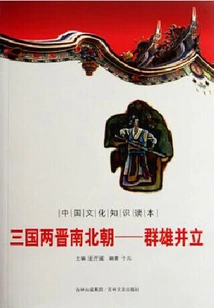
三国两晋南北朝:群雄并立
Editor-in-chief Jin Kaicheng
This "Chinese Cultural Knowledge Reader·Three Kingdoms, Two Jins, Southern and Northern Dynasties: Heroes Stand Together" The Three Kingdoms is the historical period between the Eastern Han Dynasty and the Western Jin Dynasty in Chinese history. During this period, the world was divided into three parts, like a three-legged tripartite, with three regimes: Cao Wei, Shu Han, and Soochow. The Jin Dynasty was divided into two periods: the Western Jin Dynasty and the Eastern Jin Dynasty. In the first year of Taishi, Sima Yan replaced Cao Wei and proclaimed himself emperor. The country was named Jin, and its capital was Luoyang. It was called the Western Jin Dynasty in history. In the first year of Jianwu, Sima Rui reestablished the Jin Dynasty in Jianye, which was known as the Eastern Jin Dynasty in history. After the fall of the Eastern Jin Dynasty, four dynasties emerged in the south: Song, Qi, Liang, and Chen. Together with the Northern Wei, Eastern Wei, Western Wei, Northern Qi, and Northern Zhou in the north, they were collectively called the Southern and Northern Dynasties.
This "Chinese Cultural Knowledge Reader·Three Kingdoms, Two Jins, Southern and Northern Dynasties: Heroes Stand Together" The Three Kingdoms is the historical period between the Eastern Han Dynasty and the Western Jin Dynasty in Chinese history. During this period, the world was divided into three parts, like a three-legged tripartite, with three regimes: Cao Wei, Shu Han, and Soochow. The Jin Dynasty was divided into two periods: the Western Jin Dynasty and the Eastern Jin Dynasty. In the first year of Taishi, Sima Yan replaced Cao Wei and proclaimed himself emperor. The country was named Jin, and its capital was Luoyang. It was called the Western Jin Dynasty in history. In the first year of Jianwu, Sima Rui reestablished the Jin Dynasty in Jianye, which was known as the Eastern Jin Dynasty in history. After the fall of the Eastern Jin Dynasty, four dynasties emerged in the south: Song, Qi, Liang, and Chen. Together with the Northern Wei, Eastern Wei, Western Wei, Northern Qi, and Northern Zhou in the north, they were collectively called the Southern and Northern Dynasties.
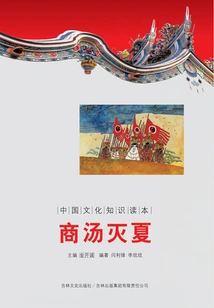
Shang Tang Destroyed Xia
History商汤灭夏
Editor-in-chief Jin Kaicheng
The Xia Dynasty ruled for about four hundred years. By the 16th century BC, the country's power was declining and the country began to collapse. After Xia Jie, the last monarch of the Xia Dynasty, came to the throne, his rule became even more brutal. The Shang tribe developed rapidly due to animal husbandry. By the end of the Xia Dynasty, when Tang became the leader, it had become a powerful tribe. Shang Tang saw that Xia Jie was very corrupt and determined to destroy the Xia Dynasty. At this time, Xia had already rebelled against relatives, but Shang Tang was well-led, so Xia Jie's army was quickly defeated, and Jie was exiled. As a result, the Xia Dynasty was replaced by the newly established Shang Dynasty. "Chinese Cultural Knowledge Reader: Shang Tang's Extermination of Xia" introduces the relevant content of Shang Tang's extermination of Xia in the form of beautiful and vivid words, concise and popular language, and pictures and texts.
The Xia Dynasty ruled for about four hundred years. By the 16th century BC, the country's power was declining and the country began to collapse. After Xia Jie, the last monarch of the Xia Dynasty, came to the throne, his rule became even more brutal. The Shang tribe developed rapidly due to animal husbandry. By the end of the Xia Dynasty, when Tang became the leader, it had become a powerful tribe. Shang Tang saw that Xia Jie was very corrupt and determined to destroy the Xia Dynasty. At this time, Xia had already rebelled against relatives, but Shang Tang was well-led, so Xia Jie's army was quickly defeated, and Jie was exiled. As a result, the Xia Dynasty was replaced by the newly established Shang Dynasty. "Chinese Cultural Knowledge Reader: Shang Tang's Extermination of Xia" introduces the relevant content of Shang Tang's extermination of Xia in the form of beautiful and vivid words, concise and popular language, and pictures and texts.
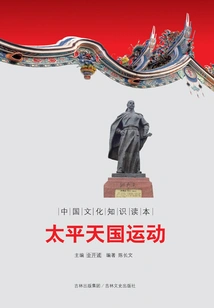
Taiping Rebellion
History太平天国运动
Editor-in-chief Jin Kaicheng
"The Taiping Rebellion" not only deeply excavates and organizes the achievements of China's excellent traditional culture, but also integrates social development and injects the spirit of the times. The book's beautiful and vivid text, concise and popular language, and the form of pictures and texts comprehensively display to readers the key points of knowledge such as material culture, institutional culture, behavioral culture, and spiritual culture in Chinese culture. Bits and pieces of cultural knowledge are like stars, forming the splendid sky of Chinese culture.
"The Taiping Rebellion" not only deeply excavates and organizes the achievements of China's excellent traditional culture, but also integrates social development and injects the spirit of the times. The book's beautiful and vivid text, concise and popular language, and the form of pictures and texts comprehensively display to readers the key points of knowledge such as material culture, institutional culture, behavioral culture, and spiritual culture in Chinese culture. Bits and pieces of cultural knowledge are like stars, forming the splendid sky of Chinese culture.
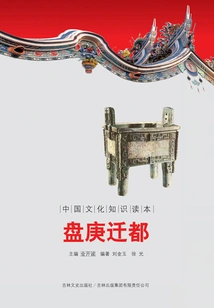
Pan Geng Moved the Capital
History盘庚迁都
Editor-in-chief Jin Kaicheng
After the death of Yangjia, the nineteenth king of the Shang Dynasty, his younger brother Pan Geng succeeded to the throne. In order to get rid of the chaos and consolidate the power of the slave country, Pan Geng decided to move the capital to Yin (now Anyang, Henan). Although this decision was strongly opposed by some big slave owners and nobles, Pan Geng finally broke through all the obstacles of the big slave owners and nobles and successfully moved the capital. This is the famous "Pangeng Capital Move" in history.
After the death of Yangjia, the nineteenth king of the Shang Dynasty, his younger brother Pan Geng succeeded to the throne. In order to get rid of the chaos and consolidate the power of the slave country, Pan Geng decided to move the capital to Yin (now Anyang, Henan). Although this decision was strongly opposed by some big slave owners and nobles, Pan Geng finally broke through all the obstacles of the big slave owners and nobles and successfully moved the capital. This is the famous "Pangeng Capital Move" in history.
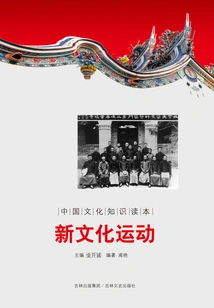
New Culture Movement
History新文化运动
Editor-in-chief Jin Kaicheng
This book "New Culture Movement" was edited by Jin Kaicheng and edited by Fu Yan: The New Culture Movement was an unprecedented movement of ideological emancipation and enlightenment, which opened the way for the spread of Marxism in China. The New Culture Movement after the May 4th Movement became an ideological movement to promote Marxism and various socialist schools, transforming the old democratic cultural movement into a new democratic cultural movement guided by Marxist theory.
This book "New Culture Movement" was edited by Jin Kaicheng and edited by Fu Yan: The New Culture Movement was an unprecedented movement of ideological emancipation and enlightenment, which opened the way for the spread of Marxism in China. The New Culture Movement after the May 4th Movement became an ideological movement to promote Marxism and various socialist schools, transforming the old democratic cultural movement into a new democratic cultural movement guided by Marxist theory.
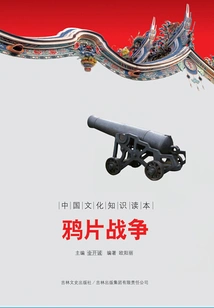
Opium War
History鸦片战争
Editor-in-chief Jin Kaicheng
The Opium War from 1840 to 1842 was a turning point for feudal China to become semi-colonial and semi-feudal. In the 1770s, Britain began to import opium into China in large quantities. From June 3 to 25, 1839, Lin Zexu destroyed more than 2.37 Million kilograms of opium seized in public at Humen Beach. The British government quickly made the decision to send troops to China. On June 28, 1840, the first Opium War officially broke out. The Opium War marked the beginning of China's modern history. From then on, the Chinese people faced more complex and tortuous struggles. "Chinese Cultural Knowledge Reader: The Opium War" introduces the relevant content of the Opium War in the form of beautiful and vivid words, concise and popular language, and pictures and texts.
The Opium War from 1840 to 1842 was a turning point for feudal China to become semi-colonial and semi-feudal. In the 1770s, Britain began to import opium into China in large quantities. From June 3 to 25, 1839, Lin Zexu destroyed more than 2.37 Million kilograms of opium seized in public at Humen Beach. The British government quickly made the decision to send troops to China. On June 28, 1840, the first Opium War officially broke out. The Opium War marked the beginning of China's modern history. From then on, the Chinese people faced more complex and tortuous struggles. "Chinese Cultural Knowledge Reader: The Opium War" introduces the relevant content of the Opium War in the form of beautiful and vivid words, concise and popular language, and pictures and texts.
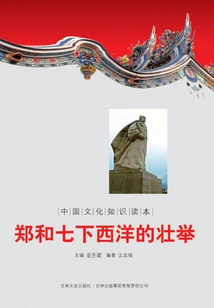
郑和七下西洋的壮举
Editor-in-chief Jin Kaicheng
"Chinese Cultural Knowledge Reader: Zheng He's Seven Voyages to the West" introduces Zheng He's great achievements, the background of Zheng He's voyages to the West, the purpose of Zheng He's voyages to the West, and the course of Zheng He's voyages to the West. The beautiful and vivid text, concise and popular language, and rich illustrations in "Zheng He's Seven Voyages to the West" comprehensively display to readers the key points of knowledge such as material culture, institutional culture, behavioral culture, and spiritual culture in Chinese culture.
"Chinese Cultural Knowledge Reader: Zheng He's Seven Voyages to the West" introduces Zheng He's great achievements, the background of Zheng He's voyages to the West, the purpose of Zheng He's voyages to the West, and the course of Zheng He's voyages to the West. The beautiful and vivid text, concise and popular language, and rich illustrations in "Zheng He's Seven Voyages to the West" comprehensively display to readers the key points of knowledge such as material culture, institutional culture, behavioral culture, and spiritual culture in Chinese culture.
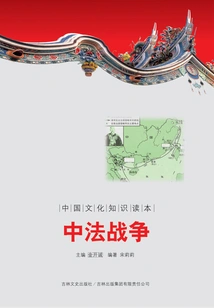
Sino-french War
History中法战争
Editor-in-chief Jin Kaicheng
In 1840, the British opened the door to the Qing Empire with strong ships and cannons. Since then, imperialist countries have followed suit, and the land of China has been filled with smoke. In December 1883, the French army launched an attack on the Qing army stationed in Beiqi, Vietnam, and the Sino-French War officially broke out. The Sino-French war is a lingering pain in China's modern history, leaving behind all kinds of helplessness and regret for future generations. "The Sino-French War" edited by Song Lili is one of the "Chinese Cultural Knowledge Readers" series. It tells the whole process of the Sino-French War in the late Qing Dynasty with pictures and texts. "The Sino-French War" has beautiful and vivid writing, concise and popular language, and is suitable for a wide range of readers.
In 1840, the British opened the door to the Qing Empire with strong ships and cannons. Since then, imperialist countries have followed suit, and the land of China has been filled with smoke. In December 1883, the French army launched an attack on the Qing army stationed in Beiqi, Vietnam, and the Sino-French War officially broke out. The Sino-French war is a lingering pain in China's modern history, leaving behind all kinds of helplessness and regret for future generations. "The Sino-French War" edited by Song Lili is one of the "Chinese Cultural Knowledge Readers" series. It tells the whole process of the Sino-French War in the late Qing Dynasty with pictures and texts. "The Sino-French War" has beautiful and vivid writing, concise and popular language, and is suitable for a wide range of readers.
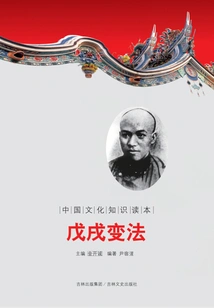
Reform Movement of 1898
History戊戌变法
Editor-in-chief Jin Kaicheng
The beautiful and vivid words, concise and popular language, and pictures and texts in "The Reform Movement of 1898" comprehensively display to readers the key points of knowledge such as material culture, institutional culture, behavioral culture, and spiritual culture in Chinese culture.
The beautiful and vivid words, concise and popular language, and pictures and texts in "The Reform Movement of 1898" comprehensively display to readers the key points of knowledge such as material culture, institutional culture, behavioral culture, and spiritual culture in Chinese culture.
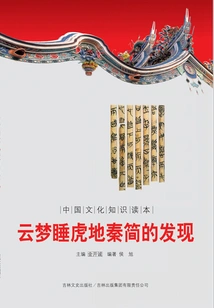
云梦睡虎地秦简的发现
Editor-in-chief Jin Kaicheng
The beautiful and vivid words, concise and popular language, and pictures and texts in "Chinese Culture Knowledge Reader: The Discovery of the Tai Bamboo Slips in Yunmengsuihudi" comprehensively display to readers the key points of knowledge such as material culture, institutional culture, behavioral culture, and spiritual culture in Chinese culture.
The beautiful and vivid words, concise and popular language, and pictures and texts in "Chinese Culture Knowledge Reader: The Discovery of the Tai Bamboo Slips in Yunmengsuihudi" comprehensively display to readers the key points of knowledge such as material culture, institutional culture, behavioral culture, and spiritual culture in Chinese culture.
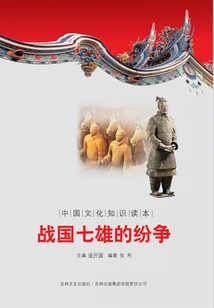
战国七雄的纷争
Editor-in-chief Jin Kaicheng
The Seven Heroes of the Warring States Period is the collective name for the seven powerful vassal states during the Warring States Period in ancient China. Countless wars during the Spring and Autumn Period and the Warring States Period greatly reduced the number of vassal states. By the late Warring States period, only seven powerful vassal states remained, namely Qi, Chu, Han, Zhao, Wei, Yan, and Qin, collectively known as the "Seven Heroes of the Warring States Period."
The Seven Heroes of the Warring States Period is the collective name for the seven powerful vassal states during the Warring States Period in ancient China. Countless wars during the Spring and Autumn Period and the Warring States Period greatly reduced the number of vassal states. By the late Warring States period, only seven powerful vassal states remained, namely Qi, Chu, Han, Zhao, Wei, Yan, and Qin, collectively known as the "Seven Heroes of the Warring States Period."
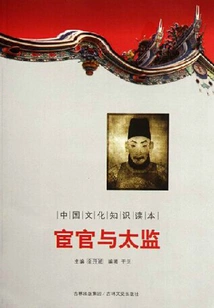
Eunuchs and Eunuchs
History宦官与太监
Editor-in-chief Jin Kaicheng
"Chinese Cultural Knowledge Reader: Eunuchs and Eunuchs" explains the concept of eunuchs and eunuchs, which is difficult for people to distinguish. "Chinese Cultural Knowledge Reader: Eunuchs and Eunuchs" starts with the good and bad eunuchs and eunuchs around rulers in the past dynasties, and praises and affirms the eunuchs and eunuchs who promoted the prosperity of the dynasty and dedicated themselves to the rulers. He also attacked and criticized those who caused trouble for the government and the country and the people, and profoundly pointed out that this unique group of characters in China was dominated by the rulers of the feudal dynasty, restricted by the social environment and history at that time, and was more of an inevitable result of historical development.
"Chinese Cultural Knowledge Reader: Eunuchs and Eunuchs" explains the concept of eunuchs and eunuchs, which is difficult for people to distinguish. "Chinese Cultural Knowledge Reader: Eunuchs and Eunuchs" starts with the good and bad eunuchs and eunuchs around rulers in the past dynasties, and praises and affirms the eunuchs and eunuchs who promoted the prosperity of the dynasty and dedicated themselves to the rulers. He also attacked and criticized those who caused trouble for the government and the country and the people, and profoundly pointed out that this unique group of characters in China was dominated by the rulers of the feudal dynasty, restricted by the social environment and history at that time, and was more of an inevitable result of historical development.
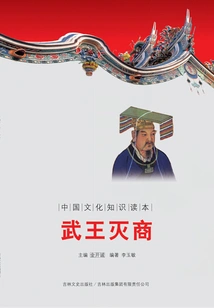
King Wu Destroyed Shang
History武王灭商
Editor-in-chief Jin Kaicheng
In 1046 BC, King Wu of Zhou marched to Muye, seventy miles away from Chaoge, and held a swearing-in meeting. He listed many crimes of King Zhou of Shang and encouraged the army to fight a decisive battle with King Zhou of Shang. At this time, King Zhou of Shang stopped singing, dancing and feasting, and discussed countermeasures with the noble ministers. At this time, the main force of King Zhou's army was still in other areas and could not be transferred back for a while, so he had to arm a large number of slaves and captured southeastern barbarians, and gathered 170,000 people to march towards Muye. However, as soon as these King Zhou's troops met the Zhou army, they turned their spearhead and led the Zhou army to attack King Zhou. As a result, King Zhou was defeated and fled back to Chaoge overnight. Seeing that the situation was over, he had no choice but to board the Lutai and set himself on fire. After King Wu of Zhou completely occupied the Shang capital, he declared the demise of the Shang Dynasty. "Chinese Cultural Knowledge Reader: King Wu's Destroy of Shang" introduces the relevant content of King Wu's destruction of Shang in the form of beautiful and vivid words, concise and popular language, and pictures and texts.
In 1046 BC, King Wu of Zhou marched to Muye, seventy miles away from Chaoge, and held a swearing-in meeting. He listed many crimes of King Zhou of Shang and encouraged the army to fight a decisive battle with King Zhou of Shang. At this time, King Zhou of Shang stopped singing, dancing and feasting, and discussed countermeasures with the noble ministers. At this time, the main force of King Zhou's army was still in other areas and could not be transferred back for a while, so he had to arm a large number of slaves and captured southeastern barbarians, and gathered 170,000 people to march towards Muye. However, as soon as these King Zhou's troops met the Zhou army, they turned their spearhead and led the Zhou army to attack King Zhou. As a result, King Zhou was defeated and fled back to Chaoge overnight. Seeing that the situation was over, he had no choice but to board the Lutai and set himself on fire. After King Wu of Zhou completely occupied the Shang capital, he declared the demise of the Shang Dynasty. "Chinese Cultural Knowledge Reader: King Wu's Destroy of Shang" introduces the relevant content of King Wu's destruction of Shang in the form of beautiful and vivid words, concise and popular language, and pictures and texts.
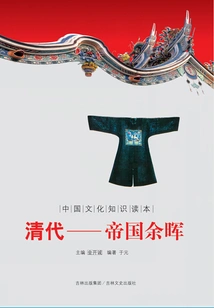
清代:帝国余晖
Editor-in-chief Jin Kaicheng
The Qing Dynasty was a feudal dynasty established by the Jurchen people. It was the second period in Chinese history after the Yuan Dynasty when an ethnic minority, the Manchu, ruled China. It was one of the great dynasties that unified the country in Chinese history, and was also the last feudal dynasty in Chinese history. The population of the Qing Dynasty was also the highest among all feudal dynasties, reaching more than 400 million at the end of the Qing Dynasty. In the early Qing Dynasty, in order to ease class conflicts, policies were implemented to reward land reclamation and reduce or exempt taxes, which led to social and economic development in the inland and frontier areas. By the middle of the 18th century, the feudal economy had developed to a new peak, known in history as the "Kang-Qian Gu Era". "Chinese Cultural Knowledge Reader Qing Dynasty: The Afterglow of the Empire" is suitable for general reading.
The Qing Dynasty was a feudal dynasty established by the Jurchen people. It was the second period in Chinese history after the Yuan Dynasty when an ethnic minority, the Manchu, ruled China. It was one of the great dynasties that unified the country in Chinese history, and was also the last feudal dynasty in Chinese history. The population of the Qing Dynasty was also the highest among all feudal dynasties, reaching more than 400 million at the end of the Qing Dynasty. In the early Qing Dynasty, in order to ease class conflicts, policies were implemented to reward land reclamation and reduce or exempt taxes, which led to social and economic development in the inland and frontier areas. By the middle of the 18th century, the feudal economy had developed to a new peak, known in history as the "Kang-Qian Gu Era". "Chinese Cultural Knowledge Reader Qing Dynasty: The Afterglow of the Empire" is suitable for general reading.
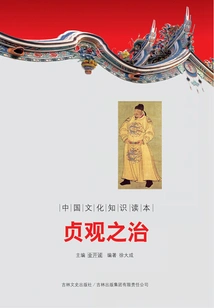
The Rule of Zhenguan
History贞观之治
Jin Kaicheng
The beautiful and vivid text, concise and popular language, and rich illustrations in "The Rule of Zhenguan" comprehensively display to readers the key points of knowledge such as material culture, institutional culture, behavioral culture, and spiritual culture in Chinese culture.
The beautiful and vivid text, concise and popular language, and rich illustrations in "The Rule of Zhenguan" comprehensively display to readers the key points of knowledge such as material culture, institutional culture, behavioral culture, and spiritual culture in Chinese culture.
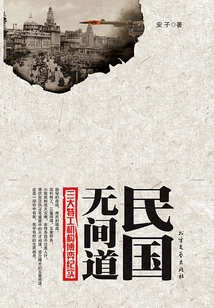
民国无间道
I
After Japan's war of aggression against China officially began in 1937, Chinese patriots joined the anti-Japanese revolutionary torrent one after another. At this time, Chiang Kai-shek's "Jinyiwei" - the Military Command Bureau also launched a secret war with the Wang Puppet No. 76 Spy organization. This book details this unseen war, giving readers a clear understanding of that foggy history. During the Republic of China, three major spy organizations launched an Infernal Affairs campaign on a battlefield where no gunpowder could be seen.
After Japan's war of aggression against China officially began in 1937, Chinese patriots joined the anti-Japanese revolutionary torrent one after another. At this time, Chiang Kai-shek's "Jinyiwei" - the Military Command Bureau also launched a secret war with the Wang Puppet No. 76 Spy organization. This book details this unseen war, giving readers a clear understanding of that foggy history. During the Republic of China, three major spy organizations launched an Infernal Affairs campaign on a battlefield where no gunpowder could be seen.
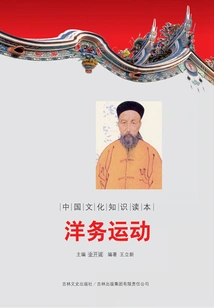
Westernization Movement
History洋务运动
Compiled By Wang Lixin
The Westernization Movement, also known as the Self-Strengthening Movement, refers to the reform movement of "learning from the skills of the barbarians to strengthen ourselves" launched across the country from 1861 (beginning at the end of the Xianfeng decade) to 1894 by the Westernization faction within the Qing government. After the two Opium Wars, the ruling class of the Qing government was divided between the "Westernizationists" and the "Conservatives" over how to resolve a series of internal and external troubles. The Westernizationists advocated the use of government-run, government-supervised and commercial-run, government-business joint ventures, etc. To develop new industries and enhance national strength in order to maintain the feudal rule of the Qing government. It also laid a certain foundation for China to enter modernization. "Chinese Cultural Knowledge Reader: The Westernization Movement" uses fresh language and solid historical materials to explain the ins and outs of the Westernization Movement concisely and yet importantly. The book is full of moving details of historical events and characters, restoring the historical scenes at that time, giving people a strong sense of being on the scene.
The Westernization Movement, also known as the Self-Strengthening Movement, refers to the reform movement of "learning from the skills of the barbarians to strengthen ourselves" launched across the country from 1861 (beginning at the end of the Xianfeng decade) to 1894 by the Westernization faction within the Qing government. After the two Opium Wars, the ruling class of the Qing government was divided between the "Westernizationists" and the "Conservatives" over how to resolve a series of internal and external troubles. The Westernizationists advocated the use of government-run, government-supervised and commercial-run, government-business joint ventures, etc. To develop new industries and enhance national strength in order to maintain the feudal rule of the Qing government. It also laid a certain foundation for China to enter modernization. "Chinese Cultural Knowledge Reader: The Westernization Movement" uses fresh language and solid historical materials to explain the ins and outs of the Westernization Movement concisely and yet importantly. The book is full of moving details of historical events and characters, restoring the historical scenes at that time, giving people a strong sense of being on the scene.