Library
Browse and search books
3,417 novels found
中国史一本通
Kang Ruifeng
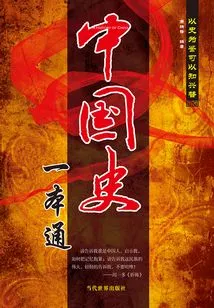
"The Complete History of China" carefully selects more than 190 important issues that have had the most profound impact on the course of Chinese history from the vast history, and connects them with dots in chronological order. At the same time, we strive to use concise and vivid language to present the vast Chinese history to readers in a simple and easy-to-understand manner, so that readers of all walks of life can maximize their acquisition of historical knowledge in a relaxed and enjoyable way. In addition, we also selected relevant historical pictures to make the events more three-dimensional and the characters more fleshed-out, allowing readers to truly feel the entire process of historical evolution. "A Comprehensive History of China" integrates science, knowledge, interest and appreciation. It is not only an extracurricular reading for students, but also an excellent reading for readers of all walks of life to comprehensively and systematically understand Chinese history.
"The Complete History of China" carefully selects more than 190 important issues that have had the most profound impact on the course of Chinese history from the vast history, and connects them with dots in chronological order. At the same time, we strive to use concise and vivid language to present the vast Chinese history to readers in a simple and easy-to-understand manner, so that readers of all walks of life can maximize their acquisition of historical knowledge in a relaxed and enjoyable way. In addition, we also selected relevant historical pictures to make the events more three-dimensional and the characters more fleshed-out, allowing readers to truly feel the entire process of historical evolution. "A Comprehensive History of China" integrates science, knowledge, interest and appreciation. It is not only an extracurricular reading for students, but also an excellent reading for readers of all walks of life to comprehensively and systematically understand Chinese history.
这里曾经是汉朝1
The Moon Looks At Dongshan
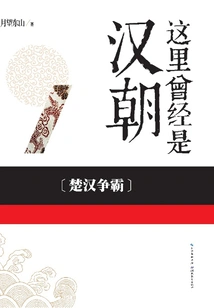
At the end of the Qin Dynasty, the world was in chaos, and the grassroots class represented by Liu Bang rose rapidly in the chaos. At the same time, Xiang Yu, a descendant of a declining aristocracy, rose up from a desperate situation, defeated all the heroes, and fought for hegemony in the world. Liu Bang was named the Queen of Han, kept a low profile, reused Han Xin, built plank roads openly, secretly visited Chencang, left the pass eastward, and competed with Xiang Yu for the world. For a moment, the heroes drew their swords to decide the outcome. The world boiled like boiling water, blood flowed into rivers, and the heaven and earth were dim...
At the end of the Qin Dynasty, the world was in chaos, and the grassroots class represented by Liu Bang rose rapidly in the chaos. At the same time, Xiang Yu, a descendant of a declining aristocracy, rose up from a desperate situation, defeated all the heroes, and fought for hegemony in the world. Liu Bang was named the Queen of Han, kept a low profile, reused Han Xin, built plank roads openly, secretly visited Chencang, left the pass eastward, and competed with Xiang Yu for the world. For a moment, the heroes drew their swords to decide the outcome. The world boiled like boiling water, blood flowed into rivers, and the heaven and earth were dim...
这里曾经是汉朝4
I
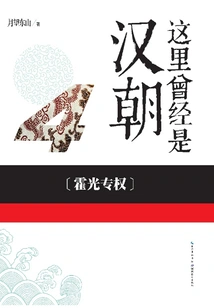
The fourth part of "This Was the Han Dynasty" begins with Huo Guang gaining power and selecting Liu He, the new emperor of the Han Dynasty, and ends with the two relatives of the Han Dynasty, the Wang family and the Fu family, competing for favor and profit. After Huo Guang overthrew Shangguan Jie and others, he consolidated power and selected Liu He to be the emperor of the Han Dynasty. However, after Liu He ascended the throne, Huo Guang had no choice but to abolish him because of his immature political thinking and misbehavior. Unexpectedly, the poor boy Liu Bingjin ushered in the spring of his life, was welcomed into the palace, became the throne, and ruled the world. However, after Huo Guang died of illness, Liu Bing, instead of being grateful for Huo's support, instead hung a sharp sword and suddenly pushed the Huo family's life and death to the forefront.
The fourth part of "This Was the Han Dynasty" begins with Huo Guang gaining power and selecting Liu He, the new emperor of the Han Dynasty, and ends with the two relatives of the Han Dynasty, the Wang family and the Fu family, competing for favor and profit. After Huo Guang overthrew Shangguan Jie and others, he consolidated power and selected Liu He to be the emperor of the Han Dynasty. However, after Liu He ascended the throne, Huo Guang had no choice but to abolish him because of his immature political thinking and misbehavior. Unexpectedly, the poor boy Liu Bingjin ushered in the spring of his life, was welcomed into the palace, became the throne, and ruled the world. However, after Huo Guang died of illness, Liu Bing, instead of being grateful for Huo's support, instead hung a sharp sword and suddenly pushed the Huo family's life and death to the forefront.
T
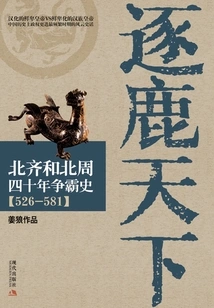
Chasing the World
History逐鹿天下
Ginger Wolf
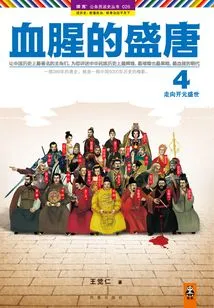
At the beginning of the sixth century AD, the once powerful Northern Wei Empire was hit by internal and external troubles and finally collapsed completely, leaving only a pile of gorgeous historical fragments. Thousands of miles across the northern land, foxes and rabbits are running wild, and the sky is filled with sand. Warlords from all walks of life are fighting to gain dominance over the northern world. It was the Xianbei Han Gao Huan and the Xianbei Huns Yu Wentai who really broke out from the siege. The two heroes' struggle for hegemony that shocked history began. Since then, the Battle of Heqiao, the Battle of Shayuan, the Battle of Mangshan, and the Battle of Yubi have engraved their pride in history.
At the beginning of the sixth century AD, the once powerful Northern Wei Empire was hit by internal and external troubles and finally collapsed completely, leaving only a pile of gorgeous historical fragments. Thousands of miles across the northern land, foxes and rabbits are running wild, and the sky is filled with sand. Warlords from all walks of life are fighting to gain dominance over the northern world. It was the Xianbei Han Gao Huan and the Xianbei Huns Yu Wentai who really broke out from the siege. The two heroes' struggle for hegemony that shocked history began. Since then, the Battle of Heqiao, the Battle of Shayuan, the Battle of Mangshan, and the Battle of Yubi have engraved their pride in history.
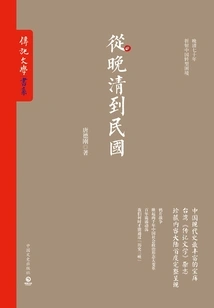
从晚清到民国
Tang Degang
The twists and turns of the Three Gorges of the Yangtze River are the pride of the Chinese people and a trendy area in China's natural history. The Opium War opened the prelude to China's "great social and cultural transformation" that occurred once in 2,000 years. In the wise eyes of historian Tang Degang, the "humanistic view of history" is like the "natural history view." A battle in 1840 not only set off a major change in China's social and political form, but also made the long river of historical trends, especially the treacherous turmoil that lasted for a hundred years, enter the magnificent Pacific Ocean. Tang Degang combines the historical view of the Three Gorges and humanistic exploration in this book, creating an objective and in-depth history book of modern China.
The twists and turns of the Three Gorges of the Yangtze River are the pride of the Chinese people and a trendy area in China's natural history. The Opium War opened the prelude to China's "great social and cultural transformation" that occurred once in 2,000 years. In the wise eyes of historian Tang Degang, the "humanistic view of history" is like the "natural history view." A battle in 1840 not only set off a major change in China's social and political form, but also made the long river of historical trends, especially the treacherous turmoil that lasted for a hundred years, enter the magnificent Pacific Ocean. Tang Degang combines the historical view of the Three Gorges and humanistic exploration in this book, creating an objective and in-depth history book of modern China.
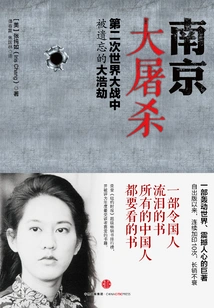
Nanjing Massacre
History南京大屠杀
(u. S.) Zhang Chunru
In December 1937, the Japanese army invaded Nanjing, the ancient capital of China. Within weeks, more than 300,000 Chinese civilians and soldiers were systematically raped, tortured, and massacred-a death toll exceeding the number of victims of the atomic bombings of Hiroshima and Nagasaki combined. Zhang Chunru not only details the crazy atrocities of the Japanese army in the book, but also analyzes the indifference to human life of Japanese soldiers who grew up in a militaristic cultural background. Zhang Chunru conducted numerous interviews with survivors of the Nanjing Massacre and unearthed many important documents for the first time. The book first explains the root causes of the Nanjing Massacre from many aspects such as why Japanese soldiers and officers were completely divorced from basic human behavioral norms, the psychological level in which Japanese schools and textbooks instilled hatred and contempt for the Chinese people in students, and the highly militarized education system.
In December 1937, the Japanese army invaded Nanjing, the ancient capital of China. Within weeks, more than 300,000 Chinese civilians and soldiers were systematically raped, tortured, and massacred-a death toll exceeding the number of victims of the atomic bombings of Hiroshima and Nagasaki combined. Zhang Chunru not only details the crazy atrocities of the Japanese army in the book, but also analyzes the indifference to human life of Japanese soldiers who grew up in a militaristic cultural background. Zhang Chunru conducted numerous interviews with survivors of the Nanjing Massacre and unearthed many important documents for the first time. The book first explains the root causes of the Nanjing Massacre from many aspects such as why Japanese soldiers and officers were completely divorced from basic human behavioral norms, the psychological level in which Japanese schools and textbooks instilled hatred and contempt for the Chinese people in students, and the highly militarized education system.
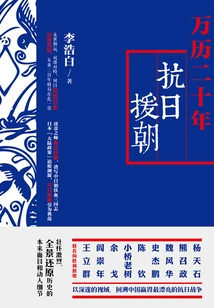
万历二十年:抗日援朝
Li Haobai
In the twentieth year of Wanli (AD 1592), Japan brazenly launched an aggressive war against North Korea and the Ming Dynasty of China. At the request of the Korean king, Zhu Yijun, the Wanli Emperor of the Ming Dynasty, resolutely sent the famous general Li Rusong to the Eastern Expedition to resist Japan and aid Korea, and fertile the Korean Peninsula with blood. Wanli's victory in resisting Japan and aiding Korea had a decisive impact on the development of the Asian pattern. With a pen that is like a raft, the author clears away the fog of history, analyzes it piece by piece, and directly attacks the "vital gate" of the Wanli War. He also puts forward many insights into the historical trends of China, Japan, and Korea before and after it, which is profound and full of new ideas. The whole work is majestic and passionate, leading readers to appreciate the changes in history. It also contains a sophisticated interpretation of history and a rational analysis of its causes, restoring the truth of history. The profound concern for reality is even more touching and thoughtful, and it makes people nod and praise!
In the twentieth year of Wanli (AD 1592), Japan brazenly launched an aggressive war against North Korea and the Ming Dynasty of China. At the request of the Korean king, Zhu Yijun, the Wanli Emperor of the Ming Dynasty, resolutely sent the famous general Li Rusong to the Eastern Expedition to resist Japan and aid Korea, and fertile the Korean Peninsula with blood. Wanli's victory in resisting Japan and aiding Korea had a decisive impact on the development of the Asian pattern. With a pen that is like a raft, the author clears away the fog of history, analyzes it piece by piece, and directly attacks the "vital gate" of the Wanli War. He also puts forward many insights into the historical trends of China, Japan, and Korea before and after it, which is profound and full of new ideas. The whole work is majestic and passionate, leading readers to appreciate the changes in history. It also contains a sophisticated interpretation of history and a rational analysis of its causes, restoring the truth of history. The profound concern for reality is even more touching and thoughtful, and it makes people nod and praise!
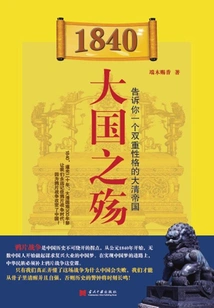
1840 the Great War
History1840大国之殇
K
In "1840: The Great War (Telling You About the Dual Character of the Qing Empire)", Duanmu Cixiang writes the extraordinary history of the Qing Dynasty and the past of the empire in its decline in a woman's style. This book tells us: To revive China, the spirit of the entire nation must be reborn! Ah Q's method of spiritual victory can only lead to the final outcome of still being unable to complete the circle in his heart on the guillotine. When we read "1840: The Great War (Telling You About the Qing Empire with Dual Characters)", we will read between the lines: lessons are far more valuable than experience. The Opium War made us see the "smallness" of the Chinese dynasty; we saw that a nation that cannot revive its spirit will never have a chance to become a powerful country. The Chinese nation must reflect on history with an unwavering, unswerving, and unyielding attitude, learn from the painful experience, and seek to become strong in the true sense.
In "1840: The Great War (Telling You About the Dual Character of the Qing Empire)", Duanmu Cixiang writes the extraordinary history of the Qing Dynasty and the past of the empire in its decline in a woman's style. This book tells us: To revive China, the spirit of the entire nation must be reborn! Ah Q's method of spiritual victory can only lead to the final outcome of still being unable to complete the circle in his heart on the guillotine. When we read "1840: The Great War (Telling You About the Qing Empire with Dual Characters)", we will read between the lines: lessons are far more valuable than experience. The Opium War made us see the "smallness" of the Chinese dynasty; we saw that a nation that cannot revive its spirit will never have a chance to become a powerful country. The Chinese nation must reflect on history with an unwavering, unswerving, and unyielding attitude, learn from the painful experience, and seek to become strong in the true sense.
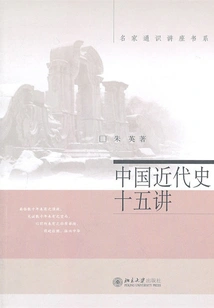
中国近代史十五讲(名家通识讲座书系)
Zhu Ying
Modern times are an important historical period in Chinese history when China is facing "changes unprecedented in thousands of years" and transitioning from tradition to modernity. In order to help readers better understand the history of this period, this book uses thematic handouts to explain fifteen major issues in modern China, including treaty ports, middle-class society, the rise and fall of the stock market, changes in customs, rural construction, and famines and man-made disasters. Not only is the topic refreshing, but it also takes into account politics, economics, thought, culture, diplomacy, society and other aspects, striving to reflect the different levels and aspects of modern Chinese history.
Modern times are an important historical period in Chinese history when China is facing "changes unprecedented in thousands of years" and transitioning from tradition to modernity. In order to help readers better understand the history of this period, this book uses thematic handouts to explain fifteen major issues in modern China, including treaty ports, middle-class society, the rise and fall of the stock market, changes in customs, rural construction, and famines and man-made disasters. Not only is the topic refreshing, but it also takes into account politics, economics, thought, culture, diplomacy, society and other aspects, striving to reflect the different levels and aspects of modern Chinese history.
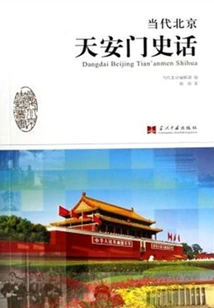
当代北京天安门史话
Guo Xin
This book starts from the Ming and Qing Dynasties and gives a brief introduction to the construction of Tiananmen and its functions at that time. This book focuses on the various changes in Tiananmen and Tiananmen Square since the founding of New China. Tiananmen Square, as the center of Beijing, the capital of the People's Republic of China, has a very important symbolic significance. This book is written to explain this significance. The author's writing style is vivid, the language is easy and fluent, the book is rich in pictures and texts, and it is highly readable. It is a small book worth reading.
This book starts from the Ming and Qing Dynasties and gives a brief introduction to the construction of Tiananmen and its functions at that time. This book focuses on the various changes in Tiananmen and Tiananmen Square since the founding of New China. Tiananmen Square, as the center of Beijing, the capital of the People's Republic of China, has a very important symbolic significance. This book is written to explain this significance. The author's writing style is vivid, the language is easy and fluent, the book is rich in pictures and texts, and it is highly readable. It is a small book worth reading.
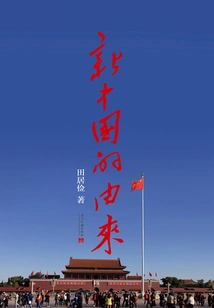
The Origin of New China
History新中国的由来
Tian Jujian
This book narrates the history of the founding of New China and before. It aims to sort out the historical context before the founding of New China, especially through the tenacious struggle and difficult exploration of the Chinese nation in the national crisis caused by foreign aggression in modern times, and ultimately the creation of New China under the leadership of the Communist Party of China. It narrates the course of history and explains why history and the people chose the Communist Party of China, Marxism, the socialist road, and reform and opening up, and explains the profound historical origins of the socialist road with Chinese characteristics, so as to enhance the road, theoretical and institutional confidence of socialism with Chinese characteristics. It is a concise reading suitable for party and government cadres, party and league members, college and middle school students and general readers to study the history of the party and the country.
This book narrates the history of the founding of New China and before. It aims to sort out the historical context before the founding of New China, especially through the tenacious struggle and difficult exploration of the Chinese nation in the national crisis caused by foreign aggression in modern times, and ultimately the creation of New China under the leadership of the Communist Party of China. It narrates the course of history and explains why history and the people chose the Communist Party of China, Marxism, the socialist road, and reform and opening up, and explains the profound historical origins of the socialist road with Chinese characteristics, so as to enhance the road, theoretical and institutional confidence of socialism with Chinese characteristics. It is a concise reading suitable for party and government cadres, party and league members, college and middle school students and general readers to study the history of the party and the country.
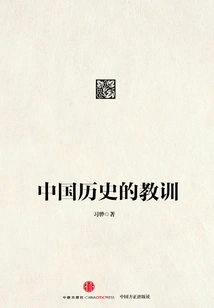
Lessons from Chinese History
History中国历史的教训
Xi Hua
"The Lessons of Chinese History" is a popular Chinese history book with character stories as the main line and the idea of clean government as the core. It is also the first historical reading experience written with great effort by discipline inspection cadres. The author Xi Hua has worked on the "front line of anti-corruption" for many years. The book includes 24 articles written by him from 2012 to 2014 and published in China Discipline Inspection and Supervision News and other media. He uses a relaxed style to tell the story of the unchangeable right path in the changing historical situation through many stories of people that are sighing and contemplative. The author skillfully seeks lessons from success and failure and summarizes the gains and losses from ancient and modern history, especially historical allusions such as the governance of the country in the Ming and Qing dynasties and the administration of officials. "Lessons from Chinese History" is interesting and informative, with smooth and vivid narrative, unique and profound insights, and conveys the positive energy of new thinking on clean government.
"The Lessons of Chinese History" is a popular Chinese history book with character stories as the main line and the idea of clean government as the core. It is also the first historical reading experience written with great effort by discipline inspection cadres. The author Xi Hua has worked on the "front line of anti-corruption" for many years. The book includes 24 articles written by him from 2012 to 2014 and published in China Discipline Inspection and Supervision News and other media. He uses a relaxed style to tell the story of the unchangeable right path in the changing historical situation through many stories of people that are sighing and contemplative. The author skillfully seeks lessons from success and failure and summarizes the gains and losses from ancient and modern history, especially historical allusions such as the governance of the country in the Ming and Qing dynasties and the administration of officials. "Lessons from Chinese History" is interesting and informative, with smooth and vivid narrative, unique and profound insights, and conveys the positive energy of new thinking on clean government.
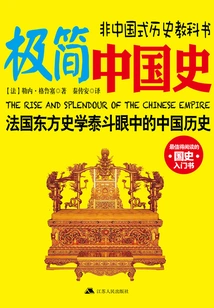
Minimalist Chinese History
History极简中国史
I
This book takes the historical development time of Chinese civilization as a clue and uses vivid and objective language as a carrier. It collects the major historical events and deeds of outstanding figures in the past dynasties starting from the Three Sovereigns and Five Emperors. It comprehensively introduces the major events, important figures, and outstanding achievements of science and technology and culture in the past dynasties. The content covers various fields such as politics, economy, military, culture, diplomacy, science and technology. With easy-to-understand words, this book allows readers to have a real and intuitive feeling about the development of the Chinese nation. It is very suitable for young people to read and study. In addition, this book strictly respects historical facts, fairly comments on historical figures and events, pays attention to the literary nature and interest of the story, and makes the historical figures come to life. When reading historical events, readers feel as if they were personally present and empathized with them. They can not only learn historical knowledge and education from it, but also be edified by literature.
This book takes the historical development time of Chinese civilization as a clue and uses vivid and objective language as a carrier. It collects the major historical events and deeds of outstanding figures in the past dynasties starting from the Three Sovereigns and Five Emperors. It comprehensively introduces the major events, important figures, and outstanding achievements of science and technology and culture in the past dynasties. The content covers various fields such as politics, economy, military, culture, diplomacy, science and technology. With easy-to-understand words, this book allows readers to have a real and intuitive feeling about the development of the Chinese nation. It is very suitable for young people to read and study. In addition, this book strictly respects historical facts, fairly comments on historical figures and events, pays attention to the literary nature and interest of the story, and makes the historical figures come to life. When reading historical events, readers feel as if they were personally present and empathized with them. They can not only learn historical knowledge and education from it, but also be edified by literature.
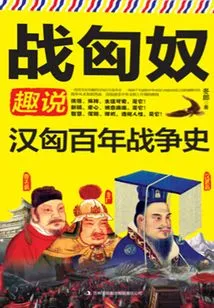
Fighting the Huns: an Interesting Account of the Centuries-old History of the Han-hungarian War
History战匈奴:趣说汉匈百年战争史
Donglang
This book is a documentary about the centuries-old war between the Han Dynasty and the Xiongnu. More than 2,000 years ago, when Maodun Chanyu unified the Mongolian plateau, which had been in turmoil and division since the ape-man era, and established the arrogant Hun Empire, the Central Plains once again fell into war and division. As the emperors of the Western Han Dynasty conquered the east and west, and by the time of Emperor Wu of the Han Dynasty, the territory of the Han Dynasty expanded unprecedentedly, and a C-shaped strategy of encircling the Xiongnu emerged. After experiencing countless twists and turns and victories, the Han Dynasty slowly returned to its former peace. After Emperor Zhao's training, Emperor Xuan conducted an unprecedented cavalry raid, which led to large-scale famine in the Huns, and the Huns were completely reduced to a weak country. The Xiongnu were divided and internal fighting continued. Finally, Hu Hanxie Shanyu of the Southern Xiongnu went to Chang'an in person to see Emperor Xuan and bowed his head as vassal.
This book is a documentary about the centuries-old war between the Han Dynasty and the Xiongnu. More than 2,000 years ago, when Maodun Chanyu unified the Mongolian plateau, which had been in turmoil and division since the ape-man era, and established the arrogant Hun Empire, the Central Plains once again fell into war and division. As the emperors of the Western Han Dynasty conquered the east and west, and by the time of Emperor Wu of the Han Dynasty, the territory of the Han Dynasty expanded unprecedentedly, and a C-shaped strategy of encircling the Xiongnu emerged. After experiencing countless twists and turns and victories, the Han Dynasty slowly returned to its former peace. After Emperor Zhao's training, Emperor Xuan conducted an unprecedented cavalry raid, which led to large-scale famine in the Huns, and the Huns were completely reduced to a weak country. The Xiongnu were divided and internal fighting continued. Finally, Hu Hanxie Shanyu of the Southern Xiongnu went to Chang'an in person to see Emperor Xuan and bowed his head as vassal.
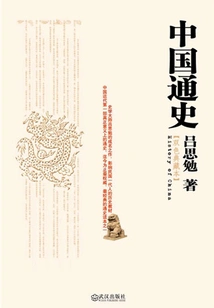
中国通史:双色典藏版
Lu Simian
The full name of "General History of China" is "Self-study and Applicable Vernacular History of the Country", which was perfected by Mr. Lu Simian on the basis of teaching lectures and historical research over the years. The book contains approximately 550,000 words, describing in detail the history of China from ancient times to the Washington Conference in the 11th year of the Republic of China (1922). It is a comprehensive history of China in a complete sense. The book consists of an introduction and five parts. Each part is divided into several chapters, and is divided into six different periods according to the changes in Chinese history and society: ancient times, medieval times, modern times, modern times, recent times, and modern times. This book is Lu Simian's most famous work on history, and it is also the first vernacular general history of China in Chinese history. It is large in scale, broad in vision, rich in historical knowledge, and fluent in writing. After being published by the Commercial Press in September 1923, it has long been used as a university textbook and a "self-study and suitable" reading material for young people. It was continuously reprinted and reprinted for decades after its publication. It was the most widely circulated general history of China during the Republic of China.
The full name of "General History of China" is "Self-study and Applicable Vernacular History of the Country", which was perfected by Mr. Lu Simian on the basis of teaching lectures and historical research over the years. The book contains approximately 550,000 words, describing in detail the history of China from ancient times to the Washington Conference in the 11th year of the Republic of China (1922). It is a comprehensive history of China in a complete sense. The book consists of an introduction and five parts. Each part is divided into several chapters, and is divided into six different periods according to the changes in Chinese history and society: ancient times, medieval times, modern times, modern times, recent times, and modern times. This book is Lu Simian's most famous work on history, and it is also the first vernacular general history of China in Chinese history. It is large in scale, broad in vision, rich in historical knowledge, and fluent in writing. After being published by the Commercial Press in September 1923, it has long been used as a university textbook and a "self-study and suitable" reading material for young people. It was continuously reprinted and reprinted for decades after its publication. It was the most widely circulated general history of China during the Republic of China.
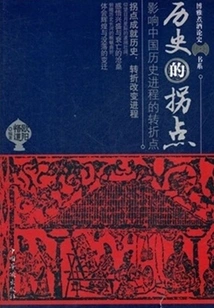
历史的拐点:改变历史进程的转折点
Ouyang Wudao
History is a long and magnificent river. Traveling in this long river, you will naturally appreciate the infinite scenery of the splendid human civilization. Tracing back to its origins and exploring the source of this long river, we will understand the ins and outs of human development; watching the waves of the long river, we will sigh that every step human beings take is so heroic and arduous; overlooking the windings of the long river, we will feel the vicissitudes of prosperity and decline, glory and decline; looking at the trend of the long river, we will rejoice in the victory of light over darkness, and the victory of new life over decay. It is on this basis that this book vividly introduces major historical events and important historical figures in history. By reading these stories, we can vividly grasp the general context and basic outline of Chinese history and world history. With concise and vivid words and fascinating stories, I believe it will be welcomed by readers.
History is a long and magnificent river. Traveling in this long river, you will naturally appreciate the infinite scenery of the splendid human civilization. Tracing back to its origins and exploring the source of this long river, we will understand the ins and outs of human development; watching the waves of the long river, we will sigh that every step human beings take is so heroic and arduous; overlooking the windings of the long river, we will feel the vicissitudes of prosperity and decline, glory and decline; looking at the trend of the long river, we will rejoice in the victory of light over darkness, and the victory of new life over decay. It is on this basis that this book vividly introduces major historical events and important historical figures in history. By reading these stories, we can vividly grasp the general context and basic outline of Chinese history and world history. With concise and vivid words and fascinating stories, I believe it will be welcomed by readers.
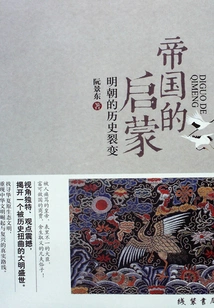
帝国的启蒙:明朝的历史裂变
Ruan Jingdong
In the process of world history, the original China did not lag behind at the starting line. China did not lag behind in the Enlightenment, the prototype of the cabinet and constitutional monarchy, and the emergence of capitalism! The Ming Dynasty was a free, tolerant and unrestrained dynasty. There are mature and complete institutional cabinets, helpless monarchs, wallowing and crazy thinkers, scholar-bureaucrats with flamboyant personalities, and little people with great ambitions and sacrifices who dare to make the sun and moon change the sky. Scholars, farmers, businessmen, and ordinary people all encountered the best partners and the best opponents in this dynasty. The game between the king and his ministers, the confrontation between loyalty and traitor, and the intellectuals in the government and in the opposition were all vividly performed in this era.
In the process of world history, the original China did not lag behind at the starting line. China did not lag behind in the Enlightenment, the prototype of the cabinet and constitutional monarchy, and the emergence of capitalism! The Ming Dynasty was a free, tolerant and unrestrained dynasty. There are mature and complete institutional cabinets, helpless monarchs, wallowing and crazy thinkers, scholar-bureaucrats with flamboyant personalities, and little people with great ambitions and sacrifices who dare to make the sun and moon change the sky. Scholars, farmers, businessmen, and ordinary people all encountered the best partners and the best opponents in this dynasty. The game between the king and his ministers, the confrontation between loyalty and traitor, and the intellectuals in the government and in the opposition were all vividly performed in this era.
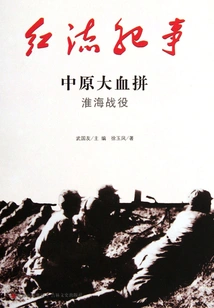
红流纪事:中原大血拼淮海战役
Editor-in-chief Wu Guoyou
The "major events" selected in the series only select 30 major events in the 28-year history of the democratic revolution, and strive to cover the main aspects of the basic issues in the history of the Communist Party of China through these 30 major events. This first encounters the problem of selecting which events are most appropriate. As far as our level is concerned, it is difficult to say that we will be able to choose so accurately and appropriately. But the overall idea is that it should mainly focus on praising the great achievements of the Communist Party of China, and some can also focus on summarizing certain historical experiences or lessons.
The "major events" selected in the series only select 30 major events in the 28-year history of the democratic revolution, and strive to cover the main aspects of the basic issues in the history of the Communist Party of China through these 30 major events. This first encounters the problem of selecting which events are most appropriate. As far as our level is concerned, it is difficult to say that we will be able to choose so accurately and appropriately. But the overall idea is that it should mainly focus on praising the great achievements of the Communist Party of China, and some can also focus on summarizing certain historical experiences or lessons.
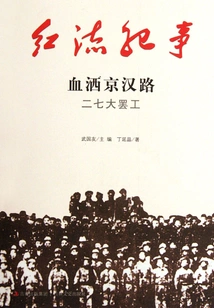
红流纪事:血洒京汉路二七大罢工
Editor-in-chief Wu Guoyou
The "major events" selected in the series only select 30 major events in the 28-year history of the democratic revolution, and strive to cover the main aspects of the basic issues in the history of the Communist Party of China through these 30 major events. This first encounters the problem of selecting which events are most appropriate. As far as our level is concerned, it is difficult to say that we will be able to choose so accurately and appropriately. But the overall idea is that it should mainly focus on praising the great achievements of the Communist Party of China, and some can also focus on summarizing certain historical experiences or lessons.
The "major events" selected in the series only select 30 major events in the 28-year history of the democratic revolution, and strive to cover the main aspects of the basic issues in the history of the Communist Party of China through these 30 major events. This first encounters the problem of selecting which events are most appropriate. As far as our level is concerned, it is difficult to say that we will be able to choose so accurately and appropriately. But the overall idea is that it should mainly focus on praising the great achievements of the Communist Party of China, and some can also focus on summarizing certain historical experiences or lessons.
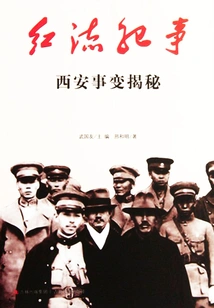
红流纪事:西安事变揭秘
Editor-in-chief Wu Guoyou
The "major events" selected in the series only select 30 major events in the 28-year history of the democratic revolution, and strive to cover the main aspects of the basic issues in the history of the Communist Party of China through these 30 major events. This first encounters the problem of selecting which events are most appropriate. As far as our level is concerned, it is difficult to say that we will be able to choose so accurately and appropriately. But the overall idea is that it should mainly focus on praising the great achievements of the Communist Party of China, and some can also focus on summarizing certain historical experiences or lessons.
The "major events" selected in the series only select 30 major events in the 28-year history of the democratic revolution, and strive to cover the main aspects of the basic issues in the history of the Communist Party of China through these 30 major events. This first encounters the problem of selecting which events are most appropriate. As far as our level is concerned, it is difficult to say that we will be able to choose so accurately and appropriately. But the overall idea is that it should mainly focus on praising the great achievements of the Communist Party of China, and some can also focus on summarizing certain historical experiences or lessons.
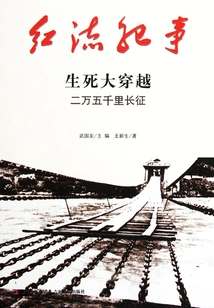
红流纪事:生死大穿越二万五千里长征
Editor-in-chief Wu Guoyou
The "major events" selected in the series only select 30 major events in the 28-year history of the democratic revolution, and strive to cover the main aspects of the basic issues in the history of the Communist Party of China through these 30 major events. This first encounters the problem of selecting which events are most appropriate. As far as our level is concerned, it is difficult to say that we will be able to choose so accurately and appropriately. But the overall idea is that it should mainly focus on praising the great achievements of the Communist Party of China, and some can also focus on summarizing certain historical experiences or lessons.
The "major events" selected in the series only select 30 major events in the 28-year history of the democratic revolution, and strive to cover the main aspects of the basic issues in the history of the Communist Party of China through these 30 major events. This first encounters the problem of selecting which events are most appropriate. As far as our level is concerned, it is difficult to say that we will be able to choose so accurately and appropriately. But the overall idea is that it should mainly focus on praising the great achievements of the Communist Party of China, and some can also focus on summarizing certain historical experiences or lessons.
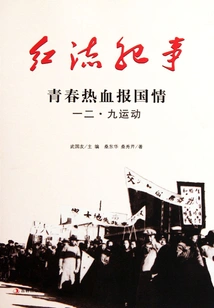
Chronicle of the Red Stream: Youthful and Passionate Service to the Nation's December 9th Movement
History红流纪事:青春热血报国情一二·九运动
Editor-in-chief Wu Guoyou
The "major events" selected in the series only select 30 major events in the 28-year history of the democratic revolution, and strive to cover the main aspects of the basic issues in the history of the Communist Party of China through these 30 major events. This first encounters the problem of selecting which events are most appropriate. As far as our level is concerned, it is difficult to say that we will be able to choose so accurately and appropriately. But the overall idea is that it should mainly focus on praising the great achievements of the Communist Party of China, and some can also focus on summarizing certain historical experiences or lessons.
The "major events" selected in the series only select 30 major events in the 28-year history of the democratic revolution, and strive to cover the main aspects of the basic issues in the history of the Communist Party of China through these 30 major events. This first encounters the problem of selecting which events are most appropriate. As far as our level is concerned, it is difficult to say that we will be able to choose so accurately and appropriately. But the overall idea is that it should mainly focus on praising the great achievements of the Communist Party of China, and some can also focus on summarizing certain historical experiences or lessons.
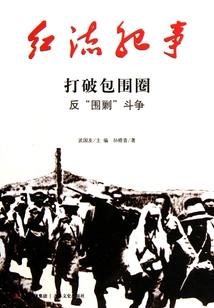
Red Current Chronicle: Breaking the Encirclement and Fighting Against "encirclement and Suppression
History红流纪事:打破包围圈反“围剿”斗争
Editor-in-chief Wu Guoyou
The "major events" selected in the series only select 30 major events in the 28-year history of the democratic revolution, and strive to cover the main aspects of the basic issues in the history of the Communist Party of China through these 30 major events. This first encounters the problem of selecting which events are most appropriate. As far as our level is concerned, it is difficult to say that we will be able to choose so accurately and appropriately. But the overall idea is that it should mainly focus on praising the great achievements of the Communist Party of China, and some can also focus on summarizing certain historical experiences or lessons.
The "major events" selected in the series only select 30 major events in the 28-year history of the democratic revolution, and strive to cover the main aspects of the basic issues in the history of the Communist Party of China through these 30 major events. This first encounters the problem of selecting which events are most appropriate. As far as our level is concerned, it is difficult to say that we will be able to choose so accurately and appropriately. But the overall idea is that it should mainly focus on praising the great achievements of the Communist Party of China, and some can also focus on summarizing certain historical experiences or lessons.
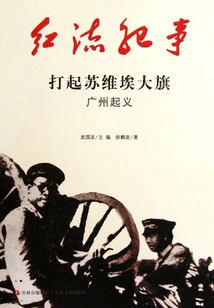
红流纪事:打起苏维埃大旗广州起义
Editor-in-chief Wu Guoyou
The "major events" selected in the series only select 30 major events in the 28-year history of the democratic revolution, and strive to cover the main aspects of the basic issues in the history of the Communist Party of China through these 30 major events. This first encounters the problem of selecting which events are most appropriate. As far as our level is concerned, it is difficult to say that we will be able to choose so accurately and appropriately. But the overall idea is that it should mainly focus on praising the great achievements of the Communist Party of China, and some can also focus on summarizing certain historical experiences or lessons.
The "major events" selected in the series only select 30 major events in the 28-year history of the democratic revolution, and strive to cover the main aspects of the basic issues in the history of the Communist Party of China through these 30 major events. This first encounters the problem of selecting which events are most appropriate. As far as our level is concerned, it is difficult to say that we will be able to choose so accurately and appropriately. But the overall idea is that it should mainly focus on praising the great achievements of the Communist Party of China, and some can also focus on summarizing certain historical experiences or lessons.
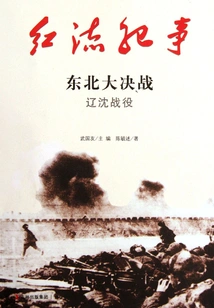
红流纪事:东北大决战辽沈战役
Editor-in-chief Wu Guoyou
The "major events" selected in the series only select 30 major events in the 28-year history of the democratic revolution, and strive to cover the main aspects of the basic issues in the history of the Communist Party of China through these 30 major events. This first encounters the problem of selecting which events are most appropriate. As far as our level is concerned, it is difficult to say that we will be able to choose so accurately and appropriately. But the overall idea is that it should mainly focus on praising the great achievements of the Communist Party of China, and some can also focus on summarizing certain historical experiences or lessons.
The "major events" selected in the series only select 30 major events in the 28-year history of the democratic revolution, and strive to cover the main aspects of the basic issues in the history of the Communist Party of China through these 30 major events. This first encounters the problem of selecting which events are most appropriate. As far as our level is concerned, it is difficult to say that we will be able to choose so accurately and appropriately. But the overall idea is that it should mainly focus on praising the great achievements of the Communist Party of China, and some can also focus on summarizing certain historical experiences or lessons.
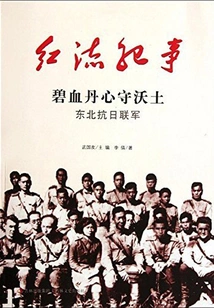
Chronicle of the Red Current: the Northeastern Anti-japanese Allied Forces Guard the Fertile Land
History红流纪事:碧血丹心守沃土东北抗日联军
Editor-in-chief Wu Guoyou
The "major events" selected in the series only select 30 major events in the 28-year history of the democratic revolution, and strive to cover the main aspects of the basic issues in the history of the Communist Party of China through these 30 major events. This first encounters the problem of selecting which events are most appropriate. As far as our level is concerned, it is difficult to say that we will be able to choose so accurately and appropriately. But the overall idea is that it should mainly focus on praising the great achievements of the Communist Party of China, and some can also focus on summarizing certain historical experiences or lessons.
The "major events" selected in the series only select 30 major events in the 28-year history of the democratic revolution, and strive to cover the main aspects of the basic issues in the history of the Communist Party of China through these 30 major events. This first encounters the problem of selecting which events are most appropriate. As far as our level is concerned, it is difficult to say that we will be able to choose so accurately and appropriately. But the overall idea is that it should mainly focus on praising the great achievements of the Communist Party of China, and some can also focus on summarizing certain historical experiences or lessons.
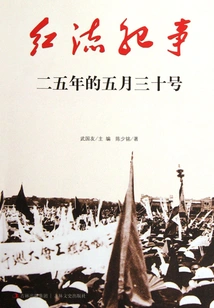
红流纪事:二五年的五月三十号
Editor-in-chief Wu Guoyou
The "major events" selected in the series only select 30 major events in the 28-year history of the democratic revolution, and strive to cover the main aspects of the basic issues in the history of the Communist Party of China through these 30 major events. This first encounters the problem of selecting which events are most appropriate. As far as our level is concerned, it is difficult to say that we will be able to choose so accurately and appropriately. But the overall idea is that it should mainly focus on praising the great achievements of the Communist Party of China, and some can also focus on summarizing certain historical experiences or lessons.
The "major events" selected in the series only select 30 major events in the 28-year history of the democratic revolution, and strive to cover the main aspects of the basic issues in the history of the Communist Party of China through these 30 major events. This first encounters the problem of selecting which events are most appropriate. As far as our level is concerned, it is difficult to say that we will be able to choose so accurately and appropriately. But the overall idea is that it should mainly focus on praising the great achievements of the Communist Party of China, and some can also focus on summarizing certain historical experiences or lessons.
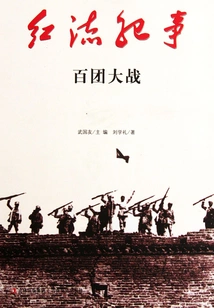
红流纪事:百团大战
Editor-in-chief Wu Guoyou
The "major events" selected in the series only select 30 major events in the 28-year history of the democratic revolution, and strive to cover the main aspects of the basic issues in the history of the Communist Party of China through these 30 major events. This first encounters the problem of selecting which events are most appropriate. As far as our level is concerned, it is difficult to say that we will be able to choose so accurately and appropriately. But the overall idea is that it should mainly focus on praising the great achievements of the Communist Party of China, and some can also focus on summarizing certain historical experiences or lessons.
The "major events" selected in the series only select 30 major events in the 28-year history of the democratic revolution, and strive to cover the main aspects of the basic issues in the history of the Communist Party of China through these 30 major events. This first encounters the problem of selecting which events are most appropriate. As far as our level is concerned, it is difficult to say that we will be able to choose so accurately and appropriately. But the overall idea is that it should mainly focus on praising the great achievements of the Communist Party of China, and some can also focus on summarizing certain historical experiences or lessons.
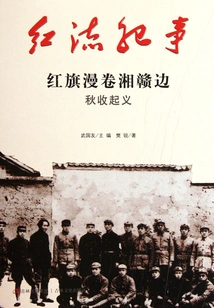
红流纪事:红旗漫卷湘赣边秋收起义
Editor-in-chief Wu Guoyou
The "major events" selected in the series only select 30 major events in the 28-year history of the democratic revolution, and strive to cover the main aspects of the basic issues in the history of the Communist Party of China through these 30 major events. This first encounters the problem of selecting which events are most appropriate. As far as our level is concerned, it is difficult to say that we will be able to choose so accurately and appropriately. But the overall idea is that it should mainly focus on praising the great achievements of the Communist Party of China, and some can also focus on summarizing certain historical experiences or lessons.
The "major events" selected in the series only select 30 major events in the 28-year history of the democratic revolution, and strive to cover the main aspects of the basic issues in the history of the Communist Party of China through these 30 major events. This first encounters the problem of selecting which events are most appropriate. As far as our level is concerned, it is difficult to say that we will be able to choose so accurately and appropriately. But the overall idea is that it should mainly focus on praising the great achievements of the Communist Party of China, and some can also focus on summarizing certain historical experiences or lessons.
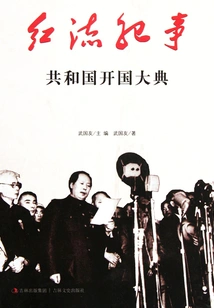
红流纪事:共和国开国大典
Editor-in-chief Wu Guoyou
The "major events" selected in the series only select 30 major events in the 28-year history of the democratic revolution, and strive to cover the main aspects of the basic issues in the history of the Communist Party of China through these 30 major events. This first encounters the problem of selecting which events are most appropriate. As far as our level is concerned, it is difficult to say that we will be able to choose so accurately and appropriately. But the overall idea is that it should mainly focus on praising the great achievements of the Communist Party of China, and some can also focus on summarizing certain historical experiences or lessons.
The "major events" selected in the series only select 30 major events in the 28-year history of the democratic revolution, and strive to cover the main aspects of the basic issues in the history of the Communist Party of China through these 30 major events. This first encounters the problem of selecting which events are most appropriate. As far as our level is concerned, it is difficult to say that we will be able to choose so accurately and appropriately. But the overall idea is that it should mainly focus on praising the great achievements of the Communist Party of China, and some can also focus on summarizing certain historical experiences or lessons.
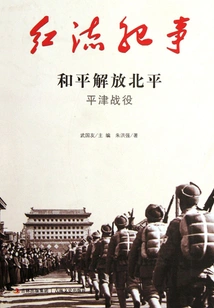
Red Current Chronicle: the Battle of Peking and Tianjin for the Peaceful Liberation of Peking
History红流纪事:和平解放北平平津战役
Editor-in-chief Wu Guoyou
The "major events" selected in the series only select 30 major events in the 28-year history of the democratic revolution, and strive to cover the main aspects of the basic issues in the history of the Communist Party of China through these 30 major events. This first encounters the problem of selecting which events are most appropriate. As far as our level is concerned, it is difficult to say that we will be able to choose so accurately and appropriately. But the overall idea is that it should mainly focus on praising the great achievements of the Communist Party of China, and some can also focus on summarizing certain historical experiences or lessons.
The "major events" selected in the series only select 30 major events in the 28-year history of the democratic revolution, and strive to cover the main aspects of the basic issues in the history of the Communist Party of China through these 30 major events. This first encounters the problem of selecting which events are most appropriate. As far as our level is concerned, it is difficult to say that we will be able to choose so accurately and appropriately. But the overall idea is that it should mainly focus on praising the great achievements of the Communist Party of China, and some can also focus on summarizing certain historical experiences or lessons.
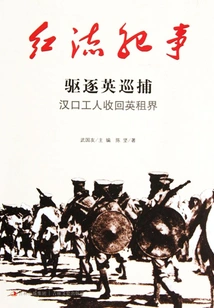
红流纪事:汉口人收回英租界
Editor-in-chief Wu Guoyou
The "major events" selected in the series only select 30 major events in the 28-year history of the democratic revolution, and strive to cover the main aspects of the basic issues in the history of the Communist Party of China through these 30 major events. This first encounters the problem of selecting which events are most appropriate. As far as our level is concerned, it is difficult to say that we will be able to choose so accurately and appropriately. But the overall idea is that it should mainly focus on praising the great achievements of the Communist Party of China, and some can also focus on summarizing certain historical experiences or lessons.
The "major events" selected in the series only select 30 major events in the 28-year history of the democratic revolution, and strive to cover the main aspects of the basic issues in the history of the Communist Party of China through these 30 major events. This first encounters the problem of selecting which events are most appropriate. As far as our level is concerned, it is difficult to say that we will be able to choose so accurately and appropriately. But the overall idea is that it should mainly focus on praising the great achievements of the Communist Party of China, and some can also focus on summarizing certain historical experiences or lessons.
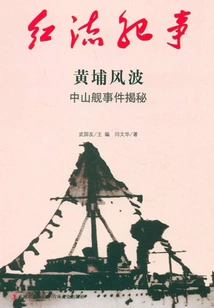
红流纪事:黄埔风波中山舰事件揭秘
Editor-in-chief Wu Guoyou
The "major events" selected in the series only select 30 major events in the 28-year history of the democratic revolution, and strive to cover the main aspects of the basic issues in the history of the Communist Party of China through these 30 major events. This first encounters the problem of selecting which events are most appropriate. As far as our level is concerned, it is difficult to say that we will be able to choose so accurately and appropriately. But the overall idea is that it should mainly focus on praising the great achievements of the Communist Party of China, and some can also focus on summarizing certain historical experiences or lessons.
The "major events" selected in the series only select 30 major events in the 28-year history of the democratic revolution, and strive to cover the main aspects of the basic issues in the history of the Communist Party of China through these 30 major events. This first encounters the problem of selecting which events are most appropriate. As far as our level is concerned, it is difficult to say that we will be able to choose so accurately and appropriately. But the overall idea is that it should mainly focus on praising the great achievements of the Communist Party of China, and some can also focus on summarizing certain historical experiences or lessons.
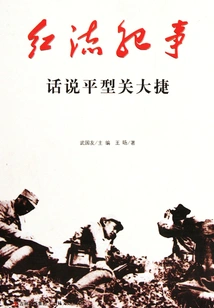
红流纪事:话说平型关大捷
Editor-in-chief Wu Guoyou
The "major events" selected in the series only select 30 major events in the 28-year history of the democratic revolution, and strive to cover the main aspects of the basic issues in the history of the Communist Party of China through these 30 major events. This first encounters the problem of selecting which events are most appropriate. As far as our level is concerned, it is difficult to say that we will be able to choose so accurately and appropriately. But the overall idea is that it should mainly focus on praising the great achievements of the Communist Party of China, and some can also focus on summarizing certain historical experiences or lessons.
The "major events" selected in the series only select 30 major events in the 28-year history of the democratic revolution, and strive to cover the main aspects of the basic issues in the history of the Communist Party of China through these 30 major events. This first encounters the problem of selecting which events are most appropriate. As far as our level is concerned, it is difficult to say that we will be able to choose so accurately and appropriately. But the overall idea is that it should mainly focus on praising the great achievements of the Communist Party of China, and some can also focus on summarizing certain historical experiences or lessons.
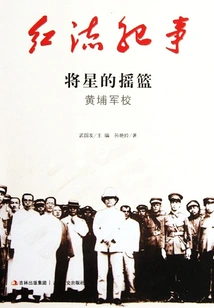
红流纪事:将星的摇篮黄埔军校
Editor-in-chief Wu Guoyou
The "major events" selected in the series only select 30 major events in the 28-year history of the democratic revolution, and strive to cover the main aspects of the basic issues in the history of the Communist Party of China through these 30 major events. This first encounters the problem of selecting which events are most appropriate. As far as our level is concerned, it is difficult to say that we will be able to choose so accurately and appropriately. But the overall idea is that it should mainly focus on praising the great achievements of the Communist Party of China, and some can also focus on summarizing certain historical experiences or lessons.
The "major events" selected in the series only select 30 major events in the 28-year history of the democratic revolution, and strive to cover the main aspects of the basic issues in the history of the Communist Party of China through these 30 major events. This first encounters the problem of selecting which events are most appropriate. As far as our level is concerned, it is difficult to say that we will be able to choose so accurately and appropriately. But the overall idea is that it should mainly focus on praising the great achievements of the Communist Party of China, and some can also focus on summarizing certain historical experiences or lessons.
红流纪事:开创新道路创建井冈山革命根据地
Editor-in-chief Wu Guoyou
The "major events" selected in the series only select 30 major events in the 28-year history of the democratic revolution, and strive to cover the main aspects of the basic issues in the history of the Communist Party of China through these 30 major events. This first encounters the problem of selecting which events are most appropriate. As far as our level is concerned, it is difficult to say that we will be able to choose so accurately and appropriately. But the overall idea is that it should mainly focus on praising the great achievements of the Communist Party of China, and some can also focus on summarizing certain historical experiences or lessons.
The "major events" selected in the series only select 30 major events in the 28-year history of the democratic revolution, and strive to cover the main aspects of the basic issues in the history of the Communist Party of China through these 30 major events. This first encounters the problem of selecting which events are most appropriate. As far as our level is concerned, it is difficult to say that we will be able to choose so accurately and appropriately. But the overall idea is that it should mainly focus on praising the great achievements of the Communist Party of China, and some can also focus on summarizing certain historical experiences or lessons.
红流纪事:历史的转折点遵义会议
Editor-in-chief Wu Guoyou
The "major events" selected in the series only select 30 major events in the 28-year history of the democratic revolution, and strive to cover the main aspects of the basic issues in the history of the Communist Party of China through these 30 major events. This first encounters the problem of selecting which events are most appropriate. As far as our level is concerned, it is difficult to say that we will be able to choose so accurately and appropriately. But the overall idea is that it should mainly focus on praising the great achievements of the Communist Party of China, and some can also focus on summarizing certain historical experiences or lessons.
The "major events" selected in the series only select 30 major events in the 28-year history of the democratic revolution, and strive to cover the main aspects of the basic issues in the history of the Communist Party of China through these 30 major events. This first encounters the problem of selecting which events are most appropriate. As far as our level is concerned, it is difficult to say that we will be able to choose so accurately and appropriately. But the overall idea is that it should mainly focus on praising the great achievements of the Communist Party of China, and some can also focus on summarizing certain historical experiences or lessons.
Red Current Chronicle: the Whole Story of the September 18th Incident of Gunshots in Liutiao Lake
History红流纪事:柳条湖枪声“九一八”事变始末
Editor-in-chief Wu Guoyou
The "major events" selected in the series only select 30 major events in the 28-year history of the democratic revolution, and strive to cover the main aspects of the basic issues in the history of the Communist Party of China through these 30 major events. This first encounters the problem of selecting which events are most appropriate. As far as our level is concerned, it is difficult to say that we will be able to choose so accurately and appropriately. But the overall idea is that it should mainly focus on praising the great achievements of the Communist Party of China, and some can also focus on summarizing certain historical experiences or lessons.
The "major events" selected in the series only select 30 major events in the 28-year history of the democratic revolution, and strive to cover the main aspects of the basic issues in the history of the Communist Party of China through these 30 major events. This first encounters the problem of selecting which events are most appropriate. As far as our level is concerned, it is difficult to say that we will be able to choose so accurately and appropriately. But the overall idea is that it should mainly focus on praising the great achievements of the Communist Party of China, and some can also focus on summarizing certain historical experiences or lessons.
红流纪事:北伐是怎样一场战争
Editor-in-chief Wu Guoyou
The "major events" selected in the series only select 30 major events in the 28-year history of the democratic revolution, and strive to cover the main aspects of the basic issues in the history of the Communist Party of China through these 30 major events. This first encounters the problem of selecting which events are most appropriate. As far as our level is concerned, it is difficult to say that we will be able to choose so accurately and appropriately. But the overall idea is that it should mainly focus on praising the great achievements of the Communist Party of China, and some can also focus on summarizing certain historical experiences or lessons.
The "major events" selected in the series only select 30 major events in the 28-year history of the democratic revolution, and strive to cover the main aspects of the basic issues in the history of the Communist Party of China through these 30 major events. This first encounters the problem of selecting which events are most appropriate. As far as our level is concerned, it is difficult to say that we will be able to choose so accurately and appropriately. But the overall idea is that it should mainly focus on praising the great achievements of the Communist Party of China, and some can also focus on summarizing certain historical experiences or lessons.
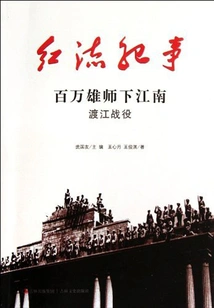
红流纪事:百万雄师下江南渡江战役
Editor-in-chief Wu Guoyou
The "major events" selected in the series only select 30 major events in the 28-year history of the democratic revolution, and strive to cover the main aspects of the basic issues in the history of the Communist Party of China through these 30 major events. This first encounters the problem of selecting which events are most appropriate. As far as our level is concerned, it is difficult to say that we will be able to choose so accurately and appropriately. But the overall idea is that it should mainly focus on praising the great achievements of the Communist Party of China, and some can also focus on summarizing certain historical experiences or lessons.
The "major events" selected in the series only select 30 major events in the 28-year history of the democratic revolution, and strive to cover the main aspects of the basic issues in the history of the Communist Party of China through these 30 major events. This first encounters the problem of selecting which events are most appropriate. As far as our level is concerned, it is difficult to say that we will be able to choose so accurately and appropriately. But the overall idea is that it should mainly focus on praising the great achievements of the Communist Party of China, and some can also focus on summarizing certain historical experiences or lessons.
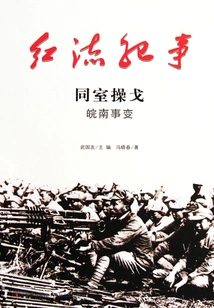
红流纪事:同室操戈皖南事变
Editor-in-chief Wu Guoyou
The "major events" selected in the series only select 30 major events in the 28-year history of the democratic revolution, and strive to cover the main aspects of the basic issues in the history of the Communist Party of China through these 30 major events. This first encounters the problem of selecting which events are most appropriate. As far as our level is concerned, it is difficult to say that we will be able to choose so accurately and appropriately. But the overall idea is that it should mainly focus on praising the great achievements of the Communist Party of China, and some can also focus on summarizing certain historical experiences or lessons.
The "major events" selected in the series only select 30 major events in the 28-year history of the democratic revolution, and strive to cover the main aspects of the basic issues in the history of the Communist Party of China through these 30 major events. This first encounters the problem of selecting which events are most appropriate. As far as our level is concerned, it is difficult to say that we will be able to choose so accurately and appropriately. But the overall idea is that it should mainly focus on praising the great achievements of the Communist Party of China, and some can also focus on summarizing certain historical experiences or lessons.
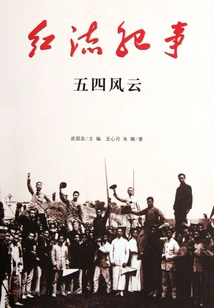
红流纪事:五四风云
Editor-in-chief Wu Guoyou
The "major events" selected in the series only select 30 major events in the 28-year history of the democratic revolution, and strive to cover the main aspects of the basic issues in the history of the Communist Party of China through these 30 major events. This first encounters the problem of selecting which events are most appropriate. As far as our level is concerned, it is difficult to say that we will be able to choose so accurately and appropriately. But the overall idea is that it should mainly focus on praising the great achievements of the Communist Party of China, and some can also focus on summarizing certain historical experiences or lessons.
The "major events" selected in the series only select 30 major events in the 28-year history of the democratic revolution, and strive to cover the main aspects of the basic issues in the history of the Communist Party of China through these 30 major events. This first encounters the problem of selecting which events are most appropriate. As far as our level is concerned, it is difficult to say that we will be able to choose so accurately and appropriately. But the overall idea is that it should mainly focus on praising the great achievements of the Communist Party of China, and some can also focus on summarizing certain historical experiences or lessons.
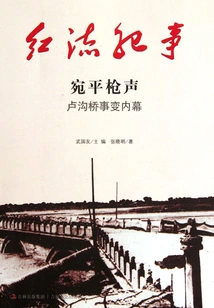
红流纪事:宛平枪声卢沟桥事变内幕
Editor-in-chief Wu Guoyou
The "major events" selected in the series only select 30 major events in the 28-year history of the democratic revolution, and strive to cover the main aspects of the basic issues in the history of the Communist Party of China through these 30 major events. This first encounters the problem of selecting which events are most appropriate. As far as our level is concerned, it is difficult to say that we will be able to choose so accurately and appropriately. But the overall idea is that it should mainly focus on praising the great achievements of the Communist Party of China, and some can also focus on summarizing certain historical experiences or lessons.
The "major events" selected in the series only select 30 major events in the 28-year history of the democratic revolution, and strive to cover the main aspects of the basic issues in the history of the Communist Party of China through these 30 major events. This first encounters the problem of selecting which events are most appropriate. As far as our level is concerned, it is difficult to say that we will be able to choose so accurately and appropriately. But the overall idea is that it should mainly focus on praising the great achievements of the Communist Party of China, and some can also focus on summarizing certain historical experiences or lessons.
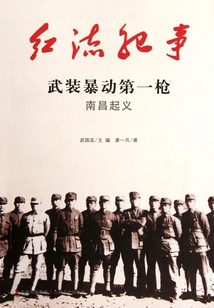
红流纪事:武装暴动第一枪南昌起义
Editor-in-chief Wu Guoyou
The "major events" selected in the series only select 30 major events in the 28-year history of the democratic revolution, and strive to cover the main aspects of the basic issues in the history of the Communist Party of China through these 30 major events. This first encounters the problem of selecting which events are most appropriate. As far as our level is concerned, it is difficult to say that we will be able to choose so accurately and appropriately. But the overall idea is that it should mainly focus on praising the great achievements of the Communist Party of China, and some can also focus on summarizing certain historical experiences or lessons.
The "major events" selected in the series only select 30 major events in the 28-year history of the democratic revolution, and strive to cover the main aspects of the basic issues in the history of the Communist Party of China through these 30 major events. This first encounters the problem of selecting which events are most appropriate. As far as our level is concerned, it is difficult to say that we will be able to choose so accurately and appropriately. But the overall idea is that it should mainly focus on praising the great achievements of the Communist Party of China, and some can also focus on summarizing certain historical experiences or lessons.
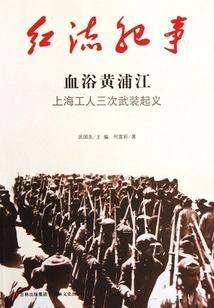
红流纪事:血浴黄浦江
Editor-in-chief Wu Guoyou
The "major events" selected in the series only select 30 major events in the 28-year history of the democratic revolution, and strive to cover the main aspects of the basic issues in the history of the Communist Party of China through these 30 major events. This first encounters the problem of selecting which events are most appropriate. As far as our level is concerned, it is difficult to say that we will be able to choose so accurately and appropriately. But the overall idea is that it should mainly focus on praising the great achievements of the Communist Party of China, and some can also focus on summarizing certain historical experiences or lessons.
The "major events" selected in the series only select 30 major events in the 28-year history of the democratic revolution, and strive to cover the main aspects of the basic issues in the history of the Communist Party of China through these 30 major events. This first encounters the problem of selecting which events are most appropriate. As far as our level is concerned, it is difficult to say that we will be able to choose so accurately and appropriately. But the overall idea is that it should mainly focus on praising the great achievements of the Communist Party of China, and some can also focus on summarizing certain historical experiences or lessons.
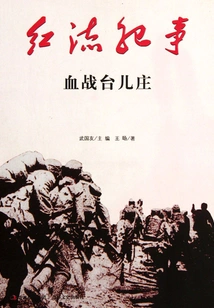
红流纪事:血战台儿庄
Editor-in-chief Wu Guoyou
The "major events" selected in the series only select 30 major events in the 28-year history of the democratic revolution, and strive to cover the main aspects of the basic issues in the history of the Communist Party of China through these 30 major events. This first encounters the problem of selecting which events are most appropriate. As far as our level is concerned, it is difficult to say that we will be able to choose so accurately and appropriately. But the overall idea is that it should mainly focus on praising the great achievements of the Communist Party of China, and some can also focus on summarizing certain historical experiences or lessons.
The "major events" selected in the series only select 30 major events in the 28-year history of the democratic revolution, and strive to cover the main aspects of the basic issues in the history of the Communist Party of China through these 30 major events. This first encounters the problem of selecting which events are most appropriate. As far as our level is concerned, it is difficult to say that we will be able to choose so accurately and appropriately. But the overall idea is that it should mainly focus on praising the great achievements of the Communist Party of China, and some can also focus on summarizing certain historical experiences or lessons.
Reading People and Reading History: Alternative Interpretations of Chinese Historical Celebrities
History读人与读史:中国历史名人的另类解读
Tang Xiaolan
What this book presents are living figures traveling in the historical ecology, rather than isolated, cold celebrity specimens that are out of date and collected in museums. If you put a character back into his historical environment, you will see some things that we have ignored in the past: Is the influence of loyal ministers on a country necessarily good? How to break the deadlock and seek personal development under a fixed political order? Is the righteous opposition really willing to sacrifice himself for what he believes to be the truth? Is a powerful figure really suitable to survive in politics?
What this book presents are living figures traveling in the historical ecology, rather than isolated, cold celebrity specimens that are out of date and collected in museums. If you put a character back into his historical environment, you will see some things that we have ignored in the past: Is the influence of loyal ministers on a country necessarily good? How to break the deadlock and seek personal development under a fixed political order? Is the righteous opposition really willing to sacrifice himself for what he believes to be the truth? Is a powerful figure really suitable to survive in politics?
Qing Dynasty War History
History清代战争史
Feng Xianzhi
War is a special social phenomenon that develops with the development of society. The history of war is a specialized history that records the entire process of the emergence and development of this special social phenomenon. It is the main component of the history of human social development. For thousands of years in our country, there have been recorded wars between tribes, between nationalities, between princes, between old and new dynasties, between classes, within classes and between countries...
War is a special social phenomenon that develops with the development of society. The history of war is a specialized history that records the entire process of the emergence and development of this special social phenomenon. It is the main component of the history of human social development. For thousands of years in our country, there have been recorded wars between tribes, between nationalities, between princes, between old and new dynasties, between classes, within classes and between countries...