Library
Browse and search books
3,417 novels found
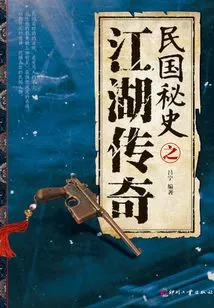
民国秘史之江湖传奇
Compiled By Lu Ning
How did the "Three Tycoons" of old Shanghai get rich? Where did the rumor that "Huang Jinrong loves money, Zhang Xiaolin is good at fighting, and Du Yuesheng knows how to be a good man" come from? Is there an invincible Mizongquan in Xiaonanhe Village, Jinmen? Who is the first martial artist in the Republic of China, the great master Huo Yuanjia or the Wing Chun gentleman Ip Man? How did Shandong thieves plan the most sensational carjacking case in the history of the Republic of China, and what happened to the talented bandit leader Sun Meiyao? How does the red-top businessman Yu Qiaqing control Shanghai's financial situation? Why was the shipping king of the old era nicknamed the "rice worm"? How many romantic love histories did Zhou Xuan, the first-generation movie queen, have, and which man ruined her life? Cai E, the God of the Protector of the National Army, is so suave and romantic. Is the story between him and Xiao Fengxian a legend or an unparalleled love?
How did the "Three Tycoons" of old Shanghai get rich? Where did the rumor that "Huang Jinrong loves money, Zhang Xiaolin is good at fighting, and Du Yuesheng knows how to be a good man" come from? Is there an invincible Mizongquan in Xiaonanhe Village, Jinmen? Who is the first martial artist in the Republic of China, the great master Huo Yuanjia or the Wing Chun gentleman Ip Man? How did Shandong thieves plan the most sensational carjacking case in the history of the Republic of China, and what happened to the talented bandit leader Sun Meiyao? How does the red-top businessman Yu Qiaqing control Shanghai's financial situation? Why was the shipping king of the old era nicknamed the "rice worm"? How many romantic love histories did Zhou Xuan, the first-generation movie queen, have, and which man ruined her life? Cai E, the God of the Protector of the National Army, is so suave and romantic. Is the story between him and Xiao Fengxian a legend or an unparalleled love?
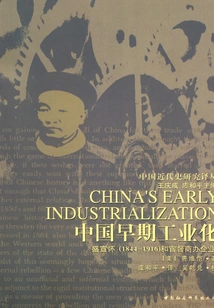
中国早期工业化:盛宣怀(1844-1916)和官督商办企业
(us) Fei Weikai
The author of "China's Early Industrialization: Sheng Xuanhuai (1844-1916) and Government-Supervised Commercial Enterprises" takes the four official-supervised commercial enterprises founded by Sheng Xuanhuai, a gentleman capitalist in modern China, as the main line, including the Steamship Merchants Company, China Telegraph Bureau, Huasheng Textile Factory, and China Commercial Bank, and uses Chinese and Japanese extensively. Reliable information in both Chinese and Western languages elaborates on the economic achievements and problems, personnel and policies, social and institutional issues of China's early industrialization. It conducts an enlightening comparative study of China's experience with that of Japan and the West, and raises a series of issues worthy of deep reflection. "China's Early Industrialization: Sheng Xuanhuai (1844-1916) and Official Supervision of Commercial Enterprises" touches on certain unresolved policy issues inherent in economic development, which provides useful reference for today's industrial modernization plans.
The author of "China's Early Industrialization: Sheng Xuanhuai (1844-1916) and Government-Supervised Commercial Enterprises" takes the four official-supervised commercial enterprises founded by Sheng Xuanhuai, a gentleman capitalist in modern China, as the main line, including the Steamship Merchants Company, China Telegraph Bureau, Huasheng Textile Factory, and China Commercial Bank, and uses Chinese and Japanese extensively. Reliable information in both Chinese and Western languages elaborates on the economic achievements and problems, personnel and policies, social and institutional issues of China's early industrialization. It conducts an enlightening comparative study of China's experience with that of Japan and the West, and raises a series of issues worthy of deep reflection. "China's Early Industrialization: Sheng Xuanhuai (1844-1916) and Official Supervision of Commercial Enterprises" touches on certain unresolved policy issues inherent in economic development, which provides useful reference for today's industrial modernization plans.
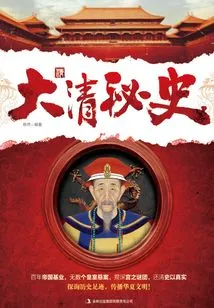
大清秘史
Moved
From the establishment of the Hou Jin regime to the abdication of Puyi, the last emperor of the Qing Dynasty, the Qing Dynasty developed from a Jurchen tribe living among the white mountains and black waters to a prosperous empire. After 296 years of ups and downs, how many powerful figures and thrilling stories were produced? These figures seem to be wearing a mysterious veil, and these stories are even more complicated and confusing. When we clear away the fog of history, solve mysteries one by one, find chapters and sentences from official historical novels and unofficial history notes, pick up fragments from those fragments and flashing words, restore vivid characters' faces, and piece together pieces of historical truth, we have this book "The Secret History of the Qing Dynasty".
From the establishment of the Hou Jin regime to the abdication of Puyi, the last emperor of the Qing Dynasty, the Qing Dynasty developed from a Jurchen tribe living among the white mountains and black waters to a prosperous empire. After 296 years of ups and downs, how many powerful figures and thrilling stories were produced? These figures seem to be wearing a mysterious veil, and these stories are even more complicated and confusing. When we clear away the fog of history, solve mysteries one by one, find chapters and sentences from official historical novels and unofficial history notes, pick up fragments from those fragments and flashing words, restore vivid characters' faces, and piece together pieces of historical truth, we have this book "The Secret History of the Qing Dynasty".
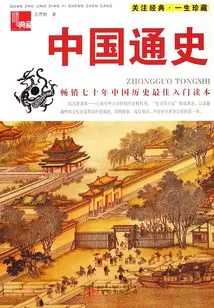
中国通史(典藏)
Lu Simian
This book was originally a study material compiled to meet the needs of university teaching during the Anti-Japanese War. It is written in vernacular. The book is divided into an upper part and a lower part. The upper part uses historical generality as the starting point to describe the changes in economics, politics, and cultural scholarship; the lower part narrates historical changes in chronological order and systematically sorts out the complicated historical knowledge. The author combines his profound foundation in Chinese studies with Western studies such as sociology and anthropology. His writing is rigorous and easy-to-understand. In addition, the book has clear historical facts, clear annotations, and unique insights. It is very suitable for history beginners who do not have a deep foundation in Chinese studies. For the convenience of reading, this book has revised the Tongjia characters, added annotations, and unified the chronology.
This book was originally a study material compiled to meet the needs of university teaching during the Anti-Japanese War. It is written in vernacular. The book is divided into an upper part and a lower part. The upper part uses historical generality as the starting point to describe the changes in economics, politics, and cultural scholarship; the lower part narrates historical changes in chronological order and systematically sorts out the complicated historical knowledge. The author combines his profound foundation in Chinese studies with Western studies such as sociology and anthropology. His writing is rigorous and easy-to-understand. In addition, the book has clear historical facts, clear annotations, and unique insights. It is very suitable for history beginners who do not have a deep foundation in Chinese studies. For the convenience of reading, this book has revised the Tongjia characters, added annotations, and unified the chronology.
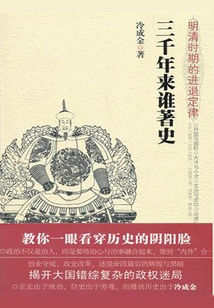
三千年来谁著史:明清时期的进退定律
Cold Into Gold
"Who Writes History in Three Thousand Years; The Law of Advance and Retreat in the Ming and Qing Dynasties" is written by Leng Chengjin, a famous history professor at the National People's Congress. With decades of continuous exploration and research on Chinese history, he boldly proposed "the true meaning of history" and analyzed its in-depth meaning after exploring every clue. It interprets each historical figure and historical phenomenon and creates a true, vivid and complete collection of historical strategy and culture. How to survive in the ever-changing political arena? Love, family affection, career, how did the ancients choose? Will the young emperor seize the imperial power or become a puppet? "Who Writes History in Three Thousand Years: The Law of Advance and Retreat in the Ming and Qing Dynasties" takes you back to the last moments of the empire to see the advancement and retreat of the officialdom of the ancients, and the gains and losses of power!
"Who Writes History in Three Thousand Years; The Law of Advance and Retreat in the Ming and Qing Dynasties" is written by Leng Chengjin, a famous history professor at the National People's Congress. With decades of continuous exploration and research on Chinese history, he boldly proposed "the true meaning of history" and analyzed its in-depth meaning after exploring every clue. It interprets each historical figure and historical phenomenon and creates a true, vivid and complete collection of historical strategy and culture. How to survive in the ever-changing political arena? Love, family affection, career, how did the ancients choose? Will the young emperor seize the imperial power or become a puppet? "Who Writes History in Three Thousand Years: The Law of Advance and Retreat in the Ming and Qing Dynasties" takes you back to the last moments of the empire to see the advancement and retreat of the officialdom of the ancients, and the gains and losses of power!
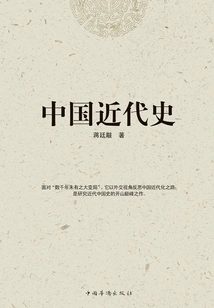
Modern History of China
History中国近代史
Jiang Tingfu
An undisputed authoritative work, Chiang Kai-shek appreciated the historian's rational telling of modern Chinese history. This book takes China's modernization as a clue and believes that "whether the Chinese can modernize will determine the rise or fall of the country." It mainly elaborates on the efforts of modern people to strengthen themselves in the face of "great changes unseen in thousands of years" and the reasons for their failure. It then proposes that "modern national defense requires not only modern communication. Communication, education, economy, and modernized politics and people, half-new and half-old are useless." The historical framework and chronological history system constructed in this book once led the trend of modern history research and were praised by later researchers. It is called the pioneering work of modern Chinese history research.
An undisputed authoritative work, Chiang Kai-shek appreciated the historian's rational telling of modern Chinese history. This book takes China's modernization as a clue and believes that "whether the Chinese can modernize will determine the rise or fall of the country." It mainly elaborates on the efforts of modern people to strengthen themselves in the face of "great changes unseen in thousands of years" and the reasons for their failure. It then proposes that "modern national defense requires not only modern communication. Communication, education, economy, and modernized politics and people, half-new and half-old are useless." The historical framework and chronological history system constructed in this book once led the trend of modern history research and were praised by later researchers. It is called the pioneering work of modern Chinese history research.
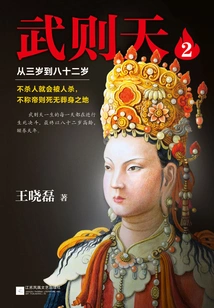
武则天2:从三岁到八十二岁
I
Wu Zetian lived for 82 years. In the first 31 years, she was involved in a power struggle and fought for her life from a palace maid to the queen's throne. In the second 51 years, she caused a bloody storm and used the queen's dragon robe to ensure her own safety. At the age of 3, she was the daughter of a businessman, and was shocked to be the "Lord of the World" after being met by the warlock Yuan Tiangang; at the age of 25, she entered the palace for ten years, and went from Taizong's bed to the prince's bed; at the age of 27, she was trapped in a nun, but she successfully broke off the connection with the new emperor; at the age of 31, she gave it a try and won the life-and-death battle for the queen; at the age of 36, she took charge of the government on behalf of Emperor Gaozong, but Unknowingly, she transferred the power into her own hands; at the age of 59, she took over the affairs of the state, eradicating the royal family group with one hand, and cultivating the new aristocratic forces with the other; at the age of 67, she ascended the throne and proclaimed herself emperor at the invitation of hundreds of officials, beginning the 14-year era of empress; at the age of 82, she abdicated the throne and was revered as the "Great Sage Emperor Zetian" by her political opponents. The rule of the country ushered in the prosperous Tang Dynasty, leaving behind a wordless monument.
Wu Zetian lived for 82 years. In the first 31 years, she was involved in a power struggle and fought for her life from a palace maid to the queen's throne. In the second 51 years, she caused a bloody storm and used the queen's dragon robe to ensure her own safety. At the age of 3, she was the daughter of a businessman, and was shocked to be the "Lord of the World" after being met by the warlock Yuan Tiangang; at the age of 25, she entered the palace for ten years, and went from Taizong's bed to the prince's bed; at the age of 27, she was trapped in a nun, but she successfully broke off the connection with the new emperor; at the age of 31, she gave it a try and won the life-and-death battle for the queen; at the age of 36, she took charge of the government on behalf of Emperor Gaozong, but Unknowingly, she transferred the power into her own hands; at the age of 59, she took over the affairs of the state, eradicating the royal family group with one hand, and cultivating the new aristocratic forces with the other; at the age of 67, she ascended the throne and proclaimed herself emperor at the invitation of hundreds of officials, beginning the 14-year era of empress; at the age of 82, she abdicated the throne and was revered as the "Great Sage Emperor Zetian" by her political opponents. The rule of the country ushered in the prosperous Tang Dynasty, leaving behind a wordless monument.
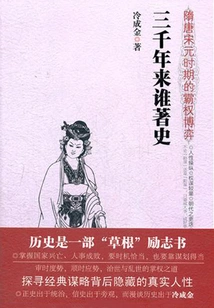
三千年来谁著史:隋唐宋元时期的霸权博弈
Cold Into Gold
The Sui, Tang, Song and Yuan dynasties were one of the most special periods in China's feudal history. They included the prosperous Tang Dynasty and the Five Dynasties and Ten Kingdoms with frequent dynasty changes. At this time, strategy became the protagonist of feudal politics and had a huge impact. However, strategy is just a technique, and it ultimately depends on human nature. Therefore, rather than saying that strategy affects history, it is better to say that human nature shapes history. The relationship between human nature and strategy in "Who Writes History in Three Thousand Years: The Game of Hegemony in the Sui, Tang, Song and Yuan Dynasties" was vividly interpreted during this period. Once you understand the relationship between human nature and strategy, you can understand why history developed in this way.
The Sui, Tang, Song and Yuan dynasties were one of the most special periods in China's feudal history. They included the prosperous Tang Dynasty and the Five Dynasties and Ten Kingdoms with frequent dynasty changes. At this time, strategy became the protagonist of feudal politics and had a huge impact. However, strategy is just a technique, and it ultimately depends on human nature. Therefore, rather than saying that strategy affects history, it is better to say that human nature shapes history. The relationship between human nature and strategy in "Who Writes History in Three Thousand Years: The Game of Hegemony in the Sui, Tang, Song and Yuan Dynasties" was vividly interpreted during this period. Once you understand the relationship between human nature and strategy, you can understand why history developed in this way.
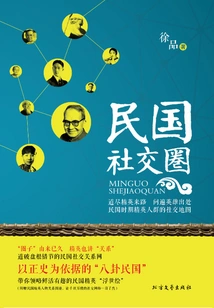
民国社交圈
Xu Pin
What this book shows is the social circle of the Republic of China, which was compiled from the social network of social elites and a generation of celebrities. The author uses a relaxed and humorous style to present this staggeringly complex panoramic view of the social circle in front of readers. There is no unofficial history and no ambiguous conjectures. What is only a "learning from history" that would put those who "keep themselves in isolation" to shame.
What this book shows is the social circle of the Republic of China, which was compiled from the social network of social elites and a generation of celebrities. The author uses a relaxed and humorous style to present this staggeringly complex panoramic view of the social circle in front of readers. There is no unofficial history and no ambiguous conjectures. What is only a "learning from history" that would put those who "keep themselves in isolation" to shame.
Republic of China
History民国
Cai Dongfan
This book contains almost all of Lin Huiyin's classic literary works. Each article is the condensation of her smart thoughts and full of talent. Her language is gentle and elegant, like flowing clouds and flowing water, and like the spring breeze blowing on her face. It can be said that her words have a charm that transcends time, and her writing also reveals an astonishing understanding of folklore.
This book contains almost all of Lin Huiyin's classic literary works. Each article is the condensation of her smart thoughts and full of talent. Her language is gentle and elegant, like flowing clouds and flowing water, and like the spring breeze blowing on her face. It can be said that her words have a charm that transcends time, and her writing also reveals an astonishing understanding of folklore.
History of Ming Dynasty
History明史
Cai Dongfan
The "History of China by Cai Dongfan" series is the vernacular version of Cai Dongfan's historical novels. The book contains more than a thousand chapters, covering several spring and autumn periods, starting from Qin Shihuang to 1920. It records a total of 2166 years of history, with a total of 11 parts, 1040 chapters, and about 6.08 Million words. Its content spans a long time, has a large number of characters, and is huge in length, making it the best of all historical novels. He is known as "a historian of a generation and a magic pen for thousands of years".
The "History of China by Cai Dongfan" series is the vernacular version of Cai Dongfan's historical novels. The book contains more than a thousand chapters, covering several spring and autumn periods, starting from Qin Shihuang to 1920. It records a total of 2166 years of history, with a total of 11 parts, 1040 chapters, and about 6.08 Million words. Its content spans a long time, has a large number of characters, and is huge in length, making it the best of all historical novels. He is known as "a historian of a generation and a magic pen for thousands of years".
Qing History
History清史
Cai Dongfan
The "Cai Dongfan Chinese History" series is the vernacular version of Cai Dongfan's historical novels. The book contains more than a thousand chapters, covering several spring and autumn periods, starting from Qin Shihuang to 1920. It records a total of 2166 years of history, with a total of 11 parts, 1040 chapters, and about 6.09 Million words. Its content spans a long time, has a large number of characters, and is huge in length, making it the best of all historical novels. He is known as "a historian of a generation and a magic pen for thousands of years". In the selection and use of historical materials, Cai Dongfan mainly focused on "official history" and also collected anecdotes and anecdotes. He claimed that the historical romance he compiled "takes official history as the classic and strives for certainty; uses anecdotes as the latitude and does not make false accusations." He is extremely cautious in the use of historical materials such as anecdotes and anecdotes, and often requires "several rounds of textual research." In terms of genre, it highlights the characteristics of "righteousness is used to express things, that is, to express feelings", and it also writes its own text, self-written annotations, and self-written reviews.
The "Cai Dongfan Chinese History" series is the vernacular version of Cai Dongfan's historical novels. The book contains more than a thousand chapters, covering several spring and autumn periods, starting from Qin Shihuang to 1920. It records a total of 2166 years of history, with a total of 11 parts, 1040 chapters, and about 6.09 Million words. Its content spans a long time, has a large number of characters, and is huge in length, making it the best of all historical novels. He is known as "a historian of a generation and a magic pen for thousands of years". In the selection and use of historical materials, Cai Dongfan mainly focused on "official history" and also collected anecdotes and anecdotes. He claimed that the historical romance he compiled "takes official history as the classic and strives for certainty; uses anecdotes as the latitude and does not make false accusations." He is extremely cautious in the use of historical materials such as anecdotes and anecdotes, and often requires "several rounds of textual research." In terms of genre, it highlights the characteristics of "righteousness is used to express things, that is, to express feelings", and it also writes its own text, self-written annotations, and self-written reviews.
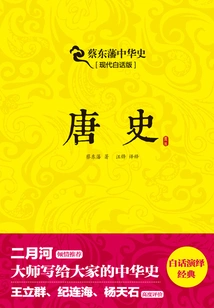
Tang History
History唐史
Cai Dongfan
The "Cai Dongfan Chinese History" series is the vernacular version of Cai Dongfan's historical novels. The book contains more than a thousand chapters, covering several spring and autumn periods, starting from Qin Shihuang to 1920. It records a total of 2166 years of history, with a total of 11 parts, 1040 chapters, and about 6.04 Million words. Its content spans a long time, has a large number of characters, and is huge in length, making it the best of all historical novels. He is known as "a historian of a generation and a magic pen for thousands of years".
The "Cai Dongfan Chinese History" series is the vernacular version of Cai Dongfan's historical novels. The book contains more than a thousand chapters, covering several spring and autumn periods, starting from Qin Shihuang to 1920. It records a total of 2166 years of history, with a total of 11 parts, 1040 chapters, and about 6.04 Million words. Its content spans a long time, has a large number of characters, and is huge in length, making it the best of all historical novels. He is known as "a historian of a generation and a magic pen for thousands of years".
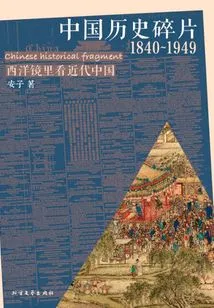
中国历史碎片(1840~1949)
Written By An Zi
The author immersed himself in old papers and rummaged through old newspapers. From old newspapers and magazines such as Time, New York Times, and The Times from the late Qing Dynasty and the Republic of China, he found pieces of unique fragments of Chinese history. He translated these historical fragments from foreign media authentically, and pieced together a historical picture in a "diorama". From the perspective of foreign media, China at that time was so novel, so inexplicable, and so weird.
The author immersed himself in old papers and rummaged through old newspapers. From old newspapers and magazines such as Time, New York Times, and The Times from the late Qing Dynasty and the Republic of China, he found pieces of unique fragments of Chinese history. He translated these historical fragments from foreign media authentically, and pieced together a historical picture in a "diorama". From the perspective of foreign media, China at that time was so novel, so inexplicable, and so weird.
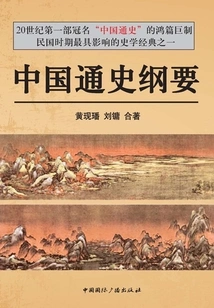
中国通史纲要
Huang Xianfan Liu Yong
This book narrates the evolution of Chinese history. The outline is concise and complete. The system, culture, people's livelihood conditions and customs of each dynasty are all encompassing.
This book narrates the evolution of Chinese history. The outline is concise and complete. The system, culture, people's livelihood conditions and customs of each dynasty are all encompassing.
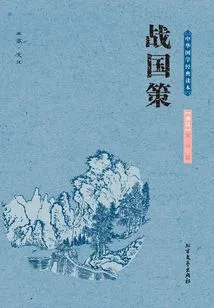
中华国学经典读本:战国策
(western Han Dynasty) Liu Xiang
"Warring States Policy" compiled by Liu Xiang is a unique national history work compiled by Liu Xiang, a Han Chinese, based on the writings of strategists during the Warring States Period. It is actually a compilation of the lobbying words of strategists at that time. It mainly records the struggles of counselors and strategists during the Warring States Period. The book has beautiful diction, vivid language, full of eloquence and strategic wit. It describes the characters vividly and uses fables to explain the truth. It also occupies an important position in the history of Chinese classical literature.
"Warring States Policy" compiled by Liu Xiang is a unique national history work compiled by Liu Xiang, a Han Chinese, based on the writings of strategists during the Warring States Period. It is actually a compilation of the lobbying words of strategists at that time. It mainly records the struggles of counselors and strategists during the Warring States Period. The book has beautiful diction, vivid language, full of eloquence and strategic wit. It describes the characters vividly and uses fables to explain the truth. It also occupies an important position in the history of Chinese classical literature.
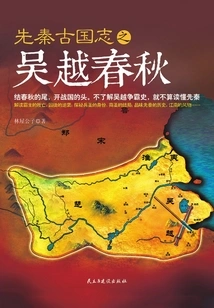
先秦古国志之吴越春秋
Mr. Linwu
At the end of the Spring and Autumn Period, the ancient kingdom of Wu and Yue appeared out of nowhere. They rose up in the barbaric land and fought endlessly with the princes. "Chronicles of the Ancient Kingdoms of the Pre-Qin Dynasty: The Spring and Autumn Period of Wu and Yue" is based on classical literature and modern research, and uses popular writing to narrate the history of the rise of Wu and Yue and their struggle for hegemony in the Central Plains. This is a thrilling legend performed by heroes, counselors, beauties and traitors. Here there are cold-blooded battles and absurd life...
At the end of the Spring and Autumn Period, the ancient kingdom of Wu and Yue appeared out of nowhere. They rose up in the barbaric land and fought endlessly with the princes. "Chronicles of the Ancient Kingdoms of the Pre-Qin Dynasty: The Spring and Autumn Period of Wu and Yue" is based on classical literature and modern research, and uses popular writing to narrate the history of the rise of Wu and Yue and their struggle for hegemony in the Central Plains. This is a thrilling legend performed by heroes, counselors, beauties and traitors. Here there are cold-blooded battles and absurd life...
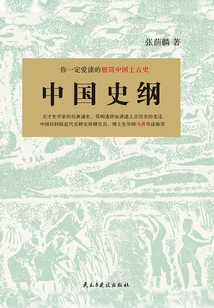
Outline of Chinese History
History中国史纲
Zhang Yinlin
This book narrates the history of more than 1,600 years from the Shang Dynasty to the Eastern Han Dynasty. The book is written in the order of dynasties, but not every dynasty is written with the same pen and ink. Instead, the important events of each dynasty are selected as themes according to their own historical and philosophical standards, focusing on describing "social changes, ideological contributions and the personalities of several important figures." The book is rich in content. It not only tells about the changes of dynasties, political rise and fall, and social changes, but also describes cultural development, commercial economy, regional folk customs, and public life. It can be said to be all-encompassing. There are no difficult academic slangs or boring rational preaching in the author's writing. With his clear writing style, elegant writing style, and artistic language, the author writes the "Outline of Chinese History" beautifully and movingly, allowing readers to enjoy the beauty of history and appreciate the wonders of literature.
This book narrates the history of more than 1,600 years from the Shang Dynasty to the Eastern Han Dynasty. The book is written in the order of dynasties, but not every dynasty is written with the same pen and ink. Instead, the important events of each dynasty are selected as themes according to their own historical and philosophical standards, focusing on describing "social changes, ideological contributions and the personalities of several important figures." The book is rich in content. It not only tells about the changes of dynasties, political rise and fall, and social changes, but also describes cultural development, commercial economy, regional folk customs, and public life. It can be said to be all-encompassing. There are no difficult academic slangs or boring rational preaching in the author's writing. With his clear writing style, elegant writing style, and artistic language, the author writes the "Outline of Chinese History" beautifully and movingly, allowing readers to enjoy the beauty of history and appreciate the wonders of literature.
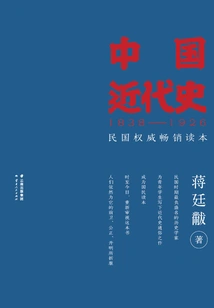
中国近代史(民国权威畅销读本)
Jiang Tingfu
An undisputed authoritative work, Chiang Kai-shek appreciated the historian's rational telling of modern Chinese history. This book uses clear and smooth words to describe the evolution over the past century, describing the political confrontation, the collision of civilizations, as well as the rules of society and the inertia of the nation. In just 60,000 words, it tells a thorough story of the major events and important figures in modern China over the past century. It is precisely because we have grasped the essence that we can achieve "minimalist" and "extremely complete" at the same time. This book provides a completely different perspective from textbooks in an easy-to-read manner, and provides a full-angle analysis of events and characters. In the West, the Arabs in the Middle Ages used force to promote Islam and promoted their religious imperialism. At the end of the 18th century, French revolutionaries used force to force foreign countries to accept their freedom and equality, and promoted their revolutionary imperialism. In history, various political systems, whether monarchy or democracy, various social and economic systems, whether capitalism or feudalism, all have the possibility of imperialism. Mr. Jiang's book is indeed a modern history that everyone can read and everyone should read.
An undisputed authoritative work, Chiang Kai-shek appreciated the historian's rational telling of modern Chinese history. This book uses clear and smooth words to describe the evolution over the past century, describing the political confrontation, the collision of civilizations, as well as the rules of society and the inertia of the nation. In just 60,000 words, it tells a thorough story of the major events and important figures in modern China over the past century. It is precisely because we have grasped the essence that we can achieve "minimalist" and "extremely complete" at the same time. This book provides a completely different perspective from textbooks in an easy-to-read manner, and provides a full-angle analysis of events and characters. In the West, the Arabs in the Middle Ages used force to promote Islam and promoted their religious imperialism. At the end of the 18th century, French revolutionaries used force to force foreign countries to accept their freedom and equality, and promoted their revolutionary imperialism. In history, various political systems, whether monarchy or democracy, various social and economic systems, whether capitalism or feudalism, all have the possibility of imperialism. Mr. Jiang's book is indeed a modern history that everyone can read and everyone should read.
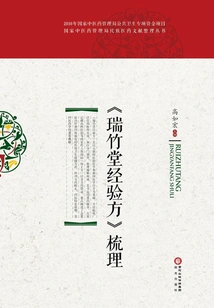
《瑞竹堂经验方》梳理
Gao Ruhong
Five volumes of Ruizhutang's empirical prescriptions, written by Yuansha Tumusu. There is no biography of Shatu Musu in the Yuan Dynasty, and his deeds cannot be verified. According to the second order in the capital of King Wu and Chang, his courtesy name is Qian Qi, and he was appointed as the censor when he was the prefect of Jianchang. This book is the collection he compiled when he was in the county.
Five volumes of Ruizhutang's empirical prescriptions, written by Yuansha Tumusu. There is no biography of Shatu Musu in the Yuan Dynasty, and his deeds cannot be verified. According to the second order in the capital of King Wu and Chang, his courtesy name is Qian Qi, and he was appointed as the censor when he was the prefect of Jianchang. This book is the collection he compiled when he was in the county.
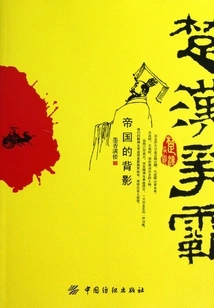
楚汉争霸:帝国的背影
The Building Is Full Of Ink
The Chu-Han struggle for hegemony took place at the end of the Qin Dynasty. In order to overthrow the violent Qin rule, heroes from all walks of life rose up in rebellion. Xiang Yu and Liu Bang were the two main forces. Xiang Yu proclaimed himself the Overlord of Western Chu, enfeoffed eighteen princes and kings, and named Liu Bang the King of Han. From August 206 BC to December 202 BC, two major power groups, Xiang Yu, the overlord of Western Chu, and Liu Bang, the king of Han, launched a large-scale war to compete for political power. It ended with Xiang Yu's defeat and Liu Bang's establishment of the Western Han Dynasty.
The Chu-Han struggle for hegemony took place at the end of the Qin Dynasty. In order to overthrow the violent Qin rule, heroes from all walks of life rose up in rebellion. Xiang Yu and Liu Bang were the two main forces. Xiang Yu proclaimed himself the Overlord of Western Chu, enfeoffed eighteen princes and kings, and named Liu Bang the King of Han. From August 206 BC to December 202 BC, two major power groups, Xiang Yu, the overlord of Western Chu, and Liu Bang, the king of Han, launched a large-scale war to compete for political power. It ended with Xiang Yu's defeat and Liu Bang's establishment of the Western Han Dynasty.
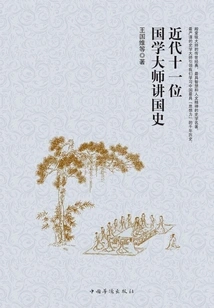
近代十一位国学大师讲国史
Wang Guowei
As far as human society is concerned, people are the main subjects in creating history. However, in the long river of time, history changes from recent to distant, blurring its true face. Restoring the historical truth and correctly interpreting history are the most basic academic attitudes of every historian. China has a long and splendid history and is an important part of human history. Liang Qichao said: "If you want to know the truth of history, you can't just look at a few big figures and a few big events. The important thing is to see the changes in the entire society." This book collects the wisdom of eleven masters of Chinese studies and tells the ups and downs of China's five thousand years of history.
As far as human society is concerned, people are the main subjects in creating history. However, in the long river of time, history changes from recent to distant, blurring its true face. Restoring the historical truth and correctly interpreting history are the most basic academic attitudes of every historian. China has a long and splendid history and is an important part of human history. Liang Qichao said: "If you want to know the truth of history, you can't just look at a few big figures and a few big events. The important thing is to see the changes in the entire society." This book collects the wisdom of eleven masters of Chinese studies and tells the ups and downs of China's five thousand years of history.
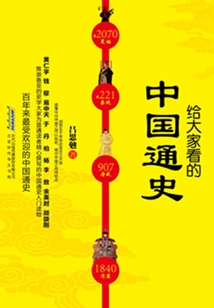
给大家看的中国通史
Lu Simian
As a citizen of a country, you must have a certain understanding of the history of your country. This can be said to be the consensus of all citizens. However, it is difficult for ordinary people to fully understand the vast history of China, which spans five thousand years and twenty-four splendid histories. In response to this, Mr. Lu Simian, a great historian, wrote the book "A General History of China for Everyone" specifically for readers with ordinary knowledge, so that readers can have a certain understanding of major events in Chinese history after reading this book. However, in the process of writing, Lu Simian did not simply list historical facts, but gained insight into the general trend of Chinese history through specific historical events and institutional changes. In this way, readers can not only understand the basic situation of their country's history, but also develop a deep understanding and sympathy for history in a subtle way. In order to adapt to the reading level of general readers, this book uses simple vernacular writing, and the content is appropriately selected. It not only has the weight and depth of history itself, but also takes into account the story and interest of the reading process.
As a citizen of a country, you must have a certain understanding of the history of your country. This can be said to be the consensus of all citizens. However, it is difficult for ordinary people to fully understand the vast history of China, which spans five thousand years and twenty-four splendid histories. In response to this, Mr. Lu Simian, a great historian, wrote the book "A General History of China for Everyone" specifically for readers with ordinary knowledge, so that readers can have a certain understanding of major events in Chinese history after reading this book. However, in the process of writing, Lu Simian did not simply list historical facts, but gained insight into the general trend of Chinese history through specific historical events and institutional changes. In this way, readers can not only understand the basic situation of their country's history, but also develop a deep understanding and sympathy for history in a subtle way. In order to adapt to the reading level of general readers, this book uses simple vernacular writing, and the content is appropriately selected. It not only has the weight and depth of history itself, but also takes into account the story and interest of the reading process.
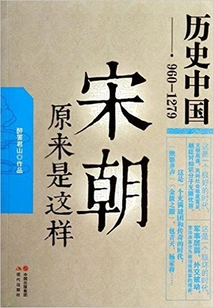
宋朝原来是这样
Get Drunk In Junshan
"The Song Dynasty Is Like This" uses a vertical and horizontal writing style to write the three hundred years of the Song Dynasty's magnificent history full of contradictions and entanglements. There are praises for the highly civilized politics and cultural ecology of the Song Dynasty, interpretations and criticisms of its military and diplomatic failures, and even reflections on the historical paradox of the Song Dynasty, when the people were rich but the country was weak.
"The Song Dynasty Is Like This" uses a vertical and horizontal writing style to write the three hundred years of the Song Dynasty's magnificent history full of contradictions and entanglements. There are praises for the highly civilized politics and cultural ecology of the Song Dynasty, interpretations and criticisms of its military and diplomatic failures, and even reflections on the historical paradox of the Song Dynasty, when the people were rich but the country was weak.
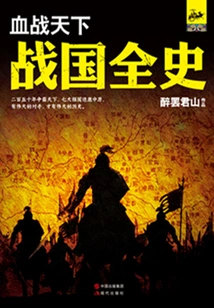
血战天下:战国全史
J
This is a popular historical book that writes the history of the Warring States Period. From the beginning of the Warring States Period when three families were divided into the Jin Dynasty, and the seven heroes rose up together to compete in the world, to the remnants of the sixth generation of Qin King Ying Zheng Fen, who annexed the six eastern kingdoms, the author uses time as a clue to write classic stories and classic characters throughout the troubled times. These stories come from classic history books such as "Warring States Policy", "Historical Records", and "Zi Zhi Tong Jian". They are full of ups and downs and are popular among the people. Nie Zheng's assassination of Han, Jing Ke's assassination of Qin, Su Qin and Zhang Yi's inspiration, Sun Bin and Fan Ju's revenge, Mengchang Jun surrounded Wei to save Zhao, Shang Yang's reform, hundreds of schools of thought blossomed, and the national spirit, thought and culture of later generations Culture and political systems can all be traced back to the story of the Warring States Period; how the monarch governed the country, the military strategists' tactics, the strategic wisdom of the politicians, and the profound thoughts of the philosophers have deeply inspired future generations.
This is a popular historical book that writes the history of the Warring States Period. From the beginning of the Warring States Period when three families were divided into the Jin Dynasty, and the seven heroes rose up together to compete in the world, to the remnants of the sixth generation of Qin King Ying Zheng Fen, who annexed the six eastern kingdoms, the author uses time as a clue to write classic stories and classic characters throughout the troubled times. These stories come from classic history books such as "Warring States Policy", "Historical Records", and "Zi Zhi Tong Jian". They are full of ups and downs and are popular among the people. Nie Zheng's assassination of Han, Jing Ke's assassination of Qin, Su Qin and Zhang Yi's inspiration, Sun Bin and Fan Ju's revenge, Mengchang Jun surrounded Wei to save Zhao, Shang Yang's reform, hundreds of schools of thought blossomed, and the national spirit, thought and culture of later generations Culture and political systems can all be traced back to the story of the Warring States Period; how the monarch governed the country, the military strategists' tactics, the strategic wisdom of the politicians, and the profound thoughts of the philosophers have deeply inspired future generations.
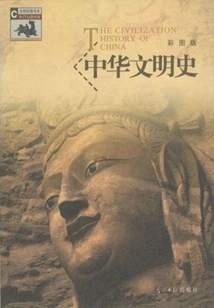
中华文明史
Feng Guochao
"History of Chinese Civilization" selects sixteen aspects of thought and culture, literature, religion, Chinese characters, architecture, technology, painting, sculpture, calligraphy and seal cutting, clothing, arts and crafts, music and dance, sports and arts, drama and folk arts, food culture, and folk customs to scientifically remind the broad extension of Chinese civilization.
"History of Chinese Civilization" selects sixteen aspects of thought and culture, literature, religion, Chinese characters, architecture, technology, painting, sculpture, calligraphy and seal cutting, clothing, arts and crafts, music and dance, sports and arts, drama and folk arts, food culture, and folk customs to scientifically remind the broad extension of Chinese civilization.
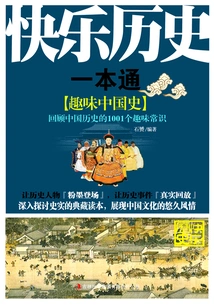
快乐历史一本通:趣味中国史
Shi Yun
By opening up the dusty history, you can read about the depth of civilization, trace the footsteps of time, and increase your understanding of life. People often say: We can learn about the ups and downs by taking history as a mirror. People read history not only to seek knowledge, pursue the truth of things, and remember the great ancients, but more importantly, to find the power of progress and inspire themselves to keep moving forward.
By opening up the dusty history, you can read about the depth of civilization, trace the footsteps of time, and increase your understanding of life. People often say: We can learn about the ups and downs by taking history as a mirror. People read history not only to seek knowledge, pursue the truth of things, and remember the great ancients, but more importantly, to find the power of progress and inspire themselves to keep moving forward.
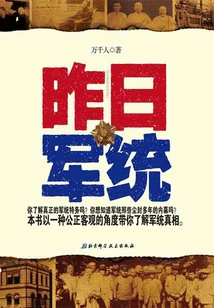
昨日军统
Thousands Of People
The Bureau of Investigation and Statistics of the Military Commission of the Nationalist Government, referred to as the Military Commission, was established in January 1938. It is the most famous spy organization of Chiang Kai-shek and the Kuomintang. Its predecessors were the Secret Investigation Team of the Military Commission (established in 1927), the Fuxing Society Secret Service (established in April 1932), and the Second Division of the Investigation and Statistics Bureau of the Military Commission (established in 1937). The main person in charge was Dai Li. At its peak, the military reunification had more than 100,000 paramilitary personnel of various types, including nearly 50,000 special agents. Its influence penetrated into the Kuomintang's army, police, party and government agencies, education, culture, transportation agencies, and even consulates abroad, specializing in secret activities such as surveillance, kidnapping, arrests, and assassinations. Throughout World War II, the military command was the largest, most efficient, and most advanced intelligence agency in telecommunications deciphering technology in the world.
The Bureau of Investigation and Statistics of the Military Commission of the Nationalist Government, referred to as the Military Commission, was established in January 1938. It is the most famous spy organization of Chiang Kai-shek and the Kuomintang. Its predecessors were the Secret Investigation Team of the Military Commission (established in 1927), the Fuxing Society Secret Service (established in April 1932), and the Second Division of the Investigation and Statistics Bureau of the Military Commission (established in 1937). The main person in charge was Dai Li. At its peak, the military reunification had more than 100,000 paramilitary personnel of various types, including nearly 50,000 special agents. Its influence penetrated into the Kuomintang's army, police, party and government agencies, education, culture, transportation agencies, and even consulates abroad, specializing in secret activities such as surveillance, kidnapping, arrests, and assassinations. Throughout World War II, the military command was the largest, most efficient, and most advanced intelligence agency in telecommunications deciphering technology in the world.
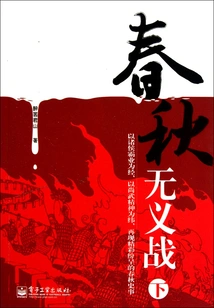
春秋无义战(下)
Get Drunk In Junshan
The discussion of annihilation of troops ended the confrontation between Jin and Chu, but it could not eliminate the war. The resurgent Qi State stubbornly blocked the Jin State's hegemony in the Central Plains, and the Jin State was in turmoil with constant civil strife. King Helu of Wu used his unparalleled courage to destroy the capital of Chu and rewrite the territory of southern hegemony. However, he was unexpectedly defeated at the hands of the little-known Gou Jian. Gou Jian, the king of Yue, experienced great ups and downs, fell behind and fell behind again. With the perseverance of "sleeping on fuel and tasting courage", he finally boarded the last train for hegemony...
The discussion of annihilation of troops ended the confrontation between Jin and Chu, but it could not eliminate the war. The resurgent Qi State stubbornly blocked the Jin State's hegemony in the Central Plains, and the Jin State was in turmoil with constant civil strife. King Helu of Wu used his unparalleled courage to destroy the capital of Chu and rewrite the territory of southern hegemony. However, he was unexpectedly defeated at the hands of the little-known Gou Jian. Gou Jian, the king of Yue, experienced great ups and downs, fell behind and fell behind again. With the perseverance of "sleeping on fuel and tasting courage", he finally boarded the last train for hegemony...
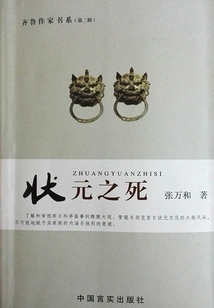
状元之死
Zhang Wanhe
The book uses rich and detailed historical materials, interesting social anecdotes and writing skills that can penetrate the back of the paper. It focuses on describing the ups and downs and tragic fate of Wang Junmin, the number one scholar in the Song Dynasty and a native of Zhaoyuan, and Cheng, the number one scholar in the Southern Song Dynasty. Xiang Wen Tianxiang's spirit of loyalty and the blooming and falling of Fu Shanxiang, the only female champion in China and the female prime minister of the Taiping Heavenly Kingdom, as well as the dream of Tang Bohu, the champion of the Ming Dynasty, and the imperial examination volume of Zhao Bingzhong, the champion of the Ming Dynasty. It also summarizes the most exquisite tidbits of the legendary Chinese No. 1 Scholar, the historical outline of the 1,300-year imperial examination history, and the most complete list of Chinese civil and military No. 1 Scholars to date.
The book uses rich and detailed historical materials, interesting social anecdotes and writing skills that can penetrate the back of the paper. It focuses on describing the ups and downs and tragic fate of Wang Junmin, the number one scholar in the Song Dynasty and a native of Zhaoyuan, and Cheng, the number one scholar in the Southern Song Dynasty. Xiang Wen Tianxiang's spirit of loyalty and the blooming and falling of Fu Shanxiang, the only female champion in China and the female prime minister of the Taiping Heavenly Kingdom, as well as the dream of Tang Bohu, the champion of the Ming Dynasty, and the imperial examination volume of Zhao Bingzhong, the champion of the Ming Dynasty. It also summarizes the most exquisite tidbits of the legendary Chinese No. 1 Scholar, the historical outline of the 1,300-year imperial examination history, and the most complete list of Chinese civil and military No. 1 Scholars to date.
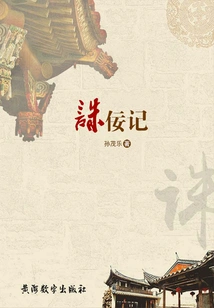
诛佞记
Sun Maole
In the spring of the fourteenth year of Hongwu in the Ming Dynasty. Zhu Yuanzhang, Emperor Taizu of the Ming Dynasty, married his beloved daughter Princess Anqing to Ouyang Lun, the first scholar in the second class of the imperial examination in the year of Renxu. The villain Ouyang Lun succeeded in his ambition, so he abandoned his childhood sweetheart and fiancée, his cousin. The mother-in-law who gave him the job vomited blood and died, the aunt hanged herself to death, and the cousin was filled with grief and anger, and went crazy. In the first month of the 23rd year of Hongwu, Ouyang Lun ignored the laws of the Ming Dynasty and openly defied the imperial court's ban on "salt tea is state-owned and private individuals are not allowed to intervene in its operation" and colluded with local officials in Huguang, Shaanxi and other places to sell it. They traded tea and horses to make huge profits, accepted bribes, embezzled taxes, bought dead soldiers, and killed people to silence them. Since the 16th year of Hongwu, Ouyang Lun has accepted huge bribes from corrupt officials such as Shi Jinshan of Huguang and Qiu Ruchang of Yunnan. In the autumn of the 21st year of Hongwu, there was a severe drought in Quyuan Prefecture, Yunnan Province. The government had no money to provide food relief, causing starvation and death all over Quyuan, and the people gathered in crowds and rioted.
In the spring of the fourteenth year of Hongwu in the Ming Dynasty. Zhu Yuanzhang, Emperor Taizu of the Ming Dynasty, married his beloved daughter Princess Anqing to Ouyang Lun, the first scholar in the second class of the imperial examination in the year of Renxu. The villain Ouyang Lun succeeded in his ambition, so he abandoned his childhood sweetheart and fiancée, his cousin. The mother-in-law who gave him the job vomited blood and died, the aunt hanged herself to death, and the cousin was filled with grief and anger, and went crazy. In the first month of the 23rd year of Hongwu, Ouyang Lun ignored the laws of the Ming Dynasty and openly defied the imperial court's ban on "salt tea is state-owned and private individuals are not allowed to intervene in its operation" and colluded with local officials in Huguang, Shaanxi and other places to sell it. They traded tea and horses to make huge profits, accepted bribes, embezzled taxes, bought dead soldiers, and killed people to silence them. Since the 16th year of Hongwu, Ouyang Lun has accepted huge bribes from corrupt officials such as Shi Jinshan of Huguang and Qiu Ruchang of Yunnan. In the autumn of the 21st year of Hongwu, there was a severe drought in Quyuan Prefecture, Yunnan Province. The government had no money to provide food relief, causing starvation and death all over Quyuan, and the people gathered in crowds and rioted.
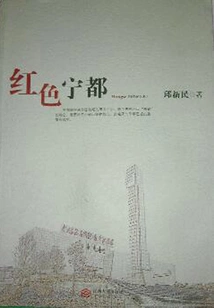
Red Ningdu
History红色宁都
Qiu Xinmin
During the Agrarian Revolutionary War, Ningdu was the revolutionary center of the Central Soviet Area in the early stage, the axis of the Central Soviet Area's anti-"encirclement and suppression" campaign, the focus of the central government of the Chinese Soviet Republic, the core of Jiangxi Province in the later stage of the Soviet Area, and an important place where the spirit of the Soviet Area, the Party's mass line and Mao Zedong's military thought were formed. Under the leadership of the Communist Party of China, the people of Ningdu had firm beliefs and tried their best to make great contributions and sacrifices to the revolution and construction of the Soviet Area. They showed infinite loyalty to the party and the revolution and were hailed as the second model county in the Soviet Area.
During the Agrarian Revolutionary War, Ningdu was the revolutionary center of the Central Soviet Area in the early stage, the axis of the Central Soviet Area's anti-"encirclement and suppression" campaign, the focus of the central government of the Chinese Soviet Republic, the core of Jiangxi Province in the later stage of the Soviet Area, and an important place where the spirit of the Soviet Area, the Party's mass line and Mao Zedong's military thought were formed. Under the leadership of the Communist Party of China, the people of Ningdu had firm beliefs and tried their best to make great contributions and sacrifices to the revolution and construction of the Soviet Area. They showed infinite loyalty to the party and the revolution and were hailed as the second model county in the Soviet Area.
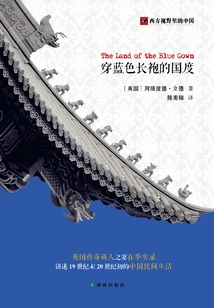
The Country in Blue Robes
History穿蓝色长袍的国度
(english) Archibald Lide
It describes various folk customs in urban and rural China at the end of the 19th century, promotes the eradication of bad customs, and the plot of meeting with Li Hongzhang and other late Qing bureaucrats. It is a documentary subject matter that records some folk customs that seem strange to today's people, and is of a curious nature.
It describes various folk customs in urban and rural China at the end of the 19th century, promotes the eradication of bad customs, and the plot of meeting with Li Hongzhang and other late Qing bureaucrats. It is a documentary subject matter that records some folk customs that seem strange to today's people, and is of a curious nature.
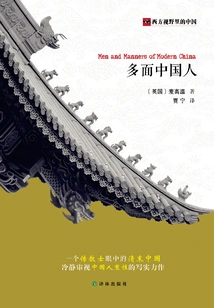
Multifaceted Chinese
History多面中国人
(british) Wheat High Temperature
Based on the author's personal experience, the Chinese people and Chinese culture are displayed and analyzed. The author has dealt with people from all walks of life in China. He found that the deeper he went into the lives of Chinese people, the more deeply he was attracted to them. In the author's opinion, the Chinese nation has two aspects, light and dark, which are complex and amazing.
Based on the author's personal experience, the Chinese people and Chinese culture are displayed and analyzed. The author has dealt with people from all walks of life in China. He found that the deeper he went into the lives of Chinese people, the more deeply he was attracted to them. In the author's opinion, the Chinese nation has two aspects, light and dark, which are complex and amazing.
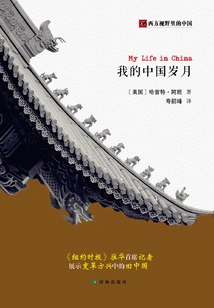
My Chinese Years
History我的中国岁月
(u. S.) Hallett Abban
The major events of the Republic of China in the eyes of American reporters include the bizarre and bizarre scenes, and the ups and downs of influential figures, such as: the rise and fall of the Beiyang system, the Kuomintang's Northern Expedition, the growing Japanese influence in China, the war between Chiang Kai-shek and Feng Yan, the September 18th Incident, the Xi'an Incident... And Chiang Kai-shek, Soong Meiling, Soong Ziwen, etc. Who were active in the political arena. The author's special background gave him the opportunity to get close to important figures in the Republic of China; and his writing style as a reporter made his memoirs like a camera, accurately and meticulously depicting the Chinese society at that time, vividly, truly, and down to the last detail.
The major events of the Republic of China in the eyes of American reporters include the bizarre and bizarre scenes, and the ups and downs of influential figures, such as: the rise and fall of the Beiyang system, the Kuomintang's Northern Expedition, the growing Japanese influence in China, the war between Chiang Kai-shek and Feng Yan, the September 18th Incident, the Xi'an Incident... And Chiang Kai-shek, Soong Meiling, Soong Ziwen, etc. Who were active in the political arena. The author's special background gave him the opportunity to get close to important figures in the Republic of China; and his writing style as a reporter made his memoirs like a camera, accurately and meticulously depicting the Chinese society at that time, vividly, truly, and down to the last detail.
热河惊变:大清王朝的历史拐点
Golden Spring
One summer day three hundred years ago, in the wild and wild Yanshan Mountains where weeds grew wildly, at the finger of Emperor Kangxi's imperial whip, a magical royal landscape palace was proudly born. This book starts from the general background before the construction of Sheshu Villa, traces the mind of Emperor Kangxi at that time, and carefully outlines the historical pictures of the Qing Empire that have been dusty for hundreds of years...
One summer day three hundred years ago, in the wild and wild Yanshan Mountains where weeds grew wildly, at the finger of Emperor Kangxi's imperial whip, a magical royal landscape palace was proudly born. This book starts from the general background before the construction of Sheshu Villa, traces the mind of Emperor Kangxi at that time, and carefully outlines the historical pictures of the Qing Empire that have been dusty for hundreds of years...
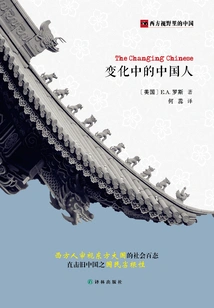
The Changing Chinese
History变化中的中国人
(u. S.) E. A. Ross
It describes and analyzes the state of Chinese society at that time, including: physical fitness, national character, living conditions, industrial development, anti-smoking campaign, women's status, religious beliefs, education methods, etc. He is sharp-sighted and sophisticated, and can discover details that Chinese people are accustomed to overlooking. This book is a representative work of Western observations of China before the Revolution of 1911.
It describes and analyzes the state of Chinese society at that time, including: physical fitness, national character, living conditions, industrial development, anti-smoking campaign, women's status, religious beliefs, education methods, etc. He is sharp-sighted and sophisticated, and can discover details that Chinese people are accustomed to overlooking. This book is a representative work of Western observations of China before the Revolution of 1911.
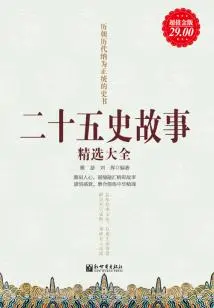
二十五史故事精选大全
Yaser, Compiled By Liu Hui
As the backbone of Chinese historiography, the Twenty-Five Histories is the only complete collection of official history in China. It uses a unified biographical style to completely and systematically record the historical development of our country from ancient times to the late Qing Dynasty. It comprehensively displays the rise and fall of dynasties in the past and covers various aspects such as economy, politics, science and technology, military, art, diplomacy and other aspects in different historical periods. It is a well-deserved encyclopedia of Chinese civilization. Based on a careful study of the original text of the Twenty-Five Histories, this book extracts the essence of the Twenty-Five Histories and presents the most exciting stories in front of readers. It respects historical facts, has accurate narratives, and retains historians' comments in the original book as much as possible. It is a history book that is suitable for both refined and popular tastes and is suitable for all ages.
As the backbone of Chinese historiography, the Twenty-Five Histories is the only complete collection of official history in China. It uses a unified biographical style to completely and systematically record the historical development of our country from ancient times to the late Qing Dynasty. It comprehensively displays the rise and fall of dynasties in the past and covers various aspects such as economy, politics, science and technology, military, art, diplomacy and other aspects in different historical periods. It is a well-deserved encyclopedia of Chinese civilization. Based on a careful study of the original text of the Twenty-Five Histories, this book extracts the essence of the Twenty-Five Histories and presents the most exciting stories in front of readers. It respects historical facts, has accurate narratives, and retains historians' comments in the original book as much as possible. It is a history book that is suitable for both refined and popular tastes and is suitable for all ages.
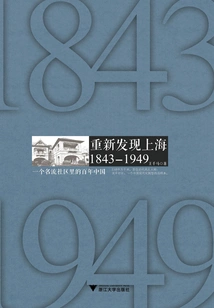
Rediscover Shanghai
History重新发现上海
Wang Qianma
Xiafei Road in Shanghai, a street famous in China in modern history, is located in a community called Tianping. Among the plane trees in Tianping Community, some people have passed by and some things have happened. These people and these events were either prominent and sensational at the time, or had a subtle influence on later generations. Among the parasol trees, there is a historical context closely related to China's modernization transformation. This is the intersection of history. It can be said that it is not only a small specimen of Shanghai, but also a microcosm of China's modern history.
Xiafei Road in Shanghai, a street famous in China in modern history, is located in a community called Tianping. Among the plane trees in Tianping Community, some people have passed by and some things have happened. These people and these events were either prominent and sensational at the time, or had a subtle influence on later generations. Among the parasol trees, there is a historical context closely related to China's modernization transformation. This is the intersection of history. It can be said that it is not only a small specimen of Shanghai, but also a microcosm of China's modern history.
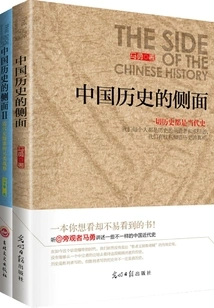
万万没想到(另类读史系列全2册)
Ma Yong Feng Xuerong
China's modern history is complex, exciting, and sometimes subversive. The narrative here is very different from the stereotypes in our memories. It is by no means the two columns of loyal and traitors, black and white, as seen in ordinary history books. The author unearths many little-known historical details, giving the stories we were once familiar with once again a shocking warmth and power. This book not only demonstrates the great charm and temptation of history, but also has practical significance for readers to stimulate thinking and help today.
China's modern history is complex, exciting, and sometimes subversive. The narrative here is very different from the stereotypes in our memories. It is by no means the two columns of loyal and traitors, black and white, as seen in ordinary history books. The author unearths many little-known historical details, giving the stories we were once familiar with once again a shocking warmth and power. This book not only demonstrates the great charm and temptation of history, but also has practical significance for readers to stimulate thinking and help today.
I
HistoryI
H
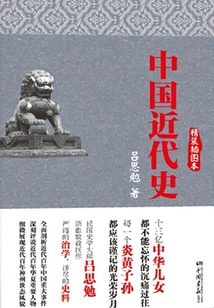
This book is a masterpiece written by master historian Lu Simian. From the outbreak of the Opium War in 1848 to the end of the Anti-Japanese War, this book covers all the major events, important figures, social systems, and world styles in modern history in meticulous detail. It is the best example for history lovers and history researchers to understand and analyze the modern history of China.
This book is a masterpiece written by master historian Lu Simian. From the outbreak of the Opium War in 1848 to the end of the Anti-Japanese War, this book covers all the major events, important figures, social systems, and world styles in modern history in meticulous detail. It is the best example for history lovers and history researchers to understand and analyze the modern history of China.
简明中国史(新知家庭文明读库)
Li Shan
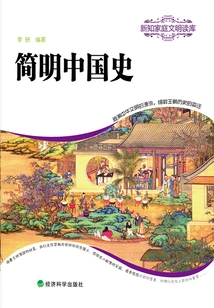
From the earliest known "Yuanmou Man" in China 1.7 Million years ago, to the Xia Dynasty that began in 2070 BC: from the Warring States Period when Qin Shihuang won power in 221 BC and ended the disputes between princes, and established a historical period in Chinese history The first unified, multi-ethnic centralized feudal state - Qin, to the famous Han Dynasty, the Three Kingdoms that divided the world, the graceful Wei and Jin Dynasties, the world-famous Tang and Song Dynasties, the weak and incompetent late Qing Dynasty, and then to the establishment of New China. Throughout the five thousand years of China, the magnificent social changes in human history and the heroic figures who influenced the direction of historical evolution have jointly outlined the twists and turns of history.
From the earliest known "Yuanmou Man" in China 1.7 Million years ago, to the Xia Dynasty that began in 2070 BC: from the Warring States Period when Qin Shihuang won power in 221 BC and ended the disputes between princes, and established a historical period in Chinese history The first unified, multi-ethnic centralized feudal state - Qin, to the famous Han Dynasty, the Three Kingdoms that divided the world, the graceful Wei and Jin Dynasties, the world-famous Tang and Song Dynasties, the weak and incompetent late Qing Dynasty, and then to the establishment of New China. Throughout the five thousand years of China, the magnificent social changes in human history and the heroic figures who influenced the direction of historical evolution have jointly outlined the twists and turns of history.
第21次是国家公祭
Zhu Chengshan Li Hui
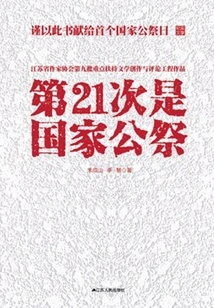
On December 13, 1994, Nanjing innovatively held for the first time in history a ceremony to commemorate the 300,000 compatriots who died in the Nanjing Massacre. This move pioneered how to hold mass activities to commemorate the compatriots who died during the Anti-Japanese War, and played a certain demonstration and leading role within the scope of the National Anti-Japanese War Museum (Memorial). In the following 20 years, Jiangsu Province and Nanjing City successively carried out various commemorative activities using Buddhism, literature and art, candlelight and other methods. The commemorative activities were once held in San Francisco, USA, and international friendly people were invited to Nanjing to participate in peace rallies many times, which produced certain positive effects and positive influences at home and abroad. Beginning in 2014, 20 consecutive local commemorative activities on December 13 will evolve into a national public memorial. This book introduces the experience of this activity in detail, reveals the entire process from quantitative change to qualitative change, and reveals some little-known stories.
On December 13, 1994, Nanjing innovatively held for the first time in history a ceremony to commemorate the 300,000 compatriots who died in the Nanjing Massacre. This move pioneered how to hold mass activities to commemorate the compatriots who died during the Anti-Japanese War, and played a certain demonstration and leading role within the scope of the National Anti-Japanese War Museum (Memorial). In the following 20 years, Jiangsu Province and Nanjing City successively carried out various commemorative activities using Buddhism, literature and art, candlelight and other methods. The commemorative activities were once held in San Francisco, USA, and international friendly people were invited to Nanjing to participate in peace rallies many times, which produced certain positive effects and positive influences at home and abroad. Beginning in 2014, 20 consecutive local commemorative activities on December 13 will evolve into a national public memorial. This book introduces the experience of this activity in detail, reveals the entire process from quantitative change to qualitative change, and reveals some little-known stories.
汉明帝刘庄传
Bi Beijun
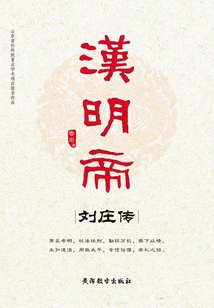
Emperor Ming of the Han Dynasty Liu Zhuang, whose temple name was Xianzong, was the fourth son of Emperor Guangwu Liu Xiu. His mother's surname was Yin and Lihua. When Emperor Guangwu Liu Xiu was studying in Chang'an, he saw the imperial court's Zhi Jinwu and his majestic appearance when patrolling the streets. He was very envious and sighed: "Any eunuch should be regarded as Zhi Jinwu." Once again, when he went to the home of Deng Chen, his brother-in-law in Xinye, he happened to meet a beautiful girl named Yin Lihua. Liu Xiu was shocked to see a fairy descending to earth, and couldn't help but sigh: "I should marry Yin Lihua."
Emperor Ming of the Han Dynasty Liu Zhuang, whose temple name was Xianzong, was the fourth son of Emperor Guangwu Liu Xiu. His mother's surname was Yin and Lihua. When Emperor Guangwu Liu Xiu was studying in Chang'an, he saw the imperial court's Zhi Jinwu and his majestic appearance when patrolling the streets. He was very envious and sighed: "Any eunuch should be regarded as Zhi Jinwu." Once again, when he went to the home of Deng Chen, his brother-in-law in Xinye, he happened to meet a beautiful girl named Yin Lihua. Liu Xiu was shocked to see a fairy descending to earth, and couldn't help but sigh: "I should marry Yin Lihua."
春秋原来是这样
Ginger Wolf
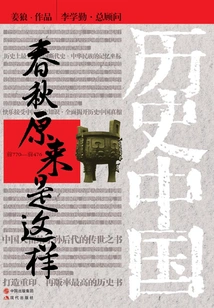
This book is a popular history book and part of the Historical China series. It is divided into 50 chapters in total, from the Five Hegemons of the Spring and Autumn Period (Qi Henggong Jiang Xiaobai, Jin Wengong Ji Chonger, Song Xianggong Zi Zifu, Qin Mugong Ying Renhao and Chu Zhuanggong Xiong Lv) to the famous prime ministers of the Spring and Autumn Period (Guan Zhong, Yan Ying, etc.); Wu Zixu, Fan Li, etc.); And then from Confucius, the representative of Confucianism, to Laozi, the representative of Taoism, as well as the introduction of the "Book of Songs", the first collection of poems in the history of Chinese literature, etc. The author presents the history of the Spring and Autumn Period in front of readers in a unique way.
This book is a popular history book and part of the Historical China series. It is divided into 50 chapters in total, from the Five Hegemons of the Spring and Autumn Period (Qi Henggong Jiang Xiaobai, Jin Wengong Ji Chonger, Song Xianggong Zi Zifu, Qin Mugong Ying Renhao and Chu Zhuanggong Xiong Lv) to the famous prime ministers of the Spring and Autumn Period (Guan Zhong, Yan Ying, etc.); Wu Zixu, Fan Li, etc.); And then from Confucius, the representative of Confucianism, to Laozi, the representative of Taoism, as well as the introduction of the "Book of Songs", the first collection of poems in the history of Chinese literature, etc. The author presents the history of the Spring and Autumn Period in front of readers in a unique way.
秦朝原来是这样
J
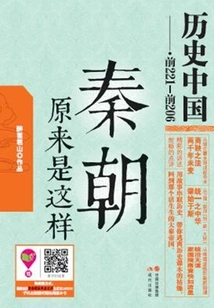
Remote and barren, living with the barbarians, how could a small country rise against the odds in the turbulent times of the Spring and Autumn Period, annex the eight wastelands, and dominate the world? Respecting martial arts, advocating wisdom, treating talents courteously, and innovating systems... From Shang Yang to the First Emperor, from Jing Ke's assassination of Qin Dynasty to the burning of books and entrapment of Confucian scholars, in the discourse system of historians, the distant Qin Dynasty has been deconstructed into these confusing and fragmented images. Here, a book is used to connect the fragments of history, allowing you to have a coherent and comprehensive understanding of the real Qin Empire.
Remote and barren, living with the barbarians, how could a small country rise against the odds in the turbulent times of the Spring and Autumn Period, annex the eight wastelands, and dominate the world? Respecting martial arts, advocating wisdom, treating talents courteously, and innovating systems... From Shang Yang to the First Emperor, from Jing Ke's assassination of Qin Dynasty to the burning of books and entrapment of Confucian scholars, in the discourse system of historians, the distant Qin Dynasty has been deconstructed into these confusing and fragmented images. Here, a book is used to connect the fragments of history, allowing you to have a coherent and comprehensive understanding of the real Qin Empire.
蔡东藩中华史:前汉
Cai Dongfan
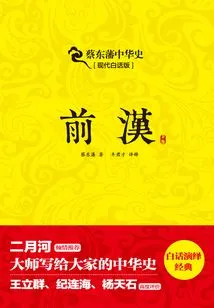
"The Romance of the Former Han Dynasty" highlights the characteristics of "righteousness to convey events, that is, Taoism" in terms of genre. It also writes its own text, self-written annotations, and self-written reviews.
"The Romance of the Former Han Dynasty" highlights the characteristics of "righteousness to convey events, that is, Taoism" in terms of genre. It also writes its own text, self-written annotations, and self-written reviews.
武则天:从三岁到八十二岁
Wang Xiaolei
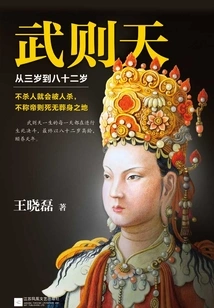
Wu Zetian lived for 82 years. In the first 31 years, she was involved in a power struggle and fought for her life from a palace maid to the queen's throne. In the second 51 years, she caused a bloody storm and used the queen's dragon robe to ensure her own safety. At the age of 3, she was the daughter of a businessman, and was shocked to be the "Lord of the World" after being met by the warlock Yuan Tiangang; at the age of 25, she entered the palace for ten years, and went from Taizong's bed to the prince's bed; at the age of 27, she was trapped in a nun temple, but she successfully broke away from the new emperor; at the age of 31, she gave it a try and won the life-and-death battle for the queen; at the age of 36, she took charge of the government on behalf of Emperor Gaozong, without knowing it. At the age of 59, she took over the affairs of state, eradicating the royal family group and cultivating the new noble forces; at the age of 67, she ascended the throne and proclaimed herself emperor at the invitation of hundreds of officials, beginning an unprecedented 14-year era of empress; at the age of 82, she abdicated the throne and was revered as the "Great Sage Emperor Zetian" by her political opponents. The rule of the country ushered in the prosperous Tang Dynasty, leaving behind a wordless monument.
Wu Zetian lived for 82 years. In the first 31 years, she was involved in a power struggle and fought for her life from a palace maid to the queen's throne. In the second 51 years, she caused a bloody storm and used the queen's dragon robe to ensure her own safety. At the age of 3, she was the daughter of a businessman, and was shocked to be the "Lord of the World" after being met by the warlock Yuan Tiangang; at the age of 25, she entered the palace for ten years, and went from Taizong's bed to the prince's bed; at the age of 27, she was trapped in a nun temple, but she successfully broke away from the new emperor; at the age of 31, she gave it a try and won the life-and-death battle for the queen; at the age of 36, she took charge of the government on behalf of Emperor Gaozong, without knowing it. At the age of 59, she took over the affairs of state, eradicating the royal family group and cultivating the new noble forces; at the age of 67, she ascended the throne and proclaimed herself emperor at the invitation of hundreds of officials, beginning an unprecedented 14-year era of empress; at the age of 82, she abdicated the throne and was revered as the "Great Sage Emperor Zetian" by her political opponents. The rule of the country ushered in the prosperous Tang Dynasty, leaving behind a wordless monument.
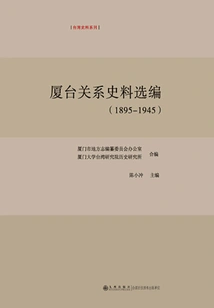
厦台关系史料选编(1895—1945)
Editor-in-chief Chen Xiaochong
This book selects historical materials on the relationship between Xiamen and Taiwan from 1895 to 1945, that is, important historical materials on the relationship between Xiamen and Taiwan during the Japanese colonial period in Taiwan's history, the late Qing Dynasty in Xiamen's history, and the Republic of China period. Its main contents include: historical materials on Xiamen-Taiwan relations in "Goto Shinpei" written by the Japanese scholar Tsurumi Yusuke; historical materials on the Xiamen Incident in 1900 in "Japanese Diplomatic Documents" compiled by the Japanese Ministry of Foreign Affairs; historical materials on the Xiamen Taiwan Association; historical materials on Xiamen-Taiwan relations in "Declaration"; historical materials on Xiamen-Taiwan relations in "Jiang Sheng Bao"; and historical materials on the Taiwanese people's anti-Japanese struggle in Xiamen.
This book selects historical materials on the relationship between Xiamen and Taiwan from 1895 to 1945, that is, important historical materials on the relationship between Xiamen and Taiwan during the Japanese colonial period in Taiwan's history, the late Qing Dynasty in Xiamen's history, and the Republic of China period. Its main contents include: historical materials on Xiamen-Taiwan relations in "Goto Shinpei" written by the Japanese scholar Tsurumi Yusuke; historical materials on the Xiamen Incident in 1900 in "Japanese Diplomatic Documents" compiled by the Japanese Ministry of Foreign Affairs; historical materials on the Xiamen Taiwan Association; historical materials on Xiamen-Taiwan relations in "Declaration"; historical materials on Xiamen-Taiwan relations in "Jiang Sheng Bao"; and historical materials on the Taiwanese people's anti-Japanese struggle in Xiamen.