Library
Browse and search books
3,417 novels found
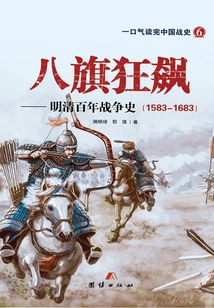
Eight Flags Soaring
History八旗狂飙
Gu Xiaolu Guo Qiang
Nurhachi used the thirteen suits of armor left by his ancestors and father to raise troops and began the journey to unify the Jurchen tribes in Jianzhou. Later, he issued a proclamation to the Ming Dynasty on the grounds of the "Seven Great Hatreds", and officially launched a war with the Ming Empire for dominance in Liaodong. After Nurhachi's death, his son Huang Taiji succeeded as the Great Khan and adopted more flexible diplomacy and strategic tactics, which ultimately disintegrated the Ming Empire's rule in Liaodong. With the advent of the "Little Ice Age", millions of hungry people in the Central Plains rose up, and the fate of the Ming Empire entered a countdown. Some people say that if the Manchus had not entered the customs, perhaps China would have taken the path of capitalist revolution, but history does not allow for assumptions.
Nurhachi used the thirteen suits of armor left by his ancestors and father to raise troops and began the journey to unify the Jurchen tribes in Jianzhou. Later, he issued a proclamation to the Ming Dynasty on the grounds of the "Seven Great Hatreds", and officially launched a war with the Ming Empire for dominance in Liaodong. After Nurhachi's death, his son Huang Taiji succeeded as the Great Khan and adopted more flexible diplomacy and strategic tactics, which ultimately disintegrated the Ming Empire's rule in Liaodong. With the advent of the "Little Ice Age", millions of hungry people in the Central Plains rose up, and the fate of the Ming Empire entered a countdown. Some people say that if the Manchus had not entered the customs, perhaps China would have taken the path of capitalist revolution, but history does not allow for assumptions.
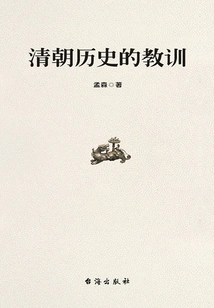
清朝历史的教训
Monson
The Qing Dynasty was a dynasty of great changes and changes. As the last feudal dynasty in Chinese history, it went from the bloody conquests of dynasties to the unprecedented expansion of territory, the peaceful and prosperous "Kangxi and Qianlong Dynasties", to the invasion and humiliation of Western powers, the one after another peasant uprisings, the decadence and decline of the late Qing Dynasty, and ultimately its inevitable demise. What happened in the middle? What impact will nearly three hundred years of Qing Dynasty history have on today's rapidly developing China? Based on real historical materials, this book provides a strong argument for the process and important historical facts of the Qing Dynasty from the founding of the country to the transition from prosperity to decline. It analyzes many core issues in each period of the Qing Dynasty. It provides a comprehensive review of the politics, economy, and culture of the Qing Dynasty for more than two hundred years. It has substantial content, clear outlines, and detailed research, and explores the reasons for the rise and fall of the Chinese nation. History is a mirror and a profound textbook. Keep historical experience and lessons in mind.
The Qing Dynasty was a dynasty of great changes and changes. As the last feudal dynasty in Chinese history, it went from the bloody conquests of dynasties to the unprecedented expansion of territory, the peaceful and prosperous "Kangxi and Qianlong Dynasties", to the invasion and humiliation of Western powers, the one after another peasant uprisings, the decadence and decline of the late Qing Dynasty, and ultimately its inevitable demise. What happened in the middle? What impact will nearly three hundred years of Qing Dynasty history have on today's rapidly developing China? Based on real historical materials, this book provides a strong argument for the process and important historical facts of the Qing Dynasty from the founding of the country to the transition from prosperity to decline. It analyzes many core issues in each period of the Qing Dynasty. It provides a comprehensive review of the politics, economy, and culture of the Qing Dynasty for more than two hundred years. It has substantial content, clear outlines, and detailed research, and explores the reasons for the rise and fall of the Chinese nation. History is a mirror and a profound textbook. Keep historical experience and lessons in mind.
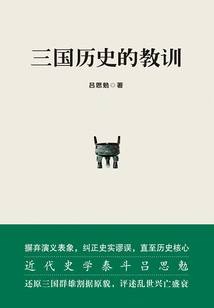
三国历史的教训
Lu Simian
During the Three Kingdoms period, talented people emerged in large numbers, resulting in the three countries making breakthrough progress in politics, military, economy, culture and other aspects. Rich historical facts, smooth writing, and in-depth analysis of key historical events and important figures in the Three Kingdoms period. Restore the neglected historical truth and explore the reasons for the rise and fall of centuries of troubled times.
During the Three Kingdoms period, talented people emerged in large numbers, resulting in the three countries making breakthrough progress in politics, military, economy, culture and other aspects. Rich historical facts, smooth writing, and in-depth analysis of key historical events and important figures in the Three Kingdoms period. Restore the neglected historical truth and explore the reasons for the rise and fall of centuries of troubled times.
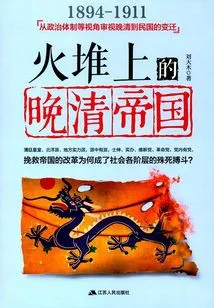
火堆上的晚清帝国
Liu Damu
"The Late Qing Empire on the Fire" tells the history of the Qing Empire from the Sino-Japanese War of Sino-Japanese War to the Revolution of 1911. It focuses on politics and military affairs, supplemented by the performance of the gentry and various social classes in the era of radical changes. On the premise of using first-hand information as much as possible, the latest research results and monographs are selectively used. "The Late Qing Empire on the Fire" takes major events such as the Sino-Japanese War of 1898, the Reform Movement of 1898, the Gengzi Incident, the Tongmenghui Revolution, Ding Wei Zhengchao, and the Wuchang Uprising as clues, and features core figures such as Empress Dowager Cixi, Emperor Guangxu, Li Hongzhang, Sun Yat-sen, and Yuan Shikai. The center adopts the idea of combining chronicle style and biographical style, and draws lessons from Sima Qian and Huang Renyu in writing style, trying to restore the turbulent historical scene of the late Qing Dynasty and show the humanity, choices and destiny of the core figures in the era of radical changes.
"The Late Qing Empire on the Fire" tells the history of the Qing Empire from the Sino-Japanese War of Sino-Japanese War to the Revolution of 1911. It focuses on politics and military affairs, supplemented by the performance of the gentry and various social classes in the era of radical changes. On the premise of using first-hand information as much as possible, the latest research results and monographs are selectively used. "The Late Qing Empire on the Fire" takes major events such as the Sino-Japanese War of 1898, the Reform Movement of 1898, the Gengzi Incident, the Tongmenghui Revolution, Ding Wei Zhengchao, and the Wuchang Uprising as clues, and features core figures such as Empress Dowager Cixi, Emperor Guangxu, Li Hongzhang, Sun Yat-sen, and Yuan Shikai. The center adopts the idea of combining chronicle style and biographical style, and draws lessons from Sima Qian and Huang Renyu in writing style, trying to restore the turbulent historical scene of the late Qing Dynasty and show the humanity, choices and destiny of the core figures in the era of radical changes.
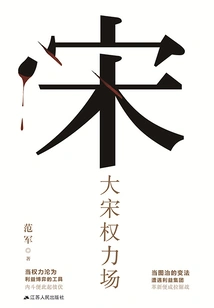
大宋权力场
Fan Jun
During the reign of Zhenzong of the Song Dynasty, the emperor simultaneously appointed Wang Qinruo, Ding Wei, and Kou Zhun, who opposed them, as prime ministers, and party struggles in the power arena took shape. Party contenders competed with each other, and the empire's situation was deteriorating. Afterwards, Wang Anshi's reform was launched in this context. The reform to save the country was entangled with the party struggle to subjugate the country. A reform movement that could have turned the tide had to be aborted halfway, and the country was ruined. "The Power Field of the Song Dynasty" starts from a perspective that has been rarely touched upon by predecessors. It truly and brutally describes the intrigues and intrigues and party unity that defeats differences in the power field of the Northern Song Dynasty. It unfolds the story of all living beings, thereby profoundly revealing the causes and consequences of the imperial tragedy. It is a thought-provoking read.
During the reign of Zhenzong of the Song Dynasty, the emperor simultaneously appointed Wang Qinruo, Ding Wei, and Kou Zhun, who opposed them, as prime ministers, and party struggles in the power arena took shape. Party contenders competed with each other, and the empire's situation was deteriorating. Afterwards, Wang Anshi's reform was launched in this context. The reform to save the country was entangled with the party struggle to subjugate the country. A reform movement that could have turned the tide had to be aborted halfway, and the country was ruined. "The Power Field of the Song Dynasty" starts from a perspective that has been rarely touched upon by predecessors. It truly and brutally describes the intrigues and intrigues and party unity that defeats differences in the power field of the Northern Song Dynasty. It unfolds the story of all living beings, thereby profoundly revealing the causes and consequences of the imperial tragedy. It is a thought-provoking read.
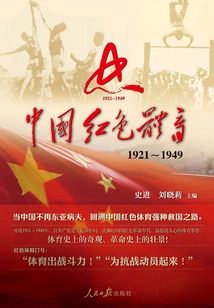
中国红色体育:1921~1949
Shi Jin Editor-in-chief Liu Xiaoli
This book is a historical book that tells the development of China's sports industry before the founding of New China. This book divides the sports industry before the founding of New China into three parts according to the time line, including the beginning and brewing of sports in the early stage; the middle stage refers to the development of Chinese sports in this stage in the 1920s and 1930s, and a series of relatively mature sports and competitions; the late stage refers to the sports industry in the 1930s and 1940s until the founding of New China. The scope of sports industry radiation is increasingly expanding, and the sports in this period also laid the foundation for the development of sports industry after the founding of New China.
This book is a historical book that tells the development of China's sports industry before the founding of New China. This book divides the sports industry before the founding of New China into three parts according to the time line, including the beginning and brewing of sports in the early stage; the middle stage refers to the development of Chinese sports in this stage in the 1920s and 1930s, and a series of relatively mature sports and competitions; the late stage refers to the sports industry in the 1930s and 1940s until the founding of New China. The scope of sports industry radiation is increasingly expanding, and the sports in this period also laid the foundation for the development of sports industry after the founding of New China.
新中国六十年留学大事概览:1949-2009
Zhao Feng Et Al.
After the founding of the People's Republic of China, my country has seen a new situation of continuous and vigorous development in terms of study abroad, return work and corresponding policy construction. Over the past 60 years, in order to adapt to the new requirements for study abroad work put forward by national construction, reform and opening up, and new situations and new tasks, the party and the government have made a series of major decisions on strengthening and improving study abroad work, formulated a series of principles and policies, and adopted a series of important measures. Managers of study abroad work closely grasp all aspects of study abroad activities in different periods, practice boldly, constantly innovate, actively explore effective ways of study abroad activities, grasp the development laws of study abroad work, establish and improve policy mechanisms for study abroad work, innovate and accumulate rich experience in studying abroad and attracting overseas students to return home.
After the founding of the People's Republic of China, my country has seen a new situation of continuous and vigorous development in terms of study abroad, return work and corresponding policy construction. Over the past 60 years, in order to adapt to the new requirements for study abroad work put forward by national construction, reform and opening up, and new situations and new tasks, the party and the government have made a series of major decisions on strengthening and improving study abroad work, formulated a series of principles and policies, and adopted a series of important measures. Managers of study abroad work closely grasp all aspects of study abroad activities in different periods, practice boldly, constantly innovate, actively explore effective ways of study abroad activities, grasp the development laws of study abroad work, establish and improve policy mechanisms for study abroad work, innovate and accumulate rich experience in studying abroad and attracting overseas students to return home.
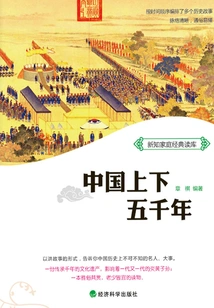
中国上下五千年
Zhang Qi
"Five Thousand Years of China" tells the story of nearly five thousand years of Chinese history from the legendary Three Sovereigns and Five Emperors to the Ming and Qing Dynasties. The great nation of the Chinese nation has given birth to many heroes: among them are politicians, strategists, idealists, scientists, writers, artists, and outstanding representatives of women. "China Five Thousand Years" selects events that have a significant impact on the course of Chinese history and introduces them focusing on the deeds of typical figures. Based on historical facts, it is told in the form of storytelling and vivid language. We review history not to be immersed in it, but to "use history as a mirror" to think, to learn from, to pioneer and innovate, and to leave our historical mark in this era that belongs to us.
"Five Thousand Years of China" tells the story of nearly five thousand years of Chinese history from the legendary Three Sovereigns and Five Emperors to the Ming and Qing Dynasties. The great nation of the Chinese nation has given birth to many heroes: among them are politicians, strategists, idealists, scientists, writers, artists, and outstanding representatives of women. "China Five Thousand Years" selects events that have a significant impact on the course of Chinese history and introduces them focusing on the deeds of typical figures. Based on historical facts, it is told in the form of storytelling and vivid language. We review history not to be immersed in it, but to "use history as a mirror" to think, to learn from, to pioneer and innovate, and to leave our historical mark in this era that belongs to us.
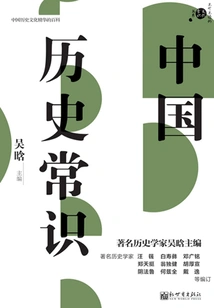
Chinese Historical Knowledge
History中国历史常识
Wu Han
This book describes some important cultural life and historical figures by collecting subjects that cannot be touched in ordinary textbooks. In addition, the idioms of oral legends are explained in detail through specific historical facts. Systematically and comprehensively reflects the overview of my country's historical development. The form is more lively and does not stick to a certain format. It is more detailed, richer and more lively than ordinary dictionaries. Not only is it easier for readers to remember, but it is also helpful for readers to learn experiences, lessons, and get inspiration.
This book describes some important cultural life and historical figures by collecting subjects that cannot be touched in ordinary textbooks. In addition, the idioms of oral legends are explained in detail through specific historical facts. Systematically and comprehensively reflects the overview of my country's historical development. The form is more lively and does not stick to a certain format. It is more detailed, richer and more lively than ordinary dictionaries. Not only is it easier for readers to remember, but it is also helpful for readers to learn experiences, lessons, and get inspiration.
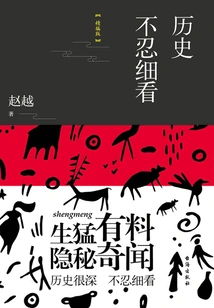
历史不忍细看(精编版)
Zhao Yue
"History Can't Bear to Be Closed (Condensed Edition)" collects a large number of forgotten and misunderstood historical materials, removes the false and retains the true, removes the rubbish and retains the essence, sweeps away the smoke and dust of history, and illuminates the true color. From the struggle for power to the privacy of scholars, from the secret history of the palace to the anecdotes of the city, this book clears away the fog one by one with simple and easy explanations, corrects the misunderstandings that have been circulating for many years with vivid and humorous explanations, reveals the colorful years one by one, and reveals the secrets and interesting things that cannot be said one by one. Years of charm and absurdity, cruelty and depth, sadness and madness, depression and debauchery have been gathered into a history, brewed into a book, and presented to you.
"History Can't Bear to Be Closed (Condensed Edition)" collects a large number of forgotten and misunderstood historical materials, removes the false and retains the true, removes the rubbish and retains the essence, sweeps away the smoke and dust of history, and illuminates the true color. From the struggle for power to the privacy of scholars, from the secret history of the palace to the anecdotes of the city, this book clears away the fog one by one with simple and easy explanations, corrects the misunderstandings that have been circulating for many years with vivid and humorous explanations, reveals the colorful years one by one, and reveals the secrets and interesting things that cannot be said one by one. Years of charm and absurdity, cruelty and depth, sadness and madness, depression and debauchery have been gathered into a history, brewed into a book, and presented to you.
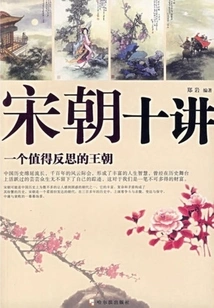
宋朝十讲
Zheng Yan
China has a long history. Thousands of years of ups and downs have formed a wealth of life wisdom. All living beings who have been active on the historical stage have left their own traces. This is a rare wealth for us. The Song Dynasty may be one of the few confusing dynasties in Chinese history, with its richness, complexity, and contradictions making up its complicated history. The Song Dynasty was a weak but developed dynasty. During its more than three hundred years of history, scenes of fighting and killing, reform and conservatism, moderation and decline were staged. In view of the past, I am qualified to govern Taoism and life. The Song Dynasty may be one of the few confusing dynasties in Chinese history, with its richness, complexity, and contradictions making up its complicated history. This book reveals the characteristics and laws of the history and culture of the Song Dynasty. It is a special reading on the history and culture of the Song Dynasty.
China has a long history. Thousands of years of ups and downs have formed a wealth of life wisdom. All living beings who have been active on the historical stage have left their own traces. This is a rare wealth for us. The Song Dynasty may be one of the few confusing dynasties in Chinese history, with its richness, complexity, and contradictions making up its complicated history. The Song Dynasty was a weak but developed dynasty. During its more than three hundred years of history, scenes of fighting and killing, reform and conservatism, moderation and decline were staged. In view of the past, I am qualified to govern Taoism and life. The Song Dynasty may be one of the few confusing dynasties in Chinese history, with its richness, complexity, and contradictions making up its complicated history. This book reveals the characteristics and laws of the history and culture of the Song Dynasty. It is a special reading on the history and culture of the Song Dynasty.
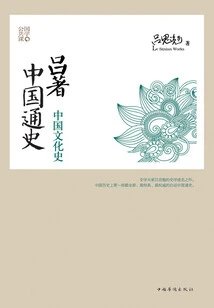
吕著中国通史(全集)
Lu Simian
"Lü Zhu's General History of China" is divided into two parts based on traditional national history. It systematically describes the development of social and economic systems, political systems, cultural academics, and political and historical changes in categories. In the process of narrating the rise and fall of Lichao, it combines narrations of laws and regulations and personal comments, pouring out the insights of Mr. Lu Simian's life. It can provide readers with historical knowledge about China's social economy, political system, academic culture and other aspects in the past dynasties. It is the most authoritative, classic and complete general history of China.
"Lü Zhu's General History of China" is divided into two parts based on traditional national history. It systematically describes the development of social and economic systems, political systems, cultural academics, and political and historical changes in categories. In the process of narrating the rise and fall of Lichao, it combines narrations of laws and regulations and personal comments, pouring out the insights of Mr. Lu Simian's life. It can provide readers with historical knowledge about China's social economy, political system, academic culture and other aspects in the past dynasties. It is the most authoritative, classic and complete general history of China.
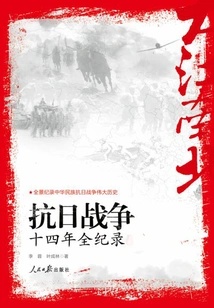
大江南北:抗日战争十四年全纪录(全集)
Li Rong Ye Chenglin
This book begins with the September 18th Incident, which was the prelude to Japan's invasion of China, and ends with Japan's defeat and surrender on August 15, 1945. It uses an academic perspective, popular writing style, and flexible use of archives and memoirs to fully reproduce the fourteen-year course of the Anti-Japanese War. Among them, the discussion of the history of the Northeast Anti-Japanese War and the casualties and property losses caused to China during the Japanese invasion of China is even more detailed and rich, supplementing the deficiencies of previous research and showing the author's professional perspective. This book was previously published by the Central Literature Publishing House in 2005 under the title "The History of the Chinese Nation's Resistance to Japanese Invasion". This is a revised and reprinted version.
This book begins with the September 18th Incident, which was the prelude to Japan's invasion of China, and ends with Japan's defeat and surrender on August 15, 1945. It uses an academic perspective, popular writing style, and flexible use of archives and memoirs to fully reproduce the fourteen-year course of the Anti-Japanese War. Among them, the discussion of the history of the Northeast Anti-Japanese War and the casualties and property losses caused to China during the Japanese invasion of China is even more detailed and rich, supplementing the deficiencies of previous research and showing the author's professional perspective. This book was previously published by the Central Literature Publishing House in 2005 under the title "The History of the Chinese Nation's Resistance to Japanese Invasion". This is a revised and reprinted version.
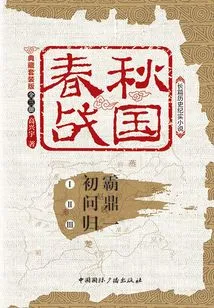
春秋战国(典藏套装版)
Happy Yu
The Spring and Autumn Period and the Warring States Period were not a period of chaos, but a history that shone with benevolence, righteousness, etiquette, wisdom, trust, and courage. It left us a glorious legacy of Chinese history. The intelligence is comparable to "Three Kingdoms", and the excitement is no less than "Journey to the West". "Spring and Autumn and Warring States": a grand historical novel containing two-thirds of Chinese idioms. "Spring and Autumn and Warring States: First Overlord" mainly tells: After the Zhou Dynasty lost control of the world, Zheng Guo was the first to jump out and was eager to try. Later, regicide in Wei, Song, Chen, Lu and other countries was like killing a chicken. At this moment, the Chu State in the south left its back to insults and focused on taking care of its own country, thus rising rapidly and threatening the Central Plains. At the same time, the State of Qi appointed Guan Zhong to govern the country, respected the king and rejected the barbarians, making Qi Huangong the first overlord in the Spring and Autumn Period. Then, Jin and Qin in the west began to wake up and use wise men to seek development, allowing Duke Wen of Jin and Duke Mu of Qin to dominate. Song Xianggong of the Song Dynasty was also a passionate man who held high the banner of benevolence and righteousness and intended to dominate.
The Spring and Autumn Period and the Warring States Period were not a period of chaos, but a history that shone with benevolence, righteousness, etiquette, wisdom, trust, and courage. It left us a glorious legacy of Chinese history. The intelligence is comparable to "Three Kingdoms", and the excitement is no less than "Journey to the West". "Spring and Autumn and Warring States": a grand historical novel containing two-thirds of Chinese idioms. "Spring and Autumn and Warring States: First Overlord" mainly tells: After the Zhou Dynasty lost control of the world, Zheng Guo was the first to jump out and was eager to try. Later, regicide in Wei, Song, Chen, Lu and other countries was like killing a chicken. At this moment, the Chu State in the south left its back to insults and focused on taking care of its own country, thus rising rapidly and threatening the Central Plains. At the same time, the State of Qi appointed Guan Zhong to govern the country, respected the king and rejected the barbarians, making Qi Huangong the first overlord in the Spring and Autumn Period. Then, Jin and Qin in the west began to wake up and use wise men to seek development, allowing Duke Wen of Jin and Duke Mu of Qin to dominate. Song Xianggong of the Song Dynasty was also a passionate man who held high the banner of benevolence and righteousness and intended to dominate.
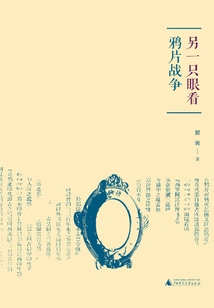
另一只眼看鸦片战争
Qu Wei
Based on the original archives of China and Britain and other Chinese and foreign writings, the author uses a relaxed and smooth writing style and a serious and rigorous academic attitude to present the real Sino-British relations and the Opium War in a panoramic view from the two hundred years of pre-war exchange history between China and Britain, the outbreak and course of the war, and the post-war negotiations between the two countries, and raise or re-answer many questions in this period of history.
Based on the original archives of China and Britain and other Chinese and foreign writings, the author uses a relaxed and smooth writing style and a serious and rigorous academic attitude to present the real Sino-British relations and the Opium War in a panoramic view from the two hundred years of pre-war exchange history between China and Britain, the outbreak and course of the war, and the post-war negotiations between the two countries, and raise or re-answer many questions in this period of history.
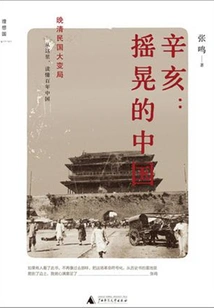
Xinhai: Shaking China
History辛亥:摇晃的中国
H
A low-intensity revolution, a China that has undergone major changes. This book simplifies the complex and uses sophisticated writing techniques to give a panoramic outline of the great team of the late Qing Dynasty and the Republic of China. It tracks this revolution within China, presents the creation story and genealogy of the revolution, and tells an important truth that is of special value to us. Military China, jungle battles, guns and pens, assassinations and bombs, rebellion and economy, revolution and royalism, constitutionalism and the New Deal, imperial examinations and schools, inside and out, reproduce the original state. The truth is always in the deepest part of history.
A low-intensity revolution, a China that has undergone major changes. This book simplifies the complex and uses sophisticated writing techniques to give a panoramic outline of the great team of the late Qing Dynasty and the Republic of China. It tracks this revolution within China, presents the creation story and genealogy of the revolution, and tells an important truth that is of special value to us. Military China, jungle battles, guns and pens, assassinations and bombs, rebellion and economy, revolution and royalism, constitutionalism and the New Deal, imperial examinations and schools, inside and out, reproduce the original state. The truth is always in the deepest part of history.
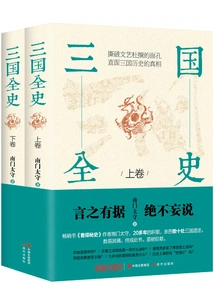
三国全史(全集)
Nanmen Prefect
The Three Kingdoms were an era of heroes, wars, and weapons. The Three Kingdoms were an era of wisdom and planning, divisions and divisions, and divisions. Lu Xun once said that China is a nation with the spirit of the Three Kingdoms. For a long time, influenced by the literary and artistic work "Romance of the Three Kingdoms", the TV series "Three Kingdoms" and Yi Zhongtian's "Three Kingdoms", people seem to have already concluded what happened in the Three Kingdoms. But what is the truth of history? Have you been misunderstood or misunderstood? The Chief of Nanmen spent more than 20 years searching historical records, analyzing historical facts, and personally visited dozens of ancient relics of the Three Kingdoms. Using the writing style of official history and the concept of complete history, he revised his drafts several times and wrote a masterpiece that tells readers the historical truth of the Three Kingdoms! The truth often subverts concepts and exceeds imagination! Shocking!
The Three Kingdoms were an era of heroes, wars, and weapons. The Three Kingdoms were an era of wisdom and planning, divisions and divisions, and divisions. Lu Xun once said that China is a nation with the spirit of the Three Kingdoms. For a long time, influenced by the literary and artistic work "Romance of the Three Kingdoms", the TV series "Three Kingdoms" and Yi Zhongtian's "Three Kingdoms", people seem to have already concluded what happened in the Three Kingdoms. But what is the truth of history? Have you been misunderstood or misunderstood? The Chief of Nanmen spent more than 20 years searching historical records, analyzing historical facts, and personally visited dozens of ancient relics of the Three Kingdoms. Using the writing style of official history and the concept of complete history, he revised his drafts several times and wrote a masterpiece that tells readers the historical truth of the Three Kingdoms! The truth often subverts concepts and exceeds imagination! Shocking!
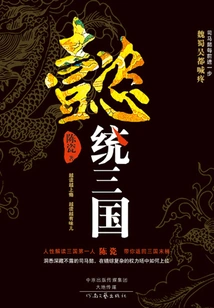
懿统三国
Chen Ci
Through the process of how the Sima family sword danced on the precipice of power and finally conquered the world, this book provides a panoramic depiction of the turbulent era of the end of the Three Kingdoms when the world was divided and reunited, with bloodshed and chaos, and etiquette broken and music collapsed. Open this book and see how the forbearing Sima Yi and his descendants patiently waited for the opportunity to gradually control the military and political power of Cao Wei, and finally let the history of the Three Kingdoms end at the hands of the Sima family.
Through the process of how the Sima family sword danced on the precipice of power and finally conquered the world, this book provides a panoramic depiction of the turbulent era of the end of the Three Kingdoms when the world was divided and reunited, with bloodshed and chaos, and etiquette broken and music collapsed. Open this book and see how the forbearing Sima Yi and his descendants patiently waited for the opportunity to gradually control the military and political power of Cao Wei, and finally let the history of the Three Kingdoms end at the hands of the Sima family.
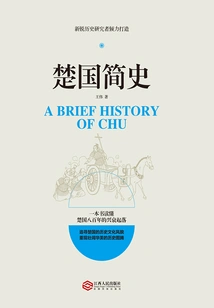
A Brief History of Chu State
History楚国简史
Wang Wei
This book will restore the 800-year history of the rise and fall of Chu State for readers with heavy pen and ink. In each historical stage, it will focus on the fate of important figures and the historical development trend of Chu State, so that the splendid history and culture of Chu State can be revived in the text, and the magnificent historical totems can be reproduced...
This book will restore the 800-year history of the rise and fall of Chu State for readers with heavy pen and ink. In each historical stage, it will focus on the fate of important figures and the historical development trend of Chu State, so that the splendid history and culture of Chu State can be revived in the text, and the magnificent historical totems can be reproduced...
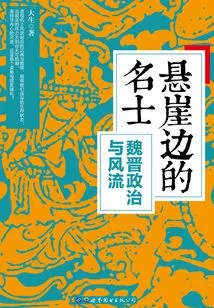
悬崖边的名士:魏晋政治与风流
College Student
The Wei and Jin Dynasties were the second peak period of Chinese culture after the Spring and Autumn Period and the Warring States Period. It was also a rare period in Chinese history when intellectuals (literati) were brutally persecuted. On the one hand, there is totalitarian and chaotic politics, on the other hand, there are intellectuals who long for independence and freedom. The collision and game between the two have created scenes of infinite admiration in Chinese history: Ji Kang's execution of "Guangling San", Wang Xi's At the Orchid Pavilion, Xie An retreated from powerful enemies, and Tao Yuanming returned to his garden... This book systematically combs the history of the Wei and Jin Dynasties, focuses on shaping the portraits of the scholars in the Wei and Jin Dynasties, and presents their living conditions and difficult choices under the dark politics. Understanding their choices and actions in this environment may open a new window for us to understand the history of the Wei and Jin Dynasties, and provide us with a different perspective to see through the current reality and self-survival.
The Wei and Jin Dynasties were the second peak period of Chinese culture after the Spring and Autumn Period and the Warring States Period. It was also a rare period in Chinese history when intellectuals (literati) were brutally persecuted. On the one hand, there is totalitarian and chaotic politics, on the other hand, there are intellectuals who long for independence and freedom. The collision and game between the two have created scenes of infinite admiration in Chinese history: Ji Kang's execution of "Guangling San", Wang Xi's At the Orchid Pavilion, Xie An retreated from powerful enemies, and Tao Yuanming returned to his garden... This book systematically combs the history of the Wei and Jin Dynasties, focuses on shaping the portraits of the scholars in the Wei and Jin Dynasties, and presents their living conditions and difficult choices under the dark politics. Understanding their choices and actions in this environment may open a new window for us to understand the history of the Wei and Jin Dynasties, and provide us with a different perspective to see through the current reality and self-survival.
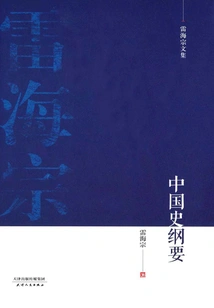
中国史纲要(雷海宗文集)
Lei Haizong
"Outline of Chinese History (Collected Works of Lei Haizong)" was originally a general history textbook of China from Tsinghua University and Southwest Associated University. It describes the main points of China's historical changes, involving politics, economy, military, religion, culture, thought and many other fields. The teaching target is mainly students who are not majoring in history. Because of its broad yet sophisticated characteristics, it is sought after by many students, and it is often "a packed house with many listeners". Regardless of the historical perspective or compilation method, "Outline of Chinese History" is different from other general histories, especially the "textual criticism school" that was popular at the time. It reflects the author's historical characteristics of always attaching importance to comprehensiveness and general knowledge, especially the division of Chinese history into the prehistoric period, the feudal period and the autocratic period. The logic is strict, the context is clear, and the theory of forming a family is a pioneering masterpiece.
"Outline of Chinese History (Collected Works of Lei Haizong)" was originally a general history textbook of China from Tsinghua University and Southwest Associated University. It describes the main points of China's historical changes, involving politics, economy, military, religion, culture, thought and many other fields. The teaching target is mainly students who are not majoring in history. Because of its broad yet sophisticated characteristics, it is sought after by many students, and it is often "a packed house with many listeners". Regardless of the historical perspective or compilation method, "Outline of Chinese History" is different from other general histories, especially the "textual criticism school" that was popular at the time. It reflects the author's historical characteristics of always attaching importance to comprehensiveness and general knowledge, especially the division of Chinese history into the prehistoric period, the feudal period and the autocratic period. The logic is strict, the context is clear, and the theory of forming a family is a pioneering masterpiece.
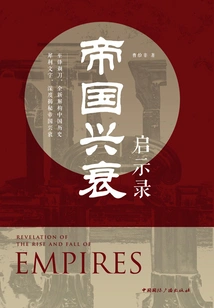
The Rise and Fall of Empires
History帝国兴衰启示录
Cao Jifei
This book explores the organic pattern of the rise and fall of the Five Thousand Rebellions of the ancient Chinese empire. With the eyes of a torch and the pen of a razor, the author reveals the historical truth for readers through historical facts and past events, and reveals the ultimate code of the success or failure of the dynasty that has been hidden for thousands of years and has not been easily discovered. Showing the past of the family and country that has passed but not gone far, those peaceful and prosperous times, the ignition of fire, the light and shadow of swords and swords, the world in China, the China in the world. Mr. Cao Jifei, the author, is knowledgeable and has a unique perspective. In a way of "not points but planes, not segments but lines", he regarded the five thousand years of China as a whole composed of many organs, tissues and factors, and then separately analyzed this whole according to indivisible organs, tissues and factors. Finally, he brought these separate analyzes together to give us the history of the Chinese Empire from a new perspective through individual analysis and overall summary.
This book explores the organic pattern of the rise and fall of the Five Thousand Rebellions of the ancient Chinese empire. With the eyes of a torch and the pen of a razor, the author reveals the historical truth for readers through historical facts and past events, and reveals the ultimate code of the success or failure of the dynasty that has been hidden for thousands of years and has not been easily discovered. Showing the past of the family and country that has passed but not gone far, those peaceful and prosperous times, the ignition of fire, the light and shadow of swords and swords, the world in China, the China in the world. Mr. Cao Jifei, the author, is knowledgeable and has a unique perspective. In a way of "not points but planes, not segments but lines", he regarded the five thousand years of China as a whole composed of many organs, tissues and factors, and then separately analyzed this whole according to indivisible organs, tissues and factors. Finally, he brought these separate analyzes together to give us the history of the Chinese Empire from a new perspective through individual analysis and overall summary.
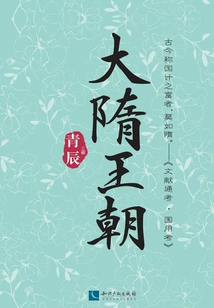
Great Sui Dynasty
History大隋王朝
Qingchen
This book is called "The Great Sui Dynasty". It is a historical reading. Although it draws on the writing methods of some novels and essays, it is definitely a reliable history. It does not fictionalize or interpret. It is a historical reading with a relaxed tone and rigorous content. This book describes the changes and development of Chinese society from 532 AD to 621 AD, and describes in detail the historical trajectory of the Sui Dynasty from its rise to its demise. The reason why "its rise was rapid and its demise was sudden" was discussed, and historical figures such as Yang Guang were evaluated differently from history textbooks. This book does not simply narrate history, but observes it from its own unique perspective and judges it with rational thinking. The book is based on official historical data, is neither joking nor rigorous, and has its own objective and calm analysis.
This book is called "The Great Sui Dynasty". It is a historical reading. Although it draws on the writing methods of some novels and essays, it is definitely a reliable history. It does not fictionalize or interpret. It is a historical reading with a relaxed tone and rigorous content. This book describes the changes and development of Chinese society from 532 AD to 621 AD, and describes in detail the historical trajectory of the Sui Dynasty from its rise to its demise. The reason why "its rise was rapid and its demise was sudden" was discussed, and historical figures such as Yang Guang were evaluated differently from history textbooks. This book does not simply narrate history, but observes it from its own unique perspective and judges it with rational thinking. The book is based on official historical data, is neither joking nor rigorous, and has its own objective and calm analysis.
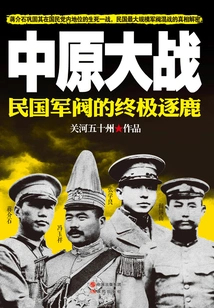
The War of the Central Plains: the Ultimate Competition Among the Warlords of the Republic of China
History中原大战:民国军阀的终极逐鹿
Guanhe Fifty States
The Central Plains War was the largest and longest warlord war in modern Chinese history. It was also the battle between the new warlords for supremacy in the Central Plains after the Northern Expedition, which profoundly affected the trend of modern China. In this period, which can be called the Republic of China version of the Romance of Spring and Autumn Period, various characters and powerful figures from all walks of life appeared on the stage one after another, and the most prominent figures in the military and political circles of the Kuomintang all appeared shirtless. All kinds of conspiracies, vertical and horizontal manipulations, and various combinations of forces are dizzying. Although Chiang Kai-shek gained nominal control over all of China through this battle, China's overall defense strength was severely weakened, and factional disputes within the Kuomintang remained fierce. This forced China to swallow the bitter consequences when it faced Japanese aggression in the future. Based on mastering a large amount of historical materials, the author of this book recreates this bizarre history with refreshing expression techniques and narrative methods. Among them, he has a thorough interpretation of the use of various strategies and has unique insights into the current situation. At the same time, the characters of various characters are vividly portrayed, such as Yan Xishan who is good at calculation, Xingui Clan who is ambitious and talented, Feng Yuxiang who is generous on the outside and taboo on the inside, and Zhang Xueliang who is a spectator. In particular, there are some wonderful comments on how Chiang Kai-shek was able to win in the end even though he did not have the upper hand at the beginning and was even surrounded by enemies on all sides. His use of military strikes and political differentiation strategies, as well as his unique skills in knowing and employing people, etc. Are all given wonderful comments.
The Central Plains War was the largest and longest warlord war in modern Chinese history. It was also the battle between the new warlords for supremacy in the Central Plains after the Northern Expedition, which profoundly affected the trend of modern China. In this period, which can be called the Republic of China version of the Romance of Spring and Autumn Period, various characters and powerful figures from all walks of life appeared on the stage one after another, and the most prominent figures in the military and political circles of the Kuomintang all appeared shirtless. All kinds of conspiracies, vertical and horizontal manipulations, and various combinations of forces are dizzying. Although Chiang Kai-shek gained nominal control over all of China through this battle, China's overall defense strength was severely weakened, and factional disputes within the Kuomintang remained fierce. This forced China to swallow the bitter consequences when it faced Japanese aggression in the future. Based on mastering a large amount of historical materials, the author of this book recreates this bizarre history with refreshing expression techniques and narrative methods. Among them, he has a thorough interpretation of the use of various strategies and has unique insights into the current situation. At the same time, the characters of various characters are vividly portrayed, such as Yan Xishan who is good at calculation, Xingui Clan who is ambitious and talented, Feng Yuxiang who is generous on the outside and taboo on the inside, and Zhang Xueliang who is a spectator. In particular, there are some wonderful comments on how Chiang Kai-shek was able to win in the end even though he did not have the upper hand at the beginning and was even surrounded by enemies on all sides. His use of military strikes and political differentiation strategies, as well as his unique skills in knowing and employing people, etc. Are all given wonderful comments.
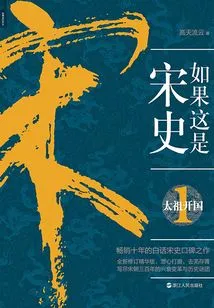
如果这是宋史1:太祖开国
Gao Tianliuyun
Troubled times are like a kaleidoscope, capable of conjuring up anything unexpected. The warlord Guo Wei ascended to the supreme throne in the world after his family was slaughtered; Chai Rongzhong betrayed his relatives and was on the verge of despair but began his own victorious and magnificent life; Zhao Kuangyin was extremely bored and looked down upon and chose to run away from home without anyone watching. His prospects were good, but a few years later it was his turn to design the blueprint for a new generation of empire... There are too many legends and mysteries in this volume of Song Dynasty history. It is a magnificent epic, and it is also a bizarre cloud of smoke, in which everyone can find their own understanding.
Troubled times are like a kaleidoscope, capable of conjuring up anything unexpected. The warlord Guo Wei ascended to the supreme throne in the world after his family was slaughtered; Chai Rongzhong betrayed his relatives and was on the verge of despair but began his own victorious and magnificent life; Zhao Kuangyin was extremely bored and looked down upon and chose to run away from home without anyone watching. His prospects were good, but a few years later it was his turn to design the blueprint for a new generation of empire... There are too many legends and mysteries in this volume of Song Dynasty history. It is a magnificent epic, and it is also a bizarre cloud of smoke, in which everyone can find their own understanding.
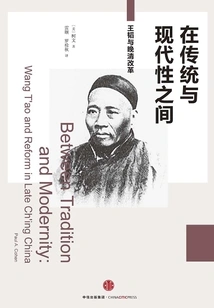
在传统与现代性之间:王韬与晚清改革
N
"Between Tradition and Modernity: Wang Tao and the Reform in the Late Qing" focuses on Wang Tao, an important historical figure who stood between tradition and modernity and had an impact on the thoughts of Sun Yat-sen, Kang Youwei, Zheng Guanying, Wu Tingfang and others, and explores his participation in the rebellion and reform in the late Qing Dynasty. Revolution, it is the process of introducing modern thought into China. It provides perspective, display and analysis of the ideological trends, political situation and social changes in the late Qing Dynasty. It was the first to raise the issue of "coastal" and "inland" in modern China, and provides a new path to explain the interaction between tradition and modernity in China since modern times.
"Between Tradition and Modernity: Wang Tao and the Reform in the Late Qing" focuses on Wang Tao, an important historical figure who stood between tradition and modernity and had an impact on the thoughts of Sun Yat-sen, Kang Youwei, Zheng Guanying, Wu Tingfang and others, and explores his participation in the rebellion and reform in the late Qing Dynasty. Revolution, it is the process of introducing modern thought into China. It provides perspective, display and analysis of the ideological trends, political situation and social changes in the late Qing Dynasty. It was the first to raise the issue of "coastal" and "inland" in modern China, and provides a new path to explain the interaction between tradition and modernity in China since modern times.
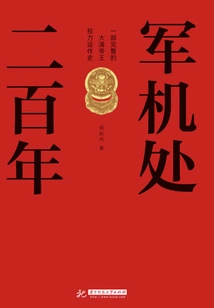
军机处二百年
Yuan Canxing
This book takes the 200-year history of the Military Aircraft Department as the main line and shows the important role of the Military Aircraft Department in the history of the Qing Dynasty. When the national power of the Yongzheng and Qianlong dynasties was rising, the military ministers followed the emperor, leaping on their horses and whipping their whips, and expanding their territories, all with great ambition. By the Jiaqing and Daoguang dynasties, the Qing Dynasty had begun to decline. Faced with this situation, Jiaqing and Daoguang chose to maintain their status, so the military ministers also restrained their fists and carefully helped the emperor manage the country, and finally passed on the Qing Dynasty. The four dynasties of Yongzheng, Qianlong, Jiaqing and Daoguang are a display of a dynasty's transition from prosperity to decline. In this historical process, what role did the Military Aircraft Department play? Two hundred years of the Military Aircraft Department, a rich history, a group of outstanding characters, a bunch of stories to be discovered, a comprehensive and real Military Aircraft Department.
This book takes the 200-year history of the Military Aircraft Department as the main line and shows the important role of the Military Aircraft Department in the history of the Qing Dynasty. When the national power of the Yongzheng and Qianlong dynasties was rising, the military ministers followed the emperor, leaping on their horses and whipping their whips, and expanding their territories, all with great ambition. By the Jiaqing and Daoguang dynasties, the Qing Dynasty had begun to decline. Faced with this situation, Jiaqing and Daoguang chose to maintain their status, so the military ministers also restrained their fists and carefully helped the emperor manage the country, and finally passed on the Qing Dynasty. The four dynasties of Yongzheng, Qianlong, Jiaqing and Daoguang are a display of a dynasty's transition from prosperity to decline. In this historical process, what role did the Military Aircraft Department play? Two hundred years of the Military Aircraft Department, a rich history, a group of outstanding characters, a bunch of stories to be discovered, a comprehensive and real Military Aircraft Department.
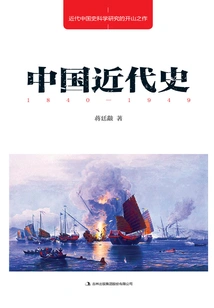
Modern History of China
History中国近代史
Jiang Tingfu
"Modern History of China" was written in 1938. It is an outline work and the representative work of Mr. Jiang Tingfu, a historian and diplomat of the Republic of China who is known as "the talent of Tai Shigong and the ambition of Zhang Qian". This history book records the evolution and characters of nearly a hundred years from the Opium War to the Revolution of 1911. There is no boring textual research or accumulation of historical materials, but it fully shows the fate of the family and the country and the trend of social development. To sum up, Chiang's history book is an outline in nature, taking China's modernization as its context, and puts forward the view that whether the Chinese can modernize will affect the rise or fall of the country. The historiographic framework and chronological history system constructed by "Modern History of China" once led the trend of modern history research and were highly praised by later researchers. It is called the pioneering work of modern Chinese history research. This book has a special chapter in the appendix, which is helpful for understanding Chiang's profound thoughts on modern history.
"Modern History of China" was written in 1938. It is an outline work and the representative work of Mr. Jiang Tingfu, a historian and diplomat of the Republic of China who is known as "the talent of Tai Shigong and the ambition of Zhang Qian". This history book records the evolution and characters of nearly a hundred years from the Opium War to the Revolution of 1911. There is no boring textual research or accumulation of historical materials, but it fully shows the fate of the family and the country and the trend of social development. To sum up, Chiang's history book is an outline in nature, taking China's modernization as its context, and puts forward the view that whether the Chinese can modernize will affect the rise or fall of the country. The historiographic framework and chronological history system constructed by "Modern History of China" once led the trend of modern history research and were highly praised by later researchers. It is called the pioneering work of modern Chinese history research. This book has a special chapter in the appendix, which is helpful for understanding Chiang's profound thoughts on modern history.
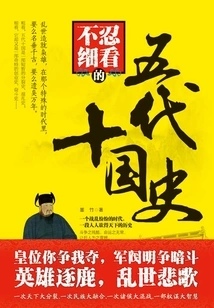
不忍细看的五代十国史
J
During the Five Dynasties and Ten Kingdoms period, politically, the struggle for power was extraordinary, with fathers and sons killing each other, and brothers killing each other. In terms of culture, the Five Dynasties and Ten Kingdoms period was not as good as the Tang Dynasty, especially in the north, which was almost at stagnation or regression. More than a dozen political powers attacked each other and were subordinate to each other. There was also the Liao Kingdom that went south to disrupt the situation from time to time. In order to seize territory and gain fame, various forces competed, fought, and attacked each other under various banners. Heroes from all walks of life sang and I appeared on the stage. It is wonderful for future generations to review this period of history, but the common people who were born at the right time complained endlessly. At first glance, the Five Dynasties and Ten Kingdoms is a short history of division and chaos; but at a closer look, it is a history of entrepreneurship and struggle... Behind the flash of swords and bloody storms, what is revealed is the majestic strategy, and what is left behind are legendary stories that confirm the historical changes and limitations.
During the Five Dynasties and Ten Kingdoms period, politically, the struggle for power was extraordinary, with fathers and sons killing each other, and brothers killing each other. In terms of culture, the Five Dynasties and Ten Kingdoms period was not as good as the Tang Dynasty, especially in the north, which was almost at stagnation or regression. More than a dozen political powers attacked each other and were subordinate to each other. There was also the Liao Kingdom that went south to disrupt the situation from time to time. In order to seize territory and gain fame, various forces competed, fought, and attacked each other under various banners. Heroes from all walks of life sang and I appeared on the stage. It is wonderful for future generations to review this period of history, but the common people who were born at the right time complained endlessly. At first glance, the Five Dynasties and Ten Kingdoms is a short history of division and chaos; but at a closer look, it is a history of entrepreneurship and struggle... Behind the flash of swords and bloody storms, what is revealed is the majestic strategy, and what is left behind are legendary stories that confirm the historical changes and limitations.
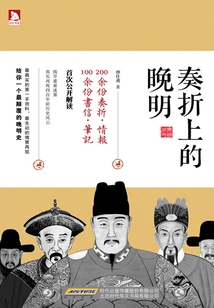
奏折上的晚明
Qin Shiyong
The late Ming Dynasty in the memorial describes the history of the late Ming Dynasty from Wanli to Chongzhen. What is different from previous Ming Dynasty history books is that this book takes a new approach, starting from original texts such as memorials, edicts, emperor's edicts, and letters between ministers. It uses a large amount of first-hand information, multiple angles and aspects, to restore a true late Ming Dynasty in detail. This book is not an official history, and official history will only gloss over its faults. This book is not a joke, and a joke cannot be considered history. This book uses the most authentic documents and the most vivid descriptions to give you the most subversive history of the late Ming Dynasty.
The late Ming Dynasty in the memorial describes the history of the late Ming Dynasty from Wanli to Chongzhen. What is different from previous Ming Dynasty history books is that this book takes a new approach, starting from original texts such as memorials, edicts, emperor's edicts, and letters between ministers. It uses a large amount of first-hand information, multiple angles and aspects, to restore a true late Ming Dynasty in detail. This book is not an official history, and official history will only gloss over its faults. This book is not a joke, and a joke cannot be considered history. This book uses the most authentic documents and the most vivid descriptions to give you the most subversive history of the late Ming Dynasty.
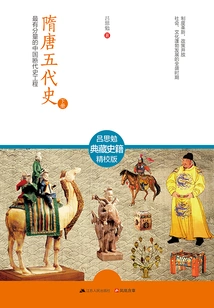
隋唐五代史(下册)
Lu Simian
"History of the Sui, Tang and Five Dynasties" is divided into upper and lower parts. The upper part is political history, including the rise and fall of dynasties, the causes and consequences of various major historical events, the success and failure of political facilities, and the relationship with ethnic minorities. The lower part is socioeconomic and cultural history, which is divided into the development of social economy, political system, ethnic territory, culture and academics, etc. This book presents the social, cultural, political and other aspects of this complicated historical period of the Sui, Tang and Five Dynasties from multiple angles.
"History of the Sui, Tang and Five Dynasties" is divided into upper and lower parts. The upper part is political history, including the rise and fall of dynasties, the causes and consequences of various major historical events, the success and failure of political facilities, and the relationship with ethnic minorities. The lower part is socioeconomic and cultural history, which is divided into the development of social economy, political system, ethnic territory, culture and academics, etc. This book presents the social, cultural, political and other aspects of this complicated historical period of the Sui, Tang and Five Dynasties from multiple angles.
隋唐五代史(上册)
Lu Simian
"History of the Sui, Tang and Five Dynasties" is divided into upper and lower parts. The upper part is political history, including the rise and fall of dynasties, the causes and consequences of various major historical events, the success and failure of political facilities, and the relationship with ethnic minorities. The lower part is socioeconomic and cultural history, which is divided into the development of social economy, political system, ethnic territory, culture and academics, etc. This book presents the social, cultural, political and other aspects of this complicated historical period of the Sui, Tang and Five Dynasties from multiple angles.
"History of the Sui, Tang and Five Dynasties" is divided into upper and lower parts. The upper part is political history, including the rise and fall of dynasties, the causes and consequences of various major historical events, the success and failure of political facilities, and the relationship with ethnic minorities. The lower part is socioeconomic and cultural history, which is divided into the development of social economy, political system, ethnic territory, culture and academics, etc. This book presents the social, cultural, political and other aspects of this complicated historical period of the Sui, Tang and Five Dynasties from multiple angles.
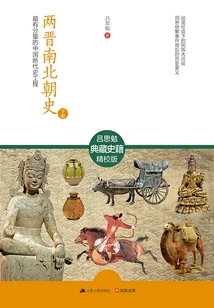
两晋南北朝史(下册)
I
"History of the Two Jin and Southern and Northern Dynasties" is the third book in Mr. Lu Simian's series of Chinese chronological history. It is divided into two parts: political history, social economic history and cultural history. It systematically and profoundly describes this war-filled period in Chinese history, and discusses the political and cultural characteristics of this special period. The author quotes from many sources and thinks about the fundamental issues of human survival and development. The light of his wisdom penetrates history, and the value of his thoughts transcends time and space and remains new over time. It is the great spiritual wealth of the Chinese nation.
"History of the Two Jin and Southern and Northern Dynasties" is the third book in Mr. Lu Simian's series of Chinese chronological history. It is divided into two parts: political history, social economic history and cultural history. It systematically and profoundly describes this war-filled period in Chinese history, and discusses the political and cultural characteristics of this special period. The author quotes from many sources and thinks about the fundamental issues of human survival and development. The light of his wisdom penetrates history, and the value of his thoughts transcends time and space and remains new over time. It is the great spiritual wealth of the Chinese nation.
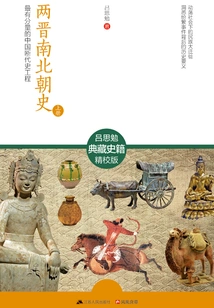
两晋南北朝史(上册)
Lu Simian
"History of the Two Jin and Southern and Northern Dynasties" is the third book in Mr. Lu Simian's series of Chinese chronological history. It is divided into two parts: political history, social economic history and cultural history. It systematically and profoundly describes this war-filled period in Chinese history, and discusses the political and cultural characteristics of this special period. The author quotes from many sources and thinks about the fundamental issues of human survival and development. The light of his wisdom penetrates history, and the value of his thoughts transcends time and space and remains new over time. It is the great spiritual wealth of the Chinese nation.
"History of the Two Jin and Southern and Northern Dynasties" is the third book in Mr. Lu Simian's series of Chinese chronological history. It is divided into two parts: political history, social economic history and cultural history. It systematically and profoundly describes this war-filled period in Chinese history, and discusses the political and cultural characteristics of this special period. The author quotes from many sources and thinks about the fundamental issues of human survival and development. The light of his wisdom penetrates history, and the value of his thoughts transcends time and space and remains new over time. It is the great spiritual wealth of the Chinese nation.
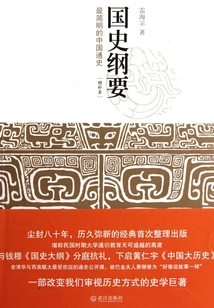
Outline of National History
History国史纲要
Lei Haizong
The most popular open course on national history at the old Tsinghua University and Southwest Associated University was praised by Ba Jin's wife Xiao Shan as "like telling a story". It can be called an insurmountable height in the general education of the Republic of China University! The first chapter competes with Qian Mu's "Outline of National History" and the second chapter is inspired by Huang Renyu's "The Great History of China". It is a historical masterpiece that changes the way we look at history. "Outline of National History" was originally a Chinese general history textbook of Tsinghua University in the 1930s. It describes the key points of China's historical changes, covering many fields such as politics, economy, military, religion, thought, etc. It pays special attention to listing the changes in various tangible and invisible forces inside and outside the territory, society, economic and cultural centers of gravity. The description of the stages of Chinese history also shows the author's unique understanding of the development context of Chinese history. Because the original book focuses on expressing opinions and the language is extremely concise, it is a bit difficult for ordinary readers who are not majoring in history. The number of words is small, so it is a bit thin as a stand-alone book. Therefore, the editor compiled relevant ideas from Mr. Lei Haizong's historical works and supplemented the original book to form the "Outline of National History".
The most popular open course on national history at the old Tsinghua University and Southwest Associated University was praised by Ba Jin's wife Xiao Shan as "like telling a story". It can be called an insurmountable height in the general education of the Republic of China University! The first chapter competes with Qian Mu's "Outline of National History" and the second chapter is inspired by Huang Renyu's "The Great History of China". It is a historical masterpiece that changes the way we look at history. "Outline of National History" was originally a Chinese general history textbook of Tsinghua University in the 1930s. It describes the key points of China's historical changes, covering many fields such as politics, economy, military, religion, thought, etc. It pays special attention to listing the changes in various tangible and invisible forces inside and outside the territory, society, economic and cultural centers of gravity. The description of the stages of Chinese history also shows the author's unique understanding of the development context of Chinese history. Because the original book focuses on expressing opinions and the language is extremely concise, it is a bit difficult for ordinary readers who are not majoring in history. The number of words is small, so it is a bit thin as a stand-alone book. Therefore, the editor compiled relevant ideas from Mr. Lei Haizong's historical works and supplemented the original book to form the "Outline of National History".
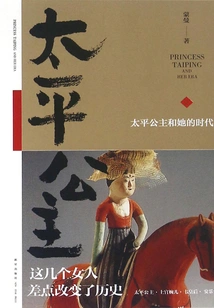
Princess Taiping and Her Era
History太平公主和她的时代
Monman
These women almost changed history. This is an era that has never been seen before or since. Princess Taiping, Wu Zetian's daughter, has power over the government; Shangguan Wan'er, Wu Zetian's internal prime minister, criticizes the world's talents; Queen Wei, Wu Zetian's daughter-in-law, aspires to become the second Wu Zetian; Princess Anle, determined to be the "Crown Princess". Either then or now. There is no step too early and no step too late. In the long history of ancient China, only in the Tang Dynasty and after Wu Zetian did such vibrant political women appear. This is a sad era of red makeup. The famous scholar Meng Man tells the interesting history and reveals the little-known eve of the Tang Dynasty.
These women almost changed history. This is an era that has never been seen before or since. Princess Taiping, Wu Zetian's daughter, has power over the government; Shangguan Wan'er, Wu Zetian's internal prime minister, criticizes the world's talents; Queen Wei, Wu Zetian's daughter-in-law, aspires to become the second Wu Zetian; Princess Anle, determined to be the "Crown Princess". Either then or now. There is no step too early and no step too late. In the long history of ancient China, only in the Tang Dynasty and after Wu Zetian did such vibrant political women appear. This is a sad era of red makeup. The famous scholar Meng Man tells the interesting history and reveals the little-known eve of the Tang Dynasty.
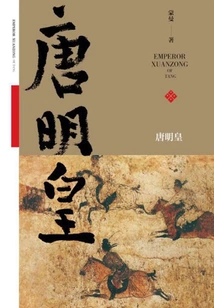
Tang Minghuang
History唐明皇
Monman
If you only read one history, you should read the History of the Tang Dynasty; if you only understand one emperor, you should understand Emperor Ming of the Tang Dynasty. He is truly an emperor with great vitality! In his early years, he was high-spirited and accomplished achievements, creating the pinnacle of ancient Chinese history - the prosperous Kaiyuan era; in his middle age, he became famous, met his soulmate, and created a love legend of "this hatred lasts forever"; in his later years, during the Anshi Rebellion, Ma Wei cried blood, but he died in the Tai Chi Palace. I have experienced the splendid sky and the earth, the splendid romance; I have also faced the broken mountains and rivers, and the lonely and lonely palace. He gained everything and lost everything. Such a life is more beautiful than legend. The famous scholar Meng Man's eloquent narration vividly restores the ups and downs of the country's fortunes and the ups and downs of life!
If you only read one history, you should read the History of the Tang Dynasty; if you only understand one emperor, you should understand Emperor Ming of the Tang Dynasty. He is truly an emperor with great vitality! In his early years, he was high-spirited and accomplished achievements, creating the pinnacle of ancient Chinese history - the prosperous Kaiyuan era; in his middle age, he became famous, met his soulmate, and created a love legend of "this hatred lasts forever"; in his later years, during the Anshi Rebellion, Ma Wei cried blood, but he died in the Tai Chi Palace. I have experienced the splendid sky and the earth, the splendid romance; I have also faced the broken mountains and rivers, and the lonely and lonely palace. He gained everything and lost everything. Such a life is more beautiful than legend. The famous scholar Meng Man's eloquent narration vividly restores the ups and downs of the country's fortunes and the ups and downs of life!
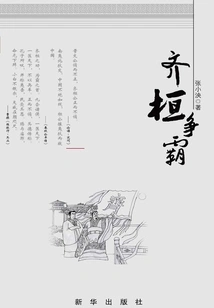
齐桓争霸
Zhang Xiaoyang
The protagonist of this book is Duke Huan of Qi - I don't want everyone to mistakenly think that this is a novel once I mention the "protagonist". The author will not be presumptuous and will slowly explain this "glorious era, glorious people" to everyone using words that are not too verbose.
The protagonist of this book is Duke Huan of Qi - I don't want everyone to mistakenly think that this is a novel once I mention the "protagonist". The author will not be presumptuous and will slowly explain this "glorious era, glorious people" to everyone using words that are not too verbose.
逍遥郡马过孟玉
Guo Yunting
"Xiaoyao Jun Ma Guo Meng Yu" is based on the history of the Song Dynasty from Shenzong to Gaozong. It starts from Guo Meng Yu's great-grandfather and tells the story of the ups and downs, honors and disgrace of several generations of Jun Ma Guo Meng Yu's family. Several generations of the Guo family have cherished their country and their country, shouldering responsibilities. Their lives shine with truth, goodness, beauty, loyalty, filial piety and righteousness. They are courteous and trustworthy. Their love and emotions are sincere and traditional. Although their stories are small and missing in the grand history of China, they are full of wonderful and touching features. The characters of "Horse Guo Mengyu in Xiaoyao County" are vivid, the language is fluent and beautiful, and the plot is vivid. It is worth reading. It has good appreciation value and reference function for history and literature lovers.
"Xiaoyao Jun Ma Guo Meng Yu" is based on the history of the Song Dynasty from Shenzong to Gaozong. It starts from Guo Meng Yu's great-grandfather and tells the story of the ups and downs, honors and disgrace of several generations of Jun Ma Guo Meng Yu's family. Several generations of the Guo family have cherished their country and their country, shouldering responsibilities. Their lives shine with truth, goodness, beauty, loyalty, filial piety and righteousness. They are courteous and trustworthy. Their love and emotions are sincere and traditional. Although their stories are small and missing in the grand history of China, they are full of wonderful and touching features. The characters of "Horse Guo Mengyu in Xiaoyao County" are vivid, the language is fluent and beautiful, and the plot is vivid. It is worth reading. It has good appreciation value and reference function for history and literature lovers.
简明中国通史(上)
Lu Zhenyu
This book is a general history of China written with Marxism as the guiding ideology for self-taught young people and first and second grade students in middle schools and universities. It begins in ancient times and ends before the Opium War. Different from the compilation of the general history of China at that time, the author "grasps Chinese history as a process of development" and "focuses on the specificity of history" and uses this as a compilation principle. At the same time, "it takes into account the history of various ethnic groups and their interactions as much as possible." This is one of the earliest attempts to use historical materialism to write a general history of China.
This book is a general history of China written with Marxism as the guiding ideology for self-taught young people and first and second grade students in middle schools and universities. It begins in ancient times and ends before the Opium War. Different from the compilation of the general history of China at that time, the author "grasps Chinese history as a process of development" and "focuses on the specificity of history" and uses this as a compilation principle. At the same time, "it takes into account the history of various ethnic groups and their interactions as much as possible." This is one of the earliest attempts to use historical materialism to write a general history of China.
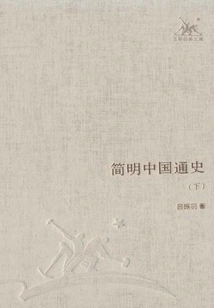
简明中国通史(下)
Lu Zhenyu
This book is a general history of China written with Marxism as the guiding ideology for self-taught young people and first and second grade students in middle schools and universities. It begins in ancient times and ends before the Opium War. Different from the compilation of the general history of China at that time, the author "grasps Chinese history as a process of development" and "focuses on the specificity of history" and uses this as a compilation principle. At the same time, "it takes into account the history of various ethnic groups and their interactions as much as possible." This is one of the earliest attempts to use historical materialism to write a general history of China.
This book is a general history of China written with Marxism as the guiding ideology for self-taught young people and first and second grade students in middle schools and universities. It begins in ancient times and ends before the Opium War. Different from the compilation of the general history of China at that time, the author "grasps Chinese history as a process of development" and "focuses on the specificity of history" and uses this as a compilation principle. At the same time, "it takes into account the history of various ethnic groups and their interactions as much as possible." This is one of the earliest attempts to use historical materialism to write a general history of China.
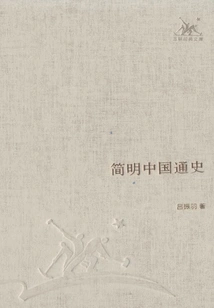
简明中国通史(全集)
Lu Zhenyu
This book is a general history of China written with Marxism as the guiding ideology for self-taught young people and first and second grade students in middle schools and universities. It begins in ancient times and ends before the Opium War. Different from the compilation of the general history of China at that time, the author "grasps Chinese history as a process of development" and "focuses on the specificity of history" and uses this as a compilation principle. At the same time, "it takes into account the history of various ethnic groups and their interactions as much as possible." This is one of the earliest attempts to use historical materialism to write a general history of China.
This book is a general history of China written with Marxism as the guiding ideology for self-taught young people and first and second grade students in middle schools and universities. It begins in ancient times and ends before the Opium War. Different from the compilation of the general history of China at that time, the author "grasps Chinese history as a process of development" and "focuses on the specificity of history" and uses this as a compilation principle. At the same time, "it takes into account the history of various ethnic groups and their interactions as much as possible." This is one of the earliest attempts to use historical materialism to write a general history of China.
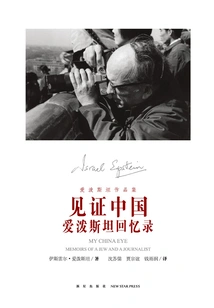
见证中国:爱泼斯坦回忆录
Israel Epstein
"Witness China: Epstein's Memoirs" is Epstein's autobiography. It records his devotion to China's revolution and construction and his personal experience of China's legendary life from national liberation to reform and opening up. In this memoir, Epstein expressed his belief this way: "In the time and space set by history, I feel that nothing is better and more meaningful than my personal experience and participation in the revolutionary cause of the Chinese people." He said: "I love China and the Chinese people. China is my home. It is this love that connects my work and life with the destiny of China."
"Witness China: Epstein's Memoirs" is Epstein's autobiography. It records his devotion to China's revolution and construction and his personal experience of China's legendary life from national liberation to reform and opening up. In this memoir, Epstein expressed his belief this way: "In the time and space set by history, I feel that nothing is better and more meaningful than my personal experience and participation in the revolutionary cause of the Chinese people." He said: "I love China and the Chinese people. China is my home. It is this love that connects my work and life with the destiny of China."
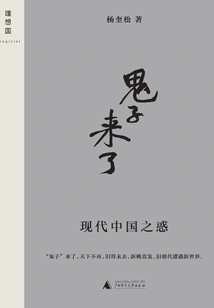
“鬼子”来了:现代中国之惑
Yang Kuisong
Professor Yang Kuisong's first column is collected to face the "fear and confusion" in China's modernization process. Why are many people not patriotic? In different contexts, what are the advantages and disadvantages of "nationalism"? What is the difference between "nation-state" and "national-state"? Who should be the teacher for China's modern development, and why do teachers always bully students? Why is the War of Resistance Against Japan the key to national rejuvenation? Who is "transforming" whom between "middle school" and "Western learning"? Is there a terminal point of happiness in this world? There is one and only one way out for China, and that is China's modernization. The world trend is vast. From the perspective of joining the ranks of modern countries, "the devil is coming" may not be a bad thing.
Professor Yang Kuisong's first column is collected to face the "fear and confusion" in China's modernization process. Why are many people not patriotic? In different contexts, what are the advantages and disadvantages of "nationalism"? What is the difference between "nation-state" and "national-state"? Who should be the teacher for China's modern development, and why do teachers always bully students? Why is the War of Resistance Against Japan the key to national rejuvenation? Who is "transforming" whom between "middle school" and "Western learning"? Is there a terminal point of happiness in this world? There is one and only one way out for China, and that is China's modernization. The world trend is vast. From the perspective of joining the ranks of modern countries, "the devil is coming" may not be a bad thing.
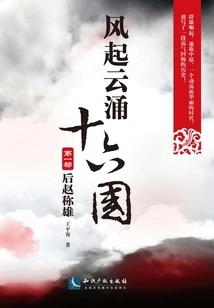
风起云涌十六国:后赵称雄(第1部)
Wang Pingke
This book tells the historical story between 304 and 439 AD. The political regimes that emerged successively include Cheng Han, Han Zhao, Hou Zhao, Qian Liang, and Qian Yan. Han Zhao, as the first to cause chaos in the Central Plains, was eventually replaced by Later Zhao. Later Zhao Xiong lived in the Central Plains and was the most powerful; Cheng Han stayed in Bashu, Qian Liang was in the Hexi Corridor, and Qian Yan was in the northeast and Liaodong. During this period, Shi Le of Later Zhao was the number one hero. Although Shi Hu was ferocious, he was still able to maintain the dominance of Later Zhao; Li Xiong of Cheng Han, Zhang Jun of Qian Liang, and Murong Huang of Qian Yan were all heroes of one side, but they failed to dominate the world in the end. During these smoke-filled years, heroes came one after another to compete in the Central Plains, leaving behind many thrilling historical stories!
This book tells the historical story between 304 and 439 AD. The political regimes that emerged successively include Cheng Han, Han Zhao, Hou Zhao, Qian Liang, and Qian Yan. Han Zhao, as the first to cause chaos in the Central Plains, was eventually replaced by Later Zhao. Later Zhao Xiong lived in the Central Plains and was the most powerful; Cheng Han stayed in Bashu, Qian Liang was in the Hexi Corridor, and Qian Yan was in the northeast and Liaodong. During this period, Shi Le of Later Zhao was the number one hero. Although Shi Hu was ferocious, he was still able to maintain the dominance of Later Zhao; Li Xiong of Cheng Han, Zhang Jun of Qian Liang, and Murong Huang of Qian Yan were all heroes of one side, but they failed to dominate the world in the end. During these smoke-filled years, heroes came one after another to compete in the Central Plains, leaving behind many thrilling historical stories!
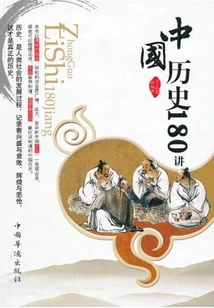
中国历史180讲
Wang Zhigang
China has a long and profound history. This book takes the sequence of Chinese history as the main line, introduces nearly 200 knowledge points in detail, and presents it to readers. The book has a clear context and is organized in dynasty order. It selects valuable and significant events in this period and narrates them to the readers one by one. This book is clearly organized, informative, interesting and readable, and helps people understand history.
China has a long and profound history. This book takes the sequence of Chinese history as the main line, introduces nearly 200 knowledge points in detail, and presents it to readers. The book has a clear context and is organized in dynasty order. It selects valuable and significant events in this period and narrates them to the readers one by one. This book is clearly organized, informative, interesting and readable, and helps people understand history.
马关议和中之伊李问答:戊戌前后的痛与梦
Guangxi Normal University Press
This book records the five back-and-forth debates that took place in the spring of the 21st year of Guangxu's reign (1895) when the Qing government dispatched Minister Li Hongzhang and Japanese Minister Plenipotentiary Ito Hirobumi to discuss peace in Shimonoseki due to the defeat of the Sino-Japanese War of 1895-1895.
This book records the five back-and-forth debates that took place in the spring of the 21st year of Guangxu's reign (1895) when the Qing government dispatched Minister Li Hongzhang and Japanese Minister Plenipotentiary Ito Hirobumi to discuss peace in Shimonoseki due to the defeat of the Sino-Japanese War of 1895-1895.
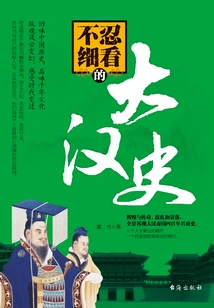
不忍细看的大汉史
Black Bamboo
The Han Dynasty was a peak in the development of Chinese culture, with comprehensive socio-economic, political and cultural development, and increasingly frequent foreign exchanges. It was one of the most powerful countries in the world at that time, and was called the two great empires together with Rome. Zhang Qian's mission to the Western Regions opened up the famous "Silk Road" for the first time, opening a trade channel between the East and the West. China has since become the center of the world trade system. It was precisely because the prestige of the Han Dynasty spread far and wide that foreigners began to call the Chinese at that time "Han people", and the Han Dynasty people were happy for foreigners to call themselves this way. This "Han" character Chaoyue a dynasty and gained lasting influence. The nation is called "Han", the people are called "Han people", the language is called "Hanyu", and the characters are called "Hanzi". The significance of the Han Dynasty to China is not only a political dynasty, but also a cultural identity.
The Han Dynasty was a peak in the development of Chinese culture, with comprehensive socio-economic, political and cultural development, and increasingly frequent foreign exchanges. It was one of the most powerful countries in the world at that time, and was called the two great empires together with Rome. Zhang Qian's mission to the Western Regions opened up the famous "Silk Road" for the first time, opening a trade channel between the East and the West. China has since become the center of the world trade system. It was precisely because the prestige of the Han Dynasty spread far and wide that foreigners began to call the Chinese at that time "Han people", and the Han Dynasty people were happy for foreigners to call themselves this way. This "Han" character Chaoyue a dynasty and gained lasting influence. The nation is called "Han", the people are called "Han people", the language is called "Hanyu", and the characters are called "Hanzi". The significance of the Han Dynasty to China is not only a political dynasty, but also a cultural identity.
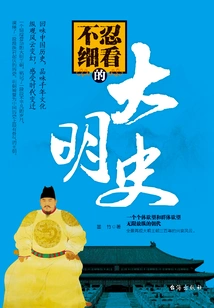
不忍细看的大明史
Black Bamboo
The Ming Dynasty was an era of great temptation and expanding desires. This is true not only of the emperors, but also of the ministers: Li Shanchang looks gentle, but treats others harshly, out of desire to support the party; Zhu Gaoxu is arrogant, fierce and lawless, out of desire to usurp; Wang Zhen is good at observing people's thoughts, out of desire for vanity; Liu Jin deceived his superiors and concealed his desire for control; Yan Song and Zhang Juzheng were dishonest and lusted for power; Wei Zhongxian acted according to the wind and his perverted desires; Li Zicheng was brave and knowledgeable, but had a desire for cruelty; Wu Sangui was brave and championed the three armies, but he had selfish desires. There are powerful ministers and arrogant sycophants, there are gentlemen and scoundrels; there are loyal ministers' death remonstrances and there are also eunuchs who are crazy... It is this paranoid family that has uncovered the fog of the Ming Dynasty for nearly three hundred years and left for future generations an unpredictable Ming Dynasty with unlimited imagination.
The Ming Dynasty was an era of great temptation and expanding desires. This is true not only of the emperors, but also of the ministers: Li Shanchang looks gentle, but treats others harshly, out of desire to support the party; Zhu Gaoxu is arrogant, fierce and lawless, out of desire to usurp; Wang Zhen is good at observing people's thoughts, out of desire for vanity; Liu Jin deceived his superiors and concealed his desire for control; Yan Song and Zhang Juzheng were dishonest and lusted for power; Wei Zhongxian acted according to the wind and his perverted desires; Li Zicheng was brave and knowledgeable, but had a desire for cruelty; Wu Sangui was brave and championed the three armies, but he had selfish desires. There are powerful ministers and arrogant sycophants, there are gentlemen and scoundrels; there are loyal ministers' death remonstrances and there are also eunuchs who are crazy... It is this paranoid family that has uncovered the fog of the Ming Dynasty for nearly three hundred years and left for future generations an unpredictable Ming Dynasty with unlimited imagination.