Library
Browse and search books
2,982 novels found
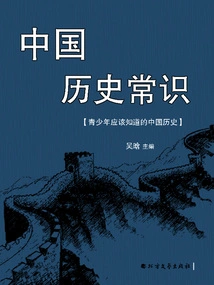
中国历史常识:青少年应该知道的中国历史
Editor-in-chief Wu Han
Wu Han organized a group of experts and scholars from 1963 to 1965, such as well-known historians Wang Zhuan, Bai Shouyi, Deng Guangming, Zheng Tianting, Weng Dujian, Hu Houxuan, Yin Faru, He Ziquan, Dai Yi, etc. Together they compiled and compiled this "Common Sense of Chinese History". The compilation of a "small" book by everyone is an important prerequisite to ensure the high quality of this book. As a popular historical reading, this book has a lively form, with each topic being both independent and interrelated. The content is short and concise, giving readers the necessary historical knowledge. It draws on a wide range of materials, introducing social profiles, famous figures and historical anecdotes in various historical periods, which is different from textbooks and dictionaries. It is interesting and easy to read, and the content is interspersed with storylines, vividly presenting Chinese history with warmth and attitude.
Wu Han organized a group of experts and scholars from 1963 to 1965, such as well-known historians Wang Zhuan, Bai Shouyi, Deng Guangming, Zheng Tianting, Weng Dujian, Hu Houxuan, Yin Faru, He Ziquan, Dai Yi, etc. Together they compiled and compiled this "Common Sense of Chinese History". The compilation of a "small" book by everyone is an important prerequisite to ensure the high quality of this book. As a popular historical reading, this book has a lively form, with each topic being both independent and interrelated. The content is short and concise, giving readers the necessary historical knowledge. It draws on a wide range of materials, introducing social profiles, famous figures and historical anecdotes in various historical periods, which is different from textbooks and dictionaries. It is interesting and easy to read, and the content is interspersed with storylines, vividly presenting Chinese history with warmth and attitude.
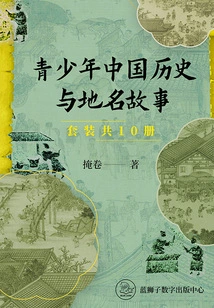
青少年中国历史与地名故事(套装共10册)
Cover Up
This book combines place names from various parts of China and mainly tells famous historical stories from ancient times to the Republic of China. In each historical story, it introduces historical encyclopedias and interesting facts about place names, and also attaches a chronology of historical events to help readers sort out the major events of the dynasty. For teenagers, the language of this book is easy to read and fascinating. It is a good introductory book on Chinese history.
This book combines place names from various parts of China and mainly tells famous historical stories from ancient times to the Republic of China. In each historical story, it introduces historical encyclopedias and interesting facts about place names, and also attaches a chronology of historical events to help readers sort out the major events of the dynasty. For teenagers, the language of this book is easy to read and fascinating. It is a good introductory book on Chinese history.
Decode Historical Passwords
History解码历史密码
Sun Dehou
There are many codes hidden in history, waiting for us to decipher them. Through the study of historical documents, archaeological discoveries and legends, this book reveals the truth and secrets behind history, giving you a deeper understanding of history.
There are many codes hidden in history, waiting for us to decipher them. Through the study of historical documents, archaeological discoveries and legends, this book reveals the truth and secrets behind history, giving you a deeper understanding of history.
古代文明的密码锁
Zhang Qixuan
Try to unlock the code lock of ancient civilization and delve into the origin, development and decline of ancient civilization. From mysterious symbols to magnificent buildings, we will take you to appreciate the mystery and charm of ancient civilizations.
Try to unlock the code lock of ancient civilization and delve into the origin, development and decline of ancient civilization. From mysterious symbols to magnificent buildings, we will take you to appreciate the mystery and charm of ancient civilizations.
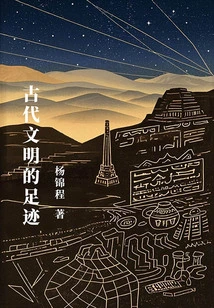
古代文明的足迹
Yang Jincheng
Tracing the footsteps of ancient civilizations, from ancient ruins to precious cultural relics, will lead you to appreciate the unique charm of different civilizations. Understand the development process of ancient civilization and feel the great achievements of human civilization.
Tracing the footsteps of ancient civilizations, from ancient ruins to precious cultural relics, will lead you to appreciate the unique charm of different civilizations. Understand the development process of ancient civilization and feel the great achievements of human civilization.
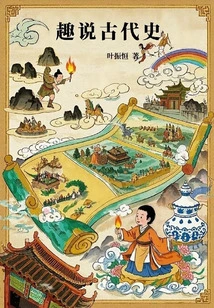
趣说古代史
Ye Zhenheng
Do you find history boring? This "Interesting Ancient History" will break your stereotypes. It tells ancient anecdotes, celebrity legends and major historical events in humorous language, allowing you to understand ancient history in a relaxed and pleasant atmosphere.
Do you find history boring? This "Interesting Ancient History" will break your stereotypes. It tells ancient anecdotes, celebrity legends and major historical events in humorous language, allowing you to understand ancient history in a relaxed and pleasant atmosphere.
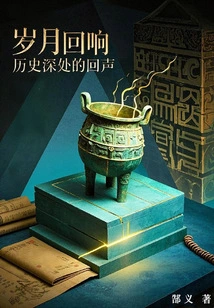
岁月回响:历史深处的回声
Gao Yi
Listen to the echoes of history and explore the development trajectory of human civilization. This book covers important historical periods from ancient times to modern times, and shows the progress and changes of human society through in-depth analysis of historical events, characters and culture.
Listen to the echoes of history and explore the development trajectory of human civilization. This book covers important historical periods from ancient times to modern times, and shows the progress and changes of human society through in-depth analysis of historical events, characters and culture.
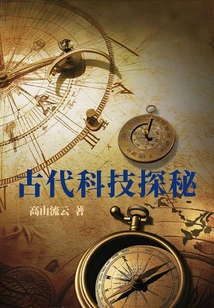
古代科技探秘
High Mountains And Flowing Clouds
Ancient technology is the crystallization of human wisdom, and it has witnessed the development of human civilization. This book deeply explores the development process of ancient science and technology and reveals the mystery of ancient science and technology for you. These ancient scientific and technological achievements not only demonstrate the wisdom and creativity of ancient people, but also provide valuable inspiration for the development of modern science and technology.
Ancient technology is the crystallization of human wisdom, and it has witnessed the development of human civilization. This book deeply explores the development process of ancient science and technology and reveals the mystery of ancient science and technology for you. These ancient scientific and technological achievements not only demonstrate the wisdom and creativity of ancient people, but also provide valuable inspiration for the development of modern science and technology.
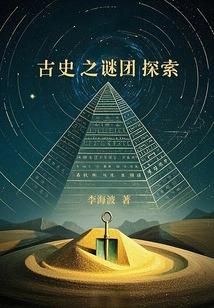
古史之谜团探索
Li Haibo
Delve into the mysteries of ancient history, such as lost civilizations, mysterious ruins, unsolved historical events, etc. Through scientific analysis and reasoning, we try to solve these mysteries and take you to uncover the mystery of history.
Delve into the mysteries of ancient history, such as lost civilizations, mysterious ruins, unsolved historical events, etc. Through scientific analysis and reasoning, we try to solve these mysteries and take you to uncover the mystery of history.
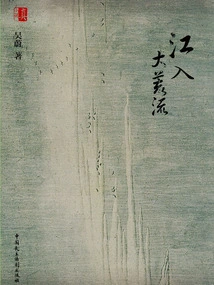
江入大荒流
Wu Wei
Yichang was known as "Yiling" in ancient times. In the Song Dynasty, Qiazhou was established here. It belongs to Jinghu North Road and is a military and political important location on the water and land thoroughfare. This book is based on the Qingli New Deal in the Northern Song Dynasty. Through the major cases of famous Northern Song ministers Su Song, Fan Zhongyan, Han Qi, Xia Song and others in Yiling, Hubei Province, this book deeply analyzes the reforms of the Northern Song Dynasty and the diplomatic and military policies towards Liao and Xixia. It strives to use a grander and broader perspective to view the history of Renzong of the Northern Song Dynasty and the history of the Song Dynasty.
Yichang was known as "Yiling" in ancient times. In the Song Dynasty, Qiazhou was established here. It belongs to Jinghu North Road and is a military and political important location on the water and land thoroughfare. This book is based on the Qingli New Deal in the Northern Song Dynasty. Through the major cases of famous Northern Song ministers Su Song, Fan Zhongyan, Han Qi, Xia Song and others in Yiling, Hubei Province, this book deeply analyzes the reforms of the Northern Song Dynasty and the diplomatic and military policies towards Liao and Xixia. It strives to use a grander and broader perspective to view the history of Renzong of the Northern Song Dynasty and the history of the Song Dynasty.
历史的镜子:往昔启示与教训
Gao Yi
History is a mirror that allows us to gain insight into the past and enlighten the future. Through reflection and summary of history, this book explores various problems and challenges faced by human society, providing us with valuable experience and lessons.
History is a mirror that allows us to gain insight into the past and enlighten the future. Through reflection and summary of history, this book explores various problems and challenges faced by human society, providing us with valuable experience and lessons.
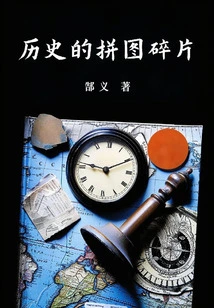
历史的拼图碎片
Gao Yi
This book is like a box that collects the pieces of a historical puzzle, picking up the small events and details scattered in the long river of time one by one. Through these fragments, you can piece together a more complete and vivid picture of history. From ancient daily necessities to unknown customs, we take you through the rich diversity of history.
This book is like a box that collects the pieces of a historical puzzle, picking up the small events and details scattered in the long river of time one by one. Through these fragments, you can piece together a more complete and vivid picture of history. From ancient daily necessities to unknown customs, we take you through the rich diversity of history.
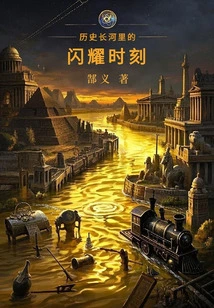
Shining Moments in History
History历史长河里的闪耀时刻
Gao Yi
This book takes you through time and space to appreciate those amazing and shining moments in history. From the birth of ancient civilizations to the rise and fall of great empires, from technological innovation to the glory of culture and art, through vivid stories, you can feel the charm and weight of history.
This book takes you through time and space to appreciate those amazing and shining moments in history. From the birth of ancient civilizations to the rise and fall of great empires, from technological innovation to the glory of culture and art, through vivid stories, you can feel the charm and weight of history.
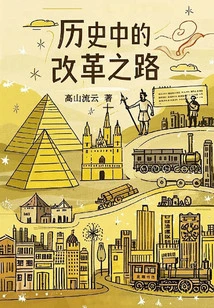
历史中的改革之路
High Mountains And Flowing Clouds
Reform is one of the driving forces of historical development. This book analyzes major reforms in history, explores the courage and wisdom of reformers, and the role of reforms in promoting social development. You will learn about the background, content and results of the reform, and feel the determination and courage of the reformers. At the same time, you will also realize the importance of reform to social development, which promotes economic prosperity, political stability and cultural progress.
Reform is one of the driving forces of historical development. This book analyzes major reforms in history, explores the courage and wisdom of reformers, and the role of reforms in promoting social development. You will learn about the background, content and results of the reform, and feel the determination and courage of the reformers. At the same time, you will also realize the importance of reform to social development, which promotes economic prosperity, political stability and cultural progress.
Adventure Stories in History
History历史中的冒险故事
Wu Shuxiang
An adventurous book that tells the story of ancient adventurers. From sailing adventures to land adventures, let you follow in their footsteps and experience the excitement and excitement of history.
An adventurous book that tells the story of ancient adventurers. From sailing adventures to land adventures, let you follow in their footsteps and experience the excitement and excitement of history.
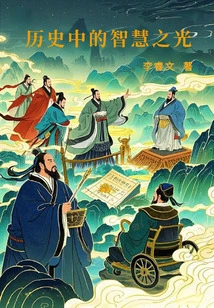
历史中的智慧之光
Li Ruiwen
History is a treasure house of wisdom, which contains countless valuable experiences and lessons. This book draws wisdom from historical events and characters, presenting you with a colorful picture of wisdom. Through the analysis of political struggles, economic development, cultural prosperity and other aspects in history, valuable experiences in life, governance, business management and other aspects are summarized. You will learn the wisdom and strategies of the ancients, how they made correct decisions in complex environments, and how they dealt with challenges and difficulties. These lights of wisdom will illuminate your path forward, making you more confident and confident in your life and work.
History is a treasure house of wisdom, which contains countless valuable experiences and lessons. This book draws wisdom from historical events and characters, presenting you with a colorful picture of wisdom. Through the analysis of political struggles, economic development, cultural prosperity and other aspects in history, valuable experiences in life, governance, business management and other aspects are summarized. You will learn the wisdom and strategies of the ancients, how they made correct decisions in complex environments, and how they dealt with challenges and difficulties. These lights of wisdom will illuminate your path forward, making you more confident and confident in your life and work.
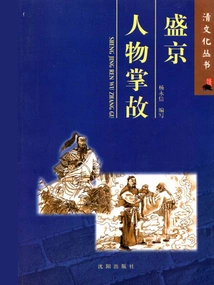
盛京人物掌故(清文化丛书)
Written By Yang Yongxin
This book introduces the stories of historical figures in the Shenyang area during the Qing Dynasty, including rumors and interesting stories about emperors and ministers of the Qing Dynasty such as Nurhachi and Kangxi, and ends with Zhang Zuolin's reckless entry into officialdom. The author's writing style is witty and humorous, and the story is enjoyable to tell. It is a very good book reading stories about characters from the Qing culture.
This book introduces the stories of historical figures in the Shenyang area during the Qing Dynasty, including rumors and interesting stories about emperors and ministers of the Qing Dynasty such as Nurhachi and Kangxi, and ends with Zhang Zuolin's reckless entry into officialdom. The author's writing style is witty and humorous, and the story is enjoyable to tell. It is a very good book reading stories about characters from the Qing culture.
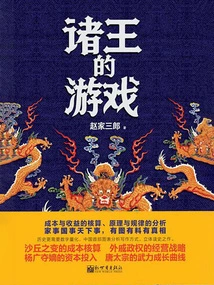
诸王的游戏:变革中的生存与死亡
Zhaojiasaburo
Interpret the coups in Chinese history from the perspectives of economics, management, and marketing, organically integrating modern theory with ancient history. Use economic principles to analyze and calculate the costs and benefits of coups, and use systematic analysis methods, chart examples, and visual displays. It is no longer a simple translation, but a three-dimensional interpretation of history, and a scientific exploration of human nature and historical laws. Zhao Gao's murder cost accounting, Wang Mang's regime management strategy, Tang Taizong's force growth curve, eunuchs' power reproduction, and Song Taizu's human resources management.
Interpret the coups in Chinese history from the perspectives of economics, management, and marketing, organically integrating modern theory with ancient history. Use economic principles to analyze and calculate the costs and benefits of coups, and use systematic analysis methods, chart examples, and visual displays. It is no longer a simple translation, but a three-dimensional interpretation of history, and a scientific exploration of human nature and historical laws. Zhao Gao's murder cost accounting, Wang Mang's regime management strategy, Tang Taizong's force growth curve, eunuchs' power reproduction, and Song Taizu's human resources management.
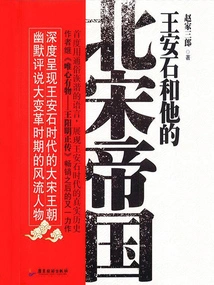
王安石和他的北宋帝国
Zhaojiasaburo
Clarify basic historical facts, restore the true face of history, and present the Song Dynasty during the period of great changes in depth. In the mid-Northern Song Dynasty, Wang Anshi was the most controversial figure in Chinese history. Some people called him a thief, while others said he was a saint. Darkness and glory were intertwined, and slander and praise were mixed. Nearly a thousand years later, how can we give Wang Anshi a fair evaluation? This book takes Wang Anshi as the main line. While describing and analyzing Wang Anshi himself, it also adds famous figures and historical events of the same period to gain a glimpse of the appearance and characteristics of the history of the Song Dynasty.
Clarify basic historical facts, restore the true face of history, and present the Song Dynasty during the period of great changes in depth. In the mid-Northern Song Dynasty, Wang Anshi was the most controversial figure in Chinese history. Some people called him a thief, while others said he was a saint. Darkness and glory were intertwined, and slander and praise were mixed. Nearly a thousand years later, how can we give Wang Anshi a fair evaluation? This book takes Wang Anshi as the main line. While describing and analyzing Wang Anshi himself, it also adds famous figures and historical events of the same period to gain a glimpse of the appearance and characteristics of the history of the Song Dynasty.
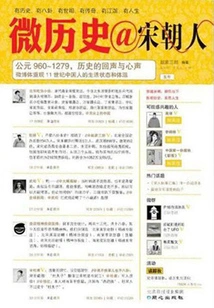
微历史@宋朝人
Compiled By Zhao Kasaburo
Micro-history means writing history in a "microblog style" writing style. Many pictures of modern life can find their origins in the Song Dynasty. Such as commercial credit, commodity streets, expos and trade fairs, night markets, 24-hour nightclub and restaurant chain stores, commercial advertisements, professional agents, etc., All these lively elements made the Song Dynasty a prosperous and noisy society. "Micro History@Song Dynasty People" explores the winding paths in the sea of history and restores the real living conditions of the Chinese people in the 11th century. It explores the inner connection between ancient and modern secular life, and makes many amazing discoveries.
Micro-history means writing history in a "microblog style" writing style. Many pictures of modern life can find their origins in the Song Dynasty. Such as commercial credit, commodity streets, expos and trade fairs, night markets, 24-hour nightclub and restaurant chain stores, commercial advertisements, professional agents, etc., All these lively elements made the Song Dynasty a prosperous and noisy society. "Micro History@Song Dynasty People" explores the winding paths in the sea of history and restores the real living conditions of the Chinese people in the 11th century. It explores the inner connection between ancient and modern secular life, and makes many amazing discoveries.
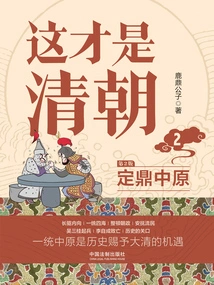
这才是清朝2:定鼎中原(第2版)
Mr. Lu Ding
Li Zicheng invaded Beijing, Emperor Chongzhen committed suicide, and the Ming Dynasty fell. Although Li Zicheng occupied Beijing, he obviously had no idea how to run such a large country. At this time, Wu Sangui, who was far away in Shanhaiguan, "turned his crown into a beauty in anger" and lured the Qing army into the pass. Dorgon led the Qing army into the pass and became the regent of the emperor's father, holding the military and political power of the country in his hands. Mother and son Xiaozhuang and Shunzhi lived under the threat of Dorgon, and their lives were threatened at any time. Thanks to Xiaozhuang's observation of words and expressions, dangers were resolved time and time again while talking and laughing. It's a pity that Shunzhi was still too young. After taking office, he had trouble with his mother, and both he and his beloved Concubine Dong E died early.
Li Zicheng invaded Beijing, Emperor Chongzhen committed suicide, and the Ming Dynasty fell. Although Li Zicheng occupied Beijing, he obviously had no idea how to run such a large country. At this time, Wu Sangui, who was far away in Shanhaiguan, "turned his crown into a beauty in anger" and lured the Qing army into the pass. Dorgon led the Qing army into the pass and became the regent of the emperor's father, holding the military and political power of the country in his hands. Mother and son Xiaozhuang and Shunzhi lived under the threat of Dorgon, and their lives were threatened at any time. Thanks to Xiaozhuang's observation of words and expressions, dangers were resolved time and time again while talking and laughing. It's a pity that Shunzhi was still too young. After taking office, he had trouble with his mother, and both he and his beloved Concubine Dong E died early.
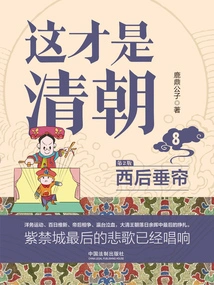
这才是清朝8:西后垂帘(第2版)
Mr. Lu Ding
The last gasp of the Eastern dynasty under the great changes in the world, the struggle of the declining empire in the midst of devastation is lamentable. The emperor who desperately sought change, the people with lofty ideals who were not afraid of bloodshed, and the people who did not bow to the invaders jointly composed the last magnificent elegiac song in the afterglow of the feudal empire. Guangxu, who sought change alone, the "Six Gentlemen of 1898" who died generously, and Sun Yat-sen, who overthrew the imperial system, all used their own methods to save the land of China that was already riddled with holes.
The last gasp of the Eastern dynasty under the great changes in the world, the struggle of the declining empire in the midst of devastation is lamentable. The emperor who desperately sought change, the people with lofty ideals who were not afraid of bloodshed, and the people who did not bow to the invaders jointly composed the last magnificent elegiac song in the afterglow of the feudal empire. Guangxu, who sought change alone, the "Six Gentlemen of 1898" who died generously, and Sun Yat-sen, who overthrew the imperial system, all used their own methods to save the land of China that was already riddled with holes.
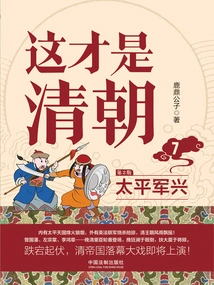
这才是清朝7:太平军兴(第2版)
Mr. Lu Ding
Emperor Xianfeng took over the power of the Qing Dynasty in the turmoil, and he wanted to make a difference. But unfortunately, on one side, the Taiping Rebellion gained momentum in the south, and on the other side, the British and French forces entered Beijing. This time, the invaders burned the Old Summer Palace, which was regarded as a treasure by Xianfeng. Facing the situation of internal and external troubles, Emperor Xianfeng wanted to cheer up, but he found that the harder he tried, the less effective he was, and he gradually indulged. A vigorous Taiping Rebellion pushed the Qing Empire into a precarious situation. The Taiping Rebellion swept across the Qing Dynasty with the force of a raging fire. Unfortunately, internal strife within the leadership took a turn for the worse for the Taiping Rebellion. While the Qing dynasty was not yet exhausted, important officials of the late Qing Dynasty such as Zeng Guofan, Zuo Zongtang, and Li Hongzhang took turns to appear on the scene to turn the tide before it fell and to support the building from collapse. The Qing Empire staged a splendid and ups and downs drama before it came to an end.
Emperor Xianfeng took over the power of the Qing Dynasty in the turmoil, and he wanted to make a difference. But unfortunately, on one side, the Taiping Rebellion gained momentum in the south, and on the other side, the British and French forces entered Beijing. This time, the invaders burned the Old Summer Palace, which was regarded as a treasure by Xianfeng. Facing the situation of internal and external troubles, Emperor Xianfeng wanted to cheer up, but he found that the harder he tried, the less effective he was, and he gradually indulged. A vigorous Taiping Rebellion pushed the Qing Empire into a precarious situation. The Taiping Rebellion swept across the Qing Dynasty with the force of a raging fire. Unfortunately, internal strife within the leadership took a turn for the worse for the Taiping Rebellion. While the Qing dynasty was not yet exhausted, important officials of the late Qing Dynasty such as Zeng Guofan, Zuo Zongtang, and Li Hongzhang took turns to appear on the scene to turn the tide before it fell and to support the building from collapse. The Qing Empire staged a splendid and ups and downs drama before it came to an end.
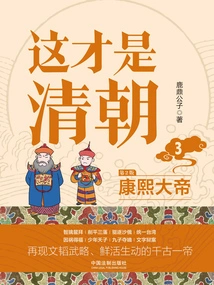
这才是清朝3:康熙大帝(第2版)
Mr. Lu Ding
In terms of governance and diplomatic strategies, Kangxi used Confucianism externally and Huang Lao internally. He was able to get rid of Obai without anyone noticing, put down the rebellion of the Three Feudatories, unify Taiwan and set up prefectures and counties, and repel the invasion of Tsarist Russia. He selected good ministers, punished corrupt officials, focused on agriculture and corruption, and built water conservancy projects. As an emperor, Kangxi was very successful, but as a father and husband, he had too many tragedies, and there was much inner loneliness and sadness hidden behind the sixty-one years of prosperity.
In terms of governance and diplomatic strategies, Kangxi used Confucianism externally and Huang Lao internally. He was able to get rid of Obai without anyone noticing, put down the rebellion of the Three Feudatories, unify Taiwan and set up prefectures and counties, and repel the invasion of Tsarist Russia. He selected good ministers, punished corrupt officials, focused on agriculture and corruption, and built water conservancy projects. As an emperor, Kangxi was very successful, but as a father and husband, he had too many tragedies, and there was much inner loneliness and sadness hidden behind the sixty-one years of prosperity.
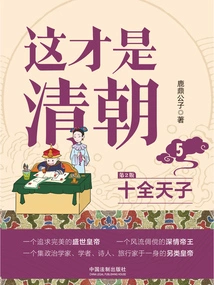
这才是清朝5:十全天子(第2版)
Mr. Lu Ding
Qianlong succeeded to the throne in his prime years, and there was no storm or rain. No one competed with Qianlong for the throne. When Qianlong succeeded to the throne, Yongzheng had laid a good foundation for him, and Yongzheng had basically done everything he should do. Qianlong lived to be eighty-eight years old and was actually in power longer than Kangxi. Qianlong's life never left power, and power was his method of controlling the entire empire. During his more than sixty years in power, Qianlong conquered the south and the north, demonstrating the empire's military power and expanding the territory of the Qing Dynasty. As for women and elegance, they were both indispensable sentiments for Qianlong. In his later years, Qianlong called himself "Shiquan Old Man", referring to his ten major achievements. In Qianlong's body, the bloody spirit of his ancestors flowing in the war and conquering the country flows.
Qianlong succeeded to the throne in his prime years, and there was no storm or rain. No one competed with Qianlong for the throne. When Qianlong succeeded to the throne, Yongzheng had laid a good foundation for him, and Yongzheng had basically done everything he should do. Qianlong lived to be eighty-eight years old and was actually in power longer than Kangxi. Qianlong's life never left power, and power was his method of controlling the entire empire. During his more than sixty years in power, Qianlong conquered the south and the north, demonstrating the empire's military power and expanding the territory of the Qing Dynasty. As for women and elegance, they were both indispensable sentiments for Qianlong. In his later years, Qianlong called himself "Shiquan Old Man", referring to his ten major achievements. In Qianlong's body, the bloody spirit of his ancestors flowing in the war and conquering the country flows.
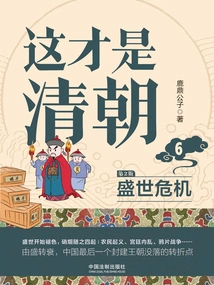
这才是清朝6:盛世危机(第2版)
Mr. Lu Ding
The political code of the Qing Dynasty's transition from prosperity to decline, the turning point of the decline of China's last feudal dynasty, uprisings and quelling chaos. The heyday of Kangxi and Qianlong lasted only a hundred years, and the peasant uprising and Zhanger's rebellion had gradually emptied the Qing Dynasty's treasury. The members of the Tianli Sect colluded with the eunuchs and launched a rebellion in the Forbidden City. This was a huge blow to Jiaqing. Since ancient times, rebellions have always occurred outside the palace, but this time the rebellion actually took place in the Forbidden City. Repeated assassinations made Jiaqing reflect and feel helpless. Starting from Jiaqing, the emperors of the Qing Dynasty became more and more mediocre, with each generation becoming worse than the last. After the outbreak of the First Opium War, Daoguang suffered the humiliation of defeat, and the domestic situation became increasingly chaotic. What was worse was that the empire did not have a suitable successor. The worst thing was that Daoguang chose Xianfeng, who was even more mediocre and incompetent... The Qing Empire, which was in the stage of disintegration from its prosperity, was doomed to be unable to recover.
The political code of the Qing Dynasty's transition from prosperity to decline, the turning point of the decline of China's last feudal dynasty, uprisings and quelling chaos. The heyday of Kangxi and Qianlong lasted only a hundred years, and the peasant uprising and Zhanger's rebellion had gradually emptied the Qing Dynasty's treasury. The members of the Tianli Sect colluded with the eunuchs and launched a rebellion in the Forbidden City. This was a huge blow to Jiaqing. Since ancient times, rebellions have always occurred outside the palace, but this time the rebellion actually took place in the Forbidden City. Repeated assassinations made Jiaqing reflect and feel helpless. Starting from Jiaqing, the emperors of the Qing Dynasty became more and more mediocre, with each generation becoming worse than the last. After the outbreak of the First Opium War, Daoguang suffered the humiliation of defeat, and the domestic situation became increasingly chaotic. What was worse was that the empire did not have a suitable successor. The worst thing was that Daoguang chose Xianfeng, who was even more mediocre and incompetent... The Qing Empire, which was in the stage of disintegration from its prosperity, was doomed to be unable to recover.
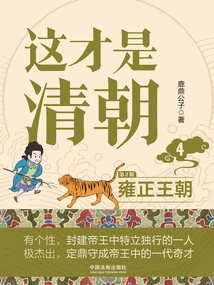
这才是清朝4:雍正王朝(第2版)
Mr. Lu Ding
In Yongzheng, the duality is very obvious. In terms of governing the country, he was a wise emperor, especially in terms of government administration. Among the two thousand years of Chinese feudal dynasty, Yongzheng was one of the best experts. Many of his reforms pushed the rule of the Qing Dynasty to its peak, such as the establishment of the military aircraft office, the implementation of the system of sharing the land with the land, and the implementation of the system of returning waste to the public and raising honest silver... The decline in the late Kangxi period was reversed in the hands of Yongzheng, and the "vital energy" of the Qing Dynasty also continued to rise in the hands of Yongzheng. But when it came to dealing with the opposition, Yongzheng was very cruel and had absolutely no room for mercy. The endings of his younger brother Yinqi, the Eight Kings Party, and the two great heroes Nian Gengyao and Longkodo fully prove this point.
In Yongzheng, the duality is very obvious. In terms of governing the country, he was a wise emperor, especially in terms of government administration. Among the two thousand years of Chinese feudal dynasty, Yongzheng was one of the best experts. Many of his reforms pushed the rule of the Qing Dynasty to its peak, such as the establishment of the military aircraft office, the implementation of the system of sharing the land with the land, and the implementation of the system of returning waste to the public and raising honest silver... The decline in the late Kangxi period was reversed in the hands of Yongzheng, and the "vital energy" of the Qing Dynasty also continued to rise in the hands of Yongzheng. But when it came to dealing with the opposition, Yongzheng was very cruel and had absolutely no room for mercy. The endings of his younger brother Yinqi, the Eight Kings Party, and the two great heroes Nian Gengyao and Longkodo fully prove this point.
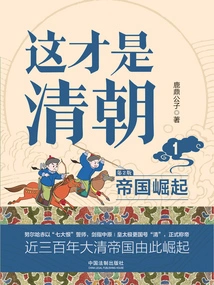
这才是清朝1:帝国崛起(第2版)
Mr. Lu Ding
Nurhaci raised an army with thirteen sets of armor, unified the Jurchens in Jianzhou, defeated Hada, destroyed Huifa, Faulla, and swallowed Yehe, conquered various Jurchen tribes, created the Eight Banners system and the Manchu language, established the country of Hetuala and proclaimed himself Khan, and the "Seven Hatreds" swore to conquer the Ming Dynasty. He finally fell under the city of Ningyuan and fell into the hands of Yuan Chonghuan, and died in depression. After Nurhachi's death, a fierce battle for the throne began, and Huang Taiji finally won the throne. In the hands of Huang Taiji, the country's name changed from "Jin" to "Qing", and the country's power flourished. Huang Taiji advocated governing the country with benevolence but suddenly died suddenly; Huang Taiji's love with Hai Lanzhu and Dayu'er was talked about... The endless storm of the Qing Dynasty began...
Nurhaci raised an army with thirteen sets of armor, unified the Jurchens in Jianzhou, defeated Hada, destroyed Huifa, Faulla, and swallowed Yehe, conquered various Jurchen tribes, created the Eight Banners system and the Manchu language, established the country of Hetuala and proclaimed himself Khan, and the "Seven Hatreds" swore to conquer the Ming Dynasty. He finally fell under the city of Ningyuan and fell into the hands of Yuan Chonghuan, and died in depression. After Nurhachi's death, a fierce battle for the throne began, and Huang Taiji finally won the throne. In the hands of Huang Taiji, the country's name changed from "Jin" to "Qing", and the country's power flourished. Huang Taiji advocated governing the country with benevolence but suddenly died suddenly; Huang Taiji's love with Hai Lanzhu and Dayu'er was talked about... The endless storm of the Qing Dynasty began...
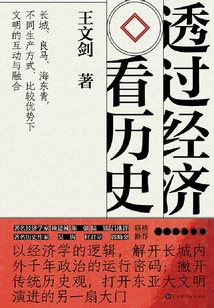
透过经济看历史
Wang Wenjian
From the perspective of economics, this book selects several aspects to try to reveal the secrets of war and peace between the grasslands and the Central Plains. For example, did the Great Wall really play a big role in the collision and integration of the Central Plains dynasties and the grassland peoples? Why was the Song Dynasty willing to sign the famous "Chanyuan Alliance" with the Liao Kingdom when it was not defeated? Why was Emperor Taizong of the Tang Dynasty able to become the "Khan" of the grassland people? What is the economic explanation for the murderousness of the Mongolian legions led by Genghis Khan? Why did the Ming Dynasty continue to fight with the northern grassland peoples for more than 200 years?
From the perspective of economics, this book selects several aspects to try to reveal the secrets of war and peace between the grasslands and the Central Plains. For example, did the Great Wall really play a big role in the collision and integration of the Central Plains dynasties and the grassland peoples? Why was the Song Dynasty willing to sign the famous "Chanyuan Alliance" with the Liao Kingdom when it was not defeated? Why was Emperor Taizong of the Tang Dynasty able to become the "Khan" of the grassland people? What is the economic explanation for the murderousness of the Mongolian legions led by Genghis Khan? Why did the Ming Dynasty continue to fight with the northern grassland peoples for more than 200 years?
侵华日军大阴谋
Shunyan
From the late 19th century to the early 20th century, Japan formed a strong expansionist ideology. Through a series of espionage activities, intelligence networks and political strategies, Japan gradually realized its strategy of invading China. Through ten chapters of detailed narration, the book presents how Japan launched its aggressive actions against China through careful espionage work and conspiracy planning at key historical nodes such as the Sino-Japanese War of 1884-1894 and the Russo-Japanese War.
From the late 19th century to the early 20th century, Japan formed a strong expansionist ideology. Through a series of espionage activities, intelligence networks and political strategies, Japan gradually realized its strategy of invading China. Through ten chapters of detailed narration, the book presents how Japan launched its aggressive actions against China through careful espionage work and conspiracy planning at key historical nodes such as the Sino-Japanese War of 1884-1894 and the Russo-Japanese War.
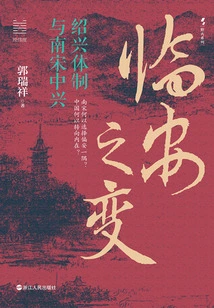
临安之变:绍兴体制与南宋中兴
Guo Ruixiang
Why did the Southern Song Dynasty choose peace? Why did China turn inward? What seemed like a renaissance was actually the beginning of national decline. The review of the fall of the Northern Song Dynasty, the bitterness of the founding of the Southern Song Dynasty, the various behaviors of scholars traveling south, the helpless desolation of generals, and the formation of national character... Historical writer Guo Ruixiang will help you understand how the Southern Song Dynasty was established! The Southern Song Dynasty was a regime with a weak sense of existence, and it was also an era with far-reaching influence. It is weak in a corner of peace and has always been threatened by the political power in the north. At the same time, it had far-reaching influence, internalized the cultural model, created the "Shaoxing system", and brought Chinese politics into a period of dictatorship. This book was written from the fourth year of Jianyan (1130) to the twelfth year of Shaoxing (1142). It comprehensively presents the fierce political, military, and cultural shocks in the early Southern Song Dynasty, and reveals the formation process and internal logic of the territorial security, political dictatorship, and cultural stagnation of the Southern Song Dynasty.
Why did the Southern Song Dynasty choose peace? Why did China turn inward? What seemed like a renaissance was actually the beginning of national decline. The review of the fall of the Northern Song Dynasty, the bitterness of the founding of the Southern Song Dynasty, the various behaviors of scholars traveling south, the helpless desolation of generals, and the formation of national character... Historical writer Guo Ruixiang will help you understand how the Southern Song Dynasty was established! The Southern Song Dynasty was a regime with a weak sense of existence, and it was also an era with far-reaching influence. It is weak in a corner of peace and has always been threatened by the political power in the north. At the same time, it had far-reaching influence, internalized the cultural model, created the "Shaoxing system", and brought Chinese politics into a period of dictatorship. This book was written from the fourth year of Jianyan (1130) to the twelfth year of Shaoxing (1142). It comprehensively presents the fierce political, military, and cultural shocks in the early Southern Song Dynasty, and reveals the formation process and internal logic of the territorial security, political dictatorship, and cultural stagnation of the Southern Song Dynasty.
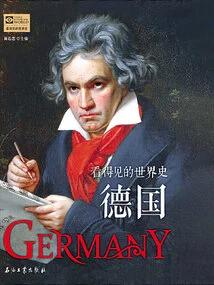
看得见的世界史:德国
Editor-in-chief Xiao Shizhong
Marvel at its miracles and lament its crimes. You will definitely be deeply shocked when you read the history of Germany.
Marvel at its miracles and lament its crimes. You will definitely be deeply shocked when you read the history of Germany.
看得见的世界史:古罗马
Editor-in-chief Guo Zilin
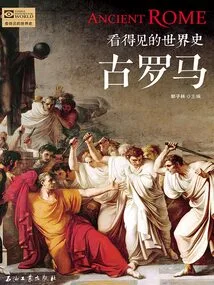
Opening the map of ancient Europe, we will find that at the junction of the three continents of Asia, Europe and Africa, that is, around the Mediterranean Sea, there was a powerful country - ancient Rome.
Opening the map of ancient Europe, we will find that at the junction of the three continents of Asia, Europe and Africa, that is, around the Mediterranean Sea, there was a powerful country - ancient Rome.
看得见的世界史:古埃及
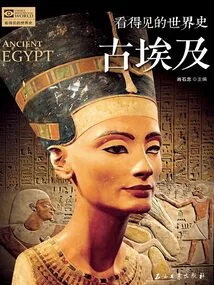
Editor-in-chief Xiao Shizhong
Ancient Egypt is a country that has been glorious for thousands of years. Whether it is the mysterious hieroglyphs, the towering pyramids, the mummies that have not decayed for thousands of years, or the stunning beauty and wisdom of Queen Marie, they still attract people like a mystery to this day. Enter the mysterious country of the Pharaohs, restore the social conditions of thousands of years ago, and lift off the layers of veils that cover it. You will get a glimpse of its splendor and magic. The ebb and flow of the Nile River, the majestic pyramids; the popular kinship marriage, and the complicated journey through the underworld; enter the mysterious country of the Pharaohs and have a glimpse of the miracles left behind by thousands of years. The book "Visible History of the World: Ancient Egypt" provides a wonderful presentation of the civilization and history of ancient Egypt in the form of stories from the aspects of myths and legends, social structure, scientific agriculture, culture and art. This book comprehensively and systematically introduces the results of human exploration of ancient Egyptian civilization so far. The content includes the living customs, economic situation, religious beliefs, city-state system of the ancient Egyptians, as well as ancient Egyptian art, astronomy, calendar and other civilizational features, clearly showing the glorious and splendid ancient Egyptian civilization.
Ancient Egypt is a country that has been glorious for thousands of years. Whether it is the mysterious hieroglyphs, the towering pyramids, the mummies that have not decayed for thousands of years, or the stunning beauty and wisdom of Queen Marie, they still attract people like a mystery to this day. Enter the mysterious country of the Pharaohs, restore the social conditions of thousands of years ago, and lift off the layers of veils that cover it. You will get a glimpse of its splendor and magic. The ebb and flow of the Nile River, the majestic pyramids; the popular kinship marriage, and the complicated journey through the underworld; enter the mysterious country of the Pharaohs and have a glimpse of the miracles left behind by thousands of years. The book "Visible History of the World: Ancient Egypt" provides a wonderful presentation of the civilization and history of ancient Egypt in the form of stories from the aspects of myths and legends, social structure, scientific agriculture, culture and art. This book comprehensively and systematically introduces the results of human exploration of ancient Egyptian civilization so far. The content includes the living customs, economic situation, religious beliefs, city-state system of the ancient Egyptians, as well as ancient Egyptian art, astronomy, calendar and other civilizational features, clearly showing the glorious and splendid ancient Egyptian civilization.
看得见的世界史:法国
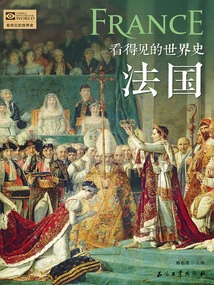
Editor-in-chief Xiao Shizhong
This general history of France begins with the Gauls and ends with Macron being elected president of France. It has more than two thousand years of history in one go. This book adopts a story style to highlight the major historical events in France and closely follow the historical context. Like a colorful documentary, as the camera moves, it interprets the ancient and turbulent French history for readers.
This general history of France begins with the Gauls and ends with Macron being elected president of France. It has more than two thousand years of history in one go. This book adopts a story style to highlight the major historical events in France and closely follow the historical context. Like a colorful documentary, as the camera moves, it interprets the ancient and turbulent French history for readers.
看得见的二战史(上卷)
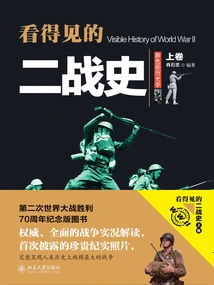
Compiled By Xiao Shizhong
"The Visible History of World War II" takes chronological order as its warp and takes the important figures and major battles in the Eastern and Western battlefields as its weft. The warp and weft are intertwined with pictures and texts, and it is easy to understand and narrates the entire process of the outbreak, development and end of World War II from local war to all-out war, as well as the entire process of the formation, formation, development and final victory of the anti-fascist united front of the people of the world over the German, Italian and Japanese fascists. This is a World War II epic told in 500,000 words, a picture of gunfire that is truly reproduced with more than 800 precious photos. China's most authoritative war history experts and the world's most famous war correspondents have jointly created an excellent popular book on the history of World War II for readers.
"The Visible History of World War II" takes chronological order as its warp and takes the important figures and major battles in the Eastern and Western battlefields as its weft. The warp and weft are intertwined with pictures and texts, and it is easy to understand and narrates the entire process of the outbreak, development and end of World War II from local war to all-out war, as well as the entire process of the formation, formation, development and final victory of the anti-fascist united front of the people of the world over the German, Italian and Japanese fascists. This is a World War II epic told in 500,000 words, a picture of gunfire that is truly reproduced with more than 800 precious photos. China's most authoritative war history experts and the world's most famous war correspondents have jointly created an excellent popular book on the history of World War II for readers.
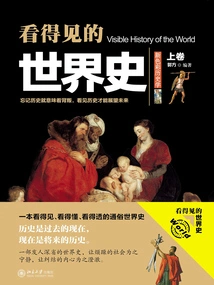
看得见的世界史(上卷)
Compiled By Guo Fang
This book is a history of human development and a history of world change. In terms of content, we accepted the suggestions and reviews of experts from the Institute of World History of the Academy of Social Sciences, and divided the book into eight chapters and eight stages, telling the entire history of human development from prehistory to the 21st century. In terms of pictures, we have cooperated with high-quality picture providers such as Huagai Creative and the world's five major museums, and introduced a large number of precious and exquisite pictures. This book makes academic world history rich, vivid, and interesting, with pictures and texts, providing readers with an excellent popular historical reading.
This book is a history of human development and a history of world change. In terms of content, we accepted the suggestions and reviews of experts from the Institute of World History of the Academy of Social Sciences, and divided the book into eight chapters and eight stages, telling the entire history of human development from prehistory to the 21st century. In terms of pictures, we have cooperated with high-quality picture providers such as Huagai Creative and the world's five major museums, and introduced a large number of precious and exquisite pictures. This book makes academic world history rich, vivid, and interesting, with pictures and texts, providing readers with an excellent popular historical reading.
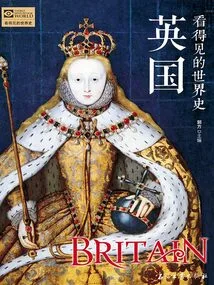
看得见的世界史:英国
Editor-in-chief Guo Fang
Britain's achievements are astonishing, and Britain's decline is lamentable. By studying British history, you may find the answer to the rise and fall of Britain.
Britain's achievements are astonishing, and Britain's decline is lamentable. By studying British history, you may find the answer to the rise and fall of Britain.
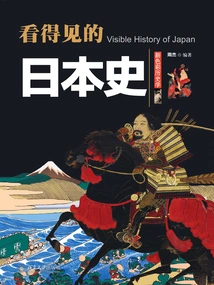
Visible History of Japan
History看得见的日本史
Compiled By Zhou Jie
"Visible History of Japan" is based on the development of Japan over time, using influential keywords such as characters, events, economy, politics, and diplomacy, combined with pictures and texts, and popular and interesting stories to tell the long history of Japan from the mythical Emperor Jimmu to today's Emperor Akihito who became the honor of the empire. It provides readers with an excellent popular historical reading. This book allows people to bid farewell to boring and arid history and experience a different kind of historical reading. The hundreds of pictures in the book are even more precious. Among them are Japanese historical sites and precious calligraphy treasures left by literati. In addition to studying history, readers can also feel the brilliance of Japanese culture and academics.
"Visible History of Japan" is based on the development of Japan over time, using influential keywords such as characters, events, economy, politics, and diplomacy, combined with pictures and texts, and popular and interesting stories to tell the long history of Japan from the mythical Emperor Jimmu to today's Emperor Akihito who became the honor of the empire. It provides readers with an excellent popular historical reading. This book allows people to bid farewell to boring and arid history and experience a different kind of historical reading. The hundreds of pictures in the book are even more precious. Among them are Japanese historical sites and precious calligraphy treasures left by literati. In addition to studying history, readers can also feel the brilliance of Japanese culture and academics.
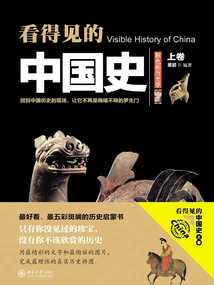
看得见的中国史(上卷)
Compiled By Tong Chao
"Visible History of China" is a rare popular history book in China. It uses highly condensed, flesh-and-blood stories and a "movie plot"-like approach to unfold a panoramic view of Chinese history for readers. It completely shows the process of an optimistic, diligent and brave nation creating history amidst the great changes in history. It clearly displays the major events in Chinese history, allowing readers to explore the mystery of why our great motherland created historical miracles. In addition, the production of this book has strong backing from the expert team of the Institute of History of the Academy of Social Sciences, as well as provincial museums and Huagai as image resource providers, so that readers can enjoy the visual feast brought by a large number of high-quality and wonderful pictures while reading high-quality content.
"Visible History of China" is a rare popular history book in China. It uses highly condensed, flesh-and-blood stories and a "movie plot"-like approach to unfold a panoramic view of Chinese history for readers. It completely shows the process of an optimistic, diligent and brave nation creating history amidst the great changes in history. It clearly displays the major events in Chinese history, allowing readers to explore the mystery of why our great motherland created historical miracles. In addition, the production of this book has strong backing from the expert team of the Institute of History of the Academy of Social Sciences, as well as provincial museums and Huagai as image resource providers, so that readers can enjoy the visual feast brought by a large number of high-quality and wonderful pictures while reading high-quality content.
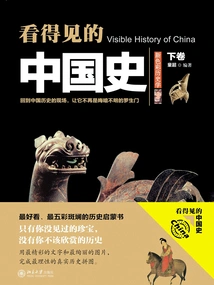
看得见的中国史(下卷)
Compiled By Tong Chao
"Visible History of China" is a rare popular history book in China. It uses highly condensed, flesh-and-blood stories and a "movie plot"-like approach to unfold a panoramic view of Chinese history for readers. It completely shows the process of an optimistic, diligent and brave nation creating history amidst the great changes in history. It clearly displays the major events in Chinese history, allowing readers to explore the mystery of why our great motherland created historical miracles. In addition, the production of this book has strong backing from the expert team of the Institute of History of the Academy of Social Sciences, as well as provincial museums and Huagai as image resource providers, so that readers can enjoy the visual feast brought by a large number of high-quality and wonderful pictures while reading high-quality content.
"Visible History of China" is a rare popular history book in China. It uses highly condensed, flesh-and-blood stories and a "movie plot"-like approach to unfold a panoramic view of Chinese history for readers. It completely shows the process of an optimistic, diligent and brave nation creating history amidst the great changes in history. It clearly displays the major events in Chinese history, allowing readers to explore the mystery of why our great motherland created historical miracles. In addition, the production of this book has strong backing from the expert team of the Institute of History of the Academy of Social Sciences, as well as provincial museums and Huagai as image resource providers, so that readers can enjoy the visual feast brought by a large number of high-quality and wonderful pictures while reading high-quality content.
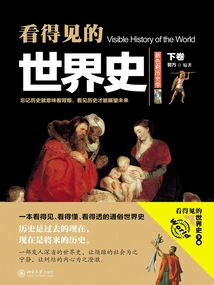
看得见的世界史(下卷)
Compiled By Guo Fang
This book is a history of human development and a history of world change. In terms of content, we accepted the suggestions and reviews of experts from the Institute of World History of the Academy of Social Sciences, and divided the book into eight chapters and eight stages, telling the entire history of human development from prehistory to the 21st century. In terms of pictures, we have cooperated with high-quality picture providers such as Huagai Creative and the world's five major museums, and introduced a large number of precious and exquisite pictures. This book makes academic world history rich, vivid, and interesting, with pictures and texts, providing readers with an excellent popular historical reading.
This book is a history of human development and a history of world change. In terms of content, we accepted the suggestions and reviews of experts from the Institute of World History of the Academy of Social Sciences, and divided the book into eight chapters and eight stages, telling the entire history of human development from prehistory to the 21st century. In terms of pictures, we have cooperated with high-quality picture providers such as Huagai Creative and the world's five major museums, and introduced a large number of precious and exquisite pictures. This book makes academic world history rich, vivid, and interesting, with pictures and texts, providing readers with an excellent popular historical reading.
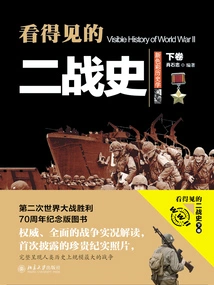
看得见的二战史(下卷)
Compiled By Xiao Shizhong
"The Visible History of World War II" takes chronological order as its warp and takes the important figures and major battles in the Eastern and Western battlefields as its weft. The warp and weft are intertwined with pictures and texts, and it is easy to understand and narrates the entire process of the outbreak, development and end of World War II from local war to all-out war, as well as the entire process of the formation, formation, development and final victory of the anti-fascist united front of the people of the world over the German, Italian and Japanese fascists. This is a World War II epic told in 500,000 words, a picture of gunfire that is truly reproduced with more than 800 precious photos. China's most authoritative war history experts and the world's most famous war correspondents have jointly created an excellent popular book on the history of World War II for readers.
"The Visible History of World War II" takes chronological order as its warp and takes the important figures and major battles in the Eastern and Western battlefields as its weft. The warp and weft are intertwined with pictures and texts, and it is easy to understand and narrates the entire process of the outbreak, development and end of World War II from local war to all-out war, as well as the entire process of the formation, formation, development and final victory of the anti-fascist united front of the people of the world over the German, Italian and Japanese fascists. This is a World War II epic told in 500,000 words, a picture of gunfire that is truly reproduced with more than 800 precious photos. China's most authoritative war history experts and the world's most famous war correspondents have jointly created an excellent popular book on the history of World War II for readers.
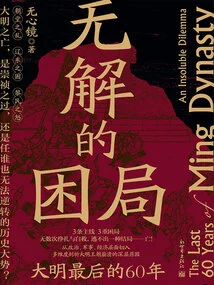
无解的困局:大明最后的60年
Centerless Mirror
The Ming Dynasty created countless brilliance, so why did it collapse so quickly in the last 60 years? Emperor Chongzhen worked hard throughout his life, so why couldn't he save the Ming Dynasty from decline? At the end of the Ming Dynasty, there were many famous generals and a huge army. Why were they defeated by the Jurchens with a population of only a few hundred thousand? How did Li Zicheng destroy the Ming Dynasty step by step? This book looks back at the predicament of the Ming Dynasty in the last 60 years, starting from the three main lines of Chaotang Rebellion, Liaodong Dilemma and Peasant Uprising. It analyzes the Ming Dynasty's numerous political, military, economic and other crises and countermeasures, reveals the Ming Dynasty's internal and external contradictions, reflects on the reasons for the Ming Dynasty's demise, and interprets this history of its rise and fall from a new perspective.
The Ming Dynasty created countless brilliance, so why did it collapse so quickly in the last 60 years? Emperor Chongzhen worked hard throughout his life, so why couldn't he save the Ming Dynasty from decline? At the end of the Ming Dynasty, there were many famous generals and a huge army. Why were they defeated by the Jurchens with a population of only a few hundred thousand? How did Li Zicheng destroy the Ming Dynasty step by step? This book looks back at the predicament of the Ming Dynasty in the last 60 years, starting from the three main lines of Chaotang Rebellion, Liaodong Dilemma and Peasant Uprising. It analyzes the Ming Dynasty's numerous political, military, economic and other crises and countermeasures, reveals the Ming Dynasty's internal and external contradictions, reflects on the reasons for the Ming Dynasty's demise, and interprets this history of its rise and fall from a new perspective.
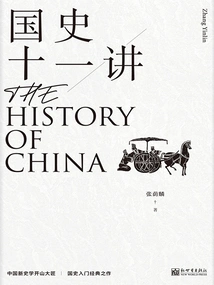
国史十一讲
Zhang Yinlin
This book narrates the history of more than 1,600 years from the Shang Dynasty to the Eastern Han Dynasty. It is a unique classic general history book. Based on his own historical perspective, the author made relatively strict selections and choices about Chinese history before the Eastern Han Dynasty. He used storytelling to write about the important events of each dynasty, focusing on describing the changes in Chinese society, ideological contributions, and the personalities and activities of several important figures. The book is rich in content. It not only tells about the changes of dynasties, political rise and fall, and social changes, but also describes cultural development, commercial economy, regional folk customs, and public life. It can be said to be all-encompassing. The author has both literature and history, and uses literary language to write a national history beautifully and movingly. His thoughts and wisdom are thorough and accessible, and the author's talent and intention are revealed everywhere. This enables readers to enjoy the beauty of history and appreciate the wonders of literature.
This book narrates the history of more than 1,600 years from the Shang Dynasty to the Eastern Han Dynasty. It is a unique classic general history book. Based on his own historical perspective, the author made relatively strict selections and choices about Chinese history before the Eastern Han Dynasty. He used storytelling to write about the important events of each dynasty, focusing on describing the changes in Chinese society, ideological contributions, and the personalities and activities of several important figures. The book is rich in content. It not only tells about the changes of dynasties, political rise and fall, and social changes, but also describes cultural development, commercial economy, regional folk customs, and public life. It can be said to be all-encompassing. The author has both literature and history, and uses literary language to write a national history beautifully and movingly. His thoughts and wisdom are thorough and accessible, and the author's talent and intention are revealed everywhere. This enables readers to enjoy the beauty of history and appreciate the wonders of literature.
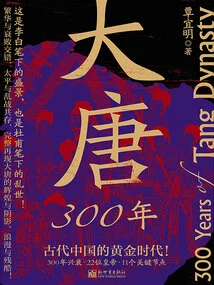
大唐300年
Qin Yiming
This is the golden age of ancient China! During the 300 years, there was a prosperous and prosperous era that everyone knew - talents emerged in large numbers, nations came to the dynasty, and everything was full of vitality; during the 300 years, there was heartbreaking turmoil and chaos - the eunuchs disrupted the government, vassal towns were separatist, and the dynasty gradually declined. How did the Tang Dynasty enter the glorious age, and how did it fall into the quagmire of chaos? This book uses time as the context and events as the connection, supplemented by rich historical details and character portrayals, to vividly describe the prosperity and decline, peace and chaos of the Tang Dynasty. The book starts from the grievances and hatreds between Tang Emperor Li Yuan and the Yang family, and the entrepreneurial process of seizing the country, to the shocking inside story of the Maweipo Incident, and then to the tragic story of Tang Xing in the Liang Dynasty. It involves 22 emperors and focuses on 11 key nodes. It completely reproduces the grand scenes written by Li Bai and the troubled times written by Du Fu!
This is the golden age of ancient China! During the 300 years, there was a prosperous and prosperous era that everyone knew - talents emerged in large numbers, nations came to the dynasty, and everything was full of vitality; during the 300 years, there was heartbreaking turmoil and chaos - the eunuchs disrupted the government, vassal towns were separatist, and the dynasty gradually declined. How did the Tang Dynasty enter the glorious age, and how did it fall into the quagmire of chaos? This book uses time as the context and events as the connection, supplemented by rich historical details and character portrayals, to vividly describe the prosperity and decline, peace and chaos of the Tang Dynasty. The book starts from the grievances and hatreds between Tang Emperor Li Yuan and the Yang family, and the entrepreneurial process of seizing the country, to the shocking inside story of the Maweipo Incident, and then to the tragic story of Tang Xing in the Liang Dynasty. It involves 22 emperors and focuses on 11 key nodes. It completely reproduces the grand scenes written by Li Bai and the troubled times written by Du Fu!
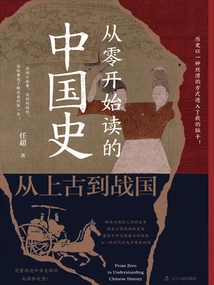
从零开始读的中国史:从上古到战国
Ren Chao
This is the beginning of the "Chinese History from Scratch" series, which focuses on the history of the pre-Qin era and shows how Chinese civilization originated and was shaped. Due to the lack of written records, people know very little about pre-Qin history, especially the history before Xia. This time, through the textual research of a large number of documents and the study of archaeological data, the author used one wonderful story after another to restore the appearance of the land of China more than 5,000 years ago, telling the thousands of years of history from the mythical battle between Huangdi and Chiyou to the establishment of the Xia Dynasty, the rise of the Shang Dynasty, and then to the establishment and collapse of the Zhou Dynasty's feudal system. In the book, we can see the Yellow Emperor who carried the political ideals of future generations, the dark version of the abdication of Yao and Shun, the magnificent Xia Palace City and Xia civilization, the Yin Ruins and the Shang Dynasty that shocked the world, and how the Zhou Dynasty was established by the small and broad-minded Zhou people, and how all the hundreds of vassal states in the Zhou Dynasty fell into the hands of Qin. Start reading from scratch, explore where China comes from, and understand the original appearance of China.
This is the beginning of the "Chinese History from Scratch" series, which focuses on the history of the pre-Qin era and shows how Chinese civilization originated and was shaped. Due to the lack of written records, people know very little about pre-Qin history, especially the history before Xia. This time, through the textual research of a large number of documents and the study of archaeological data, the author used one wonderful story after another to restore the appearance of the land of China more than 5,000 years ago, telling the thousands of years of history from the mythical battle between Huangdi and Chiyou to the establishment of the Xia Dynasty, the rise of the Shang Dynasty, and then to the establishment and collapse of the Zhou Dynasty's feudal system. In the book, we can see the Yellow Emperor who carried the political ideals of future generations, the dark version of the abdication of Yao and Shun, the magnificent Xia Palace City and Xia civilization, the Yin Ruins and the Shang Dynasty that shocked the world, and how the Zhou Dynasty was established by the small and broad-minded Zhou people, and how all the hundreds of vassal states in the Zhou Dynasty fell into the hands of Qin. Start reading from scratch, explore where China comes from, and understand the original appearance of China.
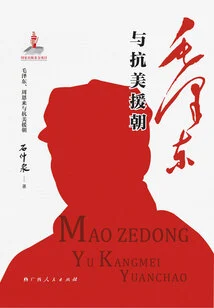
毛泽东与抗美援朝(毛泽东、周恩来与抗美援朝)
Shi Zhongquan
The War to Resist U. S. Aggression and Aid Korea is an important period of history after the founding of the People's Republic of China. To commemorate the 70th anniversary of the victory of the War to Resist U. S. Aggression and Aid Korea, Shi Zhongquan, a well-known expert on the history of the Communist Party of China, based on his years of in-depth research on the history of the Communist Party of China and the War to Resist U. S. Aggression and Aid Korea, wrote a popular reading book on the history of the Party about this magnificent history - "Mao Zedong, Zhou Enlai and the Resistance to U. S. Aggression and Aid Korea" series. "Mao Zedong and the Resistance to Resist U. S. Aggression and Aid Korea" is one of the series.
The War to Resist U. S. Aggression and Aid Korea is an important period of history after the founding of the People's Republic of China. To commemorate the 70th anniversary of the victory of the War to Resist U. S. Aggression and Aid Korea, Shi Zhongquan, a well-known expert on the history of the Communist Party of China, based on his years of in-depth research on the history of the Communist Party of China and the War to Resist U. S. Aggression and Aid Korea, wrote a popular reading book on the history of the Party about this magnificent history - "Mao Zedong, Zhou Enlai and the Resistance to U. S. Aggression and Aid Korea" series. "Mao Zedong and the Resistance to Resist U. S. Aggression and Aid Korea" is one of the series.
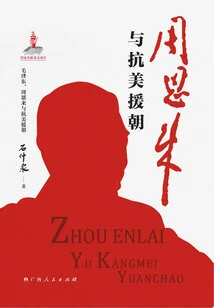
周恩来与抗美援朝(毛泽东、周恩来与抗美援朝)
Shi Zhongquan
The War to Resist U. S. Aggression and Aid Korea was an important period of history after the founding of the People's Republic of China. To commemorate the 70th anniversary of the victory of the War to Resist U. S. Aggression and Aid Korea, Shi Zhongquan, a well-known expert on the history of the Communist Party of China, based on his years of in-depth research on the history of the Communist Party of China and the War to Resist U. S. Aggression and Aid Korea, wrote a popular book about the history of the Party - "Mao Zedong, Zhou Enlai and the Resistance to U. S. Aggression and Aid Korea" series. "Zhou Enlai and the Resistance to U. S. Aggression and Aid Korea" is one of the series.
The War to Resist U. S. Aggression and Aid Korea was an important period of history after the founding of the People's Republic of China. To commemorate the 70th anniversary of the victory of the War to Resist U. S. Aggression and Aid Korea, Shi Zhongquan, a well-known expert on the history of the Communist Party of China, based on his years of in-depth research on the history of the Communist Party of China and the War to Resist U. S. Aggression and Aid Korea, wrote a popular book about the history of the Party - "Mao Zedong, Zhou Enlai and the Resistance to U. S. Aggression and Aid Korea" series. "Zhou Enlai and the Resistance to U. S. Aggression and Aid Korea" is one of the series.