Library
Browse and search books
2,982 novels found
历代律令(下)
Jie Baofeng Liu Xinlian Xing Chunru Li Munan
The Mysteries of History series, compiled by Jie Baofeng, Liu Xinlian, Xing Chunru, and Li Munan, consists of 32 volumes, which are used to explain the complexity of political struggles and reveal the most secretive parts of the long river of ancient history.
The Mysteries of History series, compiled by Jie Baofeng, Liu Xinlian, Xing Chunru, and Li Munan, consists of 32 volumes, which are used to explain the complexity of political struggles and reveal the most secretive parts of the long river of ancient history.
历代律令(上)
Jie Baofeng Liu Xinlian Xing Chunru Li Munan
The Mysteries of History series, compiled by Jie Baofeng, Liu Xinlian, Xing Chunru, and Li Munan, consists of 32 volumes, which are used to explain the complexity of political struggles and reveal the most secretive parts of the long river of ancient history.
The Mysteries of History series, compiled by Jie Baofeng, Liu Xinlian, Xing Chunru, and Li Munan, consists of 32 volumes, which are used to explain the complexity of political struggles and reveal the most secretive parts of the long river of ancient history.
历代宦官(下)
Jie Baofeng Liu Xinlian Xing Chunru Li Munan
The Mysteries of History series, compiled by Jie Baofeng, Liu Xinlian, Xing Chunru, and Li Munan, consists of 32 volumes, which are used to explain the complexity of political struggles and reveal the most secretive parts of the long river of ancient history.
The Mysteries of History series, compiled by Jie Baofeng, Liu Xinlian, Xing Chunru, and Li Munan, consists of 32 volumes, which are used to explain the complexity of political struggles and reveal the most secretive parts of the long river of ancient history.
历代官制(下)
Jie Baofeng Liu Xinlian Xing Chunru Li Munan
The Mysteries of History series, compiled by Jie Baofeng, Liu Xinlian, Xing Chunru, and Li Munan, consists of 32 volumes, which are used to explain the complexity of political struggles and reveal the most secretive parts of the long river of ancient history.
The Mysteries of History series, compiled by Jie Baofeng, Liu Xinlian, Xing Chunru, and Li Munan, consists of 32 volumes, which are used to explain the complexity of political struggles and reveal the most secretive parts of the long river of ancient history.
历代官制(上)
Jie Baofeng Liu Xinlian Xing Chunru Li Munan
The Mysteries of History series, compiled by Jie Baofeng, Liu Xinlian, Xing Chunru, and Li Munan, consists of 32 volumes, which are used to explain the complexity of political struggles and reveal the most secretive parts of the long river of ancient history.
The Mysteries of History series, compiled by Jie Baofeng, Liu Xinlian, Xing Chunru, and Li Munan, consists of 32 volumes, which are used to explain the complexity of political struggles and reveal the most secretive parts of the long river of ancient history.
历代帝王(下)
Jie Baofeng Liu Xinlian Xing Chunru Li Munan
The Mysteries of History series, compiled by Jie Baofeng, Liu Xinlian, Xing Chunru, and Li Munan, consists of 32 volumes, which are used to explain the complexity of political struggles and reveal the most secretive parts of the long river of ancient history.
The Mysteries of History series, compiled by Jie Baofeng, Liu Xinlian, Xing Chunru, and Li Munan, consists of 32 volumes, which are used to explain the complexity of political struggles and reveal the most secretive parts of the long river of ancient history.
历代帝王(上)
Xing Chunru Li Munan Jie Baofeng Liu Xinlian
The Mysteries of History series, compiled by Jie Baofeng, Liu Xinlian, Xing Chunru, and Li Munan, consists of 32 volumes, which are used to explain the complexity of political struggles and reveal the most secretive parts of the long river of ancient history.
The Mysteries of History series, compiled by Jie Baofeng, Liu Xinlian, Xing Chunru, and Li Munan, consists of 32 volumes, which are used to explain the complexity of political struggles and reveal the most secretive parts of the long river of ancient history.
历史之谜(下)
Jie Baofeng Liu Xinlian Xing Chunru Li Munan
The Mysteries of History series, compiled by Jie Baofeng, Liu Xinlian, Xing Chunru, and Li Munan, consists of 32 volumes, which are used to explain the complexity of political struggles and reveal the most secretive parts of the long river of ancient history.
The Mysteries of History series, compiled by Jie Baofeng, Liu Xinlian, Xing Chunru, and Li Munan, consists of 32 volumes, which are used to explain the complexity of political struggles and reveal the most secretive parts of the long river of ancient history.
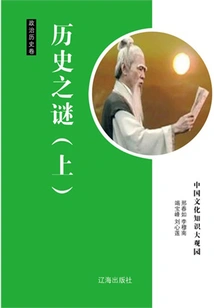
历史之谜(上)
Jie Baofeng Liu Xinlian Xing Chunru Li Munan
The Mysteries of History series, compiled by Jie Baofeng, Liu Xinlian, Xing Chunru, and Li Munan, consists of 32 volumes, which are used to explain the complexity of political struggles and reveal the most secretive parts of the long river of ancient history.
The Mysteries of History series, compiled by Jie Baofeng, Liu Xinlian, Xing Chunru, and Li Munan, consists of 32 volumes, which are used to explain the complexity of political struggles and reveal the most secretive parts of the long river of ancient history.
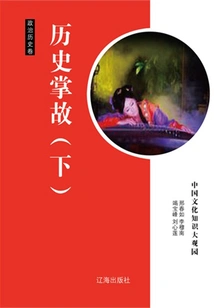
历史掌故(下)
Jie Baofeng Liu Xinlian Xing Chunru Li Munan
The Mysteries of History series, compiled by Jie Baofeng, Liu Xinlian, Xing Chunru, and Li Munan, consists of 32 volumes, which are used to explain the complexity of political struggles and reveal the most secretive parts of the long river of ancient history.
The Mysteries of History series, compiled by Jie Baofeng, Liu Xinlian, Xing Chunru, and Li Munan, consists of 32 volumes, which are used to explain the complexity of political struggles and reveal the most secretive parts of the long river of ancient history.
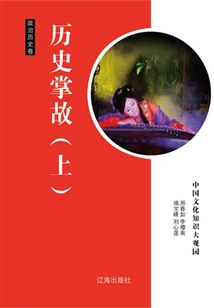
历史掌故(上)
Jie Baofeng Liu Xinlian Xing Chunru Li Munan
The Mysteries of History series, compiled by Jie Baofeng, Liu Xinlian, Xing Chunru, and Li Munan, consists of 32 volumes, which are used to explain the complexity of political struggles and reveal the most secretive parts of the long river of ancient history.
The Mysteries of History series, compiled by Jie Baofeng, Liu Xinlian, Xing Chunru, and Li Munan, consists of 32 volumes, which are used to explain the complexity of political struggles and reveal the most secretive parts of the long river of ancient history.
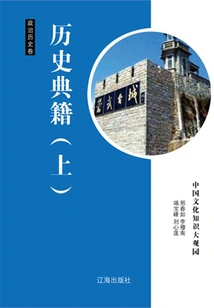
Historical Books (part 1)
History历史典籍(上)
Jie Baofeng Liu Xinlian Xing Chunru Li Munan
The Mysteries of History series, compiled by Jie Baofeng, Liu Xinlian, Xing Chunru, and Li Munan, consists of 32 volumes, which are used to explain the complexity of political struggles and reveal the most secretive parts of the long river of ancient history.
The Mysteries of History series, compiled by Jie Baofeng, Liu Xinlian, Xing Chunru, and Li Munan, consists of 32 volumes, which are used to explain the complexity of political struggles and reveal the most secretive parts of the long river of ancient history.
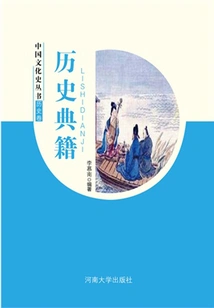
历史典籍(中国文化史丛书)
Editor-in-chief Li Munan
The Chinese nation is the oldest nation in the world, and the Chinese civilization is one of the oldest civilizations in the world. China has a written history of nearly 5,000 years. Starting from 841 BC, there has been no interruption in documented chronicles for nearly 3,000 years. This is unique in the long history of mankind. Among the four major ancient civilizations in the world, only China's history has always been passed down in an orderly manner and has never been interrupted.
The Chinese nation is the oldest nation in the world, and the Chinese civilization is one of the oldest civilizations in the world. China has a written history of nearly 5,000 years. Starting from 841 BC, there has been no interruption in documented chronicles for nearly 3,000 years. This is unique in the long history of mankind. Among the four major ancient civilizations in the world, only China's history has always been passed down in an orderly manner and has never been interrupted.
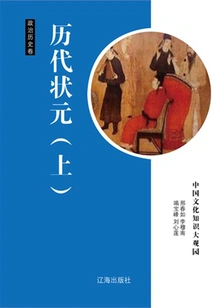
历代状元(上)
Jie Baofeng Liu Xinlian Xing Chunru Li Munan
The Mysteries of History series, compiled by Jie Baofeng, Liu Xinlian, Xing Chunru, and Li Munan, consists of 32 volumes, which are used to explain the complexity of political struggles and reveal the most secretive parts of the long river of ancient history.
The Mysteries of History series, compiled by Jie Baofeng, Liu Xinlian, Xing Chunru, and Li Munan, consists of 32 volumes, which are used to explain the complexity of political struggles and reveal the most secretive parts of the long river of ancient history.
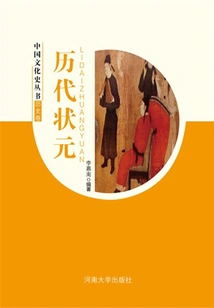
历代状元(中国文化史丛书)
Editor-in-chief Li Munan
The Chinese nation is the oldest nation in the world, and the Chinese civilization is one of the oldest civilizations in the world. China has a written history of nearly 5,000 years. Starting from 841 BC, there has been no interruption in documented chronicles for nearly 3,000 years. This is unique in the long history of mankind. Among the four major ancient civilizations in the world, only China's history has always been passed down in an orderly manner and has never been interrupted.
The Chinese nation is the oldest nation in the world, and the Chinese civilization is one of the oldest civilizations in the world. China has a written history of nearly 5,000 years. Starting from 841 BC, there has been no interruption in documented chronicles for nearly 3,000 years. This is unique in the long history of mankind. Among the four major ancient civilizations in the world, only China's history has always been passed down in an orderly manner and has never been interrupted.

历代官制(中国文化史丛书)
Editor-in-chief Li Munan
The Chinese nation is the oldest nation in the world, and the Chinese civilization is one of the oldest civilizations in the world. China has a written history of nearly 5,000 years. Starting from 841 BC, there has been no interruption in documented chronicles for nearly 3,000 years. This is unique in the long history of mankind. Among the four major ancient civilizations in the world, only China's history has always been passed down in an orderly manner and has never been interrupted.
The Chinese nation is the oldest nation in the world, and the Chinese civilization is one of the oldest civilizations in the world. China has a written history of nearly 5,000 years. Starting from 841 BC, there has been no interruption in documented chronicles for nearly 3,000 years. This is unique in the long history of mankind. Among the four major ancient civilizations in the world, only China's history has always been passed down in an orderly manner and has never been interrupted.
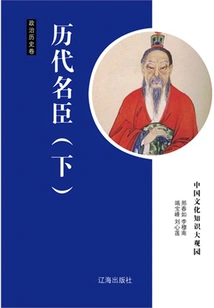
历代名臣(下)
Jie Baofeng Liu Xinlian Xing Chunru Li Munan
The Mysteries of History series, compiled by Jie Baofeng, Liu Xinlian, Xing Chunru, and Li Munan, consists of 32 volumes, which are used to explain the complexity of political struggles and reveal the most secretive parts of the long river of ancient history.
The Mysteries of History series, compiled by Jie Baofeng, Liu Xinlian, Xing Chunru, and Li Munan, consists of 32 volumes, which are used to explain the complexity of political struggles and reveal the most secretive parts of the long river of ancient history.
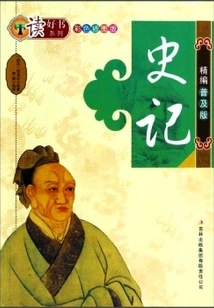
Historical Records
History史记
(western Han Dynasty) Original Work By Sima Qian, Edited By Guang Yu
"The Compiled Illustrated Edition of Historical Records" has rich ideological and cultural connotations, which are worthy of discovery and understanding by future generations. Considering that young people often only hear its name but do not see its details, and have a respectful attitude towards this ancient and jerky work, the vernacular version of it is hereby compiled into a book for the convenience of reading. In terms of content, we have selected stories and chapters that we think are more representative and inspiring from the epochs, families, and biographies of "Historical Records" and paired them with relevant pictures to enrich and extend the reading experience. I hope that this book will inspire young people to be interested in reading the full text of "Historical Records", because compared to other classical Chinese works, this work is not only highly interesting, but also uses simple language.
"The Compiled Illustrated Edition of Historical Records" has rich ideological and cultural connotations, which are worthy of discovery and understanding by future generations. Considering that young people often only hear its name but do not see its details, and have a respectful attitude towards this ancient and jerky work, the vernacular version of it is hereby compiled into a book for the convenience of reading. In terms of content, we have selected stories and chapters that we think are more representative and inspiring from the epochs, families, and biographies of "Historical Records" and paired them with relevant pictures to enrich and extend the reading experience. I hope that this book will inspire young people to be interested in reading the full text of "Historical Records", because compared to other classical Chinese works, this work is not only highly interesting, but also uses simple language.
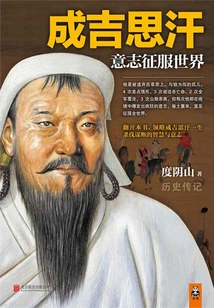
成吉思汗:意志征服世界
Duyin Mountain
This is the history of Genghis Khan's conquest of the world, and it is also a history of Genghis Khan's personal conquest. The Mongol Empire built by Genghis Khan and his descendants spanned Europe and Asia and was the largest empire in world history. At its peak, its territory extended to the Pacific Ocean in the east, the Arctic Ocean in the north, the Black Sea coast in the west, and the South China Sea in the south. Today's Hungary, Poland, Russia, and South Korea were all once part of the Great Mongol Empire. Genghis Khan relied on his amazing will to withstand the blows of failure again and again. Each time he was able to quickly squeeze the enemy's experience and strength in a short period of time, come back with a stronger self, and create the world's largest empire - the Mongol Empire. "With strong physical strength, you can only defeat a man; with strong will, you can defeat thousands of people." Genghis Khan said to his grandson Kublai Khan. Open this book and understand the simplest way of conquest by a generation of world conquerors in the passionate world war.
This is the history of Genghis Khan's conquest of the world, and it is also a history of Genghis Khan's personal conquest. The Mongol Empire built by Genghis Khan and his descendants spanned Europe and Asia and was the largest empire in world history. At its peak, its territory extended to the Pacific Ocean in the east, the Arctic Ocean in the north, the Black Sea coast in the west, and the South China Sea in the south. Today's Hungary, Poland, Russia, and South Korea were all once part of the Great Mongol Empire. Genghis Khan relied on his amazing will to withstand the blows of failure again and again. Each time he was able to quickly squeeze the enemy's experience and strength in a short period of time, come back with a stronger self, and create the world's largest empire - the Mongol Empire. "With strong physical strength, you can only defeat a man; with strong will, you can defeat thousands of people." Genghis Khan said to his grandson Kublai Khan. Open this book and understand the simplest way of conquest by a generation of world conquerors in the passionate world war.
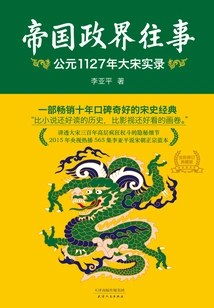
帝国政界往事:公元1127年大宋实录(全新修订典藏版)
Li Yaping
There are many people who write history, but there are very few people who write history like this! In the summer of 2004, a historical work called "The Past in Imperial Politics: Records of the Song Dynasty in 1127 AD" suddenly came out. Because it discovered the vividness and true face of history from the perspective of human nature and the details of historical materials, paper in Luoyang was very expensive at that time and became popular throughout the country. The author Li Yaping has also become a popular writer reported by major media, and is known as "the most knowledgeable humanities scholar about history after Huang Renyu".
There are many people who write history, but there are very few people who write history like this! In the summer of 2004, a historical work called "The Past in Imperial Politics: Records of the Song Dynasty in 1127 AD" suddenly came out. Because it discovered the vividness and true face of history from the perspective of human nature and the details of historical materials, paper in Luoyang was very expensive at that time and became popular throughout the country. The author Li Yaping has also become a popular writer reported by major media, and is known as "the most knowledgeable humanities scholar about history after Huang Renyu".
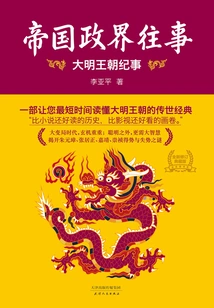
帝国政界往事:大明王朝纪事(全新修订典藏版)
Li Yaping
In the summer of 2004, a historical work called "The Past in Imperial Politics: Records of the Song Dynasty in 1127 AD" suddenly came out. Because it discovered the vividness and true face of history from the perspective of human nature and the details of historical materials, paper in Luoyang was very expensive at that time and became popular throughout the country. The author Li Yaping has also become a popular writer reported by major media, and is known as "the most knowledgeable humanities scholar about history after Huang Renyu". Since then, the highly acclaimed "Chronicles of the Ming Dynasty" and other books in the "The Imperial Past" series have been released one after another. These works, without exception, all interpret the emperors and generals from a "human" perspective. Through wonderful three-point analysis, they interpret the great changes in history and political confusion in a new way. They tell the truth of history in a unique and relaxed and interesting way, which makes people suddenly enlightened but difficult to let go. In 2015, "Chronicles of the Ming Dynasty" launched a new revised collector's edition, allowing you to understand the mysteries of the rise and fall of legendary historical figures such as Zhu Yuanzhang, Zhang Juzheng, Jiajing, and Chongzhen!
In the summer of 2004, a historical work called "The Past in Imperial Politics: Records of the Song Dynasty in 1127 AD" suddenly came out. Because it discovered the vividness and true face of history from the perspective of human nature and the details of historical materials, paper in Luoyang was very expensive at that time and became popular throughout the country. The author Li Yaping has also become a popular writer reported by major media, and is known as "the most knowledgeable humanities scholar about history after Huang Renyu". Since then, the highly acclaimed "Chronicles of the Ming Dynasty" and other books in the "The Imperial Past" series have been released one after another. These works, without exception, all interpret the emperors and generals from a "human" perspective. Through wonderful three-point analysis, they interpret the great changes in history and political confusion in a new way. They tell the truth of history in a unique and relaxed and interesting way, which makes people suddenly enlightened but difficult to let go. In 2015, "Chronicles of the Ming Dynasty" launched a new revised collector's edition, allowing you to understand the mysteries of the rise and fall of legendary historical figures such as Zhu Yuanzhang, Zhang Juzheng, Jiajing, and Chongzhen!
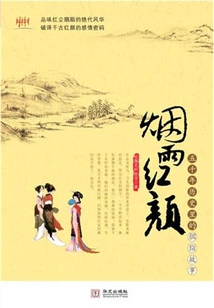
Misty Beauty
History烟雨红颜
Dead Vines, Old Trees And New Buds
This book mainly outlines and briefly reviews the love and destiny of 100 women in Chinese history from a female perspective. Most of the characters in the book are familiar and quite representative. These 100 women played important roles in history and even had varying degrees of influence on the direction of history. The writing is clear, humorous and lively; it re-examines the fate and love of the ancients from a modern perspective, enlightening people with a unique perspective.
This book mainly outlines and briefly reviews the love and destiny of 100 women in Chinese history from a female perspective. Most of the characters in the book are familiar and quite representative. These 100 women played important roles in history and even had varying degrees of influence on the direction of history. The writing is clear, humorous and lively; it re-examines the fate and love of the ancients from a modern perspective, enlightening people with a unique perspective.
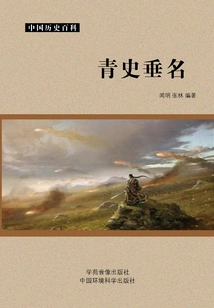
青史垂名
Wen Ming Zhang Lin
China is a huge country with a splendid civilization history of five thousand years and full of vitality and vitality. The Chinese nation has long been standing in the east of the world, and has continued for hundreds of generations.
China is a huge country with a splendid civilization history of five thousand years and full of vitality and vitality. The Chinese nation has long been standing in the east of the world, and has continued for hundreds of generations.
Talk About Weird Things
History谈闲说怪
Wen Ming Zhang Lin
China is a huge country with a splendid civilization history of five thousand years and full of vitality and vitality. The Chinese nation has long been standing in the east of the world, and has continued for hundreds of generations.
China is a huge country with a splendid civilization history of five thousand years and full of vitality and vitality. The Chinese nation has long been standing in the east of the world, and has continued for hundreds of generations.
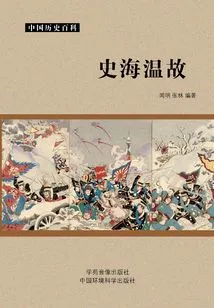
Shi Haiwen's Old Story
History史海温故
Wen Ming Zhang Lin
China is a huge country with a splendid civilization history of five thousand years and full of vitality and vitality. The Chinese nation has long been standing in the east of the world, and has continued for hundreds of generations.
China is a huge country with a splendid civilization history of five thousand years and full of vitality and vitality. The Chinese nation has long been standing in the east of the world, and has continued for hundreds of generations.
Interesting Celebrities
History逸趣名人
Wen Ming Zhang Lin
China is a huge country with a splendid civilization history of five thousand years and full of vitality and vitality. The Chinese nation has long been standing in the east of the world, and has continued for hundreds of generations.
China is a huge country with a splendid civilization history of five thousand years and full of vitality and vitality. The Chinese nation has long been standing in the east of the world, and has continued for hundreds of generations.
Official Name: Yamen
History官称衙署
Wen Ming Zhang Lin
China is a huge country with a splendid civilization history of five thousand years and full of vitality and vitality. The Chinese nation has long been standing in the east of the world, and has continued for hundreds of generations.
China is a huge country with a splendid civilization history of five thousand years and full of vitality and vitality. The Chinese nation has long been standing in the east of the world, and has continued for hundreds of generations.
刑具淫威
Wen Ming Zhang Lin
China is a huge country with a splendid civilization history of five thousand years and full of vitality and vitality. The Chinese nation has long been standing in the east of the world, and has continued for hundreds of generations.
China is a huge country with a splendid civilization history of five thousand years and full of vitality and vitality. The Chinese nation has long been standing in the east of the world, and has continued for hundreds of generations.
The Rise and Fall of Eunuchs
History阉宦兴衰
Wen Ming Zhang Lin
China is a huge country with a splendid civilization history of five thousand years and full of vitality and vitality. The Chinese nation has long been standing in the east of the world, and has continued for hundreds of generations.
China is a huge country with a splendid civilization history of five thousand years and full of vitality and vitality. The Chinese nation has long been standing in the east of the world, and has continued for hundreds of generations.
史籍精华
Wen Ming Zhang Lin
China is a huge country with a splendid civilization history of five thousand years and full of vitality and vitality. The Chinese nation has long been standing in the east of the world, and has continued for hundreds of generations.
China is a huge country with a splendid civilization history of five thousand years and full of vitality and vitality. The Chinese nation has long been standing in the east of the world, and has continued for hundreds of generations.
千年重农
Wen Ming Zhang Lin
China is a huge country with a splendid civilization history of five thousand years and full of vitality and vitality. The Chinese nation has long been standing in the east of the world, and has continued for hundreds of generations.
China is a huge country with a splendid civilization history of five thousand years and full of vitality and vitality. The Chinese nation has long been standing in the east of the world, and has continued for hundreds of generations.
Imperial Criminal Law
History皇权刑律
Wen Ming Zhang Lin
China is a huge country with a splendid civilization history of five thousand years and full of vitality and vitality. The Chinese nation has long been standing in the east of the world, and has continued for hundreds of generations.
China is a huge country with a splendid civilization history of five thousand years and full of vitality and vitality. The Chinese nation has long been standing in the east of the world, and has continued for hundreds of generations.
百家沉浮
Wen Ming Zhang Lin
China is a huge country with a splendid civilization history of five thousand years and full of vitality and vitality. The Chinese nation has long been standing in the east of the world, and has continued for hundreds of generations.
China is a huge country with a splendid civilization history of five thousand years and full of vitality and vitality. The Chinese nation has long been standing in the east of the world, and has continued for hundreds of generations.
Dynastic Lineage
History王朝世系
Wen Ming Zhang Lin
China is a huge country with a splendid civilization history of five thousand years and full of vitality and vitality. The Chinese nation has long been standing in the east of the world, and has continued for hundreds of generations.
China is a huge country with a splendid civilization history of five thousand years and full of vitality and vitality. The Chinese nation has long been standing in the east of the world, and has continued for hundreds of generations.
Palace Fans
History皇宫留迷
Wen Ming Zhang Lin
China is a huge country with a splendid civilization history of five thousand years and full of vitality and vitality. The Chinese nation has long been standing in the east of the world, and has continued for hundreds of generations.
China is a huge country with a splendid civilization history of five thousand years and full of vitality and vitality. The Chinese nation has long been standing in the east of the world, and has continued for hundreds of generations.
Examination
History考选科举
Wen Ming Zhang Lin
China is a huge country with a splendid civilization history of five thousand years and full of vitality and vitality. The Chinese nation has long been standing in the east of the world, and has continued for hundreds of generations.
China is a huge country with a splendid civilization history of five thousand years and full of vitality and vitality. The Chinese nation has long been standing in the east of the world, and has continued for hundreds of generations.
明初的人物、史事与传说
Chen Xuelin
"Characters, Historical Events and Legends of the Early Ming Dynasty" focuses on the similarities and differences of several important figures and events in the early Ming Dynasty in different historical records, and explores how they were exaggerated, attached, and distorted in later generations to present completely different appearances, thereby exerting influence on political life and folklore. By researching historical materials, tracing the origins, and analyzing the changes in authenticity and authenticity, we can reveal the historical values of different eras and levels, and explore the characteristics of the blend of history and folk traditions in Chinese culture. The main topics include the Ming Dynasty\
"Characters, Historical Events and Legends of the Early Ming Dynasty" focuses on the similarities and differences of several important figures and events in the early Ming Dynasty in different historical records, and explores how they were exaggerated, attached, and distorted in later generations to present completely different appearances, thereby exerting influence on political life and folklore. By researching historical materials, tracing the origins, and analyzing the changes in authenticity and authenticity, we can reveal the historical values of different eras and levels, and explore the characteristics of the blend of history and folk traditions in Chinese culture. The main topics include the Ming Dynasty\
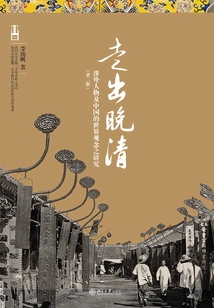
走出晚清:涉外人物及中国的世界观念之研究(第二版)
Li Yangfan
Starting from the foreign-related figures in the late Qing Dynasty, this article reorganizes the foreign relations in the late Qing Dynasty, and thereby discusses the Sino-foreign relations in history and reality, hoping that China can truly "step out of the late Qing Dynasty and move toward globalization." "Out of the Late Qing Dynasty: A Study of Foreign Figures and China's World Concepts (Second Edition)" has rich historical materials and sharp discussion. It will bring certain inspiration and understanding to readers who have unique feelings about this period of history or scholars who study this field. The magnitude of this revision is approximately 30%.
Starting from the foreign-related figures in the late Qing Dynasty, this article reorganizes the foreign relations in the late Qing Dynasty, and thereby discusses the Sino-foreign relations in history and reality, hoping that China can truly "step out of the late Qing Dynasty and move toward globalization." "Out of the Late Qing Dynasty: A Study of Foreign Figures and China's World Concepts (Second Edition)" has rich historical materials and sharp discussion. It will bring certain inspiration and understanding to readers who have unique feelings about this period of history or scholars who study this field. The magnitude of this revision is approximately 30%.
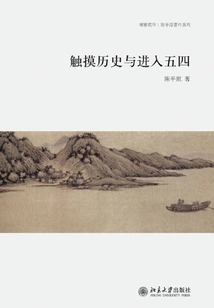
触摸历史与进入五四
Chen Pingyuan
"Touching History and Entering the May Fourth" starts with a movement (the student movement in the square on the day of the May Fourth), a magazine ("New Youth"), a principal (Cai Yuanpei), an article ("Zhang Taiyan's Vernacular Essays") and a collection of poems (Hu Shi's "Anthology") to talk about the "May Fourth" New Culture Movement. The author draws on the research methods of New Historicism, and uses a number of meaningful details, fragments, and cases to trace and reconstruct history, emphasizing the relationship between the late Qing Dynasty and
"Touching History and Entering the May Fourth" starts with a movement (the student movement in the square on the day of the May Fourth), a magazine ("New Youth"), a principal (Cai Yuanpei), an article ("Zhang Taiyan's Vernacular Essays") and a collection of poems (Hu Shi's "Anthology") to talk about the "May Fourth" New Culture Movement. The author draws on the research methods of New Historicism, and uses a number of meaningful details, fragments, and cases to trace and reconstruct history, emphasizing the relationship between the late Qing Dynasty and
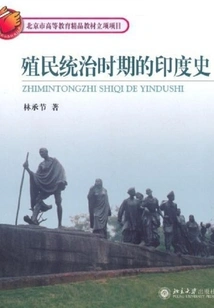
殖民统治时期的印度史
Lin Chengjie
"History of India during the Colonial Rule" discusses the history of India from the beginning of colonial invasion to the final gain of independence. This book focuses on how the British rule, while bringing huge disasters to India, unconsciously led to great changes in Indian society and started the modernization process; how the British rule contributed to the rise of a new economic and political force in India, how this force grew and expanded, how it actively participated in promoting India's development and finally forced the British to hand over power. The outstanding feature of this book is that it adheres to the principle of seeking truth from facts, studies India from the national conditions of India, and puts forward its own new insights on a series of major issues, such as the increasing realization of dual colonialism, colonial rule and the start of Indian modernity, the role of non-violent non-cooperation, the relationship between Gandhi and the Congress Party, the status of the lower classes in the national struggle, the reasons for the rise and development of sectarianism, the role of Britain in the partition of India and Pakistan, and the historical significance of Indian independence.
"History of India during the Colonial Rule" discusses the history of India from the beginning of colonial invasion to the final gain of independence. This book focuses on how the British rule, while bringing huge disasters to India, unconsciously led to great changes in Indian society and started the modernization process; how the British rule contributed to the rise of a new economic and political force in India, how this force grew and expanded, how it actively participated in promoting India's development and finally forced the British to hand over power. The outstanding feature of this book is that it adheres to the principle of seeking truth from facts, studies India from the national conditions of India, and puts forward its own new insights on a series of major issues, such as the increasing realization of dual colonialism, colonial rule and the start of Indian modernity, the role of non-violent non-cooperation, the relationship between Gandhi and the Congress Party, the status of the lower classes in the national struggle, the reasons for the rise and development of sectarianism, the role of Britain in the partition of India and Pakistan, and the historical significance of Indian independence.
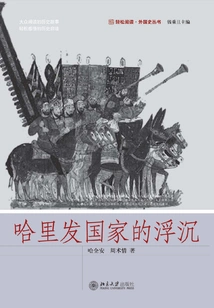
哈里发国家的浮沉
Ha Quan'an Zhou Shuqing
The content of "The Ups and Downs of the Caliphate" begins with the birth of Islam in 610 and ends with the Mongol army's occupation of Baghdad in 1258. It includes the following four aspects: 1. The rise of Islamic civilization; 2. The changes in the caliphate; 3. The economic and social life of the Middle East in the caliphate era; 4. The colorful Arab Islamic culture. After the death of Muhammad, the founder of Islam, in 632 AD, the Muslims, after a hundred years of hard work, established a huge empire that stretched from the Atlantic Ocean in the west to the Pamir Plateau in the east, to the Caucasus in the north, and to the Arabian Sea and the Gulf of Aden in the south. This was the caliphate. On the grand stage of "three continents and five seas", those Arabs, Persians and Turks who believe in Islam have jointly created the dazzling Arab Islamic civilization in the years. It connects the past and the future, brings together the east and the west, enables the continuation of the fire of human civilization, enables mutually isolated nations to integrate and communicate, and makes outstanding contributions to the world from dispersion to unity.
The content of "The Ups and Downs of the Caliphate" begins with the birth of Islam in 610 and ends with the Mongol army's occupation of Baghdad in 1258. It includes the following four aspects: 1. The rise of Islamic civilization; 2. The changes in the caliphate; 3. The economic and social life of the Middle East in the caliphate era; 4. The colorful Arab Islamic culture. After the death of Muhammad, the founder of Islam, in 632 AD, the Muslims, after a hundred years of hard work, established a huge empire that stretched from the Atlantic Ocean in the west to the Pamir Plateau in the east, to the Caucasus in the north, and to the Arabian Sea and the Gulf of Aden in the south. This was the caliphate. On the grand stage of "three continents and five seas", those Arabs, Persians and Turks who believe in Islam have jointly created the dazzling Arab Islamic civilization in the years. It connects the past and the future, brings together the east and the west, enables the continuation of the fire of human civilization, enables mutually isolated nations to integrate and communicate, and makes outstanding contributions to the world from dispersion to unity.
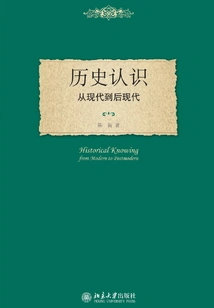
历史认识:从现代到后现代
Chen Xin
Westerners' reflection on history has been reflected in a relatively systematic way since ancient Greece. This tradition continued until the rise of historicism at the end of the 18th century. After that, Western historical understanding was able to break through the tradition and enter an era of more in-depth reflection and more systematic research. "Historical Understanding: From Modern to Postmodern" starts from the author's "self" standpoint, expresses the cognition of the core elements of historical understanding, criticizes the scientism and correspondence theory of truth in modern Western historical understanding, and then elaborates on the shock that postmodernism has brought to contemporary historiography and concepts, such as the criticism and reflection on time, change, historicity and other themes by Foucault, Derrida, Hayden White and others. The author shows that postmodernism introduces historical understanding into a more complex and pluralistic system, which will definitely prompt historians to be more self-aware, self-disciplined, and self-respecting, and to think historically about their research objects and even the research behavior itself.
Westerners' reflection on history has been reflected in a relatively systematic way since ancient Greece. This tradition continued until the rise of historicism at the end of the 18th century. After that, Western historical understanding was able to break through the tradition and enter an era of more in-depth reflection and more systematic research. "Historical Understanding: From Modern to Postmodern" starts from the author's "self" standpoint, expresses the cognition of the core elements of historical understanding, criticizes the scientism and correspondence theory of truth in modern Western historical understanding, and then elaborates on the shock that postmodernism has brought to contemporary historiography and concepts, such as the criticism and reflection on time, change, historicity and other themes by Foucault, Derrida, Hayden White and others. The author shows that postmodernism introduces historical understanding into a more complex and pluralistic system, which will definitely prompt historians to be more self-aware, self-disciplined, and self-respecting, and to think historically about their research objects and even the research behavior itself.
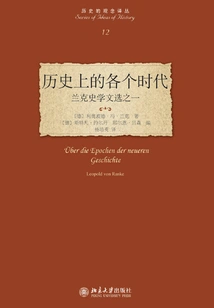
历史上的各个时代:兰克史学文选之一
(germany) Leopold Von Ranke
"Ages in History" was originally a transcript of Rank's lecture on history to the King of Bavaria in 1854, and was officially published in 1888 after his death. In a total of 19 lectures, Ranke outlined the basic characteristics of each era in European history. In the preface, he reflected on the concept of progress in human history, proposing that every era is special and has its own unique principles and effectiveness. Then, a series of historical events and their views are told in chronological order: during the Roman Empire, the connection between the East and the West was a prerequisite for Christianity to spread and become a world religion; the Middle Ages when nation-states and papal prerogatives were formed; the 18th century when European powers emerged; and the "revolutionary era" in which Ranke himself lived, which he called the era of crisis. Ultimately, he believed that while it was possible for humanity to progress materially, it was completely impossible to achieve moral perfection.
"Ages in History" was originally a transcript of Rank's lecture on history to the King of Bavaria in 1854, and was officially published in 1888 after his death. In a total of 19 lectures, Ranke outlined the basic characteristics of each era in European history. In the preface, he reflected on the concept of progress in human history, proposing that every era is special and has its own unique principles and effectiveness. Then, a series of historical events and their views are told in chronological order: during the Roman Empire, the connection between the East and the West was a prerequisite for Christianity to spread and become a world religion; the Middle Ages when nation-states and papal prerogatives were formed; the 18th century when European powers emerged; and the "revolutionary era" in which Ranke himself lived, which he called the era of crisis. Ultimately, he believed that while it was possible for humanity to progress materially, it was completely impossible to achieve moral perfection.
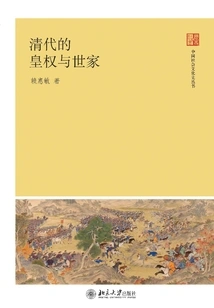
清代的皇权与世家
Lai Huimin
"Imperial Power and Families in the Qing Dynasty" tells the story of the Chen family and Zha family in Haining, the Zhang family in Tongcheng, the Kong family in Shandong, and the Niu Hulu family in Manchuria, all of which were famous aristocratic families in the Qing Dynasty. "Imperial Power and Families in the Qing Dynasty" provides an in-depth and comprehensive discussion on the family form, population growth, geographical distribution, and its relationship with imperial power. Based on a full grasp of historical materials, the author draws on sociological research methods such as demographics and genealogy analysis, thereby breaking out of the traditional historical research methods and providing a novel and unique perspective for understanding the history of the Qing Dynasty.
"Imperial Power and Families in the Qing Dynasty" tells the story of the Chen family and Zha family in Haining, the Zhang family in Tongcheng, the Kong family in Shandong, and the Niu Hulu family in Manchuria, all of which were famous aristocratic families in the Qing Dynasty. "Imperial Power and Families in the Qing Dynasty" provides an in-depth and comprehensive discussion on the family form, population growth, geographical distribution, and its relationship with imperial power. Based on a full grasp of historical materials, the author draws on sociological research methods such as demographics and genealogy analysis, thereby breaking out of the traditional historical research methods and providing a novel and unique perspective for understanding the history of the Qing Dynasty.
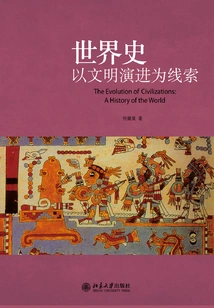
世界史:以文明演进为线索
He Shunguo
"World History: Taking the Evolution of Civilization as a Clue" observes the world historical process from ancient times to the present day from the perspective of "civilization evolution". In chronological order, it is divided into five parts to describe the rise of agricultural civilization in the East, cultural exchanges caused by barbarian invasions, the gestation of industrial civilization in the West, various attempts by underdeveloped countries on the road to modernization, and the changes in human society brought about by the high-tech revolution. Focusing on the four focuses of economic conditions, political organization, moral traditions, and culture and art, "World History" presents a colorful picture of the emergence, development, dissemination, and exchanges of major human civilizations.
"World History: Taking the Evolution of Civilization as a Clue" observes the world historical process from ancient times to the present day from the perspective of "civilization evolution". In chronological order, it is divided into five parts to describe the rise of agricultural civilization in the East, cultural exchanges caused by barbarian invasions, the gestation of industrial civilization in the West, various attempts by underdeveloped countries on the road to modernization, and the changes in human society brought about by the high-tech revolution. Focusing on the four focuses of economic conditions, political organization, moral traditions, and culture and art, "World History" presents a colorful picture of the emergence, development, dissemination, and exchanges of major human civilizations.
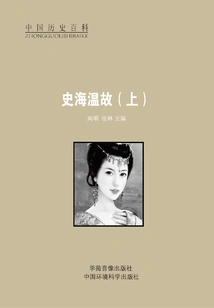
史海温故(上)
Wen Ming Zhang Lin
China is a huge country with a splendid civilization history of five thousand years and full of vitality and vitality. The Chinese nation has long been standing in the east of the world, and has continued for hundreds of generations.
China is a huge country with a splendid civilization history of five thousand years and full of vitality and vitality. The Chinese nation has long been standing in the east of the world, and has continued for hundreds of generations.
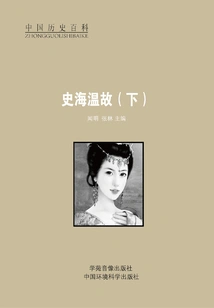
史海温故(下)
Wen Ming Zhang Lin
China is a huge country with a splendid civilization history of five thousand years and full of vitality and vitality. The Chinese nation has long been standing in the east of the world, and has continued for hundreds of generations.
China is a huge country with a splendid civilization history of five thousand years and full of vitality and vitality. The Chinese nation has long been standing in the east of the world, and has continued for hundreds of generations.
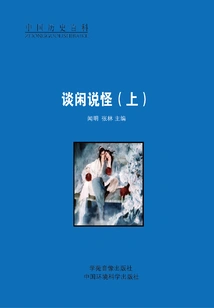
谈闲说怪(上)
Wen Ming Zhang Lin
China is a huge country with a splendid civilization history of five thousand years and full of vitality and vitality. The Chinese nation has long been standing in the east of the world, and has continued for hundreds of generations.
China is a huge country with a splendid civilization history of five thousand years and full of vitality and vitality. The Chinese nation has long been standing in the east of the world, and has continued for hundreds of generations.
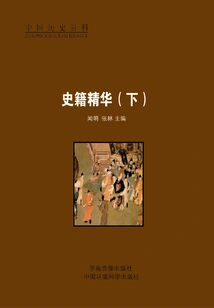
史籍精华(下)
Wen Ming Zhang Lin
China is a huge country with a splendid civilization history of five thousand years and full of vitality and vitality. The Chinese nation has long been standing in the east of the world, and has continued for hundreds of generations.
China is a huge country with a splendid civilization history of five thousand years and full of vitality and vitality. The Chinese nation has long been standing in the east of the world, and has continued for hundreds of generations.